Showing Posts From
Okra
-
 Michael Chef
 - 27 Aug, 2026 17:07
The Verdant Alchemy: Why Bhindi is the Ocean-Breeze Snack You Never Knew You Craved
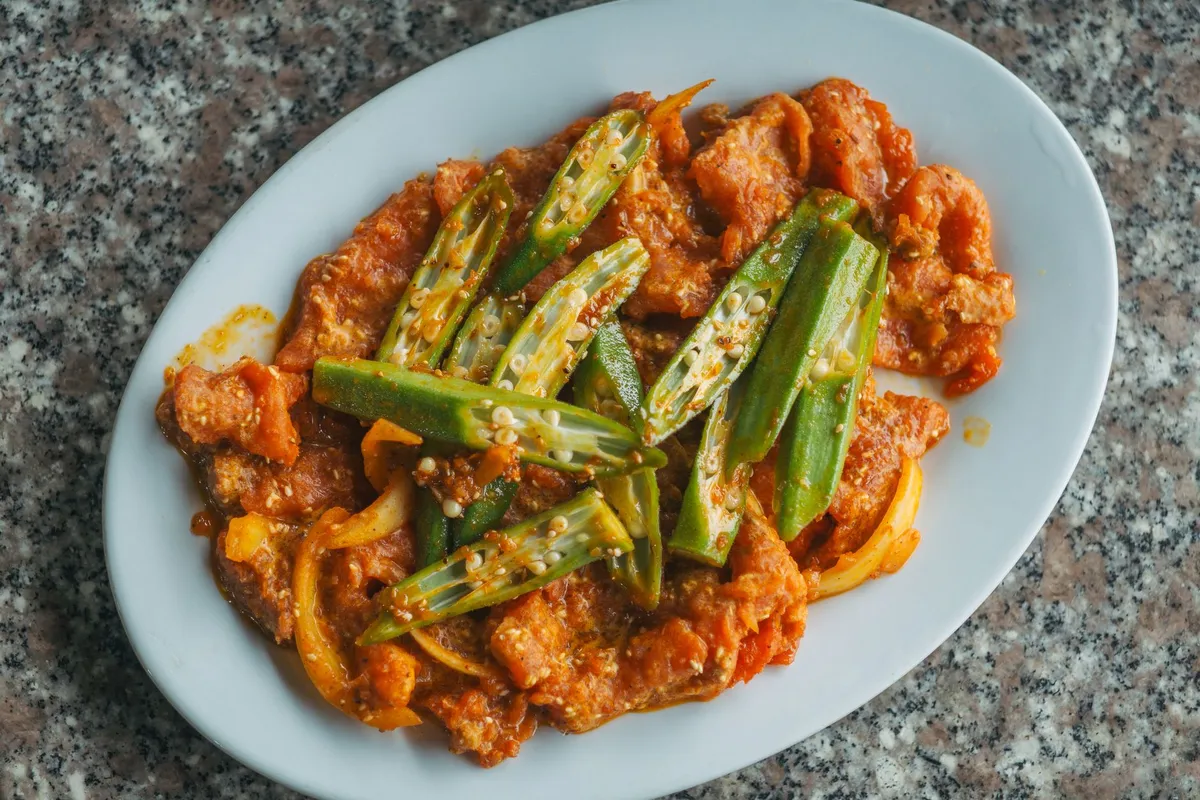
The morning sun breaks over the horizon, casting a liquid gold hue across the sand, but my appetite is not for the catch of the day—it is for the humble, jagged silhouette of the okra pod. Known globally as Abelmoschus esculentus, this botanical marvel is far more than just a stew thickener; it is a vessel for texture, a canvas for spices, and, when handled with the precision of a chef, the crunchiest snack you will find on any coast. From Tropical Roots to Your Culinary Shoreline Tracing the lineage of okra is a journey through history, likely beginning in the lush, humid regions of tropical Africa or perhaps the shaded groves of South Asia. It is a plant that thrives in the warmth, much like the sun-drenched beaches where we find our greatest culinary inspirations. The plant belongs to the mallow family—cousin to the hibiscus and cotton—which explains its elegant, pale yellow flowers that bloom briefly before giving way to the pods we know so well. When we talk about "Bhindi," we are talking about a cultural icon. Whether it is stir-fried in a cast-iron pan over an open flame near the boardwalk or sliced thinly and flash-fried to a golden crisp, the okra pod possesses a unique structural integrity. It is resilient, fibrous, and holds onto seasonings with a tenacity that makes it the ultimate vehicle for tangy, salty, and spicy flavor profiles.The Art of the Perfect Crunch Why does the world obsession with "crunch" often bypass the okra? It is a tragedy born of poor technique. When stewed for too long, the okra yields its mucilaginous interior, a trait prized in gumbo but arguably misunderstood in the snack world. To transform the pod into a beachside snack, we must embrace the dry heat. The secret to a perfect crispy Bhindi snack lies in three pillars: preparation, moisture control, and heat. First, the pods must be cleaned and—this is non-negotiable—completely dried. Any residual water is the enemy of the crunch. Once sliced into uniform, thin rounds, they should be tossed in a light coating of chickpea flour (besan) and a dusting of turmeric, Kashmiri chili powder, and a heavy pinch of sea salt. This coating acts as a protective barrier, sealing in the essence of the vegetable while allowing the surface to crisp into a shatteringly brittle crust. A Tangy Twist for Coastal palates No snack is complete without a bit of zing, and when we are talking about sea-breeze eating, acidity is the key to cutting through the richness of fried ingredients. Imagine sitting on a teak deck, the salt air tangling your hair, with a bowl of these seasoned okra rounds. A squeeze of fresh lime juice—or better yet, a dash of dry mango powder (amchur)—adds a fruity, puckering acidity that elevates the deep, earthiness of the okra. This specific flavor profile is the hallmark of Indian street food, but it fits perfectly into the aesthetic of a global beach snack. It is light enough to graze on throughout the afternoon, yet satisfying enough to keep you fueled while you watch the tide come in. It is, in every sense, a snack of the earth that belongs by the water.Culinary Science: Why the Texture Matters At the molecular level, okra is a fascinating specimen. Its mucilage is composed of polysaccharides—a type of carbohydrate that forms a gel when heated in liquid. By choosing to fry, bake, or air-fry the okra at high temperatures, we effectively bypass the hydration of these polysaccharides. We are essentially forcing the plant to surrender its moisture, turning the pods into crispy, vegetal chips. This process is a form of edible alchemy. You are taking a plant that is traditionally associated with "slime" and reclaiming it as a "shatter." The fiber content remains, providing a nutritious backbone, but the sensory experience is entirely redirected. It is a masterclass in how heat can rewrite the identity of a vegetable. Cultivating Your Own Okra Obsession If you are inspired to bring this snack into your kitchen, remember that size matters. When selecting okra pods at the market, look for the smaller, "young" pods. They are tender, possess fewer seeds, and have a significantly better snap when fried. Larger, older pods can become woody, which is fine for long-simmering dishes but less than ideal for our mission of creating the perfect crunchy snack. Here is a simple blueprint for your first batch of "Ocean-Breeze Bhindi": # The Chef's Logic for Crispy Okra def prepare_crispy_okra(okra_rounds, seasoning_blend): """ Ensure total moisture removal for maximum crunch. Coat with chickpea flour for structural crispness. Flash fry at high heat. """ dried_okra = remove_all_surface_moisture(okra_rounds) coated_okra = apply_chickpea_flour_and_spices(dried_okra, seasoning_blend) return fry_until_golden_brown(coated_okra)By following this approach, you move away from the "soggy" stereotype and into the realm of the sophisticated, high-texture snack. The Social Aspect of Snacking There is an inherent social quality to the snack board. Whether you are hosting a sunset gathering or just enjoying a quiet moment, Bhindi is a snack that demands to be shared. Because it is plant-based and naturally gluten-free (when using chickpea flour), it is the inclusive snack of the modern age. It welcomes everyone to the table, regardless of dietary restrictions. As you sit by the ocean, watching the waves churn, there is something poetic about consuming a snack that—like the tide—has gone through its own series of transformations. The earthiness of the soil, the heat of the fire, the tang of the citrus, and the spray of the ocean salt. It is a complete sensory loop.Final Culinary Reflections We often seek novelty in our food, searching for the next superfood or the newest processed trend. Yet, the answer is often hiding in plain sight—the local produce section of our favorite market. Bhindi is a reminder that we do not need to invent new foods to change our experience; we only need to change our perspective on the classics. Next time you find yourself at the market, walk past the potato chips and the processed crackers. Head straight for the okra. Take a moment to feel the jagged edges of the pods, imagine them tossed in spices, and envision them hitting the hot oil until they sing. That sound—that high-pitched sizzle—is the sound of a snack being born. Treat it with respect, season it with boldness, and enjoy it in the sunshine. Your transition from casual snacker to a devotee of the crunchy, tangy Bhindi begins with the very next pod you pick up. It is time to treat the okra with the reverence it deserves. It has been waiting for you, standing tall in the garden, ready to be turned into your new favorite coastal tradition. Whether you enjoy them as a garnish for a seafood curry or a standalone bowl of golden, spiced perfection, the humble okra pod has earned its place on the pedestal. It is simple, it is scientific, and most importantly, it is utterly delicious. Dive into the world of crispy Bhindi; your palate will thank you for the adventure. #Bhindi #CrispyOkra #CoastalCuisine #GourmetSnacking #VegetarianDelights Related InsightsTabbouleh: The Fresh and Herbaceous National Salad The Ultimate Guide to Spanish Tapas: Recipes and Regional Variations The Mediterranean Symphony: Whole Wheat Pasta Primavera with Abundant Vegetables{ "@context": "https://schema.org", "@type": "FAQPage", "mainEntity": [ { "@type": "Question", "name": "What is the main focus of The Verdant Alchemy: Why Bhindi is the Ocean-Breeze Snack You Never Knew You Craved?", "acceptedAnswer": { "@type": "Answer", "text": "Discover the transformation of humble okra into a seaside-inspired, crunchy delicacy that defines modern coastal snacking." } }, { "@type": "Question", "name": "Who authored the comprehensive guide on The Verdant Alchemy: Why Bhindi is the Ocean-Breeze Snack You Never Knew You Craved?", "acceptedAnswer": { "@type": "Answer", "text": "This detailed article and its insights were carefully researched and authored by Michael Chef." } }, { "@type": "Question", "name": "Where can I find more related content about Food?", "acceptedAnswer": { "@type": "Answer", "text": "You can explore more articles, detailed reviews, and similar insights by browsing the Related Insights section at the bottom of this article or visiting our dedicated Food category page." } } ] }