Showing Posts From
Omega 3
-
 Chloe Blanc
 - 29 Jun, 2026 08:24
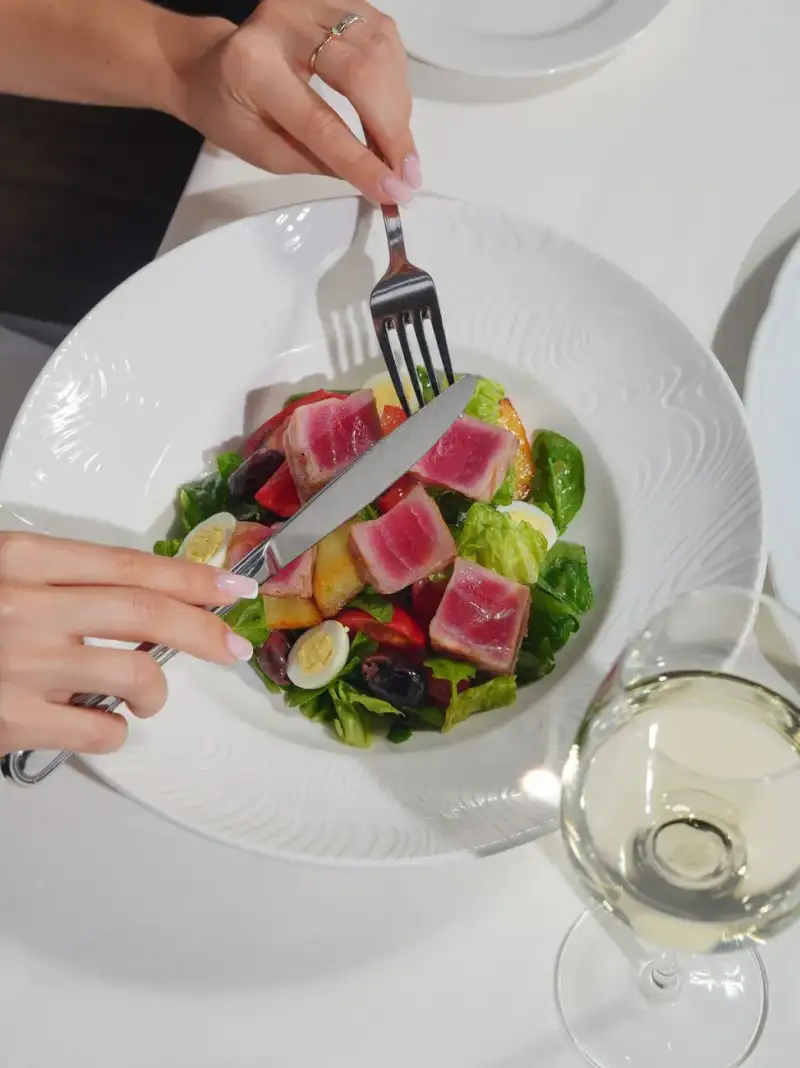
nicoise salad with seared tuna and green beans: a delicious omega-3 rich dish
Introduction to Nicoise Salad The Nicoise salad is a classic French dish that originated in the city of Nice, France. It typically consists of hard-boiled eggs, niçoise olives, and tuna, dressed with a vinaigrette made from olive oil and lemon juice. In this recipe, we will be adding some green beans and searing the tuna to give it a delicious and healthy twist. According to recent studies, omega-3 rich foods like tuna have been shown to have numerous health benefits, including reducing inflammation and improving heart health. The Health Benefits of Omega-3 Research on omega-3 rich foods has shown that they have anti-inflammatory properties, which can help to reduce the risk of chronic diseases such as heart disease, cancer, and Alzheimer's disease. Omega-3 fatty acids have also been shown to improve brain function and may even help to reduce the symptoms of depression. The best sources of omega-3 are fatty fish like tuna, salmon, and sardines, as well as flaxseeds and chia seeds. Preparing the Ingredients To prepare the ingredients for this recipe, start by bringing a pot of salted water to a boil. Blanch the green beans in the boiling water for 3-5 minutes, or until they are tender but still crisp. While the green beans are cooking, heat a skillet over medium-high heat. Season the tuna steaks with salt and pepper, and sear them in the skillet for 2-3 minutes per side, or until they are cooked to your desired level of doneness.Cooking the Quinoa Quinoa is a nutritious and versatile grain that is high in protein and fiber. To cook the quinoa, rinse it in a fine mesh strainer and drain well. In a medium saucepan, bring 2 cups of water to a boil. Add the quinoa and reduce the heat to low. Cover the saucepan with a lid and simmer for 15-20 minutes, or until the quinoa is tender and the water has been absorbed.Assembling the Salad To assemble the salad, start by combining the cooked quinoa, green beans, cherry tomatoes, and niçoise olives in a large bowl. In a small bowl, whisk together the olive oil, lemon juice, Dijon mustard, salt, and pepper. Pour the dressing over the quinoa mixture and toss to combine. Slice the seared tuna and place it on top of the salad.Conclusion The Nicoise salad with seared tuna and green beans is a delicious and healthy dish that is rich in omega-3 fatty acids. With its combination of protein, healthy fats, and complex carbohydrates, this salad makes for a nutritious and filling meal. Whether you're looking for a quick and easy lunch or a hearty dinner, this recipe is sure to become a staple in your kitchen. #HealthyLiving #Gastronomy #Omega3Rich #NicoiseSalad #SearedTuna #GreenBeans Related InsightsThe Fire and the Flesh: Unveiling the Eternal Alchemy of the Turkish Kebab Exploring the Nutritional Haven of Buckwheat Kasha with Sautéed Mushrooms and Onions Bhel Puri: The Crunchy, Tangy Beachside Snack{ "@context": "https://schema.org", "@type": "FAQPage", "mainEntity": [ { "@type": "Question", "name": "What is the main focus of nicoise salad with seared tuna and green beans: a delicious omega-3 rich dish?", "acceptedAnswer": { "@type": "Answer", "text": "A healthy and delicious nicoise salad recipe with seared tuna and green beans, rich in omega-3 fatty acids. Learn about the health benefits of omega-3 and how to prepare this dish." } }, { "@type": "Question", "name": "Who authored the comprehensive guide on nicoise salad with seared tuna and green beans: a delicious omega-3 rich dish?", "acceptedAnswer": { "@type": "Answer", "text": "This detailed article and its insights were carefully researched and authored by Chloe Blanc." } }, { "@type": "Question", "name": "Where can I find more related content about Food?", "acceptedAnswer": { "@type": "Answer", "text": "You can explore more articles, detailed reviews, and similar insights by browsing the Related Insights section at the bottom of this article or visiting our dedicated Food category page." } } ] }
-
 Michael Chef
 - 06 Jun, 2026 08:47
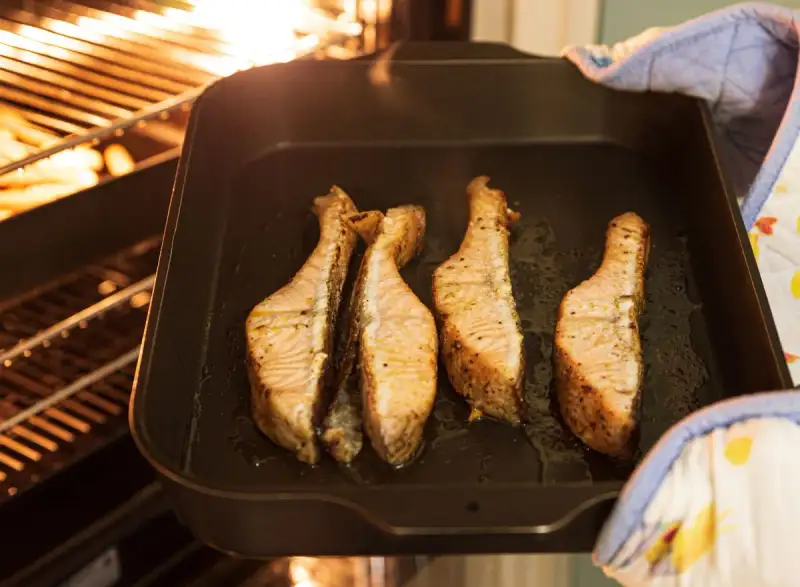
The Ultimate Omega-3 Powerhouse: Sheet Pan Salmon with Asparagus and Cherry Tomatoes
The Gastronomic and Physiological Symphony of Salmon In the realm of modern gastronomy, the line between the kitchen and the laboratory has beautifully blurred. As a culinary professional and health advocate, my philosophy has always been that a plate of food should do more than merely satisfy hunger; it should act as a cellular restoration therapy. Today, we are diving deep into a dish that represents the absolute zenith of this philosophy: Sheet Pan Salmon with Asparagus and Cherry Tomatoes, enhanced with a scientifically-inspired pecan-herb crust. Historically, salmon has been revered across cultures—from the indigenous peoples of the Pacific Northwest, who regarded the wild fish as a sacred renewer of life, to the coastal communities of the Nordic regions, who relied on its dense fat stores to survive unforgiving winters. These cultures intuitively understood what modern science has spent decades proving: salmon is an unparalleled metabolic elixir. At the center of salmon’s health profile is its extraordinary concentration of long-chain omega-3 polyunsaturated fatty acids (PUFAs), specifically eicosapentaenoic acid (EPA) and docosahexaenoic acid (DHA). These essential fats are critical structural components of human cell membranes, particularly in the brain, retina, and cardiovascular system. However, preparing salmon in a way that preserves these delicate, highly volatile fats is a precise culinary science. To truly appreciate how we can maximize the health potential of our food, we must look at how modern science approaches molecular protection, preservation, and agricultural synergy.The Vulnerability of Omega-3s: A Deep Scientific Dive While omega-3 fatty acids are incredibly beneficial for lowering systemic inflammation and supporting cognitive function, they possess a major vulnerability: their chemical structure makes them highly susceptible to oxidative degradation. Because polyunsaturated fats contain multiple double bonds, exposure to heat, light, and oxygen during storage and cooking can trigger a cascade of lipid oxidation. This process not only destroys the beneficial properties of the fatty acids but also produces harmful compounds such as hydroperoxides, malondialdehyde, and volatile off-flavor compounds that give fish a notoriously "fishy" smell and bitter taste. To combat this, culinary science borrows fascinating concepts from agricultural and packaging research. For instance, recent scientific investigations into food preservation have highlighted the potent role of natural, plant-derived antioxidants in stabilizing delicate fats. In a groundbreaking study evaluating the "Antioxidant properties and applications of pecan (Carya illinoinensis)", researchers explored how the natural bioactive extracts from pecans could prevent the degradation of volatile lipids in real food environments. According to this research, extracts from the shell and fruit of the pecan contain exceptionally high levels of total polyphenols (TPC) and exhibit remarkable antiradical activity—comparable even to the values found in green tea extract. Most notably for seafood lovers, the study demonstrated that these natural extracts had a highly positive effect in slowing the formation of hydroperoxides in emulsions. Furthermore, when researchers evaluated the potential synergetic effects of these plant extracts, they discovered that combining different plant materials significantly slowed down fat oxidation in fish patties (specifically sardine burgers), dramatically decreasing the formation of reactive compounds like malondialdehyde. In our kitchen, we can directly apply these incredible scientific findings. By coating our salmon fillets with a finely crushed pecan crust and roasting them alongside antioxidant-rich vegetables like cherry tomatoes and asparagus, we create a synergistic, natural protective shield. The polyphenols present in the pecans, combined with the lycopene and vitamin C in the tomatoes, act as active biological scavengers, neutralizing free radicals and preventing the heat-induced oxidation of our precious omega-3 fatty acids during the roasting process.The Protective Shield: Packaging and Prep Science Understanding how to protect our food begins long before we turn on the oven. The journey of salmon from the cold ocean waters to our kitchen counters involves a sophisticated chain of preservation, where green technology plays an increasingly vital role. In the study titled "Green Design of Novel Starch-Based Packaging Materials Sustaining Human and Environmental Health", scientists are rewriting the rules of how we package and protect fresh foods. The research focuses on integrating the principles of green chemistry, green technology, and green nanotechnology to create starch-based packaging films that incorporate natural bioactive compounds, vitamins, and minerals. This advanced packaging acts as an active shield, utilizing cold atmospheric plasma treatments and phytosynthesized metal nanoparticles to preserve the structural and nutritional integrity of fresh ingredients, preventing microbial decay and primary lipid oxidation before the food even reaches your home. When we unpack a pristine piece of wild-caught salmon, we are receiving a raw ingredient that has been kept stable through high-tech preservation methods. Once it enters our culinary domain, it is our responsibility to maintain that biological integrity. By roasting salmon at a moderate 400°F (200°C) for a relatively short period, and using high-quality extra virgin olive oil or pecan oil, we are continuing this protective chain. The monounsaturated fats in these oils provide a stable medium that gently transfers heat to the fish without breaking down. The addition of fresh garlic—which contains sulfur-based organosulfur compounds—and freshly squeezed lemon juice further enhances the biochemical preservation of the fish, making this sheet pan meal a masterclass in modern, health-focused home cooking.The Culinary Anatomy of Our Sheet Pan Masterpiece To build a dish that satisfies both the clinical researcher and the seasoned epicurean, every single ingredient must be chosen with intent. Here is the anatomical breakdown of why this sheet pan assembly works so beautifully on both a molecular and sensory level:Wild-Caught Salmon: Our star ingredient. Wild-caught varieties (such as Sockeye or King salmon) boast a superior omega-3 to omega-6 ratio compared to farm-raised alternatives. It is also packed with astaxanthin, a powerful antioxidant carotenoid that gives the flesh its vibrant pink hue and helps protect our cells from oxidative stress. Fresh Asparagus: Asparagus is a nutritional powerhouse, loaded with vitamins A, C, E, and K, as well as chromium—a trace mineral that enhances the action of insulin and aids in blood sugar regulation. Culturally, asparagus represents the arrival of spring, offering a crisp, herbaceous, and slightly bitter contrast that cuts through the rich, buttery mouthfeel of the salmon. Cherry Tomatoes: When cherry tomatoes are subjected to the dry heat of roasting, their skins blister, their natural sugars caramelize, and their cell walls break down. This thermal breakdown actually increases the bioavailability of lycopene, a highly potent lipid-soluble antioxidant. Lycopene works hand-in-hand with the monounsaturated fats in our cooking oil, absorbing directly into our system to support cardiovascular health. The Pecan and Herb Crust: Directly inspired by the Carya illinoinensis study, we introduce finely crushed pecans as a topping. Not only do pecans provide an earthy, buttery crunch that mimics traditional breadcrumbs (making this recipe naturally gluten-free), but their rich polyphenol profile and soluble fiber content actively protect the salmon's fats from heat-induced secondary oxidation. Fresh Garlic and Lemon: Garlic brings depth and savoriness, while its active compound, allicin, supports vascular health. Lemon provides a bright, acidic lift that cuts through the richness of the fish, while its citric acid and vitamin C act as natural chelating agents to preserve the vibrant colors of our vegetables.Let us now translate this fascinating science into culinary action. The Recipe: Sheet Pan Salmon with Asparagus, Cherry Tomatoes, and Pecan DustPrep Time: 15 minutes Cook Time: 20 minutes Yield: 4 servingsIngredients4 wild-caught salmon fillets (approx. 6 ounces each, skin-on) 1 large bunch of fresh organic asparagus (woody ends snapped off and discarded) 2 cups organic cherry tomatoes (left whole) 2 tablespoons cold-pressed extra virgin olive oil (or high-quality pecan oil) 3 large cloves of garlic, finely minced 1/2 cup raw pecans, very finely crushed/chopped (almost to a coarse meal texture) 1 organic lemon, sliced into thin rounds (plus extra wedges for serving) 1 teaspoon pink Himalayan sea salt (divided) 1/2 teaspoon freshly cracked black pepper 1/4 cup fresh dill leaves, roughly chopped for garnishStep-by-Step Instructions Step 1: Prepare Your Workspace and Oven Preheat your oven to 400°F (200°C). Position your oven rack in the center. Line a heavy-duty, rimmed baking sheet with unbleached parchment paper. This not only prevents sticking but also ensures even heat distribution, echoing the eco-friendly, clean cooking principles of sustainable food design. Step 2: Prep the Vegetables Thoroughly wash the asparagus and cherry tomatoes, then pat them completely dry with a clean kitchen towel. (Moisture is the enemy of caramelization; if the vegetables are wet, they will steam rather than roast). Place the trimmed asparagus and whole cherry tomatoes in a large mixing bowl. Drizzle with one tablespoon of the olive oil (or pecan oil), half of the minced garlic, half a teaspoon of sea salt, and a quarter teaspoon of black pepper. Toss gently until every spear and tomato is lightly and evenly coated with the seasoned oil. Step 3: Arrange the Sheet Pan Spread the seasoned asparagus and cherry tomatoes across the prepared sheet pan, leaving four distinct spaces clear for the salmon fillets. Step 4: Prepare the Salmon and the Protective Pecan Crust Pat the salmon fillets dry with a paper towel. Place them skin-side down in the designated spaces on the sheet pan. Drizzle the remaining tablespoon of oil over the top of each fillet. Rub the remaining minced garlic evenly onto the flesh of the salmon, followed by a light sprinkle of the remaining salt and pepper. Now, apply the scientific shield: press the finely crushed pecans firmly onto the top of each salmon fillet, creating an even, dense crust. This physical barrier of polyphenol-rich pecans will bear the direct heat of the oven, protecting the delicate omega-3s within the fish from thermal degradation. Lay the thin lemon slices directly over the vegetables and slightly overlapping the edges of the salmon. Step 5: Roast to Perfection Slide the sheet pan into the preheated oven. Bake for 12 to 15 minutes. You will know the dish is ready when the cherry tomatoes have slightly blistered and begun to release their sweet juices, the asparagus is tender-crisp with caramelized tips, and the pecan crust is fragrant and golden-brown. To test the salmon, gently press the thickest part of the fillet with a fork; it should flake easily and reveal a moist, translucent pink interior. Step 6: Garnish and Serve Carefully remove the sheet pan from the oven. Immediately scatter the fresh, chopped dill over the entire pan. The residual heat will activate the volatile oils in the dill, releasing an incredible, fresh aroma. Serve hot, spooning any accumulated pan juices (rich in lycopene and healthy fats) back over the salmon and vegetables.Culinary Tips and Storage Science If you happen to have leftovers, understanding how to store them is just as important as knowing how to cook them. Because cooked salmon contains highly unsaturated fats, it is prone to rapid secondary oxidation if left exposed to the air. To preserve the nutritional integrity of your leftovers, store them in a tightly sealed glass container in the refrigerator for no more than two days. Glass is non-reactive and impermeable to oxygen, unlike cheap plastics. When reheating, avoid the microwave at all costs. The aggressive, uneven heating of microwave radiation can quickly denature the proteins and oxidize the remaining omega-3 fats, resulting in a dry, rubbery texture and a strong fishy odor. Instead, place the salmon and vegetables back on a sheet pan, cover loosely with foil to retain moisture, and warm gently in a 300°F (150°C) oven for about 8 to 10 minutes. This slow, low-temperature reheat preserves the integrity of both the flavor and the beneficial fats. Conclusion: Where Science and Flavor Intersect Creating a truly healthy lifestyle does not require sacrificing the joy of eating. As we have seen through the lens of modern food packaging and antioxidant research, the very ingredients that elevate a dish to culinary greatness—such as rich, buttery pecans, sweet roasted tomatoes, and aromatic garlic—are the precise biological agents that protect and enhance its nutritional profile. This Sheet Pan Salmon with Asparagus and Cherry Tomatoes is a beautiful testament to this synergy. It is simple enough for a busy weeknight, yet sophisticated enough to serve at a elegant dinner party. By understanding the science behind lipid oxidation and utilizing the natural protective power of plant synergies, we transform a simple dinner into a proactive step toward long-term health, cellular vitality, and culinary joy. Bon Appétit!#HealthyLiving #Gastronomy #Omega3Rich #CleanEating #MichaelChef Related InsightsThe Living Gold of the Koji Room: Decoding Traditional Miso Fermentation Exploring the Delightful World of Cheese Pairings Korma: The Art of Braising in Royal Kitchens{ "@context": "https://schema.org", "@type": "FAQPage", "mainEntity": [ { "@type": "Question", "name": "What is the main focus of The Ultimate Omega-3 Powerhouse: Sheet Pan Salmon with Asparagus and Cherry Tomatoes?", "acceptedAnswer": { "@type": "Answer", "text": "Discover a scientifically-backed, antioxidant-rich sheet pan salmon recipe featuring asparagus and cherry tomatoes designed to preserve fragile omega-3 fatty acids." } }, { "@type": "Question", "name": "Who authored the comprehensive guide on The Ultimate Omega-3 Powerhouse: Sheet Pan Salmon with Asparagus and Cherry Tomatoes?", "acceptedAnswer": { "@type": "Answer", "text": "This detailed article and its insights were carefully researched and authored by Michael Chef." } }, { "@type": "Question", "name": "Where can I find more related content about Food?", "acceptedAnswer": { "@type": "Answer", "text": "You can explore more articles, detailed reviews, and similar insights by browsing the Related Insights section at the bottom of this article or visiting our dedicated Food category page." } } ] }
-
 Elena Volkova
 - 21 May, 2026 11:44
Salmon Kulebyaka: A Harmonious Union of Omega-3 Rich Fish, Buckwheat, and Herbs
Introduction to Salmon Kulebyaka Salmon Kulebyaka, a traditional Russian dish, is a masterpiece of culinary art that combines the richness of salmon with the earthiness of buckwheat and the brightness of fresh herbs. According to recent studies, omega-3 rich foods like salmon have been shown to have numerous health benefits, including reducing inflammation and improving heart health. Research on omega-3 rich foods has also demonstrated their potential to improve cognitive function and reduce the risk of chronic diseases. As we delve into the world of Salmon Kulebyaka, we will explore the cultural significance of this dish, the health benefits of its ingredients, and provide a step-by-step guide to preparing this delightful recipe.The cultural significance of Salmon Kulebyaka lies in its traditional Russian roots, where it was served as a main course during special occasions and holidays. The dish is a testament to the resourcefulness and creativity of Russian cuisine, which often combines simple ingredients to create complex and flavorful dishes. The Health Benefits of Omega-3 Rich Salmon Omega-3 rich salmon is an excellent source of protein, vitamins, and minerals, making it an ideal ingredient for a healthy and balanced diet. According to scientific research, omega-3 fatty acids found in salmon have been shown to reduce inflammation, improve heart health, and support brain function. The high levels of omega-3 fatty acids in salmon also make it an excellent ingredient for reducing the risk of chronic diseases, such as heart disease, diabetes, and certain types of cancer.In addition to its numerous health benefits, omega-3 rich salmon is also a versatile ingredient that can be prepared in a variety of ways, from grilled and baked to poached and sautéed. The delicate flavor and flaky texture of salmon make it an ideal ingredient for a wide range of dishes, from simple salads to complex sauces and marinades. The Nutritional Value of Buckwheat Buckwheat, a pseudo-cereal, is a nutritious and versatile ingredient that is high in protein, fiber, and minerals. According to recent studies, buckwheat has been shown to have numerous health benefits, including reducing inflammation, improving heart health, and supporting digestive health. The high levels of fiber and protein in buckwheat also make it an excellent ingredient for reducing the risk of chronic diseases, such as diabetes, heart disease, and certain types of cancer.In addition to its numerous health benefits, buckwheat is also a versatile ingredient that can be prepared in a variety of ways, from simple porridges to complex pancakes and breads. The nutty flavor and crunchy texture of buckwheat make it an ideal ingredient for a wide range of dishes, from savory salads to sweet desserts. Preparing the Salmon Kulebyaka To prepare the Salmon Kulebyaka, start by preheating the oven to 375F. While the oven is heating up, prepare the buckwheat filling by sautéing the onion and garlic in olive oil until softened. Add the buckwheat groats, mixed herbs, paprika, salt, and pepper to the skillet and stir to combine.Next, place the salmon fillets on top of the buckwheat mixture and fold the edges of the kulebyaka to seal the filling. Brush the edges with a little bit of water to help them stick together.Place the kulebyaka on a baking sheet lined with parchment paper and bake for 30-40 minutes or until the salmon is cooked through and the crust is golden brown.Serving and Enjoying the Salmon Kulebyaka To serve the Salmon Kulebyaka, slice it into individual portions and garnish with fresh herbs and a dollop of sour cream. The creamy texture and tangy flavor of the sour cream complement the rich flavor and flaky texture of the salmon perfectly.In addition to its delicious flavor and numerous health benefits, the Salmon Kulebyaka is also a visually stunning dish that is sure to impress your family and friends. The combination of the golden brown crust, the vibrant green herbs, and the delicate pink salmon creates a dish that is both beautiful and delicious.#HealthyLiving #Gastronomy #Omega3RichFoods #RussianCuisine #SalmonRecipes #BuckwheatBenefits Related InsightsAndean Superfoods Unveiled: The Alchemical Power of Quinoa, Kiwicha, and Canihua The Emerald Symphony of the Levant: Unveiling the Soul of Authentic Tabbouleh Thieboudienne: The Crown Jewel of Senegalese Cuisine{ "@context": "https://schema.org", "@type": "FAQPage", "mainEntity": [ { "@type": "Question", "name": "What is the main focus of Salmon Kulebyaka: A Harmonious Union of Omega-3 Rich Fish, Buckwheat, and Herbs?", "acceptedAnswer": { "@type": "Answer", "text": "Explore the health benefits of omega-3 rich salmon and learn how to prepare a delicious Salmon Kulebyaka with buckwheat and herbs. This traditional Russian dish is a perfect combination of flavor and nutrition." } }, { "@type": "Question", "name": "Who authored the comprehensive guide on Salmon Kulebyaka: A Harmonious Union of Omega-3 Rich Fish, Buckwheat, and Herbs?", "acceptedAnswer": { "@type": "Answer", "text": "This detailed article and its insights were carefully researched and authored by Elena Volkova." } }, { "@type": "Question", "name": "Where can I find more related content about Food?", "acceptedAnswer": { "@type": "Answer", "text": "You can explore more articles, detailed reviews, and similar insights by browsing the Related Insights section at the bottom of this article or visiting our dedicated Food category page." } } ] }
- Michael Chef
- 17 May, 2026 18:11
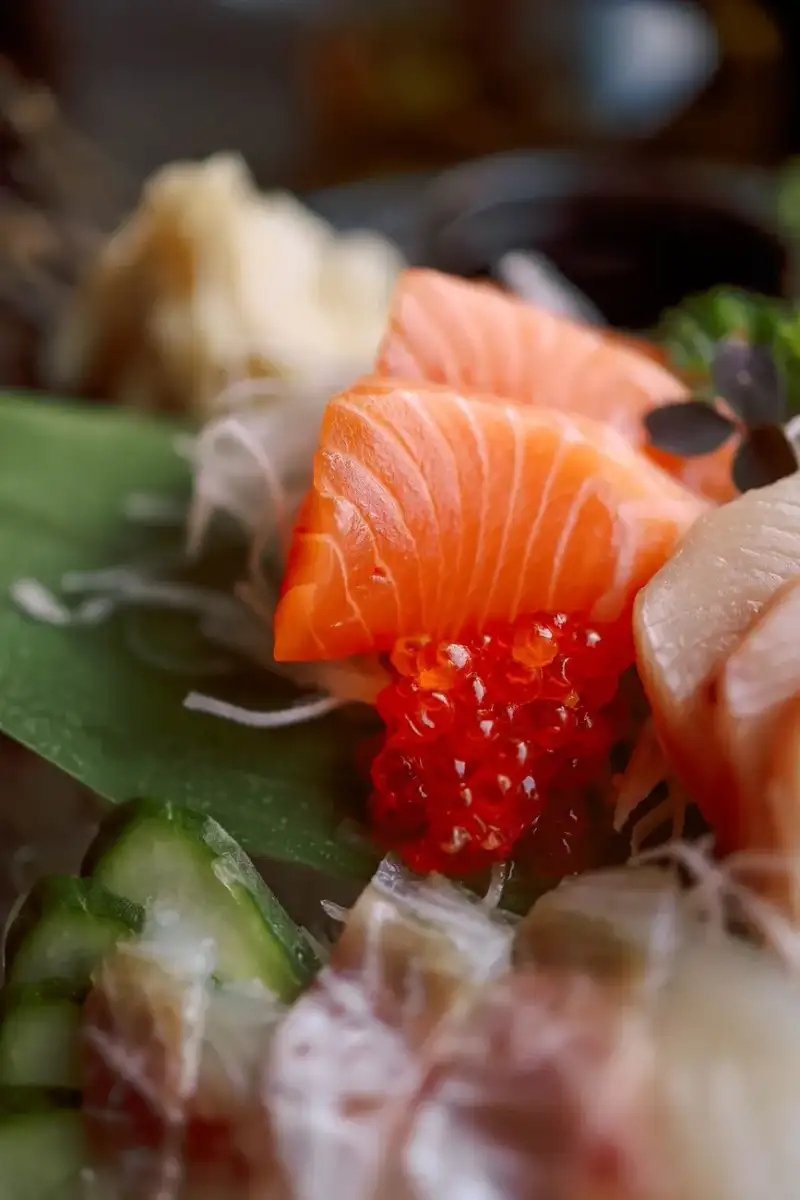
Wild Salmon and Sweet Potato Fish Cakes: A Delicious and Nutritious Omega-3 Rich Dish
Introduction to Wild Salmon and Sweet Potato Fish Cakes Wild salmon and sweet potatoes are two nutrient-dense ingredients that pair perfectly together in a delicious and healthy fish cake recipe. According to recent studies, the Western diet, characterized by high intakes of pre-packaged foods, refined grains, and red meat, can have negative effects on metabolism, inflammation, and antioxidant status (Global Impacts of Western Diet and Its Effects on Metabolism and Health: A Narrative Review). On the other hand, consuming omega-3 rich foods like wild salmon can have numerous health benefits, including reducing inflammation and improving heart health. Research on omega-3 shows that it plays a crucial role in brain function, as well as in the reduction of inflammation and improvement of cardiovascular health.The Importance of Omega-3 Rich Foods Omega-3 fatty acids are essential nutrients that our bodies cannot produce on their own. Therefore, it is crucial to consume omega-3 rich foods, such as wild salmon, to maintain optimal health. The benefits of omega-3 rich foods are numerous, ranging from reducing inflammation and improving heart health to supporting brain function and development. According to the study "Global Impacts of Western Diet and Its Effects on Metabolism and Health: A Narrative Review," a diet rich in omega-3 fatty acids can help mitigate the negative effects of the Western diet.Sustainable Food Systems and Agri-Food Wastes In addition to consuming omega-3 rich foods, it is also essential to consider the environmental impact of our food choices. The study "Bioactives from Agri-Food Wastes: Present Insights and Future Challenges" highlights the importance of sustainable utilization of agri-food wastes and by-products. By reducing food waste and utilizing agri-food by-products, we can help decrease environmental stress and promote sustainable food systems. This can be achieved through various methods, including lactic acid fermentation of cereals and pseudocereals, as discussed in the study "Lactic Acid Fermentation of Cereals and Pseudocereals: Ancient Nutritional Biotechnologies with Modern Applications."The Recipe: Wild Salmon and Sweet Potato Fish Cakes Now that we have explored the importance of omega-3 rich foods and sustainable food systems, let's dive into the recipe. This delicious and nutritious dish combines the flavors of wild salmon and sweet potatoes with a crunchy panko breadcrumb coating. Ingredients:2 wild salmon fillets 2 large sweet potatoes 1/4 cup panko breadcrumbs 1/4 cup finely chopped onion 2 cloves garlic, minced 1 egg, lightly beaten 1 tablespoon olive oil Salt and pepper to taste 2 tablespoons freshly squeezed lemon juiceInstructions:Preheat oven to 400F. Bake sweet potatoes for 45 minutes, or until tender. Flake salmon into a bowl and set aside. In a separate bowl, combine panko breadcrumbs, onion, garlic, egg, olive oil, salt, pepper, and lemon juice. Mash baked sweet potatoes and add to the bowl with the breadcrumb mixture. Gently fold in the flaked salmon. Divide the mixture into 8 equal portions and shape into patties. Pan-fry the patties for 4-5 minutes per side, or until golden brown and crispy.Conclusion In conclusion, the Wild Salmon and Sweet Potato Fish Cakes recipe is a delicious and nutritious dish that combines the flavors of omega-3 rich wild salmon and sweet potatoes. By incorporating sustainable food systems and reducing agri-food wastes, we can promote a healthier environment and improve our overall well-being. According to the study "Global Impacts of Western Diet and Its Effects on Metabolism and Health: A Narrative Review," consuming omega-3 rich foods like wild salmon can have numerous health benefits, including reducing inflammation and improving heart health.#HealthyLiving #Gastronomy #Omega3Rich Foods #SustainableFoodSystems