Showing Posts From
Pantanal wetlands
-
 Chloe Tremblay
 - 20 Jul, 2026 21:44
The Pantanal, Brazil: Unlocking the World’s Largest Wetland and Its Untamed Wildlife
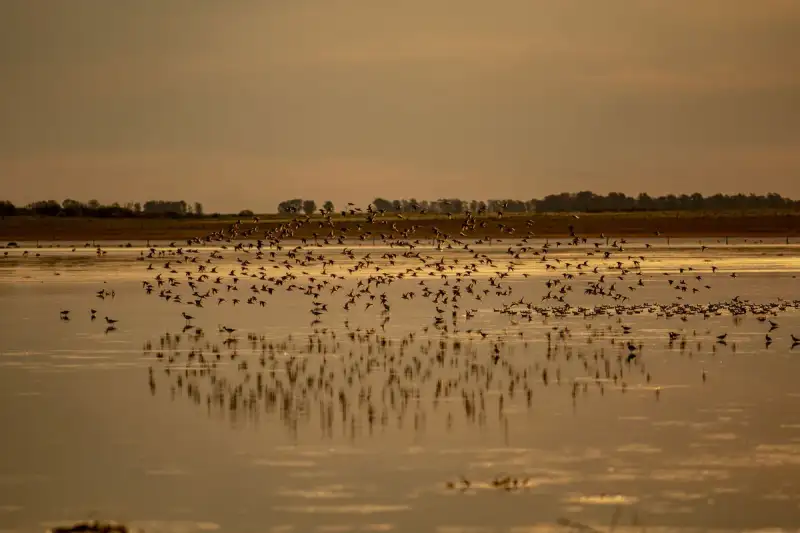
The Pantanal, Brazil: Unlocking the World’s Largest Wetland and Its Untamed Wildlife The Pantanal pulses with life. At dawn, the golden light dances across mirror-like lagoons where capybaras graze beside caimans. By midday, the air hums with the cries of hyacinth macaws and the distant roar of a jaguar patrolling the riverbanks. This is not the Serengeti. This is the Pantanal—the world’s largest tropical wetland—where wildlife thrives in densities unmatched anywhere on Earth. Spanning over 150,000 square kilometers across Brazil, Bolivia, and Paraguay, the Pantanal is a UNESCO World Heritage Site and a biodiversity hotspot. Unlike the African savannas, where sightings are seasonal, the Pantanal offers year-round wildlife encounters. Jaguars, giant otters, giant anteaters, and hundreds of bird species coexist in a landscape that shifts between flood and drought with the rhythm of the seasons. For travelers, it’s a living laboratory of nature—one where every boat ride, hike, and sunset reveals a new chapter in the wild. Yet, visiting the Pantanal is not just about ticking off species on a checklist. It’s about immersing yourself in a place where water dictates life, where the pulse of the wetland beats in sync with the seasons, and where the thrill of a jaguar sighting is matched only by the serenity of a sunset over the Cuiabá River. Whether you're a seasoned wildlife photographer, a first-time safari-goer, or a budget-conscious traveler, the Pantanal delivers an experience that is as raw as it is refined. In this guide, we’ll navigate the practicalities of planning your Pantanal adventure—from the best time to visit and where to stay, to how to budget for a safari that balances luxury with authenticity. We’ll also uncover insider tips to maximize wildlife sightings while minimizing costs, ensuring your journey into the world’s largest wetland is as unforgettable as it is responsible.Why the Pantanal Stands Apart: A Wildlife Wonderland Unlike Any Other The Pantanal is often overshadowed by its African counterparts, but those who venture here quickly realize it offers something truly unique: unparalleled wildlife density and accessibility. While the Serengeti may boast the Great Migration, the Pantanal delivers intimate, close-up encounters with predators and prey alike. Jaguars, for instance, are frequently spotted here—more reliably than in the Amazon—thanks to the open floodplains and riverine forests that make hunting easier. In fact, the Pantanal is one of the best places in the world to see jaguars in the wild, with sighting rates as high as 80% during the dry season. The wetland’s biodiversity is staggering. Over 4,700 plant species, 650 bird species, 260 fish species, and 100 mammal species call the Pantanal home. This includes iconic species like the giant otter, the hyacinth macaw (the world’s largest parrot), and the capybara, the world’s largest rodent. The Pantanal is also a haven for birdwatchers, with species like the jabiru stork, the toco toucan, and the sunbittern adding splashes of color to the landscape. What sets the Pantanal apart is its seasonal rhythm. During the wet season (November to March), the wetland floods, transforming into a vast, shallow lake. Wildlife disperses, and sightings become more challenging. But as the waters recede in the dry season (April to October), the landscape contracts, concentrating animals around shrinking water sources. This is when the Pantanal truly comes alive. Rivers shrink to ribbons, lagoons become isolated pools, and predators like jaguars and caimans are forced into close proximity with their prey. It’s a natural spectacle that draws wildlife enthusiasts from around the globe. The Pantanal is also a model of sustainable tourism. Unlike many other wildlife destinations, the wetland’s eco-lodges and tour operators prioritize conservation. Many are built with locally sourced materials, employ local guides, and contribute to community-based conservation projects. This ensures that your visit not only supports the local economy but also helps protect the Pantanal’s fragile ecosystem. For travelers, the Pantanal offers a safari experience that is both immersive and respectful. Whether you’re tracking jaguars by boat, spotting giant otters in the rivers, or simply watching the sunset over the wetlands, every moment is a reminder of nature’s grandeur.Planning Your Pantanal Safari: Best Time to Visit and Essential Preparations Timing is everything when planning a Pantanal safari. The wetland’s two distinct seasons—wet and dry—each offer unique experiences, but the dry season (April to October) is widely regarded as the best time to visit. During this period, the water levels drop, concentrating wildlife around rivers and lagoons, making sightings more predictable and accessible. The dry season also coincides with cooler temperatures, with average highs ranging from 25°C to 30°C (77°F to 86°F), making it more comfortable for long days in the field. The wet season (November to March) is a different beast entirely. While it’s less crowded and offers lush, green landscapes, the flooded terrain can make wildlife sightings more challenging. However, this season is ideal for birdwatching, as migratory species flock to the Pantanal, and for photographers seeking dramatic skies and reflections. It’s also a time of renewal, with the wetland bursting to life after the rains. When to visit ultimately depends on your priorities. If your goal is to maximize wildlife sightings, particularly of jaguars and other predators, aim for the dry season. If you’re a birdwatcher or photographer, consider the wet season for its vibrant landscapes and unique lighting. Essential Preparations for Your Pantanal SafariVisa and Entry RequirementsBrazil requires a visa for most travelers, including citizens of the United States, Canada, and many European countries. Check the latest requirements on the Brazilian consulate website for your country. Ensure your passport is valid for at least six months beyond your planned departure date. If you’re traveling from a country with a yellow fever risk, you’ll need a yellow fever vaccination certificate to enter Brazil. This is not required for the Pantanal itself but may be necessary if you’re transiting through high-risk areas.Health and SafetyThe Pantanal is a low-risk area for malaria, but it’s still wise to take precautions. Consult your healthcare provider about antimalarial medication and use insect repellent, especially during the wet season. Drink bottled or filtered water to avoid stomach issues. The Pantanal is home to venomous snakes like the bushmaster and fer-de-lance, so always wear sturdy boots and avoid walking in tall grass without guidance.Packing EssentialsClothing: Lightweight, breathable clothing in neutral colors (khaki, olive, or beige) is ideal for blending into the landscape. A wide-brimmed hat, sunglasses, and a lightweight rain jacket are also essential. Footwear: Sturdy, waterproof hiking boots or trail shoes are a must for boat rides and hikes. Gear: Binoculars (8x42 or 10x42 magnification are ideal), a DSLR or mirrorless camera with a telephoto lens (for wildlife photography), and a waterproof dry bag for protecting your equipment. Miscellaneous: A reusable water bottle, sunscreen, insect repellent, and a small first-aid kit are all must-haves.Choosing a BaseThe Pantanal is vast, so choosing the right base for your safari is crucial. The southern Pantanal, near the town of Miranda and the Transpantaneira Highway, is one of the most popular areas for wildlife viewing. It’s accessible from Campo Grande and offers a mix of luxury lodges and budget-friendly options. The northern Pantanal, near the town of Poconé and the Cuiabá River, is another excellent choice, particularly for jaguar sightings. This area is more remote but offers a wilder, more immersive experience. For a truly off-the-beaten-path adventure, consider the eastern Pantanal, near the town of Barão de Melgaço. This region is less touristy and offers a more authentic glimpse into local life.TransportationThe Pantanal is remote, so most travelers fly into major hubs like Campo Grande (CGR) or Cuiabá (CGB) and then arrange ground transportation to their chosen base. From Campo Grande or Cuiabá, you can drive to the Pantanal (approximately 4-6 hours), take a bus, or arrange a private transfer. Many lodges offer shuttle services from the airport. Once in the Pantanal, transportation is primarily by boat, 4x4 vehicle, or on foot. Some lodges provide guided excursions, while others allow you to explore independently.Budgeting for a Pantanal Safari: How to Experience Wildlife Without Breaking the Bank The Pantanal is often perceived as an expensive destination, but with careful planning, it’s possible to experience world-class wildlife safaris on a budget. Costs vary widely depending on the level of comfort, the duration of your stay, and the type of accommodations and tours you choose. Below, we break down the key expenses and offer tips for maximizing your experience without overspending. Cost Breakdown: What to ExpectExpense Category Budget Range (USD) Mid-Range (USD) Luxury (USD)Flights (Round-trip) $800 - $1,500 $1,200 - $2,000 $2,000+Accommodation (Per Night) $30 - $80 $100 - $250 $300+Guided Tours (Per Day) $50 - $100 $150 - $300 $400+Food (Per Day) $15 - $30 $30 - $60 $80+Transportation (Local) $50 - $150 $150 - $300 $400+Visa & Vaccinations $50 - $150 $50 - $150 $50 - $150Total (7 Days) $1,200 - $2,500 $2,500 - $4,500 $5,000+👉 Continue Reading: The Pantanal, Brazil: Unlocking the World’s Largest Wetland and Its Untamed Wildlife (Part 2)#PantanalWildlife #BrazilSafari #EcoTourism #JaguarCountry #SouthAmericaTravel Related InsightsTōdai-ji: The Great Buddha Temple of Nara 'Lake Tekapo: Ein Juwel in Neuseelands Südinsel' 新疆火焰山:穿越神话、历史与烈焰的奇幻之旅{ "@context": "https://schema.org", "@type": "FAQPage", "mainEntity": [ { "@type": "Question", "name": "What is the main focus of The Pantanal, Brazil: Unlocking the World’s Largest Wetland and Its Untamed Wildlife?", "acceptedAnswer": { "@type": "Answer", "text": "Discover the Pantanal, Brazil’s breathtaking wetland ecosystem, where jaguar sightings, caiman-filled rivers, and rare birds await. Learn how to plan a budget-friendly wildlife safari in the world’s largest tropical wetland." } }, { "@type": "Question", "name": "Who authored the comprehensive guide on The Pantanal, Brazil: Unlocking the World’s Largest Wetland and Its Untamed Wildlife?", "acceptedAnswer": { "@type": "Answer", "text": "This detailed article and its insights were carefully researched and authored by Chloe Tremblay." } }, { "@type": "Question", "name": "Where can I find more related content about Travel?", "acceptedAnswer": { "@type": "Answer", "text": "You can explore more articles, detailed reviews, and similar insights by browsing the Related Insights section at the bottom of this article or visiting our dedicated Travel category page." } } ] }
- Chloe Tremblay
- 20 Jul, 2026 21:44
The Pantanal, Brazil: Unlocking the World’s Largest Wetland and Its Untamed Wildlife (Part 2)
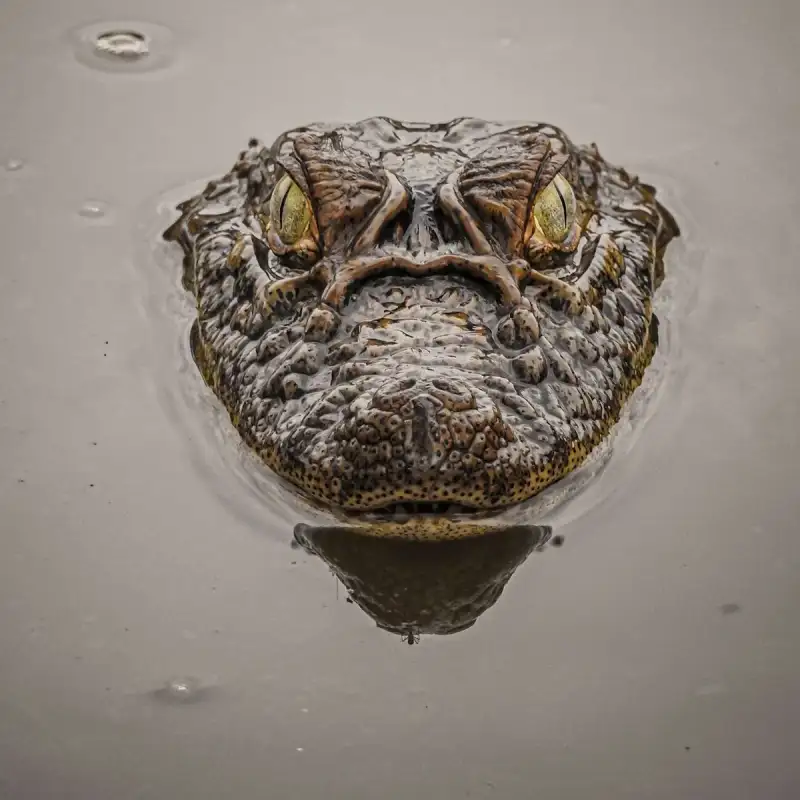
This is Part 2 of the series. Read Part 1 here.Tips for Budgeting Your Pantanal SafariTravel During Shoulder SeasonThe shoulder seasons (April-May and September-October) offer a balance between good weather and lower prices. Avoid peak season (July-August) when prices for accommodations and tours are highest.Stay in Budget-Friendly Lodges or GuesthousesBudget lodges and guesthouses in the Pantanal can cost as little as $30-$50 per night. These options often include meals and guided excursions, reducing additional costs. Look for eco-lodges or family-run guesthouses, which are often more affordable than large resorts.Join Group ToursGroup tours are a cost-effective way to experience the Pantanal. Prices for group tours typically range from $50-$100 per day, which is significantly cheaper than private tours. Many lodges offer shared excursions, allowing you to split costs with other travelers.Self-Guided ExplorationIf you’re comfortable navigating independently, consider renting a 4x4 vehicle and exploring the Transpantaneira Highway on your own. This route is well-marked and offers opportunities to spot wildlife from the road. Bring your own binoculars and camera gear to save on rental costs.Eat Like a LocalPantanal cuisine is hearty and locally sourced. Opt for regional dishes like moqueca (a fish stew), pacu (a local fish), and farofa (toasted cassava flour) at local restaurants. Avoid touristy restaurants near major attractions, as they tend to be overpriced. Instead, eat at local eateries or lodges that include meals in their packages.Travel Light and Pack SmartAvoid checked baggage fees by packing light. The Pantanal’s climate is warm year-round, so lightweight, breathable clothing is ideal. Bring a reusable water bottle to avoid buying bottled water, which can add up over time.Book in AdvanceThe Pantanal is a popular destination, especially during the dry season. Booking accommodations and tours in advance ensures you get the best prices and availability.Top Wildlife Encounters in the Pantanal: What to See and Where to Find It The Pantanal is a treasure trove of wildlife, but knowing where to look and what to expect can make the difference between a good safari and an unforgettable one. Below, we highlight the top wildlife encounters in the Pantanal, along with tips for maximizing your chances of seeing them. 1. Jaguars: The Crown Jewel of the Pantanal The jaguar is the Pantanal’s most iconic resident, and sightings here are among the most reliable in the world. The best time to see jaguars is during the dry season (April-October), when they congregate along the rivers and lagoons to hunt. The southern Pantanal, particularly around the Cuiabá River and the Transpantaneira Highway, is one of the best places to spot them. Tips for Jaguar Sightings:Take early morning or late afternoon boat excursions, as jaguars are most active during these times. Listen for the calls of capybaras and caimans, as these are often indicators of jaguar activity. Hire a local guide with experience tracking jaguars. Their knowledge of the terrain and animal behavior can significantly increase your chances of a sighting.2. Giant Otters: The Playful River Dwellers The giant otter is one of the Pantanal’s most charismatic residents. These social, vocal creatures are often seen playing in the rivers and lagoons, particularly in the northern Pantanal near the Cuiabá River. The best time to see them is during the dry season, when they are concentrated around shrinking water sources. Tips for Giant Otter Encounters:Visit oxbow lakes and lagoons, where giant otters are known to hunt and play. Listen for their distinctive whistles and chirps, which can help you locate them. Be patient and quiet. Giant otters are curious but can be shy around humans.3. Hyacinth Macaws: The Rainbow Kings of the Pantanal The hyacinth macaw is the world’s largest parrot and a symbol of the Pantanal’s vibrant birdlife. These striking blue birds are often seen in pairs or small flocks, feeding on palm nuts or perched on trees. The best places to see them are in the southern Pantanal, particularly around the Miranda River and the Transpantaneira Highway. Tips for Hyacinth Macaw Sightings:Visit clay licks, where macaws gather to eat mineral-rich clay, which aids digestion. Look for their distinctive calls, which are loud and unmistakable. Bring a good pair of binoculars, as these birds can be high in the trees.4. Caimans: The Pantanal’s Apex Reptiles The Pantanal is home to six species of caimans, including the black caiman, the largest species in the Americas. These reptiles are often seen basking on riverbanks or lurking in the water, waiting for prey. The best time to see caimans is during the dry season, when they are concentrated in shrinking water sources. Tips for Caiman Encounters:Take a nighttime boat excursion, as caimans are most active after dark. Listen for their distinctive calls, which resemble a deep, guttural growl. Be cautious when approaching the water’s edge, as caimans can be aggressive.5. Giant Anteaters: The Shy Giants of the Grasslands The giant anteater is one of the Pantanal’s most elusive residents. These solitary, nocturnal creatures are often seen foraging for ants and termites in the grasslands. The best time to see them is during the dry season, when they are more active during the day. Tips for Giant Anteater Encounters:Look for their distinctive tracks and signs, such as disturbed termite mounds. Visit open grasslands and savannas, where giant anteaters are most likely to be found. Be patient and quiet. Giant anteaters are shy and will avoid humans if they sense danger.6. Birdlife: A Birder’s Paradise The Pantanal is a paradise for birdwatchers, with over 650 species to spot. Some of the most iconic species include the jabiru stork, the toco toucan, the sunbittern, and the hyacinth macaw. The best time for birdwatching is during the wet season (November-March), when migratory species flock to the Pantanal. Tips for Birdwatching:Visit oxbow lakes and lagoons, where waterbirds congregate. Bring a good field guide or use a birdwatching app to help identify species. Visit clay licks, where macaws and other parrots gather to eat mineral-rich clay.Sustainable and Responsible Tourism in the Pantanal: How to Visit Without Harming the Ecosystem The Pantanal is a fragile ecosystem, and responsible tourism is essential to its preservation. By choosing eco-friendly lodges, supporting local communities, and minimizing your environmental impact, you can help ensure that the Pantanal remains a thriving wilderness for generations to come. Choosing Eco-Friendly Lodges Many lodges in the Pantanal are committed to sustainability, using renewable energy, conserving water, and supporting local conservation projects. Look for lodges that are certified by organizations like Rainforest Alliance or Green Key. Some top eco-friendly options include:Refúgio Ecológico Caiman: This luxury eco-lodge is powered by solar energy, uses organic farming practices, and supports jaguar conservation projects. Pousada Piuval: A family-run lodge that offers sustainable tourism experiences, including birdwatching and wildlife tracking. Jaguar Eco Lodge: A mid-range lodge that focuses on conservation and community-based tourism.Supporting Local Communities Many lodges and tour operators in the Pantanal are owned and operated by local communities. By choosing these businesses, you’re supporting the local economy and helping to preserve traditional ways of life. Look for lodges that employ local guides, use locally sourced materials, and contribute to community projects. Minimizing Your Environmental ImpactReduce Waste: Bring a reusable water bottle and avoid single-use plastics. Respect Wildlife: Keep a safe distance from animals and never feed them. Stay on Designated Trails: Avoid trampling vegetation or disturbing wildlife habitats. Support Conservation Projects: Many lodges and tour operators contribute to conservation efforts. Ask about their initiatives and consider donating to support their work.Ethical Wildlife ViewingAvoid Animal Encroachment: Never approach wildlife too closely or use bait to attract animals. Choose Responsible Tour Operators: Look for operators that prioritize animal welfare and follow ethical guidelines. Educate Yourself: Learn about the Pantanal’s wildlife and ecosystems to better appreciate and protect them.By following these guidelines, you can help ensure that your visit to the Pantanal is not only unforgettable but also sustainable.The Pantanal is more than just a destination—it’s an immersion into one of the world’s most extraordinary ecosystems. Here, the rhythm of life is dictated by the seasons, the rivers pulse with unseen energy, and every moment is a reminder of nature’s raw power and beauty. Whether you’re tracking jaguars along the Cuiabá River, marveling at the vibrant plumage of hyacinth macaws, or simply watching the sunset over the wetlands, the Pantanal offers an experience that is as humbling as it is exhilarating. Planning a trip to the Pantanal requires thoughtfulness—about timing, budget, and responsible travel—but the rewards are immeasurable. This is a place where wildlife thrives in densities unmatched anywhere else, where the air hums with the calls of birds, and where the spirit of adventure is matched only by the serenity of the landscape. For those willing to venture off the beaten path, the Pantanal delivers a safari experience that is intimate, authentic, and unforgettable. As you prepare for your journey, remember that the Pantanal is not just a place to see wildlife—it’s a place to connect with it. Whether you’re a seasoned traveler or a first-time explorer, the Pantanal will leave you with memories that linger long after you’ve returned home. So pack your binoculars, lace up your hiking boots, and get ready to unlock the secrets of the world’s largest wetland. Safe travels, and may your Pantanal adventure be filled with wonder, discovery, and respect for the wild.#PantanalWildlife #BrazilSafari #EcoTourism #JaguarCountry #SouthAmericaTravel Related InsightsBeyond the Horizon: Unveiling Naoshima and Teshima - Japan's Transformative Art Island Odyssey Medina Azahara: La Ciudad Brillante Australia Unveiled: Where Sun-Kissed Shores Meet Ancient Souls and Modern Marvels{ "@context": "https://schema.org", "@type": "FAQPage", "mainEntity": [ { "@type": "Question", "name": "What is the main focus of The Pantanal, Brazil: Unlocking the World’s Largest Wetland and Its Untamed Wildlife (Part 2)?", "acceptedAnswer": { "@type": "Answer", "text": "Discover the Pantanal, Brazil’s breathtaking wetland ecosystem, where jaguar sightings, caiman-filled rivers, and rare birds await. Learn how to plan a budget-friendly wildlife safari in the world’s largest tropical wetland." } }, { "@type": "Question", "name": "Who authored the comprehensive guide on The Pantanal, Brazil: Unlocking the World’s Largest Wetland and Its Untamed Wildlife (Part 2)?", "acceptedAnswer": { "@type": "Answer", "text": "This detailed article and its insights were carefully researched and authored by Chloe Tremblay." } }, { "@type": "Question", "name": "Where can I find more related content about Travel?", "acceptedAnswer": { "@type": "Answer", "text": "You can explore more articles, detailed reviews, and similar insights by browsing the Related Insights section at the bottom of this article or visiting our dedicated Travel category page." } } ] }