The Pantanal, Brazil: Unlocking the World’s Largest Wetland and Its Untamed Wildlife (Part 2)
-
 Chloe Tremblay
 - 20 Jul, 2026 21:44
This is Part 2 of the series. Read Part 1 here.
Tips for Budgeting Your Pantanal Safari
-
Travel During Shoulder Season
- The shoulder seasons (April-May and September-October) offer a balance between good weather and lower prices. Avoid peak season (July-August) when prices for accommodations and tours are highest.
-
Stay in Budget-Friendly Lodges or Guesthouses
- Budget lodges and guesthouses in the Pantanal can cost as little as $30-$50 per night. These options often include meals and guided excursions, reducing additional costs.
- Look for eco-lodges or family-run guesthouses, which are often more affordable than large resorts.
-
Join Group Tours
- Group tours are a cost-effective way to experience the Pantanal. Prices for group tours typically range from $50-$100 per day, which is significantly cheaper than private tours.
- Many lodges offer shared excursions, allowing you to split costs with other travelers.
-
Self-Guided Exploration
- If you’re comfortable navigating independently, consider renting a 4x4 vehicle and exploring the Transpantaneira Highway on your own. This route is well-marked and offers opportunities to spot wildlife from the road.
- Bring your own binoculars and camera gear to save on rental costs.
-
Eat Like a Local
- Pantanal cuisine is hearty and locally sourced. Opt for regional dishes like moqueca (a fish stew), pacu (a local fish), and farofa (toasted cassava flour) at local restaurants.
- Avoid touristy restaurants near major attractions, as they tend to be overpriced. Instead, eat at local eateries or lodges that include meals in their packages.
-
Travel Light and Pack Smart
- Avoid checked baggage fees by packing light. The Pantanal’s climate is warm year-round, so lightweight, breathable clothing is ideal.
- Bring a reusable water bottle to avoid buying bottled water, which can add up over time.
-
Book in Advance
- The Pantanal is a popular destination, especially during the dry season. Booking accommodations and tours in advance ensures you get the best prices and availability.
Top Wildlife Encounters in the Pantanal: What to See and Where to Find It
The Pantanal is a treasure trove of wildlife, but knowing where to look and what to expect can make the difference between a good safari and an unforgettable one. Below, we highlight the top wildlife encounters in the Pantanal, along with tips for maximizing your chances of seeing them.
1. Jaguars: The Crown Jewel of the Pantanal
The jaguar is the Pantanal’s most iconic resident, and sightings here are among the most reliable in the world. The best time to see jaguars is during the dry season (April-October), when they congregate along the rivers and lagoons to hunt. The southern Pantanal, particularly around the Cuiabá River and the Transpantaneira Highway, is one of the best places to spot them.
Tips for Jaguar Sightings:
- Take early morning or late afternoon boat excursions, as jaguars are most active during these times.
- Listen for the calls of capybaras and caimans, as these are often indicators of jaguar activity.
- Hire a local guide with experience tracking jaguars. Their knowledge of the terrain and animal behavior can significantly increase your chances of a sighting.
2. Giant Otters: The Playful River Dwellers
The giant otter is one of the Pantanal’s most charismatic residents. These social, vocal creatures are often seen playing in the rivers and lagoons, particularly in the northern Pantanal near the Cuiabá River. The best time to see them is during the dry season, when they are concentrated around shrinking water sources.
Tips for Giant Otter Encounters:
- Visit oxbow lakes and lagoons, where giant otters are known to hunt and play.
- Listen for their distinctive whistles and chirps, which can help you locate them.
- Be patient and quiet. Giant otters are curious but can be shy around humans.
3. Hyacinth Macaws: The Rainbow Kings of the Pantanal
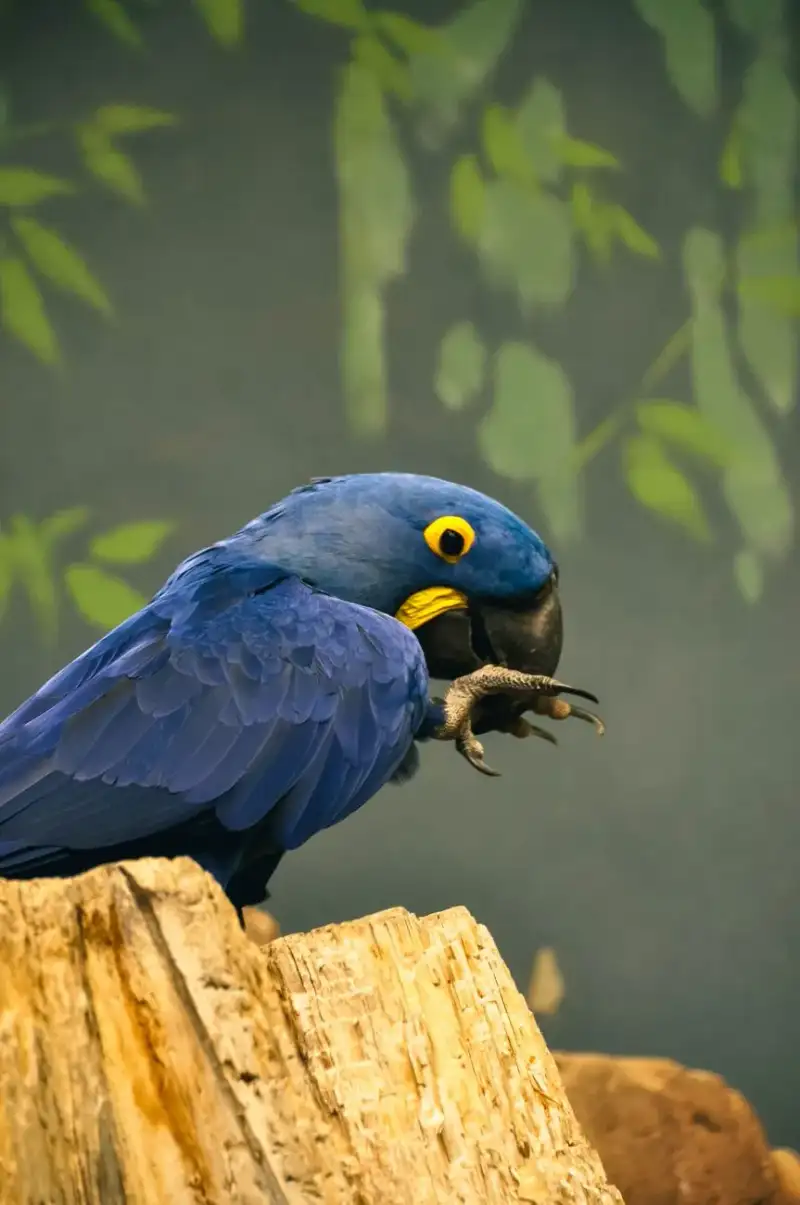
The hyacinth macaw is the world’s largest parrot and a symbol of the Pantanal’s vibrant birdlife. These striking blue birds are often seen in pairs or small flocks, feeding on palm nuts or perched on trees. The best places to see them are in the southern Pantanal, particularly around the Miranda River and the Transpantaneira Highway.
Tips for Hyacinth Macaw Sightings:
- Visit clay licks, where macaws gather to eat mineral-rich clay, which aids digestion.
- Look for their distinctive calls, which are loud and unmistakable.
- Bring a good pair of binoculars, as these birds can be high in the trees.
4. Caimans: The Pantanal’s Apex Reptiles
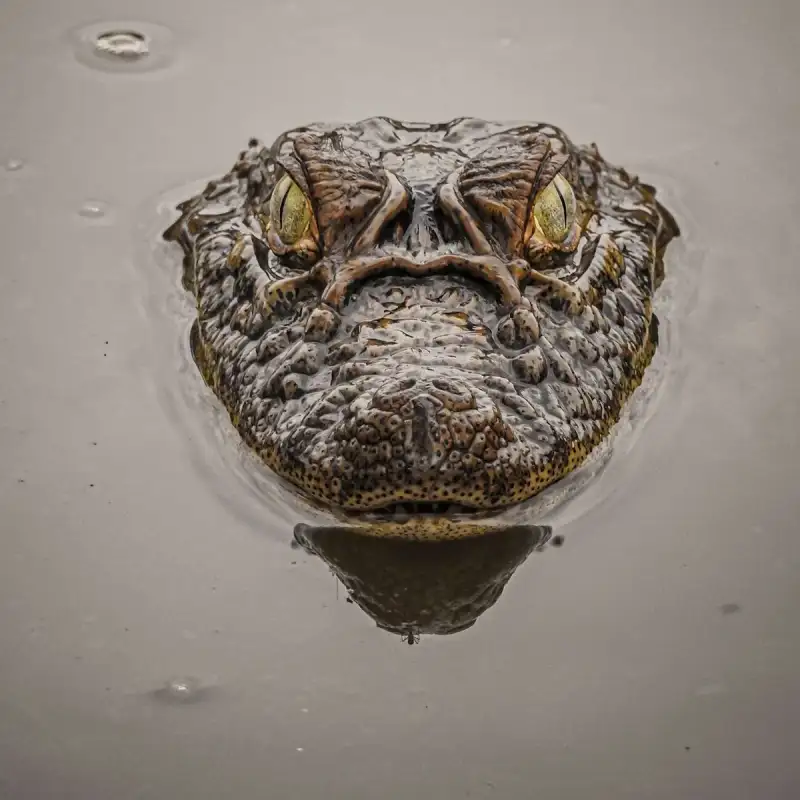
The Pantanal is home to six species of caimans, including the black caiman, the largest species in the Americas. These reptiles are often seen basking on riverbanks or lurking in the water, waiting for prey. The best time to see caimans is during the dry season, when they are concentrated in shrinking water sources.
Tips for Caiman Encounters:
- Take a nighttime boat excursion, as caimans are most active after dark.
- Listen for their distinctive calls, which resemble a deep, guttural growl.
- Be cautious when approaching the water’s edge, as caimans can be aggressive.
5. Giant Anteaters: The Shy Giants of the Grasslands
The giant anteater is one of the Pantanal’s most elusive residents. These solitary, nocturnal creatures are often seen foraging for ants and termites in the grasslands. The best time to see them is during the dry season, when they are more active during the day.
Tips for Giant Anteater Encounters:
- Look for their distinctive tracks and signs, such as disturbed termite mounds.
- Visit open grasslands and savannas, where giant anteaters are most likely to be found.
- Be patient and quiet. Giant anteaters are shy and will avoid humans if they sense danger.
6. Birdlife: A Birder’s Paradise
The Pantanal is a paradise for birdwatchers, with over 650 species to spot. Some of the most iconic species include the jabiru stork, the toco toucan, the sunbittern, and the hyacinth macaw. The best time for birdwatching is during the wet season (November-March), when migratory species flock to the Pantanal.
Tips for Birdwatching:
- Visit oxbow lakes and lagoons, where waterbirds congregate.
- Bring a good field guide or use a birdwatching app to help identify species.
- Visit clay licks, where macaws and other parrots gather to eat mineral-rich clay.
Sustainable and Responsible Tourism in the Pantanal: How to Visit Without Harming the Ecosystem
The Pantanal is a fragile ecosystem, and responsible tourism is essential to its preservation. By choosing eco-friendly lodges, supporting local communities, and minimizing your environmental impact, you can help ensure that the Pantanal remains a thriving wilderness for generations to come.
Choosing Eco-Friendly Lodges
Many lodges in the Pantanal are committed to sustainability, using renewable energy, conserving water, and supporting local conservation projects. Look for lodges that are certified by organizations like Rainforest Alliance or Green Key. Some top eco-friendly options include:
- Refúgio Ecológico Caiman: This luxury eco-lodge is powered by solar energy, uses organic farming practices, and supports jaguar conservation projects.
- Pousada Piuval: A family-run lodge that offers sustainable tourism experiences, including birdwatching and wildlife tracking.
- Jaguar Eco Lodge: A mid-range lodge that focuses on conservation and community-based tourism.
Supporting Local Communities
Many lodges and tour operators in the Pantanal are owned and operated by local communities. By choosing these businesses, you’re supporting the local economy and helping to preserve traditional ways of life. Look for lodges that employ local guides, use locally sourced materials, and contribute to community projects.
Minimizing Your Environmental Impact
- Reduce Waste: Bring a reusable water bottle and avoid single-use plastics.
- Respect Wildlife: Keep a safe distance from animals and never feed them.
- Stay on Designated Trails: Avoid trampling vegetation or disturbing wildlife habitats.
- Support Conservation Projects: Many lodges and tour operators contribute to conservation efforts. Ask about their initiatives and consider donating to support their work.
Ethical Wildlife Viewing
- Avoid Animal Encroachment: Never approach wildlife too closely or use bait to attract animals.
- Choose Responsible Tour Operators: Look for operators that prioritize animal welfare and follow ethical guidelines.
- Educate Yourself: Learn about the Pantanal’s wildlife and ecosystems to better appreciate and protect them.
By following these guidelines, you can help ensure that your visit to the Pantanal is not only unforgettable but also sustainable.
The Pantanal is more than just a destination—it’s an immersion into one of the world’s most extraordinary ecosystems. Here, the rhythm of life is dictated by the seasons, the rivers pulse with unseen energy, and every moment is a reminder of nature’s raw power and beauty. Whether you’re tracking jaguars along the Cuiabá River, marveling at the vibrant plumage of hyacinth macaws, or simply watching the sunset over the wetlands, the Pantanal offers an experience that is as humbling as it is exhilarating.
Planning a trip to the Pantanal requires thoughtfulness—about timing, budget, and responsible travel—but the rewards are immeasurable. This is a place where wildlife thrives in densities unmatched anywhere else, where the air hums with the calls of birds, and where the spirit of adventure is matched only by the serenity of the landscape. For those willing to venture off the beaten path, the Pantanal delivers a safari experience that is intimate, authentic, and unforgettable.
As you prepare for your journey, remember that the Pantanal is not just a place to see wildlife—it’s a place to connect with it. Whether you’re a seasoned traveler or a first-time explorer, the Pantanal will leave you with memories that linger long after you’ve returned home. So pack your binoculars, lace up your hiking boots, and get ready to unlock the secrets of the world’s largest wetland.
Safe travels, and may your Pantanal adventure be filled with wonder, discovery, and respect for the wild.
#PantanalWildlife #BrazilSafari #EcoTourism #JaguarCountry #SouthAmericaTravel