Showing Posts From
Paris
-
 John Explorer
 - 06 Sep, 2026 19:45
Beneath the City of Light: Descending into the Empire of the Dead in Paris
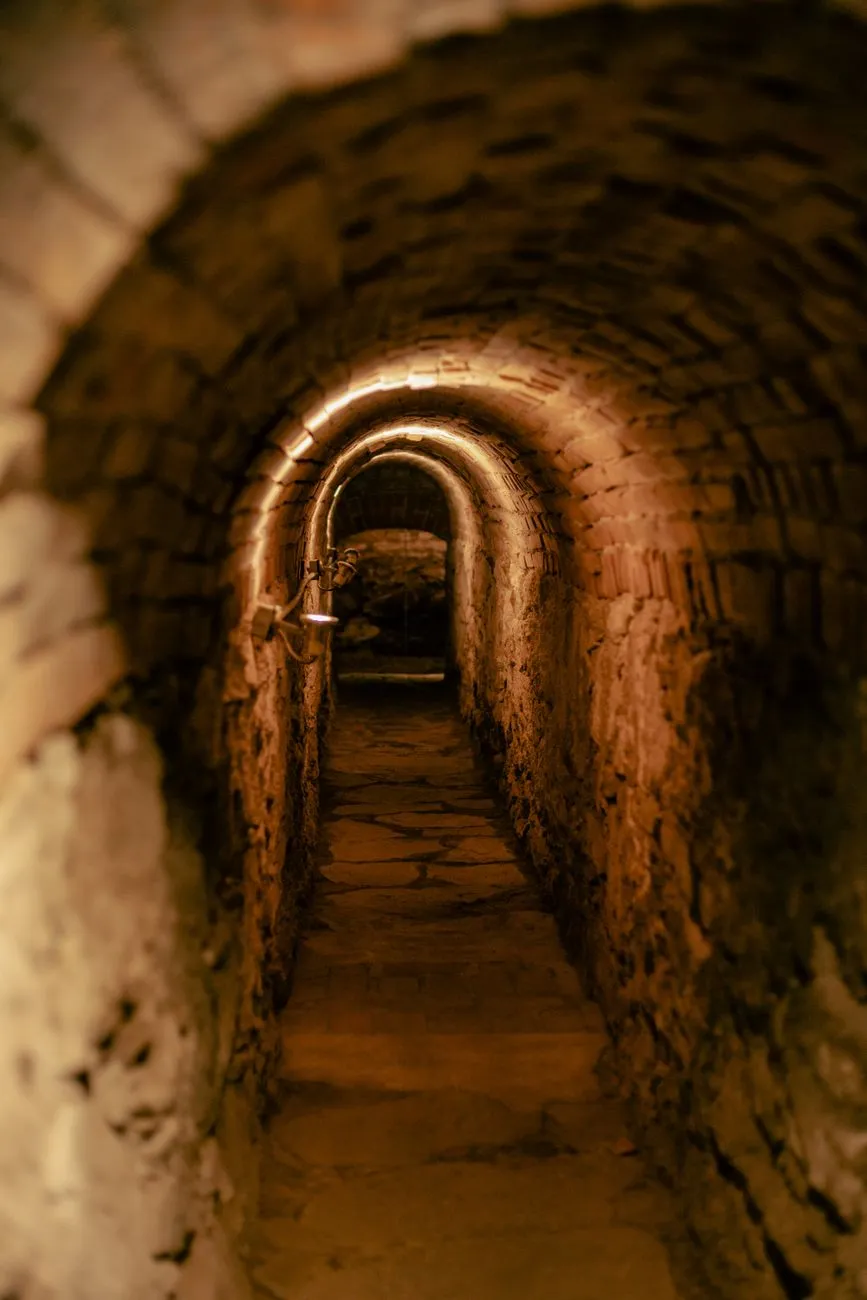
The Whispering Shadows Beneath the Boulevard Beneath the romantic veneer of Paris—far below the sun-drenched terraces of cafes, the fragrant bakeries, and the iconic iron lattice of the Eiffel Tower—lies another city entirely. It is a silent, subterranean metropolis carved from stone, where the echoes of the living rarely penetrate. As John Explorer, my boots have touched the soil of countless remote corners of the globe, yet few places possess the haunting gravity of the Parisian Catacombs. This is the dark heart of the City of Light, an ossuary holding the skeletal remains of over six million souls. To step down the spiral staircase at Place Denfert-Rochereau is to cross a distinct threshold between the vibrant world above and an eternal subterranean empire. The air changes instantly, growing cool, damp, and heavy with the scent of ancient earth. The walls, once rough-hewn quarries that provided the limestone to build the palaces and cathedrals of Paris, now cradle a terrifyingly vast mosaic of human history. This labyrinthine network of tunnels stretches for hundreds of kilometers beneath the streets, though only a fraction is open to the curious and the brave. From Roman Quarries to Overflowing Cemeteries The genesis of this subterranean necropolis is rooted in a severe public health crisis that gripped Paris during the late 18th century. For nearly a thousand years, the city’s primary burial ground was the Cemetery of the Innocents, located in the heart of the bustling Les Halles district. By the 1700s, this cemetery had become unimaginably overcrowded. Piles of earth rose several meters above the surrounding street level, saturated with centuries of decomposition. The situation reached a horrifying climax in 1780 when the basement walls of properties adjacent to the cemetery collapsed under the immense pressure of rotting corpses, spilling putrid matter directly into neighboring cellars. It was clear that the city could no longer bury its dead within its walls without risking catastrophic plagues. Faced with this desperate sanitation crisis, municipal authorities looked downward. The abandoned underground stone quarries that honeycomb southern Paris offered a brilliant, if macabre, solution. Transforming these empty caverns into a massive underground ossuary required an enormous engineering feat, but by 1786, the first nightly processions of bone-laden carts began rumbling through the dark streets. The Grand Relocation of the Lost Souls For many months, the transfer of bones was conducted with solemn reverence. Covered wagons draped in black cloth, accompanied by priests chanting hymns for the dead, transported skeletal remains from various parish cemeteries across Paris to the newly consecrated Tombe-Issoire quarries. Initially, the bones were simply dumped haphazardly into the deep cavities of the quarries. However, during the early 19th century, under the direction of Louis-Étienne Héricart de Thury, inspector of the quarries, the site underwent a dramatic aesthetic transformation. The engineers and workers stopped treating the bones merely as waste and began arranging them with macabre artistry. Today, walking through the official ossuary is akin to navigating a museum of mortality. Femurs and tibias are neatly stacked like cordwood, interspersed with rows of grinning skulls that stare blankly into the perpetual twilight. Cryptic stone tablets and classical plaques etched with philosophical warnings—such as "Think that every day is your last"—punctuate the walls, reminding every visitor of the ultimate equalizer: death. The Forbidden Underworld and Modern Explorers While the official tourist route covers roughly 1.5 kilometers of neatly curated tunnels, an entire subculture exists beyond the iron security gates. Known locally as cataphiles, urban explorers illegally infiltrate the subterranean network through hidden manholes, construction sites, and secret entrances scattered across the metropolis. These unauthorized explorers map forgotten tunnels, host secret gatherings in vast underground chambers, and preserve the raw, untamed history of the quarries. Navigating the dark, winding depths without a guide is fiercely dangerous; the maze is vast, signals do not penetrate the thick stone, and temperatures remain chilly year-round. Yet, the allure of the forbidden depths continues to draw those seeking a profound connection with the city's hidden past.As I emerged back onto the bustling Parisian streets, blinking against the sharp afternoon sunlight, the contrast was staggering. Above ground, life rushes forward with frantic energy, oblivious to the silent legions resting mere meters below. The Catacombs of Paris remain a breathtaking, humbling monument to human mortality—a place where history is not merely read in books, but felt in the very bones of the earth.#ParisCatacombs #DarkTourism #HiddenParis #UndergroundExploration #HistoryTravel Related Insights嵐山の美学: 竹林と自然の調和 The White Silence Beckons: A Century of Chasing the Antarctic Dream Quand l'Altruisme Devient Marchandise : Les Zones d'Ombre du Volontourisme{ "@context": "https://schema.org", "@type": "FAQPage", "mainEntity": [ { "@type": "Question", "name": "What is the main focus of Beneath the City of Light: Descending into the Empire of the Dead in Paris?", "acceptedAnswer": { "@type": "Answer", "text": "Journey deep beneath the streets of Paris into the chilling labyrinth of the Catacombs, where millions of bones whisper the forgotten history of the French capital." } }, { "@type": "Question", "name": "Who authored the comprehensive guide on Beneath the City of Light: Descending into the Empire of the Dead in Paris?", "acceptedAnswer": { "@type": "Answer", "text": "This detailed article and its insights were carefully researched and authored by John Explorer." } }, { "@type": "Question", "name": "Where can I find more related content about Travel?", "acceptedAnswer": { "@type": "Answer", "text": "You can explore more articles, detailed reviews, and similar insights by browsing the Related Insights section at the bottom of this article or visiting our dedicated Travel category page." } } ] }
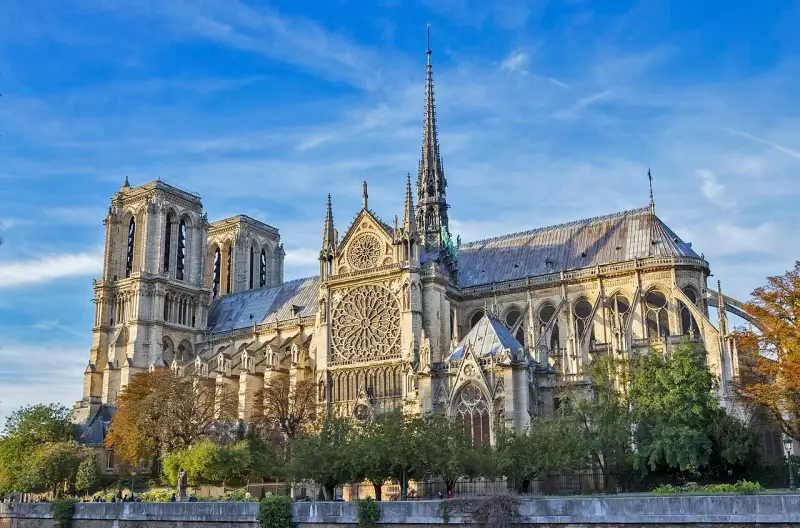
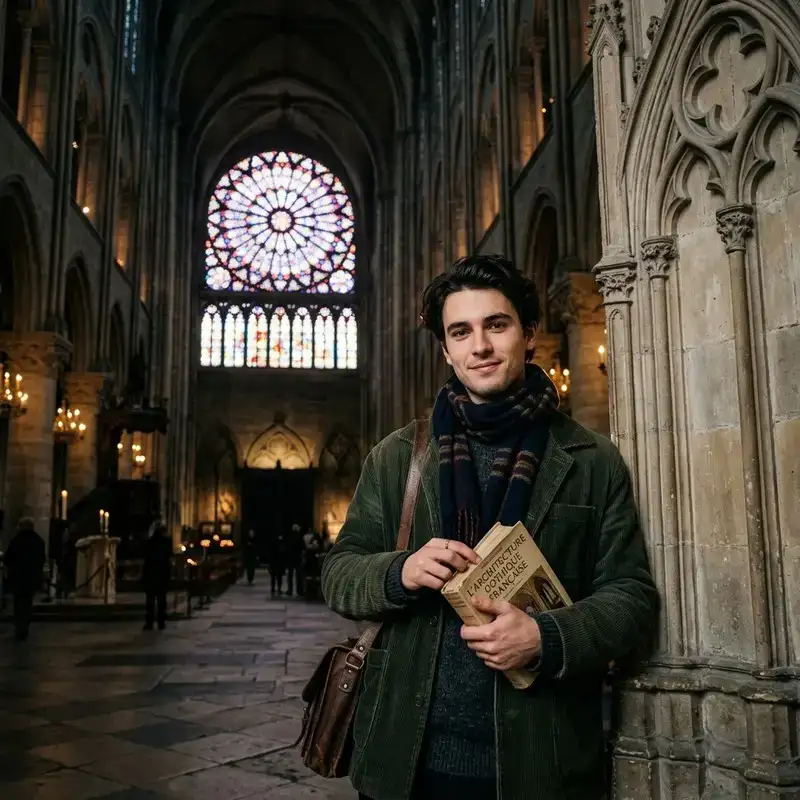
Notre-Dame de #Paris : La Résilience du Chef-d'œuvre Gothique Bienvenue à tous les passionnés d'histoire et d'#architecture. Je suis Lucas Martin, étudiant en histoire, et aujourd'hui je vous emmène au cœur de la #France, sur l'Île de la Cité, pour redécouvrir l'un des monuments les plus emblématiques au monde : Notre-Dame de Paris. Un Chef-d'œuvre Né de la Boue et de la Foi La construction de la cathédrale Notre-Dame de Paris a débuté en 1163, sous l'impulsion de l'évêque Maurice de Sully. À cette époque, Paris émergeait comme le centre intellectuel et politique de l'Europe. Il fallait une cathédrale digne de ce nouveau statut. Pendant près de deux siècles, des artisans, des tailleurs de pierre, des charpentiers et des maîtres verriers ont travaillé sans relâche pour élever cet édifice majestueux vers les cieux. L'architecture gothique de Notre-Dame est caractérisée par ses innovations techniques spectaculaires. L'utilisation des arcs-boutants a permis de soutenir les murs très hauts et d'ouvrir de vastes espaces pour les vitraux. Ces arcs, tels de gigantesques bras de pierre, ne sont pas seulement structurels ; ils ajoutent une esthétique élancée et aérienne à la cathédrale. L'Art des Vitraux : La Lumière Divine L'une des merveilles absolues de Notre-Dame réside dans ses immenses rosaces. La rosace nord, avec ses 13 mètres de diamètre, est un chef-d'œuvre de géométrie et de couleur, datant du 13e siècle. Lorsque la lumière du soleil traverse ces milliers de morceaux de verre coloré, elle inonde la nef d'une lueur mystique. Au Moyen Âge, la lumière n'était pas seulement fonctionnelle ; elle était théologique. On croyait que Dieu était lumière (Lux), et les cathédrales gothiques étaient conçues pour capturer cette essence divine. Les vitraux servaient également de "Bible de pierre" pour une population largement analphabète, racontant les histoires de l'Ancien et du Nouveau Testament. Les Gargouilles et les Chimères Il est impossible de parler de Notre-Dame sans évoquer ses fameuses gargouilles et chimères. Contrairement à une idée reçue, les gargouilles ont une fonction purement pratique : elles servent à évacuer l'eau de pluie loin des murs pour éviter la corrosion de la pierre. Les chimères, en revanche, sont de pures décorations ajoutées lors de la restauration menée par Eugène Viollet-le-Duc au 19e siècle. Ces créatures fantastiques, mi-bêtes mi-démons, contemplent Paris du haut des tours. Elles symbolisent le mal repoussé hors de l'église, tout en ajoutant une touche romantique et sombre à l'édifice, immortalisée par Victor Hugo dans son célèbre roman. Les Reliques Sacrées Notre-Dame est bien plus qu'une prouesse architecturale ; c'est un sanctuaire spirituel. Elle abrite l'une des reliques les plus vénérées du monde chrétien : la Sainte Couronne d'épines, acquise par le roi Saint-Louis au 13e siècle. Pour abriter cette relique inestimable, Louis IX avait d'ailleurs fait construire la Sainte-Chapelle, un autre joyau gothique situé à quelques pas de Notre-Dame. Aujourd'hui encore, la conservation de ces reliques fait l'objet d'une vénération particulière. Le Tragique Incendie de 2019 et la Résurrection Le 15 avril 2019, le monde entier a retenu son souffle en voyant les flammes ravager la toiture de Notre-Dame et provoquer l'effondrement de la célèbre flèche de Viollet-le-Duc. La "forêt", cette charpente en bois de chêne datant du 13e siècle, est partie en fumée. Pourtant, dans cette tragédie, la résilience du chef-d'œuvre s'est manifestée. La structure principale, les tours et la majeure partie des voûtes ont tenu bon. Aujourd'hui, un chantier de restauration titanesque est en cours, mêlant savoir-faire traditionnels et technologies de pointe (comme la numérisation 3D). Ce chantier est une preuve vivante que la cathédrale continue de fédérer l'humanité, bien au-delà de ses frontières. Conseils aux Voyageurs Si vous prévoyez de visiter Paris dans les années à venir, voici quelques conseils pour apprécier Notre-Dame :Prenez du recul : Les meilleures vues sur la cathédrale s'obtiennent depuis les quais de la Seine, particulièrement au coucher du soleil. Explorez l'Île de la Cité : Ne vous limitez pas à la cathédrale. Les ruelles de l'île, la Conciergerie et la place Dauphine valent le détour. Plongez dans l'histoire : Lisez "Notre-Dame de Paris" de Victor Hugo avant votre visite. Ce roman vous donnera une perspective unique sur l'âme de l'édifice.Notre-Dame de Paris n'est pas seulement un tas de pierres ; c'est le cœur battant de la France. Elle a survécu aux guerres, aux révolutions et aux incendies. Elle continuera de se tenir debout, témoin silencieux mais puissant de notre histoire commune. Merci de m'avoir accompagné dans cette exploration. L'histoire s'écrit chaque jour, et nous en sommes les témoins. #NotreDame #Paris #ArchitectureGothique #HistoireDeFrance #VoyageCulturel #PatrimoineMondial #France #Paris #Gothique #Cathdrales Related InsightsTerme di Caracalla: Il Lusso del Benessere Romano Gobeklitepe: The First Temple Beyond the Great Wall: Uncovering the Ming Dynasty Watchtowers in Hebei{ "@context": "https://schema.org", "@type": "FAQPage", "mainEntity": [ { "@type": "Question", "name": "What is the main focus of Notre-Dame de Paris : La Résilience du Chef-d'œuvre Gothique?", "acceptedAnswer": { "@type": "Answer", "text": "Découvrez l'histoire fascinante de Notre-Dame de Paris, chef-d'œuvre de l'architecture gothique française, sa résilience à travers les siècles et ses secrets." } }, { "@type": "Question", "name": "Who authored the comprehensive guide on Notre-Dame de Paris : La Résilience du Chef-d'œuvre Gothique?", "acceptedAnswer": { "@type": "Answer", "text": "This detailed article and its insights were carefully researched and authored by Lucas Martin." } }, { "@type": "Question", "name": "Where can I find more related content about Travel?", "acceptedAnswer": { "@type": "Answer", "text": "You can explore more articles, detailed reviews, and similar insights by browsing the Related Insights section at the bottom of this article or visiting our dedicated Travel category page." } } ] }