Beneath the City of Light: Descending into the Empire of the Dead in Paris
-
 John Explorer
 - 06 Sep, 2026 19:45
The Whispering Shadows Beneath the Boulevard
Beneath the romantic veneer of Paris—far below the sun-drenched terraces of cafes, the fragrant bakeries, and the iconic iron lattice of the Eiffel Tower—lies another city entirely. It is a silent, subterranean metropolis carved from stone, where the echoes of the living rarely penetrate. As John Explorer, my boots have touched the soil of countless remote corners of the globe, yet few places possess the haunting gravity of the Parisian Catacombs. This is the dark heart of the City of Light, an ossuary holding the skeletal remains of over six million souls.
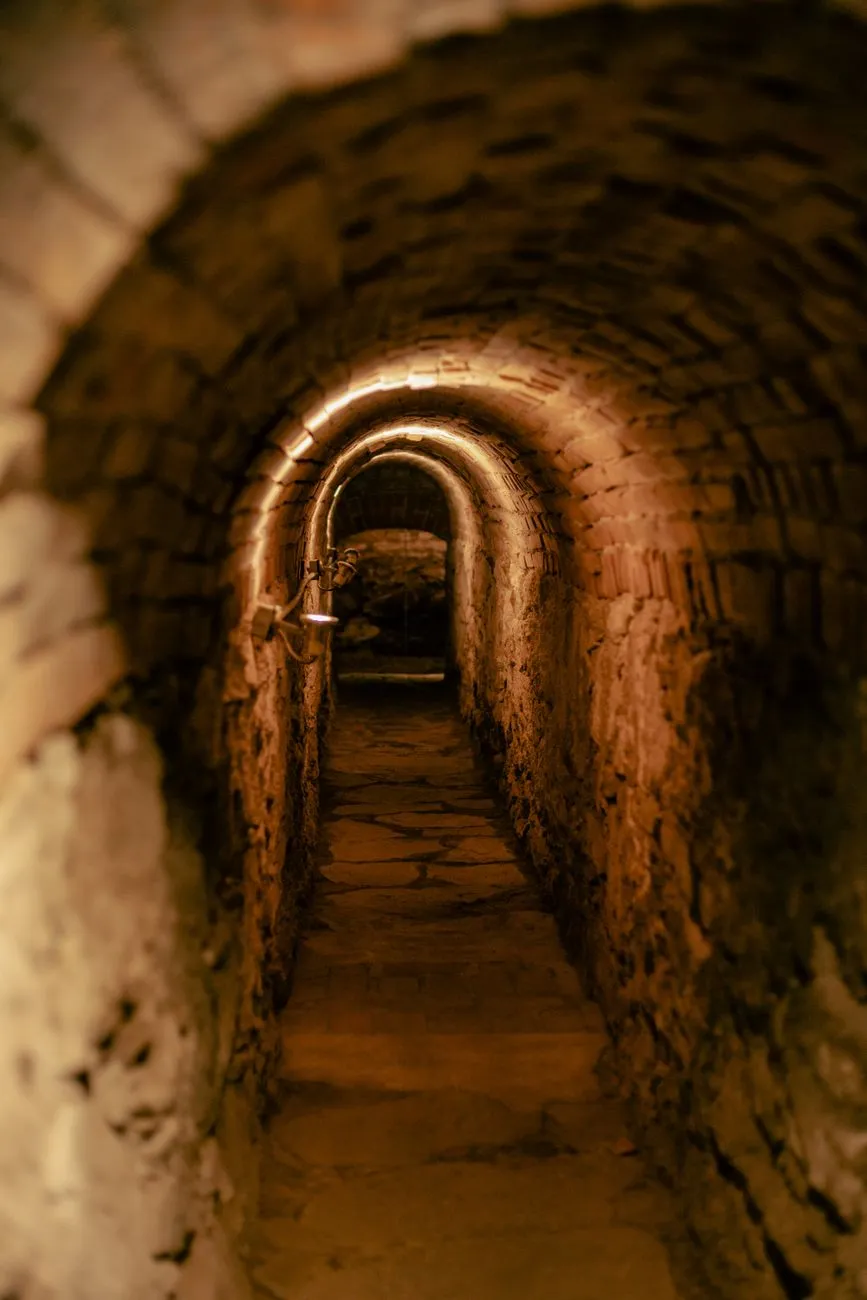
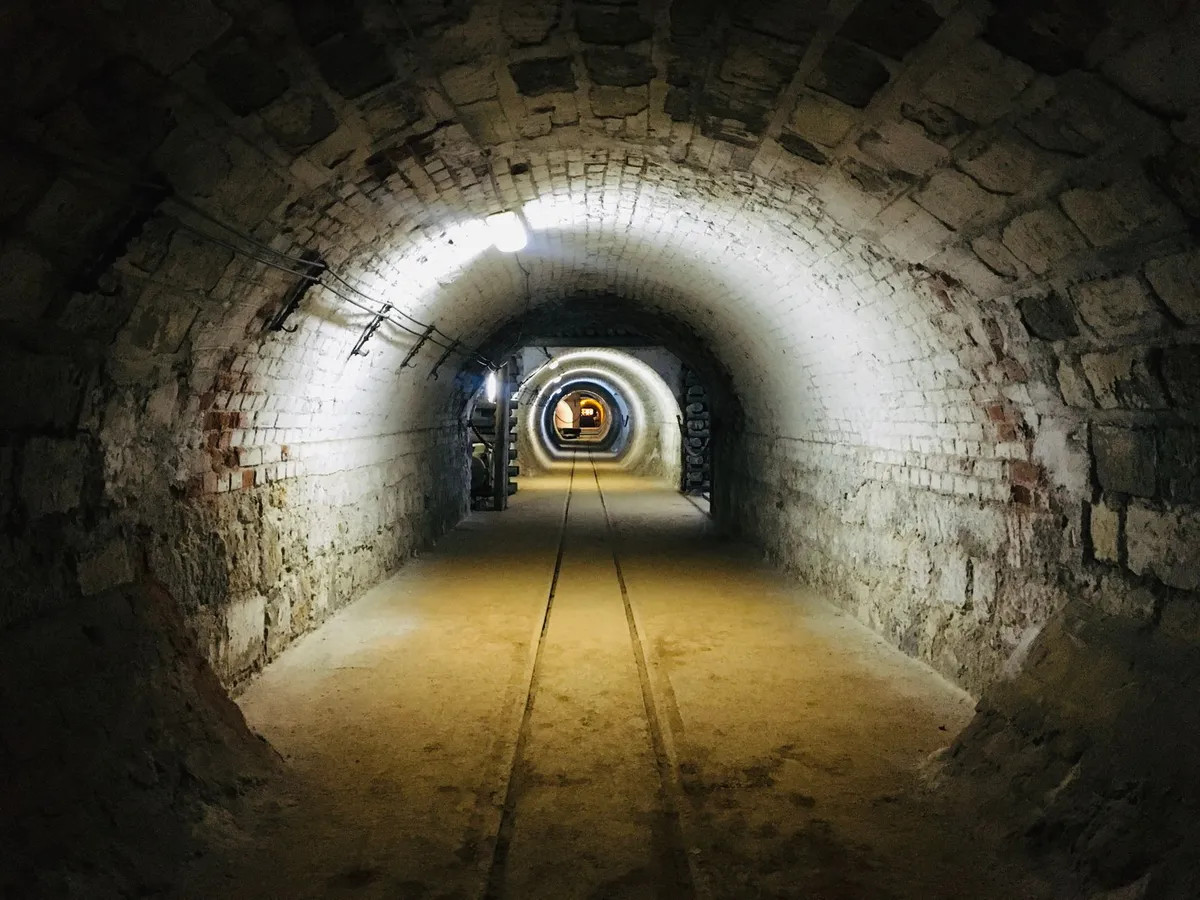
To step down the spiral staircase at Place Denfert-Rochereau is to cross a distinct threshold between the vibrant world above and an eternal subterranean empire. The air changes instantly, growing cool, damp, and heavy with the scent of ancient earth. The walls, once rough-hewn quarries that provided the limestone to build the palaces and cathedrals of Paris, now cradle a terrifyingly vast mosaic of human history. This labyrinthine network of tunnels stretches for hundreds of kilometers beneath the streets, though only a fraction is open to the curious and the brave.
From Roman Quarries to Overflowing Cemeteries
The genesis of this subterranean necropolis is rooted in a severe public health crisis that gripped Paris during the late 18th century. For nearly a thousand years, the city’s primary burial ground was the Cemetery of the Innocents, located in the heart of the bustling Les Halles district. By the 1700s, this cemetery had become unimaginably overcrowded. Piles of earth rose several meters above the surrounding street level, saturated with centuries of decomposition.
The situation reached a horrifying climax in 1780 when the basement walls of properties adjacent to the cemetery collapsed under the immense pressure of rotting corpses, spilling putrid matter directly into neighboring cellars. It was clear that the city could no longer bury its dead within its walls without risking catastrophic plagues.
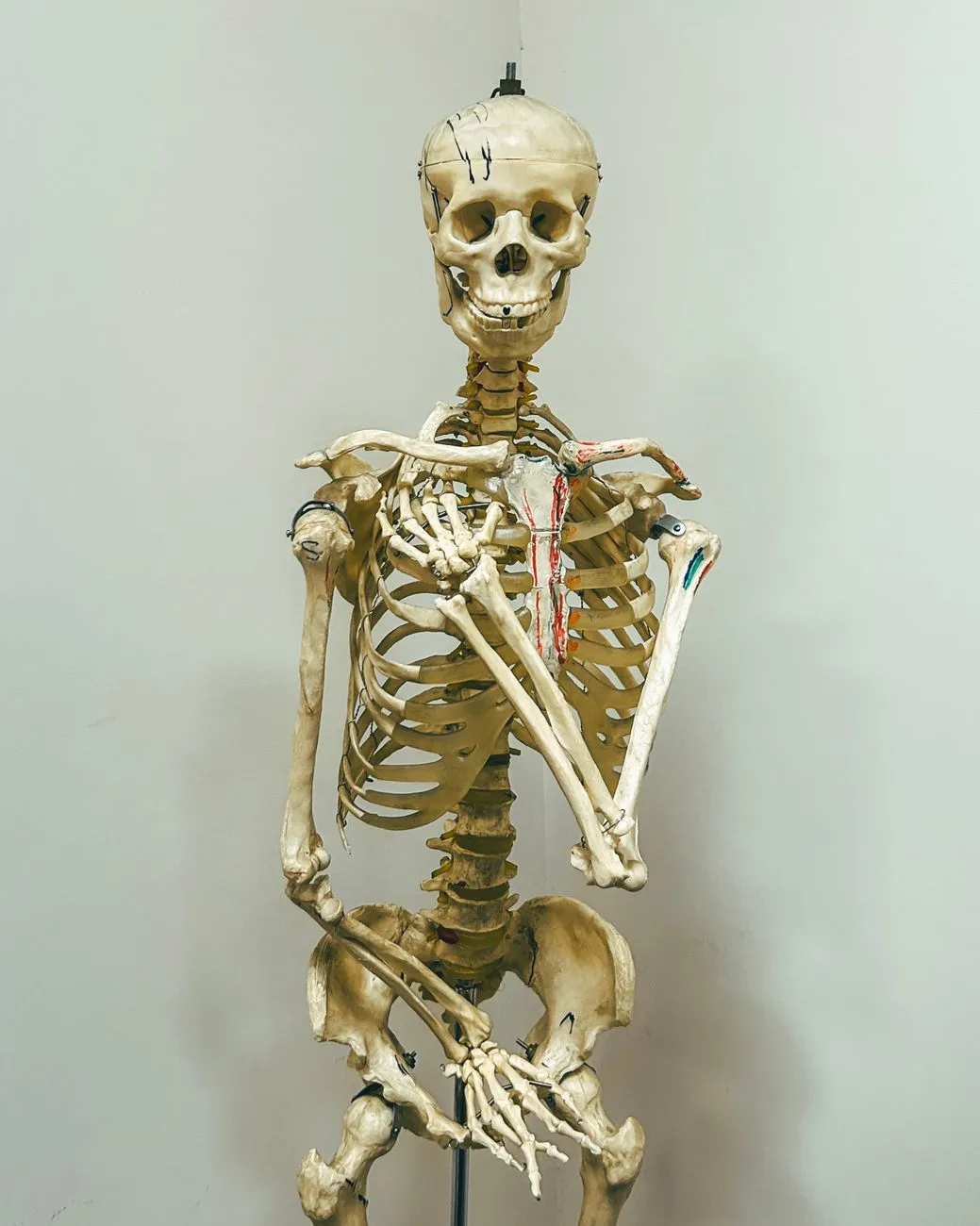
Faced with this desperate sanitation crisis, municipal authorities looked downward. The abandoned underground stone quarries that honeycomb southern Paris offered a brilliant, if macabre, solution. Transforming these empty caverns into a massive underground ossuary required an enormous engineering feat, but by 1786, the first nightly processions of bone-laden carts began rumbling through the dark streets.
The Grand Relocation of the Lost Souls
For many months, the transfer of bones was conducted with solemn reverence. Covered wagons draped in black cloth, accompanied by priests chanting hymns for the dead, transported skeletal remains from various parish cemeteries across Paris to the newly consecrated Tombe-Issoire quarries.
Initially, the bones were simply dumped haphazardly into the deep cavities of the quarries. However, during the early 19th century, under the direction of Louis-Étienne Héricart de Thury, inspector of the quarries, the site underwent a dramatic aesthetic transformation. The engineers and workers stopped treating the bones merely as waste and began arranging them with macabre artistry.
Today, walking through the official ossuary is akin to navigating a museum of mortality. Femurs and tibias are neatly stacked like cordwood, interspersed with rows of grinning skulls that stare blankly into the perpetual twilight. Cryptic stone tablets and classical plaques etched with philosophical warnings—such as “Think that every day is your last”—punctuate the walls, reminding every visitor of the ultimate equalizer: death.
The Forbidden Underworld and Modern Explorers
While the official tourist route covers roughly 1.5 kilometers of neatly curated tunnels, an entire subculture exists beyond the iron security gates. Known locally as cataphiles, urban explorers illegally infiltrate the subterranean network through hidden manholes, construction sites, and secret entrances scattered across the metropolis.
These unauthorized explorers map forgotten tunnels, host secret gatherings in vast underground chambers, and preserve the raw, untamed history of the quarries. Navigating the dark, winding depths without a guide is fiercely dangerous; the maze is vast, signals do not penetrate the thick stone, and temperatures remain chilly year-round. Yet, the allure of the forbidden depths continues to draw those seeking a profound connection with the city’s hidden past.
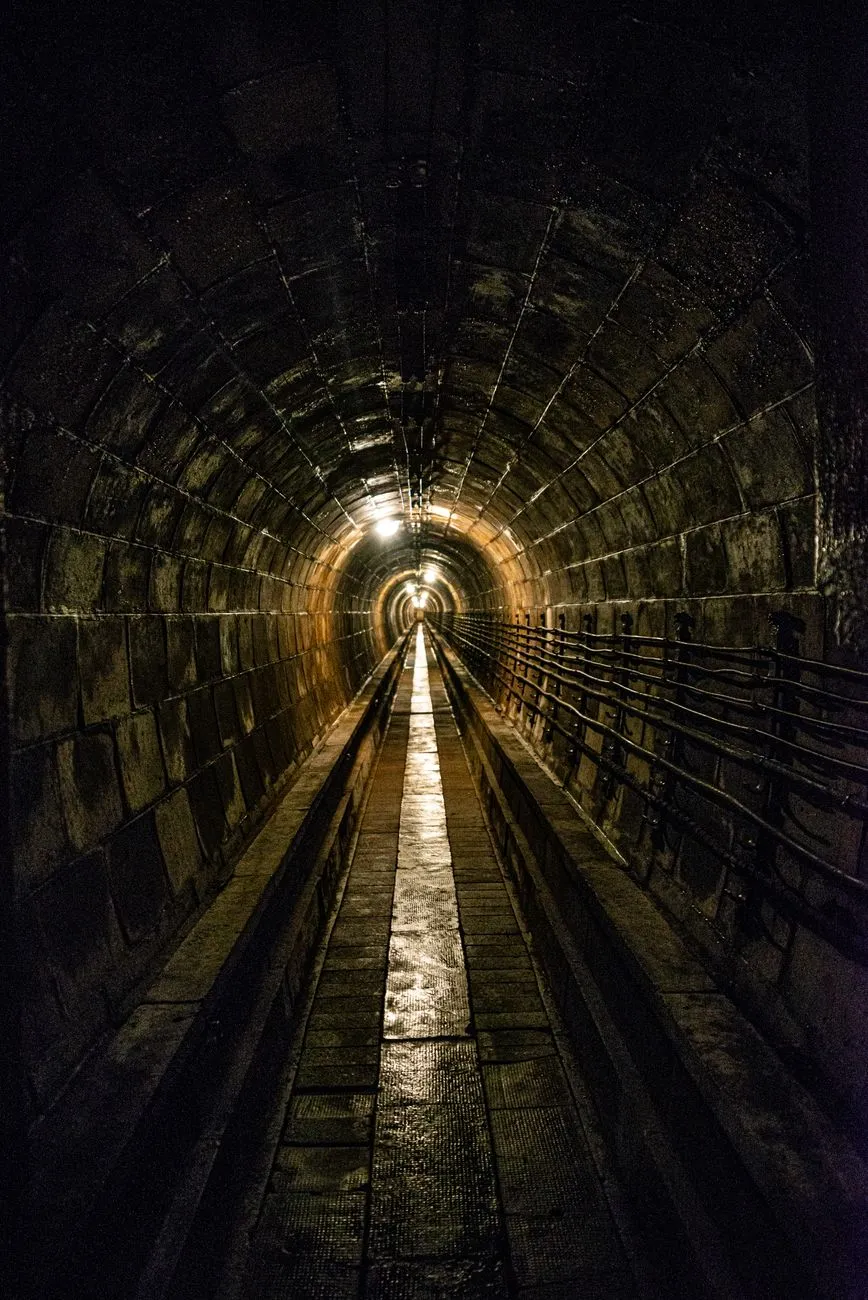
As I emerged back onto the bustling Parisian streets, blinking against the sharp afternoon sunlight, the contrast was staggering. Above ground, life rushes forward with frantic energy, oblivious to the silent legions resting mere meters below. The Catacombs of Paris remain a breathtaking, humbling monument to human mortality—a place where history is not merely read in books, but felt in the very bones of the earth.
#ParisCatacombs #DarkTourism #HiddenParis #UndergroundExploration #HistoryTravel