Showing Posts From
Pastel de nata
Portuguese Pastéis de Nata: The Custard Tart’s Sweet History Introduction Few desserts in the world carry the weight of history, culture, and national pride quite like Portugal’s Pastéis de Nata—those golden, flaky custard tarts with their caramelized tops and creamy interiors. Born in the cloisters of Lisbon’s Jerónimos Monastery in the 18th century, these tarts have transcended their monastic origins to become a global icon of Portuguese cuisine. Their journey from humble convent confections to UNESCO-recognized culinary ambassadors is a testament to Portugal’s rich gastronomic legacy and its enduring influence on world food culture. What makes Pastéis de Nata so extraordinary is not just their taste but their story—a blend of religious tradition, economic necessity, and culinary innovation. The monks of Jerónimos, facing declining income after the dissolution of religious orders in 1834, began selling the tarts to sustain their community. Today, they are a symbol of Portuguese identity, featured in every bakery from Porto to Tokyo, and even inspiring geopolitical discussions about cultural diplomacy. As we peel back the layers of this delectable treat, we uncover a narrative of resilience, adaptation, and the sweet power of culinary heritage.The Monastic Origins: How Nuns Shaped Portugal’s Most Famous Tart The story of Pastéis de Nata begins in the hallowed halls of Lisbon’s Jerónimos Monastery, a UNESCO World Heritage Site and one of Portugal’s most revered religious landmarks. Founded in the early 16th century by King Manuel I, the monastery was a center of spiritual and intellectual life, but by the 18th century, its monks faced financial strain. To supplement their income, the nuns turned to baking, creating pastries using egg yolks—a byproduct of the monastery’s wine production and the frequent use of egg whites for starching religious garments. The original recipe was a closely guarded secret, passed down through generations of nuns. The tarts were made with a simple yet ingenious combination: a crisp, thin pastry shell layered with a rich, spiced custard, baked until the top blistered into a dark caramel. The secret lay in the balance of ingredients—sugar, milk, cinnamon, and vanilla—crafted to perfection in the monastery’s kitchens. When the religious orders were dissolved in 1834 under the liberal reforms of the Portuguese government, the monks were forced to leave, but the recipe lived on. The nuns’ legacy was preserved by a man named Domingos Rodrigues, a former monk who opened a bakery in Lisbon’s Belém district. He named his creation Pastéis de Belém, a nod to the monastery’s location. Today, Pastéis de Belém remains the only place where the original recipe is still made, using the same wood-fired ovens and techniques as in the 19th century. The bakery’s success turned the tarts into a national treasure, with lines stretching around the block as tourists and locals alike queue for a taste of history.The monastic origins of Pastéis de Nata are more than just a quirky footnote in culinary history—they reflect a broader tradition of convent sweets in Portugal. Similar to Spain’s yemas or France’s madeleines, these tarts were born out of necessity, where nuns used available ingredients to create something extraordinary. The use of egg yolks, in particular, was a stroke of culinary genius, transforming a waste product into a delicacy. This resourcefulness is a hallmark of Portuguese cuisine, where scarcity often bred innovation. The transition from monastery to mainstream bakery also highlights the role of culinary diplomacy in Portugal’s history. As the tarts gained popularity, they became a symbol of Portuguese hospitality and craftsmanship, often served at diplomatic events to showcase the country’s cultural heritage. Research on Portuguese culinary diplomacy reveals how food has been used as a tool to foster international relations, with Pastéis de Nata serving as a delicious ambassador. The tarts’ journey from cloistered kitchens to global fame is a delicious reminder of how food can bridge cultures and eras.The Alchemy of Ingredients: Decoding the Perfect Pastel de Nata At the heart of every Pastel de Nata lies a delicate alchemy of ingredients, where simplicity meets precision. The magic begins with the pastry shell, a thin, flaky massa folhada (puff pastry) that encases the custard. Unlike other custard tarts, the pastry in Pastéis de Nata is not just a vessel but an integral part of the experience—its crispness contrasts with the creamy custard, creating a textural symphony. The dough is rolled paper-thin, layered with butter, and folded multiple times to achieve the signature layers. This technique, known as folhagem, requires skill and patience, as the dough must rest between folds to prevent the butter from melting and ruining the layers. The custard, or nata, is where the true artistry lies. Traditional recipes call for whole milk, sugar, egg yolks, and a blend of spices—cinnamon, nutmeg, and sometimes lemon zest—to add depth. The milk is scalded with the spices to infuse flavor, then cooled before being mixed with the yolks and sugar. The key to a perfect custard is slow cooking; the mixture must be stirred constantly over low heat until it thickens to a pudding-like consistency, ensuring a silky, velvety texture. Overcooking risks curdling, while undercooking leaves it too thin. The custard is then poured into the pastry shells and baked at a high temperature (around 250°C or 480°F) for just 12-15 minutes. The intense heat causes the top to caramelize, forming a dark, slightly blistered crust that contrasts with the pale custard beneath. One of the most debated aspects of Pastéis de Nata is the role of vanilla. Some purists insist on using a single vanilla bean, scraped into the milk, while others opt for high-quality extract. The debate extends to the type of sugar—granulated for a cleaner taste or brown sugar for a deeper caramel note. Another point of contention is the baking vessel. Traditionalists swear by the small, round metal tins used in Pastéis de Belém, which conduct heat evenly and create the perfect blistered top. Modern bakeries often use ceramic or silicone molds, which can alter the texture slightly.The ingredients of Pastéis de Nata also tell a story of Portugal’s colonial past. Cinnamon, a staple in the custard, was a prized spice imported from Sri Lanka and India during the Age of Exploration. Sugar, another key component, was cultivated in Portugal’s Atlantic colonies, including Madeira and Brazil. The use of egg yolks, as mentioned earlier, was a practical solution to the surplus created by the wine industry. This blend of indigenous and colonial ingredients reflects Portugal’s historical role as a global trading hub, where spices, sugar, and techniques from around the world converged in Lisbon’s kitchens. For those attempting to recreate Pastéis de Nata at home, the challenge lies not just in the ingredients but in the technique. The pastry must be rolled thin enough to achieve the signature flakiness, and the custard must be cooked to the precise temperature to avoid separation. Many home bakers opt for pre-made puff pastry to simplify the process, but purists argue that homemade dough is non-negotiable. The baking time is equally critical; too long in the oven, and the custard becomes rubbery, while too short, and it remains undercooked. A kitchen thermometer is essential for monitoring the custard’s temperature, which should reach 82°C (180°F) before baking. The ingredients of Pastéis de Nata are a testament to the power of simplicity. With just milk, sugar, eggs, and a handful of spices, a masterpiece is created. This minimalist approach is a hallmark of Portuguese cuisine, where complex flavors emerge from humble ingredients. Whether enjoyed with a sprinkle of cinnamon or a dusting of powdered sugar, each bite is a celebration of Portugal’s culinary ingenuity.From Belém to the World: The Global Rise of Portugal’s Iconic Tart The global ascent of Pastéis de Nata is a story of culinary diplomacy, migration, and the universal appeal of sweet indulgence. While the tarts originated in Lisbon’s Jerónimos Monastery, their journey to international fame began in the 19th century, when Domingos Rodrigues opened Pastéis de Belém in 1837. The bakery’s location near the monastery made it a natural destination for visitors seeking a taste of history. By the early 20th century, the tarts had become a must-try for tourists, earning a reputation as Lisbon’s unofficial dessert ambassador. The tarts’ global expansion accelerated in the 21st century, thanks to Portugal’s growing influence in food culture and the rise of social media. Instagram, in particular, played a pivotal role, with food bloggers and influencers sharing images of the golden, caramelized tarts, sparking curiosity and demand worldwide. Bakeries from London to Los Angeles began offering their own versions, often adapting the recipe to local tastes—some adding citrus zest, others incorporating chocolate or salted caramel. The globalized Pastel de Nata became a canvas for innovation, with chefs experimenting with flavors while purists clung to tradition. Portugal’s culinary diplomacy has also been instrumental in spreading the tarts’ fame. The country has actively promoted its gastronomy as a tool for soft power, with Pastéis de Nata serving as a flagship product. In 2011, the European Union granted Pastéis de Belém Protected Geographical Indication (PGI) status, recognizing the bakery’s exclusive right to use the name Pastel de Belém for its tarts. This designation ensures that only the original recipe, made in Belém, can bear the name, protecting Portugal’s culinary heritage from imitation. The PGI status also underscores the tarts’ cultural significance, elevating them beyond mere dessert to a symbol of national identity.The global success of Pastéis de Nata has not been without controversy. As the tarts spread, so did debates over authenticity. Purists argue that only Pastéis de Belém can claim the title of "original," while others contend that the spirit of the recipe transcends its birthplace. In cities like New York, Paris, and Tokyo, bakeries have put their own spin on the classic, using local ingredients or modern techniques. Some adaptations have been met with acclaim, while others have faced backlash from traditionalists. The debate over authenticity reflects a broader tension in global food culture—how to honor tradition while embracing innovation. The tarts’ global reach is also a testament to Portugal’s diaspora. Portuguese communities in France, Canada, and the United States have played a crucial role in popularizing Pastéis de Nata, opening bakeries and cafes that serve as cultural outposts. In these spaces, the tarts become more than just dessert; they are a connection to home, a taste of Portugal’s sun-drenched coasts and historic streets. The global Portuguese community has turned the tarts into a symbol of resilience and cultural pride, ensuring that even in distant lands, the flavors of Portugal endure. The rise of Pastéis de Nata in the global market has also had economic implications. The tarts have become a lucrative export, with Portugal shipping frozen and pre-baked versions to supermarkets worldwide. The bakery Pastéis de Belém alone produces over 20,000 tarts daily, with a significant portion exported to countries like the UK, France, and Brazil. The tarts’ success has inspired other Portuguese bakeries to expand internationally, creating a ripple effect in the country’s food economy. This economic impact underscores the power of culinary heritage as a driver of growth and tourism. As Pastéis de Nata continue to captivate palates around the world, their story serves as a reminder of how food can transcend borders. Whether enjoyed in a Lisbon bakery or a Tokyo café, each tart carries a piece of Portugal’s history, culture, and spirit. The global rise of this humble custard tart is a delicious example of how culinary diplomacy can shape a nation’s identity and influence the world.👉 Continue Reading: Portuguese Pastéis de Nata: The Custard Tart's Sweet History (Part 2)#PastelDeNata #PortugueseCuisine #CulinaryHeritage #FoodHistory #GlobalDesserts Related InsightsMiso Alchemy: Scaling Home Fermentation to Artisanal Mastery Mumbai’s Melting Pot of Flavors: The Soul-Satisfying Street Food That Defines the City Appam and Stew: Kerala's Comforting Coconut Duo{ "@context": "https://schema.org", "@type": "FAQPage", "mainEntity": [ { "@type": "Question", "name": "What is the main focus of Portuguese Pastéis de Nata: The Custard Tart's Sweet History?", "acceptedAnswer": { "@type": "Answer", "text": "Discover the historical migration of Portugal's beloved pastéis de nata—their journey from convent cuisine to worldwide sensation, served with a hint of cinnamon." } }, { "@type": "Question", "name": "Who authored the comprehensive guide on Portuguese Pastéis de Nata: The Custard Tart's Sweet History?", "acceptedAnswer": { "@type": "Answer", "text": "This detailed article and its insights were carefully researched and authored by Marcus Vance." } }, { "@type": "Question", "name": "Where can I find more related content about Food?", "acceptedAnswer": { "@type": "Answer", "text": "You can explore more articles, detailed reviews, and similar insights by browsing the Related Insights section at the bottom of this article or visiting our dedicated Food category page." } } ] }
-
 Marcus Vance
 - 19 Jul, 2026 14:15
Portuguese Pastéis de Nata: The Custard Tart's Sweet History (Part 2)
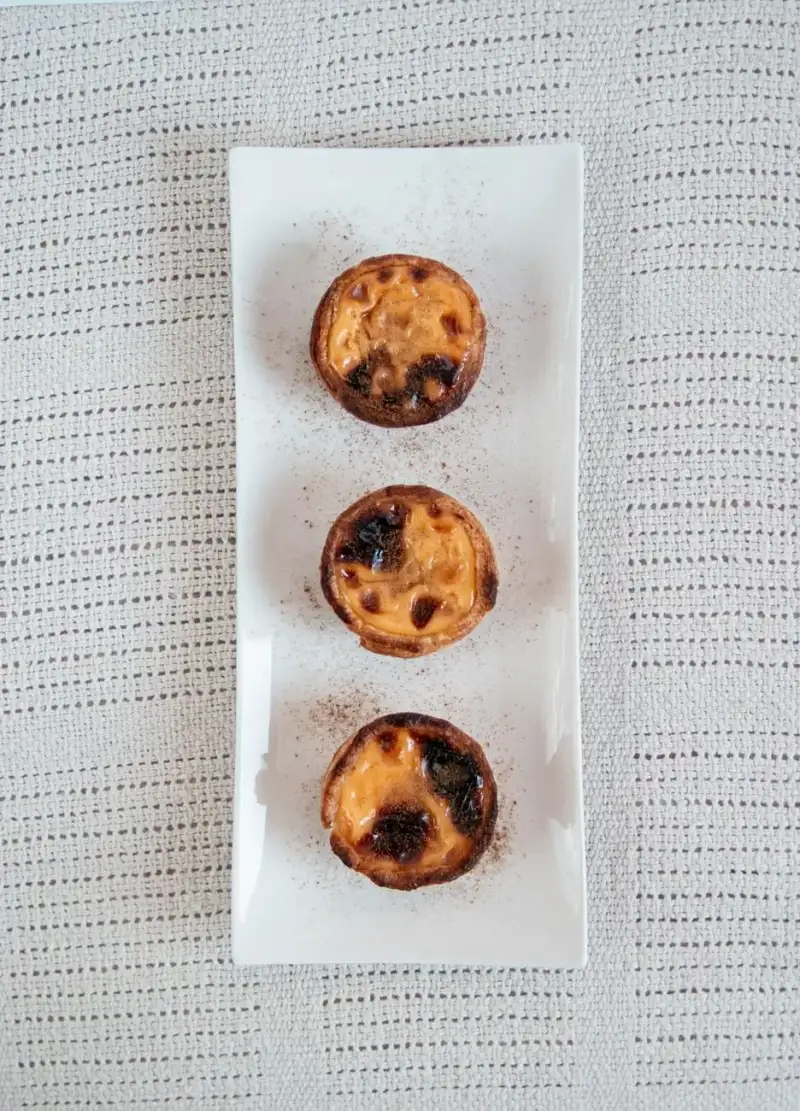
This is Part 2 of the series. Read Part 1 here.The Science Behind the Blister: Why Pastéis de Nata’s Top is the Secret to Perfection The blistered, caramelized top of a Pastel de Nata is its most distinctive feature—a dark, slightly cracked surface that contrasts with the pale custard beneath. This blister is not just a visual hallmark; it’s a result of precise scientific principles that govern baking. Understanding the science behind the blister reveals why some tarts achieve this coveted texture while others fall short. The blister forms due to a process called Maillard reaction, a chemical reaction between amino acids and reducing sugars that occurs at high temperatures. When the custard is baked at 250°C (480°F), the sugars in the milk and eggs caramelize, creating the dark, glossy top. The blisters themselves are caused by steam escaping from the custard as it bakes. The high heat causes the moisture in the custard to vaporize rapidly, creating pressure that forces the pastry to puff and blister. The key to achieving this effect lies in the baking temperature and time—too low, and the custard won’t blister; too high, and it will burn. Another critical factor is the pastry’s composition. The massa folhada used in Pastéis de Nata is rolled thin and layered with butter, creating a structure that traps steam during baking. As the butter melts, it releases moisture, which combines with the custard’s sugars to enhance the Maillard reaction. The pastry’s thinness also allows heat to penetrate quickly, ensuring the custard sets before the top burns. This delicate balance is why the blister is so difficult to replicate outside of Portugal, where bakers have perfected the technique over generations. The role of the baking vessel cannot be overstated. Traditional metal tins conduct heat efficiently, ensuring even baking and optimal blister formation. Ceramic or silicone molds, while convenient, can insulate the tart, preventing the custard from reaching the high temperatures needed for blistering. This is why many home bakers struggle to replicate the texture of authentic Pastéis de Nata—their equipment simply doesn’t match the conductivity of metal tins. The science of the blister also explains why the custard must be poured into the pastry shells just before baking. If the custard sits too long, the pastry can become soggy, and the blister may not form properly. The high heat of the oven causes the custard to set almost instantly, trapping the steam and creating the blisters. This rapid setting is why the custard remains creamy and smooth despite the intense heat—a testament to the precision of the recipe. For bakers looking to perfect their technique, understanding the science behind the blister is essential. The key takeaways are:High Heat: Bake at 250°C (480°F) for 12-15 minutes to achieve the Maillard reaction. Thin Pastry: Roll the dough paper-thin to allow heat to penetrate quickly. Metal Tins: Use metal baking tins for optimal heat conduction. Fresh Custard: Pour the custard into the pastry shells just before baking to prevent sogginess. Steam Control: Ensure the oven is preheated to avoid temperature fluctuations that can affect blister formation.The blistered top of a Pastel de Nata is more than just a visual delight—it’s a testament to the interplay of chemistry, physics, and culinary artistry. This delicate balance of heat, moisture, and structure is what sets Portuguese custard tarts apart from their imitators. Whether enjoyed in Lisbon or replicated at home, the blister is a reminder that great food is as much about science as it is about tradition.Modern Twists and Global Adaptations: Reinventing Portugal’s Classic Tart While the traditional Pastel de Nata remains a beloved classic, modern bakers and chefs around the world have begun experimenting with innovative twists, blending Portuguese heritage with global flavors. These adaptations reflect the tarts’ versatility and their ability to evolve while retaining their core identity. From savory versions to vegan alternatives, the Pastel de Nata has become a canvas for creativity, proving that even the most iconic recipes can be reimagined. One of the most popular modern adaptations is the Pastel de Nata with salted caramel. This variation swaps the traditional cinnamon for a drizzle of salted caramel sauce, adding a rich, buttery sweetness that complements the custard’s vanilla notes. The caramel’s saltiness cuts through the sweetness, creating a balanced flavor profile that has become a favorite in bakeries from New York to Sydney. Another trend is the incorporation of citrus, with some chefs adding lemon or orange zest to the custard for a bright, zesty twist. This adaptation nods to Portugal’s citrus-growing regions, such as the Algarve, and adds a refreshing contrast to the rich custard. Vegan Pastéis de Nata have also gained traction, catering to the growing demand for plant-based desserts. These versions replace the egg yolks and milk with alternatives like coconut milk, almond milk, and cornstarch for thickening. The custard is often flavored with vanilla and a touch of turmeric for color, creating a dairy-free version that mimics the original’s texture and taste. While purists may balk at these adaptations, vegan tarts have opened the door for a wider audience to enjoy Portugal’s iconic dessert. In cities like Berlin and Amsterdam, vegan bakeries have made Pastéis de Nata accessible to those with dietary restrictions, proving that culinary traditions can adapt without losing their essence.Savory Pastéis de Nata have also emerged as a bold new trend, challenging the notion that the tarts must be sweet. Chefs have experimented with fillings like goat cheese and honey, chorizo and caramelized onions, or even truffle-infused custard. These savory versions are often served as appetizers or snacks, showcasing the tarts’ versatility beyond dessert. In Portugal, some bakeries offer Pastéis de Nata with a sprinkle of sea salt or a drizzle of olive oil, highlighting the country’s Mediterranean influences. These adaptations speak to the tarts’ potential as a culinary chameleon, capable of transcending traditional boundaries. Global adaptations of Pastéis de Nata also reflect local tastes and ingredients. In Brazil, where Portuguese influence runs deep, bakeries often add condensed milk to the custard, creating a denser, sweeter version. In Macau, a former Portuguese colony, the tarts are sometimes infused with coconut milk or pandan, reflecting the region’s Southeast Asian flavors. In the United States, fusion bakeries have experimented with flavors like matcha, pumpkin spice, and even s’mores, blending Portuguese tradition with American nostalgia. These adaptations highlight the tarts’ ability to absorb and reflect the cultures they encounter, making them a truly global phenomenon. Despite the innovations, purists argue that the traditional Pastel de Nata should remain untouched. They contend that the original recipe is a masterpiece that doesn’t need alteration, and that modern twists dilute its authenticity. This debate mirrors broader discussions in food culture about tradition versus innovation. However, the beauty of Pastéis de Nata lies in their adaptability—they can be enjoyed in their classic form or reimagined to suit modern palates. Whether served plain or with a contemporary twist, the tarts remain a symbol of Portugal’s culinary heritage and its enduring appeal. The global adaptations of Pastéis de Nata also underscore the role of food in cultural exchange. As the tarts travel the world, they carry with them a piece of Portugal’s history, while also absorbing new influences. This exchange enriches both the original recipe and its adaptations, creating a dynamic culinary dialogue. For example, a vegan Pastel de Nata in Berlin might inspire a Portuguese baker to experiment with plant-based ingredients, while a matcha-infused tart in Tokyo could introduce new flavors to Lisbon’s bakeries. This cross-pollination of ideas is a testament to the power of food as a universal language.Nutritional Breakdown and Health Considerations: Can You Indulge Guilt-Free? For all their indulgent appeal, Pastéis de Nata are undeniably a treat—rich, buttery, and high in sugar and fat. A single tart contains approximately 200-250 calories, with 12-15 grams of fat and 15-20 grams of sugar. The majority of the fat comes from the puff pastry and butter, while the sugar is concentrated in the custard. These nutritional values make the tarts a high-calorie dessert, best enjoyed in moderation. However, understanding their nutritional profile can help consumers make informed choices about when and how to indulge. A typical Pastel de Nata provides:Calories: 200-250 kcal Fat: 12-15 g (7-9 g saturated fat) Carbohydrates: 20-25 g (10-12 g sugars) Protein: 3-5 g Sodium: 50-80 mgThe high saturated fat content is primarily due to the butter in the pastry and the egg yolks in the custard. While fat is essential for the tarts’ flaky texture and rich flavor, it also contributes to their calorie density. The sugar content, derived from both the custard and the caramelized top, is another consideration for those monitoring their intake. For comparison, a medium-sized chocolate chip cookie contains roughly the same calories as a Pastel de Nata, but the tarts’ fat and sugar content is more concentrated. For those looking to enjoy Pastéis de Nata without the guilt, there are several strategies. One option is to share a tart, as the small size makes it easy to split between two people. Pairing the tart with a cup of black coffee or tea can also help balance the richness, as the bitterness of the coffee cuts through the sweetness. Another approach is to opt for a smaller version, such as a mini Pastel de Nata, which contains roughly half the calories of a standard tart. Some bakeries also offer lighter versions, using less butter or substituting part of the sugar with a natural sweetener like stevia.For health-conscious bakers, there are ways to adapt the recipe to reduce calories and fat without sacrificing too much of the original flavor. Using whole wheat flour for the pastry can add fiber, while substituting part of the butter with coconut oil or olive oil can reduce saturated fat. For the custard, low-fat milk and egg whites can be used to cut calories, though this may affect the texture. Natural sweeteners like honey or maple syrup can replace some of the sugar, though they may alter the taste slightly. These modifications are not traditional, but they offer a compromise for those who want to enjoy the tarts while adhering to dietary guidelines. It’s also worth noting that Pastéis de Nata are not inherently unhealthy when consumed as part of a balanced diet. Like many desserts, they are best enjoyed occasionally rather than daily. Their high calorie and fat content make them a treat to be savored, not a staple. For those with dietary restrictions, vegan or gluten-free adaptations can provide a way to enjoy the tarts without compromising health goals. Ultimately, the key to indulging in Pastéis de Nata is moderation—savoring each bite while being mindful of portion sizes.Conclusion The Pastel de Nata is more than just a custard tart—it is a living testament to Portugal’s history, culture, and culinary ingenuity. From its monastic origins in the Jerónimos Monastery to its status as a global icon, this humble dessert has traveled the world, carrying with it the flavors and stories of Portugal. Its journey reflects the power of food to bridge cultures, foster diplomacy, and preserve heritage. Whether enjoyed in a Lisbon bakery, a Tokyo café, or a home kitchen, each tart is a bite of history—a connection to the nuns who first baked it, the monks who preserved the recipe, and the bakers who continue to perfect it today. The science behind the blistered top, the alchemy of its ingredients, and the global adaptations that have emerged all speak to the Pastel de Nata’s enduring appeal. It is a dessert that defies trends, remaining as beloved in its traditional form as it is in modern reinterpretations. As Portugal’s culinary diplomacy continues to elevate its gastronomy on the world stage, the Pastel de Nata stands as a symbol of the country’s ability to share its culture through flavor. Whether you’re a purist who insists on the original recipe or an adventurous eater who enjoys the latest fusion twist, one thing is certain: the Pastel de Nata is a dessert worth celebrating. So the next time you bite into a golden, caramelized Pastel de Nata, take a moment to appreciate the centuries of history in each flaky layer. Let it transport you to the sun-drenched streets of Lisbon, the bustling markets of Macau, or the cozy kitchens of Portuguese immigrants around the world. In every bite, there’s a story—a story of resilience, innovation, and the sweet power of tradition.#PastelDeNata #PortugueseCuisine #CulinaryHeritage #FoodHistory #GlobalDesserts Related InsightsThe Legacy of Nourishment: A Nutrient-Dense Chicken and Vegetable Pot Pie L'Âme Fermentée de la Corée : Odyssée Sensorielle et Historique du Kimchi Eine deutsche Seele in der Küche: Essen ist nicht nur zum Sattwerden da!{ "@context": "https://schema.org", "@type": "FAQPage", "mainEntity": [ { "@type": "Question", "name": "What is the main focus of Portuguese Pastéis de Nata: The Custard Tart's Sweet History (Part 2)?", "acceptedAnswer": { "@type": "Answer", "text": "Discover the historical migration of Portugal's beloved pastéis de nata—their journey from convent cuisine to worldwide sensation, served with a hint of cinnamon." } }, { "@type": "Question", "name": "Who authored the comprehensive guide on Portuguese Pastéis de Nata: The Custard Tart's Sweet History (Part 2)?", "acceptedAnswer": { "@type": "Answer", "text": "This detailed article and its insights were carefully researched and authored by Marcus Vance." } }, { "@type": "Question", "name": "Where can I find more related content about Food?", "acceptedAnswer": { "@type": "Answer", "text": "You can explore more articles, detailed reviews, and similar insights by browsing the Related Insights section at the bottom of this article or visiting our dedicated Food category page." } } ] }