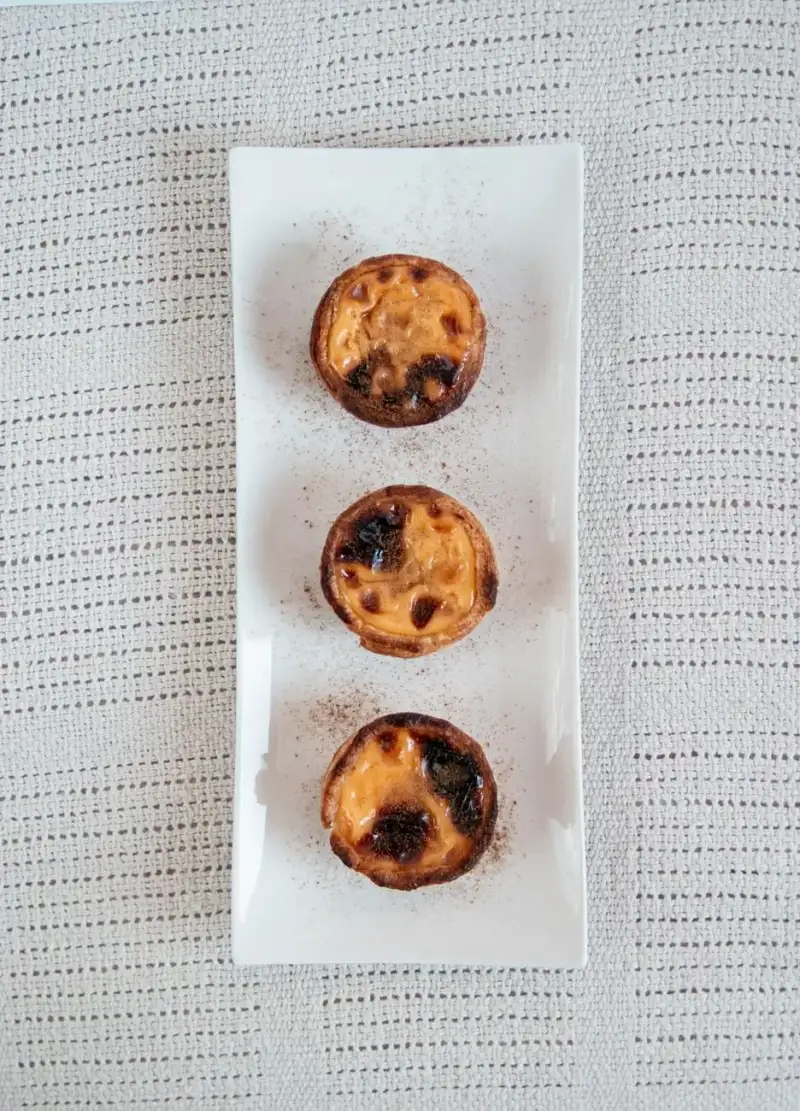
Portuguese Pastéis de Nata: The Custard Tart's Sweet History
-
 Marcus Vance
 - 19 Jul, 2026 14:15
Portuguese Pastéis de Nata: The Custard Tart’s Sweet History
Introduction
Few desserts in the world carry the weight of history, culture, and national pride quite like Portugal’s Pastéis de Nata—those golden, flaky custard tarts with their caramelized tops and creamy interiors. Born in the cloisters of Lisbon’s Jerónimos Monastery in the 18th century, these tarts have transcended their monastic origins to become a global icon of Portuguese cuisine. Their journey from humble convent confections to UNESCO-recognized culinary ambassadors is a testament to Portugal’s rich gastronomic legacy and its enduring influence on world food culture.
What makes Pastéis de Nata so extraordinary is not just their taste but their story—a blend of religious tradition, economic necessity, and culinary innovation. The monks of Jerónimos, facing declining income after the dissolution of religious orders in 1834, began selling the tarts to sustain their community. Today, they are a symbol of Portuguese identity, featured in every bakery from Porto to Tokyo, and even inspiring geopolitical discussions about cultural diplomacy. As we peel back the layers of this delectable treat, we uncover a narrative of resilience, adaptation, and the sweet power of culinary heritage.
The Monastic Origins: How Nuns Shaped Portugal’s Most Famous Tart
The story of Pastéis de Nata begins in the hallowed halls of Lisbon’s Jerónimos Monastery, a UNESCO World Heritage Site and one of Portugal’s most revered religious landmarks. Founded in the early 16th century by King Manuel I, the monastery was a center of spiritual and intellectual life, but by the 18th century, its monks faced financial strain. To supplement their income, the nuns turned to baking, creating pastries using egg yolks—a byproduct of the monastery’s wine production and the frequent use of egg whites for starching religious garments.
The original recipe was a closely guarded secret, passed down through generations of nuns. The tarts were made with a simple yet ingenious combination: a crisp, thin pastry shell layered with a rich, spiced custard, baked until the top blistered into a dark caramel. The secret lay in the balance of ingredients—sugar, milk, cinnamon, and vanilla—crafted to perfection in the monastery’s kitchens. When the religious orders were dissolved in 1834 under the liberal reforms of the Portuguese government, the monks were forced to leave, but the recipe lived on.
The nuns’ legacy was preserved by a man named Domingos Rodrigues, a former monk who opened a bakery in Lisbon’s Belém district. He named his creation Pastéis de Belém, a nod to the monastery’s location. Today, Pastéis de Belém remains the only place where the original recipe is still made, using the same wood-fired ovens and techniques as in the 19th century. The bakery’s success turned the tarts into a national treasure, with lines stretching around the block as tourists and locals alike queue for a taste of history.
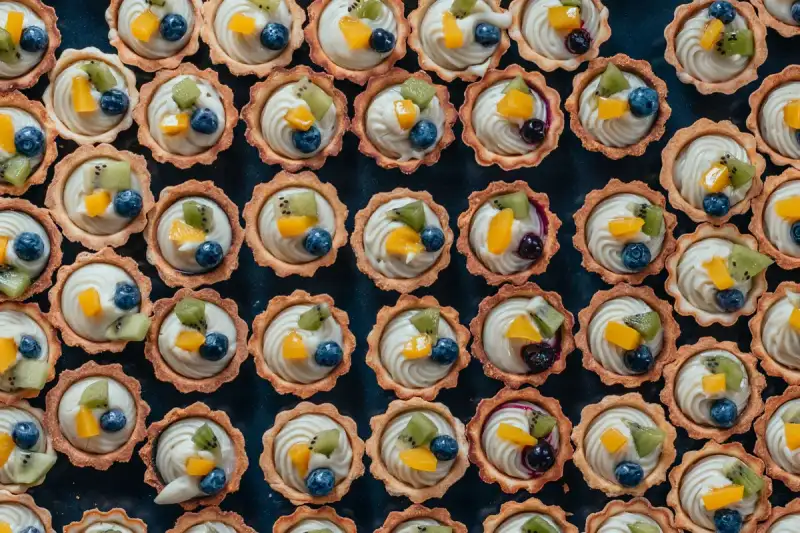
The monastic origins of Pastéis de Nata are more than just a quirky footnote in culinary history—they reflect a broader tradition of convent sweets in Portugal. Similar to Spain’s yemas or France’s madeleines, these tarts were born out of necessity, where nuns used available ingredients to create something extraordinary. The use of egg yolks, in particular, was a stroke of culinary genius, transforming a waste product into a delicacy. This resourcefulness is a hallmark of Portuguese cuisine, where scarcity often bred innovation.
The transition from monastery to mainstream bakery also highlights the role of culinary diplomacy in Portugal’s history. As the tarts gained popularity, they became a symbol of Portuguese hospitality and craftsmanship, often served at diplomatic events to showcase the country’s cultural heritage. Research on Portuguese culinary diplomacy reveals how food has been used as a tool to foster international relations, with Pastéis de Nata serving as a delicious ambassador. The tarts’ journey from cloistered kitchens to global fame is a delicious reminder of how food can bridge cultures and eras.
The Alchemy of Ingredients: Decoding the Perfect Pastel de Nata
At the heart of every Pastel de Nata lies a delicate alchemy of ingredients, where simplicity meets precision. The magic begins with the pastry shell, a thin, flaky massa folhada (puff pastry) that encases the custard. Unlike other custard tarts, the pastry in Pastéis de Nata is not just a vessel but an integral part of the experience—its crispness contrasts with the creamy custard, creating a textural symphony. The dough is rolled paper-thin, layered with butter, and folded multiple times to achieve the signature layers. This technique, known as folhagem, requires skill and patience, as the dough must rest between folds to prevent the butter from melting and ruining the layers.
The custard, or nata, is where the true artistry lies. Traditional recipes call for whole milk, sugar, egg yolks, and a blend of spices—cinnamon, nutmeg, and sometimes lemon zest—to add depth. The milk is scalded with the spices to infuse flavor, then cooled before being mixed with the yolks and sugar. The key to a perfect custard is slow cooking; the mixture must be stirred constantly over low heat until it thickens to a pudding-like consistency, ensuring a silky, velvety texture. Overcooking risks curdling, while undercooking leaves it too thin. The custard is then poured into the pastry shells and baked at a high temperature (around 250°C or 480°F) for just 12-15 minutes. The intense heat causes the top to caramelize, forming a dark, slightly blistered crust that contrasts with the pale custard beneath.
One of the most debated aspects of Pastéis de Nata is the role of vanilla. Some purists insist on using a single vanilla bean, scraped into the milk, while others opt for high-quality extract. The debate extends to the type of sugar—granulated for a cleaner taste or brown sugar for a deeper caramel note. Another point of contention is the baking vessel. Traditionalists swear by the small, round metal tins used in Pastéis de Belém, which conduct heat evenly and create the perfect blistered top. Modern bakeries often use ceramic or silicone molds, which can alter the texture slightly.
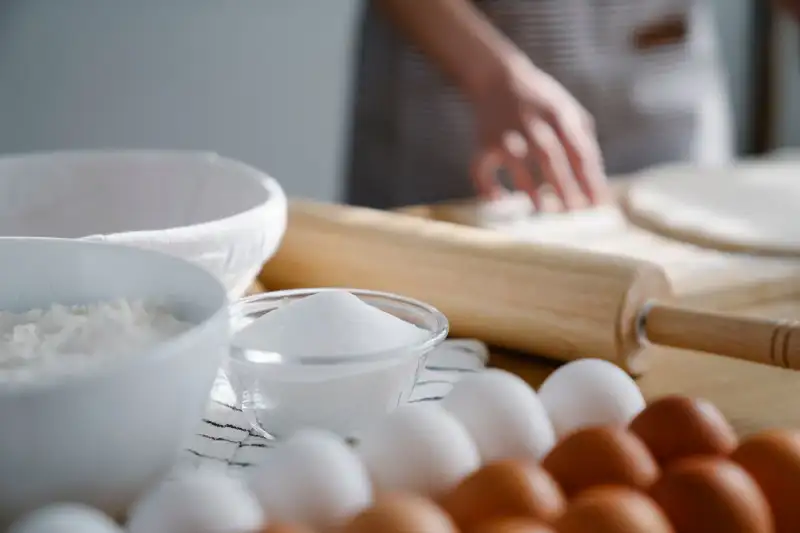
The ingredients of Pastéis de Nata also tell a story of Portugal’s colonial past. Cinnamon, a staple in the custard, was a prized spice imported from Sri Lanka and India during the Age of Exploration. Sugar, another key component, was cultivated in Portugal’s Atlantic colonies, including Madeira and Brazil. The use of egg yolks, as mentioned earlier, was a practical solution to the surplus created by the wine industry. This blend of indigenous and colonial ingredients reflects Portugal’s historical role as a global trading hub, where spices, sugar, and techniques from around the world converged in Lisbon’s kitchens.
For those attempting to recreate Pastéis de Nata at home, the challenge lies not just in the ingredients but in the technique. The pastry must be rolled thin enough to achieve the signature flakiness, and the custard must be cooked to the precise temperature to avoid separation. Many home bakers opt for pre-made puff pastry to simplify the process, but purists argue that homemade dough is non-negotiable. The baking time is equally critical; too long in the oven, and the custard becomes rubbery, while too short, and it remains undercooked. A kitchen thermometer is essential for monitoring the custard’s temperature, which should reach 82°C (180°F) before baking.
The ingredients of Pastéis de Nata are a testament to the power of simplicity. With just milk, sugar, eggs, and a handful of spices, a masterpiece is created. This minimalist approach is a hallmark of Portuguese cuisine, where complex flavors emerge from humble ingredients. Whether enjoyed with a sprinkle of cinnamon or a dusting of powdered sugar, each bite is a celebration of Portugal’s culinary ingenuity.
From Belém to the World: The Global Rise of Portugal’s Iconic Tart
The global ascent of Pastéis de Nata is a story of culinary diplomacy, migration, and the universal appeal of sweet indulgence. While the tarts originated in Lisbon’s Jerónimos Monastery, their journey to international fame began in the 19th century, when Domingos Rodrigues opened Pastéis de Belém in 1837. The bakery’s location near the monastery made it a natural destination for visitors seeking a taste of history. By the early 20th century, the tarts had become a must-try for tourists, earning a reputation as Lisbon’s unofficial dessert ambassador.
The tarts’ global expansion accelerated in the 21st century, thanks to Portugal’s growing influence in food culture and the rise of social media. Instagram, in particular, played a pivotal role, with food bloggers and influencers sharing images of the golden, caramelized tarts, sparking curiosity and demand worldwide. Bakeries from London to Los Angeles began offering their own versions, often adapting the recipe to local tastes—some adding citrus zest, others incorporating chocolate or salted caramel. The globalized Pastel de Nata became a canvas for innovation, with chefs experimenting with flavors while purists clung to tradition.
Portugal’s culinary diplomacy has also been instrumental in spreading the tarts’ fame. The country has actively promoted its gastronomy as a tool for soft power, with Pastéis de Nata serving as a flagship product. In 2011, the European Union granted Pastéis de Belém Protected Geographical Indication (PGI) status, recognizing the bakery’s exclusive right to use the name Pastel de Belém for its tarts. This designation ensures that only the original recipe, made in Belém, can bear the name, protecting Portugal’s culinary heritage from imitation. The PGI status also underscores the tarts’ cultural significance, elevating them beyond mere dessert to a symbol of national identity.
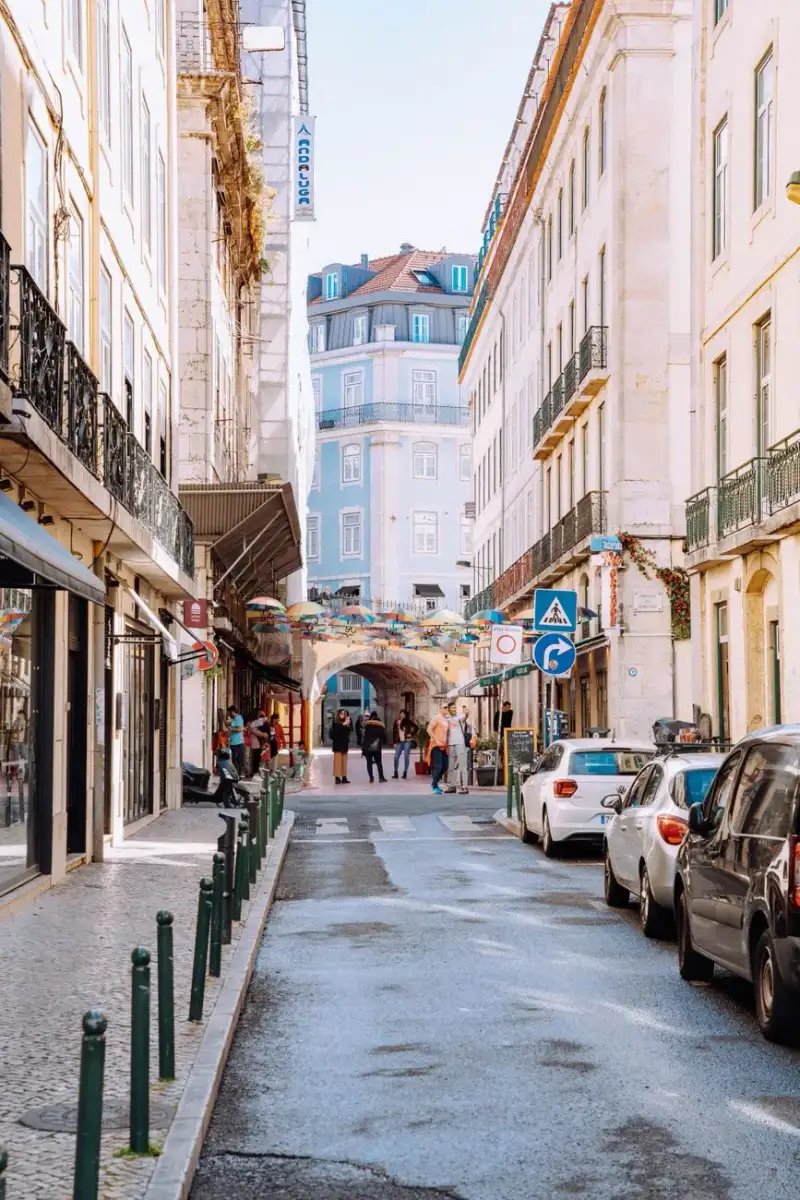
The global success of Pastéis de Nata has not been without controversy. As the tarts spread, so did debates over authenticity. Purists argue that only Pastéis de Belém can claim the title of “original,” while others contend that the spirit of the recipe transcends its birthplace. In cities like New York, Paris, and Tokyo, bakeries have put their own spin on the classic, using local ingredients or modern techniques. Some adaptations have been met with acclaim, while others have faced backlash from traditionalists. The debate over authenticity reflects a broader tension in global food culture—how to honor tradition while embracing innovation.
The tarts’ global reach is also a testament to Portugal’s diaspora. Portuguese communities in France, Canada, and the United States have played a crucial role in popularizing Pastéis de Nata, opening bakeries and cafes that serve as cultural outposts. In these spaces, the tarts become more than just dessert; they are a connection to home, a taste of Portugal’s sun-drenched coasts and historic streets. The global Portuguese community has turned the tarts into a symbol of resilience and cultural pride, ensuring that even in distant lands, the flavors of Portugal endure.
The rise of Pastéis de Nata in the global market has also had economic implications. The tarts have become a lucrative export, with Portugal shipping frozen and pre-baked versions to supermarkets worldwide. The bakery Pastéis de Belém alone produces over 20,000 tarts daily, with a significant portion exported to countries like the UK, France, and Brazil. The tarts’ success has inspired other Portuguese bakeries to expand internationally, creating a ripple effect in the country’s food economy. This economic impact underscores the power of culinary heritage as a driver of growth and tourism.
As Pastéis de Nata continue to captivate palates around the world, their story serves as a reminder of how food can transcend borders. Whether enjoyed in a Lisbon bakery or a Tokyo café, each tart carries a piece of Portugal’s history, culture, and spirit. The global rise of this humble custard tart is a delicious example of how culinary diplomacy can shape a nation’s identity and influence the world.
👉 Continue Reading: Portuguese Pastéis de Nata: The Custard Tart’s Sweet History (Part 2)
#PastelDeNata #PortugueseCuisine #CulinaryHeritage #FoodHistory #GlobalDesserts