Showing Posts From
Phorecipe
-
 Eleanor Hughes
 - 17 Jul, 2026 14:19
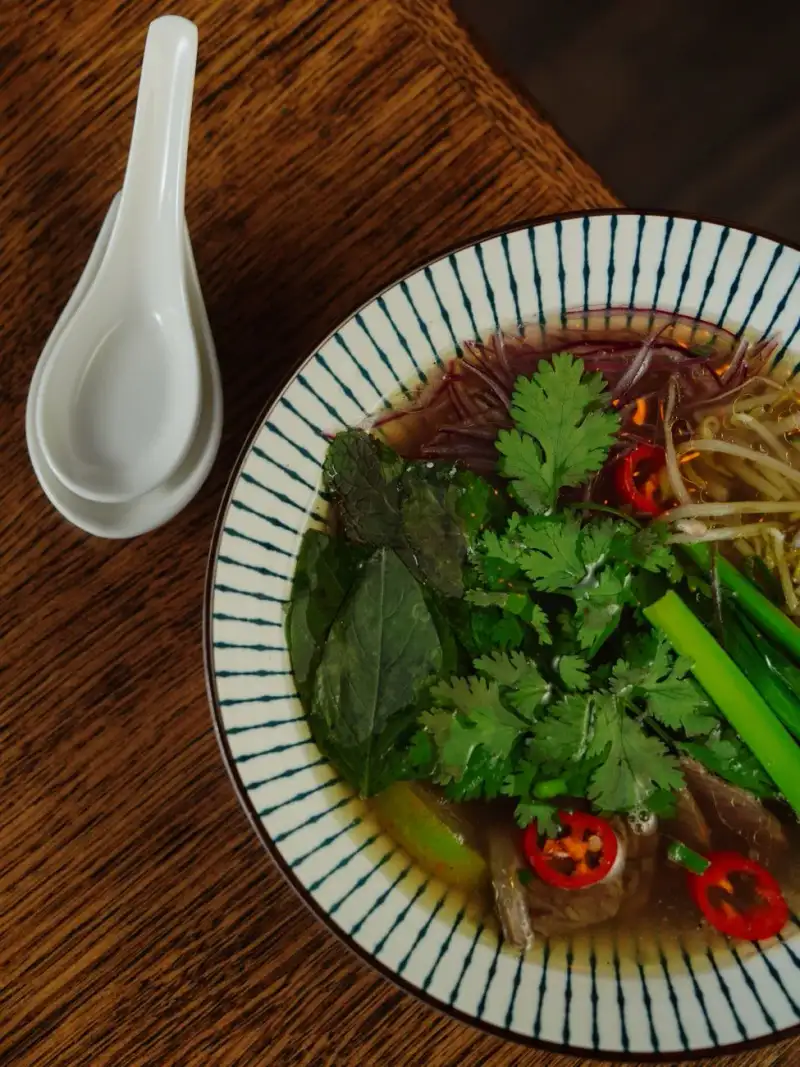
Vietnamese Pho: The Soulful Broth That Defines a Nation's Heritage
Vietnamese Pho: The Soulful Broth and Its Cultural Significance Introduction There’s a moment in every bowl of Vietnamese pho that transcends taste—when the fragrant steam rises from the broth, carrying whispers of star anise, cinnamon, and charred onion. It’s not just soup; it’s a cultural artifact, a culinary time capsule that has traveled from Hanoi’s street corners to Parisian bistros and New York’s food trucks. Pho (pronounced “fuh”) is more than a dish; it’s a narrative of resilience, tradition, and communal identity. Born in the early 20th century during French colonial rule, pho emerged as a fusion of Vietnamese culinary techniques and French beef consumption. Yet, it quickly evolved into a dish that embodied the soul of Vietnam—its history, its people, and its enduring spirit. What makes pho so revered isn’t just its complex broth or tender slices of beef, but the way it brings people together. Families gather around steaming bowls at dawn, street vendors serve it with practiced ease, and chefs spend years perfecting their recipes. This article dives deep into the anatomy of pho, exploring its ingredients, cultural roots, regional variations, and global influence. Whether you’re a home cook eager to recreate this masterpiece or a traveler seeking the best bowl in Hanoi, understanding pho is to understand Vietnam itself.The History and Cultural Roots of Pho: A Dish Born from Change Pho’s origins are as layered as its broth. The dish is believed to have emerged in the early 1900s in northern Vietnam, particularly in Hanoi, during the French colonial period. The French introduced beef to Vietnam, which was previously a pork- and poultry-centric cuisine. Vietnamese cooks adapted by simmering beef bones for hours, creating a clear, aromatic broth that became the foundation of pho. The name “pho” is thought to derive from the French word “feu” (fire) or “pot-au-feu” (a French beef stew), though some linguists argue it comes from the Chinese “粿” (guǒ), meaning cake or dumpling, reflecting the dish’s early noodle-based iterations. Pho’s evolution mirrors Vietnam’s turbulent history. During the First Indochina War (1946–1954), pho became a symbol of resilience. Street vendors sold it at dawn to workers and soldiers, providing warmth and sustenance. When Vietnam was divided into North and South in 1954, pho adapted to regional tastes: the northern version remained clear and light, while the southern version became sweeter and more herb-heavy, reflecting the influence of Chinese and Cambodian cuisines. The fall of Saigon in 1975 saw Vietnamese refugees carry pho to the West, where it became a global ambassador of Vietnamese culture.Culturally, pho is more than food—it’s a ritual. In Vietnam, pho is often eaten for breakfast, a tradition rooted in its affordability and nourishing qualities. The act of slurping noodles is encouraged; it’s said to enhance flavor and cool the broth. Pho shops are communal spaces where people of all backgrounds gather, from laborers to intellectuals. The dish also plays a role in Vietnamese New Year (Tết), where families prepare elaborate feasts featuring pho as a symbol of prosperity. Pho’s global journey began in the 1970s and 1980s, when Vietnamese refugees settled in the U.S., France, and Australia. In the U.S., pho became a staple in cities like Los Angeles and Houston, where Vietnamese communities thrived. Today, pho is celebrated worldwide, from Michelin-starred restaurants to fast-casual chains. Yet, purists argue that the best pho is still found in Vietnam, where the broth is simmered for 12–24 hours, and the ingredients are locally sourced.The Anatomy of Pho: Ingredients, Techniques, and the Art of Broth-Making At the heart of every bowl of pho is its broth—a symphony of flavors that requires patience, precision, and passion. The broth is made by simmering beef bones (often knuckle, marrow, or oxtail) for 12–24 hours, sometimes longer. The bones are first blanched to remove impurities, then rinsed before being added to a pot of water with aromatics. The key ingredients include:Spices: Star anise, cinnamon, cloves, cardamom, and coriander seeds are toasted to release their oils, then tied in cheesecloth or a spice bag to infuse the broth. Aromatics: Charred onions and ginger are added to deepen the flavor, lending a subtle sweetness and smokiness. Fish sauce: A critical umami booster, made from fermented anchovies and salt. Rock sugar: Balances the saltiness and acidity. Beef meat: Often brisket, flank, or tendon, added to the broth to cook and infuse flavor.The broth is the soul of pho, but the noodles and toppings are its body. Pho noodles are made from rice flour and tapioca starch, giving them a chewy, slippery texture. They come in two main varieties: bánh phở tươi (fresh noodles) and bánh phở khô (dried noodles). The noodles are blanched briefly before serving to soften them. Toppings vary by region and preference but typically include:Thinly sliced raw beef (for phở tái), which cooks in the hot broth. Brisket or flank steak, simmered in the broth. Beef meatballs (bò viên), made from ground beef and tapioca starch. Tripe or tendon, for texture. Fresh herbs: Thai basil, cilantro, mint, and culantro (ngò gai). Lime wedges, bean sprouts, and sliced jalapeños for brightness and heat.The technique of assembling pho is an art. The noodles are placed in a bowl, followed by the meat, then the hot broth is ladled over. The diner then adds herbs, lime, and condiments to taste. The broth should be clear but deeply flavored, with a balance of sweet, salty, and umami notes. A well-made pho broth contains minimal fat, as it’s skimmed during cooking, and should have a silky mouthfeel. For home cooks, the challenge lies in replicating the depth of flavor found in Vietnamese pho shops. Key tips include:Use high-quality bones: Look for marrow or knuckle bones for richness. Toast spices properly: Dry-toast them in a pan until fragrant to unlock their oils. Char the aromatics: Burn the onion and ginger slightly to add depth. Simmer low and slow: A rolling boil will cloud the broth. Skimming is essential: Remove impurities as they rise to the surface.Many chefs also add a splash of fish sauce or a piece of rock sugar at the end to fine-tune the flavor. The result should be a broth that’s comforting yet complex, with layers of flavor that linger on the palate.Regional Variations: From Hanoi to Saigon and Beyond Pho is not a monolithic dish—it transforms as you travel from north to south Vietnam, reflecting local ingredients, climate, and cultural influences. The two most iconic versions are phở Bắc (northern pho) and phở Nam (southern pho), each with distinct characteristics. Northern Pho (Phở Bắc) Hailing from Hanoi, northern pho is the original and most traditional version. The broth is clear, light, and delicate, with a subtle sweetness from the charred aromatics. The noodles are wider and flatter, and the toppings are minimalist—typically just a few slices of beef, a sprinkle of herbs, and a squeeze of lime. The focus is on the purity of the broth, which is often seasoned with just salt and fish sauce. Northern pho is less sweet and less herbaceous than its southern counterpart, reflecting the region’s preference for subtlety. A classic Hanoi pho shop might serve phở tái (rare beef slices), phở chín (well-done beef), or phở gầu (brisket). The meat is often served on the side, allowing diners to add it to their bowl as desired. Northern pho is also less likely to include bean sprouts or chili, keeping the flavors clean and focused. Southern Pho (Phở Nam) In Ho Chi Minh City (formerly Saigon), pho takes on a bolder, sweeter, and more herbaceous personality. The broth is darker and richer, often caramelized slightly to add depth. Southern pho includes a wider variety of toppings, such as bean sprouts, Thai basil, culantro, and lime, as well as condiments like hoisin sauce and Sriracha. The noodles are thinner and more delicate, and the dish is often served with additional sides like quẩy (fried dough sticks) for dipping. Southern pho also incorporates more Chinese influences, such as the use of hoisin sauce and the addition of offal like tripe or tendon. The broth may include a touch of sugar or even a splash of coconut water in some variations, adding a subtle sweetness. Southern pho is often eaten with a side of nước chấm (dipping sauce) made from fish sauce, lime, sugar, and chili, allowing diners to customize their bowl further.Other Regional Variations Beyond Hanoi and Saigon, pho adapts to local tastes:Central Vietnam: Pho in cities like Huế and Đà Nẵng tends to be spicier and more pungent, with a heavier use of chili and lemongrass. The broth may include more beef offal or even pork bones. Central Highlands: In areas like Buôn Ma Thuột, pho might include wild herbs or local mushrooms, reflecting the region’s foraged ingredients. Overseas Vietnamese communities: In the U.S., pho shops often cater to local palates, offering variations like phở tái lạnh (rare beef with cold noodles) or phở gà (chicken pho), which is popular in colder climates.Pho’s adaptability is a testament to its cultural significance. Whether it’s the austere elegance of northern pho or the vibrant complexity of southern pho, each version tells a story of its region’s history and identity.Pho Around the World: Global Adaptations and the Rise of a Culinary Icon Pho’s journey from Vietnam’s streets to global menus is a story of cultural exchange and culinary innovation. Today, pho is enjoyed in over 50 countries, from Parisian bistros to Tokyo ramen shops, each putting its own spin on the dish. This global evolution reflects both the adaptability of Vietnamese cuisine and the universal appeal of comfort food. The U.S.: From Refugee Kitchens to Fine Dining The U.S. is home to some of the world’s most iconic pho scenes. In the 1970s and 1980s, Vietnamese refugees settled in cities like Los Angeles, Houston, and New Orleans, bringing pho with them. Early pho shops were simple, often family-run affairs where the broth was simmered overnight and the noodles were hand-cut. Today, cities like Little Saigon in Westminster, California, are pilgrimage sites for pho enthusiasts, with shops like Pho 79 and Brother’s Pho serving up legendary bowls. In recent years, pho has gained mainstream popularity, appearing in fast-casual chains like Pho-King Amazing and even fast-food menus. High-end restaurants have reimagined pho as a gourmet experience, with variations like phở with wagyu beef, truffle pho, or vegan pho made with mushroom broth. Chefs like David Chang of Momofuku fame have elevated pho to new heights, incorporating modern techniques while staying true to its roots.Europe: From Paris to Prague In France, pho found a natural home due to Vietnam’s colonial history. Parisian pho shops, like Pho 14 in the 14th arrondissement, serve bowls that closely resemble their Vietnamese counterparts, with clear broths and minimal toppings. The French appreciation for Vietnamese cuisine has also led to fusion dishes, such as phở boeuf bourguignon, where the classic French beef stew is reimagined with pho spices. In Eastern Europe, pho has gained a following in cities like Prague and Budapest, where Vietnamese communities have established thriving food scenes. These shops often cater to local tastes, offering heartier versions with more noodles and meat, or even adding ingredients like sour cream or paprika. Asia: From Tokyo to Seoul In Japan, pho has been embraced as a lighter alternative to ramen. Tokyo’s Pho Thanh and Pho Ly Quoc Su serve bowls with delicate broths and fresh herbs, appealing to health-conscious diners. Some shops even offer phở sushi, a fusion dish where rice is replaced with pho noodles. In South Korea, pho has been adapted to local preferences, with variations like phở kimchi (kimchi-infused broth) or phở bulgogi (marinated beef). The Korean love for spicy food has also led to the creation of phở spicy, a fiery version with gochujang or chili oil. Australia and Beyond In Australia, pho has become a staple in cities like Sydney and Melbourne, where Vietnamese communities have introduced it to mainstream audiences. Shops like Pho Nom in Sydney offer modern twists, such as phở with kangaroo meat or vegetarian pho made with jackfruit. Pho’s global reach extends even further, with variations popping up in unexpected places. In Argentina, some chefs have created phở con chimichurri, blending Vietnamese and Argentine flavors. In South Africa, pho shops cater to local tastes with spicier broths and additional sides like pap (maize porridge).The Health Benefits and Nutritional Profile of Pho While pho is undeniably delicious, it’s also a dish with impressive nutritional credentials. A typical bowl of pho is low in calories but rich in protein, collagen, and essential minerals, making it a balanced meal when prepared with care. Below is a breakdown of the macronutrient and micronutrient profile of a standard serving of pho (based on a 16-ounce bowl with beef brisket, rice noodles, and herbs):Nutrient Amount per Serving % Daily Value (DV)*Calories 350–450 kcal 18–23%Protein 25–35g 50–70%Carbohydrates 40–50g 13–17%Fat 8–12g 10–15%Fiber 2–4g 8–16%Sodium 1000–1500mg 43–65%Iron 3–5mg 17–28%Calcium 50–80mg 5–8%Vitamin C 10–20mg 11–22%Collagen High (from bone broth) N/A*Based on a 2,000-calorie diet. Protein and Collagen Pho’s high protein content comes from the beef, which is rich in essential amino acids like glycine and proline. These amino acids support muscle repair, immune function, and skin health. The collagen in the bone broth also promotes joint health and gut integrity, making pho a soothing dish for those with digestive issues. Low Calorie, High Satiety Despite its rich flavor, pho is relatively low in calories, especially when compared to other comfort foods like fried chicken or pasta. The combination of protein, fiber from the noodles and herbs, and healthy fats from the beef makes it a satisfying meal that keeps you full for hours. Rich in Minerals The bone broth in pho is a natural source of minerals like calcium, magnesium, and phosphorus, which are essential for bone health. The broth also contains electrolytes like potassium and sodium, which help maintain hydration and muscle function. Potential Downsides While pho is nutritious, it’s not without its drawbacks. The sodium content can be high, especially if the broth is heavily seasoned with fish sauce or soy sauce. For those watching their salt intake, opting for a low-sodium version or diluting the broth with water can help. Additionally, some versions of pho include fatty cuts of meat or offal, which can add saturated fat to the dish. A Balanced Meal To maximize the health benefits of pho, consider the following tips:Choose lean cuts of meat: Opt for brisket or flank steak over fatty cuts like short ribs. Load up on herbs: Thai basil, cilantro, and mint add flavor without calories. Add vegetables: Bean sprouts, bok choy, or mushrooms boost the fiber and vitamin content. Go easy on condiments: Hoisin sauce and Sriracha can add significant sugar and sodium. Make it at home: Homemade pho allows you to control the ingredients and sodium levels.Pho’s nutritional profile, combined with its cultural significance, makes it a dish that’s as nourishing for the body as it is for the soul. Whether enjoyed as a post-workout meal or a late-night comfort food, pho is a testament to the power of simple, wholesome ingredients.Conclusion Pho is more than a dish—it’s a living tradition, a culinary masterpiece, and a symbol of Vietnamese resilience. From its humble origins in Hanoi’s streets to its global acclaim, pho has transcended borders, adapting to local tastes while retaining its soulful essence. Whether you prefer the delicate clarity of northern pho or the vibrant complexity of southern pho, one thing is certain: this dish has the power to bring people together, evoke memories, and nourish the body and spirit. For those inspired to try making pho at home, remember that the key lies in the broth. Simmer it low and slow, toast your spices, and char your aromatics. And don’t rush the process—good pho cannot be rushed. For those seeking the best bowls, seek out authentic shops where the broth is made fresh daily and the ingredients are locally sourced. As you slurp your next bowl of pho, take a moment to appreciate the history in every sip. This is a dish that has fed generations, bridged cultures, and stood the test of time. It’s a reminder that food is more than sustenance; it’s a story, a tradition, and a celebration of life. Now, go forth and savor a bowl of pho—your taste buds (and your soul) will thank you.#VietnameseCuisine #ComfortFood #GlobalEats #PhoLove #CulturalCuisine