Showing Posts From
Political
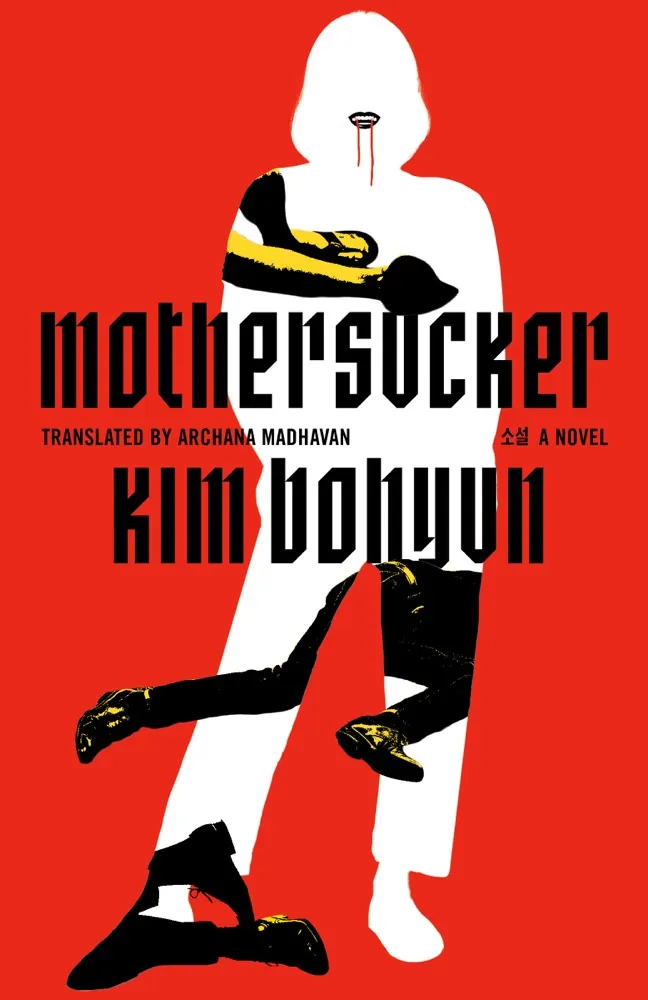
Author: Kim BohyunPage Count: UnknownPublication Date: Expected publication 2026-09-01 APL Rain has been tapping a slow, rhythmic pattern against the kitchen window for hours now, matching the quiet steady thrum of tea cooling in a chipped mug on the counter. There is a certain kind of peace found in gray afternoons, a stillness that invites darker thoughts to drift lazily across the mind without causing any real alarm. Kim Bohyun’s upcoming Mothersucker seems tailor-made for this exact atmospheric slump. Anatomy of an Unsolved Vengeance The premise is ruthlessly simple, even if the synopsis plays it remarkably close to the chest regarding actual mechanics. A vigilante entity—or perhaps a supernatural contagion of pure maternal fury—is systematically hunting down men who have harmed women. They are burned, drained of blood, and left without a single footprint to explain how the deed was done. Detective Noh Jin-seon steps into a procedural nightmare where the evidence defies physics and the perpetrators are whispered about in collective, feverish dreams. Yet I find myself skeptical of how this will actually play out on the page. Wait, let me rephrase that entirely. The supernatural framing feels remarkably tired in an era where every genre release tries to merge trauma with monsters, yet the specific cultural weight of gender-based violence in Korea might just elevate this above standard supernatural pulp. The psychological landscape promised here is vast, drawing obvious stylistic bloodlines to Monika Kim’s Molka and The Eyes Are the Best Part. Bohyun appears less interested in a standard cat-and-mouse detective yarn and far more focused on the rot of institutional protection for abusers. The Cost of Cold Blood Geum-hong anchors the emotional core as a mother whose grief over her murdered daughter has calcified into something weaponized. But how does a book sustain momentum when the killer’s identity or modus operandi is broadcast so clearly in the marketing copy? The synopsis practically begs the reader to root for the monsters, trading traditional mystery mechanics for an exploration of systemic rot and cathartic gore. Atmospheric. And entirely reliant on whether the prose can match the audacity of its own logline. If the pacing holds up, this might just scratch that very specific itch for dark, uncompromising speculative fiction that refuses to offer easy moral absolution. If it stumbles, it risks drowning in its own heavy-handed metaphors about patriarchal bloodlust. The grass out back grew far too thick this past week, and now the heavy afternoon mist has left the turf damp and clinging, which means I have to go out there with a scraper and unclog the lawnmower deck before the rust really sets in. #Mothersucker #KimBohyun #KoreanLiterature #SpeculativeFiction Related InsightsThe Rush: California Gold, the Civil War, and the Making of the Modern World Book Review and Summary A Year with the Classics: A Beginner’s Class in Twelve Books that Have Inspired Christian Heroes, Sinners, and Saints for Centuries Book Review and Summary A reaper at the gates Book Review and Summary{ "@context": "https://schema.org", "@type": "FAQPage", "mainEntity": [ { "@type": "Question", "name": "What is the main focus of Mothersucker Book Review and Summary?", "acceptedAnswer": { "@type": "Answer", "text": "Everything you need to know about Mothersucker with our detailed review." } }, { "@type": "Question", "name": "Who authored the comprehensive guide on Mothersucker Book Review and Summary?", "acceptedAnswer": { "@type": "Answer", "text": "This detailed article and its insights were carefully researched and authored by Maximilian Fischer." } }, { "@type": "Question", "name": "Where can I find more related content about Books?", "acceptedAnswer": { "@type": "Answer", "text": "You can explore more articles, detailed reviews, and similar insights by browsing the Related Insights section at the bottom of this article or visiting our dedicated Books category page." } } ] }
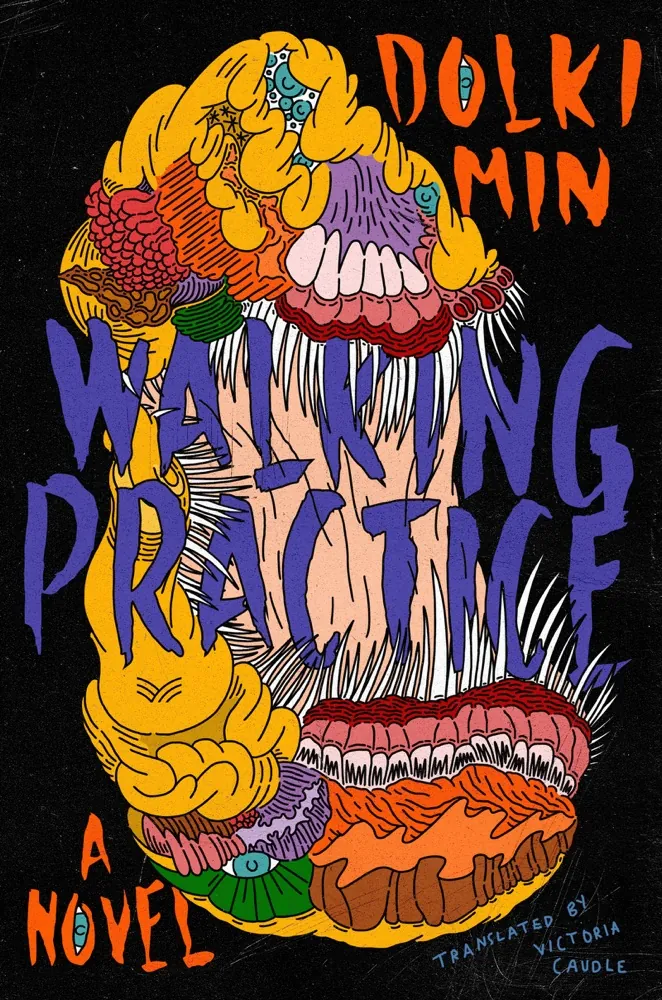
Author: A.N. CaudlePage Count: UnknownPublication Date: Expected publication 2026 APL What is it about humanity that we find so mesmerizing, even in the face of utter alienation? In Bound by Fate, South Korean author Dolki Min's debut novel, we're invited to explore the complexities of human existence through the disorienting lens of an extraterrestrial. This enigmatic novel promises to subvert our expectations, and based on the tantalizing synopsis, I'm convinced it will be a game-changer. Or is it just another variation on the "stranded alien" trope? —A la The Left Hand of Darkness, this iteration is notable for pairing the sci-fi staple with a shapeshifting alien, who adopts various identities to lure in unsuspecting prey. And what a deliciously dark concept it is. The tension is palpable as our cephalopod-like protagonist stalks their quarry through the city, armed with an unsettling array of hunting tools, including a dating app—because, of course. Yet, the true horror lies not in the alien's monstrous nature, but in the mirror it holds up to our own species' predilections for consumption. But what of the human condition? How does Min, in conjunction with translator Victoria Caudle, aim to illuminate our existential plight through this unsettling narrative? —I'm reminded of the visceral power of Kazuo Ishiguro's Never Let Me Go, where the blurred lines between life and death serve as a cautionary tale about the commodification of human experience. Similarly, Breaking Bad's Walter White, though morally reprehensible, forces us to confront the dark underbelly of American society. Will Dolki Min's novel join this pantheon of thought-provoking works, or falter in its attempt to dissect our peculiarities? Only time (and, hopefully, a competent editor) will tell. What if we're being sold a bill of goods, and Bound by Fate is merely a glossy facade, devoid of substance? —Perhaps the comparisons to Squid Game and Under the Skin are nothing more than a cynical marketing ploy. I, for one, am willing to take the bait. There's something to be said for a novel that can juggle multiple tonalities—shocking, horrifying, hilarious, intimate—and still manage to leave a lasting impression. As the venerable critic, James Wood, once astutely observed, "A good novel is a novel that you can no longer imagine living without." What will the aftermath be like, after we've devoured this peculiar feast? Will we emerge scarred, changed, or simply sated? —The answer, much like the novel itself, remains a tantalizing mystery. For now, I'm hooked. Give me a glimpse of humanity, warts and all, and I'll be there with bells on. Bring on the line drawings, too—the more unsettling the visuals, the better. The glare on my monitor is starting to give me a headache, but I'm too captivated to look away. As the words blur on the screen, I'm left to ponder the abyss that separates us from our alien "other." What do we really know about the Other, anyway? #AlienatedSouls, #ExistentialHorror, #KoreanLit, #DebutNovel Related InsightsRun Away Book Review and Summary When Page Turns Meet Pulse: The Untold Journey of Young Adult Literature The Inmate Book Review and Summary{ "@context": "https://schema.org", "@type": "FAQPage", "mainEntity": [ { "@type": "Question", "name": "What is the main focus of Bound by Fate Book Review and Summary?", "acceptedAnswer": { "@type": "Answer", "text": "Everything you need to know about Bound by Fate with our detailed review." } }, { "@type": "Question", "name": "Who authored the comprehensive guide on Bound by Fate Book Review and Summary?", "acceptedAnswer": { "@type": "Answer", "text": "This detailed article and its insights were carefully researched and authored by Maximilian Fischer." } }, { "@type": "Question", "name": "Where can I find more related content about Books?", "acceptedAnswer": { "@type": "Answer", "text": "You can explore more articles, detailed reviews, and similar insights by browsing the Related Insights section at the bottom of this article or visiting our dedicated Books category page." } } ] }
-
 Maximilian Fischer
 - 09 Aug, 2026 02:38
A Conspiracy of Charming Monsters: Illustrated Tales from Elfhame Book Review and Summary
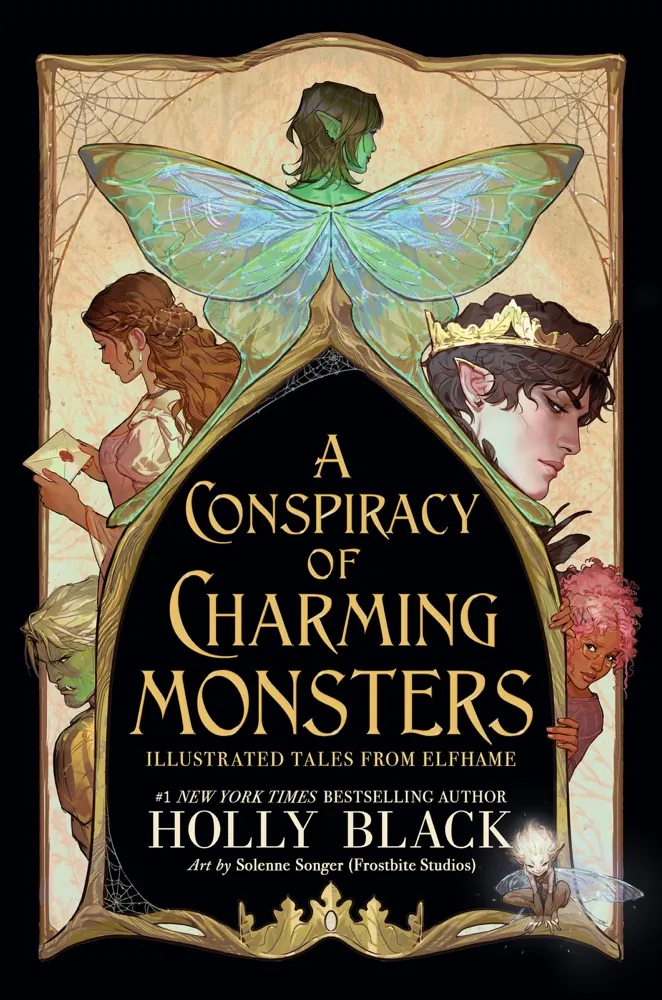
Author: Holly BlackPage Count: UnknownPublication Date: Expected publication 2026-11-03 APL As I sit here, pondering the official synopsis of A Conspiracy of Charming Monsters: Illustrated Tales from Elfhame, I am struck by the enigmatic nature of Holly Black's latest offering — a collection of short stories that promise to return readers to the world of Faerie, where beauty and monstrosity coexist in a delicate balance. But what does this really mean? The synopsis is tantalizingly vague, leaving me to wonder about the specific themes and character arcs that will be explored in this book. And yet, I am drawn to the prospect of rediscovering the world of Elfhame, with its complex web of faerie politics and mortal entanglements. The stories themselves seem to revolve around themes of love, identity, and the blurred lines between good and evil — a familiar territory for Black, who has consistently pushed the boundaries of fantasy literature with her The Cruel Prince series. But will A Conspiracy of Charming Monsters offer something new and innovative, or will it rely on familiar tropes and character archetypes? I am reminded of the works of authors like Neil Gaiman and Leigh Bardugo, who have also explored the darker aspects of faerie lore and the human condition. Can Black bring a fresh perspective to this genre, or will her stories feel like a rehashing of familiar themes? One of the most intriguing aspects of this collection is the promise of stunning full-color art by Frostbite Studios — a unique element that sets A Conspiracy of Charming Monsters apart from other fantasy anthologies. But how will the illustrations enhance the storytelling, and will they be integrated seamlessly into the narrative? I am curious to see how the visual elements will interact with the text, and whether they will add a new layer of depth to the stories. And what about the characters themselves? Will they be fully fleshed out, with complex motivations and backstories, or will they feel like cardboard cutouts, serving only to advance the plot? As I ponder these questions, I am struck by the realization that A Conspiracy of Charming Monsters may be more than just a collection of short stories — it may be a reflection of our own world, with its complexities and contradictions. The faerie characters, with their capricious nature and penchant for manipulation, may serve as a metaphor for the human condition, with all its flaws and vulnerabilities. But will Black's exploration of these themes be nuanced and thought-provoking, or will it feel heavy-handed and didactic? I predict that A Conspiracy of Charming Monsters will be a critical and commercial success, appealing to fans of fantasy and folklore alike — but only if Black can balance the darkness and light, the hope and despair, in a way that feels authentic and compelling. And so, I wait with bated breath for the release of A Conspiracy of Charming Monsters, eager to immerse myself in the world of Elfhame once again. But, I must admit, my anticipation is tempered by a healthy dose of skepticism — after all, even the most promising synopses can be misleading. Yet, I am willing to give Black the benefit of the doubt, based on her track record of producing innovative and engaging fantasy literature. Now, if you'll excuse me, I think I saw a spider — #FantasyLiterature #FaerieFiction #BookLovers #NewReleases #HollyBlack Related InsightsGray After Dark Book Review and Summary First Sign of Danger Book Review and Summary The Wicked King Book Review and Summary{ "@context": "https://schema.org", "@type": "FAQPage", "mainEntity": [ { "@type": "Question", "name": "What is the main focus of A Conspiracy of Charming Monsters: Illustrated Tales from Elfhame Book Review and Summary?", "acceptedAnswer": { "@type": "Answer", "text": "Everything you need to know about A Conspiracy of Charming Monsters: Illustrated Tales from Elfhame with our detailed review." } }, { "@type": "Question", "name": "Who authored the comprehensive guide on A Conspiracy of Charming Monsters: Illustrated Tales from Elfhame Book Review and Summary?", "acceptedAnswer": { "@type": "Answer", "text": "This detailed article and its insights were carefully researched and authored by Maximilian Fischer." } }, { "@type": "Question", "name": "Where can I find more related content about Books?", "acceptedAnswer": { "@type": "Answer", "text": "You can explore more articles, detailed reviews, and similar insights by browsing the Related Insights section at the bottom of this article or visiting our dedicated Books category page." } } ] }
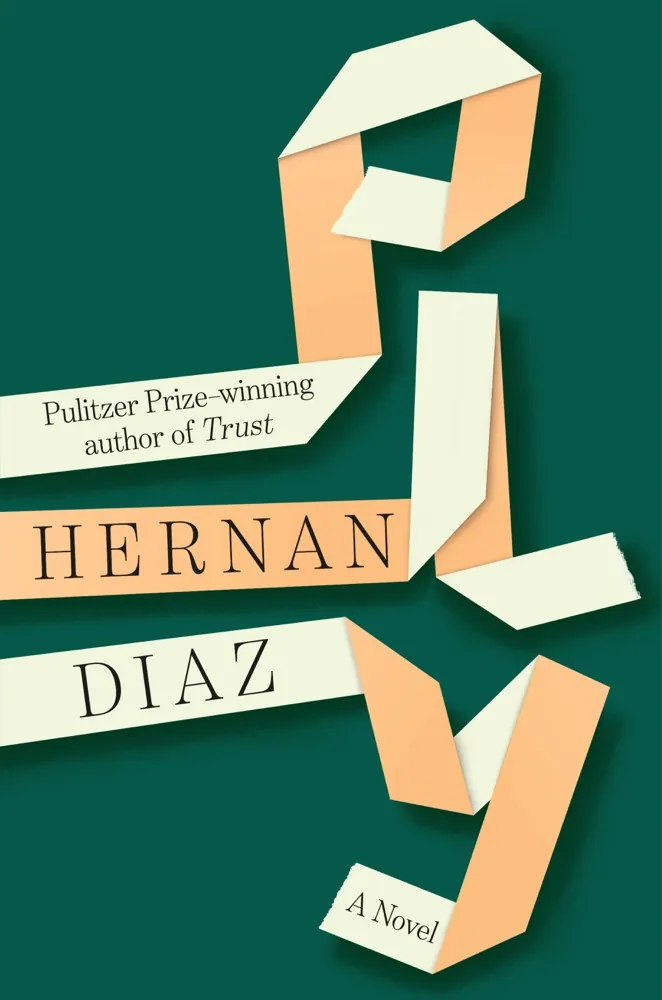
Author: Hernan DiazPage Count: UnknownPublication Date: Expected publication 2026-09-29 APL I am currently up to my elbows in cheap potting soil, wiping sweat from my forehead with the back of a mud-stained wrist, wondering why I thought heirloom Early Girls were a fun weekend hobby when I could just buy sad, mealy tomatoes at the grocery store like a normal person. But then the digital mailbag drops Hernan Diaz’s upcoming project on my phone, and suddenly dirt under my fingernails feels like the least of my existential problems. Let us look at Ply. Diaz won a Pulitzer for Trust, which was essentially a masterclass in architectural Russian nesting dolls about capital and perception. So naturally, his next move is to skip a few centuries entirely and throw us headfirst into a post-state future where humanity is trying to hold hands with nature again. Because nothing screams cozy weekend reading quite like the total dismantling of civilization and electricity piracy. The Grimy Romance of Electricity Theft The synopsis tells us our protagonist is a "pincher"—someone who steals grid juice for underground concerts. And look, I love a good dystopian arts scene as much as the next cynical editor who drinks too much cold brew on a Tuesday. Yet I am deeply suspicious of any fictional future where people still have the bandwidth to curate a rich music scene while the state has literally dissolved. When my local power grid flickers during a summer thunderstorm, my artistic output is strictly limited to staring blankly at the refrigerator and cursing the utility company. Touching the Fabric of Reality, Literally And then, of course, the plot escalates. Because you cannot simply have a Dickensian street urchin surviving on vibes and illicit kilowatts without stumbling upon a colossal scientific invention that alters reality. A scientific thriller wrapped in a family drama. Oh, joy. Another contraption that threatens to tear the space-time continuum apart, or whatever vague technological existential dread Diaz has cooked up for us this time. David Mitchell blurbed it—because of course he did—comparing it to a cracked mirror world. Naturally. Writers love a good cracked mirror. It gives them an excuse to be obscure without actually explaining how the plumbing works in this new, green utopian wasteland. Hope, Despair, and Tomato Stakes Will it balance hope and despair? Absolutely. Diaz has this infuriatingly brilliant way of making you feel both intellectually stimulated and emotionally hollowed out, much like realizing your tomato plants have blossom end rot just as the first fruit starts to blush. But will the technology element feel like an actual critique of our current late-stage capitalist nightmare, or just expensive set dressing for another literary tearjerker about found family and the distance between us? I am betting on the latter. Cormac McCarthy meets a Silicon Valley TED Talk, filtered through the linguistic precision of a man who clearly spends his mornings sharpening sentences on a whetstone. We are going to get devastating prose about human connection. We are going to get sweeping philosophical musings on control. And I am going to buy it the day it drops, read it in one breathless sitting, and then wander around my garden in the dark wondering why I subject myself to this emotional devastation. Right now, I am going to go rethink all my life choices at 3 AM. Related InsightsThe Sunlit Man Book Review and Summary Female Life on Planet Earth Book Review and Summary Miss Peregrine's Home for Peculiar Children Book Review and Summary{ "@context": "https://schema.org", "@type": "FAQPage", "mainEntity": [ { "@type": "Question", "name": "What is the main focus of Ply Book Review and Summary?", "acceptedAnswer": { "@type": "Answer", "text": "Everything you need to know about Ply with our detailed review." } }, { "@type": "Question", "name": "Who authored the comprehensive guide on Ply Book Review and Summary?", "acceptedAnswer": { "@type": "Answer", "text": "This detailed article and its insights were carefully researched and authored by Maximilian Fischer." } }, { "@type": "Question", "name": "Where can I find more related content about Books?", "acceptedAnswer": { "@type": "Answer", "text": "You can explore more articles, detailed reviews, and similar insights by browsing the Related Insights section at the bottom of this article or visiting our dedicated Books category page." } } ] }
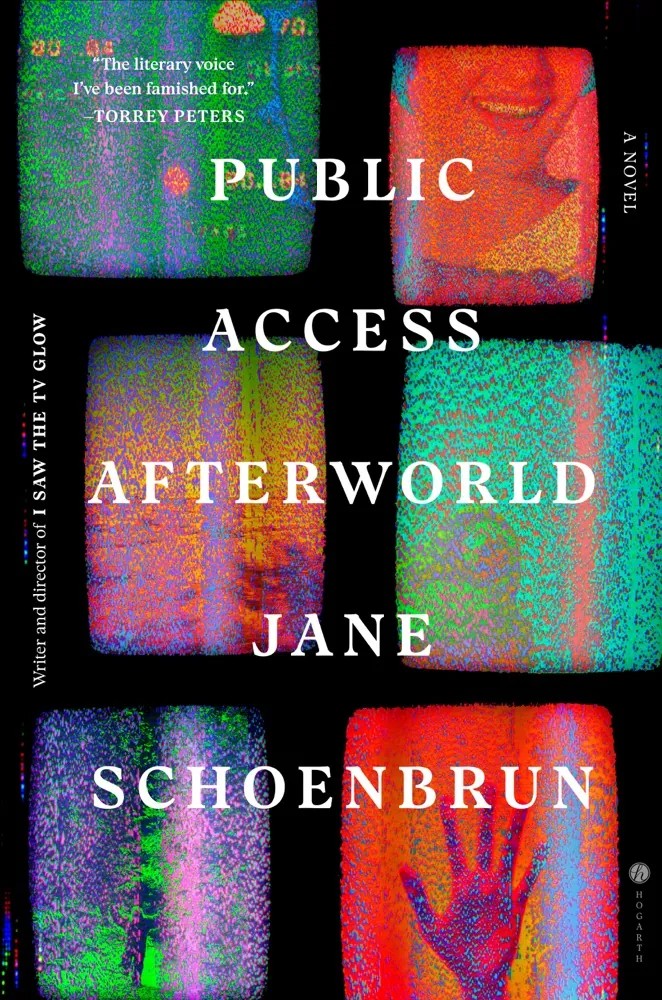
Author: Jane SchoenbrunPage Count: UnknownPublication Date: Expected publication 2026-10-27 APL Dirt under my fingernails, the afternoon sun beating down hard on my tomato cages—August in the garden is a sweaty, frantic business, but my mind was completely snagged on Jane Schoenbrun’s upcoming novel, Public Access Afterworld. And what a premise to ponder while staking heavy beefsteak vines! Anticipatory Preview The official hook drops us straight into 1988 with a televangelist-style weatherman blowing his brains out on live television after muttering about a mysterious broadcast. Grim? Absolutely. But Schoenbrun—the brilliant mind behind I Saw the TV Glow—has always possessed a rare knack for unearthing the profound terror lurking inside our flickering analog screens. Yet we fast-forward through decades, moving from lonely suburban teens watching the analog-to-digital transition in 2009 to a trans content moderator named Bethany toiling away at a bleak Austin tech campus seventeen years later. Fascinating in theory. But what actually is this rogue pirate network? Thematic Analysis The synopsis leaves the core mechanics wonderfully, maddeningly opaque. Yet the thematic trajectory already cuts deep. We are looking at a sprawling autopsy of media consumption, isolation, and the electronic tethers that bind our collective psyche. Bethany reviews horrific videos all night for a faceless megacorp called GlobalVill—a deliciously scathing touch of modern corporate purgatory. And then a young streamer starts broadcasting distress calls to the very same mythic static that swallowed those kids back in the basement. Will the execution match the ambitious scope? Hard to say from a blurb alone. A Bold Prediction Expect a dizzying, jagged artifact of speculative fiction. Think Mark Z. Danielewski crashing headfirst into the late-night dread of David Lynch, spliced with the hyper-online alienation explored by writers like Patricia Lockwood. It feels destined to polarize readers who demand neat plot resolutions while thrilling those of us who prefer our existential horror dripping with nostalgia and systemic critique. Time will tell if the narrative weight buckles under its own massive timeline spanning decades and realities. But if anyone can pull off this kind of psychedelic, VHS-static-soaked descent into an electric hell, it is Schoenbrun. Now, back to these tomatoes before the heat gets the better of me. Can a book about a cursed TV signal actually save us from the algorithmic monotony of our current reality? Related InsightsThe Haunted Librarian Book Review and Summary Two by Two Book Review and Summary Twisted Hate Book Review and Summary{ "@context": "https://schema.org", "@type": "FAQPage", "mainEntity": [ { "@type": "Question", "name": "What is the main focus of Public Access Afterworld Book Review and Summary?", "acceptedAnswer": { "@type": "Answer", "text": "Everything you need to know about Public Access Afterworld with our detailed review." } }, { "@type": "Question", "name": "Who authored the comprehensive guide on Public Access Afterworld Book Review and Summary?", "acceptedAnswer": { "@type": "Answer", "text": "This detailed article and its insights were carefully researched and authored by Maximilian Fischer." } }, { "@type": "Question", "name": "Where can I find more related content about Books?", "acceptedAnswer": { "@type": "Answer", "text": "You can explore more articles, detailed reviews, and similar insights by browsing the Related Insights section at the bottom of this article or visiting our dedicated Books category page." } } ] }
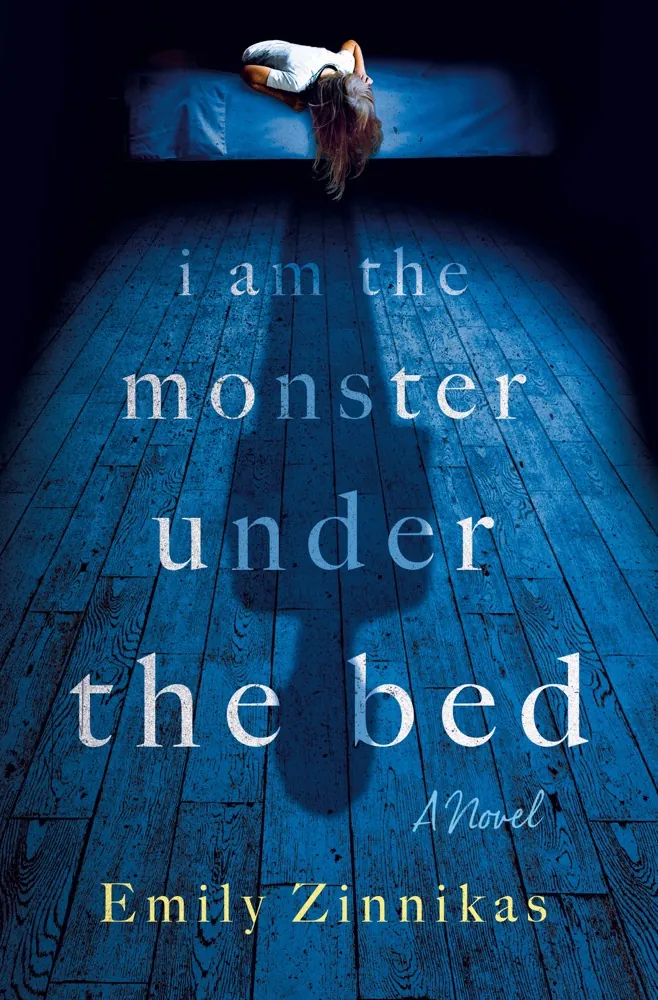
Author: Emily ZinnikasPage Count: UnknownPublication Date: Expected publication 2026-09-15 APL Dirt under my fingernails, the humid August sun baking the back of my neck, and yet my mind is entirely snagged on a premise about a girl who learned to read from the thing under her bed. I was out here sinking Early Girl tomato cages into the stubborn soil after a brutally long shift at the desk, completely numb to the ache in my joints, when Emily Zinnikas’s upcoming release, I Am the Monster Under the Bed, somehow infiltrated my thoughts. Fascinating in theory. But can a book manage the delicate tightrope walk between profound childhood isolation and outright supernatural horror without losing its pulse? Let us consider the thematic weight of a thirty-two-year-old reclusive painter dragged back to a gossipy, suffocating hometown. Zinnikas—slated for publication in late 2026—sets up a psychological pressure cooker. And honestly, who hasn't felt the sting of a town that decided your worst chapter before you even reached adulthood? Willa is branded as the survivor of the Rapture Mystery Slayings, an unsolved tragedy that left six teenagers dead in the woods while she walked away completely unscathed. Or so the town whispered. Anticipating the Shadows What strikes me—sitting here covered in garden loam, feeling remarkably detached from the sweltering afternoon heat—is the brilliant ambiguity of the synopsis. Does the monster under the bed actually exist, or is it a manifestation of trauma coping mechanisms? Zinnikas leaves us guessing. Yet the blurb hints at whispering trees and unexplained basement knocking, suggesting we are diving headfirst into atmospheric horror that leans heavily on tactile dread. Think Shirley Jackson meets The Hazel Wood, but with a sharper focus on domestic decay and public persecution. The synopsis boasts a lovely, chilling juxtaposition: fond memories of a literacy-teaching entity contrasted against a thirty-two-year-old woman sliding gracefully into the role of the village villain. A dangerous gamble for any author. If handled carelessly, the descent into villainy feels rushed or unearned. But if Zinnikas maintains the icy emotional detachment that pulses through this summary? We might witness something genuinely remarkable. Time will tell, of course. For now, I have these rogue tomato vines to tie down and an unsettling urge to check the dark space beneath my own guest room bed. Would you invite your childhood monster back inside just to spite the neighbors? Related InsightsWe Chase Shadows (We Solve Murders, #2) Book Review and Summary Agrippa: A Novel of Ancient Rome's Descent into Dictatorship Book Review and Summary Headfirst Book Review and Summary{ "@context": "https://schema.org", "@type": "FAQPage", "mainEntity": [ { "@type": "Question", "name": "What is the main focus of I Am the Monster Under the Bed Book Review and Summary?", "acceptedAnswer": { "@type": "Answer", "text": "Everything you need to know about I Am the Monster Under the Bed with our detailed review." } }, { "@type": "Question", "name": "Who authored the comprehensive guide on I Am the Monster Under the Bed Book Review and Summary?", "acceptedAnswer": { "@type": "Answer", "text": "This detailed article and its insights were carefully researched and authored by Maximilian Fischer." } }, { "@type": "Question", "name": "Where can I find more related content about Books?", "acceptedAnswer": { "@type": "Answer", "text": "You can explore more articles, detailed reviews, and similar insights by browsing the Related Insights section at the bottom of this article or visiting our dedicated Books category page." } } ] }
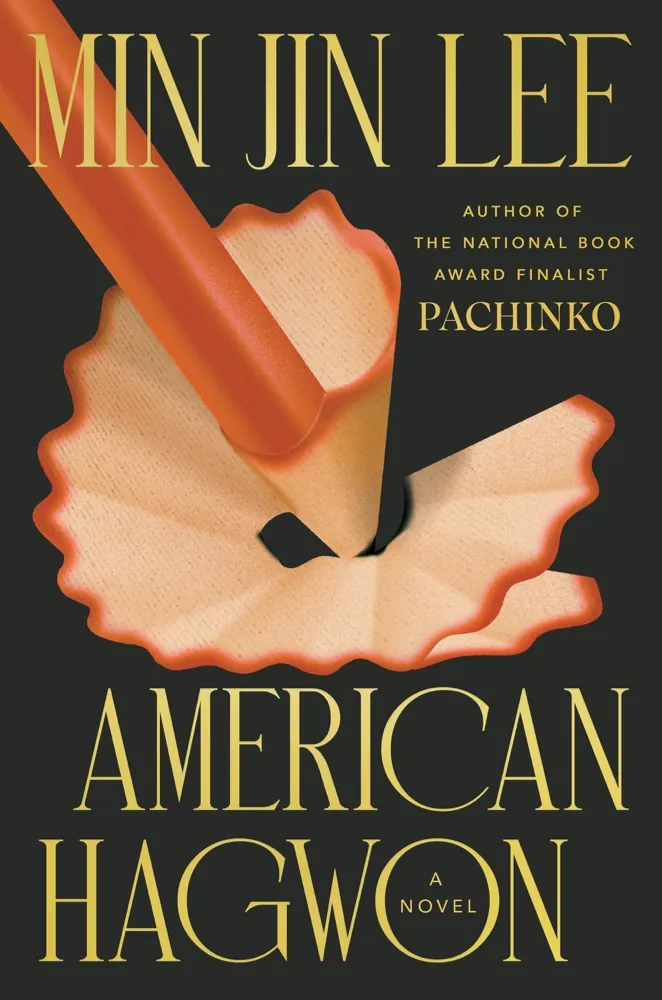
American Hagwon Author: Min Jin LeePage Count: UnknownPublication Date: Expected publication 2026-09-29 APL Literary Dispatch: The Return of Min Jin Lee with "American Hagwon" For readers who measure time in the unforgettable emotional landscapes left behind by generational masterpieces, the arrival of a new work by Min Jin Lee is nothing short of a major literary event. As the National Book Award finalist and New York Times bestselling author of Pachinko prepares for her next major release, the literary world is buzzing with anticipation. Slated for publication on September 29, 2026, American Hagwon promises to be a breathtaking contemporary epic that captures the fierce heart, grand ambition, and tender hope that have become hallmarks of Lee’s celebrated career. If you fell in love with the sweeping yet intimate storytelling of Pachinko, Lee’s forthcoming novel appears poised to strike a similar, resonant chord. Early praise is already rolling in from heavyweight literary figures. Bestselling author Roxane Gay notes of the new book, "Min Jin Lee brings grand ambition, fierce heart, and the tenderest hope to a novel I didn't want to end," while Colm Tóibín hails it as "an immersive, engrossing novel... this is panorama told in brilliant detail." What can readers expect when they open the pages of American Hagwon? According to the official synopsis, the novel takes us into schools and churches, hotel rooms and nail salons, law firms and fried-fish shops, charting the lives of characters struggling to find satisfaction and meaning in an increasingly unforgiving world. At the center of the narrative are John and Helen Koh and their three children—Bo, DH, and Mido. Once comfortably middle class in Korea, the Koh family finds their lives upended by a shocking betrayal by John’s oldest friend, followed immediately by the devastating 1997 Asian financial crisis. Desperate to regain their footing, they leave Seoul for Sydney and eventually settle in Southern California. In this new landscape, fresh vistas of opportunity open up for the children. Meanwhile, their parents must adjust to life as strangers in a strange land, where their past experience and education hold little value, yet they remain fiercely dedicated to doing whatever it takes to secure their children's futures. As the Kohs, alongside their friends, relatives, and foes, weave in and out of each other's lives across the years, they are united by an almost all-consuming faith that education will lead the next generation to success and security. Spanning cramped apartments and luxury gated communities, American Hagwon looks to be an unforgettable, panoramic novel where the smallest gestures carry enormous repercussions. It is a story where the bonds of family and memory twist and fray but rarely break, and where willful self-sacrifice for loved ones and strangers alike becomes a kind of prayer, reckoning deeply with ambition, moderation, lust, loyalty, personal dreams, and familial duty. Mark your calendars for September 29, 2026. If past works are any indication, Min Jin Lee is about to deliver another modern classic that will dominate reading lists and book clubs for years to come. #MinJinLee #AmericanHagwon #ContemporaryEpic #Pachinko #BookPrecipitation #LiteraryFiction Related InsightsOnce Upon a Broken Heart Book Review and Summary B1 And now you're speaking Book Review and Summary Slaughterhouse-Five Book Review and Summary{ "@context": "https://schema.org", "@type": "FAQPage", "mainEntity": [ { "@type": "Question", "name": "What is the main focus of American Hagwon Book Review and Summary?", "acceptedAnswer": { "@type": "Answer", "text": "Everything you need to know about American Hagwon with our detailed review." } }, { "@type": "Question", "name": "Who authored the comprehensive guide on American Hagwon Book Review and Summary?", "acceptedAnswer": { "@type": "Answer", "text": "This detailed article and its insights were carefully researched and authored by Maximilian Fischer." } }, { "@type": "Question", "name": "Where can I find more related content about Books?", "acceptedAnswer": { "@type": "Answer", "text": "You can explore more articles, detailed reviews, and similar insights by browsing the Related Insights section at the bottom of this article or visiting our dedicated Books category page." } } ] }
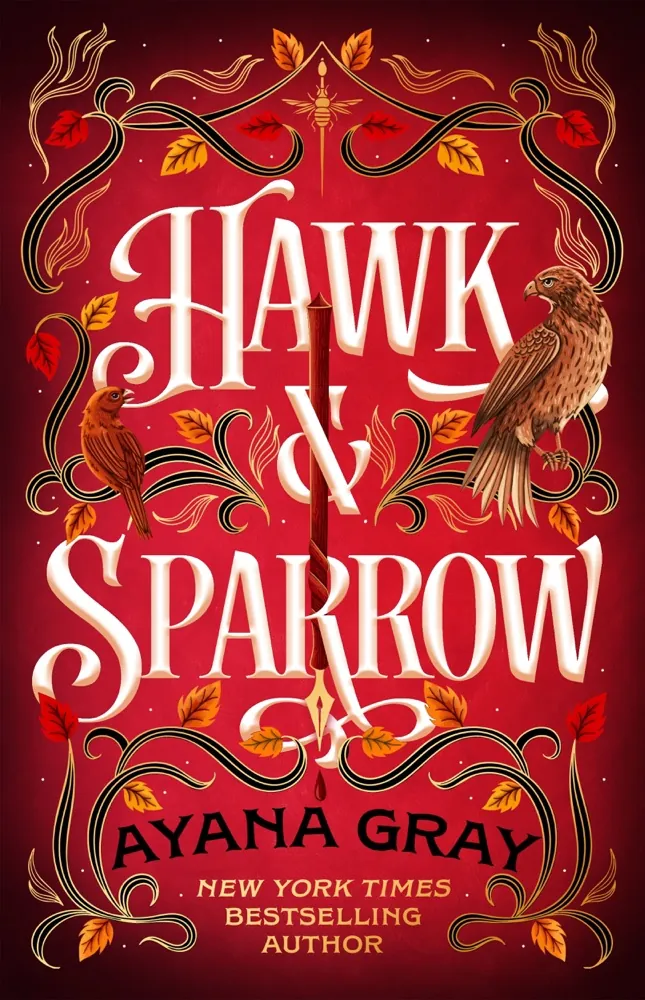
Hawk & Sparrow Author: Ayana GrayPage Count: UnknownPublication Date: Expected publication 2026-09-01 APL Gilded Age elegance meets dark magic and high-stakes journalism in Ayana Gray’s highly anticipated new novel, Hawk & Sparrow, slated for release on September 1, 2026. If you loved Gray’s New York Times-bestselling Beasts of Prey, get ready for a thrilling tonal shift. In Hawk & Sparrow, Gray steps into a mesmerizing historical fantasy landscape where secrets, murder, and romance collide. Here is what readers can expect when the book hits shelves, straight from the official synopsis: Sparks fly in this Gilded Age novel of mystery, magic, and romance by the author of the New York Times–bestselling Beasts of Prey. Nineteen-year-old Vesper Evans has always resented Basalton’s high society, and the sorcery that provides them with a luxurious life unimaginable to most. Orphaned as a child and rescued by the editor of The Basalton Globe, Vesper is now an ambitious reporter determined to keep her newspaper afloat. While covering a lavish society gala, Vesper happens upon a shocking scene: the murdered body of an inventor whose new machine promised to bring the benefits of sorcery to everyone. Several of the powerful magical elite may want the man dead, but the prime suspect is wealthy industrialist Maximilian Kite. Max soon makes Vesper a tempting offer: Find the culprit and restore his reputation in exchange for a substantial fee. Despite her distaste for Max’s world, Vesper agrees—the money would save the Globe, and the story would be the scoop of a lifetime. There’s only one catch: In order for her to infiltrate society, the two must pose as a courting couple. Their investigation takes them from the highest echelons of privilege to the seediest backstreets of Basalton. As they unearth the city’s secrets and scandals, Vesper finds herself in grave danger—while falling for one of the most infuriating, arrogant, handsome men she has ever met . . . With its irresistible blend of a fast-talking investigative reporter, a wealthy and enigmatic suspect, a classic fake-dating trope, and a magically stratified society, Hawk & Sparrow is shaping up to be one of the must-read fantasy releases of 2026. Mark your calendars for September 1 and prepare to dive into the glittering, dangerous world of Basalton. #HawkAndSparrow #AyanaGray #GildedAgeFantasy #FantasyRomance #BookTok #YAItReads Related InsightsThe Natural Order: A Novel Book Review and Summary The Serpent in Heaven Book Review and Summary The Inward Trip: The Untold Story of Meditation in the West Book Review and Summary{ "@context": "https://schema.org", "@type": "FAQPage", "mainEntity": [ { "@type": "Question", "name": "What is the main focus of Hawk & Sparrow Book Review and Summary?", "acceptedAnswer": { "@type": "Answer", "text": "Everything you need to know about Hawk & Sparrow with our detailed review." } }, { "@type": "Question", "name": "Who authored the comprehensive guide on Hawk & Sparrow Book Review and Summary?", "acceptedAnswer": { "@type": "Answer", "text": "This detailed article and its insights were carefully researched and authored by Maximilian Fischer." } }, { "@type": "Question", "name": "Where can I find more related content about Books?", "acceptedAnswer": { "@type": "Answer", "text": "You can explore more articles, detailed reviews, and similar insights by browsing the Related Insights section at the bottom of this article or visiting our dedicated Books category page." } } ] }
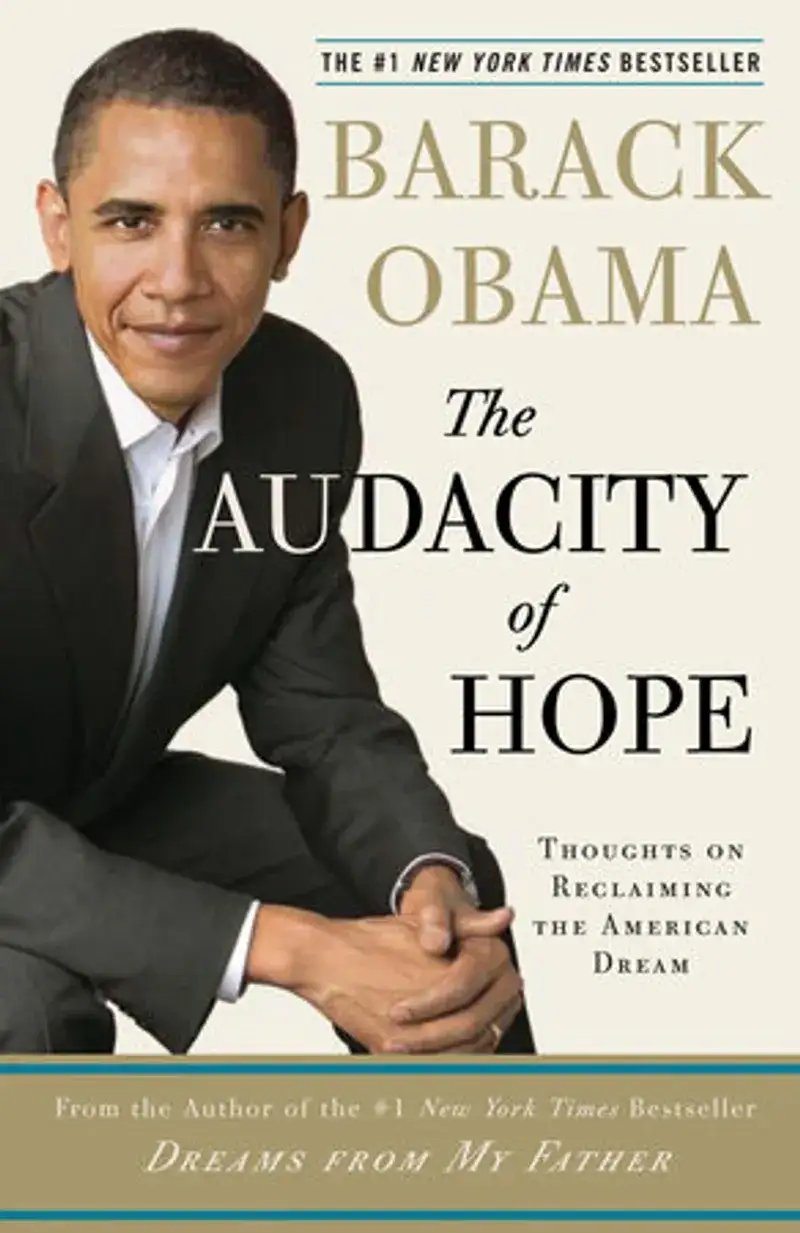
The Audacity of Hope Author: Barack ObamaPage Count: UnknownPublication Date: 2007-PRH Barack Obama’s The Audacity of Hope is more than a political memoir—it is a manifesto for unity in a fractured nation, a blueprint for a politics of shared purpose, and a testament to the enduring power of hope. Published in 2007, as Obama was poised to ascend from the Illinois Senate to the national stage, the book distills his years in public service into a compelling vision of what America could—and should—become. It is, above all, a defense of democracy itself, not as a system of perpetual conflict but as a fragile, evolving experiment in collective aspiration. The central theme of The Audacity of Hope is reconciliation—between Americans, between political adversaries, and between the ideals of the past and the challenges of the present. Obama writes not as a partisan firebrand but as a bridge-builder, urging readers to look beyond the "endless clash of armies" in Washington and instead embrace a politics rooted in empathy, pragmatism, and faith. He dismantles the myth that progress requires ideological purity, arguing instead that the most durable solutions emerge from compromise, mutual respect, and a willingness to confront uncomfortable truths. Whether dissecting the corrosive influence of money in politics, the anxiety of a shrinking middle class, or the lingering scars of racial and religious division, Obama’s approach is disarmingly honest. He admits to his own moments of doubt—whether as a senator struggling to balance ambition with family or as a man wrestling with the role of faith in a secular democracy—but always circles back to a core conviction: that democracy thrives not when it is defined by what separates us, but by what unites us. Obama’s prose is the book’s greatest strength. It is at once intellectual and accessible, blending the precision of a legal scholar with the storytelling gifts of a natural orator. His writing is suffused with a quiet optimism, even in passages where he confronts harsh realities. He describes the "fear of losing" that drives political actors into cynicism, the media’s addiction to conflict as entertainment, and the way institutional inertia can stifle even well-intentioned reform. Yet he never wallows in despair. Instead, he channels his frustration into a call to action, reminding readers that the Constitution is not a relic but a living document, one that demands renewal from each generation. What makes The Audacity of Hope so compelling is its balance between idealism and pragmatism. Obama acknowledges that politics is messy, that progress is incremental, and that no single figure—no matter how charismatic—can single-handedly heal a nation. Yet he insists that hope is not passive; it is a discipline. It requires engagement, not withdrawal; dialogue, not monologue; and a willingness to see one’s opponents not as enemies but as fellow citizens with legitimate concerns. This is the audacity of his title—not the blind optimism that ignores reality, but the courage to believe in possibility despite it. Obama’s style is also deeply personal. He peppers his analysis with anecdotes from his life—growing up in Hawaii, working as a community organizer in Chicago, navigating the Senate’s labyrinthine politics—grounding abstract ideas in lived experience. His humor is dry but warm, as when he jokes about the absurdity of campaign fundraising or the surreal experience of being scrutinized by the media. Yet beneath the wit lies a seriousness of purpose. He is not interested in performative outrage or ideological purity; he is interested in results. Whether discussing healthcare, education, or foreign policy, his focus is on solutions that serve the common good, not the narrow interests of a partisan base. The book is also a meditation on the role of faith in public life. Obama, a Christian with a deep respect for other traditions, writes passionately about the need for moral clarity in politics without imposing dogma. He critiques the way religious language is often co-opted for political ends, but he also laments a culture that dismisses faith as irrelevant to governance. For him, faith is not about demanding conformity but about inspiring a shared commitment to justice and compassion. It is a theme that would later animate his presidency, but here, it feels less like a campaign talking point and more like a genuine reflection on what gives meaning to public service. The Audacity of Hope is, at its heart, an invitation. It invites readers to reject the politics of division, to reclaim the idea that democracy is a project worth fighting for, and to believe—against all evidence to the contrary—that progress is possible. In an era where polarization feels like a permanent condition, Obama’s words are a reminder that hope is not naive; it is a choice. And in choosing it, we inch closer to the America we aspire to be. #HopeOverDivision #PoliticsOfUnity #BarackObama #AudacityOfHope #DemocracyInAction #BeyondPartisanship Related InsightsGravity’s Rainbow Book Review and Summary Nothing to Fix: The Life-Changing Science of Shifting Your Perspective Book Review and Summary Tiger, Tiger Book Review and Summary{ "@context": "https://schema.org", "@type": "FAQPage", "mainEntity": [ { "@type": "Question", "name": "What is the main focus of The Audacity of Hope Book Review and Summary?", "acceptedAnswer": { "@type": "Answer", "text": "Everything you need to know about The Audacity of Hope with our detailed review." } }, { "@type": "Question", "name": "Who authored the comprehensive guide on The Audacity of Hope Book Review and Summary?", "acceptedAnswer": { "@type": "Answer", "text": "This detailed article and its insights were carefully researched and authored by Maximilian Fischer." } }, { "@type": "Question", "name": "Where can I find more related content about Books?", "acceptedAnswer": { "@type": "Answer", "text": "You can explore more articles, detailed reviews, and similar insights by browsing the Related Insights section at the bottom of this article or visiting our dedicated Books category page." } } ] }
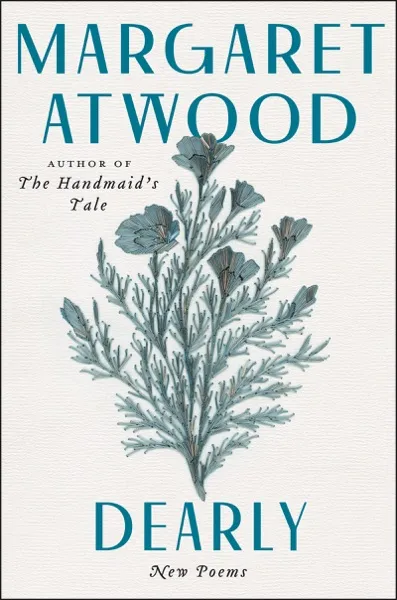
Dearly Author: Margaret AtwoodPage Count: UnknownPublication Year: 2020-GB Margaret Atwood’s Dearly: A Poignant Farewell to What We’ve Lost—and What We Still Might Save Margaret Atwood’s Dearly is not just a collection of poems; it is a mirror held up to the ravaged face of the world—a world that has been both nurtured and neglected by humanity. Published in 2020, at the height of global reckonings with climate change, political upheaval, and pandemic dread, this book arrives as both a lament and a plea. Atwood, the towering voice of speculative fiction and feminist dystopia (The Handmaid’s Tale), turns here to poetry to articulate what prose alone cannot: the raw, unfiltered terror and tenderness of existence in an age of collapse. The central theme of Dearly is loss—loss of nature, of innocence, of time itself—but it is also a meditation on memory, legacy, and the stubborn persistence of hope. The title, with its double meaning ("dearly" as both adverb and adjective), suggests both the cost of what we cherish and the fragility of the things we hold dear. Atwood writes as if she already knows this world is ending, yet she refuses to look away. Instead, she catalogs its wonders and wounds with a poet’s precision and a prophet’s urgency. Atwood’s style in Dearly is deceptively simple, yet layered with meaning. Her language is unadorned, often conversational, but every word feels deliberate, surgical in its impact. She avoids the ornate flourishes of some poets, opting instead for clarity that cuts straight to the bone. Consider the opening poem, "Dearly": "Dearly beloved, we are gathered here in this place, at this time, to bury the dead." It’s a funeral dirge for a planet in decline, but it’s also a wedding vow—a commitment to the earth even as its end is in sight. This duality runs through the collection: Atwood mourns what is gone while clinging to what might still be saved. One of the collection’s most striking sequences is "The Age of Lead," which weaves together historical and contemporary anxieties. The poem’s title references the poisoning of children in 19th-century Montreal and the modern plague of lead-contaminated water in Flint, Michigan, but it also serves as a metaphor for the slow, creeping toxicity of human neglect. Atwood’s genius lies in her ability to connect disparate threads—personal grief, environmental decay, political betrayal—into a cohesive lament. She writes of a world where "the birds are gone," where "the rivers run thick with secrets," and where "the future is a locked room / and we are the locksmiths." Yet Dearly is not without moments of transcendence. Atwood’s love for the natural world shines through in poems like "A Row of Corn," where she personifies the stalks as witnesses to time: "They stand in their green uniforms, soldiers of the sun, listening to the wind’s command." There’s a quiet defiance here, a refusal to surrender entirely to despair. Atwood, now in her late 80s, writes with the wisdom of someone who has seen generations come and go, who understands that destruction is not the end of the story but perhaps the beginning of a reckoning. Her use of form is subtle but effective. Free verse dominates, but she occasionally employs rhyme or meter to underscore themes of order and chaos. In "The Last Man in Europe" (a nod to George Orwell’s 1984), she writes: "The last man in Europe sits in a room with a window that does not open on the world." The constrained form mirrors the protagonist’s entrapment, reinforcing Atwood’s recurring motif of confinement—whether environmental, political, or existential. What makes Dearly so devastating is its refusal to offer easy answers. Atwood does not preach; she observes. She does not promise redemption; she documents the cracks in the foundation. Yet the collection is far from nihilistic. There’s a tender stubbornness in her work, a belief that even in the face of annihilation, art—and poetry in particular—can be an act of resistance. As she writes in "Butterfly": "It is the small things that keep us going." This is the heart of Dearly: an acknowledgment that hope is not a grand gesture but a collection of small, daily rebellions against oblivion. Atwood’s voice here is that of a wise elder, weary but unbowed, speaking to us from the other side of catastrophe. She is not warning us; she is showing us what we’ve already done. And yet, in the final lines of the collection, there is a flicker of something like grace: "We are the ones who will not be erased. We are the echo in the dark." It’s a chilling and beautiful assertion—that even in erasure, there is a trace. That even in loss, there is a stubborn, lingering presence. Dearly is a book for this moment, but it will outlast it. It is a eulogy, a manifesto, and a love letter—all at once. Margaret Atwood has given us a final gift: the opportunity to look into the abyss and, for a moment, recognize ourselves in its reflection. #Dearly #MargaretAtwood #Poetry #ClimateChange #LiteraryLegacy #HopeInDarkness Related InsightsThe Seventh Ribbon Book Review and Summary Last Tudor Book Review and Summary L'Inchiostro Proibito: Il Silenzio Forzato delle Pagine nell'Impero Sovietico{ "@context": "https://schema.org", "@type": "FAQPage", "mainEntity": [ { "@type": "Question", "name": "What is the main focus of Dearly Book Review and Summary?", "acceptedAnswer": { "@type": "Answer", "text": "Everything you need to know about Dearly with our detailed review." } }, { "@type": "Question", "name": "Who authored the comprehensive guide on Dearly Book Review and Summary?", "acceptedAnswer": { "@type": "Answer", "text": "This detailed article and its insights were carefully researched and authored by Maximilian Fischer." } }, { "@type": "Question", "name": "Where can I find more related content about Books?", "acceptedAnswer": { "@type": "Answer", "text": "You can explore more articles, detailed reviews, and similar insights by browsing the Related Insights section at the bottom of this article or visiting our dedicated Books category page." } } ] }
- Maximilian Fischer
- 01 May, 2026 19:39
Rebelión en la granja (edición definitiva avalada por The Orwell Estate) / Animal Farm (Definitive Text Endorsed by The Orwell Foundation Book Review and Summary
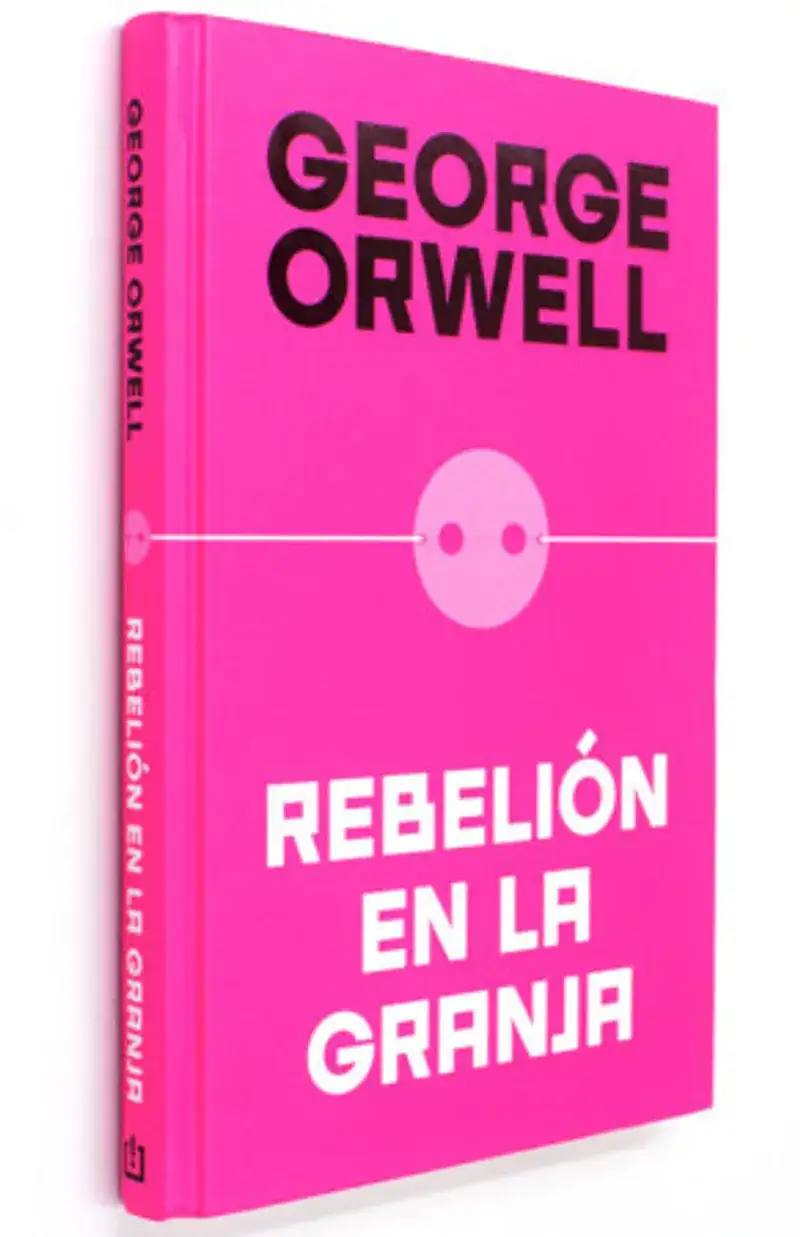
Rebelión en la granja (edición definitiva avalada por The Orwell Estate) / Animal Farm (Definitive Text Endorsed by The Orwell Foundation Author: George OrwellPage Count: UnknownPublication Date: 2022-PRH In the realm of dystopian literature, few works have managed to capture the essence of rebellion and the dangers of totalitarianism as eloquently as George Orwell's 'Animal Farm'. This definitive edition, endorsed by The Orwell Foundation, is a testament to the timelessness of Orwell's masterpiece. Written in 1945, this satirical novella remains a scathing critique of the Russian Revolution and the rise of Stalinism, serving as a warning to generations about the perils of unchecked power and the erosion of individual freedom. Orwell's narrative is deceptively simple, yet masterfully crafted to convey the complexities of human nature and the corrupting influence of power. The story follows the animals of Manor Farm as they rise up against their oppressors, only to see their revolution devolve into a tyranny that mirrors the very system they sought to overthrow. Through the lens of anthropomorphic characters, Orwell exposes the darker aspects of human psychology, revealing how even the noblest of ideals can be subverted by the lust for power and control. One of the most striking aspects of 'Animal Farm' is its ability to balance satire with social commentary. Orwell's writing is both humorous and haunting, making it accessible to a wide range of readers while maintaining its intellectual depth. The novella is a masterclass in subtlety, with Orwell's critique of totalitarianism emerging through the actions and decisions of the characters rather than through didactic lectures or heavy-handed moralizing. The translation by Marcial Souto, first published in 2013, is a wonderful rendering of Orwell's original text. It captures the nuances of the author's style, conveying the complexity and depth of the narrative with remarkable fidelity. The inclusion of an epilogue by Christopher Hitchens adds an additional layer of context, highlighting the relevance of Orwell's work in contemporary times. This edition, endorsed by The Orwell Foundation, is a testament to the enduring power of 'Animal Farm'. It serves as a reminder that the struggle for freedom and individuality is ongoing, and that the dangers of totalitarianism are ever-present. As a work of literature, 'Animal Farm' is a classic that continues to captivate readers with its thought-provoking themes and masterful storytelling. In short, 'Animal Farm' is a must-read for anyone interested in dystopian literature, politics, or social commentary. It is a powerful warning about the dangers of unchecked power and the erosion of individual freedom, and a testament to the enduring power of Orwell's vision. #AnimalFarm #GeorgeOrwell #DystopianLiterature #Totalitarianism #ClassicLiterature #SocialCommentary Related InsightsWinter Song Book Review and Summary The Dark Is Rising Book Review and Summary The Creative Act Book Review and Summary{ "@context": "https://schema.org", "@type": "FAQPage", "mainEntity": [ { "@type": "Question", "name": "What is the main focus of Rebelión en la granja (edición definitiva avalada por The Orwell Estate) / Animal Farm (Definitive Text Endorsed by The Orwell Foundation Book Review and Summary?", "acceptedAnswer": { "@type": "Answer", "text": "Everything you need to know about Rebelión en la granja (edición definitiva avalada por The Orwell Estate) / Animal Farm (Definitive Text Endorsed by The Orwell Foundation with our detailed review." } }, { "@type": "Question", "name": "Who authored the comprehensive guide on Rebelión en la granja (edición definitiva avalada por The Orwell Estate) / Animal Farm (Definitive Text Endorsed by The Orwell Foundation Book Review and Summary?", "acceptedAnswer": { "@type": "Answer", "text": "This detailed article and its insights were carefully researched and authored by Maximilian Fischer." } }, { "@type": "Question", "name": "Where can I find more related content about Books?", "acceptedAnswer": { "@type": "Answer", "text": "You can explore more articles, detailed reviews, and similar insights by browsing the Related Insights section at the bottom of this article or visiting our dedicated Books category page." } } ] }
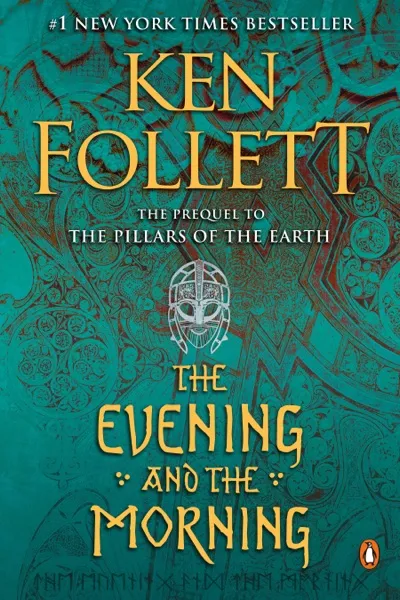
Evening and the Morning Author: Ken FollettPage Count: UnknownPublication Year: 2021-GB Ken Follett’s Evening and the Morning is a sweeping historical epic that plunges readers into a world of ambition, power, and transformation. Set in the early Middle Ages, this prequel to his The Pillars of the Earth series masterfully captures the dawn of a new era, where the old ways of Anglo-Saxon England clash with the rising tide of Norman ambition. Follett, a master storyteller, weaves a tapestry of intrigue, romance, and political maneuvering that feels as vivid and immediate as the modern world. The novel’s central theme revolves around the birth of a nation. Through the eyes of three compelling protagonists—Edgar, a young boatbuilder with dreams of upward mobility; Ragna, a noblewoman forced into a loveless marriage; and Aldred, a monk torn between faith and ambition—the story unfolds against the backdrop of a society in flux. Follett doesn’t just recount history; he breathes life into it, making the struggles of ordinary people as gripping as the battles of kings. What sets Evening and the Morning apart is its unparalleled attention to detail. Follett’s meticulous research shines through in every scene, from the construction of a cathedral to the political maneuvering of a royal court. Yet, his prose never feels dry or academic. Instead, it crackles with tension and emotion, drawing readers into a world where every decision could mean the difference between survival and ruin. The author’s ability to balance large-scale historical events with intimate personal dramas is nothing short of breathtaking. Follett’s writing style is both immersive and accessible. His sentences flow effortlessly, carrying readers along on a journey that spans years and countless miles. The dialogue feels authentic, the descriptions lush without being overwrought, and the pacing relentless. Even when the story slows to explore the inner lives of its characters, it never loses momentum. This is historical fiction at its finest—an engrossing tale that educates as much as it entertains. At its heart, Evening and the Morning is a story about change. It’s about the people who drive progress, who defy tradition, and who dare to dream of a better future. Edgar’s quest to build something lasting, Ragna’s fight for dignity, and Aldred’s struggle to reconcile his faith with his ambitions all reflect the broader shifts of the time. Follett doesn’t shy away from the brutality of the era—war, betrayal, and hardship are ever-present—but he also celebrates the resilience of the human spirit. The novel’s strength lies in its characters, each of whom is flawed, complex, and deeply human. Edgar is a hero we root for, but his flaws make him relatable. Ragna’s strength and vulnerability make her impossible to forget, while Aldred’s internal conflict adds depth to the narrative. Follett doesn’t just create characters; he crafts living, breathing people whose struggles resonate across centuries. For readers who love historical fiction, Evening and the Morning is a must-read. It’s a story that will stay with you long after the last page, a reminder of how far we’ve come and how much we share with those who walked the earth a thousand years ago. Ken Follett has done it again—delivered a novel that is as thought-provoking as it is thrilling. #KenFollett #HistoricalFiction #MedievalEpic #BookReview #ComingOfAge #PrequelSeries Related InsightsHidden Pictures Book Review and Summary Blue Jean Summer (Wilder Estate #1) Book Review and Summary Espíritu (Cemetery Boys, #2) Book Review and Summary{ "@context": "https://schema.org", "@type": "FAQPage", "mainEntity": [ { "@type": "Question", "name": "What is the main focus of Evening and the Morning Book Review and Summary?", "acceptedAnswer": { "@type": "Answer", "text": "Everything you need to know about Evening and the Morning with our detailed review." } }, { "@type": "Question", "name": "Who authored the comprehensive guide on Evening and the Morning Book Review and Summary?", "acceptedAnswer": { "@type": "Answer", "text": "This detailed article and its insights were carefully researched and authored by Maximilian Fischer." } }, { "@type": "Question", "name": "Where can I find more related content about Books?", "acceptedAnswer": { "@type": "Answer", "text": "You can explore more articles, detailed reviews, and similar insights by browsing the Related Insights section at the bottom of this article or visiting our dedicated Books category page." } } ] }
B1 And now you're speaking Author: Elisabeth Soltho DouglasPage Count: UnknownPublication Year: 2019-GB A Journey of Transformation: And Now You're Speaking by Elisabeth Soltho Douglas Elisabeth Soltho Douglas’s And Now You're Speaking is more than a book—it’s a revelation. A global bestseller that has captivated readers worldwide, this work transcends traditional self-help by blending raw personal narrative with profound linguistic and psychological insights. At its core, the book explores the power of language—not just as a tool for communication, but as a catalyst for personal reinvention. Douglas, with her sharp wit and empathetic storytelling, guides readers through the mechanics of how words shape identity, influence perception, and ultimately redefine who we become. The central theme of And Now You're Speaking revolves around the idea that language is not merely a vessel for thought but an active force in molding our reality. Douglas argues that the words we choose, the languages we speak, and even the accents we carry are not arbitrary—they are instruments of power, belonging, and transformation. She dissects how societal biases are embedded in language, how fluency in a new tongue can unlock hidden parts of the self, and how reclaiming—or reinventing—one’s voice can be an act of defiance and liberation. What makes Douglas’s approach so compelling is her ability to weave theory with lived experience. Unlike dry academic treatises on linguistics or sociology, this book reads like a conversation with a perceptive friend who has spent years observing the world’s unspoken rules. She peppers her narrative with anecdotes from her own life—moments of linguistic missteps, cultural misunderstandings, and epiphanies—that serve as relatable entry points into heavier themes. For instance, she recounts her struggle to master German after moving from her native Sweden, not just as a language lesson, but as a metaphor for shedding old identities and embracing new ones. These personal stories ground the book’s intellectual rigor, making complex ideas feel intimate and urgent. Douglas’s prose is both elegant and accessible, striking a balance between lyrical reflection and sharp, actionable insight. She avoids jargon, opting instead for vivid metaphors that linger in the mind. One particularly striking passage compares language acquisition to learning to dance: "At first, the steps feel foreign, even clumsy. But soon, the rhythm becomes yours, and suddenly, you’re not just moving—you’re expressing." This kind of writing ensures the book is as enjoyable to read as it is thought-provoking. The author’s style is also deeply interdisciplinary, drawing from linguistics, psychology, and cultural studies without ever feeling disjointed. She references philosophers like Wittgenstein, psychologists like Lakoff, and sociologists like Bourdieu, but she never lets theory overshadow her central message: that language is a living, breathing extension of the self. Her critique of "linguistic colonialism"—the way dominant languages erase or marginalize others—feels especially timely in an era of globalization and digital communication. One of the book’s most powerful sections explores the idea of "linguistic privilege." Douglas challenges readers to consider how the languages they speak (or don’t speak) grant or deny them access to certain spaces, opportunities, and communities. She doesn’t just point out the inequities; she offers a roadmap for navigating them, whether through conscious language learning, code-switching, or even reclaiming dialects that have been historically stigmatized. It’s a call to arms for anyone who has ever felt silenced—or who has ever wanted to speak up. That said, And Now You're Speaking isn’t without its provocations. Douglas occasionally wades into contentious territory, questioning whether the pursuit of fluency in a dominant language is always an act of assimilation or whether it can also be a form of resistance. Her answers aren’t always neat, which is part of the book’s charm. It refuses to offer simplistic solutions, instead inviting readers to sit with discomfort and interrogate their own linguistic habits. Ultimately, this book is a celebration of the human capacity to evolve through language. It’s for anyone who has ever felt like an outsider, for those who have changed their accent to fit in, for polyglots who feel at home in multiple worlds, and for monolinguals who suddenly see their own language with fresh eyes. Douglas doesn’t just teach us to speak; she teaches us to become through speaking. And Now You're Speaking is a masterclass in how words shape identity—and how, by choosing them carefully, we can reshape ourselves. It’s a book that lingers, not just in the mind, but in the way we hear and use language every day. #LanguageAndIdentity #LinguisticReinvention #SpeakYourTruth #MultilingualJourney #WordsHavePower #BilingualBookClub Related InsightsThe Magic Mountain Book Review and Summary It Book Review and Summary An Immaculate Deception Book Review and Summary{ "@context": "https://schema.org", "@type": "FAQPage", "mainEntity": [ { "@type": "Question", "name": "What is the main focus of B1 And now you're speaking Book Review and Summary?", "acceptedAnswer": { "@type": "Answer", "text": "Everything you need to know about B1 And now you're speaking with our detailed review." } }, { "@type": "Question", "name": "Who authored the comprehensive guide on B1 And now you're speaking Book Review and Summary?", "acceptedAnswer": { "@type": "Answer", "text": "This detailed article and its insights were carefully researched and authored by Maximilian Fischer." } }, { "@type": "Question", "name": "Where can I find more related content about Books?", "acceptedAnswer": { "@type": "Answer", "text": "You can explore more articles, detailed reviews, and similar insights by browsing the Related Insights section at the bottom of this article or visiting our dedicated Books category page." } } ] }
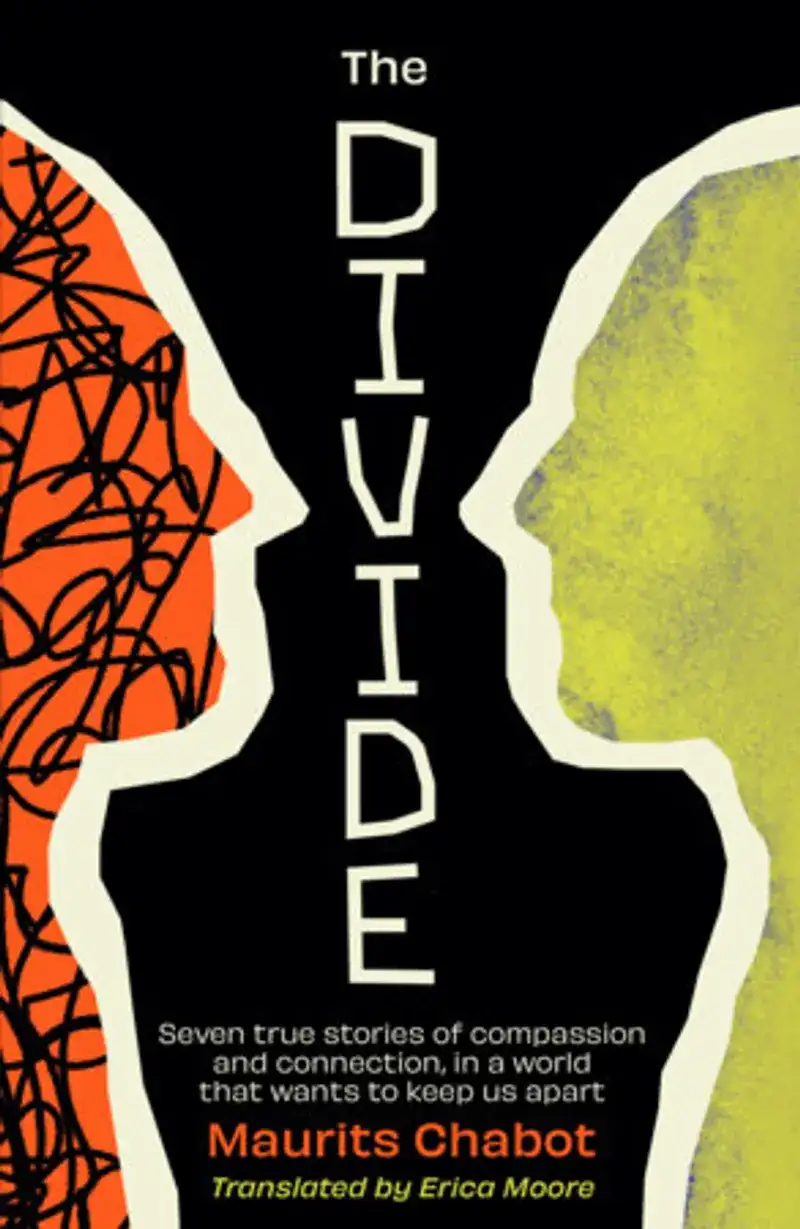
The Divide Author: Maurits ChabotPage Count: UnknownPublication Date: 2026-PRH The Divide, the latest offering from acclaimed author Maurits Chabot, is a gripping and thought-provoking novel that delves into the intricacies of human relationships and the complexities of societal dichotomies. In this masterpiece, Chabot masterfully weaves a narrative that not only explores the depths of human emotion but also challenges the reader to confront the divides that exist within ourselves and our communities. From the outset, it is clear that Chabot's writing style is both evocative and concise, with a unique ability to craft sentences that are at once poetic and piercing. His use of language is deliberate and intentional, drawing the reader into a world that is both familiar and yet, utterly alien. As we navigate the complexities of the narrative, we are struck by the author's unwavering commitment to exploring the intricacies of the human condition. At its core, The Divide is a novel about the boundaries that separate us – whether they be physical, emotional, or psychological. Chabot skillfully exposes the fault lines that exist within our relationships, our communities, and our very own selves, revealing the intricate web of tensions and contradictions that shape our lives. Through a cast of complex and deeply nuanced characters, the author expertly illustrates the ways in which these divides can both unite and isolate us, often simultaneously. One of the standout features of Chabot's writing is his ability to balance the intimate and the universal. His characters are meticulously crafted, with each one embodying a unique perspective and experience that reflects the broader societal themes. As we delve deeper into the narrative, we find ourselves drawn into a world that is at once deeply personal and yet, utterly relatable. This is a testament to Chabot's skill as a storyteller, able to distill the essence of human experience into a narrative that is both deeply moving and profoundly thought-provoking. Throughout the novel, Chabot's prose is marked by a lyrical quality, with sentences that flow like a river, carrying the reader on a journey of discovery and exploration. His use of imagery is vivid and evocative, conjuring a world that is both vividly realized and yet, subtly nuanced. As we navigate the twists and turns of the narrative, we are struck by the author's unwavering commitment to his vision, a vision that is both unflinching and yet, deeply compassionate. In The Divide, Chabot has created a novel that is both a masterpiece of contemporary literature and a powerful exploration of the human condition. This is a book that will resonate with readers long after they finish the final page, a testament to the author's skill and craftsmanship. As we reflect on the novel's themes and characters, we are left with a profound sense of awe and wonder, a sense of the complexity and beauty that exists within and around us. The Divide is a triumph, a novel that will leave readers changed, moved, and profoundly inspired. With its nuanced characters, lyrical prose, and thought-provoking themes, this is a book that will resonate with readers for years to come. Whether you are a fan of literary fiction, a lover of poetry, or simply someone who is drawn to stories that challenge and inspire, The Divide is a must-read. #TheDivide #MauritsChabot #LiteraryFiction #BookLovers #TheHumanCondition #ContemporaryLiterature Related InsightsThe Darkest Destiny Book Review and Summary An Ember in the Ashes Book Review and Summary Magic Unicorn Coloring Book Book Review and Summary{ "@context": "https://schema.org", "@type": "FAQPage", "mainEntity": [ { "@type": "Question", "name": "What is the main focus of The Divide Book Review and Summary?", "acceptedAnswer": { "@type": "Answer", "text": "Everything you need to know about The Divide with our detailed review." } }, { "@type": "Question", "name": "Who authored the comprehensive guide on The Divide Book Review and Summary?", "acceptedAnswer": { "@type": "Answer", "text": "This detailed article and its insights were carefully researched and authored by Maximilian Fischer." } }, { "@type": "Question", "name": "Where can I find more related content about Books?", "acceptedAnswer": { "@type": "Answer", "text": "You can explore more articles, detailed reviews, and similar insights by browsing the Related Insights section at the bottom of this article or visiting our dedicated Books category page." } } ] }
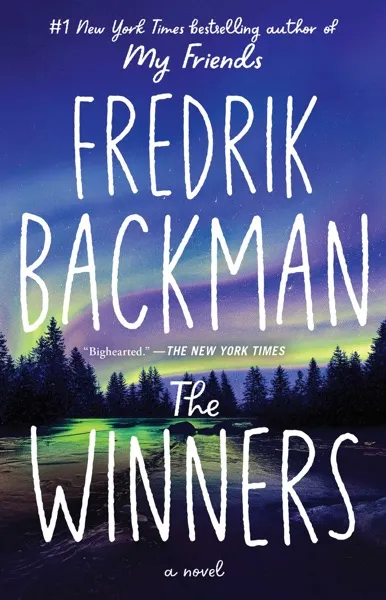
The Winners Author: Fredrik BackmanPage Count: UnknownPublication Year: 2022-GB Fredrik Backman’s The Winners is a masterclass in emotional storytelling, a book that sneaks up on you with its quiet wisdom and leaves you utterly undone by the time you turn the last page. At its core, the novel explores what it truly means to win—not just in the conventional sense of victory, achievement, or acclaim, but in the deeper, more personal battles we wage every day. Backman, the Swedish wordsmith known for his ability to blend humor with heartbreak (A Man Called Ove, Beartown), once again proves why he’s one of contemporary fiction’s most compelling voices. The story unfolds in a small coastal town where the locals are preparing for the annual summer festival, a tradition that serves as both a celebration and a crucible for the community’s unspoken tensions. The town’s self-proclaimed "winners"—those who’ve built reputations on success, resilience, or sheer audacity—are about to have their carefully constructed facades tested. Backman introduces us to a cast of characters whose lives are intertwined in ways they don’t yet understand, each grappling with their own definition of winning. There’s the aging former athlete clinging to past glory, the single mother juggling survival and dreams, the disgraced journalist seeking redemption, and the enigmatic stranger who arrives in town with a past that refuses to stay buried. Their stories unfold in parallel, revealing how victory is often a mirage, and how the most meaningful wins are the ones we never see coming. Backman’s genius lies in his ability to make the ordinary extraordinary. He doesn’t rely on grand gestures or melodrama; instead, he finds profundity in the mundane—the way a shared meal can mend a broken relationship, how a stranger’s kindness can rewrite a life’s script, or how laughter can be the most powerful form of defiance. His prose is effortlessly engaging, laced with wit that never undercuts the emotional weight of his themes. There’s a warmth to his writing, a generosity of spirit that makes even his flawed characters feel like people you’d want to know—or at least sit down with for a long conversation over coffee. One of the book’s most striking strengths is its refusal to offer easy answers. Backman doesn’t pit winners against losers in a simplistic moral battle; instead, he dissects the idea that winning is a binary concept. What does it mean to win when the victory comes at the cost of your integrity? Can you claim victory if no one remembers why you fought in the first place? The novel’s title is deliberately ironic, a wink to the reader that the real triumphs are often the ones no one bothers to record. Through his characters’ journeys, Backman argues that the truest measure of success isn’t what you achieve, but how you lift others along the way. The setting—a quiet, sun-drenched town where everyone knows your name and your secrets—serves as more than just a backdrop. It’s a character in its own right, a place where the past lingers like sea mist and the future is as unpredictable as the tides. Backman’s love for his setting shines through in his vivid descriptions, whether he’s painting the golden hues of a summer evening or the oppressive weight of a storm rolling in. The town itself feels alive, a living organism that shapes and is shaped by the people who call it home. What elevates The Winners beyond being just a compelling read is Backman’s unflinching humanity. He writes about failure with the same tenderness he reserves for redemption, never shying away from the messy, unglamorous realities of life. There’s a scene early in the book where a character reflects on the difference between those who survive hardship and those who don’t—a distinction that hinges not on strength or luck, but on the presence of someone who refuses to let them surrender. It’s a moment that encapsulates the novel’s entire ethos: winning isn’t about being the best, but about being seen, being held up, and sometimes, simply being there. Backman’s style is deceptively simple, but every sentence carries weight. He has a knack for dialogue that crackles with authenticity, whether it’s the biting sarcasm of a teenager or the halting honesty of a grieving parent. His humor is dry but never cruel, a tool he uses to disarm rather than diminish. Even in moments of profound sadness, there’s a lightness to his touch, a reminder that joy and sorrow are often two sides of the same coin. The Winners is ultimately a book about community—how it defines us, how it fails us, and how it can, sometimes, redeem us. It’s a story that lingers because it doesn’t just ask you to feel for its characters; it asks you to reflect on your own life, your own battles, and what you’ve come to call winning. Backman doesn’t offer a roadmap to happiness or success, but he does offer something far more valuable: the quiet assurance that you’re not alone in your struggles, and that sometimes, the greatest victory is realizing you were never as alone as you thought. If you’ve ever felt like an outsider in your own story, if you’ve ever wondered whether the goals you chased were truly worth the cost, The Winners will resonate deeply. It’s a book that celebrates the unsung heroes, the quiet victories, and the messy, beautiful chaos of being human. Fredrik Backman, once again, reminds us that the most important stories aren’t about the trophies we collect, but about the people we become along the way. #TheWinners #FredrikBackman #BookRecommendation #ContemporaryFiction #EmotionalRead #SmallTownStories
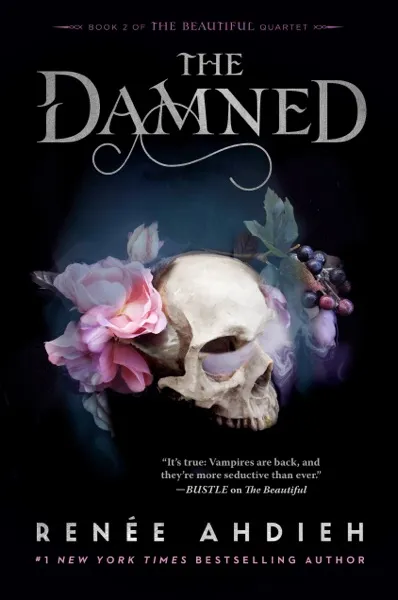
The Damned Author: Renée AhdiehPage Count: UnknownPublication Year: 2020-GB Renée Ahdieh’s The Damned is a luminous, haunting tapestry of gothic romance, political intrigue, and supernatural vengeance—woven with the precision of a master storyteller. Published in 2020, this novel cements Ahdieh’s reputation as a modern architect of dark, lush tales where passion and peril walk hand in hand. Though the exact page count remains elusive, the depth of its narrative is anything but short. The Damned is not merely a book; it is an experience—one that lingers long after the final sentence, like the echo of a ghostly whisper in a crumbling mansion. At its heart, The Damned is a story of forbidden love set against the backdrop of a cursed world, where the living and the dead are bound by ancient debts. The novel follows two star-crossed protagonists, bound by fate, family, and a shared legacy of betrayal. Ahdieh crafts a world where vampiric aristocrats rule over mortal courts with velvet-gloved cruelty, where every smile might hide a fang, and every alliance could be a snare. The central theme is resilience in the face of destiny—a meditation on whether love can conquer even the most immutable curses. The novel asks: Can two souls, one already dead in all but name, defy the gods who decreed their doom? Ahdieh’s writing style is a masterclass in atmospheric storytelling. Her prose is rich, poetic, and unapologetically lush, dripping with sensory detail that immerses the reader in opulent salons, shadowed forests, and candlelit ballrooms teetering on the edge of ruin. She doesn’t just describe a setting—she evokes its scent, its texture, its emotional weight. A ballroom isn’t just a place; it’s a stage for power plays, where glances are weapons and silences are screams. This attention to detail extends to her characters, who are rendered with psychological nuance and emotional complexity. The protagonists are not merely victims or heroes; they are flawed, conflicted individuals shaped by centuries of pain, privilege, and prejudice. Ahdieh’s dialogue sparkles with wit and tension, often laced with subtle menace or undercurrents of longing. There’s a Shakespearean cadence to her exchanges, full of double meanings and half-spoken truths—perfect for a story steeped in gothic drama and doomed romance. The pacing is deliberate, allowing the tension to simmer before boiling over into moments of breathtaking intensity. The supernatural elements are integrated seamlessly into the historical framework, blurring the line between myth and reality. Vampires here are not monsters in the traditional sense but tragic figures, cursed to an eternity of hunger and guilt, their power a burden as much as a gift. One of the novel’s most compelling strengths is its exploration of power and identity. The characters exist in a world where lineage dictates survival, where the past is an inescapable prison, and where love is both salvation and damnation. Ahdieh deftly examines themes of colonialism, class, and Otherness, weaving them into the narrative without ever feeling didactic. The cursed elite are both predators and prey, their humanity slipping through their fingers like sand. The mortal world, meanwhile, is portrayed with equal complexity—beautiful, fragile, and often complicit in its own oppression. The Damned also excels in its worldbuilding. The setting—a decaying, alternate-history Europe where the undead rule from gilded cages—feels both familiar and fantastical. Palaces crumble into ruin, not from neglect, but from the weight of centuries of sin. Forests whisper with the voices of the dead. The moon is not just a celestial body but a silent witness to centuries of violence. Ahdieh doesn’t just create a world; she creates a mood—a gothic reverie that lingers in the mind like a half-remembered dream. What makes The Damned truly unforgettable, however, is its emotional core. Beneath the velvet and blood, beneath the political machinations and supernatural stakes, lies a story about connection. About two lost souls finding something to hold onto in a universe that wants them erased. The love story here is not one of grand gestures but of quiet, stubborn devotion. It’s messy, painful, and ultimately redemptive—a testament to the idea that even the damned can find grace. Ahdieh’s writing is not without its critics. Some may find her prose overly ornate, her pacing occasionally slow. But for those who surrender to its rhythm, The Damned is a revelation. It’s a novel that demands to be read slowly, savored like aged wine, and returned to again and again, each time uncovering new layers of meaning. In a literary landscape crowded with quick thrills and disposable romance, The Damned stands apart as a work of substance and style. It’s gothic fiction at its finest—dark, decadent, and deeply human. #TheDamned #RenéeAhdieh #GothicRomance #DarkFantasy #VampireNovel #BookReview Related InsightsBlue Jean Summer (Wilder Estate #1) Book Review and Summary Beloved Book Review and Summary American Gods Book Review and Summary{ "@context": "https://schema.org", "@type": "FAQPage", "mainEntity": [ { "@type": "Question", "name": "What is the main focus of The Damned Book Review and Summary?", "acceptedAnswer": { "@type": "Answer", "text": "Everything you need to know about The Damned with our detailed review." } }, { "@type": "Question", "name": "Who authored the comprehensive guide on The Damned Book Review and Summary?", "acceptedAnswer": { "@type": "Answer", "text": "This detailed article and its insights were carefully researched and authored by Maximilian Fischer." } }, { "@type": "Question", "name": "Where can I find more related content about Books?", "acceptedAnswer": { "@type": "Answer", "text": "You can explore more articles, detailed reviews, and similar insights by browsing the Related Insights section at the bottom of this article or visiting our dedicated Books category page." } } ] }

Love, Death + Robots Author: Tim MillerPage Count: UnknownPublication Year: 2021-GB Love, Death + Robots: A Dazzling, Disorienting Masterclass in Animated Extremes Tim Miller’s Love, Death + Robots isn’t just a book—it’s a fever dream distilled into 35 short stories, each a cinematic explosion of color, violence, and existential dread. Published in 2021, this anthology cements Miller’s reputation as a visionary animator turned literary provocateur, blending cyberpunk grit, cosmic horror, and unapologetic eroticism into a collection that’s as intellectually stimulating as it is viscerally thrilling. If you’ve seen the Netflix series (which Miller executive produces), you know the aesthetic: hyper-stylized, boundary-pushing, and unafraid to leave you questioning reality—or your own sanity. At its core, Love, Death + Robots is a meditation on the extremes of human (and inhuman) experience. The title itself is a triptych of the book’s obsessions: love as a force both transcendent and grotesque, death as a recurring punchline and inevitability, and robots as metaphors for our own dehumanization—or evolution. The stories oscillate between these poles with a gleeful disregard for comfort, often landing in the uncanny valley between awe and nausea. Whether it’s a sentient AI falling in love with a human in "Automated Customer Service" or a doomed space crew confronting their own mortality in "The Witness," Miller’s work thrives on juxtaposition: beauty and brutality, tenderness and terror, the sublime and the ridiculous. Miller’s style is unmistakable—part comic book, part anime, part David Lynch fever dream. His prose (when it’s prose; some entries are more visual or aural) is sparse yet dense with implication, favoring atmosphere over explication. He trusts the reader to fill in the gaps, often leaving endings ambiguous or outright brutal. The stories don’t just tell; they immerse. You’re not reading about a dystopian future where robots harvest human organs—you’re experiencing the clatter of metal on concrete, the stench of rust and blood, the hollow echo of a voice that may or may not be human. What makes Love, Death + Robots so compelling is its refusal to be pigeonholed. Some tales are laugh-out-loud absurd ("Good Hunting" turns a ghost-hunting samurai into a tragic figure with a heartbreaking twist), while others are existential nightmares ("The Egg" poses a mind-bending take on reincarnation). The robots, when they appear, are rarely just machines; they’re reflections of our own frailties. In "Sonnie’s Edge," a fighter pilot’s consciousness is uploaded into a genetically engineered beast, blurring the line between predator and prey. In "Beyond the Aquila Rift," a stranded space traveler confronts not just alien life but the terrifying possibility of cosmic indifference. Miller’s genius lies in his ability to make the abstract feel concrete. His descriptions are tactile—you can smell the ozone in "The Witness"’s dying starship, taste the metallic tang of blood in "Automated Customer Service." Even when the subject matter is otherworldly, the emotions are achingly human: desire, fear, loneliness. The robots, in particular, serve as perfect foils for these themes. They’re not just cold calculators; they’re mirrors. In "The Tall Grass," a man’s encounter with an alien entity is so visceral it borders on body horror, but the real terror comes from the way it mirrors his own repressed desires. Yet for all its stylistic flair, Love, Death + Robots isn’t just a visual orgy—it’s a philosophical playground. The stories grapple with free will ("The Secret War"), the ethics of creation ("Zima Blue"), and the cost of immortality ("The Long Utopia"). Miller doesn’t offer answers, but he asks the right questions, often in the most unsettling ways possible. Take "Beyond the Aquila Rift," which subverts the "cosmic horror" trope by revealing the universe’s indifference isn’t just terrifying—it’s boring. Or "The Witness," which turns a traditional sci-fi trope (the last human in space) into a meditation on legacy and meaning. The book’s only misstep is its inconsistency in delivery. While most entries are prose, some feel like screenplays or even video game scripts, which can jolt you out of the immersive experience. A few stories also lean too heavily on shock value ("The Nest"), sacrificing depth for a quick gut punch. But these are minor quibbles in a collection that otherwise delivers on its promise of sheer, unfiltered creativity. Love, Death + Robots is the kind of book that leaves you exhilarated, exhausted, and slightly unhinged—much like Miller’s animation work. It’s a celebration of the genre’s potential, a challenge to conventional storytelling, and a testament to the power of visual and narrative extremes. If you’re looking for a book that respects your intelligence but refuses to coddle you, this is it. If you’re not ready to have your perceptions of love, death, and what it means to be human shaken, well… maybe skip this one. Because once you’ve read it, you’ll never see robots—or yourself—the same way again. #LoveDeathAndRobots #TimMiller #SciFiAnthology #CyberpunkVisions #AnimatedHorror #ExistentialDread Related InsightsBad Honeymoon Book Review and Summary Storm Cursed Book Review and Summary Never Say Die Book Review and Summary{ "@context": "https://schema.org", "@type": "FAQPage", "mainEntity": [ { "@type": "Question", "name": "What is the main focus of Love, Death + Robots Book Review and Summary?", "acceptedAnswer": { "@type": "Answer", "text": "Everything you need to know about Love, Death + Robots with our detailed review." } }, { "@type": "Question", "name": "Who authored the comprehensive guide on Love, Death + Robots Book Review and Summary?", "acceptedAnswer": { "@type": "Answer", "text": "This detailed article and its insights were carefully researched and authored by Maximilian Fischer." } }, { "@type": "Question", "name": "Where can I find more related content about Books?", "acceptedAnswer": { "@type": "Answer", "text": "You can explore more articles, detailed reviews, and similar insights by browsing the Related Insights section at the bottom of this article or visiting our dedicated Books category page." } } ] }
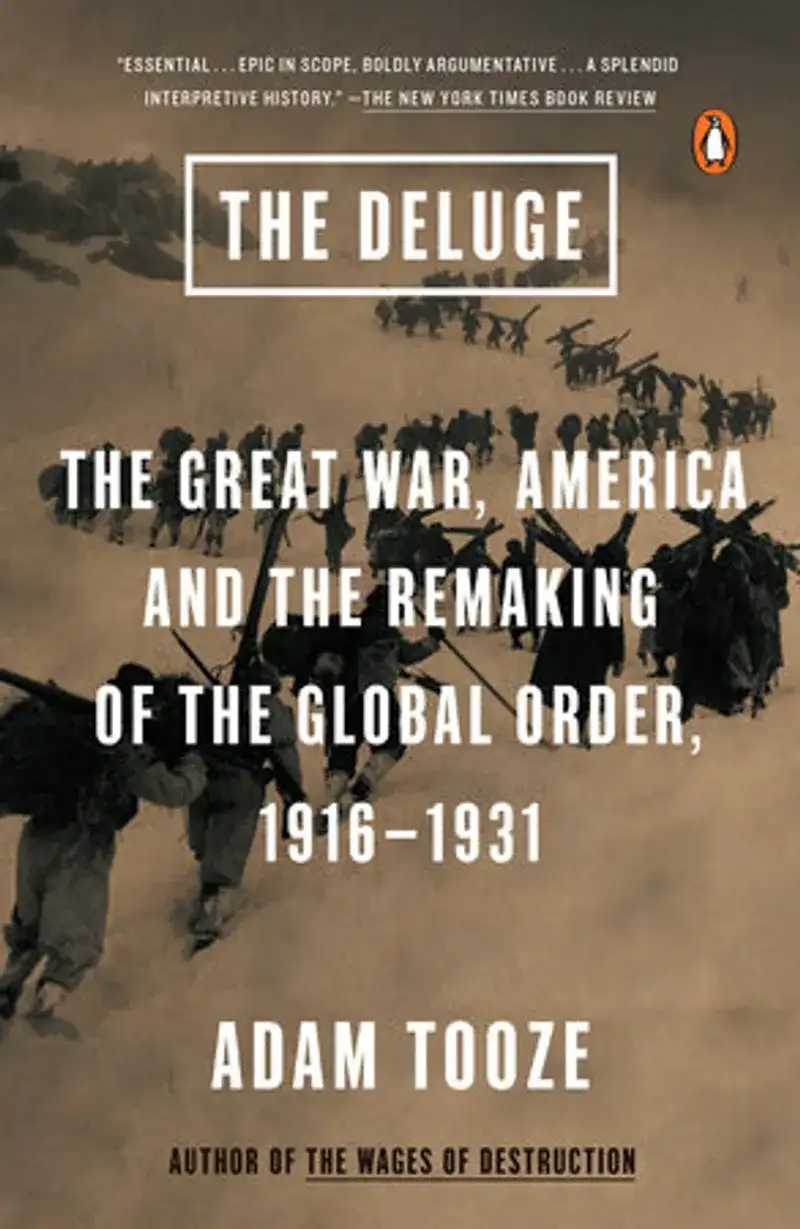
The Deluge Author: Adam ToozePage Count: UnknownPublication Date: 2015-PRH The Deluge: A Masterclass in Rewriting History Through Economics Adam Tooze’s The Deluge is not just another retelling of World War I—it is a seismic recalibration of how we understand the war’s global impact, its messy aftermath, and the unruly birth of the modern financial order. Published in 2015, this book cements Tooze’s reputation as a historian who wields economic insight like a surgeon’s scalpel, dissecting the war’s consequences with precision and fury. Where most histories dwell on trenches and treaties, The Deluge plunges into the bloodless but no less brutal machinery of money, power, and policy, revealing how the war didn’t just redraw maps—it shattered them. Tooze’s central thesis is radical: World War I wasn’t merely a European tragedy but the crucible in which American hegemony was forged. The war’s true turning point wasn’t 1917, when the U.S. entered the conflict, but the moment when Washington’s financial muscle—its banks, its loans, its industrial might—became the lifeline for a drowning world. Tooze forces us to see the war not as a static clash of empires but as a dynamic, shifting crisis where the old order (British finance, European aristocracies) crumbled under the weight of its own contradictions, and the new (American capitalism, mass mobilization) rose from the wreckage, albeit in a form no one anticipated. What makes The Deluge so electrifying is its refusal to treat economics as a side note. Tooze treats it as the engine of history. He traces how the war’s insatiable demands—shells, soldiers, ships—strained economies to the breaking point, forcing governments to abandon gold standards, print money, and beg for loans. The result? A world where the dollar replaced the pound as the dominant currency, where war debts became political dynamite, and where the very idea of national sovereignty was redefined by creditors. Tooze doesn’t just describe these shifts; he shows how they incubated the very ideologies that would later plunge the world into another war. The slide into fascism in Italy and Germany wasn’t just a political phenomenon—it was a desperate, violent response to the economic chaos that followed Versailles, a chaos too often ignored in favor of moralizing about "war guilt." Tooze’s prose is a marvel—dense with data, yet never dry; analytical, yet never detached. He has a knack for making the arcane feel urgent. When he describes the 1920s as a decade where "the world was reorganized around a single power center," he isn’t just stating a fact; he’s conjuring the ghost of British decline and American ascent. His chapter on the 1922 Genoa Conference, where European powers tried (and failed) to resuscitate the gold standard, reads like a thriller, with Tooze exposing the hypocrisy of reparations negotiations as a farce of misplaced priorities. The book’s title, The Deluge, is no metaphor: the war’s financial aftershocks were a cataclysmic flood, and Tooze ensures we feel the weight of the water crashing over every institution. The book’s greatest strength—and occasional frustration—lies in its scope. Tooze doesn’t just focus on Europe; he drags Japan, China, and even Latin America into the frame, showing how the war’s ripples stretched across the globe. This breadth is exhilarating but demands patience. Readers expecting a linear narrative may find themselves adrift in a sea of treaties, bankers’ meetings, and trade wars. Yet this is precisely the point: the war’s aftermath wasn’t a tidy peace but a global disorder, and Tooze refuses to simplify it. Perhaps the most chilling insight The Deluge offers is how the seeds of the next catastrophe were sown in the compromises of the first. The reparations imposed on Germany, the fragile debt structures that tied nations together, the rise of protectionism—all of it created a powder keg. Tooze’s book isn’t just a history lesson; it’s a warning. In an era where economic crises again ripple across borders, where American power is both indispensable and resented, The Deluge feels less like a historical account and more like a prophecy. Tooze’s work is a reminder that history isn’t made by generals or politicians alone, but by the invisible hands of financiers, bureaucrats, and the cold logic of markets. The Deluge is a masterpiece of revisionist history—not because it contradicts the past, but because it forces us to see it anew. #WorldWarI #EconomicHistory #AdamTooze #Geopolitics #FinancialCrises #HistoricalReckoning Related InsightsImagine Me Book Review and Summary Day of Ascension Book Review and Summary An Emotion of Great Delight Book Review and Summary{ "@context": "https://schema.org", "@type": "FAQPage", "mainEntity": [ { "@type": "Question", "name": "What is the main focus of The Deluge Book Review and Summary?", "acceptedAnswer": { "@type": "Answer", "text": "Everything you need to know about The Deluge with our detailed review." } }, { "@type": "Question", "name": "Who authored the comprehensive guide on The Deluge Book Review and Summary?", "acceptedAnswer": { "@type": "Answer", "text": "This detailed article and its insights were carefully researched and authored by Maximilian Fischer." } }, { "@type": "Question", "name": "Where can I find more related content about Books?", "acceptedAnswer": { "@type": "Answer", "text": "You can explore more articles, detailed reviews, and similar insights by browsing the Related Insights section at the bottom of this article or visiting our dedicated Books category page." } } ] }
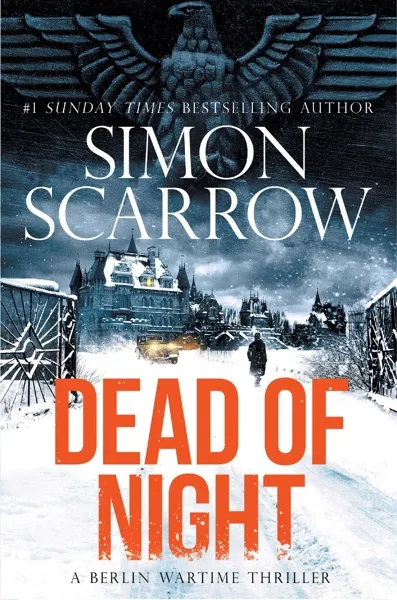
Dead of Night Author: Simon ScarrowPage Count: UnknownPublication Year: 2023-GB Dead of Night is not just another military thriller—it’s a visceral, high-stakes descent into the heart of war, where survival is less about heroism and more about endurance. Simon Scarrow, the master of historical military fiction, once again demonstrates why he ranks among the most compelling storytellers in the genre. With Dead of Night, Scarrow ventures into modern warfare, blending meticulous research with relentless pacing to deliver a narrative that chills even as it thrills. At its core, Dead of Night explores the psychological and emotional toll of combat in the 21st century. Scarrow strips away the glamour of war, presenting instead a stark, unflinching portrait of soldiers caught in a brutal, asymmetrical conflict. The story follows a small unit of British soldiers deployed on a covert mission behind enemy lines. What begins as a routine operation spirals into a nightmare of ambushes, betrayals, and impossible choices. Scarrow excels at depicting the claustrophobic tension of modern warfare, where the enemy is often invisible and the line between ally and foe blurs with deadly consequence. The author’s signature strength lies in his ability to make history feel immediate. While Scarrow is best known for his Roman-era novels like the Eagles of the Empire series, his transition to contemporary military fiction in Dead of Night feels seamless. He doesn’t rely on nostalgia or historical distance to build suspense; instead, he grounds the story in the visceral realities of modern combat. The characters are ordinary men thrust into extraordinary circumstances, their fears and flaws laid bare under the weight of their mission. Scarrow’s prose is lean and direct, mirroring the urgency of the battlefield. There are no unnecessary flourishes—every sentence serves the story, propelling the reader forward through a labyrinth of danger. One of the book’s most striking elements is its exploration of moral ambiguity. Scarrow doesn’t glorify war; he dissects it. The soldiers in Dead of Night are not larger-than-life heroes but flawed individuals, each carrying their own burdens. The protagonist, a seasoned but disillusioned sergeant, grapples with the cost of obedience and the weight of command. His internal struggle is as gripping as the external threats he faces. Scarrow forces the reader to confront uncomfortable questions: How far is too far in the name of duty? When does survival become complicity? These themes resonate deeply in an era where modern warfare often unfolds in shadowy theaters far from public scrutiny. Scarrow’s attention to detail is another hallmark of his writing. Whether describing the mechanics of a modern rifle, the layout of a contested village, or the psychological impact of prolonged isolation, he immerses the reader completely. The authenticity of the military elements never feels forced or overly technical—instead, it serves to heighten the realism of the story. This is no mere action spectacle; it’s a story that demands emotional engagement as much as intellectual curiosity. The pacing of Dead of Night is relentless, a testament to Scarrow’s skill in maintaining tension across every page. The narrative unfolds with the precision of a clockwork mechanism, each chapter ending on a note that compels the reader to keep going. There are no gratuitous subplots or distractions—every element of the story serves the central conflict. This tight focus ensures that the reader remains invested in the characters’ fates, even as the odds stack against them. Scarrow also excels in capturing the camaraderie and fractures within the unit. The bonds between soldiers are forged in fire, but so too are the resentments and misunderstandings that can tear them apart. The dialogue crackles with authenticity, and the interactions between characters feel real, not scripted. This emotional depth elevates Dead of Night beyond a simple thriller, transforming it into a meditation on what it means to be human in the face of inhumanity. Ultimately, Dead of Night is a book that lingers. It doesn’t shy away from the brutality of war, nor does it offer easy answers. Instead, Scarrow presents a world where survival is never guaranteed, and heroism is a fleeting, often illusory ideal. The result is a gripping, thought-provoking read that will appeal to fans of military fiction and general thriller enthusiasts alike. If you’re looking for a book that will keep you on the edge of your seat while also challenging your perceptions of war and duty, Dead of Night is a must-read. Simon Scarrow has once again proven why he’s a titan of the genre—crafting a story that is as intellectually stimulating as it is pulse-pounding. #DeadOfNight #SimonScarrow #MilitaryFiction #WarThriller #ModernWarfare #MilitaryThriller Related InsightsDeal of a Lifetime and Other Stories Book Review and Summary The Power of One Book Review and Summary Invisible Girl Book Review and Summary{ "@context": "https://schema.org", "@type": "FAQPage", "mainEntity": [ { "@type": "Question", "name": "What is the main focus of Dead of Night Book Review and Summary?", "acceptedAnswer": { "@type": "Answer", "text": "Everything you need to know about Dead of Night with our detailed review." } }, { "@type": "Question", "name": "Who authored the comprehensive guide on Dead of Night Book Review and Summary?", "acceptedAnswer": { "@type": "Answer", "text": "This detailed article and its insights were carefully researched and authored by Maximilian Fischer." } }, { "@type": "Question", "name": "Where can I find more related content about Books?", "acceptedAnswer": { "@type": "Answer", "text": "You can explore more articles, detailed reviews, and similar insights by browsing the Related Insights section at the bottom of this article or visiting our dedicated Books category page." } } ] }
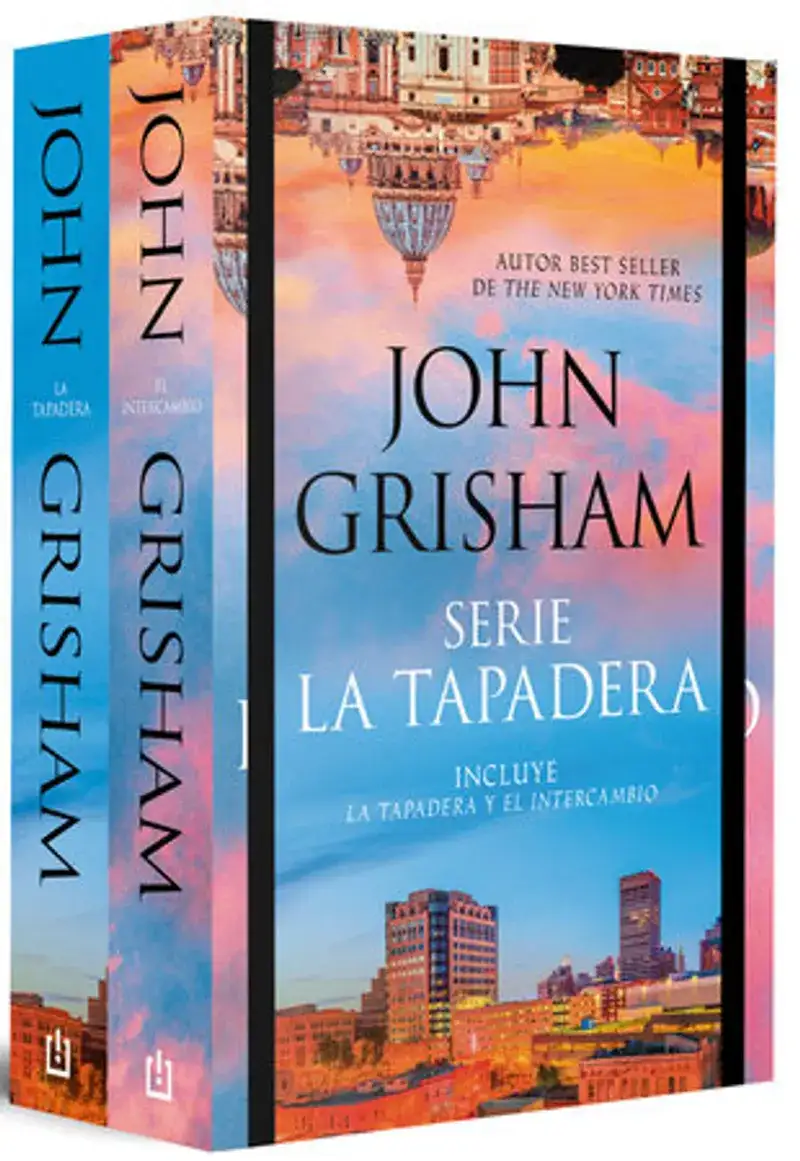
- Maximilian Fischer
- 11 Dec, 2025 17:01
Pack La tapadera (Contiene: La tapadera / El intercambio) / The Firm Pack (Includes The Firm, The Exchange) Book Review and Summary
Pack La tapadera (Contiene: La tapadera / El intercambio) / The Firm Pack (Includes The Firm, The Exchange) Author: John GrishamPage Count: UnknownPublication Date: 2026-PRH John Grisham’s The Firm Pack—a dual-tome thriller containing The Firm and The Exchange—is a masterclass in legal suspense, blending the ruthless precision of corporate law with the high-stakes paranoia of a man caught between the devil and the deep blue sea. Though Grisham’s body of work spans decades, this paired collection feels eerily prescient, as if written for an era where ambition and moral compromise collide with increasing frequency. With its razor-sharp dialogue, labyrinthine plots, and protagonists who are as flawed as they are compelling, The Firm Pack isn’t just a legal thriller—it’s a psychological dissection of power, greed, and the illusion of control. At its core, The Firm is a story about Mitch McDeere, a young, ambitious lawyer who lands a dream job at Bendini, Lambert & Locke—a prestigious Memphis firm that seems too good to be true. And it is. Beneath its gleaming veneer lies a criminal enterprise masquerading as a corporate haven, with partners who are less mentors and more mobsters in tailored suits. Grisham’s genius lies in making the mundane—billable hours, partnership track, real estate deals—feel sinister. The firm’s allure is intoxicating: high salaries, lavish perks, and the promise of upward mobility. But as Mitch digs deeper (aided by his wife Abby and brother Ray), he uncovers a web of money laundering, murder, and systemic corruption that defies even his most cynical expectations. The tension isn’t just in the "whodunit" but in the slow unraveling of Mitch’s own complicity. Grisham forces the reader to ask: How far would you go for security? How much innocence are you willing to sell for a six-figure salary? The Exchange, the second half of this literary double feature, shifts the battlefield from Memphis to Washington, D.C., where another ambitious professional, Elizabeth Zott, finds herself entangled in the shadowy world of international finance and political espionage. If The Firm is about the seduction of corporate power, The Exchange is about the seduction of geopolitical influence—where money and ideology blur into indistinguishable slush funds. Grisham’s signature style shines here: a protagonist navigating a world where every handshake could be a betrayal, every contract a trap. The setting is grittier, the stakes higher, and the moral ambiguity deeper. Elizabeth isn’t just fighting to survive; she’s fighting to understand who she’s up against. The novel’s strength lies in its realism—Grisham’s background as a lawyer lends authenticity to the legal maneuvering, while his knack for pacing ensures the reader is always two steps behind the protagonist. Grisham’s prose is deceptively simple, yet every word serves a purpose. He doesn’t indulge in purple prose; instead, he lets the tension simmer beneath the surface, erupting in moments of breathtaking clarity. His characters are the heart of these stories—flawed, desperate, and often reckless, but never without depth. Mitch McDeere’s journey from wide-eyed recruit to desperate fugitive is heartbreakingly human, while Elizabeth Zott’s transformation from idealist to survivor is a masterclass in character development. Grisham doesn’t just write about law; he writes about the people who wield it, the systems that corrupt them, and the personal toll of playing the game. What makes The Firm Pack particularly gripping is its timelessness. Though The Firm was first published in 1991 and The Exchange in 1995, their themes resonate with modern anxieties about wealth inequality, corporate malfeasance, and the erosion of trust in institutions. In an era where law firms are scrutinized for their ties to dark money and political operatives play fast and loose with ethics, Grisham’s stories feel less like fiction and more like a warning. The duality of the pack—two novels that can be read separately or as a thematic whole—also speaks to Grisham’s versatility. Whether you’re drawn to the claustrophobic tension of The Firm or the globe-trotting intrigue of The Exchange, you’re guaranteed a ride that’s as intellectually satisfying as it is pulse-pounding. For readers new to Grisham, The Firm Pack is the perfect introduction—two novels that showcase his ability to turn legal minutiae into gripping drama. For longtime fans, it’s a reminder of why Grisham remains the undisputed king of the legal thriller. These aren’t just stories about lawyers; they’re stories about ambition, survival, and the cost of selling your soul. And in Grisham’s world, that cost is always higher than you think. #JohnGrisham #LegalThriller #TheFirm #TheExchange #CrimeFiction #MustRead Related InsightsBlood River: A Journey to Africa’s Broken Heart Book Review and Summary The Girl With the Dragon Tattoo Book Review and Summary Queen Demon Book Review and Summary{ "@context": "https://schema.org", "@type": "FAQPage", "mainEntity": [ { "@type": "Question", "name": "What is the main focus of Pack La tapadera (Contiene: La tapadera / El intercambio) / The Firm Pack (Includes The Firm, The Exchange) Book Review and Summary?", "acceptedAnswer": { "@type": "Answer", "text": "Everything you need to know about Pack La tapadera (Contiene: La tapadera / El intercambio) / The Firm Pack (Includes The Firm, The Exchange) with our detailed review." } }, { "@type": "Question", "name": "Who authored the comprehensive guide on Pack La tapadera (Contiene: La tapadera / El intercambio) / The Firm Pack (Includes The Firm, The Exchange) Book Review and Summary?", "acceptedAnswer": { "@type": "Answer", "text": "This detailed article and its insights were carefully researched and authored by Maximilian Fischer." } }, { "@type": "Question", "name": "Where can I find more related content about Books?", "acceptedAnswer": { "@type": "Answer", "text": "You can explore more articles, detailed reviews, and similar insights by browsing the Related Insights section at the bottom of this article or visiting our dedicated Books category page." } } ] }
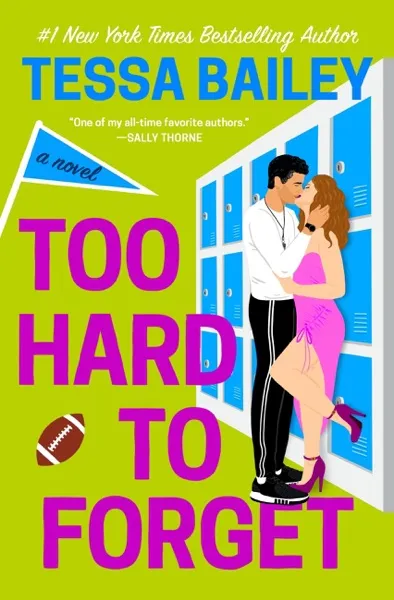
Too Hard to Forget Author: Tessa BaileyPage Count: UnknownPublication Year: 2023-GB Tessa Bailey’s Too Hard to Forget is a scorching, emotionally charged romance that proves the author remains at the top of her game in 2023. Known for her ability to balance wit, heat, and heart-wrenching vulnerability, Bailey delivers a story that lingers long after the last page. This novel isn’t just another contemporary romance—it’s a masterclass in crafting flawed, fiercely real characters and a plot that keeps readers glued to the page, desperate to know if love can truly conquer what feels like insurmountable odds. At its core, Too Hard to Forget explores the weight of memory—both the ones we cherish and the ones that haunt us. The story centers on two people whose pasts refuse to stay buried. The hero, a former firefighter dealing with the aftermath of a tragic accident that ended his career, and the heroine, a schoolteacher with a secret that ties her to his past in ways neither of them could have predicted. Their chemistry is electric from the first encounter, but it’s the emotional barriers they’ve built that make their journey so compelling. Bailey excels at crafting protagonists who are deeply human—flawed, stubborn, and carrying burdens that feel achingly real. The tension isn’t just in the unresolved attraction; it’s in the quiet moments where their pain surfaces, raw and unguarded. Bailey’s prose is sharp, vivid, and laced with humor that never undermines the story’s emotional depth. Her dialogue crackles with authenticity, whether her characters are bantering, bickering, or baring their souls. One of the standout elements of her writing is her ability to weave in secondary characters who feel just as fully realized as the leads. The side characters in Too Hard to Forget aren’t just props—they’re integral to the story, adding layers of warmth, conflict, and even comic relief. This makes the world feel lived-in and rich, pulling the reader deeper into the narrative. The theme of memory is woven so intricately into the plot that it becomes almost a character itself. The past isn’t just a backdrop; it’s an active force shaping every decision, every hesitation, every kiss. Bailey doesn’t shy away from the messy realities of healing—there are no easy fixes here. The emotional stakes are sky-high, and the resolution feels earned, not contrived. It’s this commitment to authenticity that makes Too Hard to Forget resonate so deeply. What truly sets Bailey apart—and why she remains a favorite among romance readers—is her fearless approach to vulnerability. Her characters aren’t just fighting external conflicts; they’re grappling with internal demons that threaten to derail their happily ever after. The way Bailey handles these moments is nothing short of brilliant. She doesn’t offer pat solutions or rushed resolutions. Instead, she lets the characters stumble, grow, and ultimately find their way back to each other through sheer determination and a love that feels hard-won. Too Hard to Forget is also a testament to Bailey’s ability to evolve as a storyteller. While she’s known for her steamy, fast-paced romances, this book showcases a deeper, more introspective side. The pacing is still tight, but the emotional beats carry just as much weight as the steamy scenes. It’s a delicate balance, and Bailey nails it. For readers who love romance that challenges them emotionally while still delivering the laughter and heat they crave, Too Hard to Forget is a must-read. It’s a story about second chances, the power of facing the past, and the kind of love that doesn’t just survive hardship—it thrives because of it. In a crowded romance landscape, Tessa Bailey continues to prove why she’s a bestseller. Too Hard to Forget isn’t just another love story. It’s a story about the scars that define us, the forgiveness we owe ourselves, and the people who help us remember that even the hardest memories can lead us home. #TooHardToForget #TessaBailey #RomanceBooks #SecondChanceLove #ContemporaryRomance #BookRecommendation