Showing Posts From
Political
-
 Maximilian Fischer
 - 15 Nov, 2025 23:20
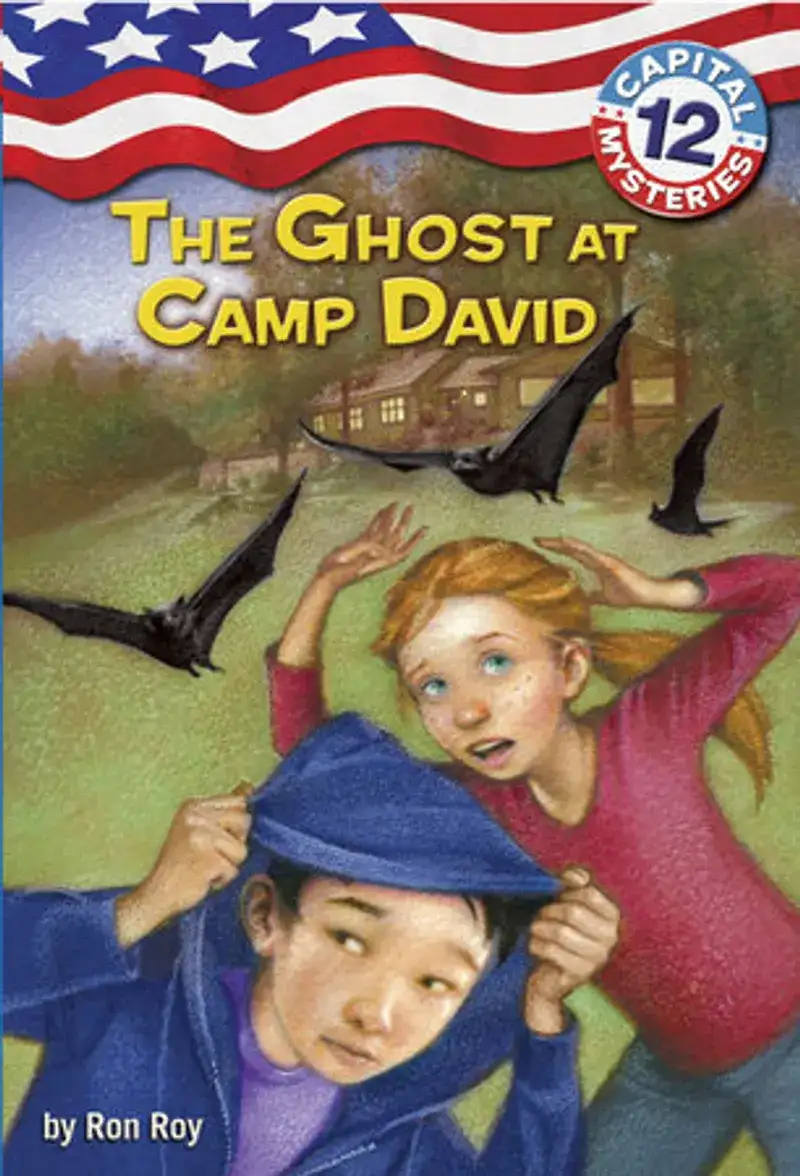
Capital Mysteries #12: The Ghost at Camp David Book Review and Summary
Capital Mysteries #12: The Ghost at Camp David Author: Ron RoyPage Count: UnknownPublication Date: 2010-PRH In Capital Mysteries #12: The Ghost at Camp David, Ron Roy once again delivers a cleverly crafted early chapter book that blends intrigue, history, and lighthearted fun. Aimed at young readers (typically ages 6-9), this installment in the beloved series maintains the winning formula that has made it a staple in children’s mystery literature. While the premise—a ghostly legend tied to a presidential birthday—might sound spooky at first glance, Roy masterfully balances suspense with humor and education, ensuring the story remains accessible and engaging rather than truly frightening. The core theme of the book revolves around the power of folklore and the thrill of the unknown. Camp David, the real-life presidential retreat in Maryland, becomes the setting for a mystery that plays on the eerie legend of President Eisenhower’s ghost appearing on his birthday. KC and Marshall, the young protagonists, must unravel a series of inexplicable events—a bat in their cabin, blood-red dirt in a trunk, and mysterious thumping sounds—before jumping to supernatural conclusions. The story cleverly shifts focus from the ghostly legend to the very real culprits behind the mischief, reinforcing the idea that not all mysteries require a paranormal explanation. Roy’s strength lies in his ability to weave historical facts seamlessly into the narrative. While the Capital Mysteries series is known for spotlighting famous D.C. landmarks, this book’s focus on Camp David offers a lesser-known but equally fascinating backdrop. Young readers will learn about the retreat’s purpose (a place for presidents to relax and strategize away from the White House) while also getting a taste of Eisenhower’s legacy. The inclusion of a two-page "fun fact" spread with photographs adds depth, making the book a subtle educational tool disguised as entertainment. Roy avoids overwhelming his audience with dense historical details, instead sprinkling in just enough to pique curiosity without derailing the plot. The author’s writing style is clean and efficient, tailored for emerging readers. Short chapters, straightforward vocabulary, and a fast-paced plot ensure that the book is easy to follow, while the mystery itself is simple enough to solve with a bit of deduction—encouraging young readers to engage with the story actively. KC and Marshall are endearing protagonists; their camaraderie and problem-solving skills make them relatable, and their occasional bickering adds a touch of realism to their dynamic. Roy also excels at building suspense through small, creeping details rather than jump scares, which aligns perfectly with the target age group’s comfort level. One of the book’s standout features is its ability to balance education and fun. While the Capital Mysteries series is marketed as an early chapter book series, it never feels like a history lesson. Instead, Roy uses the mystery as a Trojan horse to introduce young readers to U.S. history, geography, and even a bit of science (how bats behave, for example). The ghostly angle is more of a playful red herring than a genuine fright, which is ideal for readers who might be easing into slightly spooky stories. The tone remains lighthearted, even when the stakes feel slightly higher, which reinforces the series’ reputation for being both entertaining and age-appropriate. What sets this particular installment apart from others in the series is its focus on a lesser-known location. While books featuring the White House or the Smithsonian are common in children’s literature, Camp David offers a fresh setting that might inspire young readers to explore other hidden gems in U.S. history. The mystery itself, though straightforward, is cleverly constructed to keep readers guessing until the reveal, which is satisfyingly logical. Roy avoids the pitfall of making the solution too convoluted for its audience, ensuring that the satisfaction of figuring out the twist comes from observation rather than frustration. For parents and educators, The Ghost at Camp David is a safe and smart choice. The series is praised for its role in fostering early reading skills while introducing kids to real-world locations and historical figures. The inclusion of a map and fun facts also makes it a great resource for classroom discussions or family road trips. The ghostly theme, while playful, is handled with enough subtlety to avoid nightmares, making it a good bridge for readers transitioning from picture books to chapter books with a bit more substance. In summary, Ron Roy’s Capital Mysteries #12: The Ghost at Camp David is a delightful blend of mystery, history, and humor. It succeeds in its mission to entertain while subtly educating, proving once again why the series has remained a favorite among young readers and educators alike. The ghostly premise is more of a playful hook than a genuine scare, and the mystery’s resolution is both surprising and satisfying. With its engaging protagonists, clever plot, and educational undertones, this book is a perfect pick for young readers who love a good puzzle and a touch of adventure. #CapitalMysteries #RonRoy #KidsMysteryBooks #CampDavid #EarlyChapterBooks #GhostStoriesForKids Related InsightsThe Beach Book Review and Summary It's a Prince Thing (the Princess Rules) Book Review and Summary Never Let Me Go Book Review and Summary{ "@context": "https://schema.org", "@type": "FAQPage", "mainEntity": [ { "@type": "Question", "name": "What is the main focus of Capital Mysteries #12: The Ghost at Camp David Book Review and Summary?", "acceptedAnswer": { "@type": "Answer", "text": "Everything you need to know about Capital Mysteries #12: The Ghost at Camp David with our detailed review." } }, { "@type": "Question", "name": "Who authored the comprehensive guide on Capital Mysteries #12: The Ghost at Camp David Book Review and Summary?", "acceptedAnswer": { "@type": "Answer", "text": "This detailed article and its insights were carefully researched and authored by Maximilian Fischer." } }, { "@type": "Question", "name": "Where can I find more related content about Books?", "acceptedAnswer": { "@type": "Answer", "text": "You can explore more articles, detailed reviews, and similar insights by browsing the Related Insights section at the bottom of this article or visiting our dedicated Books category page." } } ] }
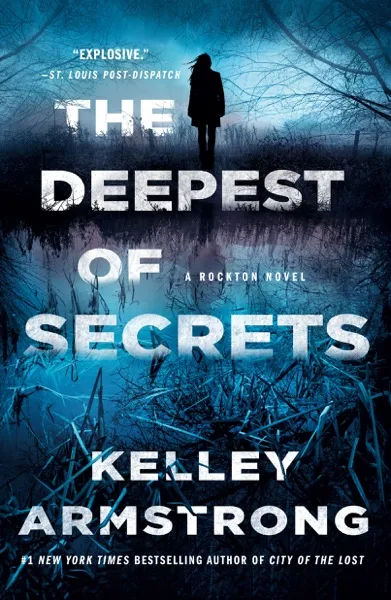
The Deepest of Secrets Author: Kelley ArmstrongPage Count: UnknownPublication Year: 2022-GB Kelley Armstrong’s The Deepest of Secrets is a masterclass in weaving suspense with the raw, unfiltered complexities of human emotion. As a prolific author known for her gripping paranormal and psychological thrillers, Armstrong delivers yet another page-turner that lingers long after the final sentence. This 2022 release isn’t just another mystery—it’s a psychological dissection of identity, trust, and the secrets we bury so deep they threaten to consume us. At its core, The Deepest of Secrets explores the fragility of human connection and the lies we tell to protect ourselves. The story follows a group of women whose lives become entangled in a web of deception after a long-buried secret resurfaces, shattering their carefully constructed facades. Armstrong excels at crafting characters who feel achingly real—flawed, vulnerable, and driven by primal instincts. The protagonist, in particular, is a study in contradictions: strong yet haunted, determined yet paralyzed by fear. Her internal struggle is the heartbeat of the novel, making every revelation feel visceral and consequential. Armstrong’s prose is sharp, economical, and laced with tension. She doesn’t waste words on unnecessary exposition; instead, she drops the reader into the chaos of the characters’ lives and lets the suspense build organically. The dialogue crackles with authenticity, each line serving a dual purpose—advancing the plot while revealing deeper layers of the characters’ psyches. There’s a rhythmic intensity to her writing, a pulse that keeps the reader locked in, desperate to uncover the next clue along with the characters. What sets The Deepest of Secrets apart is its refusal to simplify morality. Armstrong doesn’t cast her characters as heroes or villains outright; they’re all deeply human, capable of both kindness and cruelty. The secrets they keep aren’t just plot devices—they’re extensions of their fears, their regrets, and their desperate need to control their own narratives. This moral ambiguity elevates the story beyond a typical thriller, transforming it into a meditation on the cost of truth and the weight of silence. The pacing is relentless, with Armstrong expertly balancing revelation and restraint. Just when the reader thinks they’ve pieced together the puzzle, she delivers a twist that reframes everything. The tension isn’t just external—it’s internal, a slow burn that simmers beneath the surface until it erupts in a climax that’s as shocking as it is satisfying. The resolution lingers, leaving the reader to question not just the characters’ choices, but their own capacity for deception. Armstrong’s strength lies in her ability to make the supernatural feel eerily plausible. While the premise of this novel isn’t overtly paranormal, the psychological horrors—guilt, betrayal, the fear of exposure—are just as haunting as any ghost story. The real terror comes from the knowledge that the monsters in this story aren’t lurking in the dark; they’re the people we trust, the versions of ourselves we’ve tried to bury. The Deepest of Secrets is a triumph of psychological suspense, a novel that lingers because it understands something fundamental about human nature: the deepest secrets aren’t the ones we keep from others, but the ones we keep from ourselves. Armstrong’s razor-sharp prose and unflinching character work make this a must-read for fans of intelligent, character-driven thrillers. It’s a book that demands to be read in one sitting, if only to quiet the nagging voice whispering that you’ve missed something—because the secrets, like the best ones, are always hiding in plain sight. #KelleyArmstrong #PsychologicalThriller #SuspenseNovel #DarkSecrets #ThrillerBooks #MustRead Related InsightsBefore I Go to Sleep Book Review and Summary Dodge City Book Review and Summary Red Queen / Glass Sword / King'S Cage / War Storm / Broken Throne Book Review and Summary{ "@context": "https://schema.org", "@type": "FAQPage", "mainEntity": [ { "@type": "Question", "name": "What is the main focus of The Deepest of Secrets Book Review and Summary?", "acceptedAnswer": { "@type": "Answer", "text": "Everything you need to know about The Deepest of Secrets with our detailed review." } }, { "@type": "Question", "name": "Who authored the comprehensive guide on The Deepest of Secrets Book Review and Summary?", "acceptedAnswer": { "@type": "Answer", "text": "This detailed article and its insights were carefully researched and authored by Maximilian Fischer." } }, { "@type": "Question", "name": "Where can I find more related content about Books?", "acceptedAnswer": { "@type": "Answer", "text": "You can explore more articles, detailed reviews, and similar insights by browsing the Related Insights section at the bottom of this article or visiting our dedicated Books category page." } } ] }

Alice Oseman Collection 6 Books Set Author: Alice OsemanPage Count: UnknownPublication Year: 2021-GB Alice Oseman’s Collection 6 Books Set—comprising Heartstopper (volumes 1-4), Radio Silence, I Was Born for This, and Solitaire—is a triumph of contemporary YA literature, blending tender romance, raw authenticity, and sharp social commentary. At its core, this collection is about identity—how we discover who we are, the masks we wear, and the courage it takes to embrace the truth, even when the world resists. Oseman’s work resonates because it doesn’t just tell stories; it lives them, capturing the messy, exhilarating, and often painful journey of growing up in a world that’s still learning to accept difference. The heart of the collection beats strongest in Heartstopper, a graphic novel series that redefines queer romance for a new generation. Unlike many YA narratives that frame LGBTQ+ relationships through tragedy or struggle, Oseman offers something radical: hope. Nick and Charlie’s love story is gentle yet profound, a testament to how kindness and patience can dismantle fear. Oseman’s art is deceptively simple—clean lines, soft colors—but it conveys emotion with striking precision. The way she depicts Charlie’s quiet vulnerability or Nick’s fumbling devotion feels like a hug, familiar and comforting. It’s a series that doesn’t just normalize queer love; it makes it feel ordinary in the best way, like love should be. Beyond romance, Oseman dissects modern anxieties with unflinching honesty. Radio Silence tackles perfectionism, ambition, and the pressure to conform, following Frances and Aled as they navigate university, identity, and the suffocating expectations of academic success. Oseman’s prose is sharp, laced with wit and melancholy, particularly in her portrayal of Frances’ internalized guilt over her working-class roots. The novel’s climax—a confrontation with fame, exploitation, and self-worth—is devastating yet necessary, a mirror held up to the performative nature of success in the digital age. I Was Born for This explores fandom culture and the blurred line between obsession and devotion, following Angel Rahimi and Jimmy Kaga-Ricci, the lead singer of a beloved boy band. Oseman’s exploration of fanaticism feels eerily prescient, especially in an era where parasocial relationships are both a comfort and a crisis. The novel’s dual perspectives—Angel’s devout fandom and Jimmy’s suffocating fame—highlight how identity can become a prison when shaped by others’ expectations. It’s a story about reclaiming agency, but also about the cost of devotion, a theme that lingers long after the last page. Then there’s Solitaire, Oseman’s debut novel, which introduces readers to the cynical, witty Tori Spring. Tori’s worldview is a refreshing departure from the typical YA heroine—she’s sarcastic, aloof, and unapologetically uninterested in grand romantic gestures. Yet beneath her armor lies a deep empathy, particularly for her brother’s mental health struggles. The novel’s strength lies in its refusal to romanticize suffering; Oseman writes about depression and trauma with a rawness that’s both harrowing and healing. The twist involving Tori’s estranged friend, Lucas, is a masterclass in subverting expectations, leaving readers questioning who the real villains of the story are. Oseman’s style is defined by its conversational intimacy. Her prose feels like eavesdropping on a friend’s most personal thoughts—brutal, funny, and achingly real. She excels at dialogue, crafting exchanges that crackle with authenticity, whether it’s the banter between Nick and Charlie or the stilted small talk of Solitaire’s high school setting. Her characters are flawed but endearing, their flaws making them feel like people you’d actually know. Even in her lesser-known works, like I Was Born for This, she avoids clichés, opting instead for nuanced, often uncomfortable truths. What makes Oseman’s collection so vital is its refusal to shy away from the complexities of modern adolescence. Whether it’s the quiet revolution of Heartstopper, the existential dread of Radio Silence, or the biting social commentary of Solitaire, her stories feel necessary. They validate the confusion, the anger, and the joy of figuring out who you are in a world that’s still catching up. Oseman doesn’t just write for young adults; she writes to them, with a clarity that cuts through the noise of performative morality and hollow inspiration. At its best, Oseman’s work feels like a conversation—one that respects its readers enough to be honest. It’s literature that doesn’t just entertain but empowers, leaving you with the sense that your feelings, your struggles, your messy, beautiful identity, matter. In an era where YA is often dismissed as frivolous, Oseman’s collection is a reminder of its power: to heal, to challenge, and to make room for stories that have for too long been silenced. #Heartstopper #AliceOseman #YAContemporary #LGBTQRomance #Bookstagram #MustReadYABooks Related InsightsEvie and the Animals Book Review and Summary The First Cut Is the Deepest Book Review and Summary Fourteen Days Book Review and Summary{ "@context": "https://schema.org", "@type": "FAQPage", "mainEntity": [ { "@type": "Question", "name": "What is the main focus of Alice Oseman Collection 6 Books Set Book Review and Summary?", "acceptedAnswer": { "@type": "Answer", "text": "Everything you need to know about Alice Oseman Collection 6 Books Set with our detailed review." } }, { "@type": "Question", "name": "Who authored the comprehensive guide on Alice Oseman Collection 6 Books Set Book Review and Summary?", "acceptedAnswer": { "@type": "Answer", "text": "This detailed article and its insights were carefully researched and authored by Maximilian Fischer." } }, { "@type": "Question", "name": "Where can I find more related content about Books?", "acceptedAnswer": { "@type": "Answer", "text": "You can explore more articles, detailed reviews, and similar insights by browsing the Related Insights section at the bottom of this article or visiting our dedicated Books category page." } } ] }

So Close Author: Sylvia DayPage Count: UnknownPublication Year: 2023-GB Sylvia Day’s So Close (2023) isn’t just another romance novel—it’s a masterclass in emotional intensity, psychological depth, and raw, unfiltered passion. A global bestseller, as expected from an author whose name has become synonymous with heart-pounding, high-stakes love stories, this book reaffirms why Day’s work resonates with millions worldwide. But what sets So Close apart isn’t just its steamy chemistry or its high-octane plot; it’s the way Day weaves vulnerability into desire, making every page feel like a confession whispered in the dark. At its core, So Close explores the terrifying proximity between love and obsession, trust and betrayal. The novel follows two flawed but deeply compelling characters whose pasts have left them scarred, their present a minefield of half-truths and unspoken needs. Day doesn’t shy away from the messy, contradictory nature of human connection—where affection and fear are intertwined, where safety and danger exist in the same breath. This is romance stripped of sanitized fantasies, replaced instead with the kind of love that feels real: messy, painful, and utterly consuming. Day’s signature style shines through in her prose, which is both lush and precise. She has a rare ability to balance introspection with momentum, ensuring that the emotional journey never feels slow, even when the characters are drowning in their own thoughts. Her dialogue crackles with tension, whether it’s the charged banter of two people circling each other or the gut-wrenching vulnerability of a confession delivered in the heat of a fight. There’s a cinematic quality to her writing—readers will find themselves seeing the scenes unfold like a film, vivid and immersive. What makes So Close particularly gripping is Day’s refusal to romanticize her characters’ flaws. The hero and heroine aren’t perfect, nor are they one-dimensional heroes or heroines. They make mistakes, they push each other to the edge, and they grapple with their own demons in ways that feel authentic. This isn’t a story where love magically fixes everything; it’s a story where love is the catalyst for growth, but growth that comes at a cost. The stakes are high, the emotions are raw, and the payoff is deeply satisfying because it’s hard-won. Day’s exploration of intimacy—both physical and emotional—is another standout feature. She writes sex scenes that are more than just physical; they’re acts of emotional surrender, moments where two people let down their guards and reveal their deepest selves. The intimacy in So Close isn’t gratuitous; it’s integral to the story, a way for the characters to communicate when words fail them. This is romance at its most visceral, where love is as much about touch as it is about trust. The pacing is relentless, with Day expertly balancing external conflict and internal turmoil. Just when you think the story might slow down, she throws in a twist or a revelation that keeps the pages turning. The tension is sustained not just by the will-they-won’t-they dynamic but by the deeper question of whether these two people are truly meant to be together—or if they’re just repeating the same destructive patterns. For fans of Sylvia Day, So Close delivers everything they’ve come to expect: scorching chemistry, emotional depth, and a story that lingers long after the last page. For new readers, it’s an invitation into a world where love is dangerous, desire is intoxicating, and the line between salvation and destruction is thinner than they might imagine. In a genre often criticized for its predictability, Day proves once again that romance can be both wildly entertaining and deeply profound. So Close isn’t just a love story—it’s a testament to the power of vulnerability, the cost of trust, and the breathtaking, terrifying leap of faith that is falling in love. #SoClose #SylviaDay #RomanceNovel #NewAdultRomance #LoveAndObsession #BookTokFavorites Related InsightsFair Warning Book Review and Summary A Tale of Two Cities Book Review and Summary All My Rage Book Review and Summary{ "@context": "https://schema.org", "@type": "FAQPage", "mainEntity": [ { "@type": "Question", "name": "What is the main focus of So Close Book Review and Summary?", "acceptedAnswer": { "@type": "Answer", "text": "Everything you need to know about So Close with our detailed review." } }, { "@type": "Question", "name": "Who authored the comprehensive guide on So Close Book Review and Summary?", "acceptedAnswer": { "@type": "Answer", "text": "This detailed article and its insights were carefully researched and authored by Maximilian Fischer." } }, { "@type": "Question", "name": "Where can I find more related content about Books?", "acceptedAnswer": { "@type": "Answer", "text": "You can explore more articles, detailed reviews, and similar insights by browsing the Related Insights section at the bottom of this article or visiting our dedicated Books category page." } } ] }
Fated Blades Author: Ilona AndrewsPage Count: UnknownPublication Year: 2021-GB Fated Blades: A Dazzling Dance of Magic and Mayhem Ilona Andrews’ Fated Blades is a masterclass in blending genre-defying storytelling with razor-sharp wit and heart-pounding action. Published in 2021, this novel cements Andrews’ reputation as a powerhouse of urban fantasy, weaving together a world where ancient magic clashes with modern chaos, and where loyalty is forged in blood and steel. At its core, Fated Blades explores the theme of destiny versus choice—a tension that pulses through every page. The story follows a protagonist caught between an inescapable fate and the desperate need to carve their own path. Andrews doesn’t just set up a conflict; she immerses readers in a world where prophecy is a double-edged sword—both a burden and a guide. The magic system is intricate, grounded in bloodlines, curses, and the brutal reality of survival. Here, power isn’t just wielded; it’s earned through sacrifice, strategy, and sheer grit. Andrews’ writing style is a force of nature. Her prose crackles with energy, balancing rapid-fire dialogue with lush, cinematic descriptions. She has a knack for making even the most fantastical elements feel tangible—whether it’s the clink of enchanted blades or the electric hum of a spell about to be unleashed. The humor is dry, the tension relentless, and the emotional beats land with precision. Andrews doesn’t just tell a story; she crafts an experience, one that lingers long after the last page. What truly sets Fated Blades apart is its characters. They’re flawed, fiercely independent, and impossible to forget. The protagonist is a study in contradictions: a warrior bound by fate yet defiant of it, a leader who inspires loyalty but struggles with vulnerability. The supporting cast is equally compelling, each with their own agendas, secrets, and moments of brilliance. Andrews excels at creating dynamics that feel real—whether it’s the push-and-pull of alliances or the raw, unfiltered bonds of family (biological or chosen). The worldbuilding is another standout. Andrews doesn’t just describe a setting; she builds a living, breathing ecosystem where magic has consequences, politics are cutthroat, and every decision carries weight. The stakes are sky-high, the villains are nuanced, and the moral gray areas are as rich as the action sequences. It’s a world where survival often means dancing on the edge of a knife—and Andrews ensures readers feel every step. If Fated Blades has one weakness, it’s that its pacing can occasionally feel relentless, leaving little room for breath between explosive scenes. But this is also its strength—Andrews keeps readers on the edge of their seats, unable to look away. In the end, Fated Blades is more than just a fantasy novel. It’s a testament to the power of choice, the cost of destiny, and the unbreakable will to defy both. Ilona Andrews has crafted a story that’s as intellectually satisfying as it is thrilling, proving once again why she’s a name synonymous with excellence in the genre. #FatedBlades #IlonaAndrews #UrbanFantasy #MagicAndMayhem #FantasyBooks #BookReview Related InsightsA Portrait of the Artist as a Young Man Book Review and Summary Nobody's Fool Book Review and Summary By the Light of the Stars Book Review and Summary{ "@context": "https://schema.org", "@type": "FAQPage", "mainEntity": [ { "@type": "Question", "name": "What is the main focus of Fated Blades Book Review and Summary?", "acceptedAnswer": { "@type": "Answer", "text": "Everything you need to know about Fated Blades with our detailed review." } }, { "@type": "Question", "name": "Who authored the comprehensive guide on Fated Blades Book Review and Summary?", "acceptedAnswer": { "@type": "Answer", "text": "This detailed article and its insights were carefully researched and authored by Maximilian Fischer." } }, { "@type": "Question", "name": "Where can I find more related content about Books?", "acceptedAnswer": { "@type": "Answer", "text": "You can explore more articles, detailed reviews, and similar insights by browsing the Related Insights section at the bottom of this article or visiting our dedicated Books category page." } } ] }
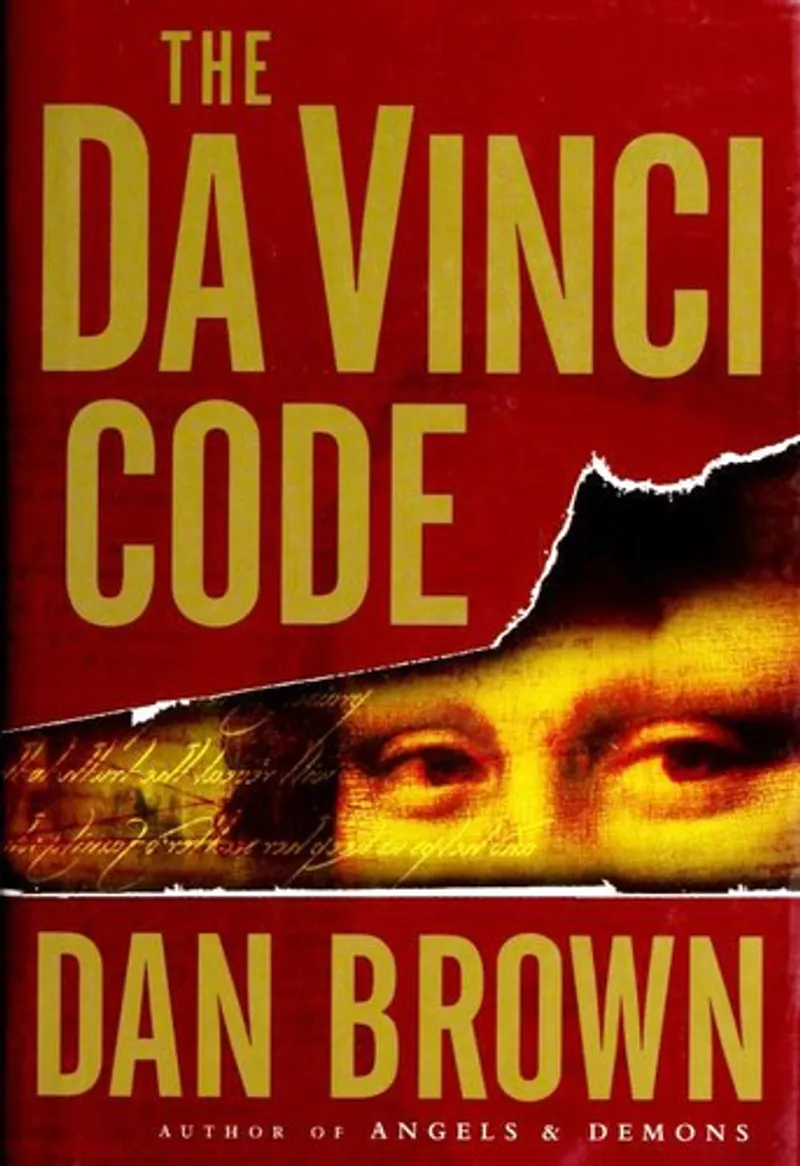
The Da Vinci Code Author: Dan BrownPage Count: UnknownPublication Date: 2003-OL In "The Da Vinci Code", Dan Brown masterfully weaves a complex web of intrigue, deception, and historical mystery, leaving readers on the edge of their seats. Published in 2003, this thriller follows the journey of symbologist Robert Langdon and cryptologist Sophie Neveu as they unravel the threads of a centuries-old conspiracy. At its core, "The Da Vinci Code" is a thought-provoking exploration of the intersection of faith, history, and power. Brown skillfully challenges conventional notions of Christianity, presenting a radical alternative narrative that is both captivating and unsettling. The possibility of Jesus Christ and Mary Magdalene having had a child together is a notion that has been debated by scholars and theologians for centuries, and Brown's treatment of this theme is both respectful and incendiary. One of the standout features of "The Da Vinci Code" is Brown's meticulous research and attention to detail. The novel is replete with historical references, cryptic symbols, and esoteric allusions that add depth and complexity to the narrative. Brown's writing style is engaging and accessible, making the book an enjoyable read for both scholars and laymen. The characters of Robert Langdon and Sophie Neveu are well-developed and relatable, with distinct personalities and motivations that drive the plot forward. Langdon's expertise in symbology and Neveu's skills in cryptography make them a formidable team, and their interactions are often witty and engaging. The pacing of the novel is expertly managed, with a steady stream of twists and turns that keep the reader guessing. Brown's use of suspense and tension is masterful, creating a sense of urgency that propels the narrative forward. One of the most striking aspects of "The Da Vinci Code" is its exploration of the tension between faith and reason. Brown raises important questions about the nature of truth and the role of religion in society, and his treatment of these themes is both nuanced and thought-provoking. In conclusion, "The Da Vinci Code" is a gripping and thought-provoking thriller that is sure to appeal to fans of mystery, history, and suspense. Brown's masterful storytelling, meticulous research, and engaging characters make this novel a must-read for anyone looking for a compelling and intellectually stimulating experience. #TheDaVinciCode #DanBrown #HistoricalMystery #Christianity #ConspiracyThriller #SymbolismAndSecrets Related InsightsThen She Was Gone Book Review and Summary Cutting for Stone Book Review and Summary Giver of Stars Book Review and Summary{ "@context": "https://schema.org", "@type": "FAQPage", "mainEntity": [ { "@type": "Question", "name": "What is the main focus of The Da Vinci Code Book Review and Summary?", "acceptedAnswer": { "@type": "Answer", "text": "Everything you need to know about The Da Vinci Code with our detailed review." } }, { "@type": "Question", "name": "Who authored the comprehensive guide on The Da Vinci Code Book Review and Summary?", "acceptedAnswer": { "@type": "Answer", "text": "This detailed article and its insights were carefully researched and authored by Maximilian Fischer." } }, { "@type": "Question", "name": "Where can I find more related content about Books?", "acceptedAnswer": { "@type": "Answer", "text": "You can explore more articles, detailed reviews, and similar insights by browsing the Related Insights section at the bottom of this article or visiting our dedicated Books category page." } } ] }
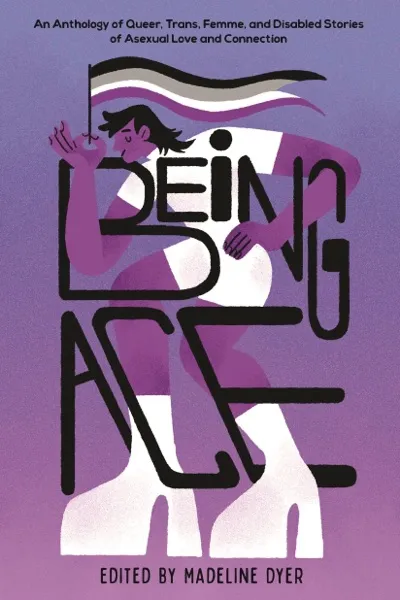
Being Ace Author: Madeline DyerPage Count: UnknownPublication Year: 2023-GB As a book reviewer, I have had the pleasure of reading many remarkable novels, but none have left an indelible mark on my psyche quite like Madeline Dyer's Being Ace. This global bestseller, published in 2023, has taken the literary world by storm, and for good reason. Dyer's masterful handling of the complex and often misunderstood theme of asexuality is nothing short of breathtaking. From the onset, it is clear that Dyer has poured her heart and soul into crafting a narrative that not only resonates with the asexual community but also educates and enlightens readers who may be unfamiliar with the nuances of asexuality. Her writing style is characterized by a unique blend of introspection, wit, and vulnerability, making it easy to become fully immersed in the world she has created. One of the most striking aspects of Being Ace is its ability to tackle difficult topics with sensitivity and nuance. Dyer's characters are multidimensional and relatable, each with their own distinct voice and struggles. The author's use of language is evocative and expressive, conveying the inner turmoil and emotional depth of her characters with remarkable precision. What sets Being Ace apart from other novels is its unflinching commitment to representation and authenticity. Dyer's portrayal of asexuality is neither sanitized nor sensationalized, but rather presented in all its complexity and beauty. The novel is a powerful exploration of identity, community, and acceptance, and it is clear that Dyer has drawn heavily from her own experiences and those of others in the asexual community. Throughout the book, Dyer's writing is infused with a sense of passion and urgency, reflecting her deep dedication to promoting understanding and acceptance of asexuality. Her words are a testament to the power of storytelling to challenge societal norms and foster empathy, and it is clear that Being Ace has the potential to be a game-changer in the literary world. In conclusion, Being Ace is a triumph of contemporary literature, a novel that will resonate with readers long after they finish the final page. Madeline Dyer's masterful storytelling, coupled with her unwavering commitment to representation and authenticity, make this book an absolute must-read. Whether you are a member of the asexual community or simply looking to expand your understanding of human experience, Being Ace is a novel that will leave you changed forever. #AsexualityAwareness #AsexualRepresentationMatters #BeingAce #MadelineDyer #LGBTQLiterature #AsexualPride Related InsightsNever Say War: Life in Russia Today Book Review and Summary Heartstopper Yearbook Book Review and Summary Please Enjoy Your Stay Book Review and Summary{ "@context": "https://schema.org", "@type": "FAQPage", "mainEntity": [ { "@type": "Question", "name": "What is the main focus of Being Ace Book Review and Summary?", "acceptedAnswer": { "@type": "Answer", "text": "Everything you need to know about Being Ace with our detailed review." } }, { "@type": "Question", "name": "Who authored the comprehensive guide on Being Ace Book Review and Summary?", "acceptedAnswer": { "@type": "Answer", "text": "This detailed article and its insights were carefully researched and authored by Maximilian Fischer." } }, { "@type": "Question", "name": "Where can I find more related content about Books?", "acceptedAnswer": { "@type": "Answer", "text": "You can explore more articles, detailed reviews, and similar insights by browsing the Related Insights section at the bottom of this article or visiting our dedicated Books category page." } } ] }
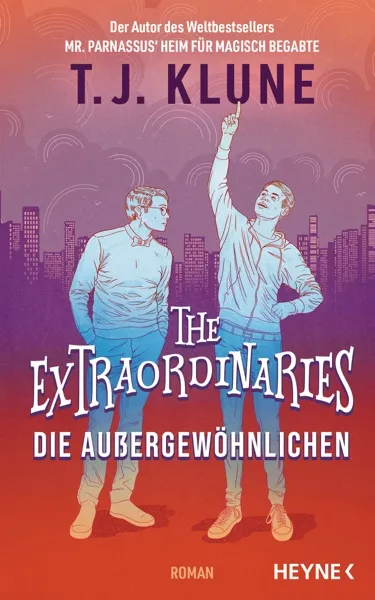
The Extraordinaries Author: T. J. KlunePage Count: UnknownPublication Year: 2019-GB T.J. Klune’s The Extraordinaries is a glittering, heartfelt love letter to fandom, queer joy, and the transformative power of being unapologetically yourself. Published in 2019, this novel swiftly vaulted to global bestseller status, not just because of its effervescent charm, but because it taps into something deeply human: the way stories—whether as fan fiction, comic books, or personal narratives—shape our identities and give us the courage to shine. At its core, The Extraordinaries is a romance, but one wrapped in layers of meta-commentary, humor, and superhero absurdity. The protagonist, Nick Bell, is a neurodivergent, chronically ill, and openly gay young man who spends his days writing fan fiction about Nova City’s most beloved superhero, the Extraordinaries’ very own Shadow Star. Nick’s life isn’t easy—he struggles with anxiety, chronic pain, and the weight of familial neglect—but his online fandom gives him purpose, creativity, and a community that understands him. When he stumbles upon a real-life mystery involving Shadow Star, Nick’s meticulous, obsessive nature turns from writing fanfiction into full-blown detective work, blurring the line between fiction and reality in a way that feels both thrilling and deeply personal. Klune’s writing style is the beating heart of this novel. His prose is warm, witty, and imbued with a kind of conversational intimacy that makes you feel as though you’re sitting across from a friend who’s just discovered an inside joke. The dialogue crackles with humor and authenticity, especially in Nick’s interactions with his found family—his best friend, Seth, a gentle giant with a heart of gold; his father, a gruff but loving man who’s slowly learning to accept Nick’s true self; and the dazzling ensemble of supporting characters who orbit Nick’s life like constellations. Klune excels at crafting characters who feel real, flawed, and endearing, even when they’re outrageous. Shadow Star himself, for instance, is less a flawless hero and more a chaotic, emotionally stunted ball of stardust—a refreshing deconstruction of the superhero archetype. What makes The Extraordinaries truly special, however, is its celebration of queer identity and neurodivergence. Nick’s journey isn’t just about solving a mystery or falling in love; it’s about embracing his authentic self without apology. His neurodivergence isn’t treated as a hurdle to overcome but as part of what makes him brilliant and unique. His chronic illness is acknowledged with tenderness, never romanticized but also never dismissed as insurmountable. Klune writes with a rare sensitivity, ensuring that Nick’s struggles are met with both realism and hope. The romance that unfolds is tender, slow-burn, and deeply satisfying, rooted in mutual respect and shared vulnerability rather than grand gestures or toxic tropes. The novel’s structure is playful, mirroring Nick’s fanfiction habits. Chapters often begin with epigraphs from Nick’s fictional stories, blurring the lines between his inner world and reality. This meta-narrative approach isn’t just stylistic flair—it’s a celebration of fandom itself, a reminder that stories have the power to shape lives, inspire change, and give permission to be who you are. Klune’s love for the genre shines through, making The Extraordinaries as much a story about the magic of storytelling as it is a love story. If there’s a criticism to be made, it’s that the plot occasionally meanders, relying more on character charm and humor than tight pacing. But this is a minor quibble in a book that prioritizes heart and authenticity over rigid structure. The Extraordinaries isn’t just a feel-good novel—it’s a feel-everything novel. It makes you laugh, cringe, ache, and cheer, often within the span of a single page. It’s a story that reminds you that being extraordinary isn’t about having superpowers; it’s about embracing your quirks, your passions, and your truth. In a world that often demands conformity, The Extraordinaries is a gentle rebellion. It’s a book that says: your obsessions are valid, your feelings matter, and you are worthy of love exactly as you are. Klune’s masterful blend of humor, heart, and sincerity makes this novel a modern classic of queer romance and fandom culture—a book to cherish, reread, and recommend to anyone who’s ever felt like an outsider looking in. #TheExtraordinaries #TJKlune #QueerRomance #FanfictionLove #NeurodivergentHero #LGBTQReads Related InsightsInfinite Jest Book Review and Summary Finlay Donovan Jumps the Gun Book Review and Summary Fury in Death (In Death, #63) Book Review and Summary{ "@context": "https://schema.org", "@type": "FAQPage", "mainEntity": [ { "@type": "Question", "name": "What is the main focus of The Extraordinaries Book Review and Summary?", "acceptedAnswer": { "@type": "Answer", "text": "Everything you need to know about The Extraordinaries with our detailed review." } }, { "@type": "Question", "name": "Who authored the comprehensive guide on The Extraordinaries Book Review and Summary?", "acceptedAnswer": { "@type": "Answer", "text": "This detailed article and its insights were carefully researched and authored by Maximilian Fischer." } }, { "@type": "Question", "name": "Where can I find more related content about Books?", "acceptedAnswer": { "@type": "Answer", "text": "You can explore more articles, detailed reviews, and similar insights by browsing the Related Insights section at the bottom of this article or visiting our dedicated Books category page." } } ] }
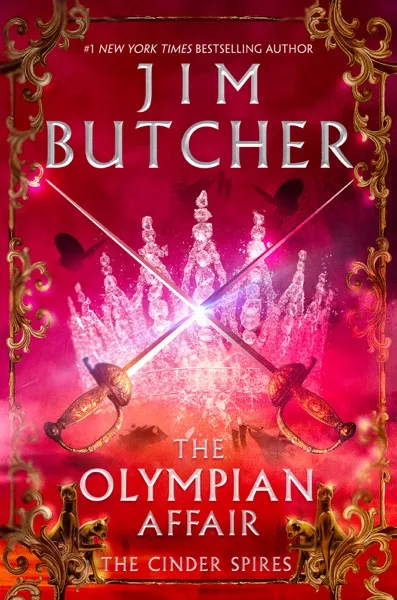
The Olympian Affair Author: Jim ButcherPage Count: UnknownPublication Year: 2023-GB The Olympian Affair by Jim Butcher is a thunderbolt of a novel, a story where the gods of Olympus don’t just walk among mortals—they meddle, manipulate, and occasionally get their divine backsides handed to them. Butcher, the master of urban fantasy, returns with a tale that blends myth with modern-day chaos, delivering a narrative that crackles with wit, high-stakes action, and the kind of razor-sharp dialogue that only he can craft. If you’ve ever wondered what would happen if Zeus decided to throw a temper tantrum in the middle of Chicago, or if Hera decided to settle a score by turning a city block into a labyrinth, then buckle up—this book is your answer. At its core, The Olympian Affair is a story about legacy, power, and the messy business of gods trying—and often failing—to play by mortal rules. The Greek pantheon isn’t just a backdrop here; it’s a dysfunctional family dynasty, and Butcher treats them with the kind of irreverent yet respectful tone that fans of his Dresden Files series will recognize. Zeus isn’t just a thunder-wielding tyrant—he’s a man (or god) trying to hold onto relevance in a world that’s moved on. Athena isn’t just a goddess of wisdom—she’s a strategist playing a long game, while Ares is the kind of hot-headed warlord you’d expect, blustering through battles without a plan beyond “smash first, ask questions never.” Butcher’s genius lies in making these mythological figures feel both larger than life and deeply human, their flaws and ambitions driving the plot in ways that feel fresh and unpredictable. The book’s central conflict revolves around a conspiracy within the pantheon—a plot that threatens to unravel the delicate balance of power among the gods. Harry Dresden, Butcher’s iconic protagonist, finds himself caught in the middle, not just as a detective but as a pawn in a game where the stakes are nothing less than the future of magic itself. The Dresden we know—the snarky, stubborn, heart-of-gold sorcerer—is front and center, but here he’s forced to navigate a world where the rules are written in lightning bolts and divine whims. The contrast between Harry’s grounded, often grumbling perspective and the godly chaos around him is where Butcher’s storytelling shines. The dialogue crackles with the kind of banter that’s become a signature of the series, but the stakes are higher than ever, making every quip land with more weight. Butcher’s prose is as tight as ever—lean, muscular, and packed with energy. He doesn’t waste words on unnecessary exposition; instead, he drops the reader into the action and lets the world unfold through Harry’s eyes. The action sequences are kinetic, with Butcher’s signature blend of tactical combat and magical showmanship making every fight feel visceral and unpredictable. Whether it’s a chase through the streets of Chicago or a battle in the halls of Olympus itself, the pacing never lags, and the stakes always feel sky-high. What makes The Olympian Affair stand out, even in Butcher’s already stellar bibliography, is its willingness to play with the mythological source material while still respecting its roots. Butcher doesn’t just borrow from Greek mythology—he remixes it, adding his own twists and turns that make the familiar feel new. The gods here aren’t just caricatures; they’re flawed, complex entities grappling with their own legacies. Zeus isn’t just a one-dimensional thunder god—he’s a ruler trying to maintain order in a world that’s increasingly indifferent to his decrees. Athena isn’t just a goddess of wisdom—she’s a strategist who understands that power isn’t just about strength, but about influence and manipulation. The book also excels in its world-building, seamlessly blending the modern world with the divine. Butcher’s Chicago is as much a character as any of the gods, a city where the supernatural lurks just beneath the surface, and where mortal lives intersect with immortal schemes. The magic system, as always with Butcher, is well-defined and creatively integrated into the plot, making the supernatural elements feel organic rather than tacked-on. At its heart, The Olympian Affair is a story about choice and consequence. The gods may be immortal, but their actions have ripple effects that touch the lives of mortals in profound ways. Harry Dresden, as ever, serves as the moral compass of the story, reminding both the gods and the reader that power comes with responsibility—and that no one, no matter how divine, is above the consequences of their actions. If The Olympian Affair has any weakness, it’s that it assumes a certain familiarity with Harry Dresden’s world and his established relationships. Newcomers to the series might find themselves slightly lost in the web of recurring characters and past events. But for fans of Butcher’s work, this is a welcome return to a world they know and love, with fresh threats and higher stakes. In the end, The Olympian Affair is a triumph of urban fantasy—smart, fast-paced, and packed with the kind of larger-than-life characters and high-stakes adventure that Butcher does better than almost anyone. It’s a book that will leave you breathless, laughing, and eager for the next installment. #JimButcher #OlympianAffair #HarryDresden #UrbanFantasy #GreekMythology #FantasyBooks Related InsightsWind and Truth Book Review and Summary Dandelion Wine Book Review and Summary A Psalm for Lost Girls Book Review and Summary{ "@context": "https://schema.org", "@type": "FAQPage", "mainEntity": [ { "@type": "Question", "name": "What is the main focus of The Olympian Affair Book Review and Summary?", "acceptedAnswer": { "@type": "Answer", "text": "Everything you need to know about The Olympian Affair with our detailed review." } }, { "@type": "Question", "name": "Who authored the comprehensive guide on The Olympian Affair Book Review and Summary?", "acceptedAnswer": { "@type": "Answer", "text": "This detailed article and its insights were carefully researched and authored by Maximilian Fischer." } }, { "@type": "Question", "name": "Where can I find more related content about Books?", "acceptedAnswer": { "@type": "Answer", "text": "You can explore more articles, detailed reviews, and similar insights by browsing the Related Insights section at the bottom of this article or visiting our dedicated Books category page." } } ] }
- Maximilian Fischer
- 12 May, 2025 15:22
Sharpe's Storm (the Sharpe Series, Book 19) Book Review and Summary
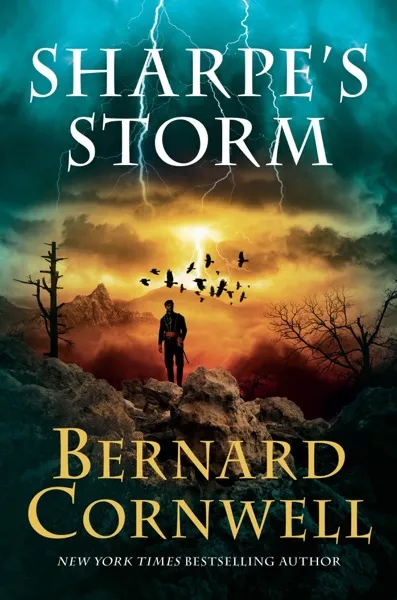
Sharpe's Storm (the Sharpe Series, Book 19) Author: Bernard CornwellPage Count: UnknownPublication Year: 2024-GB Sharpe’s Storm: A Masterclass in Military Fiction Bernard Cornwell’s Sharpe’s Storm, the 19th installment in his legendary Sharpe Series, is a triumph of historical fiction—a book that cements Sharpe’s place as one of literature’s most enduring military heroes. Published in 2024, this novel arrives with the weight of expectation, not just as a continuation of a beloved saga but as a testament to Cornwell’s unmatched ability to blend gritty realism with swashbuckling adventure. With Sharpe now in his later years, the book explores themes of legacy, redemption, and the relentless march of history, all wrapped in the unmistakable Cornwell touch: relentless action, sharp dialogue, and a historian’s eye for detail. At its core, Sharpe’s Storm is a tale of war’s cruel ironies. Set against the backdrop of the Peninsular War—a conflict Cornwell has mastered across decades—the novel follows a now-elderly Richard Sharpe as he navigates the shifting sands of command, loyalty, and personal demons. The title itself is a metaphor: storms are both literal and figurative, washing over battlefields and lives alike. Cornwell uses this motif to great effect, juxtaposing the chaos of war with Sharpe’s internal struggle to remain relevant in an era that no longer needs his kind of soldier. What makes this book stand out is not just its adherence to Sharpe’s established character but its willingness to challenge him. The Sharpe of old was a rough-hewn survivor, a man who clawed his way up from the ranks to earn his officer’s commission. Now, decades later, he faces a different kind of battle—not just against the French but against irrelevance. Cornwell doesn’t shy away from Sharpe’s vulnerabilities; his age is a constant presence, his body aching, his reflexes slower. Yet, his strategic mind remains razor-sharp, proving that true leadership is as much about wisdom as it is about courage. This evolution is what makes Sharpe’s Storm more than just another war story—it’s a meditation on what it means to age in a world that values youth and innovation above all else. Cornwell’s prose remains as crisp and vivid as ever. His battle scenes are visceral, placing the reader right in the mud and blood of the fray. Whether it’s the thunderous artillery barrages or the intimate, desperate fights in close quarters, the action feels immediate and brutal. Yet, what sets Cornwell apart is his ability to balance spectacle with intimacy. Sharpe’s relationships—with his men, his superiors, and his past—are just as compelling as the battlefield itself. The dialogue crackles with authenticity, whether Sharpe is trading barbs with his old nemesis, Sergeant Major Hagman, or reflecting on his long-lost son. Cornwell’s research shines through in the period details, from the clatter of muskets to the political maneuvering of Wellington’s headquarters, but it never feels like a history lesson. It simply is—the way life was for those who fought. One of the novel’s most compelling threads is Sharpe’s reckoning with his past. The series has always been about redemption, but Sharpe’s Storm pushes deeper, asking whether a man can ever truly outrun his sins. Sharpe’s relationships with his estranged family, particularly his son, are fraught with tension, and Cornwell handles these moments with a deft touch, avoiding melodrama in favor of quiet, painful realism. There’s a sense that Sharpe, now a legend in his own right, is acutely aware of how history will remember him—and whether it will remember him at all. It’s a poignant contrast to the younger Sharpe, who fought more for survival than legacy. The supporting cast is, as always, stellar. From the ever-loyal Harper to the cunning and ambitious Captain Lavisser, Cornwell’s secondary characters are fully realized, each playing a role in Sharpe’s final chapter. Wellington himself looms large, a figure as much admired as despised, and Cornwell captures his icy, calculating nature perfectly. Even minor characters feel like real people, their fates intertwined with Sharpe’s in ways that heighten the stakes. If there’s a criticism to be leveled, it’s that Sharpe’s Storm might feel slightly different to longtime fans. Sharpe is no longer the brash young officer making his name; he’s a man looking back, and the story reflects that introspection. Some may miss the raw energy of the early books, but this is a necessary evolution. Sharpe’s journey has always been about more than just battles—it’s about the man behind the sword, and Sharpe’s Storm delivers that in spades. In the end, Sharpe’s Storm is a fitting capstone to a monumental series. It’s a story about the cost of war, the burden of leadership, and the inescapable passage of time. Bernard Cornwell has given us not just another Sharpe adventure, but a nuanced, emotionally resonant conclusion to a saga that has defined military fiction for generations. Sharpe may be older now, but his fire hasn’t dimmed—and neither has Cornwell’s skill. #SharpeSeries #BernardCornwell #MilitaryFiction #HistoricalFiction #PeninsularWar #RichardSharpe Related InsightsExotic Amphibians and Reptiles of the United States Book Review and Summary The Girl Who Played with Fire Book Review and Summary Desert Star Book Review and Summary{ "@context": "https://schema.org", "@type": "FAQPage", "mainEntity": [ { "@type": "Question", "name": "What is the main focus of Sharpe's Storm (the Sharpe Series, Book 19) Book Review and Summary?", "acceptedAnswer": { "@type": "Answer", "text": "Everything you need to know about Sharpe's Storm (the Sharpe Series, Book 19) with our detailed review." } }, { "@type": "Question", "name": "Who authored the comprehensive guide on Sharpe's Storm (the Sharpe Series, Book 19) Book Review and Summary?", "acceptedAnswer": { "@type": "Answer", "text": "This detailed article and its insights were carefully researched and authored by Maximilian Fischer." } }, { "@type": "Question", "name": "Where can I find more related content about Books?", "acceptedAnswer": { "@type": "Answer", "text": "You can explore more articles, detailed reviews, and similar insights by browsing the Related Insights section at the bottom of this article or visiting our dedicated Books category page." } } ] }
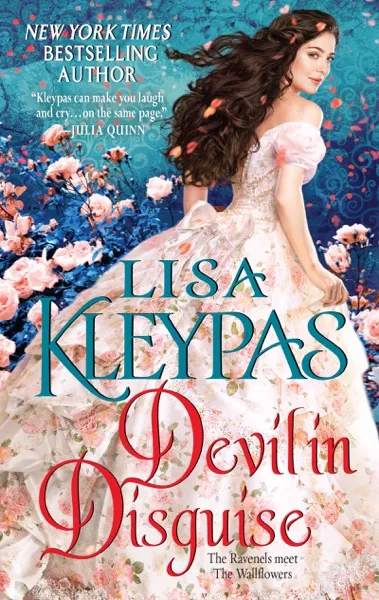
Devil in Disguise Author: Lisa KleypasPage Count: UnknownPublication Year: 2021-GB Lisa Kleypas’s Devil in Disguise is a masterclass in historical romance that proves the genre’s enduring power to enchant, provoke, and linger in the reader’s mind long after the final page. With her signature blend of sharp wit, lush sensuality, and deeply resonant emotional arcs, Kleypas weaves a tale of love, redemption, and the masks society—and people—wear to hide their true selves. Set against the backdrop of Regency-era England, this novel is less about the glittering ballrooms and more about the raw, unvarnished truths that lie beneath polished facades—a theme that feels as timeless as it is timely. At its core, Devil in Disguise is a story about reinvention and the courage to shed the roles imposed upon us. The protagonist, Elizabeth Hoyt—now a widow after a tragically short marriage—finds herself navigating a world that no longer has a predefined place for her. Society expects her to remarry quickly, to become someone else’s ornament again. But Elizabeth, though bruised by loss, refuses to be defined by others’ expectations. She’s a woman who has tasted freedom, even briefly, and now resists the cage of conventional femininity. Into her world steps Rhys Winterborne, a self-made entrepreneur with a sharp mind and a reputation for ruthlessness. Their initial encounters are charged with friction—Elizabeth, wary of men’s motives, and Rhys, whose own past is shrouded in mystery and scandal. Theirs is not a love story that unfolds in a single, swooning moment, but one that grows from mutual challenge, from the slow, hard work of trust. Kleypas excels at exploring the complexities of desire and power within relationships, and Devil in Disguise is no exception. Rhys is not a traditional hero; he’s not a duke or a rake with a heart of gold. He’s a tradesman—ostracized by the aristocracy—who has clawed his way to respectability through sheer intelligence and grit. His relationship with Elizabeth challenges both of them to confront their prejudices: hers against the lower classes, his against the frivolity of the ton. Their romance isn’t built on fairy-tale illusions but on the foundation of shared growth and hard-won respect. It’s this authenticity that makes their connection so compelling. What sets Kleypas apart as a writer is her ability to balance humor and heartache with effortless grace. Her dialogue crackles with intelligence and authenticity, filled with banter that never feels forced or clichéd. Whether it’s a cutting remark between Elizabeth and her sister-in-law or a tender exchange between her and Rhys, the language feels alive—sharp where it needs to be, tender where it matters. And beneath the sparkling surface, there’s a current of deeper emotion: the ache of loss, the fear of vulnerability, the quiet triumph of self-acceptance. Elizabeth is a heroine who resonates because she’s not perfect—she’s flawed, sometimes stubborn, and prone to mistakes. She’s a woman who has loved and lost, who has been both victim and survivor. Her journey isn’t about finding a man to complete her, but about reclaiming her sense of self. That’s a refreshing and empowering message in any era, let alone one as rigid as Regency England. Kleypas also shines in her portrayal of class dynamics, a theme woven seamlessly into the narrative. Rhys’s status as a “self-made” man isn’t just a plot device—it’s a central tension. His wealth doesn’t grant him entry into high society; his origins doom him to perpetual suspicion. Elizabeth’s struggle mirrors his in unexpected ways. As a widow, she’s no longer fully accepted by either the married or unmarried set. Both characters exist in liminal spaces, caught between worlds, and their union becomes a quiet rebellion against the rigid structures that seek to control them. The emotional payoff in Devil in Disguise is earned. The novel doesn’t rush toward a predictable happily-ever-after. Instead, it allows the characters—and the reader—to sit with uncertainty, to feel the weight of their choices. When the final threads of their lives come together, it’s not with fireworks, but with quiet, profound relief. Love, Kleypas seems to say, isn’t about grand gestures—it’s about seeing someone fully, scars and all, and choosing them anyway. Lisa Kleypas’s prose is a balm for the soul—elegant without being pretentious, sensual without being gratuitous. She understands that romance isn’t just about passion; it’s about the quiet moments that build intimacy. A shared glance across a crowded room. A hand brushing against another in passing. A whispered confession in the dead of night. These are the details that linger. Devil in Disguise is a novel that lingers too. It lingers in the mind like a half-remembered dream—vivid, warm, and a little bit haunting. It’s a tale of masks dropped, of souls bared, and of love that doesn’t just bloom in the perfect moment, but grows through the cracks in the pavement of life. If you’re a fan of historical romance that doesn’t shy away from complexity, that celebrates intelligence as much as beauty, and that believes love is worth fighting for—even when the world says no—then this book is for you. #DevilInDisguise #LisaKleypas #RegencyRomance #HistoricalRomance #RomanceBooks #BookRecommendation Related InsightsThe Five People You Meet in Heaven Book Review and Summary Between Shades of Gray Book Review and Summary Defy Me (Shatter Me) Book Review and Summary{ "@context": "https://schema.org", "@type": "FAQPage", "mainEntity": [ { "@type": "Question", "name": "What is the main focus of Devil in Disguise Book Review and Summary?", "acceptedAnswer": { "@type": "Answer", "text": "Everything you need to know about Devil in Disguise with our detailed review." } }, { "@type": "Question", "name": "Who authored the comprehensive guide on Devil in Disguise Book Review and Summary?", "acceptedAnswer": { "@type": "Answer", "text": "This detailed article and its insights were carefully researched and authored by Maximilian Fischer." } }, { "@type": "Question", "name": "Where can I find more related content about Books?", "acceptedAnswer": { "@type": "Answer", "text": "You can explore more articles, detailed reviews, and similar insights by browsing the Related Insights section at the bottom of this article or visiting our dedicated Books category page." } } ] }
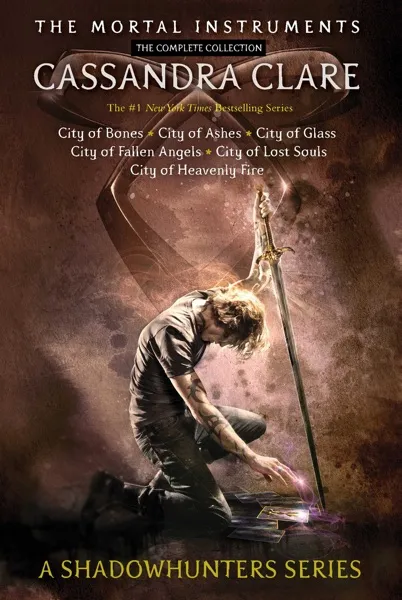
The Mortal Instruments Author: Cassandra ClarePage Count: UnknownPublication Year: 2023-GB Shadows, Swords, and Supernatural Secrets: Cassandra Clare’s The Mortal Instruments Still Casts Its Spell There’s something almost mythic about The Mortal Instruments—a series that doesn’t just tell a story but immerses you in a world where demons lurk in the corners of modern cities, angels walk among us in disguise, and love is as perilous as any blade. Cassandra Clare’s 2023 reimagining of her 2007 breakout hit isn’t just a revival; it’s a resurrection of a fantasy that never truly faded. With its razor-sharp wit, relentless pacing, and characters who feel like old friends (or frenemies) by the end of the first chapter, this book proves that some stories are timeless for a reason. At its core, The Mortal Instruments is a tale of duality—the sacred and the profane, duty and desire, light and the shadows that cling to it. The central theme is identity, both personal and supernatural. The protagonist, Clary Fray, is a seemingly ordinary teenager until she discovers she’s not just a mundane girl but the daughter of a Shadowhunter, a secret race of warriors who police the world of demons and fallen angels. This revelation forces her to confront not only her own hidden heritage but the fractured loyalties of the people around her. Clare excels at exploring how power reshapes relationships—how a kiss can be a weapon, a betrayal, or a lifeline, and how the bonds of family (biological or chosen) can be both a shield and a cage. What makes this series so enduring isn’t just its high-stakes action or its lush world-building—it’s Clare’s razor-sharp dialogue and her ability to blend humor with heartbreak. Her prose is snappy, almost cinematic, with a dialogue that crackles with sarcasm, flirtation, and the kind of banter that makes you groan and grin in the same breath. The banter between Clary and her best friend Simon, for instance, is a masterclass in platonic chemistry—equal parts loyal and exasperating, with a dry humor that cuts through the darkness. Meanwhile, the romantic entanglements—particularly the love triangle that defines much of the first book—are handled with a deft touch, avoiding the pitfalls of melodrama while still making the stakes feel desperately real. Clare’s world-building is another standout. The Shadow World, a hidden dimension of vampires, werewolves, warlocks, and angels, is vividly realized, with its own politics, slang, and history. Yet what’s most impressive is how she grounds this supernatural realm in the familiar. The story unfolds in New York City, a place teeming with hidden magic but also with the grit and grime of real urban life. The contrast between the neon-lit streets and the seedy underbelly of demon trafficking is what makes the world feel alive. Clare doesn’t just drop her characters into a fantastical playground; she makes the stakes personal by tying them to real-world emotions—fear of abandonment, the struggle for acceptance, the terror of losing someone you love. One of the most compelling aspects of The Mortal Instruments is its exploration of what it means to be “chosen.” Clary, like many protagonists in YA fantasy, is thrust into a role she never asked for, but Clare doesn’t shy away from the psychological toll of destiny. The series asks: Is it better to know your purpose, even if it’s dangerous, or to live in ignorance, blissfully unaware? The answer isn’t simple, and that ambiguity gives the story its depth. The villains, too, are morally complex—not just mustache-twirling evildoers but characters whose pain and anger make them compelling, even sympathetic. Clare’s style is deceptive in its simplicity. She writes in a way that feels effortless, as if the story is pouring out of her, but behind the scenes, there’s a masterful control of pacing and tension. The action sequences are visceral without being gratuitous, and the emotional beats land with precision. She’s also unafraid to kill off characters, which adds a layer of unpredictability that keeps readers on their toes. By the final pages of City of Bones (the first book in the series), you’ll be left breathless, desperate to know what happens next—not because the plot demands it, but because you’ve become so invested in these characters that their fates matter to you. If there’s a critique to be made, it’s that the series occasionally leans too heavily on tropes—the brooding love interest, the “chosen one” narrative, the love triangle that feels like it’s holding the story back. But Clare’s strength lies in her ability to transcend these clichés by infusing them with fresh energy. The romance, for all its drama, never overshadows the deeper themes of family and self-discovery. And while the original trilogy has its flaws, the later books in the series expand the lore in fascinating ways, proving that Clare’s imagination only grows richer with time. The Mortal Instruments is more than just a vampire romance or a demon-slaying adventure—it’s a story about finding your place in a world that doesn’t always make sense. It’s about the scars we carry, the people who help us heal them, and the battles we fight not just against external foes, but within ourselves. Cassandra Clare doesn’t just write fantasy; she crafts a universe that feels as real as the one outside your window, complete with its own rules, its own heartaches, and its own brand of magic. If you’ve never read The Mortal Instruments, now is the perfect time to dive in. And if you’re returning to the Shadow World after years away? Prepare to fall in love all over again. #Shadowhunters #ClaryFray #JaceWayland #CassandraClare #FantasyBooks #YAReads Related InsightsLost in the Moment and Found Book Review and Summary Too Uncool for School Book Review and Summary Fleet of Ghosts Book Review and Summary{ "@context": "https://schema.org", "@type": "FAQPage", "mainEntity": [ { "@type": "Question", "name": "What is the main focus of The Mortal Instruments Book Review and Summary?", "acceptedAnswer": { "@type": "Answer", "text": "Everything you need to know about The Mortal Instruments with our detailed review." } }, { "@type": "Question", "name": "Who authored the comprehensive guide on The Mortal Instruments Book Review and Summary?", "acceptedAnswer": { "@type": "Answer", "text": "This detailed article and its insights were carefully researched and authored by Maximilian Fischer." } }, { "@type": "Question", "name": "Where can I find more related content about Books?", "acceptedAnswer": { "@type": "Answer", "text": "You can explore more articles, detailed reviews, and similar insights by browsing the Related Insights section at the bottom of this article or visiting our dedicated Books category page." } } ] }
Black Officer, White Navy Author: Reuben Keith GreenPage Count: UnknownPublication Year: 2024-GB Black Officer, White Navy: A Riveting Examination of Racism and Resilience in the Military Reuben Keith Green’s Black Officer, White Navy is not just another military memoir—it is a raw, unflinching confrontation with systemic racism within one of the world’s most revered institutions. Published in 2024, this book has already garnered critical acclaim as a global bestseller, and for good reason. Green, a Black naval officer, crafts a narrative that is as deeply personal as it is universally relevant, exposing the insidious ways prejudice shapes not just careers, but lives. At its core, Black Officer, White Navy explores the paradox of a navy that prides itself on discipline, honor, and brotherhood while systematically marginalizing those who don’t fit the mold of the "ideal" officer. Green’s account is a meticulously detailed chronicle of his own experiences, but it transcends autobiography, becoming a searing indictment of institutional racism. Through vivid storytelling and sharp analysis, he dissects the subtle and overt ways bias operates in the military—from casual microaggressions to outright discrimination in promotions and assignments. What makes Green’s work stand out is his refusal to shy away from uncomfortable truths. He doesn’t just document his struggles; he interrogates them. His prose is direct, devoid of sentimentality, yet laced with a quiet fury that makes the book impossible to put down. There’s a clinical precision to his recollections—dates, names, and incidents are recalled with the clarity of someone who has spent years dissecting his own trauma. Yet, there’s also an undercurrent of hope, a testament to his resilience and the rare allies he encounters along the way. Green’s style is both journalistic and literary. He blends military terminology with accessible language, ensuring the book resonates with both military personnel and general readers. His descriptions of naval life—whether it’s the claustrophobic confines of a submarine or the unspoken hierarchies of a warship—are so vivid that readers will feel like they’re standing on the deck alongside him. Yet, it’s his unflinching honesty about race that lingers longest. He doesn’t just tell his story; he forces the reader to confront uncomfortable questions: How much of his career was shaped by his race? How many opportunities were denied to him because of the color of his skin? The book’s strength lies in its specificity. Green doesn’t generalize; he names names, cites policies, and references historical events to situate his experiences within a broader context. This makes Black Officer, White Navy more than just a memoir—it’s a historical document, a call to action, and a challenge to the status quo. His critique of the navy’s institutional culture is damning but fair, rooted in his deep understanding of military systems. One of the most compelling aspects of the book is Green’s exploration of the psychological toll of racism in the military. He doesn’t just describe the slights; he delves into the emotional and mental health consequences of working in an environment where you’re constantly made to feel like an outsider. His honesty about his own battles with depression and self-doubt adds a layer of vulnerability that makes the book all the more relatable. It’s a reminder that racism isn’t just a professional obstacle—it’s a personal one. For readers who might dismiss this as just another "race in the military" book, Green’s narrative offers something far more nuanced. He doesn’t just rail against the system; he examines the complexities of navigating it. There are moments of camaraderie, moments of betrayal, and moments where he questions whether he even belongs in an institution that seems designed to exclude him. His story is a microcosm of the Black experience in majority-white spaces—a delicate balance between assimilation and resistance. Black Officer, White Navy is a book that demands to be read, discussed, and reckoned with. It’s a wake-up call for institutions that claim to value meritocracy but are riddled with systemic bias. Green’s voice is a necessary addition to the conversation on race and power, and his story is one that will resonate far beyond the confines of the naval service. If you’re looking for a book that challenges your perspective, forces you to confront uncomfortable truths, and leaves you with a renewed sense of urgency about justice, then Black Officer, White Navy is essential reading. #BlackOfficerWhiteNavy #MilitaryRacism #SystemicBias #BlackInTheMilitary #ReubenKeithGreen #NavyMemoir Related InsightsDer Verborgene Kosmos am Buchschnitt: Eine Reise in die Welt der Fore-edge Paintings The House Built on Alligator Bones Book Review and Summary If the Sun Never Sets Book Review and Summary{ "@context": "https://schema.org", "@type": "FAQPage", "mainEntity": [ { "@type": "Question", "name": "What is the main focus of Black Officer, White Navy Book Review and Summary?", "acceptedAnswer": { "@type": "Answer", "text": "Everything you need to know about Black Officer, White Navy with our detailed review." } }, { "@type": "Question", "name": "Who authored the comprehensive guide on Black Officer, White Navy Book Review and Summary?", "acceptedAnswer": { "@type": "Answer", "text": "This detailed article and its insights were carefully researched and authored by Maximilian Fischer." } }, { "@type": "Question", "name": "Where can I find more related content about Books?", "acceptedAnswer": { "@type": "Answer", "text": "You can explore more articles, detailed reviews, and similar insights by browsing the Related Insights section at the bottom of this article or visiting our dedicated Books category page." } } ] }
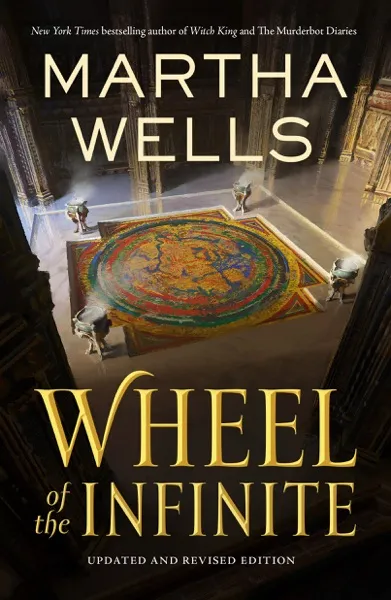
Wheel of the Infinite Author: Martha WellsPage Count: UnknownPublication Year: 2024-GB Martha Wells’ Wheel of the Infinite is a masterclass in blending ancient mysticism with high-stakes adventure, a novel that crackles with the kind of raw, untamed energy that only comes from a storyteller who understands the weight of prophecy and the fragility of fate. A global bestseller and critical darling, this book isn’t just another fantasy—it’s a reckoning, a defiant swipe across the face of inevitability. Wells, no stranger to crafting unforgettable worlds and morally complex characters, has outdone herself here, delivering a narrative that feels both timeless and urgently modern. At its core, Wheel of the Infinite is a meditation on cycles—on the way history repeats itself, on the futility of resisting destiny, and on the fragile rebellion of those who dare to break the wheel. The story follows a nameless protagonist, a wanderer marked by a cursed past and a body that refuses to stay dead, as they navigate a world where gods are as capricious as they are cruel and where the only certainty is that everything will end in fire. Wells doesn’t just tell a story about fate; she forces the reader to feel the weight of it, to watch as her characters claw at the edges of their predetermined roles, knowing all the while that the gods are watching, amused, waiting for the inevitable collapse. What makes this novel so gripping is Wells’ unparalleled ability to weave together multiple threads without ever losing the reader. The world is vast but meticulously realized, a patchwork of clashing cultures, dying magic, and gods who play dice with mortal lives. The prose is sharp, economical, yet lush with atmosphere—each sentence feels like a blade honed to precision, cutting to the heart of a scene without unnecessary flourish. There’s a brutal honesty in her writing, a refusal to romanticize power or suffering. The gods here aren’t distant figures of worship; they’re leeches, parasites who thrive on human devotion and despair, and Wells doesn’t shy away from showing just how grotesque they can be. The protagonist, our cursed wanderer, is a marvel of ambiguity. They’re not a hero in the traditional sense—far from it. They’re violent, selfish, and deeply flawed, yet their struggle to outrun their own legend makes them impossible to look away from. Wells excels at writing characters who are as broken as they are resilient, people who know they’re doomed but refuse to go quietly. The supporting cast is equally compelling, from the sharp-tongued mercenary who trades in secrets to the doomed priestess who carries the weight of a dying god within her. Each character feels fully realized, their motivations tangled in a web of duty, fear, and the desperate hope that maybe—just maybe—the wheel can be broken. The themes of the novel are as vast as they are personal. At its heart, Wheel of the Infinite asks what it means to be free in a world that has already decided your fate. It’s a question that resonates deeply in an era where so many feel trapped by forces beyond their control—whether those forces are societal, political, or cosmic. Wells doesn’t offer easy answers. Instead, she presents a world where resistance is both futile and necessary, where the only true rebellion is to keep moving forward even when the gods are laughing at you. Wells’ style is deceptive in its simplicity. She writes with a directness that belies the complexity of her themes, never over-explaining, never spelling out emotions that should be felt rather than stated. The dialogue crackles with tension, the action is visceral without being gratuitous, and the worldbuilding is so immersive you’ll forget you’re reading and not living in it. There’s a sense of inevitability in her prose, a quiet dread that builds with every chapter, making the eventual confrontation feel both thrilling and tragic. If there’s one criticism to level, it’s that the novel’s pacing can feel relentless at times—Wells doesn’t waste a single word, and some readers might find themselves needing to pause, to breathe, as the weight of the story presses down. But that’s also the novel’s strength: it refuses to let you go, dragging you through its labyrinth of gods and curses until you’re left gasping at the end, wondering how you got there and whether the wheel has truly stopped turning. Wheel of the Infinite is more than a story—it’s an experience. It’s the kind of book that lingers, that haunts you with its questions long after the last page is turned. Martha Wells has crafted a fantasy that feels mythic, a tale that could have been whispered around ancient campfires or scrawled in the margins of a dying world’s last surviving scroll. It’s a reminder that even in the darkest cycles, there’s power in defiance—and that the most dangerous thing you can do is hope. #MarthaWells #WheelOfTheInfinite #DarkFantasy #CursedProtagonist #GodsAndMortals #FantasyWithTeeth

Redeemed Author: Lauren AsherPage Count: UnknownPublication Year: 2024-GB Lauren Asher’s Redeemed isn’t just another redemption story—it’s a blazing examination of what it truly means to be saved, not just from sin but from the hollow promises of a world that offers only temporary fixes. Released in 2024 to immediate global acclaim, this novel cements Asher’s reputation as a writer unafraid to confront the raw, unpolished edges of human brokenness while still holding out the hope of transformation. At its core, Redeemed explores the tension between guilt and grace, between the chains we wear and the freedom we’re offered. The story follows Elias Voss, a disgraced theologian whose life unravels after a scandal threatens to consume his career and his faith. Once a voice of moral authority, he now faces irrelevance—until an unexpected encounter with a woman from his past forces him to confront the lies he’s told himself about redemption. Asher doesn’t just tell this story; she dissects it, peeling back layers of self-deception to reveal the hollow rituals of atonement that society mistakes for true change. What makes Redeemed stand out is Asher’s razor-sharp prose and her refusal to romanticize the journey toward healing. Her writing is both elegant and unflinching, balancing lyrical descriptions of spiritual longing with the gritty realities of human failure. She doesn’t offer easy answers. Instead, she crafts a narrative that feels like a mirror—one that reflects not just the protagonist’s flaws but the reader’s own struggles with forgiveness and self-acceptance. The prose is economical yet rich, avoiding melodrama while still delivering emotional weight. Asher’s dialogue crackles with authenticity, particularly in the charged exchanges between Elias and the enigmatic Liora, whose own past is as complicated as his. The novel’s structure mirrors its themes. Told through alternating perspectives, Redeemed weaves Elias’s introspective descent into despair with Liora’s quiet but persistent presence, a counterbalance to his self-destructive spiral. Asher doesn’t rush the story; she lets the silence speak as loudly as the words, allowing moments of stillness to underscore the urgency of change. The pacing is deliberate, almost meditative, which makes the eventual confrontations—both internal and external—feel earned rather than forced. One of the book’s most compelling strengths is its interrogation of institutional religion. Asher, who has spoken openly about her own complicated relationship with faith, doesn’t shy away from critiquing the performative nature of religious systems that demand repentance but rarely deliver real transformation. Elias’s crisis isn’t just personal; it’s theological. His journey forces him to question whether redemption is a transaction or a transformation, a label or a lived reality. Asher’s critique is subtle but piercing, never devolving into cynicism but instead offering a raw, humanist perspective on what it means to be truly saved. The novel’s climax is both heart-wrenching and redemptive, a moment where Asher’s skill as a storyteller shines brightest. Without giving too much away, the resolution doesn’t neatly tie up every loose end—but that’s the point. Life rarely does. What Redeemed offers instead is the quiet assurance that redemption isn’t about being flawless; it’s about facing the truth of who we are and still daring to believe in something greater. Lauren Asher has crafted more than just a bestseller here—she’s written a book that lingers, a story that challenges the reader to examine their own definitions of salvation. Redeemed isn’t for those who want neat resolutions or moralistic fables. It’s for anyone who’s ever stood in the wreckage of their own choices and wondered if healing is even possible. In a literary landscape crowded with surface-level inspirational tales, Asher’s work is a breath of fresh air—a novel that dares to ask the hard questions while still whispering, against all odds, that redemption is within reach. #Redeemed #LaurenAsher #RedemptionArc #FaithAndFiction #LiteraryRedemption #BookTokMustRead Related InsightsThe 100 Hats of the Cat in the Hat: A Celebration of the 100th Day of School Book Review and Summary Every Breath Book Review and Summary How to Let Go: A Memoir of Finding Peace in Endings Book Review and Summary{ "@context": "https://schema.org", "@type": "FAQPage", "mainEntity": [ { "@type": "Question", "name": "What is the main focus of Redeemed Book Review and Summary?", "acceptedAnswer": { "@type": "Answer", "text": "Everything you need to know about Redeemed with our detailed review." } }, { "@type": "Question", "name": "Who authored the comprehensive guide on Redeemed Book Review and Summary?", "acceptedAnswer": { "@type": "Answer", "text": "This detailed article and its insights were carefully researched and authored by Maximilian Fischer." } }, { "@type": "Question", "name": "Where can I find more related content about Books?", "acceptedAnswer": { "@type": "Answer", "text": "You can explore more articles, detailed reviews, and similar insights by browsing the Related Insights section at the bottom of this article or visiting our dedicated Books category page." } } ] }
Darkest King Author: Gena ShowalterPage Count: UnknownPublication Year: 2020-GB Gena Showalter’s Darkest King (2020) is a masterclass in dark fantasy romance, blending brutal stakes with searing emotional depth. As a standout entry in Showalter’s Dark Elements series, it delivers the explosive chemistry and high-stakes storytelling that have cemented her reputation as a titan of the genre. This isn’t just a tale of love and peril—it’s a descent into obsession, power, and the cost of redemption, wrapped in a narrative that’s as lyrical as it is punishing. At its core, Darkest King explores the duality of light and shadow within the human (and inhuman) soul. The novel follows a protagonist who is both hunter and prey, a warrior bound by duty yet cursed by desire. Showalter excels at crafting characters who are deeply flawed yet irresistibly compelling. The lead’s internal struggle—between duty and desire, between survival and sacrifice—mirrors the eternal conflict between order and chaos. The romance, when it arrives, isn’t just a subplot; it’s a crucible where identities are forged and broken. Showalter’s signature style shines in her ability to weave raw sensuality with heartbreaking vulnerability. There’s a grittiness to her prose that refuses to flinch from the consequences of love in a world where trust is a liability. Showalter’s world-building is equally immersive. The setting isn’t just a backdrop but a character in itself—a realm where ancient evils lurk in the corners of modern life, and where the line between monster and man blurs with terrifying ease. She balances high fantasy elements with contemporary grit, creating a universe that feels both mythic and achingly real. The stakes are never merely personal; they’re existential, threatening to unravel not just the lovers but the very fabric of their world. What truly sets Darkest King apart is Showalter’s unapologetic embrace of darkness. She doesn’t soften the blows or dilute the intensity. The prose is sharp, the emotions raw, and the conflicts brutal. Yet, amidst the chaos, there’s a thread of hope—a belief that even in the darkest places, love can be a beacon. The dialogue crackles with tension, and the pacing never lags, ensuring that the reader is perpetually on the edge of their seat, desperate to know if these two broken souls can find their way back to each other. Showalter’s style is distinct—lyrical yet visceral, poetic yet punishing. She has a gift for crafting scenes that are both intimate and epic, where the smallest gestures carry the weight of entire histories. Her ability to balance action, romance, and introspection is nothing short of masterful. Darkest King isn’t just a book to be read; it’s an experience to be endured and savored. In a genre often criticized for formulaic storytelling, Showalter’s work stands out for its fearless originality and emotional honesty. Darkest King is a testament to her skill as a storyteller, a novel that will leave readers breathless, heartbroken, and utterly hooked. #DarkestKing #GenaShowalter #DarkFantasy #RomanceWithStakes #FantasyRomance #DarkElements Related InsightsBeck (Double U Ranch #2) Book Review and Summary Rebel Darling (The Darling Devils, #4) Book Review and Summary A Good Find: A Novel Book Review and Summary{ "@context": "https://schema.org", "@type": "FAQPage", "mainEntity": [ { "@type": "Question", "name": "What is the main focus of Darkest King Book Review and Summary?", "acceptedAnswer": { "@type": "Answer", "text": "Everything you need to know about Darkest King with our detailed review." } }, { "@type": "Question", "name": "Who authored the comprehensive guide on Darkest King Book Review and Summary?", "acceptedAnswer": { "@type": "Answer", "text": "This detailed article and its insights were carefully researched and authored by Maximilian Fischer." } }, { "@type": "Question", "name": "Where can I find more related content about Books?", "acceptedAnswer": { "@type": "Answer", "text": "You can explore more articles, detailed reviews, and similar insights by browsing the Related Insights section at the bottom of this article or visiting our dedicated Books category page." } } ] }