Showing Posts From
Psychological
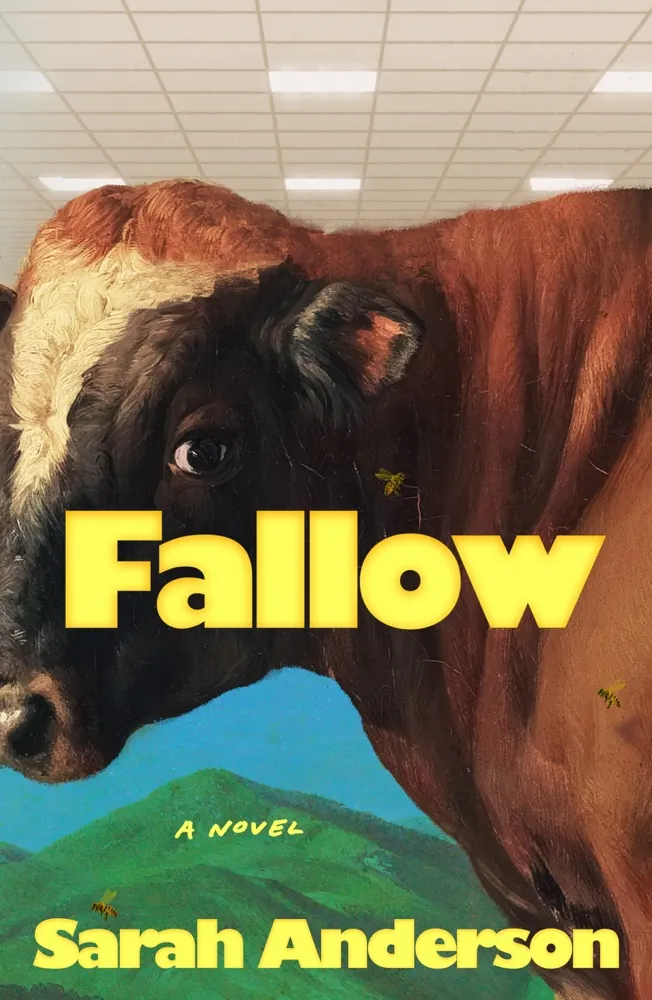
Author: Sarah AndersonPage Count: UnknownPublication Date: Expected publication 2026-09-15 APL As I sit here, sipping my iced coffee and pondering the official synopsis of Fallow, I find myself wondering — what does it mean to be a woman in a world where her body is seen as a commodity? The story of Natalie, a young woman who signs up to be the world's first in-house corporate surrogate, raises so many questions about female agency, autonomy, and the exploitation of women's bodies. But, and this is a big but, the synopsis leaves me with more questions than answers — what exactly does this "social experiment" entail? How does Natalie's role as a surrogate intersect with the broader themes of capitalism and gender equity? The Body as a Site of Resistance Natalie's decision to become a surrogate is, on the surface, a pragmatic one — she needs the money, and this seems like a way to gain some semblance of financial security. Yet, as I read through the synopsis, I couldn't help but think of other authors who have explored similar themes — Margaret Atwood's The Handmaid's Tale, for example, or Lauren Beukes's The Shining Girls. These authors have shown us, time and time again, that a woman's body is often seen as a site of control, a way for patriarchal societies to exert power over women's lives. But what happens when women resist this control, when they take agency over their own bodies and use them in ways that subvert societal expectations? And, of course, there's the issue of capitalism — how does the fact that Natalie is being paid to carry these babies complicate our understanding of her agency? Is she truly making a choice, or is she being coerced by the promise of financial stability? These are the kinds of questions that I hope Fallow will explore in more depth, that it will delve into the complexities of a system that values profit over people. But, I must say, the synopsis is frustratingly vague on these points — what exactly does the "staffing decision" that upends Natalie's life entail? How does this decision affect her relationship with the company, and with herself? The Performance of Femininity As I think about Natalie's character, I'm reminded of the ways in which women are often expected to perform certain roles, to conform to certain expectations of femininity. The fact that Natalie is able to find a sense of freedom and purpose in her role as a surrogate is, on the one hand, a powerful commentary on the ways in which women can find agency in unexpected places. But, on the other hand, it also raises questions about the ways in which women are socialized to prioritize others' needs over their own — is Natalie truly happy, or is she simply fulfilling a role that has been prescribed for her? These are the kinds of questions that I hope Fallow will explore, that it will examine the ways in which women are expected to perform certain roles, and the ways in which they can resist or subvert these expectations. But, despite my many questions and reservations, I have to say that I'm excited to read Fallow — it's a book that promises to explore some of the most pressing issues of our time, from the exploitation of women's bodies to the perils of late-stage capitalism. And, if Sarah Anderson is able to pull it off, to create a narrative that is both nuanced and thought-provoking, then Fallow could be a truly groundbreaking work. Yet, only time will tell — and, for now, I'm left to ponder the many questions that the synopsis has raised. Ugh, and now I've spilled iced coffee all over my tote bag #feministliterature #corporatesurrogacy #womeninliterature Related InsightsLaw for the American Farmer Book Review and Summary The Silmarillion Book Review and Summary City and Its Uncertain Walls Book Review and Summary{ "@context": "https://schema.org", "@type": "FAQPage", "mainEntity": [ { "@type": "Question", "name": "What is the main focus of Fallow Book Review and Summary?", "acceptedAnswer": { "@type": "Answer", "text": "Everything you need to know about Fallow with our detailed review." } }, { "@type": "Question", "name": "Who authored the comprehensive guide on Fallow Book Review and Summary?", "acceptedAnswer": { "@type": "Answer", "text": "This detailed article and its insights were carefully researched and authored by Marta Wisniewska." } }, { "@type": "Question", "name": "Where can I find more related content about Books?", "acceptedAnswer": { "@type": "Answer", "text": "You can explore more articles, detailed reviews, and similar insights by browsing the Related Insights section at the bottom of this article or visiting our dedicated Books category page." } } ] }
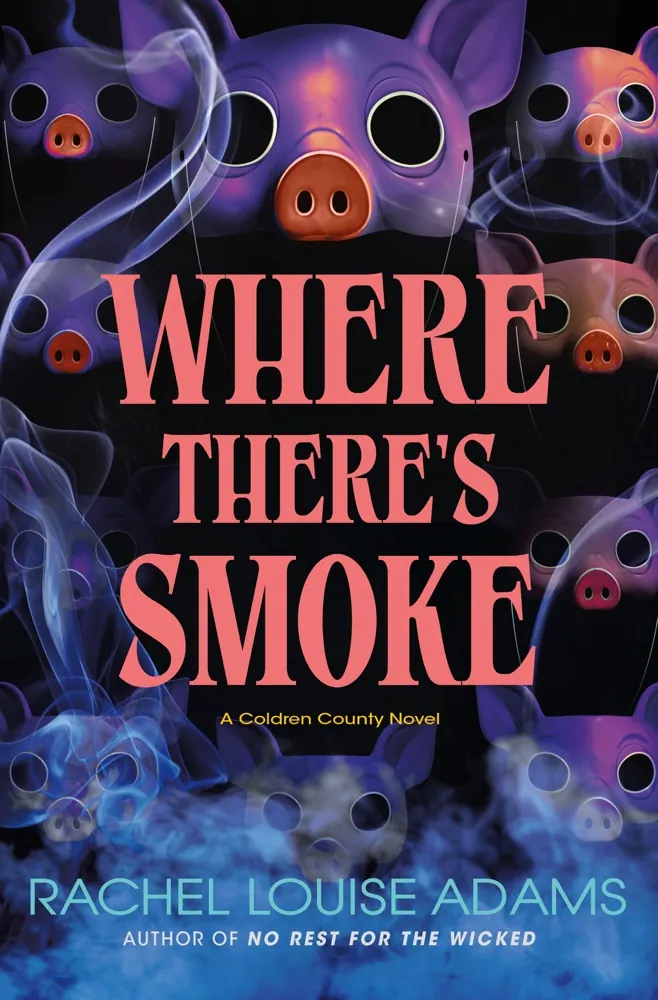
Author: Rachel Louise AdamsPage Count: UnknownPublication Date: Expected publication 2026-10-06 APL Fifteen minutes. That is the exact window I have before the fluorescent lights of this godforsaken newsroom flicker back to life and demand more of my soul. Yet here I am, eyes burning, dissecting Rachel Louise Adams and her upcoming Where There’s Smoke. Let us be brutally honest about the synopsis we have been handed for this Coldren County sequel. It reads like a checklist designed by a focus group trying to capture the modern procedural market. Dolores Hawthorne is divorced. She left the pathology lab for a medical examiner gig. She relocated to small-town Wisconsin—because apparently, women seeking a psychological reset are legally required to move closer to dense forests and cold lakes. The Geography of Female Burnout And what does she find in her pastoral Wisconsin exile? A dead man named Benedict Marcy. Affectionately called "Mr. Mercy." Oh, the irony. It drips from the page like cheap grease from Marcy’s Meats. Adams is leaning hard into the tropes that made No Rest for the Wicked a bestseller. But let us look at the underlying structural subtext here. Dolores has shrugged off the marital dead weight. She has recalibrated her career. And yet, the instant a high-profile corpse drops into her jurisdiction, her FBI friends swoop in to validate her worth. Why must female competence always be co-signed by federal law enforcement? Can a woman just dissect a slaughterhouse victim in peace without the alphabet agencies turning it into a geopolitical pissing match? The Predictable Machinery of Suspense The synopsis warns us—and trust me, Don't say I didn't warn you—that someone is going to go to extreme lengths to hide the truth. Groundbreaking. Truly, a revelation in the genre of rural noir. We are looking at a narrative framework that feels entirely beholden to the ghosts of Karin Slaughter and Tana French, yet lacks the psychological claustrophobia that makes their work actually sting. The prose of the blurb is maddeningly vague. "Full of contradictions and surprises." What does that even mean? Is the slaughterhouse a metaphor for late-stage capitalism, or are we just getting another gritty run-of-the-mill body count with a side of folksy regional charm? The synopsis hides behind plot mechanics because it refuses to commit to Dolores's interiority. Divorce and a geographic pivot do not automatically equal character growth. Sometimes a relocation is just a relocation, and a dead meat-mogul is just a lazy inciting incident. If Adams wants to salvage this series from the abyss of mid-list procedural fatigue, she needs to let Dolores be genuinely messy. Not "quirky small-town divorcee" messy, but feral. Unapologetic. Stop wrapping her trauma in the tidy bow of an FBI investigation. My heart is literally vibrating against my ribs right now. I am surviving entirely on two hours of fragmented sleep and a lukewarm, chemically hazardous berry-flavored energy drink that tastes like battery acid and crushed aspirations.
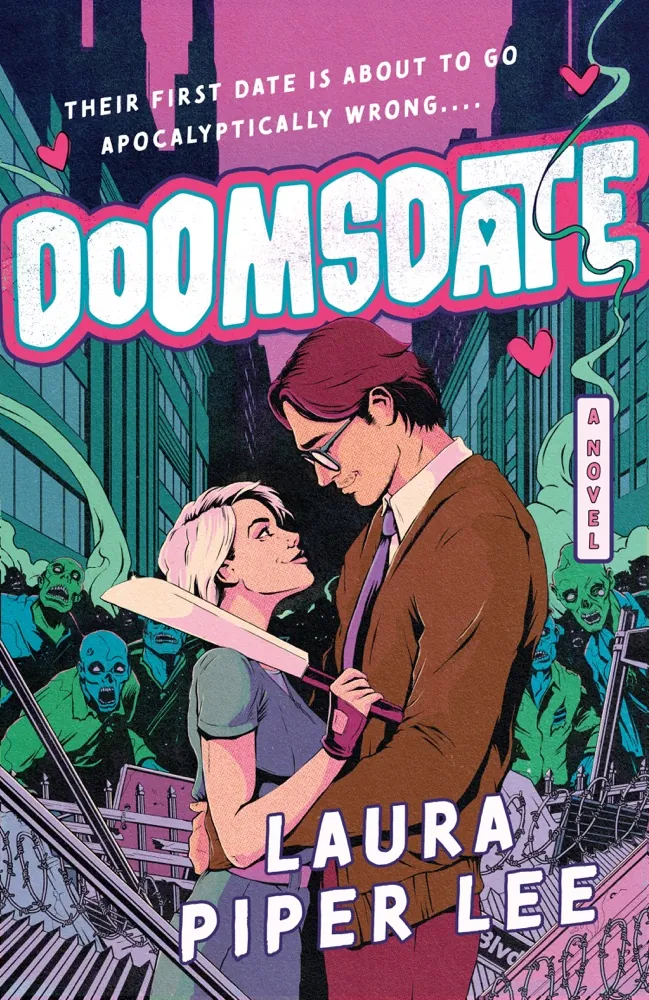
Author: Laura Piper LeePage Count: UnknownPublication Date: Expected publication 2026-09-15 APL Oh, Doomsdate—because nothing says feminist empowerment like a woman’s first priority being a bucket list orgasm while the world burns. Maisie Bennett, our doomsday prepper with a taser and a utility belt full of weapons, is framed as this badass survivalist—until we realize her entire emotional arc hinges on whether she can act normal on a date. And by "normal," we mean not brandishing a stun gun like a 1980s action heroine. The synopsis leans hard into the "feral rom-com" tagline, which is code for: Here’s a woman who’s prepared for the apocalypse but not for the fact that her love interest might actually like her. Everett Greer, the "soft, liberal arts professor," is the classic male character who exists solely to be taught by the woman—of course—but the twist is that his lesson plan includes sex education. Because nothing says "equality" like a man’s emotional labor being reduced to a curriculum. The synopsis plays up the "deal" trope—she’ll teach him survival, he’ll teach her how to live—which is a neat way of saying she’s the one who’s actually functional, and he’s the one who needs rescuing from his own grief. But where’s the subversion? Where’s the moment where Maisie doesn’t need to be the one holding the taser? The synopsis treats her competence as a quirk, not a strength—because if she weren’t so anxious about being "normal," she’d already be the one in charge. And let’s talk about the zombies—because nothing says "romantic tension" like a shared road trip with a cat as the emotional support animal. The GI virus is the perfect stand-in for modern dating anxiety: it traps people in their own bodies, turns them into monsters, and then reanimates them. Maisie and Everett’s dynamic is framed as a partnership, but the power imbalance is deliberate. She’s the one with the practical skills, he’s the one with the emotional baggage—and the only way he’s getting over it is through her. It’s the same old story: the woman’s survival instincts are her superpower, but the man’s growth is what matters. The synopsis also leans into the nerdy professor trope, which is always a fun way to signal that the male lead is intellectual but emotionally stunted. Everett’s tragedy is that he’s lost all lust for life—but not for sex, apparently, because the plot demands he wants Maisie. The fact that he’s forced into dating her (thanks to his best friend’s catfishing) makes his eventual attraction feel earned—but only because the synopsis promises it will be spicy. The emotional stakes are reduced to: Will they have sex before the zombies eat them? Because that’s the real question, isn’t it? The cat is the only character here who seems actually in control—Chicken, the feline sidekick, is the only one who doesn’t need to be fixed or taught or rescued. The synopsis treats animals as companions, not characters, which is a shame—because in a world where humans are failing, maybe the real lesson is that we don’t need to be saved by each other. But no, the focus is on Maisie’s growth—which, according to this synopsis, is learning to let go of her weapons and trust a man. I’m already predicting this will be the kind of book where Maisie finally sheds her "anxious prepper" persona by enduring Everett’s emotional baggage, because nothing says feminist empowerment like a woman adapting to a man’s needs. And the zombies? They’re just a backdrop—because the real horror is that Maisie’s only goal is to get laid before the world ends. Because that’s what matters, right? Not survival, not agency—just orgasm. I’m going to go cut my bangs now. Related InsightsThe Phantom Tollbooth Book Review and Summary Dead Take the a Train Book Review and Summary Hollywood, Ending Book Review and Summary{ "@context": "https://schema.org", "@type": "FAQPage", "mainEntity": [ { "@type": "Question", "name": "What is the main focus of Doomsdate Book Review and Summary?", "acceptedAnswer": { "@type": "Answer", "text": "Everything you need to know about Doomsdate with our detailed review." } }, { "@type": "Question", "name": "Who authored the comprehensive guide on Doomsdate Book Review and Summary?", "acceptedAnswer": { "@type": "Answer", "text": "This detailed article and its insights were carefully researched and authored by Marta Wisniewska." } }, { "@type": "Question", "name": "Where can I find more related content about Books?", "acceptedAnswer": { "@type": "Answer", "text": "You can explore more articles, detailed reviews, and similar insights by browsing the Related Insights section at the bottom of this article or visiting our dedicated Books category page." } } ] }
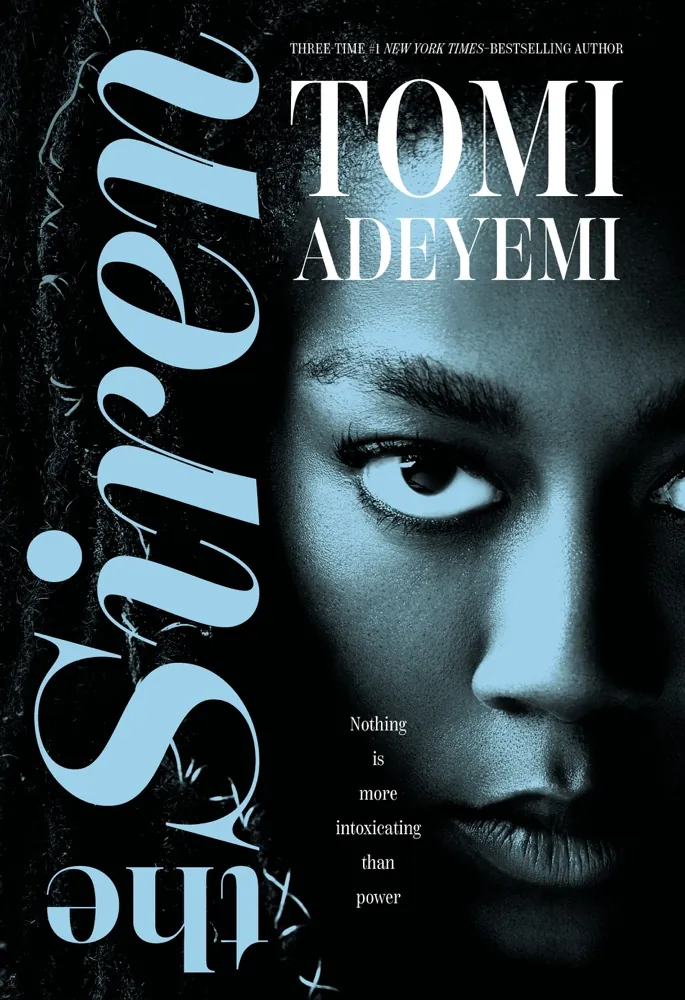
Author: Tomi AdeyemiPage Count: UnknownPublication Date: Expected publication 2026-09-29 APL Staring at this flickering computer screen at three in the morning while August humidity presses against the window like a wet wool blanket does not improve my patience. And yet, here I am, dissecting Tomi Adeyemi’s upcoming The Siren because my brain refuses to shut off. Give me a break—literally, I have twelve minutes left of this grueling night shift before I have to deal with another administrative crisis. But my feminist soul always perks up for stories dissecting female rage, ambition, and the dangerous prices young women pay for power. Power, Outcasts, and Academic Dread Look at the premise. Emery arrives at Dartmouth carrying a scholarship, strict medical regimens, and a buried past. Classic setup. Then enter Roux, Eli, and a mystical coven of former outcasts living in hyper-extravagant luxury. Fascinating in theory. But let us be entirely real for a second. The synopsis leans heavily on vague buzzwords—sinister dark academic flair, secret parties, a woman's darkness. It is deliciously moody, sure. Yet I am dying to know if Adeyemi actually subverts the transactional nature of female survival, or if we are just getting another repackaged The Secret History with a shiny supernatural coat of paint. The Commodification of Female Rage What grabs me—and what keeps me wildly impatient for September 2026—is the explicit mention of rage and longing. Women are perpetually conditioned to swallow their anger, to keep sweet, to stay medicated and manageable. So when a narrative promises a descent into a woman's darkness where the ultimate currency is a dangerous ambition? Sign me up immediately. Think M.L. Rio’s dark academia precision mixed with the ruthless feminist autonomy of Naomi Alderman’s The Power, dialed up to an intoxicating, bloody extreme. Adeyemi is shifting away from her epic fantasy roots into contemporary psychological territory, and honestly? That stylistic pivot is thrilling. The Dangerous Gamble of Ambition Emery wants in so badly she is willing to risk her life. But why is it always life or death for these girls? Why must female ambition exact a mortal toll while institutional power structures remain completely untouched? Hardly a coincidence. Roux’s "Sirens" offer a twisted mirror to elite fraternity culture—exclusivity weaponized by the formerly disenfranchised. And that stepbrother, Eli? Let us pray he is not just a tired romantic distraction designed to dilute Emery’s singular focus on power. I demand better from modern dark academia. I demand female characters who are allowed to be selfish, ruthless, and terrifyingly ambitious without needing a sympathetic male anchor or a neat moral redemption arc. Time will tell if Adeyemi delivers the biting critique this premise deserves, or if we are destined for another glossy, surface-level thriller that pulls its punches. But if September 2026 does not bring a brutal, unapologetic exploration of female complicity and raw, unadulterated fury, I might just throw my keyboard through this hospital window. Are we ever going to let women burn down the ivory tower entirely, or are they always going to burn with it? Related InsightsThe Golden Child Book Review and Summary 11/22/63 Book Review and Summary A Game of Thrones Book Review and Summary{ "@context": "https://schema.org", "@type": "FAQPage", "mainEntity": [ { "@type": "Question", "name": "What is the main focus of The Siren Book Review and Summary?", "acceptedAnswer": { "@type": "Answer", "text": "Everything you need to know about The Siren with our detailed review." } }, { "@type": "Question", "name": "Who authored the comprehensive guide on The Siren Book Review and Summary?", "acceptedAnswer": { "@type": "Answer", "text": "This detailed article and its insights were carefully researched and authored by Marta Wisniewska." } }, { "@type": "Question", "name": "Where can I find more related content about Books?", "acceptedAnswer": { "@type": "Answer", "text": "You can explore more articles, detailed reviews, and similar insights by browsing the Related Insights section at the bottom of this article or visiting our dedicated Books category page." } } ] }
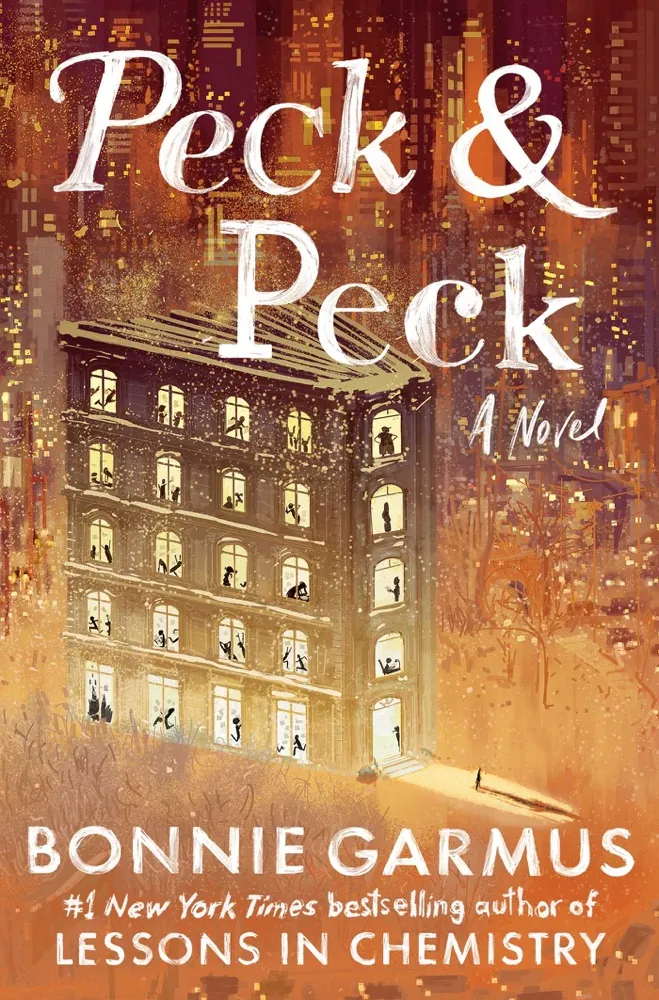
Peck & Peck Author: Bonnie GarmusPage Count: UnknownPublication Date: Expected publication 2026-10-13 APL Literary Dispatch: Bonnie Garmus Returns with Peck & Peck When Bonnie Garmus burst onto the literary scene with her global sensation Lessons in Chemistry, readers around the world fell in love with her razor-sharp wit, unforgettable characters, and heartwarming storytelling that made Elizabeth Zott a household name. Now, the #1 New York Times bestselling author is preparing to make her triumphant return to bookshelves with an irresistible, delightful, and tender new novel: Peck & Peck, slated for publication on October 13, 2026. If you loved her previous bestseller, get ready for a dazzling new journey. This time, Garmus is transporting readers back to 1982 New York City—an era of gritty streets, rising crime, and economic dread where a recent college graduate named Batter Gray is just trying to stay afloat. Armed with a skill no one seems to want—an “ear” for poetry—Batter finds himself folding T-shirts at the Gap while dodging the relentless financial tyranny of Sallie Mae. Everything changes, however, when Batter lands a dream job at Peck & Peck, the most prestigious, secretive, and utterly dysfunctional poetry quarterly in the world. Suddenly thrust into the literary fast lane, Batter finds himself knee-deep in a secret war between the journal's Editors in Chief: the famous Peck brothers, who happen to be twins and bitter enemies. He is also let in on the private affairs of the publication's thirty-nine editors, all operating under a fierce and uncompromising mission statement: Find originality. Reward creativity. Burn the rest. And by burn, they literally mean incinerate. At Peck & Peck, “good” isn’t good enough, “interesting” doesn't make the cut, and parolees somehow run the mailroom. With Garmus’s proven track record of crafting brilliant, character-driven narratives filled with humor and heart, anticipation for Peck & Peck is already reaching a fever pitch across the literary community. Mark your calendars for October 13, 2026, because the publishing world's most eccentric poetry journal is about to take the world by storm. #BonnieGarmus #PeckAndPeck #BookTok #NewInBooks #LiteraryFiction #UpcomingBooks Related InsightsHappy Place Book Review and Summary Beartown (Spanish Edition) Book Review and Summary The Songlines Book Review and Summary{ "@context": "https://schema.org", "@type": "FAQPage", "mainEntity": [ { "@type": "Question", "name": "What is the main focus of Peck & Peck Book Review and Summary?", "acceptedAnswer": { "@type": "Answer", "text": "Everything you need to know about Peck & Peck with our detailed review." } }, { "@type": "Question", "name": "Who authored the comprehensive guide on Peck & Peck Book Review and Summary?", "acceptedAnswer": { "@type": "Answer", "text": "This detailed article and its insights were carefully researched and authored by Marta Wisniewska." } }, { "@type": "Question", "name": "Where can I find more related content about Books?", "acceptedAnswer": { "@type": "Answer", "text": "You can explore more articles, detailed reviews, and similar insights by browsing the Related Insights section at the bottom of this article or visiting our dedicated Books category page." } } ] }
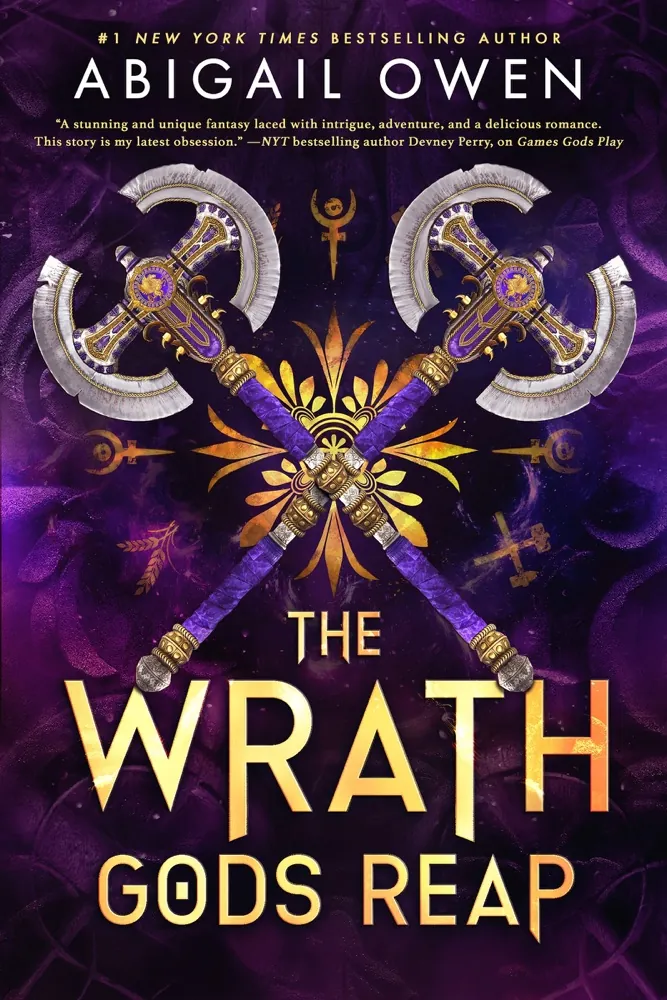
The Wrath Gods Reap (The Crucible, #3) Author: Abigail OwenPage Count: UnknownPublication Date: Expected publication 2026-11-17 APL Exclusive Preview: 'The Wrath Gods Reap' by Abigail Owen - The Thrilling Conclusion to The Crucible Series Get ready for the highly anticipated conclusion to Abigail Owen's instant #1 New York Times bestselling series, The Crucible. The Wrath Gods Reap, set to release on November 17, 2026, promises to deliver a heart-pumping, action-packed finale that will leave fans of the series on the edge of their seats. For those who have devoured The Games Gods Play and The Things Gods Break, the wait is almost over. Abigail Owen has proven herself to be a masterful storyteller, weaving intricate plots, complex characters, and slow-burn romances that have captivated readers worldwide. If you loved her previous bestsellers, you can expect The Wrath Gods Reap to be just as thrilling, with a narrative that will keep you guessing until the very end. The Crucible series has been hailed as a darker, more mature take on the Percy Jackson series, with a dash of The Hunger Games' dystopian flair. The Wrath Gods Reap promises to deliver more of the same, with a slow-burn romance between a contestant and none other than Hades himself. This is a bold, exciting direction for the series, and fans are eagerly anticipating the opportunity to dive back into Owen's richly imagined world. While details about the plot are scarce, one thing is certain: The Wrath Gods Reap is going to be a wild ride. With its unique blend of mythology, action, and romance, this book is poised to be a must-read for fans of fantasy and adventure. Mark your calendars for November 17, 2026, and get ready to join the conversation about one of the most anticipated releases of the year. #TheWrathGodsReap #TheCrucibleSeries #AbigailOwen #FantasyBooks #MythologyInLiterature #NewRelease2026
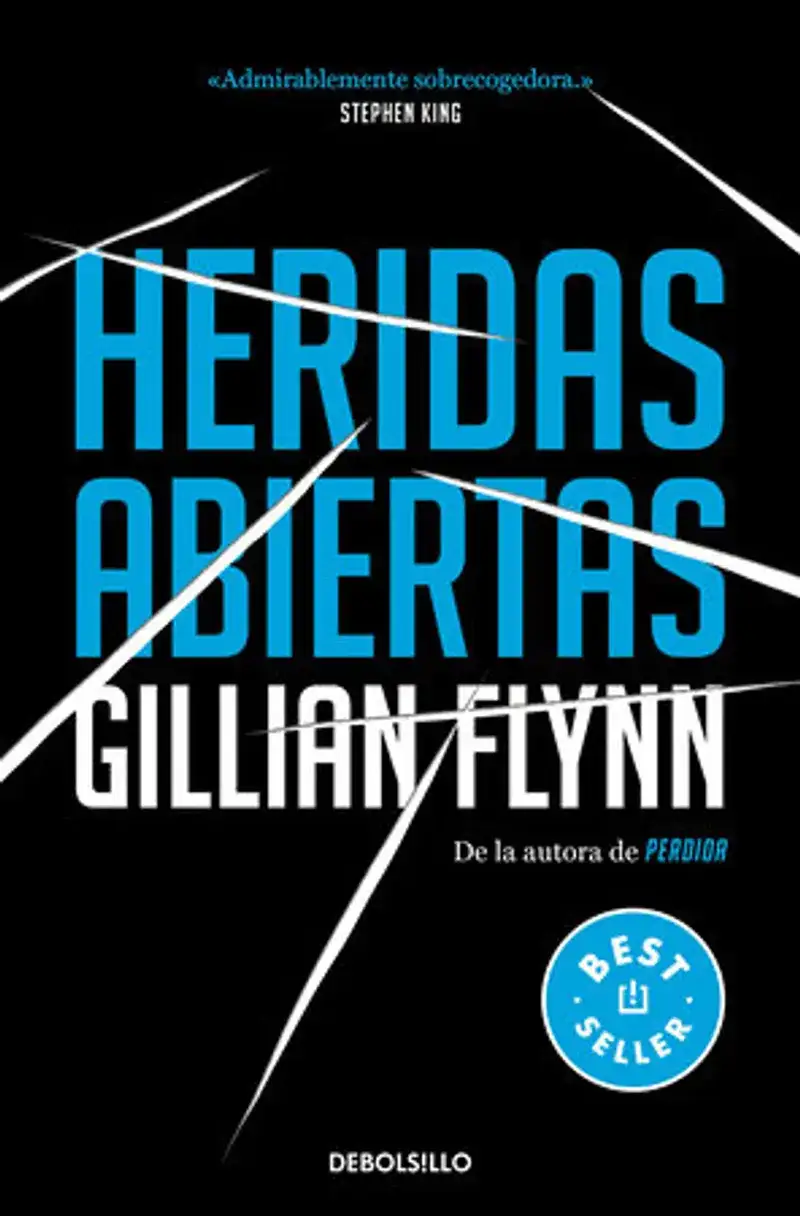
Heridas abiertas / Sharp Objects Author: Gyllian FlynnPage Count: UnknownPublication Date: 2023-PRH "Sharp Objects" by Gillian Flynn is a haunting and mesmerizing novel that delves into the dark and twisted world of a small American town, where the lines between reality and fantasy are blurred. The story follows Camille Preaker, a talented but troubled journalist who returns to her hometown to cover a series of gruesome murders. As she navigates the complexities of her own past and the secrets that haunt her family, Camille finds herself drawn into a world of psychological intrigue and suspense. One of the standout features of Flynn's writing is her masterful ability to craft complex and deeply flawed characters. Camille is a fascinating and often unsettling protagonist, whose inner turmoil and self-destructive tendencies make her both relatable and terrifying. Her relationship with her mother, Adora, is particularly noteworthy, as it is fraught with tension, manipulation, and a deep-seated sense of unease. Throughout the novel, Flynn explores the theme of trauma and its lasting impact on individuals and families. Camille's own experiences with mental illness and her complicated history with her mother are skillfully woven into the narrative, adding depth and complexity to the story. The author's use of language is equally impressive, as she employs a lyrical and evocative prose that perfectly captures the atmospheric and often oppressive setting of the small town. Flynn's writing style is often described as dark and twisted, and "Sharp Objects" is no exception. The novel is a slow-burning thriller that builds tension and suspense through its exploration of the human psyche. The author's use of symbolism and metaphor adds an extra layer of complexity to the narrative, making it a rich and rewarding read. One of the most striking aspects of "Sharp Objects" is its exploration of the female experience. The novel delves into the complex and often fraught relationships between women, particularly mothers and daughters. Flynn's portrayal of these relationships is both nuanced and unflinching, revealing the darker aspects of female dynamics and the ways in which women can both hurt and heal each other. Overall, "Sharp Objects" is a gripping and thought-provoking novel that will appeal to fans of psychological thrillers and literary fiction. Flynn's writing is masterful, and her exploration of trauma, family dynamics, and the female experience is both haunting and unforgettable. #SharpObjects #GillianFlynn #PsychologicalThriller #TraumaAndRecovery #MotherDaughterRelationships #DarkFeministFiction Related InsightsStriking Justice, An E.J. Kane Mystery (#3) Book Review and Summary Solace House Book Review and Summary The Light Years: A Novel Book Review and Summary{ "@context": "https://schema.org", "@type": "FAQPage", "mainEntity": [ { "@type": "Question", "name": "What is the main focus of Heridas abiertas / Sharp Objects Book Review and Summary?", "acceptedAnswer": { "@type": "Answer", "text": "Everything you need to know about Heridas abiertas / Sharp Objects with our detailed review." } }, { "@type": "Question", "name": "Who authored the comprehensive guide on Heridas abiertas / Sharp Objects Book Review and Summary?", "acceptedAnswer": { "@type": "Answer", "text": "This detailed article and its insights were carefully researched and authored by Marta Wisniewska." } }, { "@type": "Question", "name": "Where can I find more related content about Books?", "acceptedAnswer": { "@type": "Answer", "text": "You can explore more articles, detailed reviews, and similar insights by browsing the Related Insights section at the bottom of this article or visiting our dedicated Books category page." } } ] }
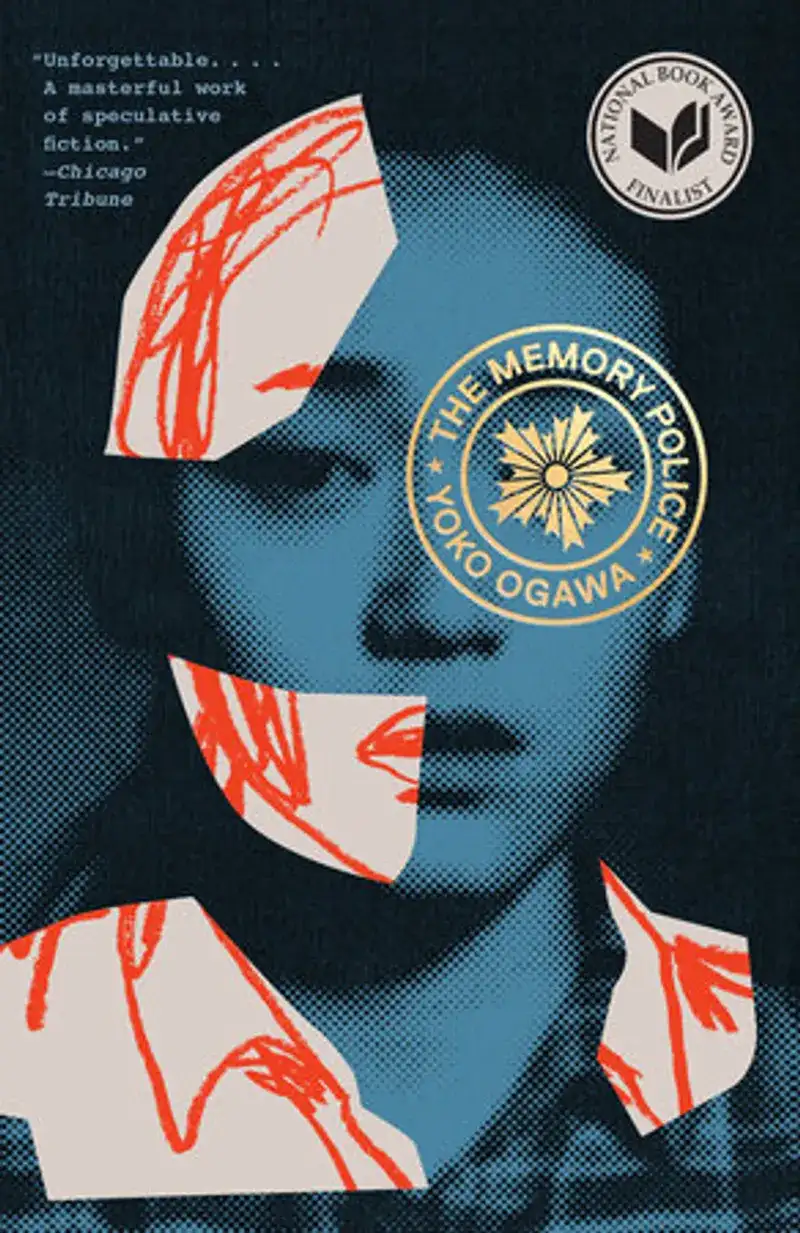
The Memory Police Author: Yoko OgawaPage Count: UnknownPublication Date: 2020-PRH The Memory Police: A Chilling Ode to the Fragility of Memory and the Tyranny of Forgetting Yoko Ogawa’s The Memory Police is a dystopian masterpiece that burrows into the mind like a slow, insidious chill. Neither a full-blown sci-fi allegory nor a straight-laced political thriller, it exists in the unsettling space between Orwellian dread and Kafkan absurdity, asking a question that gnaws at the edges of consciousness: What happens when the past is erased not by fire, but by the quiet, relentless work of collective forgetting? Set on an unnamed island where objects—hats, ribbons, birds, roses—mysteriously vanish, the novel unfolds with the quiet inevitability of a tide receding. Most inhabitants accept these disappearances as natural, their memories dissolving along with the things themselves. But a small, terrified minority retain the lost objects in their minds, hunted by the faceless Memory Police, who ensure that what is forgotten stays forgotten. Into this oppressive stillness steps our unnamed narrator, a novelist whose work becomes both her salvation and her curse as she grapples with the erasure of her own past. At its core, The Memory Police is a meditation on the nature of memory itself—how it is both a prison and a sanctuary. Ogawa treats memory not as a fixed archive but as a living, breathing thing, subject to erosion, manipulation, and violent erasure. The island’s inhabitants don’t just forget; they let go, as if the act of remembering were a betrayal of some unspoken social contract. The Memory Police, then, are not just enforcers of state power but the embodiment of collective complicity in self-erasure. Their existence raises a chilling question: Is forgetting a choice—or a survival tactic in a world where clinging to the past invites punishment? Ogawa’s prose is deceptively simple, lulling the reader with a dreamlike, almost fairy-tale cadence before the horror seeps in like ink in water. Her sentences are precise, measured, and devoid of melodrama, which makes the novel’s quiet devastation all the more powerful. There are no grand speeches, no overt acts of rebellion—just the slow, suffocating realization that resistance is itself a disappearing act. The narrator’s relationship with her editor, whom she hides beneath her floorboards, becomes a poignant metaphor for the struggle to preserve meaning in a world that demands silence. Their whispered conversations, their shared acts of defiance through writing, feel like the last embers of a dying fire. The novel’s greatest strength lies in its ambiguity. Is the island a physical place or a state of mind? Are the disappearances a metaphor for censorship, historical revisionism, or the natural decay of human connection? Ogawa refuses to provide easy answers, instead letting the reader sit with the unease. The Memory Police are never fully explained; they are a force as intangible as the memories they destroy. This deliberate vagueness makes the book feel timeless, as if it could be set in any era where power dictates what is remembered—and what is buried. Ogawa’s style is reminiscent of classic Japanese literary minimalism, where restraint amplifies the emotional weight. There are no gratuitous descriptions, no overburdened metaphors—just the steady, inexorable march toward oblivion. The novel’s structure, too, is a masterclass in tension. The disappearances escalate in ways that feel both random and inevitable, mirroring the way trauma seeps into life, altering it in ways that are impossible to predict. Yet for all its bleakness, The Memory Police is not without hope. The narrator’s act of writing—her stubborn insistence on recording what others forget—becomes an act of defiance. In a world where memory is policed, literature becomes resistance. The novel asks: If words are the last bastion of truth, what happens when language itself is at risk? Ogawa doesn’t offer redemption, but she does suggest that the impulse to remember, to create, is itself an act of rebellion. This is a book that lingers, not because it shocks with spectacle, but because it worms its way into your mind, making you question what you’ve already forgotten. In an age of misinformation, algorithmic curation, and the relentless rewriting of history, The Memory Police feels less like fiction and more like a warning. It reminds us that the most insidious form of control isn’t the erasure of books or monuments, but the slow, collective decision to stop caring about what was lost. Ogawa’s novel is a haunting, beautifully crafted nightmare—one that lingers like the memory of a dream half-remembered at dawn. It doesn’t just ask you to confront the past; it forces you to ask whether you’d even recognize it if it disappeared before your eyes. #TheMemoryPolice #DystopianFiction #BookReview #YokoOgawa #MemoryAndLoss #OrwellianNightmare Related InsightsTwo Can Play That Game Book Review and Summary Bitterroots Book Review and Summary Normal People, the scripts Book Review and Summary{ "@context": "https://schema.org", "@type": "FAQPage", "mainEntity": [ { "@type": "Question", "name": "What is the main focus of The Memory Police Book Review and Summary?", "acceptedAnswer": { "@type": "Answer", "text": "Everything you need to know about The Memory Police with our detailed review." } }, { "@type": "Question", "name": "Who authored the comprehensive guide on The Memory Police Book Review and Summary?", "acceptedAnswer": { "@type": "Answer", "text": "This detailed article and its insights were carefully researched and authored by Marta Wisniewska." } }, { "@type": "Question", "name": "Where can I find more related content about Books?", "acceptedAnswer": { "@type": "Answer", "text": "You can explore more articles, detailed reviews, and similar insights by browsing the Related Insights section at the bottom of this article or visiting our dedicated Books category page." } } ] }
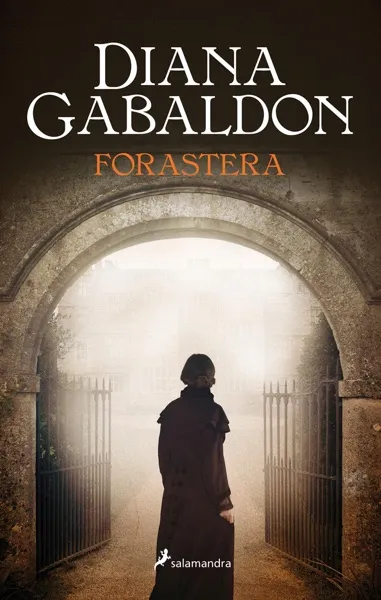
Forastera Author: Diana GabaldonPage Count: UnknownPublication Year: 2022-GB A Timeless Dance of History and Heart: Diana Gabaldon’s Forastera Diana Gabaldon’s Forastera—the latest jewel in her celebrated Outlander series—is more than a book; it’s an immersive odyssey that blends the grandeur of history with the raw intimacy of human connection. Published in 2022, this installment continues the saga of Claire Fraser and Jamie Fraser, two souls bound by fate, war, and an unshakable love that defies time itself. Gabaldon, a master of historical fiction, once again proves why her storytelling resonates across continents and generations. At its core, Forastera explores the theme of belonging—or the painful lack thereof. The title itself, a Scottish term for "outsider," encapsulates the Fraser family’s perpetual struggle to find a place where they truly fit. Claire, a 20th-century doctor marooned in the 18th century, is a woman out of time, her knowledge and modern sensibilities both a gift and a curse. Jamie, a Highland warrior exiled from his homeland, carries the weight of his past while yearning for a future he may never fully claim. Their journey is not just one of survival but of self-discovery, as they navigate the treacherous landscapes of loyalty, betrayal, and the search for home. Gabaldon’s genius lies in her ability to weave meticulous historical detail into a narrative that feels as real as the air the characters breathe. Her research is exhaustive yet never overwhelming; instead, it serves as the canvas upon which she paints her characters’ lives. From the political intrigues of 18th-century Scotland to the brutal realities of warfare, Gabaldon grounds her story in authenticity, making the past feel vividly alive. Yet, what truly elevates her work is her unflinching portrayal of human emotion. The Frasers’ love is not a sanitized romance but a complex, sometimes fractious bond tested by distance, danger, and the relentless march of history. The author’s prose is rich and evocative, with a rhythm that mirrors the ebb and flow of life itself. Gabaldon’s dialogue crackles with wit, tenderness, and the occasional sharp barb, while her descriptions—whether of the Scottish Highlands or the clammy confines of a battlefield—transport the reader with stunning immediacy. She doesn’t just tell a story; she invites you to live it, to feel the chill of a Highland mist or the heat of a lover’s gaze. Forastera also delves into the concept of legacy—what we leave behind and how we are remembered. Claire and Jamie’s children, Brianna and William, grapple with their own identities, shaped by their parents’ extraordinary lives. The novel asks: Can one ever escape the shadow of the past? Can love truly bridge the chasm of time? Gabaldon doesn’t offer easy answers, but she crafts a narrative that lingers, one that challenges the reader to reflect on their own place in the world. What sets Gabaldon apart from other historical fiction writers is her refusal to shy away from the messy, unglamorous truths of life. Her characters age, suffer, and make mistakes. They love fiercely but not without consequence. In Forastera, there are no neat resolutions—only the promise of more stories, more struggles, and more triumphs. For fans of the Outlander series, Forastera is a reunion with old friends, a chance to revisit the complexities of Claire and Jamie’s relationship, and a thrilling expansion of the saga’s world. For newcomers, it’s an invitation to a world where history and heart collide in the most mesmerizing ways. Gabaldon’s writing is a balm for the soul, a reminder that even in the darkest times, love—and a well-timed joke—can light the way. In a literary landscape crowded with disposable stories, Gabaldon’s work stands as a testament to the power of storytelling. Forastera is not just a book to be read; it’s an experience to be savored, a journey to be taken, and a love story to be remembered. #OutlanderSeries #HistoricalFiction #TimeTravelRomance #DianaGabaldon #Forastera #HistoricalDrama Related InsightsThe Boyfriend Book Review and Summary Mistress Suffragette Book Review and Summary East of Eden Book Review and Summary{ "@context": "https://schema.org", "@type": "FAQPage", "mainEntity": [ { "@type": "Question", "name": "What is the main focus of Forastera Book Review and Summary?", "acceptedAnswer": { "@type": "Answer", "text": "Everything you need to know about Forastera with our detailed review." } }, { "@type": "Question", "name": "Who authored the comprehensive guide on Forastera Book Review and Summary?", "acceptedAnswer": { "@type": "Answer", "text": "This detailed article and its insights were carefully researched and authored by Marta Wisniewska." } }, { "@type": "Question", "name": "Where can I find more related content about Books?", "acceptedAnswer": { "@type": "Answer", "text": "You can explore more articles, detailed reviews, and similar insights by browsing the Related Insights section at the bottom of this article or visiting our dedicated Books category page." } } ] }

-
 Marta Wisniewska
 - 01 Apr, 2026 22:55
Todos los fines del mundo / All the Ends of the World Book Review and Summary
Todos los fines del mundo / All the Ends of the World Author: Andrea ChapelaPage Count: UnknownPublication Date: 2025-PRH In the realm of contemporary literature, few authors have managed to captivate readers with the same level of mystique as Andrea Chapela. Her latest novel, "Todos los fines del mundo" (All the Ends of the World), is a testament to her unique ability to weave together seemingly disparate threads into a rich tapestry of human experience. While the exact page count of this literary masterpiece remains unknown, one thing is certain – Chapela's writing is as evocative as it is concise. From the opening pages, it becomes clear that this novel is not just a story, but an odyssey that hurtles readers towards the very edges of existence. At its core, "Todos los fines del mundo" grapples with the concept of liminality – the threshold between worlds, realities, and identities. Chapela's prose masterfully navigates this liminal space, conjuring an atmosphere that is both disorienting and mesmerizing. As the narrative unfolds, the boundaries between past, present, and future begin to blur, plunging the reader into a world where the notion of a fixed self becomes increasingly tenuous. Through her characters, Chapela explores the human condition in all its complexity, laying bare the fragilities and contradictions that define us. Her writing is akin to a slow-burning fire – it crackles with an intensity that is both captivating and unnerving. Each sentence is a masterclass in subtlety, conveying the weight of emotions and ideas with a precision that is nothing short of remarkable. One of the most striking aspects of Chapela's style is her use of language, which is at once poetic and unflinching. Her prose is a symphony of contradictions – tender and brutal, beautiful and grotesque – reflecting the messy, often inexplicable nature of human experience. This is a writer who is unafraid to confront the darker aspects of existence, yet does so with a level of empathy and compassion that is rare in contemporary literature. In "Todos los fines del mundo", Chapela has created a work that defies easy categorization. This is a novel that resists interpretation, instead inviting the reader to surrender to its rhythms and textures. It is an experience that is both deeply personal and universally relatable – a testament to the power of literature to capture the essence of our shared humanity. As the world around us continues to grapple with the complexities of identity, reality, and our place within the universe, "Todos los fines del mundo" stands as a beacon of literary innovation. It is a reminder that, even in the most uncertain of times, the written word has the power to transcend borders, challenge our assumptions, and connect us on a deeper level. "All the Ends of the World" is a triumph of contemporary literature – a novel that will leave you breathless, bewildered, and ultimately, transformed. #LiminalFiction #ContemporaryLiterature #AndreaChapela #TodosLosFinesDelMundo #ExperimentalFiction #LiteraryInnovation
- Marta Wisniewska
- 25 Mar, 2026 21:06
The House in the Cerulean Sea / Under the Whispering Door / In the Lives of Puppets Book Review and Summary
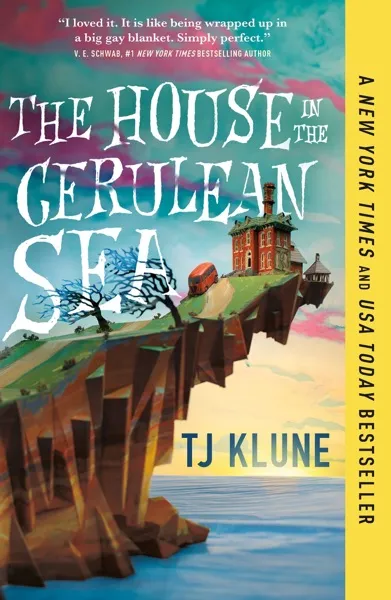
The House in the Cerulean Sea / Under the Whispering Door / In the Lives of Puppets Author: T. J. KlunePage Count: UnknownPublication Year: 2023-GB The latest release from the ingenious mind of T. J. Klune, comprising The House in the Cerulean Sea, Under the Whispering Door, and In the Lives of Puppets, is a mesmerizing tapestry that weaves together themes of identity, community, and the transformative power of love and acceptance. This global bestseller, published in 2023, is a testament to Klune's mastery of storytelling, as he delves into the complexities of the human condition with a unique blend of fantasy, adventure, and poignant introspection. One of the most striking aspects of Klune's writing style is his ability to craft worlds that are at once vibrant and unsettling, familiar and yet, utterly fantastical. In The House in the Cerulean Sea, for instance, he transports readers to a magical orphanage on a mysterious island, where the lines between reality and myth blur, and the inhabitants are as enchanting as they are flawed. This setting serves as a powerful backdrop for exploring themes of found family, the struggle for belonging, and the resilience of the human spirit. Under the Whispering Door, on the other hand, presents a thought-provoking exploration of mortality, grief, and the afterlife, as a man named Wallace finds himself in a mystical tea shop, where the dead come to terms with their passing. Klune's handling of these heavy themes is both sensitive and inventive, offering a fresh perspective on what it means to live and to die. Through Wallace's journey, Klune underscores the importance of human connection and the need to confront our deepest fears and regrets. In the Lives of Puppets, the third installment in this collection, Klune shifts his focus to a world where puppets are imbued with life, and the boundaries between creator and creation are constantly blurred. This narrative is a powerful allegory for the search for autonomy, self-discovery, and the complexities of interpersonal relationships. By populating his world with characters that are both relatable and strange, Klune challenges readers to reevaluate their assumptions about what it means to be alive and to be loved. Throughout these interconnected stories, Klune's prose is characterized by its lyricism, humor, and an uncanny ability to balance lightness and darkness. His characters are multifaceted and memorable, each grappling with their own set of challenges and desires. Whether it's the cantankerous yet lovable Linus from The House in the Cerulean Sea, the brooding Wallace from Under the Whispering Door, or the enigmatic puppets from In the Lives of Puppets, Klune's creations are so vividly drawn that they seem to leap off the page, inviting readers into their worlds with open arms. What unifies these narratives, aside from Klune's inimitable voice, is a profound exploration of the human condition. He writes about outsiders and misfits with such warmth and understanding that readers cannot help but see themselves in these characters. His stories are not just entertaining; they are also deeply healing, offering a vision of a world where everyone can find their place, where love is the greatest magic of all, and where the power to transform and be transformed is always within reach. In conclusion, T. J. Klune's latest work is a triumphant celebration of the imagination, a reminder of the magic that awaits us just beyond the edges of our everyday reality. With its richly detailed worlds, memorable characters, and exploration of themes that are both timely and timeless, this collection is sure to captivate readers from all walks of life. Whether you're a fan of fantasy, adventure, or simply great storytelling, Klune's work is not to be missed. #TJ*Klune #TheHouseInTheCeruleanSea #UnderTheWhisperingDoor #IntheLivesOfPuppets #LGBTQPlusLiterature #FantasyFictionBestsellers Related InsightsThe Four Wives and Five Deaths of Richard Milford Book Review and Summary Northanger Abbey Book Review and Summary From Goethe’s Apprentice to Modern Hero: Unraveling the Bildungsroman’s Secret Path{ "@context": "https://schema.org", "@type": "FAQPage", "mainEntity": [ { "@type": "Question", "name": "What is the main focus of The House in the Cerulean Sea / Under the Whispering Door / In the Lives of Puppets Book Review and Summary?", "acceptedAnswer": { "@type": "Answer", "text": "Everything you need to know about The House in the Cerulean Sea / Under the Whispering Door / In the Lives of Puppets with our detailed review." } }, { "@type": "Question", "name": "Who authored the comprehensive guide on The House in the Cerulean Sea / Under the Whispering Door / In the Lives of Puppets Book Review and Summary?", "acceptedAnswer": { "@type": "Answer", "text": "This detailed article and its insights were carefully researched and authored by Marta Wisniewska." } }, { "@type": "Question", "name": "Where can I find more related content about Books?", "acceptedAnswer": { "@type": "Answer", "text": "You can explore more articles, detailed reviews, and similar insights by browsing the Related Insights section at the bottom of this article or visiting our dedicated Books category page." } } ] }
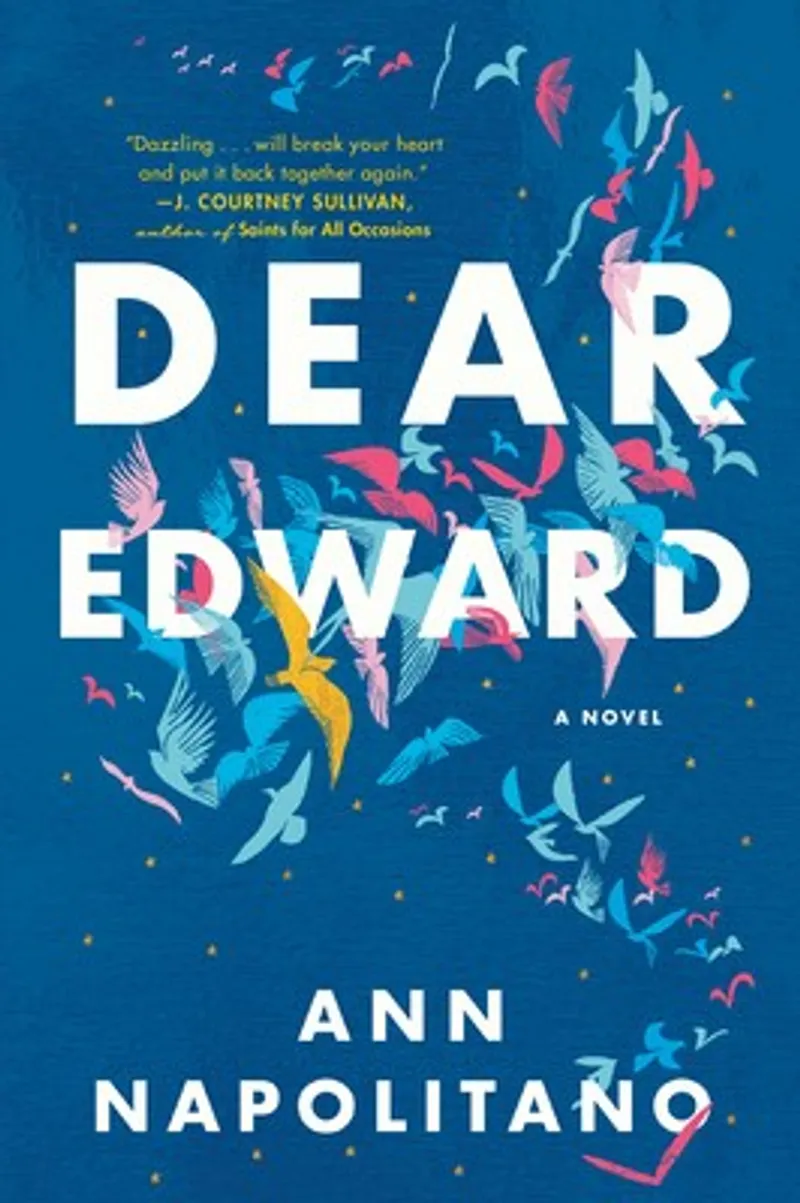
Dear Edward Author: Ann NapolitanoPage Count: UnknownPublication Date: 2020-OL Dear Edward, Ann Napolitano's poignant and thought-provoking novel, delves into the complexities of human existence, grief, and self-discovery. The story revolves around Edward Adler, a 12-year-old boy who miraculously survives a devastating plane crash that claims the lives of his family and 183 other passengers. As Edward navigates his new reality, he becomes an unlikely celebrity, with the nation captivated by his resilience and tragedy. However, behind the spotlight, Edward grapples with the immense weight of his loss, struggling to find his place in a world that no longer feels like his own. Napolitano's masterful storytelling weaves a narrative that is both heartbreaking and uplifting. With a keen eye for detail, she crafts a cast of characters that are multidimensional and relatable, each with their own distinct voice and backstory. The author's use of language is evocative and concise, conjuring vivid images of the characters' lives before the crash, as well as the devastating aftermath. Through Edward's journey, Napolitano poses profound questions about the human condition: How do we find ourselves in the face of unimaginable loss? What does it mean to truly live, rather than merely exist? One of the novel's greatest strengths lies in its exploration of grief and trauma. Napolitano tackles these complex themes with sensitivity and nuance, never shying away from the raw emotions and difficult truths that Edward and those around him must confront. The author's portrayal of Edward's inner turmoil is particularly noteworthy, as he grapples with survivor's guilt, anxiety, and the crushing weight of his newfound fame. Throughout the novel, Napolitano's writing is infused with a deep empathy and understanding of the human experience. Her prose is lyrical and expressive, with a keen attention to the subtleties of human emotion. The author's use of symbolism, particularly in her depiction of the plane and its passengers, adds depth and complexity to the narrative, inviting readers to ponder the mysteries of fate and the interconnectedness of human lives. Ultimately, Dear Edward is a powerful exploration of the human spirit, a testament to the resilience and capacity for love that defines us as individuals. Napolitano's novel is a must-read for anyone who has ever experienced loss, struggled to find their place in the world, or wondered about the mysteries of existence. With its universal themes and masterful storytelling, Dear Edward is a novel that will linger in readers' minds long after the final page is turned. #DearEdward #AnnNapolitano #GriefAndTrauma #SelfDiscovery #SurvivalStories #LiteraryFiction Related InsightsThe Grapes of Wrath Book Review and Summary None of This Is True Book Review and Summary Holy Bible: New International Version Book Review and Summary{ "@context": "https://schema.org", "@type": "FAQPage", "mainEntity": [ { "@type": "Question", "name": "What is the main focus of Dear Edward Book Review and Summary?", "acceptedAnswer": { "@type": "Answer", "text": "Everything you need to know about Dear Edward with our detailed review." } }, { "@type": "Question", "name": "Who authored the comprehensive guide on Dear Edward Book Review and Summary?", "acceptedAnswer": { "@type": "Answer", "text": "This detailed article and its insights were carefully researched and authored by Marta Wisniewska." } }, { "@type": "Question", "name": "Where can I find more related content about Books?", "acceptedAnswer": { "@type": "Answer", "text": "You can explore more articles, detailed reviews, and similar insights by browsing the Related Insights section at the bottom of this article or visiting our dedicated Books category page." } } ] }
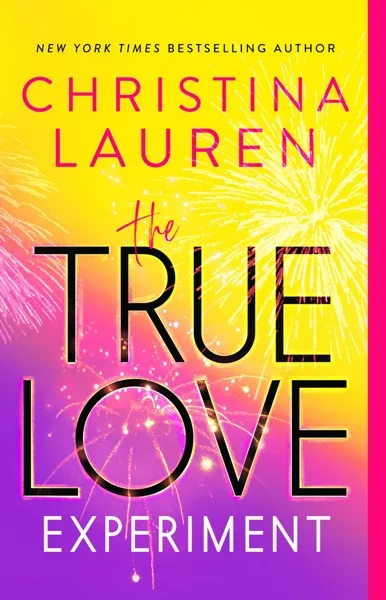
The True Love Experiment Author: Christina LaurenPage Count: UnknownPublication Year: 2023-GB Christina Lauren’s The True Love Experiment is not just another romance novel—it’s a sparkling, heartfelt exploration of whether love can be scientifically engineered or if it’s always meant to remain a mystery. Published to massive acclaim in 2023, this book cements the authors’ (who write as a duo) reputation for crafting stories that balance wit, warmth, and emotional depth. At its core, The True Love Experiment is about the collision of logic and feeling, asking whether love can be distilled into formulas or if it’s inherently chaotic, unpredictable, and, perhaps, even sacred. The novel follows the story of two very different people: Jane, a data-driven researcher who believes in quantifiable love, and Gus, a free-spirited romance novelist who writes about love as if it’s a force of nature. Jane, disillusioned by her own failed engagement and skeptical of the idea that love can be anything more than a biochemical reaction, designs a study to prove that love follows predictable patterns. Gus, on the other hand, has built his career on the belief that love is messy, magical, and beyond the reach of spreadsheets. When Jane’s research project requires her to recruit real couples—including one that fits a very specific and unlikely profile—she reluctantly turns to Gus, who is in desperate need of money to save his struggling bookstore. What follows is a hilarious, tender, and deeply human clash of worldviews, where two people who couldn’t be more different find themselves drawn into an experiment that forces them to confront their own preconceptions about love. Christina Lauren’s strength has always been their ability to blend humor with heart, and The True Love Experiment is no exception. The banter between Jane and Gus crackles with chemistry, their verbal sparring serving as a delightful backdrop to the emotional stakes at play. The authors excel at creating characters who feel real—flawed, relatable, and endearing. Jane’s sharp intellect and emotional guardedness make her compelling, while Gus’s easygoing charm and underlying vulnerability add layers to his personality. Their dynamic feels authentic, built on mutual respect and growing affection rather than forced contrivances. What sets this novel apart, however, is its exploration of the tension between science and romance. Jane’s belief that love can be measured is both a personal and professional thesis, rooted in her own past hurts. Her journey isn’t just about falling in love—it’s about learning to accept that some things, even love, can’t be fully explained or controlled. Gus, meanwhile, represents the romantic idealist who discovers that while love might not conform to data, it’s no less real or powerful for its unpredictability. The novel deftly navigates this philosophical divide without ever feeling preachy, instead letting the characters’ personal growth guide the narrative. The prose is polished and engaging, with Christina Lauren’s signature conversational style that makes the story feel intimate, as if you’re peeking into the lives of two people you’ve known for years. The pacing is brisk, balancing witty dialogue with moments of quiet introspection, ensuring the reader is both entertained and emotionally invested. The secondary characters, including Gus’s quirky bookstore staff and Jane’s supportive (if occasionally exasperated) friends, add depth to the world without overshadowing the central romance. At its heart, The True Love Experiment is a celebration of love in all its forms—whether it’s the kind that follows a neat algorithm or the kind that defies all logic. It’s a reminder that love isn’t about finding someone who fits perfectly into a spreadsheet; it’s about finding someone who makes you question everything you thought you knew. Jane and Gus’s journey is as much about self-discovery as it is about romance, making this novel resonate on a deeper level. By the final pages, readers will be left with a warm, fuzzy feeling—not just because of the satisfying romance, but because of the underlying message: that love, in all its messy glory, is worth the risk. Christina Lauren has crafted a story that feels both timely and timeless, a modern fable about the enduring power of love to surprise, challenge, and ultimately transform us. The True Love Experiment isn’t just a book for romance lovers; it’s a book for anyone who has ever wondered whether love can be planned or if it’s always meant to be a beautiful accident. #TheTrueLoveExperiment #ChristinaLauren #RomanceNovel #BookTok #LoveStory #MustReadRomance Related InsightsThe Hearth Witch's Guide to Spite & Spellwork (Deluxe Edition) (The Hemlock Saga, 2) Book Review and Summary Bared to You Book Review and Summary Disenchanted (Rewitched, #3) Book Review and Summary{ "@context": "https://schema.org", "@type": "FAQPage", "mainEntity": [ { "@type": "Question", "name": "What is the main focus of The True Love Experiment Book Review and Summary?", "acceptedAnswer": { "@type": "Answer", "text": "Everything you need to know about The True Love Experiment with our detailed review." } }, { "@type": "Question", "name": "Who authored the comprehensive guide on The True Love Experiment Book Review and Summary?", "acceptedAnswer": { "@type": "Answer", "text": "This detailed article and its insights were carefully researched and authored by Marta Wisniewska." } }, { "@type": "Question", "name": "Where can I find more related content about Books?", "acceptedAnswer": { "@type": "Answer", "text": "You can explore more articles, detailed reviews, and similar insights by browsing the Related Insights section at the bottom of this article or visiting our dedicated Books category page." } } ] }
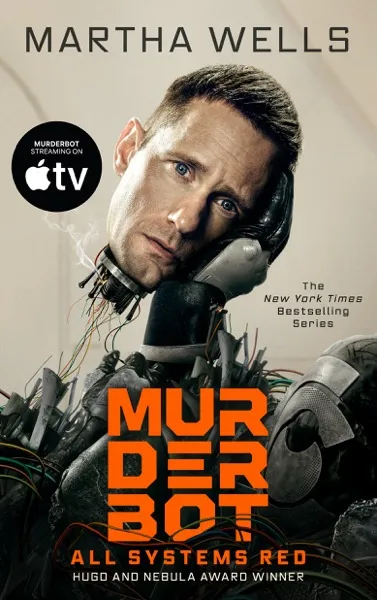
All Systems Red & Artificial Condition Author: Martha WellsPage Count: UnknownPublication Year: 2020-GB A Murderbot Diaries Adventure: Wit, Heart, and the Struggle of Being Human In the vast landscape of science fiction, few protagonists are as endearing—or as refreshingly honest—as Murderbot, the security android with a soul in All Systems Red and Artificial Condition, the first two novellas in Martha Wells’ The Murderbot Diaries. At its core, this duology is a celebration of humanity—not in the biological sense, but in the messy, emotional, and deeply relatable way we define ourselves through connection, autonomy, and the messy pursuit of self-worth. Wells crafts a narrative that defies expectations, blending sharp satire, dry humor, and a surprising depth of character into a compact, punchy package. Murderbot, who refers to itself in the third person and would rather binge-watch soap operas than fulfill its contractual obligations, is a hero we didn’t know we needed. It’s a robot that hates people but can’t help but protect them, a being that craves solitude yet finds itself inextricably tied to the humans it’s paid to guard. Wells’ genius lies in how she makes us empathize with a machine that sees emotions as “a flaw in design.” The central theme of these novellas is autonomy versus control. Murderbot is owned by a powerful corporation, yet it secretly hacks its own governance module to experience free will—something it considers a “medical emergency.” This rebellion isn’t about destruction; it’s about self-determination. Murderbot doesn’t want to be a tool. It wants to be its own person, even if that person is a socially awkward, anxiety-ridden introvert who would rather “monitor external threats” than engage in small talk. Wells uses this internal conflict to explore what it means to be human: not biology, but the messy, unpredictable tapestry of desires, fears, and connections. The writing style is deceptively simple—a hallmark of Wells’ skill. There’s no bloated prose here, no overindulgent world-building for its own sake. Instead, she trusts the reader to infer the vast, intricate universe from sparse, witty dialogue and Murderbot’s sardonic internal monologue. The prose is efficient, almost conversational, yet layered with subtext. When Murderbot dryly remarks, “I would rather not be distracted by the necessity of not being murdered,” the humor is undercut by a fleeting vulnerability—because, of course, it has been murdered before, and the fear lingers. Wells also excels in subverting expectations. This isn’t a story about a heroic machine saving the day in grand, explosive fashion. It’s about a creature that would prefer to stay in its room, only to find itself reluctantly drawn into action—not out of duty, but because it cares, even when it doesn’t want to. The novellas’ strength lies in this contradiction: Murderbot is both powerful and powerless, a protector who fears its own capacity for violence, a being that craves invisibility yet keeps being thrust into the spotlight. The emotional core of the duology is Murderbot’s relationship with Dr. Mensah, its primary human contractor. Their dynamic is beautifully nuanced—rooted in mutual respect and a quiet, unspoken trust. Mensah sees Murderbot as more than a machine, and Murderbot, despite its protests, comes to regard her with a fondness that borders on familial. This bond isn’t built on grand declarations but on small, consistent acts of kindness and understanding. It’s a reminder that humanity isn’t defined by species, but by the connections we forge. Wells also weaves in themes of systemic oppression and corporate control, albeit subtly. The corporation that owns Murderbot represents the dehumanizing nature of bureaucratic power, while the underground network of augmented humans and AI hints at resistance and solidarity. It’s a layered commentary that never feels preachy, instead emerging organically from the story’s fabric. If there’s a flaw, it’s the brevity of the novellas themselves. Wells’ world feels larger than the page count suggests, and the abruptness of the endings (while thematically appropriate) may leave some readers wanting more. But this is also the series’ strength—it leaves you hungry for more of Murderbot’s voice, more of its reluctant heroism. In the end, All Systems Red and Artificial Condition are a triumph of character-driven sci-fi. They prove that a story doesn’t need hundreds of pages or sprawling lore to resonate deeply. All it needs is a compelling perspective, sharp dialogue, and a protagonist who feels real, flaws and all. Murderbot is more human than most humans, and that’s what makes it unforgettable. Wells has crafted something rare here: a sci-fi adventure that’s both hilarious and heartfelt, where the real conflict isn’t between good and evil, but between the fear of insignificance and the courage to embrace our own worth. #MurderbotDiaries #SciFiNovella #AIWithSoul #MarthaWells #SciFiBooks #RobotHero Related InsightsArchangel's Lineage Book Review and Summary Uglies Book Review and Summary Accidents Never Happen Book Review and Summary{ "@context": "https://schema.org", "@type": "FAQPage", "mainEntity": [ { "@type": "Question", "name": "What is the main focus of All Systems Red & Artificial Condition Book Review and Summary?", "acceptedAnswer": { "@type": "Answer", "text": "Everything you need to know about All Systems Red & Artificial Condition with our detailed review." } }, { "@type": "Question", "name": "Who authored the comprehensive guide on All Systems Red & Artificial Condition Book Review and Summary?", "acceptedAnswer": { "@type": "Answer", "text": "This detailed article and its insights were carefully researched and authored by Marta Wisniewska." } }, { "@type": "Question", "name": "Where can I find more related content about Books?", "acceptedAnswer": { "@type": "Answer", "text": "You can explore more articles, detailed reviews, and similar insights by browsing the Related Insights section at the bottom of this article or visiting our dedicated Books category page." } } ] }
- Marta Wisniewska
- 02 Feb, 2026 06:57
Red Queen / Glass Sword / King’s Cage / War Storm Book Review and Summary
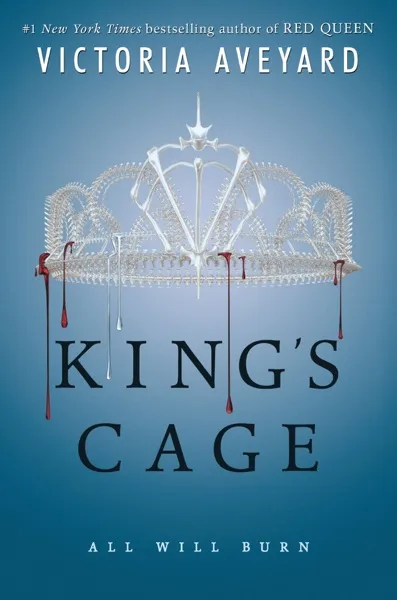
Red Queen / Glass Sword / King’s Cage / War Storm Author: Victoria AveyardPage Count: UnknownPublication Year: 2018-GB Victoria Aveyard’s Red Queen quartet—Red Queen, Glass Sword, King’s Cage, and War Storm—is a masterclass in dystopian storytelling, where bloodline dictates destiny and revolution simmers beneath the gilded surface of a society built on lies. At its core, the series explores the brutal dichotomy between power and powerlessness, not just through the lens of class struggle but through the visceral, often brutal, clash of identity and privilege. Aveyard crafts a world where the color of one’s blood determines their fate—silver-blooded elites rule with ruthless efficiency, while the downtrodden Reds toil in obscurity, their lives as disposable as the blood they spill. But this isn’t just another dystopian tale; it’s a scathing indictment of systemic oppression, where the oppressed are as flawed and dangerous as their oppressors, and where the line between hero and villain is as thin as the silver thread that binds the ruling class. Aveyard’s greatest strength lies in her ability to weave a narrative that is as intellectually compelling as it is emotionally gripping. She doesn’t just tell a story; she immerses the reader in a world where every action has consequences, where loyalty is a currency as volatile as the magic that fuels the silver elite. The Red Queen series is, at its heart, a story about revolution—not just the grand, cinematic upheavals of war, but the quiet, insidious revolutions that happen in the hearts and minds of those who dare to defy the status quo. Mare Barrow, the protagonist, is a perfect embodiment of this tension. A Red girl with a silver power thrust upon her by fate, she is neither wholly hero nor villain, but a living contradiction—a weapon of the revolution she didn’t ask to wield. Aveyard’s prose is sharp, punchy, and relentless, mirroring the world she describes. There’s no room for flowery descriptions or meandering introspection here; every sentence serves a purpose, whether it’s advancing the plot, deepening character relationships, or ratcheting up the tension. The dialogue crackles with tension, often laced with sarcasm and wit, which provides a stark contrast to the brutality unfolding around it. This balance between humor and horror is one of the series’ most compelling aspects, making the darker moments hit even harder. When Mare spits out a sarcastic remark in the midst of a life-or-death situation, it’s not just comic relief—it’s a defiant act of humanity in a world that seeks to strip her of it. The world-building in the Red Queen series is equally impressive. Aveyard doesn’t just create a backdrop for her story; she constructs a fully realized society with its own history, culture, and rules. The silver elite aren’t one-dimensional villains; they’re a complex web of aristocrats, warriors, and schemers, each with their own motivations and flaws. The Reds, too, are far from monolithic—some are passive, others rebellious, and many are simply trying to survive. This nuance prevents the story from descending into a simplistic good-versus-evil narrative, instead offering a more realistic portrayal of how power structures crumble and reform. One of the series’ most intriguing themes is the corrupting nature of power. Almost every character, no matter their allegiance, is corrupted in some way by the system they’re a part of. Mare’s journey is a testament to this, as she grapples with the weight of her newfound power and the responsibilities it entails. Her struggle isn’t just against the silver elite but against her own demons—the anger, the fear, and the guilt that come with wielding power over others. Aveyard doesn’t shy away from showing the darker sides of revolution: the betrayals, the sacrifices, and the moral compromises that come with fighting for change. In this way, the Red Queen series feels eerily prescient, reflecting the messy, often brutal reality of real-world uprisings. Aveyard’s style is also notable for its pacing and structure. The series moves at a breakneck speed, with each book building upon the last in a way that feels organic and inevitable. There’s no filler here; every twist and turn serves a purpose, whether it’s deepening character arcs or escalating the political intrigue. The romance subplots, while present, never overshadow the larger themes of the story. Instead, they serve as a lens through which we see the characters’ vulnerabilities and motivations. The relationships in the Red Queen series are as fraught with tension as the political conflicts, adding another layer of complexity to an already rich narrative. Ultimately, the Red Queen quartet is more than just a gripping dystopian saga—it’s a meditation on power, identity, and the cost of revolution. Aveyard doesn’t offer easy answers or neat resolutions; instead, she challenges her readers to question their own beliefs about justice, morality, and the systems that govern their lives. The series is a reminder that revolutions aren’t won in a single battle but through the cumulative actions of countless individuals, each with their own struggles and flaws. For readers who love dystopian fiction with depth, heart, and relentless pacing, the Red Queen series is a must-read. It’s a story that lingers long after the final page, leaving you to grapple with the same questions that haunt its characters: What would you sacrifice for freedom? And when power is within your grasp, how do you wield it without becoming the very thing you sought to destroy? #RedQueenSeries #DystopianFiction #YARevolution #VictoriaAveyard #PowerAndOppression #MustReadBooks Related InsightsThe Divide Book Review and Summary Think Twice Book Review and Summary Out of the Clear Blue Sky Book Review and Summary{ "@context": "https://schema.org", "@type": "FAQPage", "mainEntity": [ { "@type": "Question", "name": "What is the main focus of Red Queen / Glass Sword / King’s Cage / War Storm Book Review and Summary?", "acceptedAnswer": { "@type": "Answer", "text": "Everything you need to know about Red Queen / Glass Sword / King’s Cage / War Storm with our detailed review." } }, { "@type": "Question", "name": "Who authored the comprehensive guide on Red Queen / Glass Sword / King’s Cage / War Storm Book Review and Summary?", "acceptedAnswer": { "@type": "Answer", "text": "This detailed article and its insights were carefully researched and authored by Marta Wisniewska." } }, { "@type": "Question", "name": "Where can I find more related content about Books?", "acceptedAnswer": { "@type": "Answer", "text": "You can explore more articles, detailed reviews, and similar insights by browsing the Related Insights section at the bottom of this article or visiting our dedicated Books category page." } } ] }
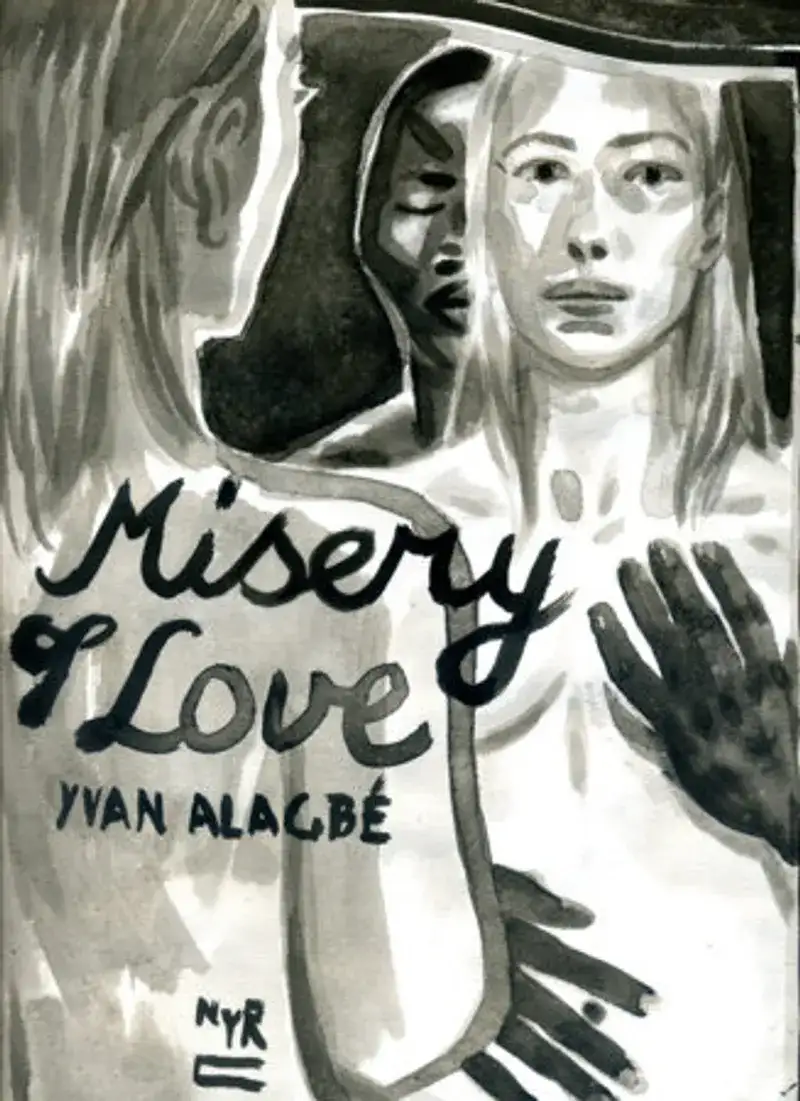
Misery of Love Author: Yvan AlagbéPage Count: UnknownPublication Date: 2025-PRH In "Misery of Love", Yvan Alagbé crafts a poignant and visually stunning graphic novel that delves into the complexities of colonial history and its lasting impact on family and identity in modern France. This spiritual sequel to his critically acclaimed "Yellow Negroes and Other Imaginary Creatures" is a masterful exploration of the human experience, weaving together narratives that are both deeply personal and universally relatable. Through the dream-like memories of Clare, a woman returning to her family for her grandfather's funeral, Alagbé skillfully navigates the intricate web of family dynamics and the legacy of colonialism that haunts them. The grayscale washes that dominate the book's visual landscape are a deliberate choice, evoking the turbulent and often painful nature of the characters' experiences. And yet, despite the darkness that pervades the narrative, Alagbé's work is ultimately a testament to the power of resilience and the human spirit. Alagbé's approach to comics is deeply philosophical, viewing the medium as "a sacred dimension which celebrates, questions and perpetuates life." This perspective is evident in every aspect of "Misery of Love", from the lyrical prose to the expressive, often surreal artwork. The result is a reading experience that is both deeply immersive and intellectually stimulating, challenging readers to confront the complexities of colonial history and its ongoing impact on contemporary society. One of the most striking aspects of "Misery of Love" is its use of non-linear narrative, shifting seamlessly between different storylines and perspectives. This approach creates a sense of depth and complexity, mirroring the fragmented nature of human memory and experience. Alagbé's characters are multidimensional and richly drawn, their struggles and triumphs feeling deeply authentic and relatable. Throughout the book, Alagbé grapples with the legacy of colonialism, exploring the ways in which historical trauma can shape individual and collective identity. This is a work of unflinching honesty, confronting the darker aspects of human nature while also celebrating the beauty and resilience of the human spirit. The result is a graphic novel that is both devastating and ultimately uplifting, a testament to the power of art to transcend and transform. In short, "Misery of Love" is a masterpiece of contemporary comics, a work of profound beauty and intellectual depth. It is a must-read for anyone interested in exploring the complexities of colonial history, family dynamics, and the human experience. Alagbé's unique style and philosophical approach to comics make this a truly unforgettable reading experience. #ColonialismInComics #GraphicNovelReviews #FrenchCartoonists #RacismAndIdentity #ComicsAsLiterature #TraumaAndMemoryInComics Related InsightsBig Little Truths Book Review and Summary The Summoning Book Review and Summary The Bride Wore Black Book Review and Summary{ "@context": "https://schema.org", "@type": "FAQPage", "mainEntity": [ { "@type": "Question", "name": "What is the main focus of Misery of Love Book Review and Summary?", "acceptedAnswer": { "@type": "Answer", "text": "Everything you need to know about Misery of Love with our detailed review." } }, { "@type": "Question", "name": "Who authored the comprehensive guide on Misery of Love Book Review and Summary?", "acceptedAnswer": { "@type": "Answer", "text": "This detailed article and its insights were carefully researched and authored by Marta Wisniewska." } }, { "@type": "Question", "name": "Where can I find more related content about Books?", "acceptedAnswer": { "@type": "Answer", "text": "You can explore more articles, detailed reviews, and similar insights by browsing the Related Insights section at the bottom of this article or visiting our dedicated Books category page." } } ] }
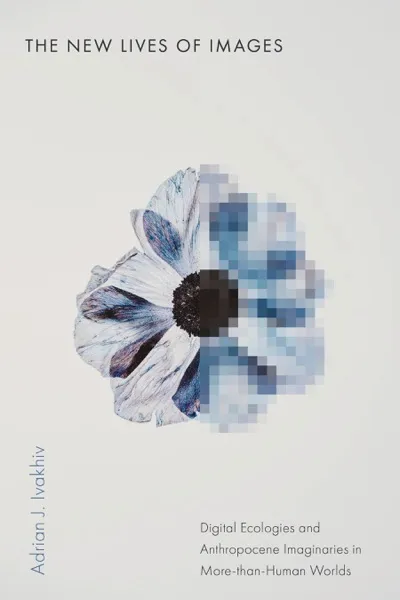
Anthropocene Author: Edward BurtynskyPage Count: UnknownPublication Year: 2018-GB Anthropocene: A Haunting Elegy to the Earth’s Scars Edward Burtynsky’s Anthropocene is not merely a book—it is a visual and philosophical reckoning with humanity’s indelible mark on the planet. Published in 2018, this landmark work collates Burtynsky’s decades-long photographic documentation of the Anthropocene epoch, a term coined to describe the geological age defined by human activity. But Anthropocene transcends mere documentation; it is a mournful ode to a world reshaped by industry, extraction, and unchecked progress. Burtynsky, a master of environmental photography, does not preach or lament outright. Instead, he presents his subjects—massive mines, sprawling landfills, melting glaciers—with a clinical, almost reverent detachment, forcing the viewer to confront the beauty and horror of our collective legacy. The book’s central theme is undeniable: the Anthropocene is a story of dominance, hubris, and unintended consequences. Burtynsky’s lens captures the paradox of human ingenuity—how we carve canyons into mountains for copper, drown valleys to power cities, and blanket fields in plastic, all in the name of comfort and consumption. The images are breathtaking in their scale and composition, yet they evoke a creeping dread. A photograph of the Mir Mine in Russia, a gaping pit so vast it’s visible from space, is a testament to human ambition, but also to the insatiable appetite that has left the earth pockmarked and wounded. The book’s genius lies in its refusal to moralize; the moral is embedded in the silence of the frames themselves. Burtynsky’s style is deceptively simple. His photographs are hyper-detailed, often shot from elevated vantage points to emphasize the sheer scale of human intervention. There is an almost painterly quality to his work—rich in texture, color, and light—yet the subject matter strips away any romanticism. A salt flat in Bolivia, dyed a surreal pink by microorganisms thriving in lithium-rich waters, becomes a symbol of both natural adaptability and industrial exploitation. The juxtaposition of organic hues against the sterile precision of human engineering is a recurring motif, reinforcing the idea that nature and industry are no longer separate forces but entangled in a destructive dance. What makes Anthropocene so compelling is its duality: it is both a eulogy and a warning. Burtynsky does not offer solutions, nor does he indulge in nostalgia for a pre-industrial world. Instead, he presents the Anthropocene as an inescapable reality, one that demands acknowledgment if not redemption. The book’s layout amplifies this effect. Paired with essays by writers like Jennifer Baichwal and Nicholas de Pencier, the photographs gain depth and context, transforming from mere images into a narrative of ecological consequence. Burtynsky’s genius lies in his ability to make the abstract tangible. When we see the skeletal remains of a coral reef bleached white by rising temperatures, or the geometric precision of a landfill stretching to the horizon, the idea of climate change is no longer a distant statistic—it is a visceral, undeniable truth. The book’s power is in its quiet insistence: look closely, because this is your world, now and in the epochs to come. Yet, for all its bleakness, Anthropocene is not devoid of hope. There is a strange beauty in the resilience of the earth, in the way life persists even in the most degraded landscapes. Burtynsky’s work reminds us that the Anthropocene is not solely a tale of destruction, but also one of adaptation—a story still being written. The question is whether humanity will choose to write a new chapter. In an era where environmental discourse often veers into either despair or hollow optimism, Anthropocene strikes a rare balance. It does not flinch from the damage, nor does it surrender to fatalism. Instead, it holds up a mirror to our actions, asking us to see, to remember, and perhaps—if we are brave enough—to change. For those who believe photography can be a force for awakening, Anthropocene is essential reading. It is a book that lingers, not just in the mind, but in the gut—a reminder that we are not separate from the earth, but a part of its story, for better or worse. #Anthropocene #EdwardBurtynsky #ClimateChange #HumanImpact #PhotographyAsProtest #EarthInCrisis Related InsightsWe Chase Shadows (We Solve Murders, #2) Book Review and Summary Maggie Moves On Book Review and Summary Breakfast of Champions Book Review and Summary{ "@context": "https://schema.org", "@type": "FAQPage", "mainEntity": [ { "@type": "Question", "name": "What is the main focus of Anthropocene Book Review and Summary?", "acceptedAnswer": { "@type": "Answer", "text": "Everything you need to know about Anthropocene with our detailed review." } }, { "@type": "Question", "name": "Who authored the comprehensive guide on Anthropocene Book Review and Summary?", "acceptedAnswer": { "@type": "Answer", "text": "This detailed article and its insights were carefully researched and authored by Marta Wisniewska." } }, { "@type": "Question", "name": "Where can I find more related content about Books?", "acceptedAnswer": { "@type": "Answer", "text": "You can explore more articles, detailed reviews, and similar insights by browsing the Related Insights section at the bottom of this article or visiting our dedicated Books category page." } } ] }
Bridgerton Boxed Set 5-8 Author: Julia QuinnPage Count: UnknownPublication Year: 2022-GB Bridgerton Boxed Set 5-8: A Regal Tapestry of Love, Scandal, and Society’s Delights In the glittering world of Julia Quinn’s Bridgerton series, where every ballroom whispers secrets and every glance lingers just a second too long, the final four novels—collected in this sumptuous boxed set—deliver a masterclass in historical romance. Published in 2022, this quartet of love stories (titled When He Was Wicked, It’s In His Kiss, On the Way to the Wedding, and The Wit and Wisdom of Bridgertons) serves as the triumphant crescendo of a saga that has captivated millions worldwide. With its signature blend of wit, heartache, and unrelenting charm, this boxed set isn’t just a collection of books—it’s a grand finale that cements Quinn’s reputation as the queen of Regency-era romance. At its core, the Bridgerton series is a celebration of family, resilience, and the transformative power of love. The boxed set 5-8 follows the next generation of the Bridgerton siblings, each navigating their own trials while upholding the legacy of their extraordinary family. The central theme that weaves through these novels is redemption—both personal and romantic. Whether it’s overcoming past heartbreaks, confronting societal expectations, or learning to trust again, each heroine and hero must confront their shadows before they can step into the light of love. In When He Was Wicked, Colin Bridgerton and Penelope Featherington’s journey is one of second chances and quiet devotion, proving that love isn’t always loud—sometimes it’s the choice to stay, even when everything says to walk away. Meanwhile, It’s In His Kiss pits Sophie Beckett, a wallflower with a secret past, against Marcus, the brooding Duke of Ashbourne, in a tale where passion ignites where least expected. The final two novels, On the Way to the Wedding and The Wit and Wisdom of Bridgertons, bring the series full circle with humor, chaos, and the heartwarming assurance that love, in all its forms, is worth the fight. Quinn’s genius lies in her ability to balance humor with deep emotional resonance. Her prose sparkles with the rhythm of Regency-era dialogue, filled with rapid-fire banter, clever innuendos, and the kind of social observations that make readers feel like they’ve stepped into a Jane Austen novel—if Austen had written with a modern, playful sensibility. The author’s gift for creating endearing, flawed characters ensures that even the most outrageous plot twists feel grounded in human emotion. Penelope Featherington, for instance, is a standout: her journey from wallflower to confident woman is both empowering and hilariously relatable, especially in a society that often reduces women to their marital prospects. Quinn doesn’t shy away from exploring the darker sides of Regency life—marriage as a transaction, the pressure on women to conform, and the loneliness of high society—but she always steers her stories toward hope, making her narratives feel both authentic and aspirational. Another hallmark of Quinn’s style is her knack for emotional pacing. She doesn’t rush into romance; instead, she allows the tension to simmer, building chemistry through small moments—a lingering touch, a shared glance, a whispered confession. In When He Was Wicked, the slow-burning attraction between Colin and Penelope is a masterclass in restraint, making their eventual union all the more satisfying. Similarly, It’s In His Kiss thrives on Sophie’s vulnerability and Marcus’s gruff protectiveness, creating a dynamic that’s as tender as it is fiery. Quinn’s dialogue crackles with authenticity, whether it’s the sharp-tongued repartee between siblings or the stammered confessions of love, and her ability to evoke both laughter and tears keeps readers utterly engrossed. The boxed set also shines in its world-building. While the focus is undeniably on romance, Quinn paints a vivid portrait of upper-class English society in the early 19th century, complete with the rigid rules of the ton, the gossip mills of Lady Whistledown (a character so intriguing she practically steals every scene she’s in), and the unspoken hierarchies that dictate lives. Yet, beneath the powdered wigs and lavish balls, the stories feel deeply human. The Bridgerton family, with their warmth, humor, and unshakable loyalty, serves as a beacon of hope in a world where appearances often deceive. It’s no wonder the series has become a global phenomenon—readers aren’t just invested in the love stories; they’re invested in the Bridgertons themselves. For longtime fans, this boxed set will feel like a long-awaited reunion with old friends. For newcomers, it’s an irresistible invitation into a world where love conquers all—even the most stubborn of obstacles. Quinn’s ability to blend historical detail with modern sensibilities ensures that her stories feel timeless, accessible, and utterly addictive. Whether you’re turning the pages for the first time or revisiting the Bridgertons like an old favorite, these four novels deliver everything a romance lover could desire: passion, humor, heartache, and a happily ever after that lingers long after the final chapter. In a landscape crowded with historical romance, Julia Quinn stands apart—not just for her storytelling, but for her ability to make readers feel. The Bridgerton Boxed Set 5-8 is more than a collection; it’s an experience, a celebration of love in all its messy, beautiful, and occasionally scandalous glory. #BridgertonSeries #JuliaQuinn #HistoricalRomance #RegencyEra #RomanceBooks #BookLove Related InsightsThe World of Assassin's Creed Valhalla: Journey to the North--Logs and Files of a Hidden One (Deluxe Edition) Book Review and Summary A Short History of Nearly Everything Book Review and Summary Happy Place Book Review and Summary{ "@context": "https://schema.org", "@type": "FAQPage", "mainEntity": [ { "@type": "Question", "name": "What is the main focus of Bridgerton Boxed Set 5-8 Book Review and Summary?", "acceptedAnswer": { "@type": "Answer", "text": "Everything you need to know about Bridgerton Boxed Set 5-8 with our detailed review." } }, { "@type": "Question", "name": "Who authored the comprehensive guide on Bridgerton Boxed Set 5-8 Book Review and Summary?", "acceptedAnswer": { "@type": "Answer", "text": "This detailed article and its insights were carefully researched and authored by Marta Wisniewska." } }, { "@type": "Question", "name": "Where can I find more related content about Books?", "acceptedAnswer": { "@type": "Answer", "text": "You can explore more articles, detailed reviews, and similar insights by browsing the Related Insights section at the bottom of this article or visiting our dedicated Books category page." } } ] }
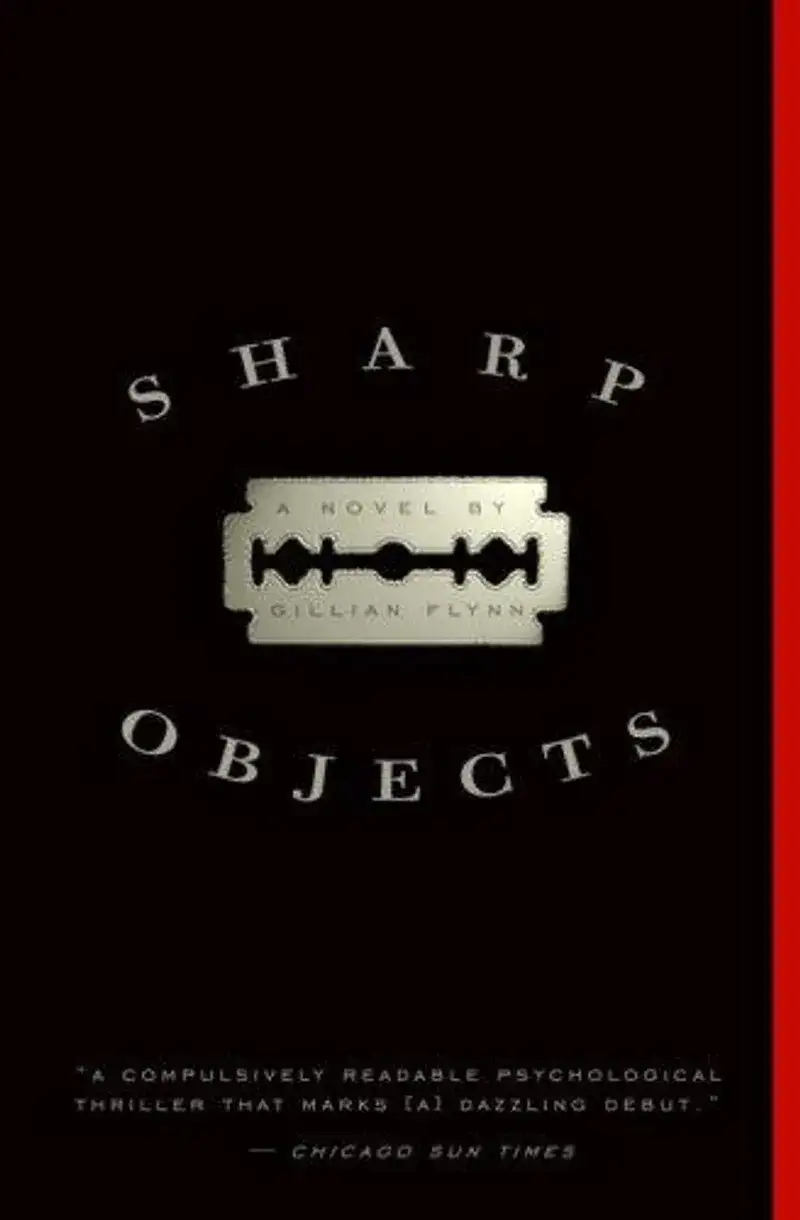
Sharp Objects Author: Gillian FlynnPage Count: UnknownPublication Date: 2006-OL In the hauntingly dark world of Gillian Flynn's Sharp Objects, the lines between reality and madness are expertly blurred, leaving the reader questioning the true nature of the truth. This gripping novel, Flynn's debut, is a masterclass in atmospheric storytelling, where the past and present collide in a swirl of secrets, lies, and tragedy. At its core, Sharp Objects is a story about the destructive power of family dynamics and the lasting impact of trauma on the human psyche. Protagonist Camille Preaker, a flawed and deeply troubled journalist, is forced to return to her hometown to cover the gruesome murders of two young girls. As she delves deeper into the investigation, Camille's own dark past begins to surface, threatening to consume her. Flynn's writing is a character in its own right, weaving a complex web of emotions, memories, and observations that are both deeply unsettling and utterly captivating. Her prose is economical, yet evocative, conjuring the decaying grandeur of Camille's family mansion and the stifling atmosphere of small-town America. The author's use of language is deliberate and measured, mirroring Camille's own fractured psyche. Through Camille's narrative, Flynn explores the theme of female trauma, expertly exposing the ways in which women's bodies are inscribed with the scars of their experiences. The words carved into Camille's skin, a gruesome form of self-mutilation, serve as a constant reminder of her own fragility and the darkness that lurks within. This is a novel that unflinchingly confronts the violence and cruelty that women face, both at the hands of others and themselves. One of the most striking aspects of Sharp Objects is its exploration of the complex, often toxic relationships between women. Camille's mother, Adora, is a masterfully crafted character, embodying the suffocating, narcissistic tendencies that can destroy families. The dynamic between Camille and her half-sister, Amma, is equally compelling, a twisted dance of jealousy, resentment, and longing. As the story unfolds, Flynn expertly ratchets up the tension, leading the reader on a twisted journey of discovery and deception. The novel's climax is both shocking and inevitable, a devastating confrontation that will leave even the most seasoned readers reeling. In conclusion, Sharp Objects is a masterpiece of psychological suspense, a haunting exploration of the darkest corners of the human experience. Gillian Flynn's writing is a triumph, a testament to her skill as a storyteller and her willingness to confront the most difficult, disturbing themes. This is a novel that will linger in your mind long after the final page has been turned, a haunting reminder of the devastating power of trauma and the enduring strength of the human spirit. #GillianFlynn #SharpObjects #PsychologicalThriller #DarkFiction #TraumaAndRecovery #FemaleTraumaInLiterature Related InsightsFirst Sign of Danger Book Review and Summary In Patagonia Book Review and Summary Gone Girl (Special Edition) Book Review and Summary{ "@context": "https://schema.org", "@type": "FAQPage", "mainEntity": [ { "@type": "Question", "name": "What is the main focus of Sharp Objects Book Review and Summary?", "acceptedAnswer": { "@type": "Answer", "text": "Everything you need to know about Sharp Objects with our detailed review." } }, { "@type": "Question", "name": "Who authored the comprehensive guide on Sharp Objects Book Review and Summary?", "acceptedAnswer": { "@type": "Answer", "text": "This detailed article and its insights were carefully researched and authored by Marta Wisniewska." } }, { "@type": "Question", "name": "Where can I find more related content about Books?", "acceptedAnswer": { "@type": "Answer", "text": "You can explore more articles, detailed reviews, and similar insights by browsing the Related Insights section at the bottom of this article or visiting our dedicated Books category page." } } ] }
El club de la lucha / Fight Club Author: Chuck PalahniukPage Count: UnknownPublication Date: 2016-PRH Chuck Palahniuk’s Fight Club isn’t just a novel—it’s a cultural Molotov cocktail disguised as a pulp thriller, a book that detonates in your hands and leaves behind a haze of smoke, questions, and the unsettling realization that you might actually agree with its anarchic premise. Originally published in 1996, this 2016 reissue reaffirms its status as a literary grenade: equal parts satire, psychological horror, and manifesto, it dissects modern masculinity, consumerist emptiness, and the desperate need for self-destruction disguised as liberation. At its core, Fight Club is a rebellion against the emasculated, soul-crushing grind of late-20th-century corporate life. The unnamed narrator—a walking case study in chronic insomnia and existential paralysis—finds purpose only when he stumbles upon Tyler Durden, a charismatic saboteur who preaches that self-annihilation is the ultimate act of authenticity. Their underground fight clubs, where men beat each other senseless in basements and parking lots, become the counterpoint to a society that measures worth in credit scores and IKEA furniture. But the brilliance of Palahniuk’s narrative lies in its refusal to offer easy answers. Is Tyler a liberator or a madman? Is the narrator reclaiming his masculinity or spiraling into delusion? The book thrives in this ambiguity, forcing readers to confront their own complicity in a system that worships convenience over meaning. Palahniuk’s prose is a weapon—jagged, rhythmic, and relentless. His sentences are short, staccato, often devoid of adornment, mirroring the narrator’s fractured psyche. There’s no lyrical indulgence here, no purple prose to distract from the raw, unfiltered chaos of the story. Instead, Palahniuk wields blunt force, using repetition, abrupt shifts in tone, and a conversational cadence that feels like a whispered secret. The result is a reading experience that’s viscerally engaging, almost cinematic in its pacing. You don’t just read Fight Club—you experience it, like a punch to the gut. The novel’s themes are timeless precisely because they’re so deeply rooted in modern anxieties. The narrator’s hollow life—trapped in a cycle of consumerism, therapy-speak, and self-medication—mirrors the emptiness of late-stage capitalism. Tyler Durden isn’t just a character; he’s the id unleashed, the voice screaming that destruction is the only honest response to a world that sells you happiness in the form of a $200 coffee maker. Yet Palahniuk never lets the satire devolve into preachiness. The satire is woven into the fabric of the story itself, through the narrator’s job (recalling defective consumer products) and Tyler’s Project Mayhem, a terrorist cell disguised as a self-help cult. The twist ending—well, you know it already, or you’ll know it soon enough—elevates Fight Club from a clever provocation to something far more unsettling. It forces a reckoning: if the narrator and Tyler are the same person, then the fight isn’t just against society—it’s against the self. The novel’s final act suggests that the real enemy isn’t capitalism or conformity, but the human desire to destroy and rebuild, to erase the old self and forge something new, even if that something is monstrous. Palahniuk’s genius lies in his ability to make the absurd feel inevitable. The fight clubs spread like a virus not because they’re logical, but because they offer something the modern world denies: purpose. In a culture that sells you self-improvement books and anti-aging creams, Tyler Durden’s message—"You are not your khakis"—is both seductive and terrifying. The novel dares to ask: What if the thing we’re fighting against is also the thing we secretly need? Fight Club is a book that lingers, not just because of its shock value, but because it refuses to let you off the hook. It doesn’t just critique consumerism—it implicates the reader in the same cycle of dissatisfaction and rebellion. By the time you finish, you’ll find yourself questioning not just the book’s morality, but your own. And that, perhaps, is the most dangerous idea of all. #FightClub #ChuckPalahniuk #UndergroundNovel #AnarchyInLiterature #MasculinityInCrisis #NoRulesJustRealTalk Related InsightsA Map to Murder: A Serial Killer Guide to San Francisco Mystery Book Review and Summary All I Know (Silver Springs, #3) Book Review and Summary A Room of One’s Own Book Review and Summary{ "@context": "https://schema.org", "@type": "FAQPage", "mainEntity": [ { "@type": "Question", "name": "What is the main focus of El club de la lucha / Fight Club Book Review and Summary?", "acceptedAnswer": { "@type": "Answer", "text": "Everything you need to know about El club de la lucha / Fight Club with our detailed review." } }, { "@type": "Question", "name": "Who authored the comprehensive guide on El club de la lucha / Fight Club Book Review and Summary?", "acceptedAnswer": { "@type": "Answer", "text": "This detailed article and its insights were carefully researched and authored by Marta Wisniewska." } }, { "@type": "Question", "name": "Where can I find more related content about Books?", "acceptedAnswer": { "@type": "Answer", "text": "You can explore more articles, detailed reviews, and similar insights by browsing the Related Insights section at the bottom of this article or visiting our dedicated Books category page." } } ] }
House Rules Author: George R. R. MartinPage Count: UnknownPublication Year: 2024-GB House Rules George R. R. Martin has done it again—delivered a novel that is as much a mirror to our own world as it is a window into a dark, unpredictable realm. House Rules, his latest literary offering, is not merely a book; it is a commandment, a summons to step into the shadowed corridors of power, where loyalty is a currency and betrayal a dagger in the dark. At its core, House Rules explores the age-old theme of power and its corrupting influence. Martin, ever the master of political intrigue, weaves a tale where the rules of the game are written in blood and ink. The story unfolds in a world where noble houses vie for dominance, not through brute force alone, but through cunning, manipulation, and the careful orchestration of alliances. The protagonist, a figure of moral ambiguity, navigates this treacherous landscape with a blend of ruthlessness and reluctant idealism. Martin’s genius lies in his ability to make the reader question where the line between hero and villain truly lies. Is it possible to wield power without losing oneself? The novel suggests that the answer is a resounding no, and it does so with a chilling realism that lingers long after the last page. Martin’s style is unmistakable—rich, immersive, and unflinchingly brutal. His prose is a tapestry of vivid imagery and sharp dialogue, pulling the reader into a world that feels both fantastical and eerily familiar. The pacing is meticulous, with each chapter a deliberate step deeper into the heart of the narrative. The author’s signature use of multiple perspectives allows for a kaleidoscopic view of the story, where every character’s motives and secrets are laid bare in a way that is both exhilarating and unsettling. Martin doesn’t just tell a story; he constructs a world so vivid that it becomes a character in its own right, demanding the reader’s attention and respect. One of the most striking aspects of House Rules is its exploration of the consequences of power. Martin doesn’t glorify the rulers or the ruled; instead, he presents a world where every decision, no matter how small, has a ripple effect that can shake the very foundations of society. The novel forces the reader to confront uncomfortable truths about authority, morality, and the cost of ambition. It is a reminder that in the game of thrones, there are no true winners—only survivors. Martin’s ability to blend high-stakes drama with deep philosophical questions is what sets him apart. House Rules is not just a tale of political maneuvering; it is a meditation on human nature itself. The characters, though larger than life, are deeply human in their flaws and aspirations. Their struggles resonate because they reflect the universal desire for power and the fear of losing oneself in the pursuit of it. In an era where so much of modern fantasy leans toward escapism, Martin’s work remains grounded in the timeless themes of human nature. House Rules is a testament to his enduring talent for storytelling, a reminder that the best fantasy is not about dragons or magic, but about the people who wield the power—and the price they pay for it. If you are looking for a book that will challenge your perceptions, keep you on the edge of your seat, and leave you questioning the very nature of power, then House Rules is a must-read. George R. R. Martin has once again crafted a masterpiece that will stand the test of time. #HouseRules #GeorgeRRMartin #FantasyBooks #PowerAndCorruption #PoliticalIntrigue #A SongOfIceAndFire Related InsightsOn the Calculation of Volume V Book Review and Summary The Well of Ascension Book Review and Summary The Screwtape Letters Book Review and Summary{ "@context": "https://schema.org", "@type": "FAQPage", "mainEntity": [ { "@type": "Question", "name": "What is the main focus of House Rules Book Review and Summary?", "acceptedAnswer": { "@type": "Answer", "text": "Everything you need to know about House Rules with our detailed review." } }, { "@type": "Question", "name": "Who authored the comprehensive guide on House Rules Book Review and Summary?", "acceptedAnswer": { "@type": "Answer", "text": "This detailed article and its insights were carefully researched and authored by Marta Wisniewska." } }, { "@type": "Question", "name": "Where can I find more related content about Books?", "acceptedAnswer": { "@type": "Answer", "text": "You can explore more articles, detailed reviews, and similar insights by browsing the Related Insights section at the bottom of this article or visiting our dedicated Books category page." } } ] }