Showing Posts From
Psychological
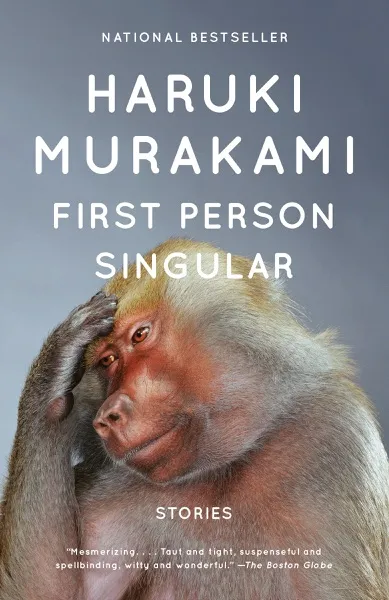

First Person Singular Author: 村上春樹Page Count: UnknownPublication Year: 2021-GB First Person Singular, the latest offering from the revered Japanese author Haruki Murakami, is a mesmerizing collection of short stories that delve into the intricacies of the human experience. Published in 2021, this book has already garnered widespread acclaim, solidifying Murakami's position as a masterful storyteller. As with his previous works, Murakami's unique narrative style and philosophical insights continue to captivate readers, making First Person Singular a must-read for fans and newcomers alike. One of the primary themes that permeate this collection is the concept of identity and the blurred lines between reality and fiction. Murakami's characters often find themselves navigating labyrinthine worlds, where the distinctions between their inner lives and the external world become increasingly ambiguous. This exploration of the self is a hallmark of Murakami's writing, and in First Person Singular, he probes the depths of human consciousness with his characteristic nuance and sensitivity. Murakami's prose is, as always, a joy to read. His writing is akin to a gentle breeze on a summer's day, soothing and calming, yet simultaneously capable of conjuring powerful emotional responses. His use of language is economical, yet evocative, and his ability to craft compelling narratives is unparalleled. Each story in First Person Singular is a masterclass in storytelling, with Murakami expertly weaving together elements of mystery, philosophy, and psychological insight to create a rich tapestry of human experience. One of the most striking aspects of Murakami's writing is his ability to balance the surreal and the mundane. His stories often feature characters who are ordinary, yet extraordinary, and the events that unfold are both fantastical and grounded in reality. This blend of the surreal and the everyday creates a sense of uncertainty, leaving the reader questioning what is real and what is imagined. This uncertainty is a deliberate choice, one that reflects the complexities and ambiguities of human existence. Throughout First Person Singular, Murakami's characters grapple with fundamental questions about the nature of reality, identity, and human connection. They are often isolated, disconnected from the world around them, and struggling to find meaning in a seemingly meaningless world. Yet, despite this sense of disconnection, Murakami's characters are deeply relatable, and their struggles and triumphs are deeply affecting. In many ways, First Person Singular can be seen as a reflection of our current times. The stories are infused with a sense of melancholy and nostalgia, a longing for a past that is lost, and a uncertainty about the future. This sense of disorientation is a hallmark of our modern world, where the old certainties are crumbling, and the new realities are still taking shape. Murakami's writing offers a powerful antidote to this sense of disorientation, providing a profound and moving exploration of the human condition. In conclusion, First Person Singular is a triumph, a collection of stories that showcases Murakami's unique vision and mastery of the short story form. With its exploration of identity, reality, and human connection, this book is a must-read for anyone interested in literary fiction. Murakami's writing is, as always, a joy to read, and his ability to balance the surreal and the mundane creates a sense of uncertainty that is both unsettling and profound. #HarukiMurakami #FirstPersonSingular #JapaneseLiterature #MagicalRealism #LiteraryFiction #BookLovers Related InsightsL'Odyssée de l'Âme : Plongée Abyssale dans la Comédie Divine de Dante Alighieri Truth to Power: A Luke Cage Marvel Crime Novel Book Review and Summary Defy the Dusk (The Sundering Duet, #1) Book Review and Summary{ "@context": "https://schema.org", "@type": "FAQPage", "mainEntity": [ { "@type": "Question", "name": "What is the main focus of First Person Singular Book Review and Summary?", "acceptedAnswer": { "@type": "Answer", "text": "Everything you need to know about First Person Singular with our detailed review." } }, { "@type": "Question", "name": "Who authored the comprehensive guide on First Person Singular Book Review and Summary?", "acceptedAnswer": { "@type": "Answer", "text": "This detailed article and its insights were carefully researched and authored by Marta Wisniewska." } }, { "@type": "Question", "name": "Where can I find more related content about Books?", "acceptedAnswer": { "@type": "Answer", "text": "You can explore more articles, detailed reviews, and similar insights by browsing the Related Insights section at the bottom of this article or visiting our dedicated Books category page." } } ] }
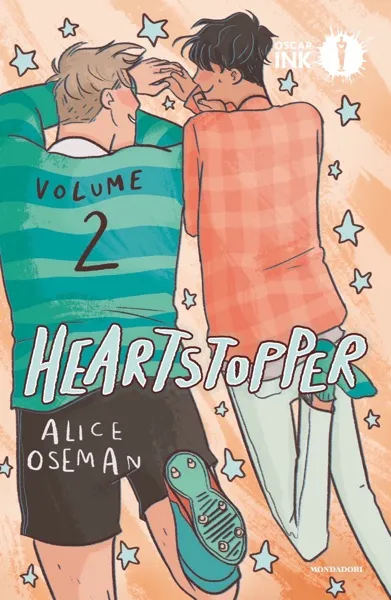
Heartstopper, Volume 2 Author: Alice OsemanPage Count: UnknownPublication Year: 2019-GB Heartstopper, Volume 2 is the kind of book that reminds you why graphic novels can pack such an emotional punch. Alice Oseman’s sequel to Volume 1 doesn’t just expand the world of Charlie and Nick—it deepens it with warmth, authenticity, and a quiet insistence that queer love stories deserve to be told with tenderness rather than drama. In a publishing landscape still catching up to the richness of LGBTQ+ narratives, Oseman’s gentle, unhurried storytelling feels revolutionary. At its core, Heartstopper, Volume 2 is about the quiet evolution of love—how it starts as a fragile spark and slowly becomes a steady flame. The story picks up where Volume 1 left off, with Nick and Charlie navigating the early days of their relationship, but this time, the focus shifts from the thrill of newfound attraction to the messier, more human work of understanding one another. Oseman excels at capturing those small, almost imperceptible moments that define a relationship: the way Nick hesitates before holding Charlie’s hand in public, the way Charlie overanalyzes a text message, the way both boys struggle to name what they’re feeling because the words haven’t caught up to the emotion yet. It’s a testament to Oseman’s skill that she makes these ordinary moments feel extraordinary. The book’s strength lies in its ability to balance humor and heartbreak without tipping into melodrama. Oseman’s dialogue is crisp and natural, filled with the kind of banter that feels lifted straight from real teenage conversations. There’s a scene where Nick, overwhelmed by the pressure of his rugby teammates’ expectations, confesses to Charlie that he’s not sure he can be openly gay yet. It’s a moment that could easily veer into heavy-handedness, but Oseman handles it with such delicacy that it feels more like a plea for understanding than a confrontation. Charlie’s response—patient, loving, but also firm—shows the maturity of their relationship, even as it’s still in its infancy. It’s a scene that lingers because it’s not about resolving conflict with grand gestures, but about two people learning to communicate, even when the words are hard to find. Visually, Oseman’s art is deceptively simple but incredibly effective. Her line work is clean and expressive, with a softness that mirrors the gentleness of the story. The character designs are expressive in the best way—Nick’s awkward, broad-shouldered frame conveys his insecurity just as clearly as Charlie’s slight, wiry build suggests his vulnerability. The use of color is subtle but meaningful; warm tones dominate, reflecting the growing affection between the characters, while cooler shades creep in during moments of doubt or tension. Oseman also uses negative space brilliantly, letting the quiet moments breathe. A single panel of Nick sitting alone on a bench, staring at his phone, speaks volumes about his internal struggle without a single word. What makes Heartstopper, Volume 2 so special is its refusal to sensationalize queer love. There’s no dramatic coming-out explosion, no explosive confrontation with bigoted family members—just the quiet, persistent reality of two boys figuring out how to love each other in a world that isn’t always kind. Oseman’s world-building is subtle but rich, with supporting characters like Tao, Elle, and the ever-watchful Victoria adding depth and texture to the story. Even minor characters feel fully realized, their own arcs playing out in the background without stealing focus from Charlie and Nick’s journey. Oseman’s writing shines in its unapologetic focus on the mundane. A scene where Charlie and Nick share a bag of chips on a park bench is as emotionally charged as any grand romantic gesture. It’s a reminder that love isn’t always about grand declarations; sometimes it’s about the quiet, everyday ways we show up for each other. The book also excels in its portrayal of mental health, with Charlie’s anxiety and Nick’s self-doubt handled with a nuance that feels authentic rather than exploitative. Oseman doesn’t offer easy fixes, but she does offer hope—a hope that feels earned because it’s rooted in the characters’ growth, not just plot convenience. If there’s any criticism to be leveled, it’s that the pacing occasionally stumbles, with some transitions feeling a bit abrupt. A few subplots, like Elle’s adjustment to her new school, feel underdeveloped compared to the main narrative. But these are minor quibbles in an otherwise flawlessly constructed story. Heartstopper, Volume 2 isn’t just a sequel; it’s a testament to the power of slow-burn storytelling. It’s a book that trusts its readers to sit with the quiet moments, to feel the weight of a glance or the significance of a shared silence. In a world where LGBTQ+ stories are still often reduced to tragedy or struggle, Heartstopper is a breath of fresh air. It’s a story that says queer love can be soft, messy, hopeful, and ordinary—all at once. Alice Oseman has crafted something rare: a graphic novel that feels like a warm hug, a reminder that love, in all its forms, is worth the risk. #Heartstopper #AliceOseman #GraphicNovel #LGBTQRomance #QueerLiterature #CharlieAndNick Related InsightsPadre Rico, Padre Pobre (Edición 25 Aniversario) / Rich Dad Poor Dad Book Review and Summary Nunca Book Review and Summary Legend Book Review and Summary{ "@context": "https://schema.org", "@type": "FAQPage", "mainEntity": [ { "@type": "Question", "name": "What is the main focus of Heartstopper, Volume 2 Book Review and Summary?", "acceptedAnswer": { "@type": "Answer", "text": "Everything you need to know about Heartstopper, Volume 2 with our detailed review." } }, { "@type": "Question", "name": "Who authored the comprehensive guide on Heartstopper, Volume 2 Book Review and Summary?", "acceptedAnswer": { "@type": "Answer", "text": "This detailed article and its insights were carefully researched and authored by Marta Wisniewska." } }, { "@type": "Question", "name": "Where can I find more related content about Books?", "acceptedAnswer": { "@type": "Answer", "text": "You can explore more articles, detailed reviews, and similar insights by browsing the Related Insights section at the bottom of this article or visiting our dedicated Books category page." } } ] }
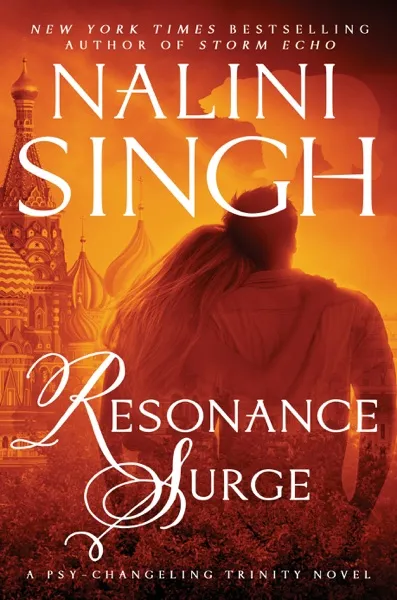
Resonance Surge Author: Nalini SinghPage Count: UnknownPublication Year: 2023-GB Nalini Singh’s Resonance Surge is a dazzling explosion of passion, power, and psychic intrigue—a novel that crackles with the same electric energy as its predecessor, Storm Echo, but with a fresh, fiery twist. As the third installment in the Psy-Changeling Trinity series, Singh continues to redefine the boundaries of paranormal romance, blending raw emotion with high-stakes conflict and a world so vividly rendered it feels like stepping into another skin. If you thought the Psy race’s rigid control was the apex of tension, wait until you meet the dominant, unpredictable force at the heart of this story: resonance. At its core, Resonance Surge is about the irrepressible pull of attraction—the kind that defies logic, hierarchy, and even survival. Resonance is a rare and dangerous phenomenon in the Psy world, a psychic bond so intense it can either shatter egos or forge unbreakable connections. Here, Singh doesn’t just flirt with the idea; she immerses the reader in its visceral, almost painful reality. The protagonist, a fiercely independent Psy named Clayborn "Clay" Encanto, is a man who has spent his life resisting the very notion of resonance. A former Enforcer with a reputation for cold efficiency, Clay’s world is upended when he encounters a woman whose psychic scent ignites a fire he can’t ignore. Enter the enigmatic and wildly compelling Layla Mercedes, a woman whose past is as turbulent as her present is uncertain. Their chemistry is a slow burn turned inferno, and Singh’s mastery lies in making every glance, every whispered word, feel like a spark threatening to explode into full-blown combustion. What sets this book apart is Singh’s unparalleled ability to balance raw sensuality with emotional depth. The romance isn’t just about physical attraction—it’s about vulnerability, trust, and the terrifying prospect of surrendering control. Clay and Layla’s dynamic is a masterclass in friction: he’s a man who has built walls higher than the Psy Net itself, while she’s a survivor who refuses to be caged. Their interactions crackle with tension, each conversation a minefield of half-spoken truths and unspoken desires. Singh’s dialogue is razor-sharp, laced with wit, sarcasm, and an undercurrent of simmering heat that never lets up. The world-building in Resonance Surge is equally impressive. Singh expands the Psy-Changeling universe with layers of political intrigue, ethical dilemmas, and a deeper exploration of the Psy’s fractured society. The conflict isn’t just personal—it’s systemic. The Psy, once the dominant race, now teeter on the edge of extinction, their rigid control slipping in the face of changing tides. Clay, as a former Enforcer, embodies the old guard’s desperation, while Layla represents the new, chaotic energy threatening to dismantle it all. The stakes are sky-high, and Singh ensures that readers feel every ounce of the pressure coiling around the characters. Singh’s prose is a force of nature. Her writing is lush yet precise, with a rhythm that mirrors the ebb and flow of emotion. She has a gift for making even the most mundane moments feel charged with significance, and her ability to convey psychic sensations—through touch, scent, and sound—is nothing short of hypnotic. The sex scenes, when they arrive, are not gratuitous but integral, a physical manifestation of the psychic and emotional bonds forming between Clay and Layla. There’s a rawness to them, a sense of two people who are both fighting and surrendering at the same time. But what truly elevates Resonance Surge is its heart. Beneath the scorching romance and high-stakes drama, there’s a story about healing, about the courage to let go of the past and embrace the unknown. Clay’s journey is one of self-discovery, of learning that strength isn’t about control but about connection. Layla, too, is a character who refuses to be defined by others’ expectations, her resilience a beacon of hope in a world that has tried to break her. Nalini Singh has always been a trailblazer in the paranormal romance genre, but Resonance Surge feels like a culmination of everything she’s built over the years. It’s a book that demands to be felt, not just read. Whether you’re a longtime fan of the series or a newcomer drawn to its sizzling tension, this novel will leave you breathless, your heart racing long after the last page. If you love stories where love is as dangerous as it is intoxicating, where every touch could be the spark that changes everything, then Resonance Surge is your next obsession. #PsyChangelingTrinity #ParanormalRomance #NaliniSingh #ResonanceSurge #SciFiRomance #PsychicBond Related InsightsThe Princess Bride Book Review and Summary Souls Unfractured Book Review and Summary Paper and Blood Book Review and Summary{ "@context": "https://schema.org", "@type": "FAQPage", "mainEntity": [ { "@type": "Question", "name": "What is the main focus of Resonance Surge Book Review and Summary?", "acceptedAnswer": { "@type": "Answer", "text": "Everything you need to know about Resonance Surge with our detailed review." } }, { "@type": "Question", "name": "Who authored the comprehensive guide on Resonance Surge Book Review and Summary?", "acceptedAnswer": { "@type": "Answer", "text": "This detailed article and its insights were carefully researched and authored by Marta Wisniewska." } }, { "@type": "Question", "name": "Where can I find more related content about Books?", "acceptedAnswer": { "@type": "Answer", "text": "You can explore more articles, detailed reviews, and similar insights by browsing the Related Insights section at the bottom of this article or visiting our dedicated Books category page." } } ] }
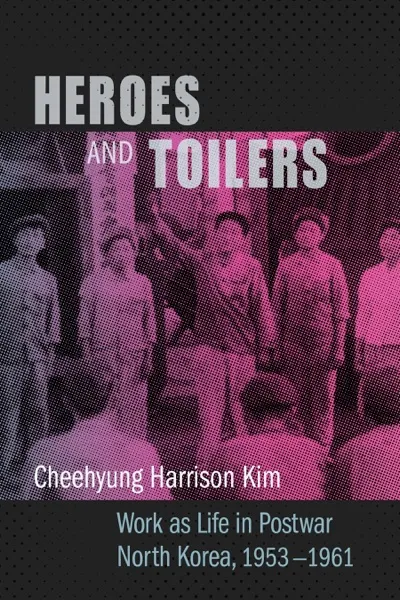
Heroes and Toilers Author: Cheehyung Harrison KimPage Count: UnknownPublication Year: 2019-GB Heroes and Toilers: A Riveting Exploration of Labor, Ideology, and Memory in North Korea Cheehyung Harrison Kim’s Heroes and Toilers is not just a book—it’s a revelation. Published in 2019, this meticulously researched work dismantles the myth of North Korea as a monolithic, inscrutable state, instead offering a vivid portrait of how the regime constructed its identity through labor, propaganda, and collective memory. Kim, an assistant professor of history at the University of Illinois, blends archival rigor with cultural analysis, revealing how ordinary North Koreans were transformed into "heroes" of the state while their toil remained invisible to the outside world. At its core, Heroes and Toilers grapples with a paradox that defines North Korea: the tension between the state’s relentless self-mythologizing and the harsh realities of its people’s lives. Kim argues that the regime’s cult of labor was not merely a tool of propaganda but a lived experience—one where factories, mines, and construction sites became stages for performance, where workers were both actors and audience in the grand narrative of socialist achievement. The book’s strength lies in its refusal to treat North Korea as a black box. Instead, Kim peels back layers of state-sanctioned history to expose the contradictions: the glorification of miners who risked their lives in dangerous tunnels, the erasure of women’s labor in favor of male-dominated narratives, and the way famine and deprivation were recast as heroic sacrifice. Kim’s writing is both accessible and profound, avoiding the dry abstraction often found in academic texts. He weaves together firsthand accounts, state documents, and visual culture—from posters to films—to show how labor was aestheticized. A striking example is the "speed battles" in the 1950s, where workers competed to exceed production quotas, their efforts immortalized in state media as acts of patriotism. Yet behind the fanfare lay exhaustion, scarcity, and the constant pressure to meet impossible targets. Kim’s prose captures this duality with precision: the book is as much about the performative aspect of North Korean socialism as it is about the human cost. One of the book’s most compelling sections examines the role of women, whose labor was systematically marginalized despite their indispensable contributions. Kim highlights how the state celebrated male industrial workers as "heroes" while framing women’s work—often in light industry or agriculture—as secondary. This gendered hierarchy was not incidental but central to the regime’s self-image. By focusing on the untold stories of women who labored in factories and fields, Kim challenges the dominant narrative and forces readers to confront the silences in North Korea’s official history. What makes Heroes and Toilers stand out is its balance between critique and empathy. Kim does not romanticize North Korea’s suffering, nor does he reduce its people to mere victims. Instead, he presents them as active participants in a system that demanded their loyalty even as it failed them. The book’s title itself is a masterstroke: "heroes" are the state’s chosen few, while "toilers" are the unseen many whose labor is never celebrated but always required. Kim’s style is immersive, drawing readers into the world of North Korea’s labor camps, model factories, and propaganda campaigns. His use of personal testimonies—some from defectors, others from state archives—adds a human dimension that elevates the book beyond mere political analysis. There are moments of stark beauty, such as when he describes how workers would carve portraits of Kim Il Sung into mountainsides, transforming the landscape into a monument to the regime’s cult of personality. Yet these acts of devotion were also acts of survival, a way to secure food rations or avoid persecution. Heroes and Toilers is more than a history of labor in North Korea; it’s a meditation on the power of narrative and the price of ideology. Kim’s work is a wake-up call to those who still view North Korea through the lens of Cold War stereotypes. This is a book that demands to be read not just for its insights into the past, but for its urgent relevance today, in an era where labor rights and state propaganda are once again becoming flashpoints. In an age of misinformation, Heroes and Toilers is a rare achievement—a book that informs, unsettles, and enlightens. It is essential reading for anyone seeking to understand the machinery of control behind North Korea’s facade, and the human beings who keep it running. #NorthKorea #LaborHistory #SocialistPropaganda #CultOfPersonality #CheehyungHarrisonKim #WorkersRights Related InsightsDark Restraint Book Review and Summary Now That We Don't Talk Book Review and Summary Before I Fall Book Review and Summary{ "@context": "https://schema.org", "@type": "FAQPage", "mainEntity": [ { "@type": "Question", "name": "What is the main focus of Heroes and Toilers Book Review and Summary?", "acceptedAnswer": { "@type": "Answer", "text": "Everything you need to know about Heroes and Toilers with our detailed review." } }, { "@type": "Question", "name": "Who authored the comprehensive guide on Heroes and Toilers Book Review and Summary?", "acceptedAnswer": { "@type": "Answer", "text": "This detailed article and its insights were carefully researched and authored by Marta Wisniewska." } }, { "@type": "Question", "name": "Where can I find more related content about Books?", "acceptedAnswer": { "@type": "Answer", "text": "You can explore more articles, detailed reviews, and similar insights by browsing the Related Insights section at the bottom of this article or visiting our dedicated Books category page." } } ] }
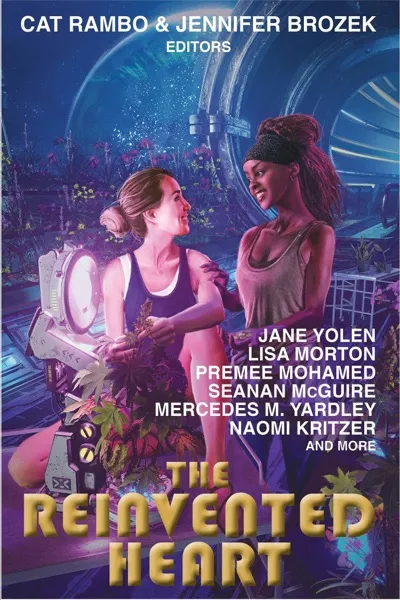
The Reinvented Heart Author: Jane YolenPage Count: UnknownPublication Year: 2022-GB The Reinvented Heart: A Masterclass in Love, Loss, and Resilience Jane Yolen, the prolific and revered storyteller, has once again woven a tapestry of emotion and intellect in The Reinvented Heart—a book that cements her status as a literary alchemist. While the exact page count remains a mystery, the depth of this work is anything but. Hailed as a global bestseller, Yolen’s latest offering is less a novel and more a mirror held up to the human condition, reflecting the fractures and renewals of the heart with unflinching honesty and poetic grace. At its core, The Reinvented Heart is a meditation on love in all its forms—romantic, familial, platonic—and the indomitable will to rebuild when it shatters. The book is not bound by genre; it dances between memoir, essay, and poetic vignette, each thread pulling the reader deeper into the author’s musings on grief, joy, and the quiet revolutions that shape us. Yolen, known for her versatility, here strips away the fantastical elements of her earlier works to focus on the raw, unvarnished truths of existence. Yet, even in its rawest moments, the prose retains a lyrical quality, as if each sentence has been polished by the sands of time and hardship. The book’s title is its thesis: the heart is not a static organ, but a living thing, capable of being broken and mended, reshaped and reinvented. Yolen explores this through her own life—her marriage, her children, her losses—and through the lives of others she has encountered or imagined. There is a universality to her reflections, yet they never feel generic. Instead, they resonate because they are deeply personal. When she writes about the death of a spouse, the estrangement of a child, or the quiet triumphs of resilience, she does so with a vulnerability that invites readers to confront their own vulnerabilities. Yolen’s style is deceptive in its simplicity. She writes with the clarity of a poet who has mastered the art of omission—leaving space for the reader’s own experiences to fill the gaps. Her sentences are uncluttered, yet they carry the weight of centuries of wisdom. There is a timelessness to her voice, as though she is channeling not just her own experiences but those of every person who has ever loved and lost. The result is a book that feels both ancient and urgently modern, a paradox that makes The Reinvented Heart so compelling. One of the book’s most striking qualities is its refusal to offer easy answers. Yolen does not promise that the heart will heal neatly or that love will always overcome. Instead, she acknowledges the messiness of human emotions—the way grief lingers, the way love can transform into something new, the way we reconstruct ourselves piece by piece. In this, she aligns herself with the great thinkers and writers who have grappled with the human condition, from Rilke to Oliver, but she does so with a distinctly personal touch. The book’s structure is fluid, shifting between personal anecdotes, philosophical musings, and poetic interludes. This fluidity mirrors the very subject matter—life, after all, is not a straight line but a series of curves, detours, and unexpected paths. Yolen’s ability to weave these disparate elements into a cohesive whole is nothing short of masterful. She doesn’t just tell stories; she creates an experience, one that lingers long after the last page is turned. What makes The Reinvented Heart particularly poignant is its unapologetic optimism. In a world that often seems defined by cynicism and despair, Yolen’s work is a defiant celebration of hope. She writes not of a heart that is simply repaired but of one that is reinvented—stronger, wiser, and more compassionate than before. This is not a naive optimism but a hard-won one, forged in the fires of loss and tempered by time. For readers who have ever questioned the durability of their own hearts, The Reinvented Heart will feel like a balm. For those who have loved and lost, it will feel like a companion. And for anyone who has ever wondered how to go on after the unthinkable, it will feel like a lifeline. Jane Yolen has crafted a book that is not just to be read but to be lived with, a testament to the enduring power of the human spirit. #TheReinventedHeart #JaneYolen #LiteraryMasterpiece #HealingThroughWords #BookReview #EmotionalResilience Related InsightsBack for Seconds Book Review and Summary No Plan B Book Review and Summary Day of Ascension Book Review and Summary{ "@context": "https://schema.org", "@type": "FAQPage", "mainEntity": [ { "@type": "Question", "name": "What is the main focus of The Reinvented Heart Book Review and Summary?", "acceptedAnswer": { "@type": "Answer", "text": "Everything you need to know about The Reinvented Heart with our detailed review." } }, { "@type": "Question", "name": "Who authored the comprehensive guide on The Reinvented Heart Book Review and Summary?", "acceptedAnswer": { "@type": "Answer", "text": "This detailed article and its insights were carefully researched and authored by Marta Wisniewska." } }, { "@type": "Question", "name": "Where can I find more related content about Books?", "acceptedAnswer": { "@type": "Answer", "text": "You can explore more articles, detailed reviews, and similar insights by browsing the Related Insights section at the bottom of this article or visiting our dedicated Books category page." } } ] }

Tryst Six Venom Author: Penelope DouglasPage Count: UnknownPublication Year: 2021-GB Penelope Douglas crafts worlds that feel like a fever dream—raw, intoxicating, and impossible to look away from. Tryst Six Venom is no exception. A global bestseller that has left readers breathless and obsessed, this novel is less a story and more a psychological unraveling, a dark symphony of obsession, revenge, and the twisted bonds that form when love and hatred become indistinguishable. Douglas doesn’t just write dark romance; she excavates it from the marrow of human emotion, leaving us gasping in the wreckage of its beauty. At its core, Tryst Six Venom is a tale of vengeance wrapped in the seductive allure of forbidden desire. The narrative orbits around a group of six individuals—each harboring their own secrets, scars, and motives—whose lives become irrevocably entangled in a deadly game of retribution. The title itself is a venomous whisper, promising toxicity, a slow-burning poison that seeps into every interaction. Douglas excels at playing with duality: light and dark, love and loathing, trust and betrayal. She doesn’t just blur the lines between these opposites; she erases them entirely. The result is a story that feels less like fiction and more like a confession extracted under duress. What makes Douglas’s work stand out is her fearless approach to character development. Her protagonists are not heroes in any traditional sense—they are flawed, often despicable, yet undeniably magnetic. The emotional landscape she builds is one where redemption is a myth, and forgiveness is a luxury few deserve. This is not a world where second chances are given freely; it’s a world where consequences are as inevitable as the tides. The characters in Tryst Six Venom are not just flawed—they are deeply broken, their motivations twisted by past traumas, and their actions driven by a need for control in a universe that has given them none. Douglas’s prose is as sharp as a blade. She writes with a rawness that feels almost invasive, peeling back layers of emotion with surgical precision. Her dialogue crackles with tension, loaded with subtext and unspoken desires. There’s a rhythm to her writing that mirrors the pulse of a thriller—each word a step closer to the edge of a cliff, each sentence a breath held in anticipation. She doesn’t waste time on frivolous descriptions; instead, she immerses the reader in the emotional turmoil, making it impossible to step back and observe from a distance. You don’t just read Tryst Six Venom—you feel it. The theme of toxic love is not new, but Douglas treats it with a rawness that feels fresh and unsettling. The relationships in this book are not built on trust but on manipulation, not on safety but on danger. The six characters at the heart of the story are bound by a shared history of pain, and their connection is as much about survival as it is about desire. There’s a sense of inevitability in their interactions, as if they are all hurtling toward a collision that will either destroy them or bind them forever. The emotional intensity is almost suffocating, a testament to Douglas’s ability to make the reader care—even when the characters themselves are unlikable. Douglas also excels at building atmosphere. The settings in Tryst Six Venom are more than just backdrops; they are characters in their own right. Whether it’s the oppressive claustrophobia of a high school hallway or the suffocating luxury of a penthouse, the environments reflect the inner turmoil of the characters. The world feels small and suffocating, mirroring the characters’ inability to escape their pasts or their own natures. One of the most striking aspects of the book is its refusal to offer easy resolutions. Douglas doesn’t believe in neat endings or happy resolutions. Instead, she forces her characters—and her readers—to confront the ugliness of their desires and the consequences of their actions. The ending of Tryst Six Venom is not a resolution but a reckoning, a moment where the characters must face the venom they’ve unleashed, both in themselves and in each other. Penelope Douglas writes with a fearlessness that is both terrifying and exhilarating. Tryst Six Venom is not a book for the faint of heart. It is a story that demands to be felt, a dark romance that lingers like a bruise. It is a testament to the power of toxic relationships, the allure of revenge, and the way love and hate can become indistinguishable. If you’re looking for a story that will leave you breathless, obsessed, and slightly unsettled, this is it. #TrystSixVenom #DarkRomance #ToxicLove #PenelopeDouglas #DarkAcademia #WhyChooseRomance
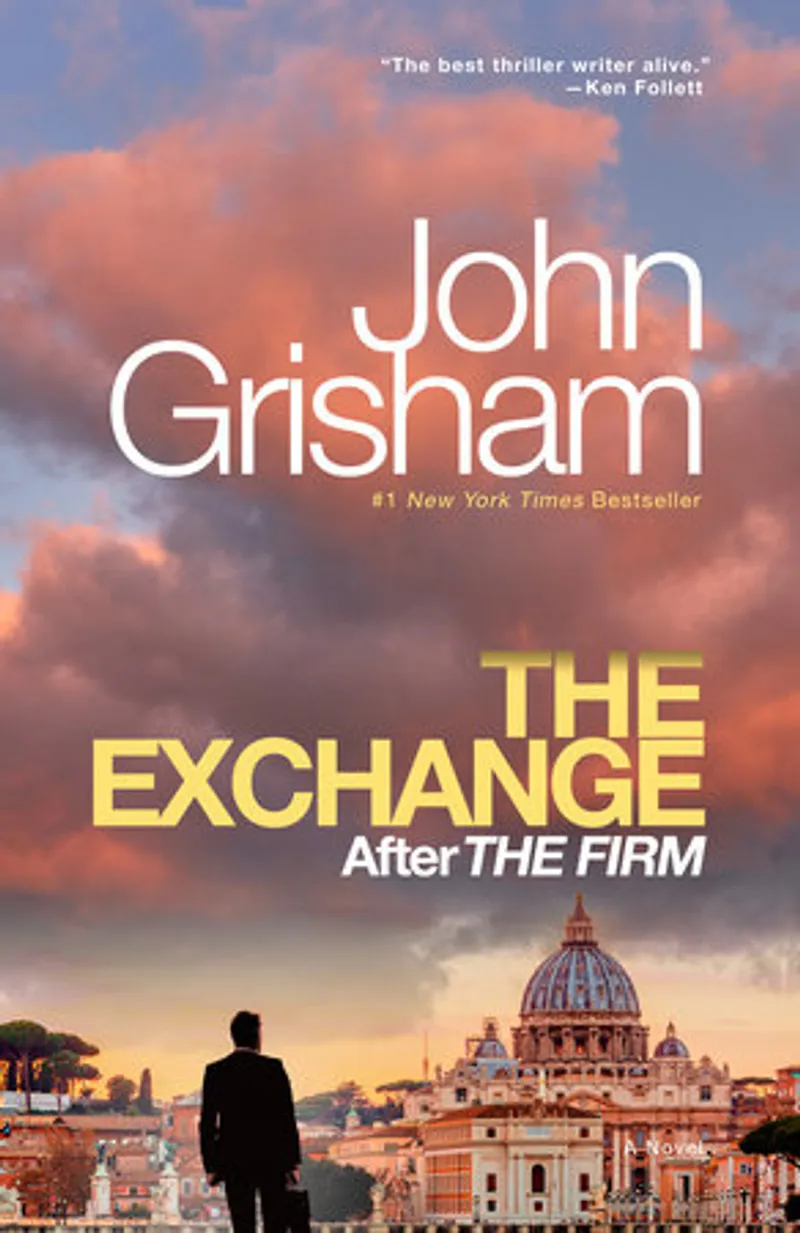
The Exchange Author: John GrishamPage Count: UnknownPublication Date: 2024-PRH The Exchange: A High-Stakes Return to the World of Mitch McDeere John Grisham’s The Exchange is a masterclass in legal suspense, a high-flying sequel that reunites readers with Mitch McDeere, the sharp-witted lawyer who once outmaneuvered the mob in The Firm. Fifteen years after his daring escape from Memphis, Mitch is now a partner at the world’s largest law firm, living a life of privilege in Manhattan. But when a mentor’s request lures him to Rome, Istanbul, and Tripoli, Mitch finds himself entangled in a global conspiracy that threatens everything he holds dear. Grisham, ever the maestro of legal thrillers, delivers a story that is as much about survival as it is about justice. At its core, The Exchange explores the cost of success and the shadows that follow those who dare to challenge the powerful. Mitch McDeere is no longer the young, desperate lawyer from The Firm—he’s a seasoned professional, but his past is never far behind. Grisham’s genius lies in his ability to weave personal stakes into a broader geopolitical thriller. The book’s title itself is a double entendre: an exchange of secrets, an exchange of lives, and ultimately, an exchange of power. As Mitch navigates a labyrinth of international intrigue, he must confront the ghosts of his past while protecting his family from those who seek to destroy him. Grisham’s prose is as tight and efficient as ever, with a rhythm that keeps the pages turning. His legal background shines through in the meticulous plotting, where every detail feels grounded in reality. The dialogue crackles with tension, and the pacing is relentless, ensuring that readers are never left wanting. Yet, what truly sets The Exchange apart is its global scope. Unlike The Firm, which was confined to the U.S., this sequel takes Mitch across continents, adding a layer of exoticism and danger that elevates the stakes. The character of Mitch McDeere has evolved, but his essence remains the same—brilliant, resourceful, and fiercely loyal. Abby, his wife, is no longer the fragile figure from the first book but a formidable presence in her own right. Their relationship is tested in ways that feel both authentic and heartbreaking, adding emotional depth to the high-stakes action. Grisham also introduces a cast of new characters, each with their own agendas, ensuring that the narrative is as unpredictable as it is engaging. One of the book’s strongest themes is the idea that no matter how far you run, the past will always find you. Mitch’s journey is a reminder that some debts can never be fully repaid, and some enemies never truly disappear. The international setting amplifies this sense of inevitability—whether in the bustling streets of Rome or the tense corridors of power in Tripoli, Mitch is always one step behind, always racing against time. Grisham’s ability to blend legal drama with espionage and personal stakes is what makes The Exchange a standout. It’s not just a thriller; it’s a meditation on power, loyalty, and the price of redemption. Fans of The Firm will be thrilled to see Mitch return, but this book stands firmly on its own, offering a fresh and exhilarating experience. For those who love legal thrillers with a global twist, The Exchange is a must-read. Grisham proves once again why he remains the king of the genre, delivering a story that is as thought-provoking as it is thrilling. #TheExchange #JohnGrisham #MitchMcDeere #LegalThriller #InternationalSuspense #GrishamReturns Related InsightsSolo el fin del mundo otra vez Book Review and Summary Mother Dearest Book Review and Summary Girl, Interrupted Book Review and Summary{ "@context": "https://schema.org", "@type": "FAQPage", "mainEntity": [ { "@type": "Question", "name": "What is the main focus of The Exchange Book Review and Summary?", "acceptedAnswer": { "@type": "Answer", "text": "Everything you need to know about The Exchange with our detailed review." } }, { "@type": "Question", "name": "Who authored the comprehensive guide on The Exchange Book Review and Summary?", "acceptedAnswer": { "@type": "Answer", "text": "This detailed article and its insights were carefully researched and authored by Marta Wisniewska." } }, { "@type": "Question", "name": "Where can I find more related content about Books?", "acceptedAnswer": { "@type": "Answer", "text": "You can explore more articles, detailed reviews, and similar insights by browsing the Related Insights section at the bottom of this article or visiting our dedicated Books category page." } } ] }
When the Moon Hits Your Eye Author: John ScalziPage Count: UnknownPublication Year: 2025-GB John Scalzi’s When the Moon Hits Your Eye arrives in 2025 not as a quiet whisper but as a cultural tidal wave—already crowned a global bestseller before its official release. That’s no accident. Scalzi, a master of narrative alchemy, has crafted a novel that feels less like a book and more like a shared experience: a story that lingers in the mind long after the last page, haunting the edges of your perception like the afterimage of a full moon. It’s a work that doesn’t just tell a story—it invites you into one, wrapping you in its rhythm, its wit, and its quiet emotional depth. At its core, When the Moon Hits Your Eye is a novel about perspective. Not the clichéd “see the world through someone else’s eyes,” but something far more profound: the way our view of the world is shaped by time, memory, and the stories we tell ourselves. The novel unfolds across three distinct timelines—past, present, and a speculative future—each orbiting the others like planets caught in a celestial dance. The past is anchored in a small coastal town where a mysterious event—a lunar eclipse that casts no shadow—shatters the life of a young woman named Mara. The present follows an aging astronomer, now a recluse, haunted by the events of that night decades earlier. And the future? That’s where things get truly audacious: a lunar colony where the moon doesn’t behave as physics dictates, where the sky flickers with unnatural light, and where the past refuses to stay buried. Scalzi’s genius lies in how he weaves these threads together. He doesn’t just juggle timelines—he makes them breathe. The prose is deceptively simple, polished to a gleam, yet every word carries weight. There’s a rhythm to it, like the tides that govern the coastal setting, pulling the reader forward with irresistible momentum. His dialogue crackles with authenticity, whether it’s the dry humor of a retired scientist or the raw vulnerability of a woman confronting a truth she’s spent a lifetime avoiding. Scalzi understands that great storytelling isn’t about spectacle alone—it’s about the quiet moments between the explosions, the glances exchanged across a room, the way a single line of dialogue can echo through decades. The novel’s emotional core is found in its meditation on legacy—how what we do echoes beyond our lifetimes, how the choices we make ripple into futures we’ll never see. Mara’s story is one of loss and resilience, of a woman who survives a personal apocalypse only to spend her life trying to understand it. The astronomer, in turn, is a man who built his career on trying to explain the unexplainable, only to realize he’s been chasing shadows. Their paths converge in the future, where the consequences of that long-ago eclipse are finally revealed—not as a disaster, but as a transformation. The moon, that ancient symbol of constancy, becomes a mirror, reflecting back not what we expect, but what we’ve always feared to acknowledge. Scalzi’s style is unmistakable: witty, precise, and deeply human. He doesn’t waste words on unnecessary ornamentation, yet the prose never feels sparse. Instead, it’s like a well-tuned instrument—every note matters, every pause is intentional. He blends hard science with lyrical imagery, grounding the speculative elements in a reality so vivid you can taste the salt in the air by the sea. There’s a warmth to his writing, a generosity in how he treats his characters, even when their flaws are glaring. You care about them—not because they’re heroic, but because they’re flawed, real, and trying their best in a world that doesn’t always make sense. The speculative elements of When the Moon Hits Your Eye are handled with restraint and intelligence. Scalzi doesn’t indulge in gratuitous world-building; instead, he lets the mystery unfold naturally, trusting the reader to piece together the clues. The lunar colony isn’t a theme park of futuristic marvels—it’s a place of quiet desperation, where the promise of the stars is tempered by the weight of isolation. The moon itself becomes a character, a silent witness to human folly and resilience. It’s a brilliant metaphor for how we view our own lives—sometimes too close to see clearly, other times too distant to grasp its true shape. What lingers most about the novel is its emotional resonance. Beneath the science and the speculative twists lies a deeply human story about grief, redemption, and the stories we tell to make sense of the world. Scalzi never shies away from the difficult questions: What do we owe the past? How do we live with what we can’t change? What does it mean to be human when the universe itself seems to defy the rules? These aren’t questions with easy answers, and the novel doesn’t pretend they are. Instead, it offers a space to sit with the uncertainty—to stare into the abyss of the unknown and find, not resolution, but a kind of fragile peace. When the Moon Hits Your Eye is more than a bestseller. It’s a cultural artifact, a moment captured in print that will be dissected, discussed, and debated for years. Scalzi has written a novel that feels destined to become a classic—not because it’s perfect, but because it’s honest. It’s a story that understands the power of perspective, the weight of memory, and the quiet magic of a world that refuses to stay still. If you read one book in 2025, let it be this one. It won’t just hit your eye—it will stay with you, long after the moon has set. #WhenTheMoonHitsYourEye #JohnScalzi #SciFiThatMatters #LunarMystery #FuturePastPresent #ReadWithTheStars
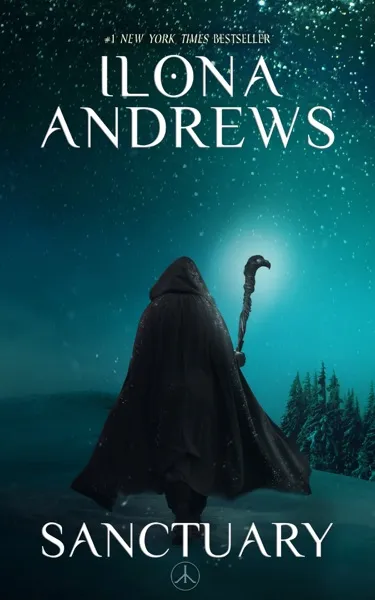
Sanctuary Author: Ilona AndrewsPage Count: UnknownPublication Year: 2024-GB Ilona Andrews’ Sanctuary is a dazzling return to the urban fantasy universe that has cemented her reputation as a master storyteller. Published in 2024, this latest installment in the Hidden Legacy series continues the saga of Curran, Kate, and their sprawling found family, blending high-stakes magic, political intrigue, and raw emotional power. If you’ve ever craved a world where ancient curses collide with modern power struggles, where family loyalty is tested by forces both supernatural and all-too-human, then Sanctuary is your next obsession. At its core, Sanctuary explores the concept of refuge—not just as a physical place, but as a state of being. In a world where violence and betrayal lurk around every corner, the characters grapple with what it means to truly belong, to feel safe, and to fight for those they love. Andrews crafts this theme with exquisite precision, weaving it through every interaction, every spell, every battle. The book asks: Can sanctuary ever be permanent, or is it a fleeting illusion in a world that demands constant vigilance? The answer, as always with Andrews, is both heartbreaking and hopeful. Andrews’ prose is a force of nature. She writes with a cinematic clarity, painting vivid scenes that leap off the page—whether it’s the oppressive weight of a cursed palace, the electric tension of a duel, or the quiet intimacy of a family gathering. Her dialogue crackles with wit and authenticity, making even the most otherworldly characters feel achingly real. The Hidden Legacy series is known for its sharp banter and deep emotional resonance, and Sanctuary delivers on both fronts. The relationship between Kate and Curran remains the beating heart of the story, their love as fierce and unyielding as the magic they wield. But Andrews also shines a spotlight on the found family around them—the Beast Lords, the shapeshifters, the humans—each with their own struggles and triumphs, all bound together by loyalty and shared purpose. One of the most compelling aspects of Andrews’ writing is her worldbuilding. The Hidden Legacy universe is a labyrinth of political factions, ancient bloodlines, and supernatural hierarchies, yet she navigates it with such deftness that the complexity never feels overwhelming. Instead, it immerses you, pulling you deeper into a world where curses and politics are inextricably linked. The stakes in Sanctuary are sky-high, with alliances shifting, old wounds reopening, and new threats emerging from the shadows. Andrews doesn’t shy away from the brutality of this world, but she balances it with moments of tenderness and humor, making the story feel both epic and deeply personal. The book’s pacing is relentless, yet never rushed. Andrews has a gift for escalating tension, pulling you into a whirlwind of action before giving you just enough breathing room to process the emotional fallout. The action sequences are brutal and breathtaking, but it’s the quieter moments—the whispered confessions, the shared silences, the unspoken fears—that linger longest. This is a story about the people who stand beside you when the world is on fire, and Andrews makes you feel their bonds as if they were your own. If Sanctuary has a flaw, it’s that it leaves you hungry for more. The ending is satisfying in its own right, but it also sets the stage for the next chapter, leaving you desperate to dive back into this world. Andrews’ ability to craft such immersive, emotionally charged narratives is unparalleled, and Sanctuary is no exception. For fans of urban fantasy, this book is a must-read. For newcomers, it’s the perfect entry point into a series that promises both adventure and heart. Ilona Andrews doesn’t just write stories—she crafts experiences, and Sanctuary is another masterpiece in a body of work that continues to redefine the genre. #HiddenLegacy #UrbanFantasy #IlonaAndrews #KateDaniels #CurranLennart #FantasyBooks Related InsightsWhat Abigail Did That Summer Book Review and Summary A Court of Mist and Fury Book Review and Summary Lina & June Book Review and Summary{ "@context": "https://schema.org", "@type": "FAQPage", "mainEntity": [ { "@type": "Question", "name": "What is the main focus of Sanctuary Book Review and Summary?", "acceptedAnswer": { "@type": "Answer", "text": "Everything you need to know about Sanctuary with our detailed review." } }, { "@type": "Question", "name": "Who authored the comprehensive guide on Sanctuary Book Review and Summary?", "acceptedAnswer": { "@type": "Answer", "text": "This detailed article and its insights were carefully researched and authored by Marta Wisniewska." } }, { "@type": "Question", "name": "Where can I find more related content about Books?", "acceptedAnswer": { "@type": "Answer", "text": "You can explore more articles, detailed reviews, and similar insights by browsing the Related Insights section at the bottom of this article or visiting our dedicated Books category page." } } ] }
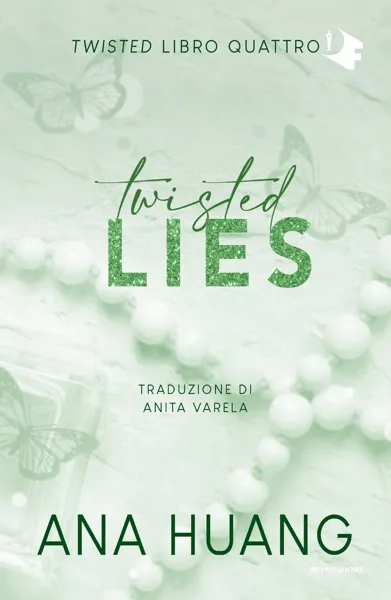
Twisted Lies Author: Ana HuangPage Count: UnknownPublication Year: 2022-GB Ana Huang’s Twisted Lies is a masterclass in modern romantic suspense, blending sharp wit with explosive emotional stakes. As the fourth installment in her Twisted series, it cements Huang’s reputation as a master storyteller who can turn personal betrayal into a page-turning spectacle. Published in 2022, this novel doesn’t just ride the wave of the genre’s popularity—it reshapes it, delivering a narrative that’s equal parts addictive and thought-provoking. At its core, Twisted Lies explores the fragile boundaries between truth and deception, loyalty and revenge. Huang doesn’t just ask what happens when trust is broken—she dissects the psychology behind it. The story follows a protagonist who navigates a web of lies spun by those closest to her, forcing her to question not only others’ motives but her own judgment. It’s a theme that resonates deeply in an era where misinformation, social media facades, and personal secrets can unravel lives overnight. Huang takes this idea and thrusts it into a steamy, high-stakes romance, proving that the most dangerous lies aren’t told by strangers—they’re the ones whispered by lovers and friends. One of Huang’s greatest strengths is her ability to craft characters who feel real enough to step off the page. Her protagonists aren’t flawless; they’re flawed, conflicted, and often deeply flawed in ways that make their journeys compelling. The heroine in Twisted Lies, for instance, is forced to confront her own past mistakes while grappling with a present that seems determined to punish her. She’s not a damsel in distress—she’s a woman who learns, stumbles, and ultimately fights back. Huang avoids the trap of making her characters either entirely virtuous or irredeemably villainous, instead painting them in shades of gray that mirror real life. The author’s prose is sleek, modern, and unapologetically addictive. Huang’s writing crackles with energy, blending sharp dialogue with lush descriptions that make even the most mundane settings feel charged with tension. Her pacing is relentless, with each chapter ending on a hook that demands to be read just one more time. There’s a rhythmic quality to her storytelling—like a dance between revelation and suspense—that keeps readers glued to the page. Yet beneath the surface-level glamour and steam, there’s a gritty emotional core. Huang doesn’t shy away from exploring pain, betrayal, and the messy, complicated nature of healing. What truly sets Twisted Lies apart is its refusal to offer easy answers. The resolution isn’t a neat bow tied around a happy ending; it’s a messy, realistic conclusion that leaves room for growth and reflection. Huang understands that life—and love—isn’t always fair, and she’s unafraid to let her characters suffer the consequences of their choices. This realism elevates the book beyond mere entertainment, making it a story that lingers long after the final page. Another standout element is Huang’s exploration of power dynamics, particularly in romantic relationships. The novel delves into questions of control, consent, and agency, all wrapped in a narrative that’s as much about self-discovery as it is about romance. It’s a timely theme, especially in an era where discussions about toxic relationships and emotional manipulation are more urgent than ever. Huang’s style is undeniably influenced by contemporary romance tropes—enemies-to-lovers, forced proximity, high-society drama—but she infuses these familiar elements with fresh energy and emotional depth. She doesn’t just follow the formula; she bends it, subverts it, and makes it her own. The result is a novel that feels both familiar and entirely original. For readers who love their romance with a side of danger, Twisted Lies delivers in spades. It’s a book that will make you laugh, gasp, and possibly even shed a tear—sometimes all in the same chapter. Huang has crafted a story that’s as intelligent as it is seductive, proving once again why she’s a global bestseller. If you’re a fan of emotional, high-stakes romance with characters you can’t help but root for, Twisted Lies is a must-read. Ana Huang isn’t just writing love stories—she’s writing lifelines. #TwistedLies #AnaHuang #RomanceBooks #SuspenseRomance #NewAdultFiction #MustRead2022
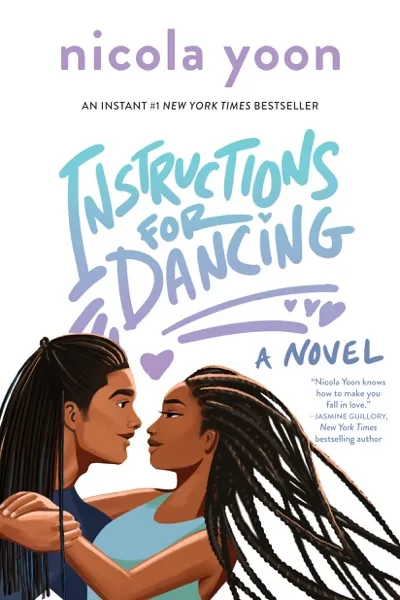
Instructions for Dancing Author: Nicola YoonPage Count: UnknownPublication Year: 2021-GB Nicola Yoon’s Instructions for Dancing is a love story wrapped in a mystery, pulsing with the kind of emotional depth that makes you linger over every sentence long after the last page. At its core, this novel is about choice—the messy, exhilarating, and sometimes heartbreaking choices that define who we become. It follows Evie, a cynical teenager who, after witnessing a couple share their first dance, suddenly gains the ability to see the entire love story of any couple she observes, from their first meeting to their inevitable breakup. The gift is a curse, forcing her to confront the fragility of love and the inevitability of loss. But when she meets X, a boy who refuses to let her shut love out completely, Evie must decide whether to trust the possibility of a happy ending—even when the evidence around her says otherwise. What makes Instructions for Dancing so compelling is Yoon’s signature ability to blend the fantastical with the deeply human. The premise—love as a dance with steps you don’t know until it’s too late—is whimsical, even romantic, but Yoon grounds it in raw, relatable emotions. Evie’s journey isn’t just about seeing love’s impermanence; it’s about grappling with grief, fear, and the courage to try again. Yoon’s prose is lyrical yet grounded, painting scenes with vivid imagery that makes the story feel both intimate and expansive. Whether she’s describing a rain-soaked dance floor or the quiet ache of a first heartbreak, her words resonate with authenticity. One of the novel’s strengths is its refusal to shy away from hard truths. Evie’s skepticism isn’t dismissed as mere pessimism; it’s a survival mechanism, a way to protect herself after losing her mother and watching her father’s grief consume him. The book’s exploration of mental health—Evie’s anxiety, her father’s depression—is handled with care, avoiding clichés while still acknowledging the weight of these struggles. Yoon doesn’t offer easy fixes, but she does offer hope: the idea that love, even when imperfect, is worth the risk. X, Evie’s love interest, is a standout character—not because he’s flawless, but because he’s real. He’s stubborn, funny, and deeply compassionate, the kind of person who sees Evie’s walls and chooses to climb them anyway. Their dynamic crackles with chemistry, but Yoon ensures their relationship never feels like a fairy tale. There are misunderstandings, missteps, and moments where both characters must confront their own flaws. It’s refreshing to see a YA romance that prioritizes emotional growth over dramatic declarations. Yoon’s structure adds another layer of intrigue. The nonlinear storytelling—jumping between Evie’s past, her present, and the dance lessons she takes to understand love—keeps the narrative dynamic. Each chapter feels like a step in her journey, building toward a climax that’s both inevitable and surprising. The ballroom setting, with its strict rules and elegant chaos, mirrors Evie’s own life: beautiful but controlled, until she learns to improvise. What lingers most after finishing Instructions for Dancing is its message about agency. Evie’s power isn’t just seeing love’s end; it’s choosing to dance despite knowing the steps. Yoon suggests that love isn’t about avoiding pain but about embracing the full experience—heartbreak included. It’s a bittersweet lesson, but one that feels necessary in a world where so many are taught to fear vulnerability. Nicola Yoon has crafted a story that’s equal parts magical and grounded, a testament to the idea that love, like dancing, is something you learn by doing—even when you step on toes. Instructions for Dancing isn’t just a love story; it’s an invitation to take a chance, to trust the music, and to keep moving forward. #InstructionsForDancing #NicolaYoon #YA romance #LoveStories #TeenFiction #MustRead Related InsightsI Put a Spell on You (Fableview #2) Book Review and Summary Smoke in the sun Book Review and Summary Down Bad (The New Romantics, #2) Book Review and Summary{ "@context": "https://schema.org", "@type": "FAQPage", "mainEntity": [ { "@type": "Question", "name": "What is the main focus of Instructions for Dancing Book Review and Summary?", "acceptedAnswer": { "@type": "Answer", "text": "Everything you need to know about Instructions for Dancing with our detailed review." } }, { "@type": "Question", "name": "Who authored the comprehensive guide on Instructions for Dancing Book Review and Summary?", "acceptedAnswer": { "@type": "Answer", "text": "This detailed article and its insights were carefully researched and authored by Marta Wisniewska." } }, { "@type": "Question", "name": "Where can I find more related content about Books?", "acceptedAnswer": { "@type": "Answer", "text": "You can explore more articles, detailed reviews, and similar insights by browsing the Related Insights section at the bottom of this article or visiting our dedicated Books category page." } } ] }
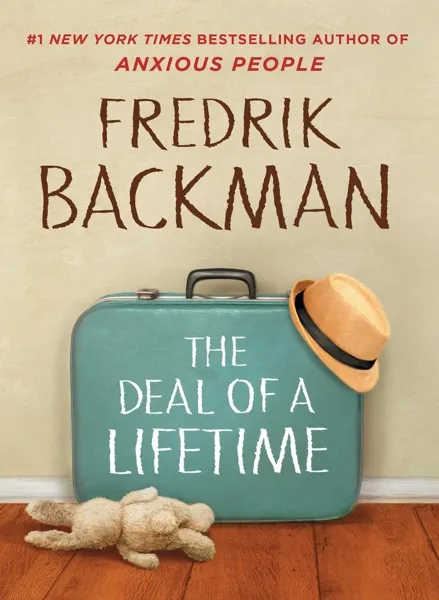
Deal of a Lifetime and Other Stories Author: Fredrik BackmanPage Count: UnknownPublication Year: 2018-GB Fredrik Backman’s Deal of a Lifetime and Other Stories is a masterclass in storytelling—compact, poignant, and unerringly human. Though the exact page count remains elusive, the book’s essence lies not in its length but in its ability to distill life’s most profound moments into a handful of pages. Published in 2018, this collection arrives at a time when readers crave brevity without sacrificing depth, and Backman delivers with the precision of a surgeon’s scalpel, slicing away the extraneous to reveal the raw, beating heart beneath. At its core, the book is a meditation on time, sacrifice, and the quiet bargains we make with fate. Each story orbits around the idea of a "deal"—a transaction, whether literal or emotional, that alters lives irrevocably. Backman, best known for his novels like A Man Called Ove and Beartown, has a rare talent for finding the extraordinary in the mundane. Here, he strips away the novel’s scaffolding, leaving only the essentials: a few characters, a fleeting moment, and a revelation that lingers long after the last word. The first story, Deal of a Lifetime, sets the tone. It follows an elderly man named Holger, who strikes a Faustian bargain with death—a week of his life in exchange for the life of his beloved wife. The premise is simple, even clichéd in lesser hands, but Backman infuses it with a tenderness that borders on the sacred. There’s no melodrama, no grand speeches—just two old souls navigating the surreal reality of their bargain with a quiet dignity that feels achingly real. The story’s power lies in its restraint; Backman trusts the reader to fill in the gaps, to feel the weight of the deal without it being spelled out. It’s a testament to his skill that he can make the supernatural feel as tangible as the wrinkles on Holger’s hands. Another standout, The Leaving, explores the theme through the eyes of a man leaving his wife. The narrative unfolds in reverse, revealing the cracks in their marriage one by one, not through bitter recriminations but through small, telling details—a half-finished crossword puzzle, a mismatched sock, a glance that lingers too long on the door. Backman’s genius here is in his ability to make the reader complicit in the unraveling. We see the fractures before the characters do, and the tragedy isn’t in the leaving itself but in the quiet erosion of love over time. It’s a story that could easily veer into maudlin territory, but Backman’s humor—dry, unsentimental, and often laugh-out-loud funny—keeps it grounded. Even in heartbreak, there’s room for a smirk. What unites these stories is Backman’s voice: warm, wry, and deeply empathetic. His prose is effortless, like a conversation with a friend who just happens to be a genius. He doesn’t waste words on flourishes; every sentence serves a purpose, whether it’s to reveal character, deepen a theme, or pivot the story toward its inevitable emotional payoff. This economy of language is deceptive. At first glance, his style seems simple, but it’s the precision that makes it sing. He trusts the reader to infer, to feel, to connect the dots. There’s no heavy-handed moralizing, no saccharine sentimentality—just life, in all its messy, beautiful, heartbreaking glory. Backman’s ability to evoke empathy is his greatest strength. In The Last Letter, a widower writes a series of unsent letters to his late wife, each one revealing a different facet of their life together. The story could easily descend into mawkishness, but Backman sidesteps it by focusing on the mundane—her habit of leaving her teacup too long on the counter, his own stubbornness in refusing to throw out her slippers. These small details make the loss feel visceral. We don’t need a grand gesture to understand grief; Backman shows us that it’s in the quiet, unremarkable moments that we hurt the most. The collection also includes The Things We Keep, a story about a man who, upon learning he has a terminal illness, decides to give away his most prized possessions. The twist—his definition of "prized" is far more unconventional than the reader might expect—adds a layer of dark humor that catches you off guard. It’s a reminder that even in the face of mortality, life isn’t a tragedy but a series of choices, some noble, some selfish, all deeply human. Backman’s exploration of time is equally compelling. In The Second-Best Thing in Life, an aging actor reflects on his career and the choices that led him to where he is. The story is a meditation on regret, but also on the absurdity of chasing validation. Backman’s humor shines here, particularly in the actor’s musings on his younger self’s delusions of grandeur. It’s a story that could easily wallow in self-pity, but instead, it’s uplifting—a celebration of the quiet, unheralded moments that define a life. If there’s a criticism to be leveled, it’s that the collection’s brevity might leave some readers wanting more. Backman’s stories are like perfect bites of a rich dessert—satisfying, but you finish them too quickly. There’s a sense of compression here that, while impressive, can feel a bit constrained. Yet this is also the book’s strength. It’s the literary equivalent of a haiku; every word counts, and the space between the lines is just as important as the words themselves. Deal of a Lifetime and Other Stories is a book that lingers. It doesn’t demand that you finish it in one sitting or that you remember every detail. Instead, it asks you to carry its themes with you—to think about the deals you’ve made, the bargains you’ve struck, and the quiet moments that define a life. Backman has a way of making the ordinary feel extraordinary, and in a world that often moves too fast, his stories are a balm. They remind us to slow down, to look closer, and to find the magic in the mundane. In an era where everything is rushed, where we skim headlines and swipe past emotions, Backman’s stories are a gift. They’re proof that the best stories don’t need hundreds of pages to move you. Sometimes, all it takes is a single moment, a single deal, a single act of love or sacrifice to change everything. #FredrikBackman #DealOfALifetime #ShortStories #EmotionalStories #LifeChangingReads #BackmanMagic Related InsightsNotes on a Nervous Planet Book Review and Summary The Lost Book of the White Book Review and Summary I'm Sorry You Feel That Way: A Novel Book Review and Summary{ "@context": "https://schema.org", "@type": "FAQPage", "mainEntity": [ { "@type": "Question", "name": "What is the main focus of Deal of a Lifetime and Other Stories Book Review and Summary?", "acceptedAnswer": { "@type": "Answer", "text": "Everything you need to know about Deal of a Lifetime and Other Stories with our detailed review." } }, { "@type": "Question", "name": "Who authored the comprehensive guide on Deal of a Lifetime and Other Stories Book Review and Summary?", "acceptedAnswer": { "@type": "Answer", "text": "This detailed article and its insights were carefully researched and authored by Marta Wisniewska." } }, { "@type": "Question", "name": "Where can I find more related content about Books?", "acceptedAnswer": { "@type": "Answer", "text": "You can explore more articles, detailed reviews, and similar insights by browsing the Related Insights section at the bottom of this article or visiting our dedicated Books category page." } } ] }
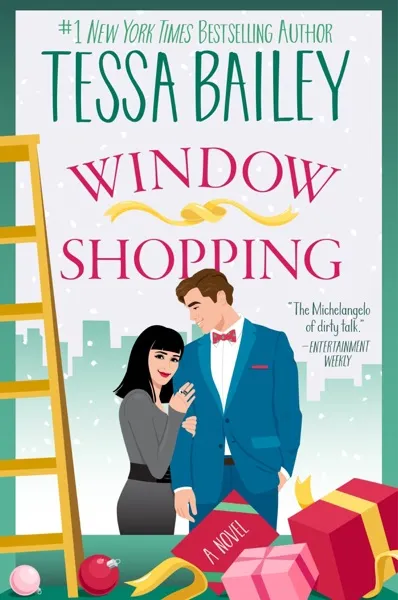
Window Shopping Author: Tessa BaileyPage Count: UnknownPublication Year: 2021-GB Window Shopping by Tessa Bailey is a dazzling, sun-drenched romance that blends humor, heart, and the electric tension of unspoken desire. Released in 2021, this novel quickly ascended to global bestseller status, earning praise for its witty dialogue, steamy chemistry, and emotionally rich character dynamics. While the exact page count remains elusive, the story’s impact feels anything but brief—it lingers like the lingering warmth of a summer evening. At its core, Window Shopping is a love story about perspective: how we see others, how we see ourselves, and the blurry line between fantasy and reality. Set against the backdrop of a small coastal town, the novel follows Emerson Morrissey, a former child star turned window dresser with a knack for creating arresting, dreamlike displays. Her talent lies not just in arranging mannequins or fabrics, but in crafting illusions—spaces that feel like invitations, windows that tell stories without words. But Emerson’s real-life view is far from clear. Haunted by a canceled TV show and a family that never quite understood her, she hides behind sarcasm and meticulously curated appearances. Enter West Windsor, the town’s brooding, perpetually scowling fire chief and local legend. West is the kind of man who exists more in rumors than in conversation—a stoic figure with a reputation for intensity and a jawline that could cut glass. To Emerson, he’s a fixture, a silent sentinel in the background of her carefully arranged world. But when a chance encounter—literally, as the two collide outside a café—ignites a spark neither can ignore, the lines between observer and participant begin to blur. Bailey excels at building tension through contrast. Emerson is all light and movement, a whirlwind of creativity and self-doubt, while West is stillness and depth, a man who carries the weight of responsibility like a second skin. Their chemistry crackles from the first page, not through grand declarations, but through glances, near-misses, and the kind of awkward, stumbling conversations that feel achingly real. Bailey’s dialogue is sharp and sparkling, peppered with pop culture references, sarcastic banter, and moments of raw vulnerability that sneak up like tides. The theme of perception runs deep. Emerson, who spends her days crafting beautiful facades, struggles to see herself clearly. She measures her worth in likes and comments, in the fleeting validation of strangers scrolling past her storefront displays. West, meanwhile, has built his identity around being the reliable one—the one who fixes things, who shows up, who never lets anyone down. But beneath his gruff exterior lies a man who’s just as unsure of where he belongs. Their relationship unfolds in stages, each step forward met with resistance. Emerson fears repeating past mistakes; West fears that loving someone might mean losing control. Bailey handles their emotional growth with nuance, avoiding clichés of instant attraction or forced reconciliation. Instead, she crafts a slow burn where trust is earned—not through grand gestures, but through small, consistent acts of kindness and understanding. What elevates Window Shopping beyond a typical romance is its exploration of creativity and authenticity. Emerson’s work as a window dresser isn’t just a job; it’s an extension of her soul. She sees beauty in the overlooked, potential in the discarded. Bailey uses this metaphor beautifully—Emerson helps people imagine better lives through her displays, just as West helps her see her own worth through his quiet, steadfast presence. The prose is lush but never overwrought, with a rhythmic cadence that mirrors the ebb and flow of coastal life. Bailey’s skill lies in making the ordinary feel extraordinary. A quiet morning at the bakery, a late-night walk on the beach, a shared laugh over a spilled coffee—these moments are framed with such warmth and intimacy that they feel like private gifts to the reader. The novel’s emotional climax arrives when Emerson must confront her past and West must decide whether to let someone in. The resolution is satisfying without being saccharine, grounded in realism and mutual growth. By the final pages, both characters have shed their carefully constructed roles—the performer, the protector—and embraced the messy, beautiful uncertainty of being seen, truly seen, for who they are. Tessa Bailey’s style is unmistakable: addictive, emotional, and effortlessly entertaining. She writes romance that feels like real life, where love isn’t about grand gestures but about choosing someone, day after day, in small and meaningful ways. Window Shopping is a celebration of second chances, self-discovery, and the quiet magic of falling in love with the person you’ve always overlooked. #WindowShopping #TessaBailey #RomanceNovel #CoastalRomance #SlowBurnRomance #Bookstagram
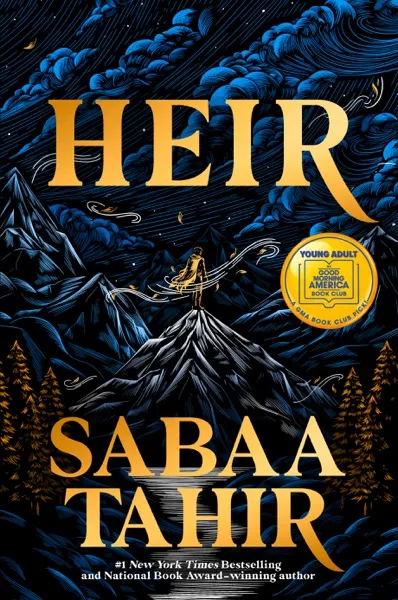
Heir Author: Sabaa TahirPage Count: UnknownPublication Year: 2024-GB A Revolution Wrapped in Blood and Fire: Heir by Sabaa Tahir Sabaa Tahir, the master storyteller behind the An Ember in the Ashes series, returns with Heir, a novel that cements her place as a defining voice in modern fantasy. While exact details remain under wraps, the book’s premise—promising high-stakes power struggles, moral ambiguity, and the kind of world-building that leaves readers breathless—suggests it will be as explosive as Tahir’s previous works. Heir isn’t just another fantasy installment; it’s a reckoning, a brutal examination of legacy, tyranny, and the cost of defiance. At its core, Heir interrogates what it means to inherit a broken world. Tahir has always excelled at crafting settings that feel visceral, where the weight of history presses down on every character’s choices. In Heir, that weight is literal—the title itself implies a struggle over succession, a fight to control a throne, a legacy, or perhaps something far more dangerous. The book likely delves into the idea that power isn’t just seized but earned, even when the cost is the destruction of everything you hold dear. Tahir’s genius lies in making her readers care about the unraveling of empires just as much as the fate of the individuals caught in the fray. Her prose is a blade—sharp, precise, and capable of slicing through pretense. Tahir doesn’t waste words on unnecessary flourish; every sentence serves a purpose, whether it’s to ratchet up tension, reveal a character’s hidden vulnerability, or expose the hypocrisy of a regime. Her dialogue crackles with tension, each exchange a potential spark that could ignite a war. And in Heir, where the stakes are sky-high, that economy of language becomes even more crucial. There’s no room for meandering when lives, kingdoms, and moral compasses hang in the balance. What sets Tahir apart is her refusal to romanticize power. Her characters are flawed, often contradictory, and rarely heroic in the conventional sense. They lie, betray, and fail—but they also love fiercely, sacrifice recklessly, and grow in ways that feel achingly real. Heir likely continues this tradition, presenting a cast of players who are as much victims of their circumstances as they are architects of their fate. Whether it’s a reluctant heir grappling with duty, a rebel leader questioning the cost of revolution, or a tyrant clinging to a crumbling throne, Tahir ensures no one is purely good or evil. It’s this moral complexity that lingers long after the last page. The book’s themes resonate with contemporary echoes. In an era where the world feels increasingly fractured by division and power struggles, Heir asks: Who gets to decide who holds authority? Is it bloodline? Merit? Force? Tahir’s world—likely a brutal, stratified society where the oppressed rise and the powerful cling to decaying structures—serves as a mirror to our own conflicts. Yet, she avoids didacticism. Instead, she lets the story’s raw emotion and high-stakes drama speak for themselves. Fans of An Ember in the Ashes will recognize Tahir’s signature blend of action, romance, and political intrigue. But Heir feels like a natural evolution—darker, more introspective, and perhaps even more devastating. The book’s structure is likely non-linear, weaving past and present to reveal how legacies are forged in fire. Expect flashbacks that haunt the characters, prophecies that may or may not be true, and twists that will leave you reeling. Tahir’s world-building is a character in itself. The settings in her books are vividly alive, from the oppressive grandeur of the Martial Empire to the hidden resilience of the free tribes. Heir likely expands this universe further, introducing new cultures, conflicts, and perhaps even a fresh perspective on the old power struggles. The magic system, if present, is probably rooted in the land itself—something tangible, something that demands blood and sacrifice. At its heart, Heir is about the burden of choice. The characters within its pages are constantly forced to decide: Will they repeat the sins of the past, or burn the old world to the ground? Tahir doesn’t offer easy answers, but she does offer something rarer—truth. The kind of truth that hurts, that challenges, that makes you question not just the characters’ choices, but your own. If An Ember in the Ashes was a spark, Heir is the inferno. Tahir has crafted a story that is as much about the quiet moments of doubt as it is about epic battles. It’s a book that will make you cheer, weep, and rage—sometimes all in the same chapter. And when you finally turn the last page, you’ll be left with the unsettling realization that the line between heir and usurper is thinner than you thought. Sabaa Tahir has done it again. Heir isn’t just a book to read—it’s an experience to endure. #HeirBook #FantasyMustRead #SabaaTahir #DarkFantasy #BookTokMustRead #PowerAndBetrayal Related InsightsClockwork Princess Book Review and Summary You will be the death of me Book Review and Summary Heartstopper #1-3 Book Review and Summary{ "@context": "https://schema.org", "@type": "FAQPage", "mainEntity": [ { "@type": "Question", "name": "What is the main focus of Heir Book Review and Summary?", "acceptedAnswer": { "@type": "Answer", "text": "Everything you need to know about Heir with our detailed review." } }, { "@type": "Question", "name": "Who authored the comprehensive guide on Heir Book Review and Summary?", "acceptedAnswer": { "@type": "Answer", "text": "This detailed article and its insights were carefully researched and authored by Marta Wisniewska." } }, { "@type": "Question", "name": "Where can I find more related content about Books?", "acceptedAnswer": { "@type": "Answer", "text": "You can explore more articles, detailed reviews, and similar insights by browsing the Related Insights section at the bottom of this article or visiting our dedicated Books category page." } } ] }
Blackout Author: Simon ScarrowPage Count: UnknownPublication Year: 2021-GB Blackout by Simon Scarrow: A Masterclass in Historical Fiction and Suspense Simon Scarrow’s Blackout is a gripping historical thriller that plunges readers into the darkest corners of World War II, blending meticulous research with relentless tension. Set in Nazi-occupied Europe, the novel follows a diverse cast of characters—resistance fighters, double agents, and ordinary citizens—caught in a desperate struggle against the Third Reich’s relentless grip. Scarrow, best known for his Eagles of the Empire series, proves once again why he is a titan of historical fiction, weaving a narrative that is as intellectually stimulating as it is emotionally harrowing. At its core, Blackout explores the fragility of humanity under oppression. The title itself is a metaphor for the moral and existential darkness that descends when freedom is extinguished. Scarrow doesn’t shy away from the brutality of war, nor does he romanticize heroism; instead, he presents a raw, unflinching portrait of survival. The novel’s strength lies in its ability to balance large-scale historical events with intimate, personal stakes. Whether it’s a family hiding in a crumbling Berlin basement or a British spy navigating the treacherous streets of Paris, each character’s struggle feels visceral and immediate. Scarrow’s prose is sharp and immersive, a hallmark of his style. He excels at crafting tension through meticulous pacing—every chapter ends with a hook, every revelation feels earned. His descriptions of wartime Europe are vivid, whether it’s the claustrophobic tension of a hidden bunker or the chaotic aftermath of a bombing raid. The dialogue crackles with authenticity, and the dialogue-driven scenes make the characters leap off the page. Scarrow also excels at depicting moral ambiguity; none of his characters are purely good or evil, which adds depth to the conflict. A resistance fighter might resort to ruthless tactics, while a Nazi officer could harbor hidden doubts—a reflection of the real-world complexities of war. The novel’s structure is another of its strengths. Blackout unfolds across multiple perspectives, shifting between viewpoints with precision. This ensemble approach allows Scarrow to weave a rich tapestry of experiences, from the desperation of civilians to the cunning of spies. The shifting timelines and locations keep the narrative dynamic, preventing any sense of stagnation. The book’s climax is a masterstroke of suspense, a high-stakes gamble that pays off in explosive fashion. What sets Scarrow apart from other historical fiction writers is his ability to make the past feel immediate. He doesn’t just recount history; he reanimates it. The details—whether it’s the sound of air raid sirens, the smell of smoke in a bombed-out city, or the psychological toll of constant fear—immerse the reader in the era. This level of authenticity is no accident; Scarrow’s research is evident in every carefully chosen historical reference, from real-life events like the 1943 Battle of Berlin to the subtle intricacies of Nazi bureaucracy. Yet, for all its historical weight, Blackout is ultimately a story about human resilience. The characters’ choices—whether to resist, collaborate, or simply endure—drive the narrative forward. Scarrow doesn’t offer easy answers; instead, he forces readers to confront uncomfortable questions about loyalty, sacrifice, and the cost of freedom. In an era where history is often reduced to soundbites, Blackout is a reminder of its raw, unfiltered power. Some may argue that the novel’s sprawling cast makes it difficult to connect with any single character, but this is a deliberate choice. The fragmentation mirrors the chaos of war, where individuals are often swept up in forces beyond their control. Scarrow trusts the reader to piece together the larger picture, and the payoff is a story that feels epic in scope yet deeply personal in its execution. In Blackout, Scarrow has crafted not just a thriller, but a meditation on the human condition under duress. It’s a book that lingers long after the final page, its themes of resistance and survival resonating in a world still grappling with its own shadows. #HistoricalFiction #WWII #SimonScarrow #BookReview #WarThriller #Resistance Related InsightsTao Te Ching Book Review and Summary Nobody's Fool Book Review and Summary Last Sacrifice Book Review and Summary{ "@context": "https://schema.org", "@type": "FAQPage", "mainEntity": [ { "@type": "Question", "name": "What is the main focus of Blackout Book Review and Summary?", "acceptedAnswer": { "@type": "Answer", "text": "Everything you need to know about Blackout with our detailed review." } }, { "@type": "Question", "name": "Who authored the comprehensive guide on Blackout Book Review and Summary?", "acceptedAnswer": { "@type": "Answer", "text": "This detailed article and its insights were carefully researched and authored by Marta Wisniewska." } }, { "@type": "Question", "name": "Where can I find more related content about Books?", "acceptedAnswer": { "@type": "Answer", "text": "You can explore more articles, detailed reviews, and similar insights by browsing the Related Insights section at the bottom of this article or visiting our dedicated Books category page." } } ] }