Showing Posts From
Remote destinations
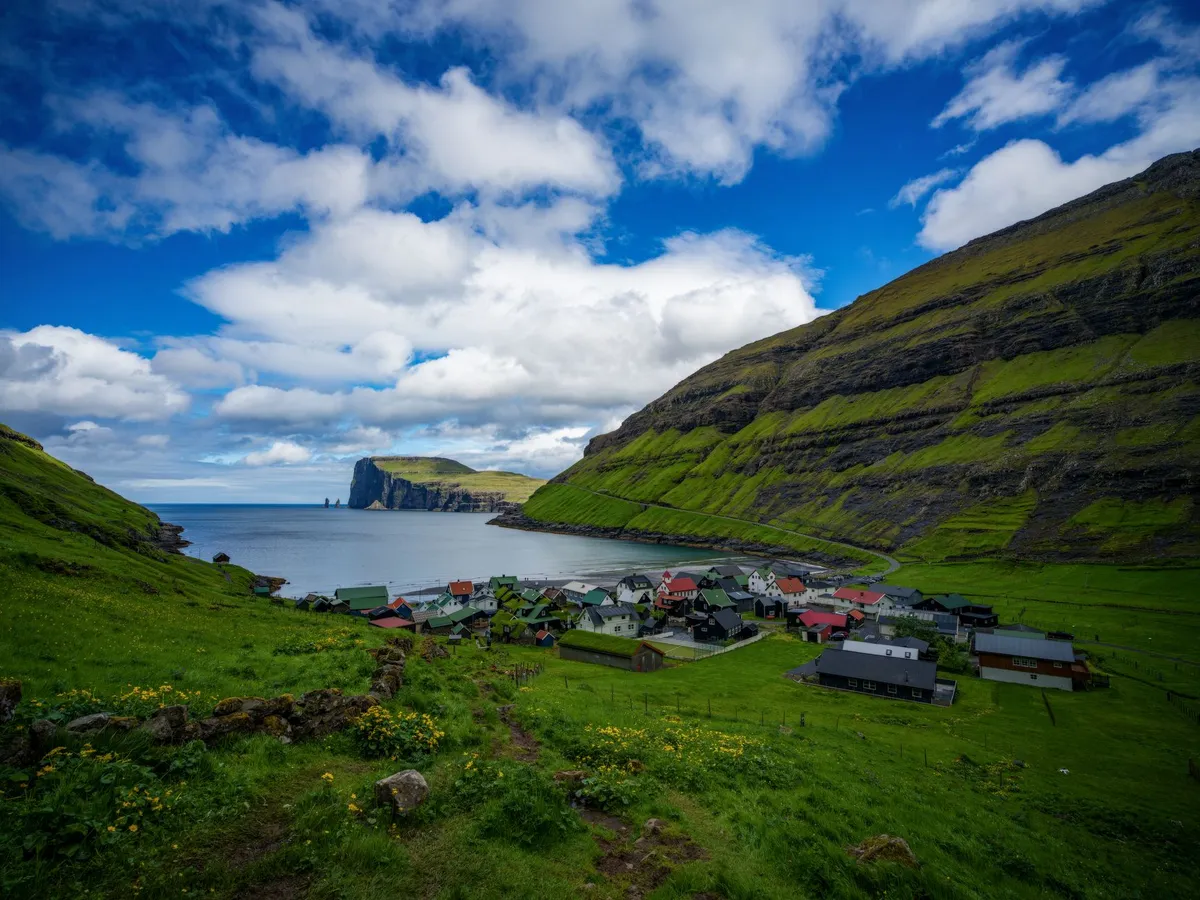

Where the North Atlantic Roars and the Sky Touches the Sea Nestled between Iceland and Norway, the Faroe Islands are a cluster of 18 volcanic islands where jagged cliffs plunge into the churning ocean, waterfalls cascade over green hillsides, and sheep outnumber people. This remote Nordic archipelago is a paradise for hikers seeking untouched trails and photographers chasing the perfect shot of raw, unfiltered nature. With an average of 280 cloudy days a year, the Faroe Islands offer a dynamic canvas of light and shadow, where every turn on a trail reveals a new masterpiece. But this is not just a place for the intrepid—it’s a destination where adventure meets comfort. The islands boast cozy guesthouses, world-class seafood, and a culture deeply rooted in Viking heritage. Whether you're trekking along the cliffs of Mykines or capturing the midnight sun over Tórshavn’s harbor, the Faroe Islands promise an experience that lingers long after you’ve left.A Landscape Carved by Fire and Ice The Faroe Islands are a geological wonder, formed by ancient volcanic activity and sculpted by glaciers over millennia. The islands’ dramatic topography includes towering sea stacks, deep fjords, and rolling hills blanketed in emerald grass. The highest point, Slættaratindur, stands at 880 meters (2,887 feet) and offers panoramic views of the archipelago. For hikers, this means trails that range from gentle coastal walks to challenging ridge hikes with vertigo-inducing drops. One of the most iconic hikes is the Gásadalur to Sørvágsvatn Lake Trail, a 5.5-kilometer (3.4-mile) route that takes you from the village of Gásadalur to the surreal lake perched above the ocean. The trail features a wooden boardwalk, a steep descent into a lush valley, and a final stretch along the cliffs of Trælanípan, where the lake appears to float above the sea. This optical illusion, caused by the cliff’s gradient, is one of the Faroes’ most photographed phenomena. For those seeking a more strenuous challenge, the Kalsoy Ridge Hike offers a 12-kilometer (7.5-mile) trek across the island of Kalsoy. The trail winds along sheer cliffs, past abandoned villages, and through tunnels carved into the rock. The reward? Views of the dramatic Kalsoy coastline and the chance to spot puffins nesting in the cliffs during summer.The islands’ weather is as unpredictable as it is dramatic. Wind speeds can exceed 100 km/h (62 mph), and rain showers can roll in within minutes. Hikers should be prepared for all conditions, with waterproof layers, sturdy boots, and a reliable map essential. The Faroese Meteorological Institute provides real-time weather updates, but even locals advise checking conditions before setting out.Photography in Paradise: Capturing the Faroes’ Ever-Changing Light The Faroe Islands are a photographer’s dream, where the interplay of light, water, and rock creates scenes that feel almost otherworldly. The islands’ high latitude means long summer days with the midnight sun casting a golden glow over the landscape, while winter offers dramatic storms and the chance to capture the northern lights (though sightings are rare due to frequent cloud cover). One of the best spots for photography is Múlafossur Waterfall, near the village of Gásadalur. The waterfall plunges 63 meters (207 feet) directly into the ocean, creating a mesmerizing spectacle, especially during storms when the spray is whipped into the air. The nearby cliffs provide vantage points for capturing the waterfall’s full force. For a more abstract shot, head to Saksun, a remote village accessible via a narrow isthmus. The black sand beach and the surrounding hills create a stark contrast, while the nearby lake, surrounded by steep cliffs, offers reflections that are perfect for mirror-like compositions. The village’s abandoned church, Dúvugarður, adds a touch of history to the scene.The Faroes’ lack of light pollution makes them an ideal location for astrophotography. During the winter months, the aurora borealis can occasionally be seen, though it’s best to head to the northernmost islands, such as Viðareiði, for the clearest skies. For daytime photography, the islands’ ever-changing weather means that no two shots are ever the same. A sunny morning can quickly turn into a misty afternoon, with the light shifting from golden to ethereal blue in minutes.A Nordic Lifestyle: Where Adventure Meets Comfort The Faroe Islands may be remote, but they offer a lifestyle that balances rugged adventure with Nordic comfort. The islands have a population of just 54,000, and the pace of life is slow and deliberate. Villages are small and tightly knit, with colorful houses clustered around harbors filled with fishing boats. The Faroese people are known for their hospitality, and visitors are often greeted with open arms. Accommodation ranges from cozy guesthouses to luxury hotels, with prices reflecting the islands’ status as one of Europe’s more expensive destinations. According to Numbeo, the average cost of a meal at a mid-range restaurant is around 150 DKK ($22 USD), while a pint of beer can cost up to 80 DKK ($12 USD). Groceries are also pricey, with a liter of milk costing around 12 DKK ($1.80 USD) and a loaf of bread around 25 DKK ($3.70 USD).Item Price (DKK) Price (USD)Meal at mid-range restaurant 150 $22Pint of beer 80 $12Liter of milk 12 $1.80Loaf of bread 25 $3.70Taxi (1 km) 20 $3Public transport (bus ticket) 30 $4.50Despite the high costs, the Faroes offer a unique quality of life. The islands have excellent healthcare, free education, and a strong sense of community. The capital, Tórshavn, is a charming town with a vibrant cultural scene, including the annual Faroese Music Awards and the Ólavsøka festival, which celebrates the islands’ Viking heritage. For foodies, the Faroes are a seafood lover’s paradise. Dishes like fermented puffin (a local delicacy), fresh langoustines, and grilled salmon are staples. The islands’ restaurants range from casual eateries serving fish and chips to high-end establishments like KOKS, which holds two Michelin stars and offers a tasting menu featuring locally sourced ingredients.From Viking Ships to Modern Trails: The Faroes’ Rich History The Faroe Islands have a history as dramatic as their landscapes. Settled by Vikings in the 9th century, the islands were later Christianized and became a key stop on the medieval Norse trade routes. The Faroese language, Faroese, is a North Germanic language closely related to Icelandic and Norwegian, and it remains the primary language spoken on the islands. One of the best places to explore the Faroes’ Viking past is the Viking Museum in Hoyvík, which showcases artifacts from the islands’ early settlements. The museum’s exhibits include tools, jewelry, and even a replica Viking longhouse, offering a glimpse into the daily lives of the islands’ first inhabitants. For a more immersive experience, visit the National Museum of the Faroe Islands in Tórshavn. The museum’s exhibits cover everything from the islands’ geological formation to their role in World War II, when they were occupied by British forces to prevent a German invasion. The museum also features a replica of a traditional Faroese turf house, which provides insight into the islands’ architectural heritage.The Faroes’ Viking heritage is also celebrated in the islands’ folklore. Local legends tell of hidden people (huldufólk), elves who live in the rocks and hills, and who must be respected to avoid bad luck. These stories are still a part of Faroese culture, and visitors may hear them shared over a cup of coffee in a local café.The Faroes’ Hidden Gems: Off-the-Beaten-Path Adventures While the Faroes’ main islands offer plenty of attractions, the archipelago’s smaller islands are where the real magic lies. These remote outposts are accessible by ferry or helicopter, and they offer a chance to experience the Faroes’ untouched wilderness. One such island is Mykines, the westernmost of the Faroes and a haven for birdwatchers. Mykines is home to one of the largest puffin colonies in the world, with thousands of birds nesting in the cliffs during the summer months. The island’s hiking trails lead to the Mykinesholmur, a small island connected to Mykines by a narrow isthmus, where visitors can get up close to the puffins and other seabirds. Another hidden gem is Fugloy, the easternmost island in the Faroes. Fugloy is known for its dramatic cliffs and the Risin og Kellingin sea stacks, which rise out of the ocean like sentinels. The island’s remote location means it’s rarely visited by tourists, making it a perfect spot for those seeking solitude.For a truly unique experience, consider visiting Skúvoy, an island with a population of just 30 people. Skúvoy is home to the Skúvoy Church, one of the oldest wooden churches in the Faroes, and the Skúvoy Bird Reserve, where visitors can see thousands of seabirds nesting in the cliffs.A Nordic Paradise Awaits The Faroe Islands are more than just a destination—they’re an experience. Whether you’re hiking along cliffs that plunge into the ocean, capturing the ever-changing light on a camera sensor, or simply enjoying the warmth of a Faroese guesthouse, the islands offer a sense of adventure and tranquility that’s hard to find elsewhere. The Faroes may be expensive, but they’re worth every krone. The islands’ dramatic landscapes, rich history, and unique culture create a destination that lingers in the memory long after you’ve returned home. So pack your hiking boots, charge your camera, and prepare to be captivated by the Nordic paradise that is the Faroe Islands.#NordicAdventure #RemoteTravel #PhotographyDestinations #HikingParadise #FaroeIslandsMagic Related InsightsEthiopia's Danakil Depression: The Hottest Place on Earth's Alien Landscapes (Part 3) Il Faro di Ercole e i Giganti Luminosi Dimenticati dell'Oceano: Un Viaggio Tra i Guardiani Romani dell'Infinito Atlantico St. Petersburg Hermitage{ "@context": "https://schema.org", "@type": "FAQPage", "mainEntity": [ { "@type": "Question", "name": "What is the main focus of The Faroe Islands: Where Nordic Wilderness Meets Photographic Magic?", "acceptedAnswer": { "@type": "Answer", "text": "Discover why the Faroe Islands are Europe’s best-kept secret for hikers and photographers, with dramatic landscapes, untouched trails, and a lifestyle that balances adventure with Nordic charm." } }, { "@type": "Question", "name": "Who authored the comprehensive guide on The Faroe Islands: Where Nordic Wilderness Meets Photographic Magic?", "acceptedAnswer": { "@type": "Answer", "text": "This detailed article and its insights were carefully researched and authored by Wei Chen." } }, { "@type": "Question", "name": "Where can I find more related content about Travel?", "acceptedAnswer": { "@type": "Answer", "text": "You can explore more articles, detailed reviews, and similar insights by browsing the Related Insights section at the bottom of this article or visiting our dedicated Travel category page." } } ] }