Showing Posts From
Romanfood
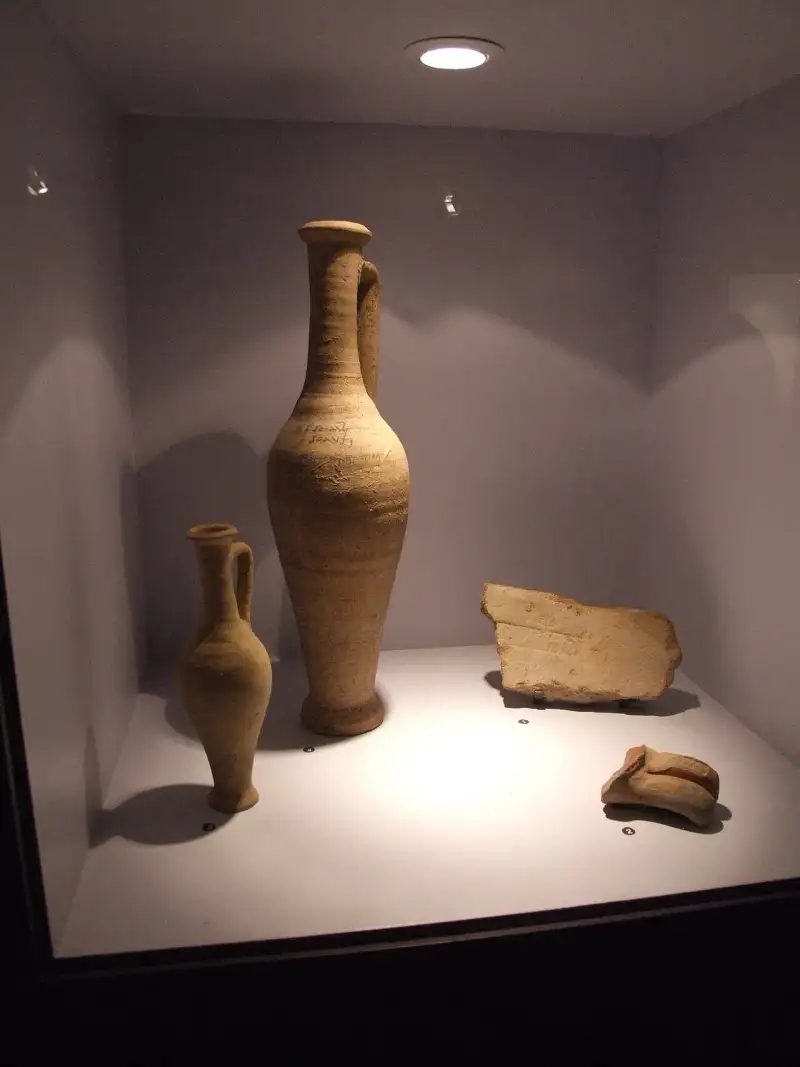

Picture the grandeur of ancient Rome: sprawling forums, magnificent aqueducts, and legions marching with disciplined precision. But beyond the public spectacle and political machinations, lies a culinary secret so pervasive, so fundamental to the Roman palate, that its very absence today leaves a gaping hole in our understanding of their gastronomy. This isn't about gladiatorial feasts or bacchanalian revels, but rather the humble, yet incredibly complex, condiment that permeated virtually every dish: garum. For millennia, the concept of "umami" – that elusive fifth taste, often described as savory or meaty – has been attributed to modern East Asian culinary traditions or the comparatively recent discovery of MSG. Yet, long before shoyu graced Japanese tables or nuoc cham seasoned Vietnamese cuisine, a pungent, savory elixir from the Mediterranean basin reigned supreme. Garum was not merely a seasoning; it was the lifeblood of Roman cooking, an alchemical transformation of fish and salt into a liquid gold that defined the flavor profile of an empire. The Genesis of a Gastronomic Giant: Origins and Production The origins of garum, or its close cousin muria, stretch back further than Rome itself, likely to the Greeks, Phoenicians, and even earlier civilizations. The coastal peoples of the Mediterranean, adept at fishing and salt preservation, inadvertently discovered the power of enzymatic fermentation. The process was simple in concept but meticulous in execution: whole small fish, or the entrails of larger fish (especially mackerel, tuna, and anchovies), were layered with large quantities of salt. This mixture was then left to ferment under the scorching Mediterranean sun for weeks, sometimes months, in large open-air vats or sealed terracotta dolia. The salt acted as a microbial inhibitor, preventing spoilage while drawing out moisture and facilitating autolysis – the breakdown of proteins by the fish's own enzymes. This prolonged, anaerobic decomposition released a rich spectrum of amino acids, particularly glutamate, which is the primary driver of umami. The resulting liquid, clear and amber-hued, was garum. The leftover fermented fish paste was known as allec, often a cheaper byproduct for the masses, while the most prized garum, often from Mackerel or Tuna, was revered. Ancient texts, particularly the Roman cookbook Apicius, offer tantalizing glimpses into its ubiquity. It wasn't just a seasoning for meat or fish; it enhanced vegetables, soups, and even sweet dishes. Imagine a Roman kitchen without garum—it would be akin to a modern Italian kitchen without olive oil or a French kitchen devoid of butter.The Economic Engine: Garum's Industrial Scale and Trade Routes The production of garum was not a cottage industry; it was a massive, industrialized enterprise. Coastal cities like Pompeii and Leptis Magna in North Africa, and Baelo Claudia in Hispania (modern Spain), housed colossal factories dedicated solely to its manufacture. These sites featured rows upon rows of massive stone vats, some capable of holding thousands of liters, indicating an output designed to feed an empire. The stench, one can only imagine, must have been overwhelming, leading these factories to be typically located on the outskirts of towns, downwind from residential areas. The finished product was decanted into distinctive amphorae, sealed, and shipped across the vast Roman network. From the shores of Hispania to the bustling markets of Rome, from the military outposts on the Rhine to the distant provinces of Britannia, garum was a cornerstone of both commerce and cuisine. Its economic importance rivaled that of olive oil and wine, with specific brands and regional varieties commanding premium prices, much like fine wines today. Pliny the Elder, in his Natural History, even discusses the various qualities and origins of garum, lamenting the exorbitant cost of the most prized varieties. This widespread distribution meant that soldiers, senators, slaves, and citizens alike consumed garum. It was democratic in its reach, yet aristocratic in its most refined forms. The ability to flavor food effectively in an age before refrigeration and complex spice routes made garum indispensable. It masked the taste of less-than-fresh ingredients, amplified the flavors of simple staples, and provided vital nutrients. Beyond the Palate: Medicinal and Cultural Significance Garum's role extended beyond mere culinary enhancement. Roman physicians, including Galen, believed in its medicinal properties, prescribing it for various ailments. Its high salt content and fermentation byproducts were thought to have therapeutic effects, from treating indigestion to boosting vitality. While modern science might question its efficacy as a panacea, it undoubtedly contributed electrolytes and minerals to the Roman diet. Culturally, garum became intrinsically linked to Roman identity. To dine like a Roman was to dine with garum. It symbolized Roman ingenuity in food preservation and their ability to harness the elements – sun, sea, and salt – to create something both delicious and enduring. Its decline, therefore, mirrored the decline of the Western Roman Empire itself. As trade routes fragmented, centralized production faltered, and the infrastructure required for its large-scale manufacture dwindled, garum gradually faded from the European culinary landscape, replaced by simpler forms of salt and other spices introduced through new trade. A Pungent Paradox: The Taste of Garum So, what did garum actually taste like? It's a question that has tantalized historians and food enthusiasts for centuries. Descriptions range from "salty and fishy" to "complex, savory, and rich." Modern attempts to recreate garum, often based on ancient recipes and archaeological findings, provide some clues. The consensus points to a flavor profile that is intensely umami, deeply savory, and undeniably fishy, but in a way that is integrated and nuanced, not overtly "fishy" in the way a raw anchovy might be. Think of the depth of aged Parmesan, the complexity of a good soy sauce, or the punch of modern Vietnamese fish sauce (nuoc mam) or Thai fish sauce (nam pla), but with its own distinct Mediterranean terroir. It would have provided a crucial baseline of flavor, elevating simple stews, transforming bland grains, and adding a layer of sophistication to elaborate dishes. Unlike the perception of fish sauce in some modern Western cuisines, where it's often seen as a pungent additive used sparingly, garum was a primary seasoning, often mixed directly into dishes or used as a dipping sauce. Its versatility was legendary, from liquamen (a general term for fish sauce) to oxygarum (garum mixed with vinegar) and hydrogarum (garum diluted with water), demonstrating its adaptability to different culinary applications and social strata. The Echoes of Garum: Modern Resurgence and Parallel Traditions While garum itself largely vanished from European tables after the fall of Rome, the fundamental principle of fermented fish sauce never truly disappeared globally. Across Southeast Asia, fish sauces like nuoc mam and nam pla have thrived for centuries, fulfilling a remarkably similar culinary role. In Italy, the colatura di alici from Cetara, a highly prized artisanal anchovy sauce, is often cited as a direct descendant, or at least a powerful echo, of ancient garum, made through a remarkably similar process of slow fermentation of anchovies in brine. In recent decades, there has been a resurgence of interest in historical gastronomy, leading chefs and food scientists to attempt to recreate garum. These modern iterations often experiment with different fish, fermentation times, and salt ratios, striving to unlock the elusive flavors of antiquity. The motivation is twofold: historical curiosity and the desire to reintroduce a powerful, natural source of umami into contemporary cooking, aligning with the broader movement towards fermentation and ancient techniques. with a vintage-style label on a wooden table with fresh anchovies and sea salt) This revival isn't just about recreating a historical artifact; it's about understanding how our ancestors flavored their world and perhaps even discovering new dimensions of taste. Modern culinary explorations are showing that garum's umami depth can enhance a vast array of dishes, from dressings and marinades to sophisticated sauces, proving that a taste once lost can be found again, enriching our palates with the echoes of empires. Conclusion: A Legacy Reclaimed The story of garum is more than just the tale of an ancient condiment; it's a testament to the enduring human ingenuity in food preservation and flavor enhancement. It reveals how a simple combination of fish and salt, transformed by time and microbes, could become an indispensable pillar of an entire civilization's diet and economy. Its decline reminds us of the fragility of culinary traditions in the face of societal upheaval, yet its modern resurgence highlights our persistent fascination with the past and our ongoing quest for profound, complex flavors. From the sun-drenched vats of Roman Hispania to the artisanal kitchens of today, garum, in its original form or its modern echoes, continues to whisper tales of umami. It reminds us that sometimes, the greatest culinary treasures are not exotic spices from distant lands, but rather the transformative power of nature, patiently harnessed, and patiently rediscovered. As Demir Şef, I urge you to seek out these ancient flavors, for in them lies not just taste, but a living history.#AncientCuisine #Garum #UmamiHistory #RomanFood #Fermentation #CulinaryHistory Related InsightsChettinad Flavors: Fiery Vegan Curries The Alchemy of Appetite: Decoding the Molecular Soul of Our Sustenance The Alchemy of Oaxaca: Decoding the Molecular Symphony of Mole Negro{ "@context": "https://schema.org", "@type": "FAQPage", "mainEntity": [ { "@type": "Question", "name": "What is the main focus of The Liquid Gold of Antiquity: Rediscovering Garum, Rome's Fermented Umami Elixir and Its Forgotten Legacy?", "acceptedAnswer": { "@type": "Answer", "text": "Beyond the opulent banquets, ancient Rome's true culinary foundation lay in garum – a potent, fermented fish sauce. Join Demir Şef as we unearth the pungent paradox that flavored an empire and shaped global gastronomy." } }, { "@type": "Question", "name": "Who authored the comprehensive guide on The Liquid Gold of Antiquity: Rediscovering Garum, Rome's Fermented Umami Elixir and Its Forgotten Legacy?", "acceptedAnswer": { "@type": "Answer", "text": "This detailed article and its insights were carefully researched and authored by Demir Şef." } }, { "@type": "Question", "name": "Where can I find more related content about Food?", "acceptedAnswer": { "@type": "Answer", "text": "You can explore more articles, detailed reviews, and similar insights by browsing the Related Insights section at the bottom of this article or visiting our dedicated Food category page." } } ] }