Showing Posts From
Rootvegetables
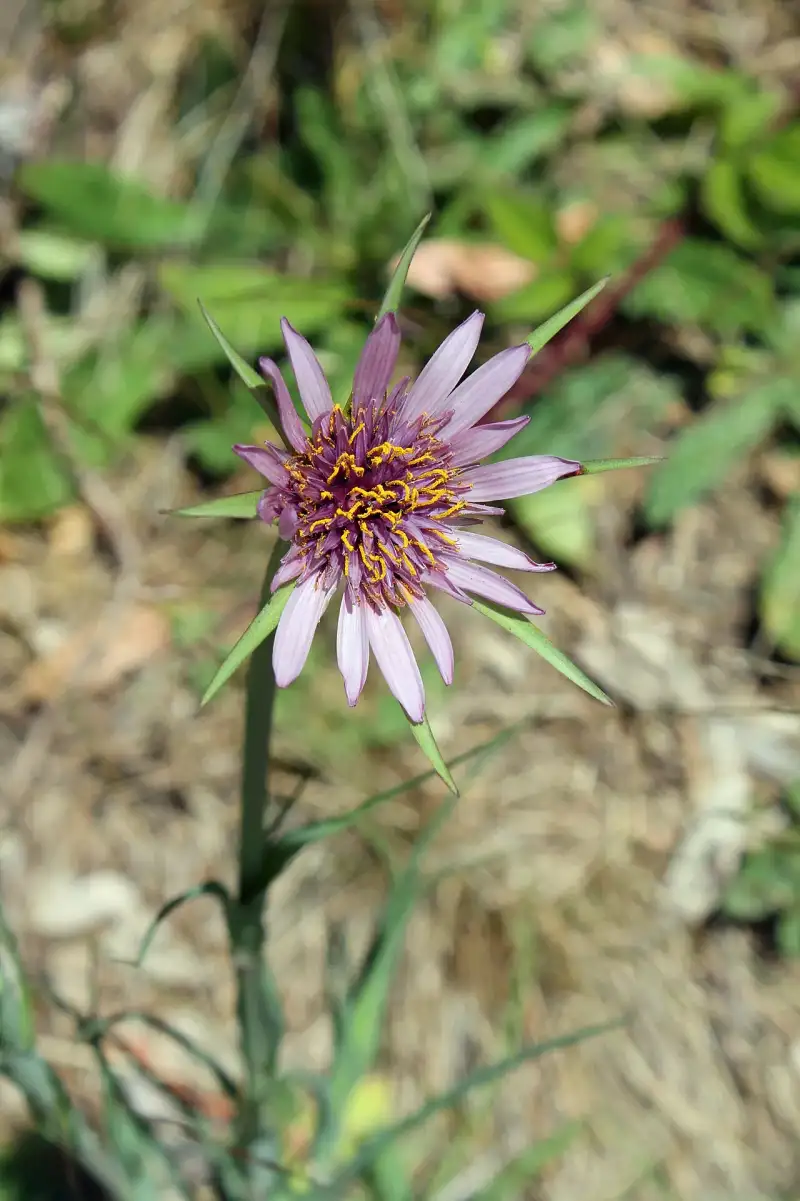

In the grand tapestry of gastronomy, where vibrant colors, intoxicating aromas, and complex textures vie for attention, some threads remain subtly woven, almost invisible, yet foundational to the entire design. We often gravitate towards the flamboyant, the celebrated, the easily accessible. But what of the quiet protagonists, the unsung heroes that once graced royal tables and peasant stews alike, only to recede into the shadows of culinary memory? Today, we embark on an excavation, not of ancient ruins, but of flavor – a journey to unearth a root so enigmatic, so uniquely flavored, that its very existence feels like a whispered secret passed down through generations of discerning palates. This is the story of salsify, affectionately known as the "oyster plant," a vegetable whose delicate charm and surprising depth have patiently awaited a renaissance. Imagine a vegetable that offers the delicate salinity of the sea, intertwined with the earthy sweetness of a parsnip, and the creamy texture of a perfectly cooked potato. This is salsify, a member of the daisy family (Asteraceae) that defies easy categorization. Its appearance, a long, slender taproot often resembling a gnarled parsnip or a pale carrot, gives little hint of the sophisticated flavor journey it promises. Yet, beneath its unassuming exterior lies a world of historical intrigue, botanical resilience, and profound culinary versatility, one that challenges our preconceived notions of what a root vegetable can be. We are not merely discussing a forgotten ingredient; we are exploring a lost lexicon of taste, a historical echo that resonates with modern food sensibilities. A Root Etched in Ancient Lore: Salsify's Historical Footprint The saga of salsify (specifically Tragopogon porrifolius, or common salsify) is far older than many of the vegetables we routinely consume today. Its origins trace back to the Mediterranean basin, where wild varieties have flourished for millennia. Ancient Greeks and Romans, ever attuned to the bounty of the earth, recognized its value, though not always primarily for culinary reasons. Early references often highlight its medicinal properties, particularly as a diuretic and a remedy for various ailments, including snake bites. The plant’s milky sap, characteristic of the Tragopogon genus, was believed to possess therapeutic qualities, a testament to the holistic approach to sustenance prevalent in antiquity. As the Roman Empire expanded, so too did the reach of salsify, finding new soils and appreciative cultivators across Europe. By the Middle Ages, it had firmly established itself as a garden staple, particularly in France, Italy, and England. During this period, food security and seasonal availability were paramount, and root vegetables, with their ability to store well through harsh winters, were invaluable. Salsify, with its distinct flavor and nourishing properties, became a cherished component of winter diets, gracing the tables of both commoners and aristocracy. Cookbooks from the 16th and 17th centuries frequently feature recipes for salsify, often boiled, stewed, or fried, showcasing its adaptability long before the advent of industrial agriculture. It was esteemed for its delicate taste, a palate cleanser in an era of heavily spiced and rich dishes. The name "oyster plant" itself is a relatively modern moniker, emerging as its unique flavor profile became more widely recognized. It’s a remarkable descriptor, capturing the elusive marine hint that makes salsify so distinctive. This wasn't merely a marketing ploy; it was an accurate, if poetic, assessment of its taste. To imagine a land-grown root mimicking the essence of the sea is to grasp the extraordinary nature of salsify, a characteristic that set it apart from its earthy brethren.Botanical Wonders and Cultivation Challenges The Tragopogon genus, from which salsify hails, is a fascinating group. Its name is derived from the Greek words tragos (goat) and pogon (beard), a reference to the long, feathery pappus of its seeds, which indeed resemble a goat's beard. While common salsify (Tragopogon porrifolius) is the primary culinary variety, its close relative, black salsify (Scorzonera hispanica), offers a similar but distinct flavor profile, often described as nuttier and more intense, with a darker skin that requires careful peeling. Both require a certain degree of patience in preparation, a minor hurdle that perhaps contributed to their decline in an age demanding instant gratification. Cultivating salsify is not for the faint of heart, but the rewards are substantial. It thrives in deeply tilled, well-drained soil, preferring a long growing season and consistent moisture. Its long taproot requires ample space to develop without obstruction, making rocky or compacted soil unsuitable. The plant produces striking purple, daisy-like flowers in its second year, which are also edible and beautiful additions to salads. The roots are typically harvested in late autumn after the first frost, which is believed to enhance their sweetness and flavor. This post-frost harvesting technique is common for many root vegetables, as the cold temperatures convert starches into sugars, intensifying their taste. The cultivation process, while not overly complex, is more labor-intensive than for, say, carrots or potatoes. The roots are brittle and can snap easily if not carefully excavated. Once harvested, they "bleed" a sticky, milky latex-like sap when cut, which can stain hands and surfaces. This sap, though harmless, also contributes to the rapid oxidation of the root, turning it brown if not immediately immersed in acidulated water (water with lemon juice or vinegar). This minor inconvenience, coupled with the relatively lower yields compared to other staple root crops, made salsify less attractive to large-scale commercial agriculture and contributed to its gradual marginalization in favor of more "efficient" vegetables. The Elusive Taste: Why "Oyster Plant" is More Than a Whim The unique flavor of salsify is its true claim to fame, a complex tapestry of subtle notes that defy simple description. It's often likened to oysters, hence its charming moniker, but this comparison only scratches the surface. There's an underlying sweetness, a delicate nuttiness, and a distinct earthiness that grounds the experience. Some detect hints of artichoke hearts, others a subtle whisper of asparagus. The texture, when properly cooked, is creamy and tender, almost melting in the mouth, a stark contrast to the firm crunch of many other raw root vegetables. This distinctive flavor profile arises from its unique chemical composition, particularly the presence of inulin, a fructan polysaccharide. Inulin is a prebiotic fiber that lends a slight sweetness and creamy mouthfeel, which is why salsify is sometimes used as a natural sweetener in health foods. It also contains various volatile compounds that contribute to its complex aroma, creating the illusion of a briny, oceanic essence without a drop of seawater. This makes salsify an extraordinary ingredient for vegetarians and vegans looking to introduce a subtle seafood-like dimension to their dishes, or for anyone seeking a truly novel flavor experience. From Forgotten Fanciful Dishes to Modern Gastronomy The annals of historical cuisine are replete with recipes that celebrate salsify. In 17th-century English cookery, it was often boiled, then fried in butter, or incorporated into savory pies and stews. French chefs, always masters of delicate flavors, transformed it into gratins, purées, and even fritters, often pairing it with rich sauces to complement its subtle character. Its versatility allowed it to bridge the gap between humble fare and aristocratic banquets. The 19th and early 20th centuries saw salsify begin its slow retreat from mainstream popularity. The rise of more robust, easier-to-grow, and less perishable root vegetables like potatoes, carrots, and turnips, coupled with changing culinary tastes and the increasing demands of mass production, pushed salsify into the realm of the niche and the specialist. It became a curiosity, a conversation piece for gardeners and a secret ingredient for a handful of traditionalists. Yet, like many treasures of the past, salsify has experienced a resurgence in recent years, propelled by a growing interest in heirloom vegetables, sustainable agriculture, and the broader farm-to-table movement. Modern chefs, ever on the hunt for unique ingredients to surprise and delight, have rediscovered its delicate charm. They appreciate its versatility and its ability to add a sophisticated, almost ethereal quality to dishes. Today, you might encounter salsify in a Michelin-starred restaurant, transformed into a velvety purée alongside pan-seared scallops, or delicately roasted to accompany a succulent duck breast. It shines when prepared simply: gently blanched and tossed with butter and fresh herbs, or roasted until caramelized, bringing out its inherent sweetness. Its creamy texture makes it an excellent candidate for soups and gratins, where its distinct flavor can truly sing. Deep-fried salsify fritters, surprisingly reminiscent of calamari, are another popular preparation that highlights its "oyster plant" character.The Health Benefits: More Than Just a Pretty Root Beyond its captivating flavor and rich history, salsify also offers an impressive nutritional profile, further solidifying its status as a vegetable worthy of rediscovery. It is an excellent source of dietary fiber, particularly the aforementioned inulin, which promotes digestive health by acting as a prebiotic, nourishing beneficial gut bacteria. This can aid in improved digestion, nutrient absorption, and overall gut microbiome balance. Salsify is also packed with essential vitamins and minerals. It is a good source of Vitamin C, which is crucial for immune function and skin health, and several B vitamins, vital for energy metabolism. Furthermore, it provides significant amounts of potassium, important for blood pressure regulation, and iron, necessary for oxygen transport in the blood. Its antioxidant properties, derived from various phytonutrients, contribute to cellular protection against oxidative stress. With a relatively low caloric count and high nutrient density, salsify truly embodies the principle of "food as medicine," offering both exquisite taste and substantial health benefits. A Call to Unearth Your Own Culinary History In a world increasingly driven by convenience and mass-produced uniformity, the rediscovery of vegetables like salsify is more than just a culinary trend; it's a testament to the enduring power of diversity, flavor, and history. It challenges us to look beyond the supermarket aisle and explore the rich tapestry of forgotten foods that still exist, waiting to be brought back into the light. The "oyster plant" is a reminder that some of the greatest culinary treasures are not always the most obvious, but rather the ones that require a little digging, a little patience, and a willingness to embrace the unusual. So, the next time you encounter salsify at a farmer's market or a specialty grocer, don't pass it by. Take a moment to appreciate its journey through time, its unique flavor, and the quiet resilience of a root that has refused to be entirely forgotten. Bring it into your kitchen, experiment with its delicate notes, and allow yourself to be transported to a culinary realm where history, flavor, and an elusive hint of the sea converge. Unearth your own connection to this extraordinary vegetable, and you might just discover your new favorite secret ingredient.#Salsify #ForgottenVegetables #HeirloomProduce #GourmetIngredients #RootVegetables Related InsightsThai Street Food Secrets: How to Recreate Bangkok’s Best Dishes at Home Turning Kitchen Scraps into Gourmet Gold: The Zero‑Waste Revolution The Alchemy of Vinegar and Ocean: The Deep Evolution of Sushi{ "@context": "https://schema.org", "@type": "FAQPage", "mainEntity": [ { "@type": "Question", "name": "What is the main focus of Salsify: The Oyster Plant's Whispering Secret Through Culinary Eras?", "acceptedAnswer": { "@type": "Answer", "text": "Discover the enigmatic salsify, the 'oyster plant,' a forgotten root vegetable with a rich history, unique flavor, and surprising versatility from ancient tables to modern gastronomy." } }, { "@type": "Question", "name": "Who authored the comprehensive guide on Salsify: The Oyster Plant's Whispering Secret Through Culinary Eras?", "acceptedAnswer": { "@type": "Answer", "text": "This detailed article and its insights were carefully researched and authored by Demir Şef." } }, { "@type": "Question", "name": "Where can I find more related content about Food?", "acceptedAnswer": { "@type": "Answer", "text": "You can explore more articles, detailed reviews, and similar insights by browsing the Related Insights section at the bottom of this article or visiting our dedicated Food category page." } } ] }