Showing Posts From
Scandinavia
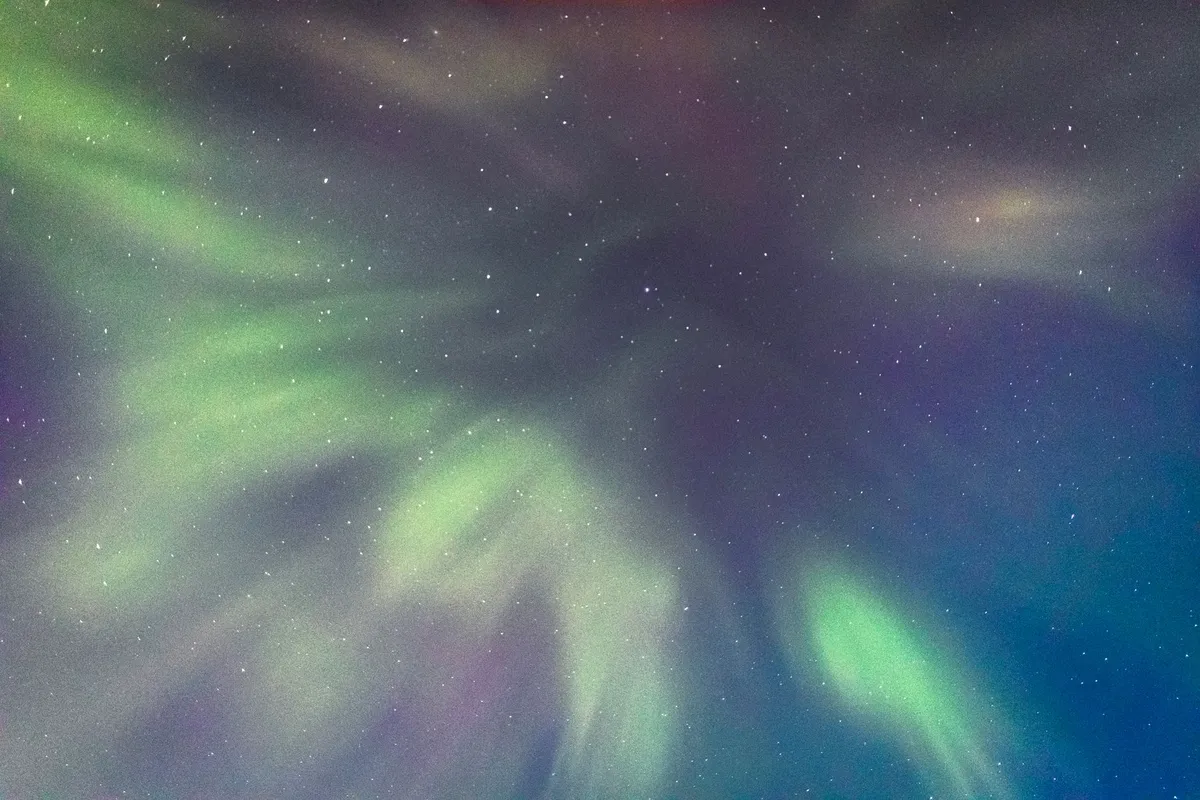

The Celestial Ballet: Decoding the Science of the Arctic Glow When the long, dark nights of the Arctic winter settle over the rugged landscapes of Scandinavia, the heavens awaken. As a travel expert who has spent years chasing the elusive Aurora Borealis, I can tell you that nothing prepares you for the moment the sky begins to pulse. The Northern Lights are not merely a visual spectacle; they are the result of a violent, beautiful collision between charged particles from the sun and our planet’s protective magnetic field. When these particles reach the thermosphere, they collide with oxygen and nitrogen atoms, releasing photons that create the signature green, violet, and sometimes deep red curtains that shimmer above the horizon. To witness this, one must move beyond the casual tourist mindset and embrace the role of an expeditioner. You are not just visiting a location; you are entering a high-latitude zone where weather, solar activity, and geography intersect. The best viewing windows are strictly dictated by the solar cycle and the proximity to the auroral oval, a ring-shaped zone centered on the geomagnetic north pole. Scandinavia—specifically Northern Norway, Swedish Lapland, and Finnish Lapland—sits perfectly beneath this ring. Understanding the "Kp index" is your first step toward success. This scale, ranging from 0 to 9, measures geomagnetic activity. While a high Kp-index is often cited as the magic number, experienced observers know that local weather conditions and light pollution are significantly more critical. A clear sky with a Kp-index of 2 is infinitely better than a cloudy sky with a Kp-index of 6. Therefore, the "whispering skies" require patience, movement, and a commitment to traveling away from the glow of civilization.Chasing Shadows: Navigating the Scandinavian Winter Logistics Planning a trip to see the lights requires the precision of a field researcher. If you are looking for the absolute best odds, I recommend focusing on the "Auroral Belt" cities: Tromsø in Norway, Abisko in Sweden, or Rovaniemi in Finland. These locations are not just gateways; they are epicenters of scientific observation. However, the travel logistics are vastly different from a summer holiday in Rome or Paris. First, consider the transport. Northern Scandinavia is vast and sparsely populated. Utilizing regional airlines like Widerøe in Norway or taking the night train from Stockholm to Abisko provides a unique logistical advantage. Once you arrive, renting a vehicle is often the most authoritative way to chase the clearings. You are essentially looking for "holes" in the cloud layer. Following the coastal weather reports versus the inland mountain forecasts is essential. In Tromsø, for instance, you might find that the clouds are thick over the fjords, but a short drive inland toward the Finnish border reveals a crystal-clear expanse. Safety is paramount when operating in these latitudes. You must familiarize yourself with winter driving conditions. The roads are often covered in packed ice and snow, and the temperature can plummet to -25°C (-13°F). Ensure your rental is equipped with high-quality studded tires—non-negotiable in this region. Furthermore, digital nomads or luxury travelers should prioritize accommodation that offers "Aurora alerts." Many high-end glass igloos or remote lodges in Finnish Lapland provide a wake-up service when the lights appear, saving you from spending every hour of the night shivering on a frozen lake. Budgeting for the Arctic: The Financial Reality of High-Latitude Travel One cannot discuss Scandinavian travel without addressing the cost of living. As an expert, I lean heavily on data-backed platforms like Numbeo to manage expectations for my readers. Scandinavia is undoubtedly one of the most expensive regions globally, and the Arctic territories are no exception. Costs for food, local transport, and specialized gear are premium. When you utilize crowdsourced data from Numbeo, you gain an objective view of how much a dinner for two might cost in a remote Norwegian hub compared to your home city. The cost of living index in cities like Tromsø or Kiruna is exceptionally high, particularly regarding imported goods and services. A single meal at a mid-range restaurant can cost significantly more than the global average, and the price of a pint of local beer or a coffee is often a surprise to first-timers. However, the quality of infrastructure—the reliability of healthcare, the efficiency of public transport, and the overall safety—is unparalleled. When planning your budget, I suggest allocating at least 40% of your total trip cost to "flexibility." This includes the ability to change accommodation on the fly, hire local guides for specialized snowmobile chases, or secure high-quality thermal rental gear. Do not attempt to "budget" your way through the Arctic at the expense of your warmth; substandard clothing or unreliable transport in these conditions is not just uncomfortable—it is a safety hazard. Use tools to compare prices between major hubs; for instance, you will often find that Finland offers a slightly more accessible price point for activities like dog sledding or reindeer farm visits compared to the more commercialized Norwegian ports.Expense Category Estimated Weekly Cost (USD) Comfort LevelMid-range Accommodation $1,200 - $1,800 HighSpecialized Winter Gear Rental $300 - $500 NecessaryLocal Transport / Car Rental $600 - $900 OptimalDining and Groceries $700 - $1,100 ModerateGuided Aurora Expeditions $400 - $800 High-valueThe Art of the Arctic Snapshot: Capturing the Uncapturable Capturing the Northern Lights is a pursuit of both artistic vision and technical mastery. Many travelers arrive with high-end cameras only to find themselves frustrated by frozen batteries and blurry, dark frames. To truly capture the movement of the skies, you must master the "Exposure Triangle." First, set your camera to manual mode. You need a fast, wide-angle lens—ideally f/2.8 or lower—to capture as much light as possible. The most common mistake is over-exposure. Because the sky is so dark, sensors tend to try to brighten everything, which makes the stars look like streaks and the aurora look like a flat, washed-out green smear. Keep your shutter speed between 5 and 15 seconds, depending on how fast the aurora is dancing. If the lights are active and moving quickly, you want a faster shutter speed to capture the distinct "curtain" shapes rather than a blurred mass. Furthermore, use a sturdy tripod. The wind in the Arctic is relentless, and even the slightest vibration will ruin a long-exposure shot. Pro-tip: focus your lens manually on infinity, or use the "Live View" to focus on the brightest star in the sky before you begin shooting. Never rely on autofocus in the dark; it will hunt endlessly and fail. Lastly, bring extra batteries. Cold weather drains lithium-ion batteries at an alarming rate. Keep your spares in an inside pocket, close to your body heat, and swap them out frequently. The goal is to capture the essence of the dance, not just a green light.Cultivating the Arctic Mindset: Beyond the Celestial Glow The true mystique of the Arctic lies not just in the lights, but in the lifestyle that thrives under such extreme conditions. To spend time in Scandinavia during the winter is to learn the meaning of "Friluftsliv," the Nordic philosophy of living in harmony with nature. Even when the sun does not rise for weeks—a period known as the Polar Night—the culture remains vibrant. The locals embrace the darkness with hygge-inspired gatherings, indoor saunas, and a deep appreciation for the quietude of the snow-covered landscape. As you await the Aurora, immerse yourself in the culture of the indigenous Sámi people. Their relationship with the land and the reindeer is the heartbeat of the North. Engaging in a traditional Lavvu experience, where you sit by an open fire listening to joik music, provides a profound context for the lights above. To them, the Aurora is often regarded with deep respect, a spiritual force that demands silence and observation. When you leave the Arctic, you will find that the experience changes you. It strips away the noise of urban existence. You become accustomed to the silence of the tundra, the blue light of the mid-afternoon, and the immense scale of the cosmos. This is the ultimate goal of the travel expert: not just to cross a destination off a list, but to be altered by the environment you inhabit. Whether you see the lights on your first night or wait six days in the freezing cold for a flicker of green, the pursuit itself is the reward. You are learning to read the sky, understand the cold, and appreciate the immense, quiet power of the world’s most elusive natural wonder. #ArcticTravel #NorthernLights #Scandinavia #AdventureTravel #DigitalNomad Related InsightsHamburgs Speicherstadt Fantasmi sulla Via della Seta: Il richiamo silenzioso delle oasi perdute del Turkmenistan Insel Rügen im Sommer{ "@context": "https://schema.org", "@type": "FAQPage", "mainEntity": [ { "@type": "Question", "name": "What is the main focus of Dancing With The Aurora: Unveiling The Arctic’s Celestial Symphony?", "acceptedAnswer": { "@type": "Answer", "text": "Master the art of chasing the Aurora Borealis in Scandinavia with this authoritative guide on logistics, budget, and celestial timing." } }, { "@type": "Question", "name": "Who authored the comprehensive guide on Dancing With The Aurora: Unveiling The Arctic’s Celestial Symphony?", "acceptedAnswer": { "@type": "Answer", "text": "This detailed article and its insights were carefully researched and authored by Wei Chen." } }, { "@type": "Question", "name": "Where can I find more related content about Travel?", "acceptedAnswer": { "@type": "Answer", "text": "You can explore more articles, detailed reviews, and similar insights by browsing the Related Insights section at the bottom of this article or visiting our dedicated Travel category page." } } ] }