Showing Posts From
Science
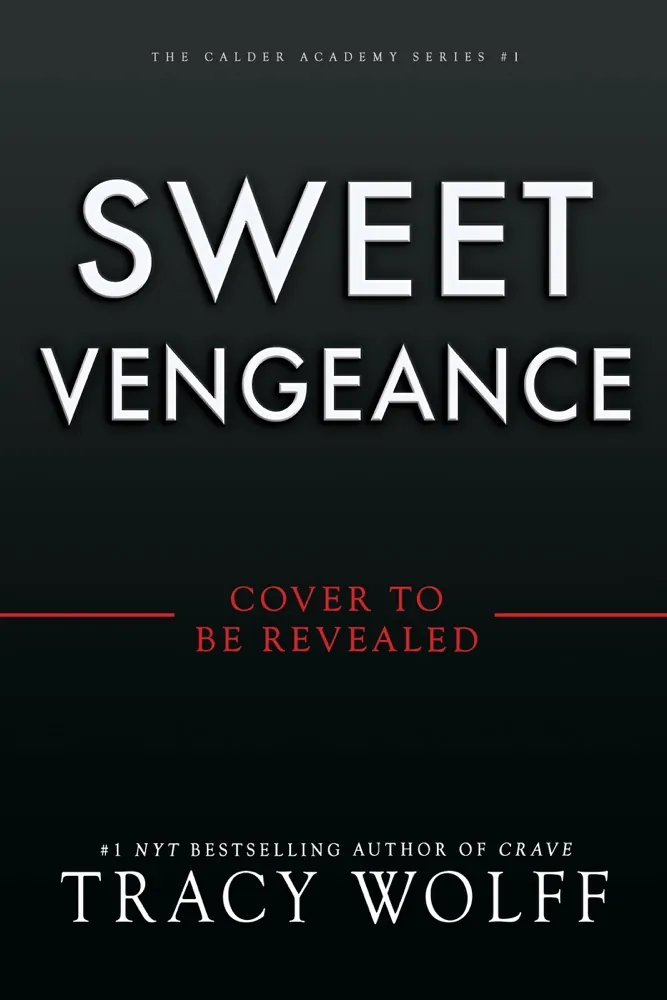
Author: Tracy WolffPage Count: UnknownPublication Date: Expected publication 2026-05-05 APL The double shot of ristretto has already gone tepid beside my porcelain saucer, yet I remain paralyzed by the sheer, unadulterated nothingness of the promotional material for Sweet Vengeance. Tracy Wolff continues her relentless march through the The Calder Academy syllabus, treating high-end literary output like a conveyor belt at a slaughterhouse. We are expected to genuflect before the long-awaited pairing of Remy Villanova Boudreax and Izzy Vega—whatever pedestrian lineage those names imply. Honestly? I can't even with this. Bloodlines and Bureaucracy The synopsis offers precisely zero substance. It is a masterclass in modern commercial vacuums. Readers get a publication date of May 2026 and a rigid reading order demanding absolute fealty to Sweet Nightmare and Sweet Chaos before grazing upon this final installment. But where is the architectural integrity? Where is the genealogical weight? These characters possess all the aristocratic depth of a plastic IKEA footstool. Tracy Wolff writes for the masses who consume literary fast food while weeping into their Kindles, channeling the exact same exhausting energy as Sarah J. Maas or Jennifer L. Armentrout on a particularly uninspired Tuesday. The Aesthetic of the Void Consider the thematic implications of a title like Sweet Vengeance. It promises blood, or at least a mildly ruffled collar. Instead, we are handed a marketing blurb leaner than a starving greyhound, trading actual plot trajectory for franchise maintenance. The modern YA industrial complex demands constant expansion—spin-off upon spin-off, until the original Crave mythology is stretched thinner than gold leaf on a cheap frame. Izzy Vega and Remy Villanova Boudreax deserve a fighting chance at an interesting dynamic. Instead, they are trapped in a narrative holding pattern dictated entirely by Amazon pre-order metrics. Absolute literary bankruptcy masquerades as event publishing. One glances out the café window at the passing foot traffic—tailored wool coats, authentic leather briefcases, people actually contributing to society—and wonders why anyone allows themselves to be seduced by these glossy paperbacks. The prose will inevitably rely on the same exhausted tropes of brooding gazes and hollow banter, recycling the emotional beats of book one and book two until the pages simply dissolve into digital static. I have a squash game with my lawyer this afternoon and cannot be late. Related InsightsBurning Questions Book Review and Summary Am I Right or Am I Right? Book Review and Summary Evermore Book Review and Summary{ "@context": "https://schema.org", "@type": "FAQPage", "mainEntity": [ { "@type": "Question", "name": "What is the main focus of Sweet Vengeance (The Calder Academy, #3) Book Review and Summary?", "acceptedAnswer": { "@type": "Answer", "text": "Everything you need to know about Sweet Vengeance (The Calder Academy, #3) with our detailed review." } }, { "@type": "Question", "name": "Who authored the comprehensive guide on Sweet Vengeance (The Calder Academy, #3) Book Review and Summary?", "acceptedAnswer": { "@type": "Answer", "text": "This detailed article and its insights were carefully researched and authored by James Miller." } }, { "@type": "Question", "name": "Where can I find more related content about Books?", "acceptedAnswer": { "@type": "Answer", "text": "You can explore more articles, detailed reviews, and similar insights by browsing the Related Insights section at the bottom of this article or visiting our dedicated Books category page." } } ] }

Author: Alexandria BellefleurPage Count: UnknownPublication Date: Expected publication 2026-03-19 APL Drop the gloves, look at the tape, and tell me if the defense actually holds water. Alexandria Bellefleur is stepping back into the ring with If These Walls Could Talk, a sapphic sports romance featuring rival managers, exhausted burnout, and a turf war over an amateur football pitch. Honestly? I am just typing this drivel to hit my word count so I can finally go ice my knuckles and watch old Pride FC knockouts. Footwork, Feints, and Fabrication The synopsis pitches an enemies-to-lovers slugfest between Dina—haunted by corporate London and stuck flipping plates at a struggling family restaurant—and Maya, licking her wounds back in her childhood bedroom. They both end up coaching local underdog teams. Groundbreaking stuff. Truly, the narrative equivalent of a sloppy double-leg takedown from a gassed-out brawler who skipped cardio. Yet, the publisher insists on name-dropping Bend it like Beckham and Cross the Line like this book is about to execute a pristine flying armbar on the genre. Will the tactical choreography of their petty rivalry actually land, or is it going to look as unconvincing as a worked bout in a regional circuit? The Kinetic Energy of Nostalgia We are looking at classic proximity tropes wrapped in the stench of hometown defeat—the kind of ontological dread that hits when you realize your prime athletic window slammed shut before you ever bought crypto. Dina is running on pure cortisol and bitter Bangladeshi diner coffee. Maya is drowning in the claustrophobia of her teenage quarters. Both characters are undergoing a catastrophic ego death. Call it character growth, call it character slop, but the emotional grappling here demands proper leverage. If Bellefleur fails to establish legitimate stakes—meaning they actually throw verbal strikes that leave bruises instead of cute, manufactured misunderstandings—the whole premise gets submitted in the first round. Quirky side characters are already hovering in the corner like terrible cornermen screaming terrible advice, threatening to turn a high-stakes psychological grappling match into a mid-tier farce. Let us hope the pacing keeps its guard up. Otherwise, this matchup is going to gas out by chapter three. I have to bail immediately because I need to go join a screaming mob of geriatric goths protesting the demolition of a brutalist neighborhood cinema. #sapphicsports #romancegrind #fightcard Related InsightsJoy to the Bones: A Sarah Booth Delaney Mystery Book Review and Summary We Were Liars Book Review and Summary A Little Too Close - Madigan Mountain #2 Book Review and Summary{ "@context": "https://schema.org", "@type": "FAQPage", "mainEntity": [ { "@type": "Question", "name": "What is the main focus of If These Walls Could Talk Book Review and Summary?", "acceptedAnswer": { "@type": "Answer", "text": "Everything you need to know about If These Walls Could Talk with our detailed review." } }, { "@type": "Question", "name": "Who authored the comprehensive guide on If These Walls Could Talk Book Review and Summary?", "acceptedAnswer": { "@type": "Answer", "text": "This detailed article and its insights were carefully researched and authored by Natalia Sokolova." } }, { "@type": "Question", "name": "Where can I find more related content about Books?", "acceptedAnswer": { "@type": "Answer", "text": "You can explore more articles, detailed reviews, and similar insights by browsing the Related Insights section at the bottom of this article or visiting our dedicated Books category page." } } ] }
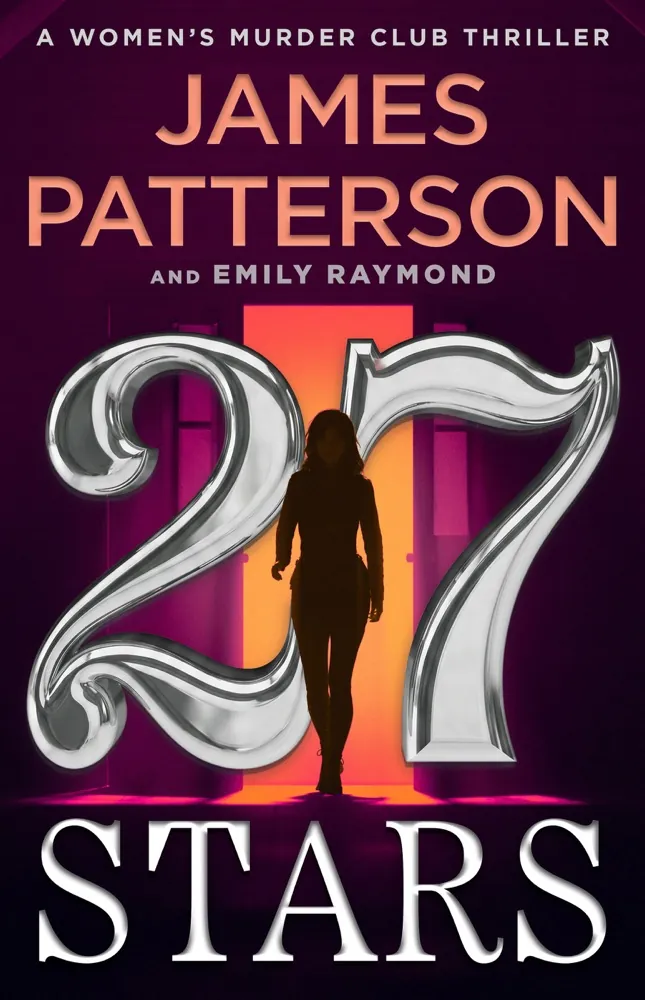
Author: James PattersonPage Count: UnknownPublication Date: Expected publication 2026 APL Listen to me, you ungrateful whelps, stop slouching over those glowing rectangles and pay attention. My own grandchildren have the attention span of a drowning gnat, entirely obsessed with flashing lights and hollow noise instead of a proper, sweeping narrative built on blood, hubris, and immortal vengeance. Now they hand me 27 Stars and expect me to nod along like some senile fool thrilled by a number that belongs on a jersey rather than a gravestone. James Patterson is at it again, marching out his exhausted Women's Murder Club lineup for another round of San Francisco high-society butchery. The Geography of Aristocratic Rot Look at this premise. A basketball star in a luxury tower. Two girls on a pristine private campus. A bartender outside a trendy club. How terribly original. We are supposed to gasp at the juxtaposition of elite privilege and brutal violence, as if Homer didn't invent the entire concept of the mighty falling from high places millennia ago. But no, modern readers need a sanitized checklist of wealthy zip codes to feel alive. And honestly, speaking of lazy recycling, my grandson spends twelve hours a day watching blue hedgehogs run in circles collecting shiny rings while completely ignoring the tragic irony of Sisyphus, which brings me right back to this twenty-seventh installment of industrial-grade crime fiction. Why twenty-seven? Why not fifty? Why stop when the horse has not only died, but decomposed into mineral dust? Wait, scratch that entirely. Numbers do not matter in these franchises; bodies are merely interchangeable props designed to be swapped out before the next quarterly royalty check clears. The Illusion of Collective Genius Sharing information is how they survive. That is the marketing pitch. A tight-knit sisterhood of professionals combining forensic brilliance and intuition to conquer chaos. Yet, the synopsis relies on the oldest, laziest trope in the thriller trade: If only the dead could talk… Oh, please. If the dead could talk, they would probably complain about how poorly sketched their character arcs are. James Patterson writes less like a novelist and more like a factory foreman assembling flat-pack furniture with half the screws missing. Michael Connelly understands how to build a city’s rotting soul on the page, whereas this factory line churns out airport paperbacks designed to be forgotten before the plane even lands. The Inevitable Carnage Multiple victims. Too many suspects to count. A mathematical equation for boredom. Patterson will undoubtedly serve up a brisk, three-page chapter structure that treats high-stakes murder with the intellectual depth of a cereal commercial. Yet here we are. Waiting for the machinery to grind forward. The sheer existential dread of staring at a blinking cursor while my descendants demand I explain the nuances of modern procedural garbage is frankly too much to bear. #bookstagram #thriller #jamespatterson #sanity Related InsightsFreakonomics (Spanish Edition) Book Review and Summary El peor vecino del mundo Book Review and Summary Dark Country Book Review and Summary{ "@context": "https://schema.org", "@type": "FAQPage", "mainEntity": [ { "@type": "Question", "name": "What is the main focus of 27 Stars (Women's Murder Club #27) Book Review and Summary?", "acceptedAnswer": { "@type": "Answer", "text": "Everything you need to know about 27 Stars (Women's Murder Club #27) with our detailed review." } }, { "@type": "Question", "name": "Who authored the comprehensive guide on 27 Stars (Women's Murder Club #27) Book Review and Summary?", "acceptedAnswer": { "@type": "Answer", "text": "This detailed article and its insights were carefully researched and authored by Antoine Leroy." } }, { "@type": "Question", "name": "Where can I find more related content about Books?", "acceptedAnswer": { "@type": "Answer", "text": "You can explore more articles, detailed reviews, and similar insights by browsing the Related Insights section at the bottom of this article or visiting our dedicated Books category page." } } ] }

-
 Lucas Martin
 - 28 Aug, 2026 17:53
Le Rythme Invisible du Progrès : L'Odyssée de la Batterie Lithium-Ion
À l'aube d'une ère où l'immobilité est devenue une hérésie, un petit battement de cœur chimique résonne dans la paume de vos mains. Ce n'est ni un métal précieux, ni un combustible fossile brûlant, mais une danse subtile d'ions lithium circulant entre deux électrodes. C’est le moteur invisible, le cœur de silicium et de métal qui permet à notre modernité de ne jamais s’éteindre. Une Danse d’Ions au Service de l’Histoire L'histoire de la batterie lithium-ion ne commence pas dans un laboratoire sophistiqué, mais dans l'intuition profonde de scientifiques cherchant à dompter l'élément le plus léger du tableau périodique. Le lithium, avec son potentiel électrochimique massif, est devenu la pierre angulaire d'une révolution énergétique sans précédent. Contrairement aux batteries au plomb ou au nickel-cadmium qui nous précédaient, la technologie lithium-ion a introduit une densité énergétique capable de transformer un téléphone imposant en une plume digitale, et une automobile lourde en un bolide silencieux.Le concept est d'une élégance rare : lors de la charge, les ions lithium quittent la cathode pour s'insérer dans la structure poreuse de l'anode, généralement en graphite. Lors de la décharge, ce flux s'inverse, libérant une énergie électrique capturée par nos circuits. C’est ce mouvement perpétuel, ce va-et-vient microscopique, qui constitue le cœur battant de votre quotidien. Chaque notification, chaque appel, chaque kilomètre parcouru en véhicule électrique est le résultat de ce voyage ionique. L’Alchimie de la Performance La science derrière cette prouesse est un équilibre délicat. La cathode, souvent composée d'oxydes métalliques tels que le cobalt, le manganèse ou le fer, détermine la capacité et la tension de la cellule. L'anode en graphite, quant à elle, offre un refuge stable pour les ions. Cependant, c'est l'électrolyte — ce liquide ou gel conducteur placé entre les deux — qui orchestre le ballet, permettant aux ions de voyager tout en empêchant les électrons de prendre un raccourci interne destructeur. Pourtant, le défi reste monumental. La gestion thermique et la sécurité sont les gardiens de ce temple. Une surchauffe, une défaillance de la membrane séparatrice, et le ballet ionique se transforme en une réaction exothermique incontrôlée. Cette fragilité est le prix à payer pour une densité énergétique qui repousse sans cesse les limites de l'ingénierie moderne. Quand la Chimie Redéfinit le Déplacement L'impact de cette technologie sur la mobilité mondiale est comparable à l'invention du moteur à combustion au XIXe siècle. Le lithium-ion a permis l'éclosion du véhicule électrique moderne, rendant viable une transition énergétique que beaucoup jugeaient utopique. En supprimant la dépendance au pétrole, nous avons ouvert la voie à une motorisation électrique dont le couple est instantané et le fonctionnement, exempt d'émissions locales.Les constructeurs automobiles ne sont plus seulement des mécaniciens, ils sont désormais des experts en électrochimie. Ils traquent le gramme de cobalt, optimisent la gestion des systèmes de refroidissement et repensent le recyclage des métaux rares. La batterie n'est plus un accessoire ; elle est le produit fini. Défis Éthiques et Horizons Durables Néanmoins, cette quête de puissance pose des questions cruciales. L'extraction du lithium, souvent située dans des régions fragiles d'Amérique latine ou des zones minières complexes, impose une réflexion sur l'éthique de notre chaîne d'approvisionnement. Le cobalt, dont l'extraction est liée à des conditions humaines parfois difficiles, reste le point sombre d'une technologie par ailleurs libératrice. Le futur se dessine donc dans les laboratoires de recherche en matériaux :Batteries à l'état solide : Remplacer l'électrolyte liquide par un solide pour augmenter la sécurité et la capacité. Batteries au sodium-ion : Une alternative abondante au lithium pour des applications de stockage stationnaire. Recyclage circulaire : Développer des méthodes pour extraire 95 % des métaux des batteries usagées, transformant nos mines urbaines en gisements renouvelables.Un Avenir Chargé de Possibilités L'avenir n'est pas seulement dans la puissance de nos appareils, mais dans leur longévité et leur recyclabilité. Nous vivons dans une parenthèse historique où l'énergie est devenue portable. Demain, cette énergie sera intégrée dans l'architecture même de nos bâtiments, dans les panneaux solaires que nous portons, et peut-être dans des réseaux intelligents capables de lisser les fluctuations des énergies renouvelables.Chaque fois que vous rechargez votre ordinateur ou votre smartphone, vous participez à une chaîne mondiale d'innovation. Vous êtes le maillon final d'une lignée de chercheurs qui, des décennies durant, ont scruté le comportement des ions pour nous offrir ce luxe moderne : la liberté de mouvement, déconnectée de la prise murale. En fin de compte, la batterie lithium-ion est bien plus qu'un composant électronique. Elle est le symbole de notre ingéniosité collective, une prouesse de miniaturisation qui nous permet de porter le monde entier dans nos poches. Elle nous enseigne que le progrès n'est pas une ligne droite, mais un processus itératif, fait de succès, de remises en question et d'une soif insatiable de toujours aller plus loin, plus vite, et de manière plus intelligente. Le rythme du monde a changé, et il bat désormais au rythme des électrons en mouvement.#Innovation #Technologie #Durabilité #Science #LithiumIon Related InsightsThe Gilded Mirage: Unmasking the Tragedy of the American Dream in The Great Gatsby Still Me Book Review and Summary Voyager Book Review and Summary{ "@context": "https://schema.org", "@type": "FAQPage", "mainEntity": [ { "@type": "Question", "name": "What is the main focus of Le Rythme Invisible du Progrès : L'Odyssée de la Batterie Lithium-Ion?", "acceptedAnswer": { "@type": "Answer", "text": "Plongez dans l'épopée technologique qui alimente notre monde moderne, de la genèse atomique à la révolution énergétique globale." } }, { "@type": "Question", "name": "Who authored the comprehensive guide on Le Rythme Invisible du Progrès : L'Odyssée de la Batterie Lithium-Ion?", "acceptedAnswer": { "@type": "Answer", "text": "This detailed article and its insights were carefully researched and authored by Lucas Martin." } }, { "@type": "Question", "name": "Where can I find more related content about Books?", "acceptedAnswer": { "@type": "Answer", "text": "You can explore more articles, detailed reviews, and similar insights by browsing the Related Insights section at the bottom of this article or visiting our dedicated Books category page." } } ] }
-
 Antoine Leroy
 - 26 Aug, 2026 20:12
Critical Role: The Mighty Nein—Children of Empire Book Review and Summary
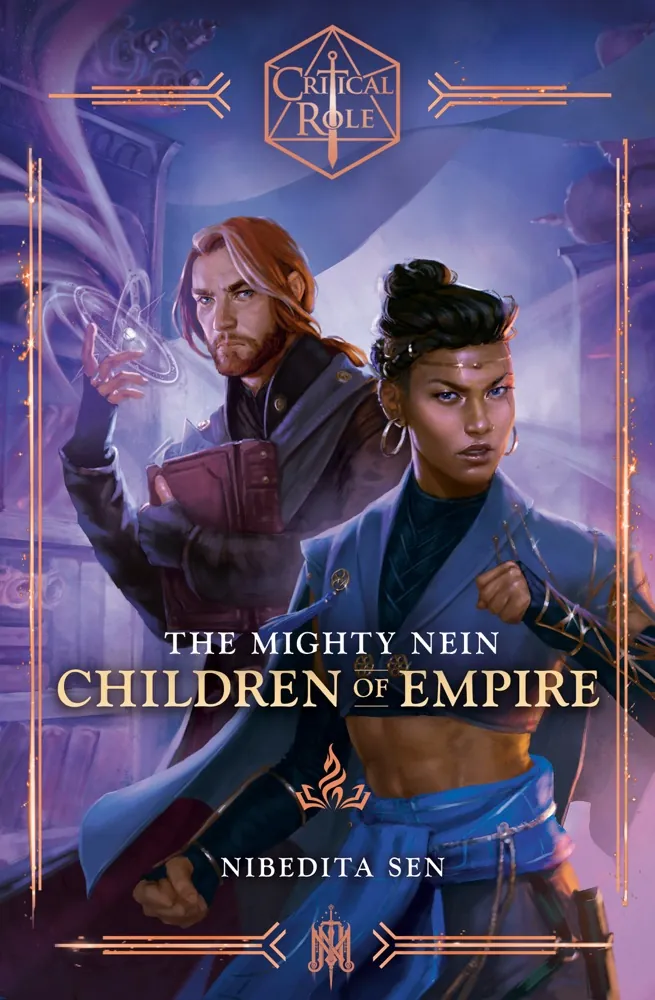
Author: Nibedita SenPage Count: UnknownPublication Date: Expected publication 2026-11-10 APL The anticipation is palpable as we await the release of Critical Role: The Mighty Nein—Children of Empire, a first-of-its-kind official sequel to the hit Mighty Nein campaign from Critical Role. And what better way to dive back into the world of Wildemount than with a story centered around Caleb Widogast and Beauregard Lionett, two characters who have long been fan favorites? Yet, as I gaze out the window at the sweltering summer heat, I find myself pondering the weight of expectation that comes with a sequel of this magnitude. What can we truly expect from Children of Empire? The synopsis hints at a return to the empire that Caleb and Beau once called home, but the real question is: what secrets will they uncover? The Cerberus Assembly, with its enigmatic founder Ludinus Da'leth, promises to be a foe unlike any the Empire Kids have faced before. But will this new threat be enough to draw us in, or will it feel like a rehashing of old plotlines? I think back to the likes of The First Law trilogy by Joe Abercrombie, where the complexities of war and politics are woven together with such mastery. Can Children of Empire capture that same magic? And then, of course, there's the matter of Caleb and Beau's character development. As they settle back into their lives, will we see a more introspective side to these beloved characters? Or will they fall back into their old patterns, with Caleb's wit and Beau's... well, let's just say, "enthusiasm" for life? It's a delicate balance to strike, one that requires a deep understanding of the characters and their motivations. I'm reminded of the works of N.K. Jemisin, who has a remarkable ability to craft characters that are both flawed and relatable. Can Nibedita Sen, the Hugo, Nebula, and Ignyte Award-nominated author behind Children of Empire, achieve the same level of depth? But I digress. As I sit here, sipping my lukewarm coffee and staring out at the summer haze, I find myself drawn to the idea of Children of Empire as a commentary on the cyclical nature of power and corruption. The Cerberus Assembly, with its roots in the history of Wildemount, promises to be a fascinating exploration of the ways in which the past can shape our present. And yet, I worry that the vagueness of the synopsis might be a sign of a larger problem - a lack of clarity in the narrative itself. Only time will tell, I suppose. Literally. The ADHD Tangent You know what's really frustrating? When you're trying to write a review, and your kid decides to have a meltdown in the background. I mean, I'm trying to focus on the themes of Children of Empire, and my child is screaming about how they want a snack. It's like, hello, kid, Mom's busy trying to deconstruct the symbolism of the Cerberus Assembly. Can't you see I'm in the middle of something? And then, to make matters worse, I start thinking about the parallels between the tantrums of a toddler and the machinations of a power-hungry organization like the Cerberus Assembly. I mean, both are all about manipulation and control, right? But I digress. As I refocus on Children of Empire, I'm left with a sense of anticipation, but also a hint of trepidation. Can Nibedita Sen deliver a story that lives up to the hype? Only time will tell. For now, I'll just have to wait and see. And, as I stand up to take a break, I step on a remarkably sharp plastic toy in the hallway. #CriticalRole #TheMightyNein #ChildrenOfEmpire #FantasyFiction Related InsightsWe Who Will Rise (Empire of Blood, #2) Book Review and Summary Haunting of Paynes Hollow Book Review and Summary All Quiet on the Western Front Book Review and Summary{ "@context": "https://schema.org", "@type": "FAQPage", "mainEntity": [ { "@type": "Question", "name": "What is the main focus of Critical Role: The Mighty Nein—Children of Empire Book Review and Summary?", "acceptedAnswer": { "@type": "Answer", "text": "Everything you need to know about Critical Role: The Mighty Nein—Children of Empire with our detailed review." } }, { "@type": "Question", "name": "Who authored the comprehensive guide on Critical Role: The Mighty Nein—Children of Empire Book Review and Summary?", "acceptedAnswer": { "@type": "Answer", "text": "This detailed article and its insights were carefully researched and authored by Antoine Leroy." } }, { "@type": "Question", "name": "Where can I find more related content about Books?", "acceptedAnswer": { "@type": "Answer", "text": "You can explore more articles, detailed reviews, and similar insights by browsing the Related Insights section at the bottom of this article or visiting our dedicated Books category page." } } ] }
-
 Natalia Sokolova
 - 26 Aug, 2026 19:29
Burn of the Everflame: A Novel (The Kindred's Curse Saga) Book Review and Summary
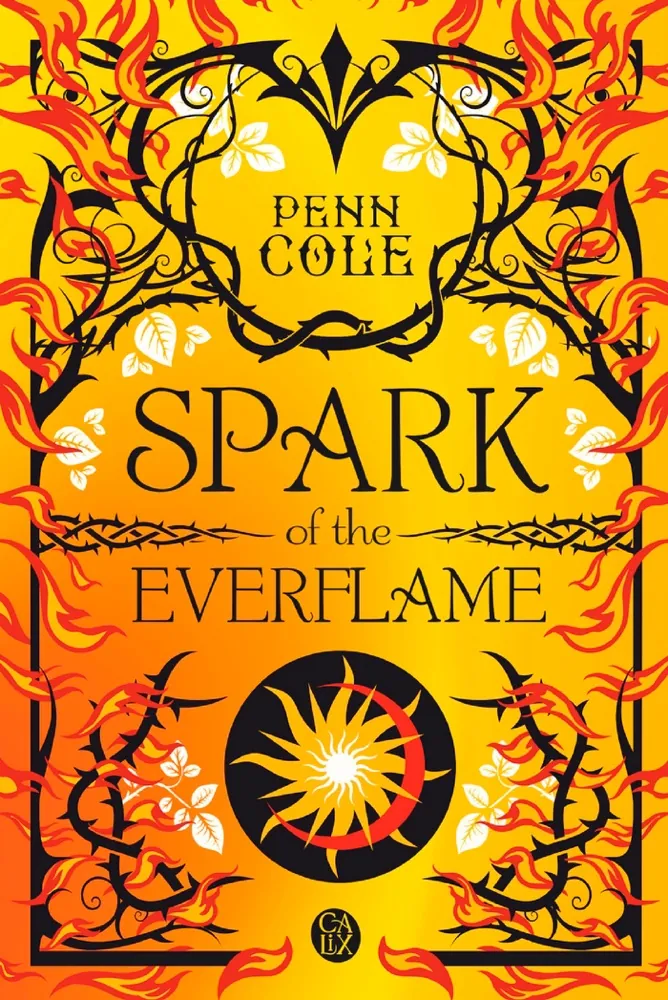
Author: Penn ColePage Count: UnknownPublication Date: Expected publication 2026 APL Gods and their bloody offspring running a penal colony of mortals. How original. We are staring down the barrel of yet another divine-hierarchy fantasy where the protagonist is forced into a civil war simply because Mom bit the dust and left a pile of unanswered homework. Penn Cole returns to the ring with Burn of the Everflame, and based strictly on the publisher's synopsis, we are promised the usual literary cardio. Diem Bellator wants out of her miserable routine—don't we all—and suddenly finds herself shoulder-deep in court politics, divine lineage, and tactical maneuvering. The Footwork of a Novice Let us look at the striking mechanics promised here. The synopsis drops Diem right into a civil war, expecting us to believe she dodges divine right hooks and political jabs without getting her jaw shattered in round one. It is all well and good to say she must master the rules of power and romance, but what is her actual reach? If you are going to write a combatant stepping onto the mat against immortal offspring, you need to show proper defensive posture. Instead, we get the literary equivalent of a fighter keeping their chin completely exposed while circling away from the power hand. Actually, strike that. Maybe the lack of specific combat choreography is precisely the point. Cole is not writing a gritty sports drama about footwork and liver shots; this is pure, unadulterated romantasy spectacle where a bruised ego hurts worse than a broken rib. The Politics of the Chin Check Power dynamics in these stories always follow the same sloppy clinch. A mortal girl enters the dark underbelly of the ruling class, absorbs a flurry of blows from corrupt elites, and somehow clinches a victory through sheer emotional stubbornness. Where is the counter-punch? Where is the tactical exploitation of an opponent's over-extended guard? The synopsis relies entirely on vague buzzwords about civil war and hidden mysteries, leaving us guessing whether Diem has a single strategic bone in her body or if she is just absorbing punches until the plot saves her from a technical knockout. Sarah J. Maas and Rebecca Yarros have practically built an entire arena out of this exact blueprint—girls with hidden potential getting tossed into deadly trials while falling for someone who definitely has too many dark secrets and cheekbones that could cut glass. Yet, if Cole refuses to tighten up the defensive mechanics of her plot, this anticipated release is going to get countered hard in the third round. You cannot just throw a protagonist into a civil war without establishing her striking distance. The draft coming off this poorly insulated window is freezing my fingers and making it impossible to type. #fantasybooks #romantasy #bookcritic #penncole Related InsightsThe Tarot Trials: A Novel Book Review and Summary Mrs. Dalloway Book Review and Summary Brave New World Book Review and Summary{ "@context": "https://schema.org", "@type": "FAQPage", "mainEntity": [ { "@type": "Question", "name": "What is the main focus of Burn of the Everflame: A Novel (The Kindred's Curse Saga) Book Review and Summary?", "acceptedAnswer": { "@type": "Answer", "text": "Everything you need to know about Burn of the Everflame: A Novel (The Kindred's Curse Saga) with our detailed review." } }, { "@type": "Question", "name": "Who authored the comprehensive guide on Burn of the Everflame: A Novel (The Kindred's Curse Saga) Book Review and Summary?", "acceptedAnswer": { "@type": "Answer", "text": "This detailed article and its insights were carefully researched and authored by Natalia Sokolova." } }, { "@type": "Question", "name": "Where can I find more related content about Books?", "acceptedAnswer": { "@type": "Answer", "text": "You can explore more articles, detailed reviews, and similar insights by browsing the Related Insights section at the bottom of this article or visiting our dedicated Books category page." } } ] }
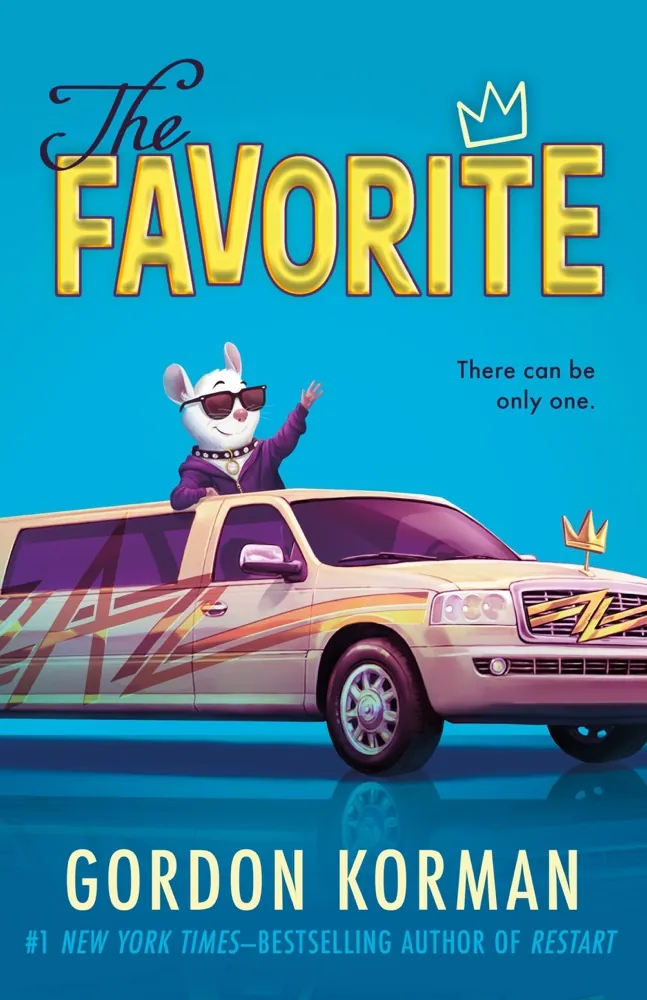
Author: Gordon KormanPage Count: UnknownPublication Date: Expected publication 2026 APL Sweating through linen in this suffocating August heat while reviewing plebeian literature is my personal circle of Dante’s inferno. Yet here we are, staring down Gordon Korman’s upcoming manuscript, The Favorite. One glance at the lineage—or lack thereof—makes my aristocratic eye twitch violently. A billionaire descends upon some dusty hamlet in Oklahoma like a deus ex machina wrapped in designer fleece. Groundbreaking. Truly, the Habsburgs managed their succession crises with far more decorum. The Commodification of Progeny Consider the vulgarity of the premise. Four wretched offspring, including twins because lowbrow storytelling always relies on biological duplication for cheap dramatic friction, forced into a gladiatorial arena for the ultimate prize. And what is this glittering crown? To become a brand ambassador for Zzazz. Good grief. The very name tastes like cheap corn syrup and cheap polyester. Korman essentially takes the royal primogeniture model, strips away centuries of divine right, and drags it straight through the corporate mud. Bloodlines Versus Boardrooms Harper, Dylan, Lacey, and Bobby Coleridge. Such pedestrian names for children allegedly possessing billionaire blood. But wait, the synopsis casually mentions a three-legged rat named Ollie. A rat. In high society, we maintain drawing rooms free of vermin, yet this wretched rodent apparently plays a pivotal role in the sibling bloodbath. Make it make sense, as the peasants say on their digital communication networks. One observes a glaring thematic reliance on populist tropes. Soccer games, Monopoly smackdowns, and pizza-eating challenges. How utterly base. Where is the fencing? Where is the acquisition of obscure European art. Instead, we get a carbohydrate-heavy gluttony contest designed to appeal to the absolute lowest common denominator. Korman clearly fancies himself the Tolstoy of the tween demographic—giving us War and Peace for kids who consume Tide Pods. Yet the sociological implications here are fascinatingly bleak. This isn't just sibling rivalry. It is the capitalist commodification of familial affection, packaged neatly for mass consumption. The children are willing to sacrifice their dignity for global jet-setting and star-studded parties. Absolute garbage behavior. No notes. Expect this low-rent Succession knockoff to dominate the bestseller lists simply because contemporary readers possess the literary palate of a feral raccoon. They will eat it up. Personally, I would rather inherit a title burdened by insurmountable death duties than read another sentence about this wretched Zzazz enterprise. I must flee this stifling study immediately, seeing as I have an exclusive wine tasting event at the country club in an hour. Related InsightsA Room with a View Book Review and Summary American Gods Book Review and Summary Ficciones Book Review and Summary{ "@context": "https://schema.org", "@type": "FAQPage", "mainEntity": [ { "@type": "Question", "name": "What is the main focus of The Favorite Book Review and Summary?", "acceptedAnswer": { "@type": "Answer", "text": "Everything you need to know about The Favorite with our detailed review." } }, { "@type": "Question", "name": "Who authored the comprehensive guide on The Favorite Book Review and Summary?", "acceptedAnswer": { "@type": "Answer", "text": "This detailed article and its insights were carefully researched and authored by James Miller." } }, { "@type": "Question", "name": "Where can I find more related content about Books?", "acceptedAnswer": { "@type": "Answer", "text": "You can explore more articles, detailed reviews, and similar insights by browsing the Related Insights section at the bottom of this article or visiting our dedicated Books category page." } } ] }
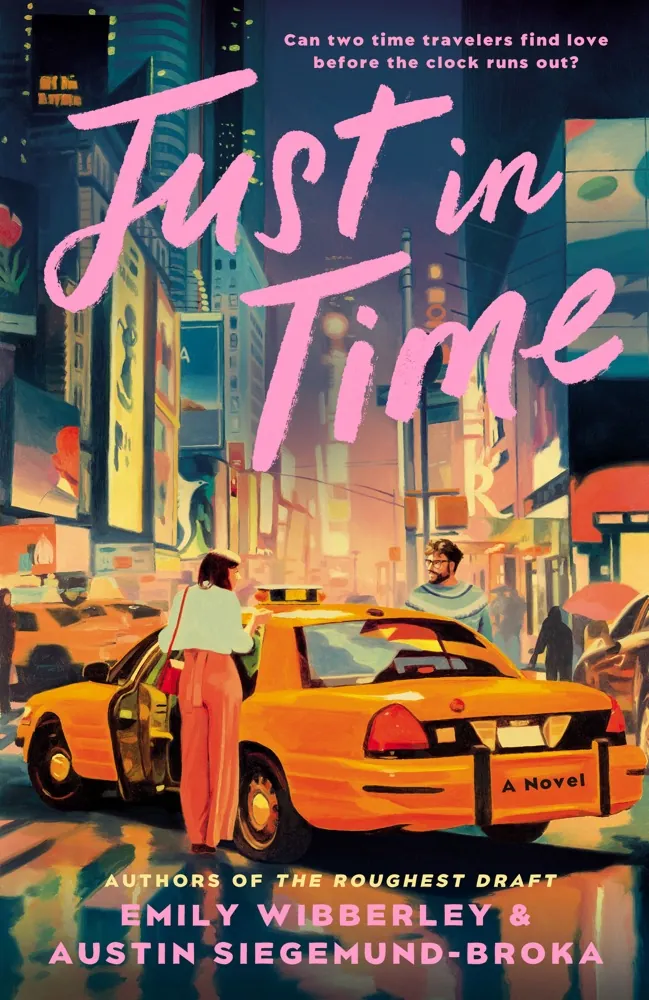
Author: Emily WibberleyPage Count: UnknownPublication Date: Expected publication 2026-12-08 APL August humidity clings to the heavy silk of my settee like a persistent debtor, making even the contemplation of modern fiction feel akin to a stint in the Bastille. Emily Wibberley and Austin Siegemund-Broka have returned with Just in Time, an upcoming release scheduled for late next December—long after this summer wilts—centering on a pair of New York City pedestrians who manipulate chronological intervals via yellow taxicabs. Gwen Bailey utilizes temporal regression to curate a spotless CV and an unblemished academic GPA. Ian Knox, conversely, plays the altruistic guardian angel, attempting to rescue relatives from impending ruin by constantly bleeding into the past. Naturally, they collide. Naturally, an attraction sparks. The Chronological Aristocracy Pedigree matters. It mattered during the Plantagenet succession, and it matters in the lineage of speculative romantic fiction. Yet this premise reads less like a refined heirloom and more like the plot of The Titanic if Jack Dawson had possessed a transit pass and an irritating penchant for micromanagement. One expects a certain refinement from time-manipulation narratives—a nod to the grand estates of historical continuity rather than a frantic cab ride through Manhattan traffic. Gwen’s obsession with a perfect GPA through vehicular temporal tampering is deeply pedestrian. Or perhaps it is rather brilliant. No, scratch that assessment entirely. Perfectionism in fiction is tedious, an affliction reserved for people whose family trees lack any interesting scandals or financial ruin. The Cost of Manufactured Lineage The central conflict forces these two chronological interlopers to choose between an unvarnished future or a past scrubbed clean of heartache. Such a binary is tiresomely conventional. Real bloodlines are messy, woven from bad investments, unfortunate marriages, and hasty departures from court. The authors lean heavily into modern therapeutic tropes disguised as whimsy, suggesting that meddling with yesterday somehow diminishes the richness of today. Modern readers adore stories about people who cannot simply accept a poor performance review without altering the fabric of space-time. Give me a proper period drama about inheritance disputes any day over individuals who treat the chronology of New York like a localized game of squash. One wonders if the prose will maintain any dignity when the book finally drops into the winter catalogs. The synopsis offers precious little stylistic grace, relying instead on high-concept convenience. And yet, the marketplace laps up these domestic contrivances with the enthusiasm of a debutante at her first cotillion. It will undoubtedly sell thousands of copies to people who think altering a grade point average constitutes high stakes. Good heavens, my trainer just informed me that holding this agonizing plank position for another three minutes is non-negotiable if I wish to survive the remaining weeks of this wretched heat wave. Related InsightsA Storm of Swords Book Review and Summary The Tulip Poplars Book Review and Summary The Polar Express Book Review and Summary{ "@context": "https://schema.org", "@type": "FAQPage", "mainEntity": [ { "@type": "Question", "name": "What is the main focus of Just in Time Book Review and Summary?", "acceptedAnswer": { "@type": "Answer", "text": "Everything you need to know about Just in Time with our detailed review." } }, { "@type": "Question", "name": "Who authored the comprehensive guide on Just in Time Book Review and Summary?", "acceptedAnswer": { "@type": "Answer", "text": "This detailed article and its insights were carefully researched and authored by James Miller." } }, { "@type": "Question", "name": "Where can I find more related content about Books?", "acceptedAnswer": { "@type": "Answer", "text": "You can explore more articles, detailed reviews, and similar insights by browsing the Related Insights section at the bottom of this article or visiting our dedicated Books category page." } } ] }
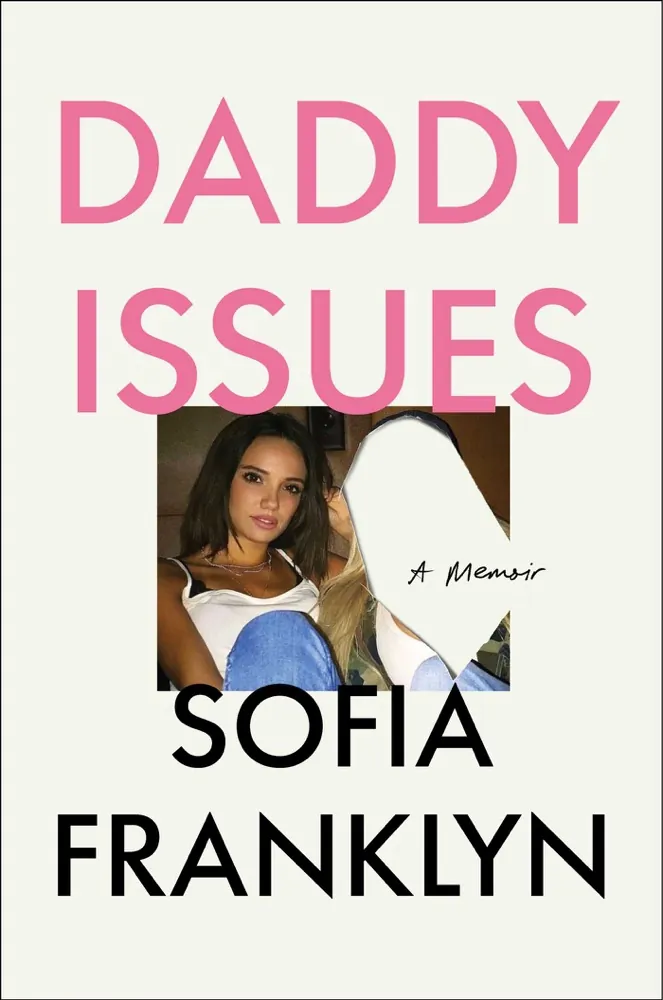
Author: Sofia FranklynPage Count: UnknownPublication Date: Expected publication 2026-11-10 APL The art of memoirs – where the lines blur between truth and performance, and the audience is left questioning what's real and what's just a cleverly crafted narrative. Daddy Issues promises to be a riveting tale of power, friendship, and reclamation, but at its core, it's a story of survival – of Sofia Franklyn's unrelenting pursuit of self-preservation in the face of public scrutiny. And what a scrutiny it is – the internet's messiest breakup, with millions of eyes glued to the trainwreck that was the dissolution of Sofia's relationship with Alex Cooper. But what's fascinating is not the breakup itself, but the way Sofia chooses to frame it – as a private collapse, a reckoning that forced her to interrogate her ambition and the cost of being understood as a headline. It's a bold move, to own the narrative like that, to take control of the story and spin it into a tale of reclamation. But can we trust this narrative? Is Sofia's account a genuine attempt at self-reflection, or is it just a cleverly crafted PR move? The synopsis is vague on this point, leaving us to wonder – and isn't that the most tantalizing aspect of memoirs? The uncertainty, the ambiguity, the blurred lines between truth and fiction. It's a bit like that infamous New York Times exposé on the My Little Pony fandom – you know, the one where they somehow managed to make a bunch of grown adults obsessing over cartoon ponies sound like a sociological phenomenon? Yeah, that one. Anyway, I digress. The point is, memoirs are all about perspective, and Sofia's perspective is sure to be a compelling one. I'm reminded of The Argonauts, Maggie Nelson's critically acclaimed memoir that blurred the lines between love, desire, and identity. Daddy Issues seems to be treading similar ground, albeit with a more pop culture-infused twist. And that's what makes it so intriguing – the way Sofia's story intersects with the world of podcasting, social media, and internet fame. But what about the writing itself? Will Sofia's prose be as sharp as her wit, or will it fall flat? The synopsis doesn't give us much to go on, but I'm willing to take a chance on this one. After all, as a seasoned industry insider, I've seen my fair share of memoirs that promised the world and delivered nothing but bland, generic prose. Daddy Issues has the potential to be something more – a raw, darkly funny portrait of girlhood, friendship, and agency. I'm predicting big things for this one – a bestseller, at the very least, and possibly even a spot on the New York Times list. But we'll have to wait and see. For now, I've got to finish packing for my trip to Tokyo tomorrow – business calls, and all that jazz. #memoirlove #daddyissues #sofiafranklyn Related InsightsGeek Love Book Review and Summary Never Say Never Book Review and Summary I, Claudius Book Review and Summary{ "@context": "https://schema.org", "@type": "FAQPage", "mainEntity": [ { "@type": "Question", "name": "What is the main focus of Daddy Issues: A Memoir Book Review and Summary?", "acceptedAnswer": { "@type": "Answer", "text": "Everything you need to know about Daddy Issues: A Memoir with our detailed review." } }, { "@type": "Question", "name": "Who authored the comprehensive guide on Daddy Issues: A Memoir Book Review and Summary?", "acceptedAnswer": { "@type": "Answer", "text": "This detailed article and its insights were carefully researched and authored by Antoine Leroy." } }, { "@type": "Question", "name": "Where can I find more related content about Books?", "acceptedAnswer": { "@type": "Answer", "text": "You can explore more articles, detailed reviews, and similar insights by browsing the Related Insights section at the bottom of this article or visiting our dedicated Books category page." } } ] }
- Natalia Sokolova
- 25 Aug, 2026 18:37
Spirit Lands (The Spice Road Trilogy #3) Book Review and Summary
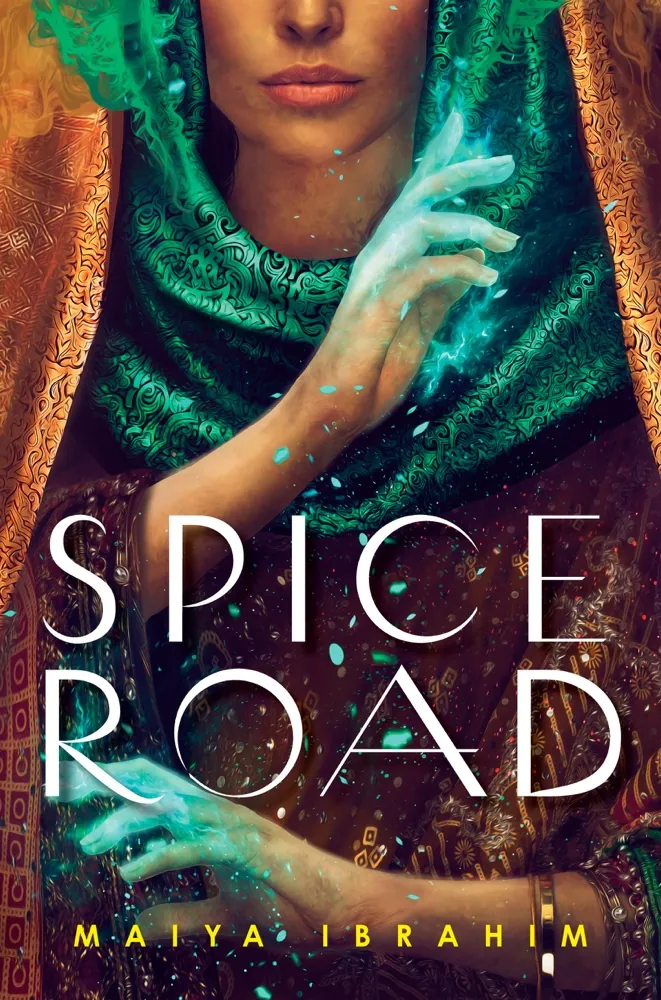
Author: Maiya IbrahimPage Count: UnknownPublication Date: Expected publication 2026 APL —Another fantasy epic about a 'chosen one' with magical abilities and a penchant for saving the world, how original. The official synopsis for Spirit Lands, the third installment in Maiya Ibrahim's The Spice Road Trilogy, has me questioning the state of YA fantasy today. We're presented with Imani, a 16-year-old with the affinity for iron and a reputation for being the next great Shield, tasked with finding her supposedly dead brother who's been accused of stealing the nation's coveted spice. And, of course, she's not going alone – she's accompanied by other Shields, including Taha, a powerful beastseer who can control the minds of falcons. It's the same old formula we've seen time and time again in YA fantasy: a young, gifted protagonist on a quest to save the world from destruction, accompanied by a cast of supporting characters with their own unique abilities. It's a tired trope, and I'm not convinced that Ibrahim's take will bring anything new to the table. But, I suppose that's the problem with fantasy series these days – they're all starting to blend together. Imani's character, in particular, sounds like a carbon copy of the usual YA heroine: fiercely independent, yet emotionally vulnerable; skilled in combat, yet struggling with her own demons. It's a familiar character arc, and one that I'm not sure Ibrahim will be able to subvert or add anything interesting to. One thing that does pique my interest, however, is the world-building. The hidden desert city of Qalia, with its secret spice magic and Arabian folklore-inspired setting, sounds like a rich and immersive environment. I'd love to see Ibrahim explore the intricacies of this world, delving deeper into the mythology and politics that govern it. Perhaps, if done well, this could be the book's saving grace. Yet, I'm still skeptical. The synopsis is vague, and I'm not convinced that Ibrahim will be able to deliver on the promises she's making. The themes of family, loyalty, and power are all well-worn in YA fantasy, and I'm not sure that Spirit Lands will bring anything new or interesting to the table. As I sit here, exhausted and overwhelmed by the sheer number of YA fantasy series vying for my attention, I'm left wondering if Spirit Lands will be worth my time. Will it be a sweeping epic, full of complex characters and moral nuance? Or will it be just another tired retread of the same old fantasy tropes? I suppose only time will tell. —Oh, for crying out loud, I need to go rescue my vintage bicycle from the sudden downpour outside. Can't a person even get a moment's peace around here? #YAFantasy #TheSpiceRoadTrilogy #MaiyaIbrahim #SpiritLands #FantasyEpic Related InsightsSweep of the Heart Book Review and Summary All your perfects Book Review and Summary Clockwork Prince Book Review and Summary{ "@context": "https://schema.org", "@type": "FAQPage", "mainEntity": [ { "@type": "Question", "name": "What is the main focus of Spirit Lands (The Spice Road Trilogy #3) Book Review and Summary?", "acceptedAnswer": { "@type": "Answer", "text": "Everything you need to know about Spirit Lands (The Spice Road Trilogy #3) with our detailed review." } }, { "@type": "Question", "name": "Who authored the comprehensive guide on Spirit Lands (The Spice Road Trilogy #3) Book Review and Summary?", "acceptedAnswer": { "@type": "Answer", "text": "This detailed article and its insights were carefully researched and authored by Natalia Sokolova." } }, { "@type": "Question", "name": "Where can I find more related content about Books?", "acceptedAnswer": { "@type": "Answer", "text": "You can explore more articles, detailed reviews, and similar insights by browsing the Related Insights section at the bottom of this article or visiting our dedicated Books category page." } } ] }
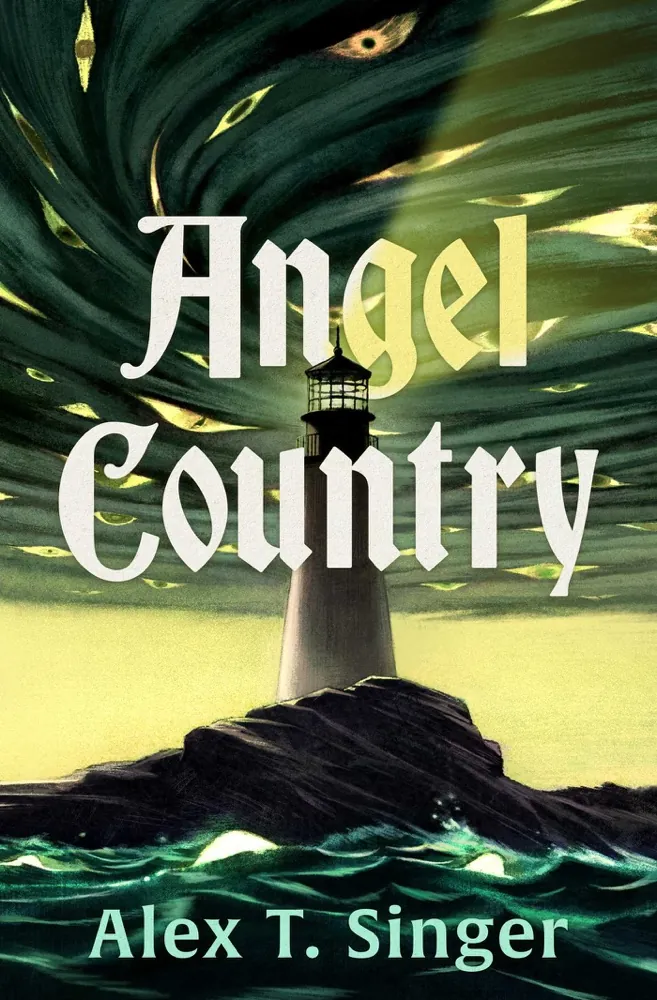
Author: Alex T. SingerPage Count: UnknownPublication Date: Expected publication 2026-10-20 APL What's the real horror here - the angels, or humanity's insatiable greed? Angel Country promises a darkly wondrous cosmic horror tale that will leave readers questioning the true nature of monstrosity. In this alternate early 1900s, scientist Ada Franklin finds herself resurrected in her own grave, her lab abandoned, and her research partner gone - along with her life's work. The prototype designed to enable human-angel communication has the potential to reshape the world, and whoever controls it may gain the power not only to communicate with angels, but to command them. It's a tantalizing prospect, and one that raises more questions than answers. But what's truly terrifying - the angels themselves, or the way humanity responds to them? The synopsis hints at a world warped by celestial horror, where angelic contact remakes both flesh and mind. It's a classic trope, one that's been explored in everything from The Starving Saints to Ring Shout. Yet, there's something about the way Angel Country approaches this idea that feels fresh, that feels...off. Perhaps it's the way the story seems to blur the lines between good and evil. Ada's pursuit of her former research partner is driven by a desire to reclaim her work, but as she gets closer to her goal, she begins to suspect that humanity's greed may be the true horror. It's a morally complex tale, one that asks difficult questions about the nature of power and the human condition. But can Angel Country deliver on its promises? The synopsis is tantalizing, but it's also frustratingly vague. What does this world look like, exactly? How do the angels interact with humanity, and what are the consequences of their contact? The answers to these questions will make or break the story. And then, of course, there's the matter of Ada herself. What drives her? What motivates her to pursue her former partner, even in the face of unimaginable horror? Is she a hero, or a villain? The synopsis doesn't give us much to go on, but I suspect that Ada's character will be a major part of the story's appeal. As I sit here, pondering the possibilities, I find myself drawn to the work of authors like Jeff VanderMeer and China Miéville. Their ability to blend the surreal and the terrifying is unmatched, and I suspect that Angel Country will be similarly unsettling. But will it be more than just a fever dream mash-up of alternate history, dark fantasy, and eldritch horror? Only time will tell. I'm going to go sit on a park bench and aggressively people-watch. #CosmicHorror #DarkFantasy #AlternateHistory Related InsightsFive Brothers Book Review and Summary Us Against You Book Review and Summary The Architecture of Alienation: Unmasking the Eternal Angst of Holden Caulfield{ "@context": "https://schema.org", "@type": "FAQPage", "mainEntity": [ { "@type": "Question", "name": "What is the main focus of Angel Country Book Review and Summary?", "acceptedAnswer": { "@type": "Answer", "text": "Everything you need to know about Angel Country with our detailed review." } }, { "@type": "Question", "name": "Who authored the comprehensive guide on Angel Country Book Review and Summary?", "acceptedAnswer": { "@type": "Answer", "text": "This detailed article and its insights were carefully researched and authored by Natalia Sokolova." } }, { "@type": "Question", "name": "Where can I find more related content about Books?", "acceptedAnswer": { "@type": "Answer", "text": "You can explore more articles, detailed reviews, and similar insights by browsing the Related Insights section at the bottom of this article or visiting our dedicated Books category page." } } ] }
- Antoine Leroy
- 24 Aug, 2026 13:07
The Lightning-Bug and the Lightning: Debunking the Myths of Mark Twain, in His Own Words Book Review and Summary
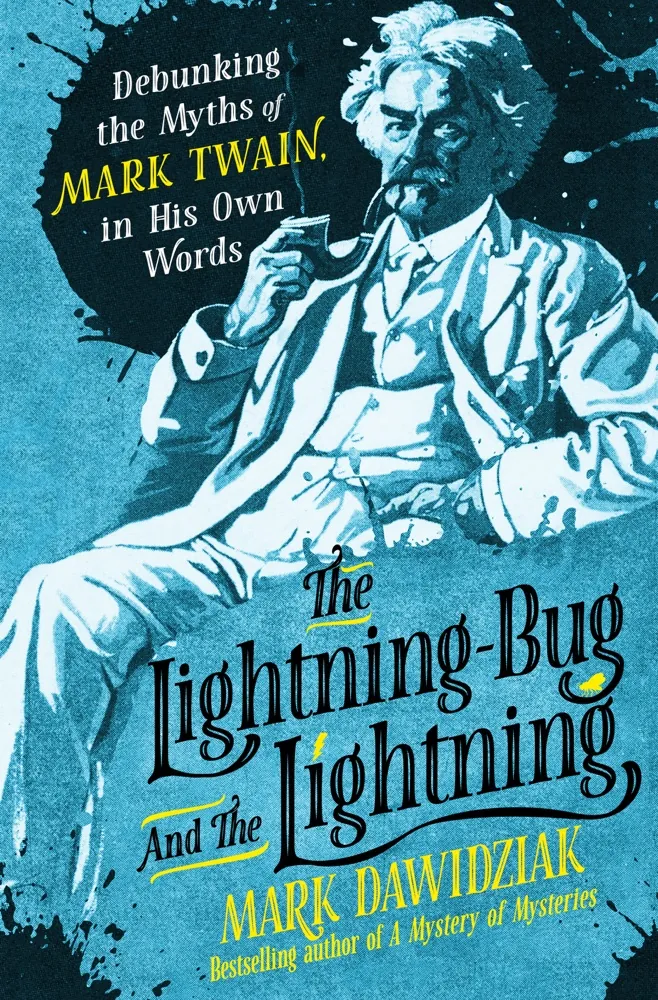
Author: Mark DawidziakPage Count: UnknownPublication Date: Expected publication 2026-12-01 APL The cicadas are screaming through this suffocating August afternoon heat, yet the stillness in this room feels practically archaeological. Look at us clinging to stories like desert nomads to a dry skin flask. Mark Dawidziak is about to drop The Lightning-Bug and the Lightning upon us, and frankly, anyone who thinks Mark Twain is just a dusty curriculum relic meant for eighth-graders deserves to spend eternity listening to politicians drone on about fiscal policy. The Alchemy of Truth and Wit Twain understood the human comedy long before algorithms tried to monetize our collective outrage. Dawidziak gets this down to his marrow. Forty-five years inhabiting the man’s skin on stage gives a writer a certain kind of stubborn authority that ivory-tower academics simply lack. They study the bones. Dawidziak played the ghost. And yet, let us pause to lament the absolute trash clogging up bestseller lists this summer. People are currently paying actual U.S. currency to read mass-market psychological thrillers where the twist is always that the husband did it, or some billionaire romance written with the prose-style efficiency of a grocery receipt. Why do we reward mediocrity when the ghosts of American satire are standing right there, offering us a mirror? We collectively choose the literary equivalent of soggy cardboard. Stripping Away the Bronze The upcoming biography promises to dismantle the sanitized, white-suited grandpa myth. Good. We desperately need to drag Twain out of the bronze monument status where high school administrators leave him to collect dust. Dawidziak pulls from an enviable Rolodex—Carl Reiner, Carol Burnett, Ken Burns, Hal Holbrook. These are heavy hitters who wrestled with the same American demons. The core thesis hangs on that brilliant quote about the lightning-bug versus the lightning. Precision matters. Intent matters. Dawidziak intends to show how Twain diagnosed our modern sicknesses—prejudice, greed, class warfare—with terrifying accuracy. Expect a masterclass in biographical excavation. Dawidziak previously proved with A Mystery of Mysteries that he knows how to resurrect the dead without making them smell like formaldehyde. He avoids the lazy academic traps. He treats Twain not as a marble bust, but as a living, breathing, profoundly irritated human being who would likely hate the way we quote him on the internet. The promise here is immense. Whether the execution holds up against the weight of forty-five years of stage dust remains to be seen. But in a publishing landscape dominated by ghostwritten memoirs and derivative fantasy garbage, this book might just provide the sudden flash we need. I must stop writing now because I have to assemble a profoundly confusing piece of Swedish furniture that currently dominates the center of the living room floor like a wooden labyrinth designed by a sadistic architect. Related InsightsA Conspiracy of Charming Monsters: Illustrated Tales from Elfhame Book Review and Summary The Thief and the Traitor Bride (The Hand and the Heart, #2) Book Review and Summary L'Alchimia del Testo: Dalla Poetica di Aristotele alla Nuova Critica, Storia di uno Sguardo che Non Si Arrende{ "@context": "https://schema.org", "@type": "FAQPage", "mainEntity": [ { "@type": "Question", "name": "What is the main focus of The Lightning-Bug and the Lightning: Debunking the Myths of Mark Twain, in His Own Words Book Review and Summary?", "acceptedAnswer": { "@type": "Answer", "text": "Everything you need to know about The Lightning-Bug and the Lightning: Debunking the Myths of Mark Twain, in His Own Words with our detailed review." } }, { "@type": "Question", "name": "Who authored the comprehensive guide on The Lightning-Bug and the Lightning: Debunking the Myths of Mark Twain, in His Own Words Book Review and Summary?", "acceptedAnswer": { "@type": "Answer", "text": "This detailed article and its insights were carefully researched and authored by Antoine Leroy." } }, { "@type": "Question", "name": "Where can I find more related content about Books?", "acceptedAnswer": { "@type": "Answer", "text": "You can explore more articles, detailed reviews, and similar insights by browsing the Related Insights section at the bottom of this article or visiting our dedicated Books category page." } } ] }
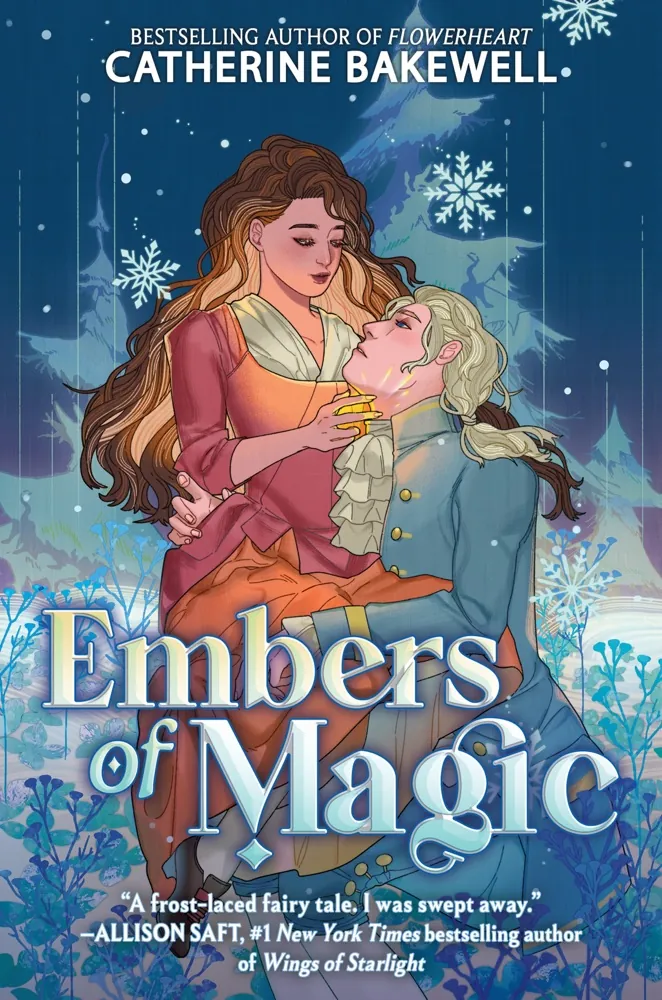
Author: Catherine BakewellPage Count: UnknownPublication Date: Expected publication 2026-11-10 APL The synopsis for Embers of Magic arrives like a half-burned letter—charred at the edges, promising something exquisite but leaving too much to the imagination. Bakewell’s Flowerheart was a delicate, sunlit affair, a fairy tale for readers who prefer their magic to bloom like roses rather than crackle like embers. This? This is a different beast entirely, a reimagining of The Snow Queen that smells of frostbitten pines and the faint, acrid tang of regret. Fiamma’s fire is her curse—unpredictable, destructive—and yet, the way the synopsis frames her as a reluctant heroine, fleeing her past like a ghost from a haunted ballroom, is so last season. We’ve seen this before: the magic-wielding outcast, the reluctant assassin with a heart of gold, the slow-burn romance where the prince is too good to be true. But where Bakewell’s last book was a lullaby, this feels like a warning. The frost creeping across the kingdom isn’t just a plot device; it’s a metaphor for something far more insidious, something that seeps into Joseph’s bones until he’s no longer the boy Fiamma first met. And that’s where the synopsis stumbles—or perhaps it’s the author’s intent. The tension between Fiamma and Joseph is the kind that makes you want to slap both of them simultaneously. She’s running from her magic, from her family, from the very thing that makes her dangerous—while he’s drowning in his father’s expectations, his own heart slowly turning to ice. It’s the kind of dynamic that could be brilliant if Bakewell leans into the psychological weight of it. But the synopsis is too vague. Where’s the sharp edge? Where’s the moment when Fiamma realizes Joseph isn’t just being noble—he’s being erased by the frost, and she’s the only one who can see it? Right now, it reads like a checklist: check, reluctant heroine; check, slow-burn romance; check, magical winter curse. No teeth. And yet—and yet—there’s something here that could be electric. The way the synopsis hints at Fiamma’s fire being the only thing that can thaw Joseph’s heart is a gambit worth taking. If Bakewell plays it right, this could be the kind of story that lingers like the afterglow of a fire—warm, dangerous, impossible to look away from. But she’ll need to stop treating the reader like an audience for a stage play and start treating us like we’re standing in the flames with her. The real question is whether Bakewell can resist the temptation to make this a romance first and a fairy tale second. The synopsis leans heavily into the Joseph/Fiamma dynamic, but the frost creeping across the kingdom? That’s the real villain here, and if it’s sidelined in favor of swoony glances and emotional breakdowns, this could devolve into another A Court of Thorns and Roses knockoff—only with more frost and less wit. The last thing we need is another story where the magic is just a backdrop for the love story. But then again—maybe that’s the point. Maybe Bakewell is going for The Winter’s Tale meets The Snow Child, a story where the romance is the frost, and the fire is the only thing that can melt it. If so, she’d be playing in the same league as Sarah Beth Durst, whose The Girl Who Circumnavigated Fairyland in a Ship of Her Own Making series proved that fairy-tale retellings work best when they’re uncomfortable. But Durst had the luxury of whimsy; Bakewell’s got frost and fire, and if she doesn’t make them burn, this could just be another forgettable rehash. The synopsis is a tease, a half-burned promise. And like Fiamma’s magic, it’s dangerous—because it makes you want more, even when you know it might leave you scorched. My driver took the wrong route this morning, and now I’m late for a meeting I’d rather not attend. The book will have to wait. #FairyTaleRetellings #FrostAndFire #BakewellNext Related InsightsThe Family Plot: A Novel Book Review and Summary Girl with a Pearl Earring Book Review and Summary Bridge of Souls Book Review and Summary{ "@context": "https://schema.org", "@type": "FAQPage", "mainEntity": [ { "@type": "Question", "name": "What is the main focus of Embers of Magic Book Review and Summary?", "acceptedAnswer": { "@type": "Answer", "text": "Everything you need to know about Embers of Magic with our detailed review." } }, { "@type": "Question", "name": "Who authored the comprehensive guide on Embers of Magic Book Review and Summary?", "acceptedAnswer": { "@type": "Answer", "text": "This detailed article and its insights were carefully researched and authored by James Miller." } }, { "@type": "Question", "name": "Where can I find more related content about Books?", "acceptedAnswer": { "@type": "Answer", "text": "You can explore more articles, detailed reviews, and similar insights by browsing the Related Insights section at the bottom of this article or visiting our dedicated Books category page." } } ] }
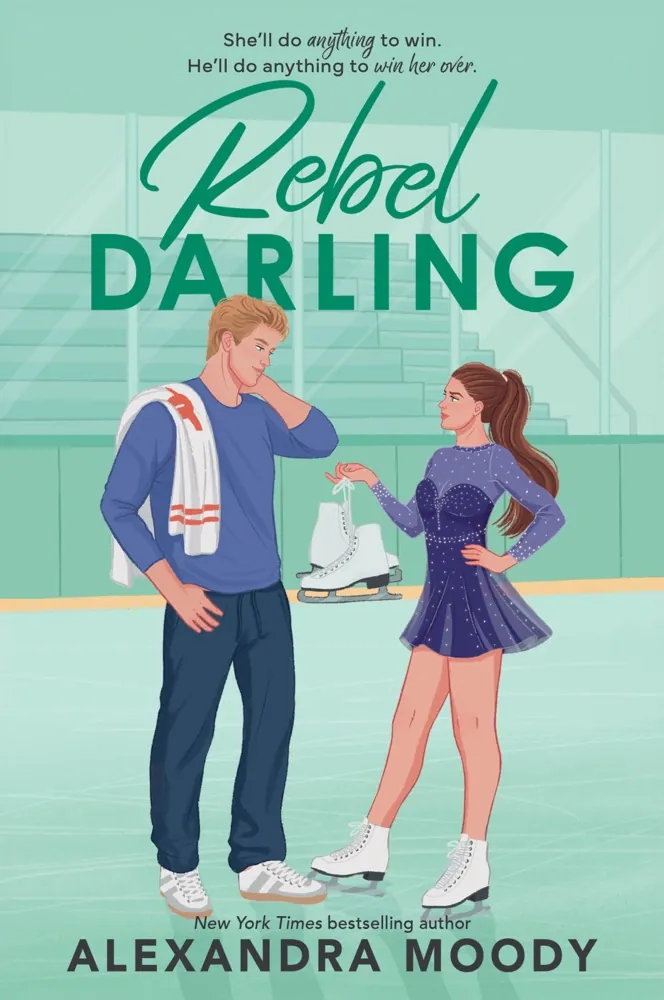
Author: Alexandra MoodyPage Count: UnknownPublication Date: Expected publication 2026-11-03 APL Rebel Darling, the latest installment in Alexandra Moody's Darling Devils series, promises to bring the heat with its wholesome, banter-filled romance. The premise is simple: Cammie Darling, a phenomenal yet notoriously difficult pairs figure skater, finds herself in need of a new partner, while Seth Walker, a hockey player with a tarnished reputation, is looking for a way to salvage his college hopes. Their paths cross, and the two are forced to put aside their differences and work together. But what's at stake here? The synopsis is frustratingly vague about the nature of Seth's "secret" and the consequences of Cammie's decision to keep it under wraps. Is it a matter of personal integrity, or is there something more sinister at play? Moody's fans will have to wait and see, but one thing's for sure – the tension between Cammie and Seth is palpable, and their transition from enemies to lovers will be a wild ride. The contrast between Cammie's icy demeanor and Seth's happy-go-lucky attitude is a classic trope, reminiscent of the "black cat/golden retriever" dynamic that's all the rage in contemporary romance. It's a tried-and-true formula, but Moody's execution will be key in making it feel fresh and exciting. Can Seth's carefree nature disarm Cammie's defenses, or will their differences tear them apart? One thing that does stand out is the unique blend of figure skating and hockey – a refreshing change of pace from the usual sports romance fare. It's a bold move, and Moody's fans will likely appreciate the added depth and complexity this brings to the story. But let's get real – the real question on everyone's mind is: can Moody deliver on the promise of a "wholesome, banter-filled romance"? The Darling Devils series has a reputation for being a BookTok sensation, and fans are eagerly awaiting the next installment. Will Rebel Darling live up to the hype, or will it fall flat? As someone who's currently stuck in a creative rut, I'm drawn to the idea of a romance that's all about finding common ground and pushing past differences. It's a theme that resonates deeply, especially in today's world. But will Moody's execution be enough to get me out of this writer's block-induced funk? I'm skeptical, but also intrigued. And yet – what if I'm completely wrong? What if Rebel Darling is a game-changer, a romance that will leave readers breathless and begging for more? It's possible, and I'd love to be proven wrong. Speaking of which, I'm reminded of Hannah Grace's ability to craft relatable, flawed characters that leap off the page. If Moody can tap into that same magic, Rebel Darling might just be the perfect antidote to my current creative slump. My favorite indie cafe has replaced their scarred wooden tables with sterile marble. #BookLovers #RomanceReaders #WriterProbs Related InsightsThe Dues & Don'ts of Magic Book Review and Summary The Cider House Rules Book Review and Summary The Divine Comedy Book Review and Summary{ "@context": "https://schema.org", "@type": "FAQPage", "mainEntity": [ { "@type": "Question", "name": "What is the main focus of Rebel Darling (The Darling Devils, #4) Book Review and Summary?", "acceptedAnswer": { "@type": "Answer", "text": "Everything you need to know about Rebel Darling (The Darling Devils, #4) with our detailed review." } }, { "@type": "Question", "name": "Who authored the comprehensive guide on Rebel Darling (The Darling Devils, #4) Book Review and Summary?", "acceptedAnswer": { "@type": "Answer", "text": "This detailed article and its insights were carefully researched and authored by Natalia Sokolova." } }, { "@type": "Question", "name": "Where can I find more related content about Books?", "acceptedAnswer": { "@type": "Answer", "text": "You can explore more articles, detailed reviews, and similar insights by browsing the Related Insights section at the bottom of this article or visiting our dedicated Books category page." } } ] }
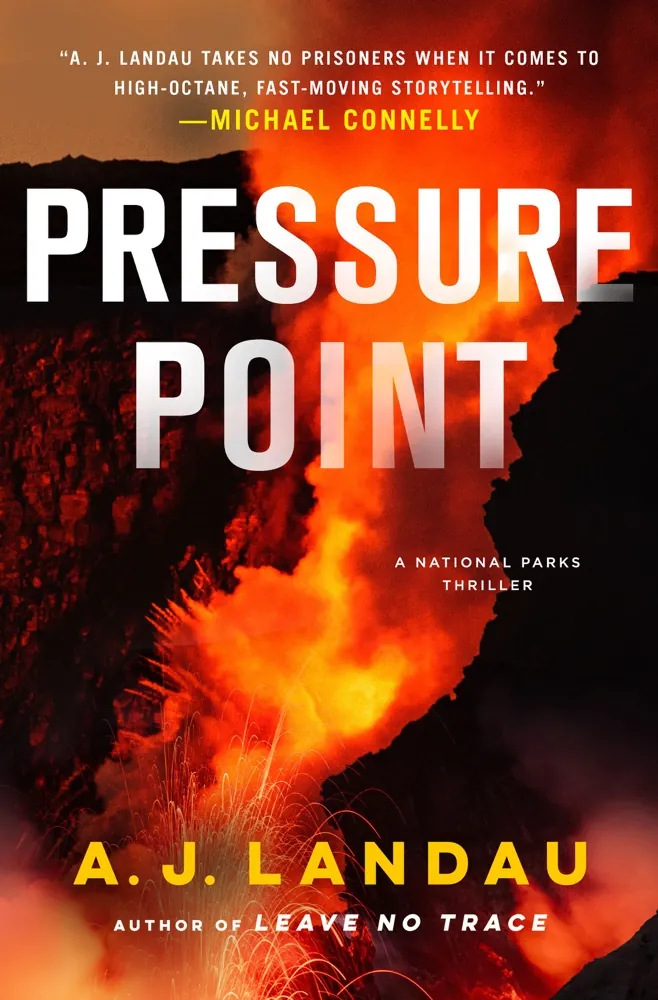
Author: A.J. LandauPage Count: UnknownPublication Date: Expected publication 2026-12-08 APL Must we endure another cinematic exercise in pedestrian catastrophe disguised as literature? The pedigree of Pressure Point rests upon an awfully shaky foundation, relying on the sort of preposterous logistical gymnastics that would give even the most lenient genealogical registrar a migraine. A rogue munitions peddler takes a fatal tumble featuring tactical C4 into a caldera, and suddenly we are expected to swallow a century-old homicide involving John Muir. Please. The absurdity is staggering. It is giving absolute trash-tier aesthetic. Geologic Absurdity Meets Antiquated Paranoia The thematic architecture here attempts a grand synthesis of man-versus-nature motifs, but it stumbles flatly over its own shoelaces. By tethering contemporary international arms smuggling to historical preservationist lore, A.J. Landau attempts a narrative alchemy that feels profoundly cooked. Think Michael Crichton on a severe downward trajectory after a three-day bender in a Boise motel. Special Agent Michael Walker supposedly confronts this geological and homicidal mess because the premise demands a federal patsy to run frantically between collapsing national parks. Yet, what is the actual point? The synopsis relies entirely on convenience—volcanoes erupting right on cue, historic skeletons popping out of the dirt like bad flora. It lacks the disciplined pacing of top-tier espionage. The Aristocracy of Natural Disasters One detects a severe lack of actual stakes in this high-altitude nonsense. When institutional oversight fails to prevent munitions dealers from casually wandering around Hawaii's volcanic peaks with high explosives, the entire apparatus of the state becomes a punchline. This isn't high-stakes geopolitical intrigue; it is fanfiction written for people who think a weekend camping trip constitutes roughing it. Give me the refined psychological claustrophobia of Donna Tartt or the biting social critique of a proper Victorian estate drama any day over this pyrotechnic sludge. The narrative assumes the reader is profoundly dim, serving up tectonic melodrama as a cheap substitute for genuine character development. I refuse to countenance another paragraph of this bureaucratic gibberish today. My patience has officially evaporated into thin air, much like the illicit C4 vaporizing over the Pacific. Excuse me while I log into the private banking portal because I must urgently authorize a multi-million dollar wire transfer to keep my ancestral cousin from squandering our remaining vineyard acreage on a terribly tacky contemporary art commune in Ibiza. Related InsightsBittersweet Empire: Billionaire Sugar Barons and the Ghosts of Slavery Book Review and Summary The Lion, the Witch and the Wardrobe Book Review and Summary The Four Wives and Five Deaths of Richard Milford Book Review and Summary{ "@context": "https://schema.org", "@type": "FAQPage", "mainEntity": [ { "@type": "Question", "name": "What is the main focus of Pressure Point (National Parks Thriller #3) Book Review and Summary?", "acceptedAnswer": { "@type": "Answer", "text": "Everything you need to know about Pressure Point (National Parks Thriller #3) with our detailed review." } }, { "@type": "Question", "name": "Who authored the comprehensive guide on Pressure Point (National Parks Thriller #3) Book Review and Summary?", "acceptedAnswer": { "@type": "Answer", "text": "This detailed article and its insights were carefully researched and authored by James Miller." } }, { "@type": "Question", "name": "Where can I find more related content about Books?", "acceptedAnswer": { "@type": "Answer", "text": "You can explore more articles, detailed reviews, and similar insights by browsing the Related Insights section at the bottom of this article or visiting our dedicated Books category page." } } ] }

Author: Jillian DoddPage Count: UnknownPublication Date: Expected publication 2026-05-13 APL Someday seems to be a saccharine exploration of the complexities of young love, with a dash of drama courtesy of a surprise pregnancy. Ainsley, the protagonist, chooses to conceal her pregnancy from her football-star boyfriend, Damon, allegedly out of love. One can't help but wonder – is this a genuine attempt to protect Damon's career, or a contrived plot device to manufacture tension? As I sit here, surrounded by the faded grandeur of my family's estate, I find myself pondering the themes of love, sacrifice, and the blurred lines between them. The synopsis hints at a narrative that will meander through the challenges of long-distance relationships, the pressures of impending parenthood, and the fragility of adulthood. It's a tale that promises to be as sentimental as it is predictable. But, and this is a crucial 'but', the vagueness of the synopsis is almost palpable. We're given snippets of character motivation, but the emotional depth of the protagonists remains shrouded in mystery. Will Ainsley's decision to conceal her pregnancy be portrayed as a selfless act, or a desperate attempt to cling to a relationship? How will Damon's character evolve as he grapples with the realities of fatherhood? These are the questions that will make or break Someday, and yet, they remain frustratingly unanswered. The writing style, judging by the synopsis, appears to be a blend of syrupy romance and melodrama – think The Notebook meets Friday Night Lights. It's a tried-and-tested formula, to be sure, but one that risks veering into cliche territory if not executed with finesse. I'm reminded of the works of Colleen Hoover, whose ability to craft relatable characters and poignant storylines has earned her a devoted following. Someday will need to bring its A-game if it hopes to leave a lasting impression on readers. And yet, as I read through the synopsis, I find myself drawn to the quiet intimacy of the narrative. There's a sense of vulnerability that permeates the story, a sense that these characters are stumbling through the darkness, searching for a glimmer of hope. It's a feeling that resonates deeply, one that speaks to the universal human experience of uncertainty and self-discovery. The Weight of Forever As I ponder the themes of Someday, I'm struck by the weight of forever. It's a concept that's both exhilarating and terrifying, a promise of endless possibility that's tempered by the crushing responsibility of commitment. Will Damon and Ainsley find their forever, or will the pressures of adulthood tear them asunder? Only time will tell. But I must confess, I'm not entirely convinced by the synopsis. There's a sense of emotional manipulation at play, a feeling that the narrative is relying too heavily on contrived plot twists to drive the story forward. Still, I suppose that's the mark of a good storyteller – the ability to craft a narrative that's both predictable and surprising, a delicate balancing act that will keep readers on the edge of their seats. I've digressed, however. The guest list for my holiday party won't finalize itself, and I have a few last-minute invitations to send out. I do hope Someday will prove to be a worthy addition to the literary landscape, but for now, I have more pressing concerns. #NewRelease #RomanceNovel #BookLovers Related InsightsUnti Sharpe Book Review and Summary Always Remember Book Review and Summary Novelist As a Vocation Book Review and Summary{ "@context": "https://schema.org", "@type": "FAQPage", "mainEntity": [ { "@type": "Question", "name": "What is the main focus of That Someday Book Review and Summary?", "acceptedAnswer": { "@type": "Answer", "text": "Everything you need to know about That Someday with our detailed review." } }, { "@type": "Question", "name": "Who authored the comprehensive guide on That Someday Book Review and Summary?", "acceptedAnswer": { "@type": "Answer", "text": "This detailed article and its insights were carefully researched and authored by James Miller." } }, { "@type": "Question", "name": "Where can I find more related content about Books?", "acceptedAnswer": { "@type": "Answer", "text": "You can explore more articles, detailed reviews, and similar insights by browsing the Related Insights section at the bottom of this article or visiting our dedicated Books category page." } } ] }
- Natalia Sokolova
- 22 Aug, 2026 22:25
Midnight in the House of Commons: A Charles Lenox Mystery (Charles Lenox Mysteries, 16) Book Review and Summary
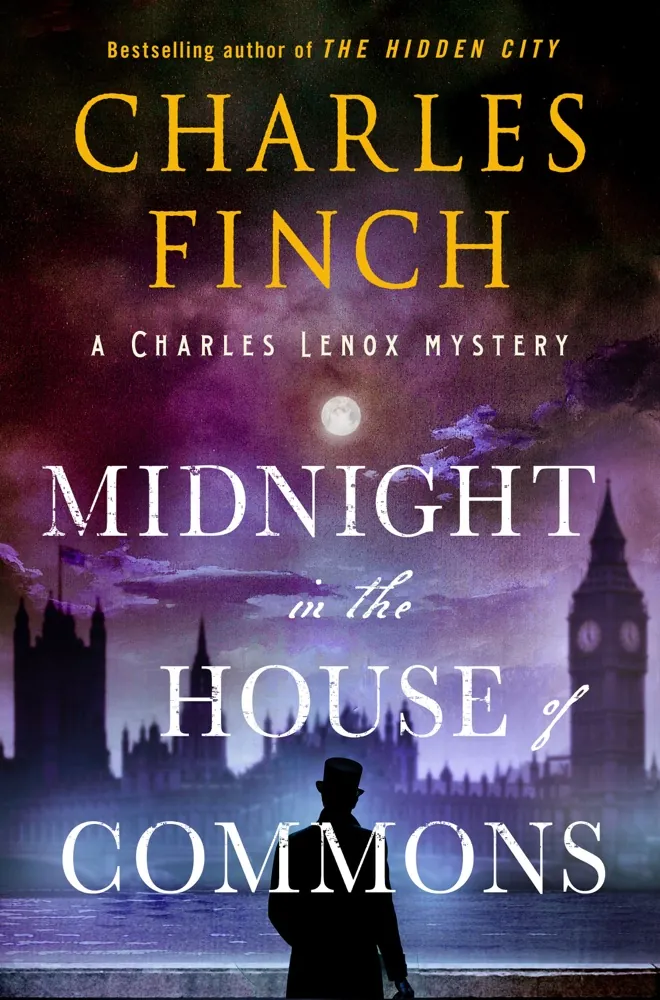
Author: Charles FinchPage Count: UnknownPublication Date: Expected publication 2026-11-03 APL Wipe the sweat out of your eyes and look at this setup. We are staring down the barrel of a Victorian murder mystery set in the spring of 1881—specifically inside the House of Commons—and honestly, the vibe is giving me major Anthony Horowitz meets gaslit prestige television, no cap, strictly high-brow literary realness. Charles Finch is back with Midnight in the House of Commons, the sixteenth installment in his Charles Lenox series. And look, if this thing doesn't feature at least one brutal, bare-knuckle brawl or a high-stakes chokehold in the parliamentary cloakroom, I am going to throw my desk chair through this window because this humidity in here is already making me feel like I am cutting weight for a championship bout in a Finnish sauna. Legislative Poison and Domestic Dread The setup is peak drawing-room-meets-crime-scene melodrama. Robert Baddeley—what a delightfully trashy name for a charismatic, womanizing Member of Parliament—gets himself permanently checked out of the earthly realm via poison right inside the hallowed legislative chamber. Classic. We are talking about high-society Victorian London where everybody is sipping gin, wearing velvet waistcoats, and plotting each other's demise between bites of scone. Naturally, the synopsis tries to hype up the stakes by throwing in a bunch of domestic side-quests—Sari's teenage angst, an odd visitor, and a missing fiancé—which honestly feels like narrative filler when what we really want is a clean, technical breakdown of the poisoner's methodology. Give me the autopsy report, Finch. Stop hiding the ball. The Footwork of an Aristocratic Sleuth Charles Lenox is operating in that elite tier of gentleman detectives, but let us be real for a second about his tactical awareness. If a guy gets popped inside a secure government building, you do not just wander around ballrooms and supper parties sipping champagne—you secure the perimeter, check the blind spots, and look for the heel-hook. Yet, Lenox is out here juggling family drama while someone frames a person close to him. Typical amateur hour. He is getting out-grappled by the narrative structure. If you are comparing this to Anne Perry or even Caleb Carr’s The Alienist, the pacing better be sharper than a jab in the third round or the whole procedural framework is going to gas out by chapter ten. And yet, I am strangely here for it. There is something deeply comforting about a well-tailored period mystery that relies on psychological pressure rather than sheer brutality, even if the premise smells slightly generic—oh look, a womanizing politician died and everyone hated him, color me shocked. The synopsis relies heavily on vague narrative threats about losing everything, which is industry shorthand for "we haven't finished writing the third act yet." But Finch usually delivers a structurally sound puzzle, so I am willing to let him cook. Just keep the pacing tight. Wait. Did I just hear thunder? Holy hell, the sky just opened up into a torrential August downpour. My vintage steel-frame Raleigh bicycle is currently chained to the rusty pole out back with no fenders and a completely exposed leather saddle, and if I don't sprint down three flights of stairs right this second, my Brooks saddle is going to be completely waterlogged. #bookstagram #historicalfiction #charlesfinch Related InsightsThe Outsiders Book Review and Summary Installment Immortality Book Review and Summary Gone Girl Book Review and Summary{ "@context": "https://schema.org", "@type": "FAQPage", "mainEntity": [ { "@type": "Question", "name": "What is the main focus of Midnight in the House of Commons: A Charles Lenox Mystery (Charles Lenox Mysteries, 16) Book Review and Summary?", "acceptedAnswer": { "@type": "Answer", "text": "Everything you need to know about Midnight in the House of Commons: A Charles Lenox Mystery (Charles Lenox Mysteries, 16) with our detailed review." } }, { "@type": "Question", "name": "Who authored the comprehensive guide on Midnight in the House of Commons: A Charles Lenox Mystery (Charles Lenox Mysteries, 16) Book Review and Summary?", "acceptedAnswer": { "@type": "Answer", "text": "This detailed article and its insights were carefully researched and authored by Natalia Sokolova." } }, { "@type": "Question", "name": "Where can I find more related content about Books?", "acceptedAnswer": { "@type": "Answer", "text": "You can explore more articles, detailed reviews, and similar insights by browsing the Related Insights section at the bottom of this article or visiting our dedicated Books category page." } } ] }
- Antoine Leroy
- 22 Aug, 2026 02:36
The Killing of a Chestnut Tree (Havelock Harper Mysteries #1) Book Review and Summary
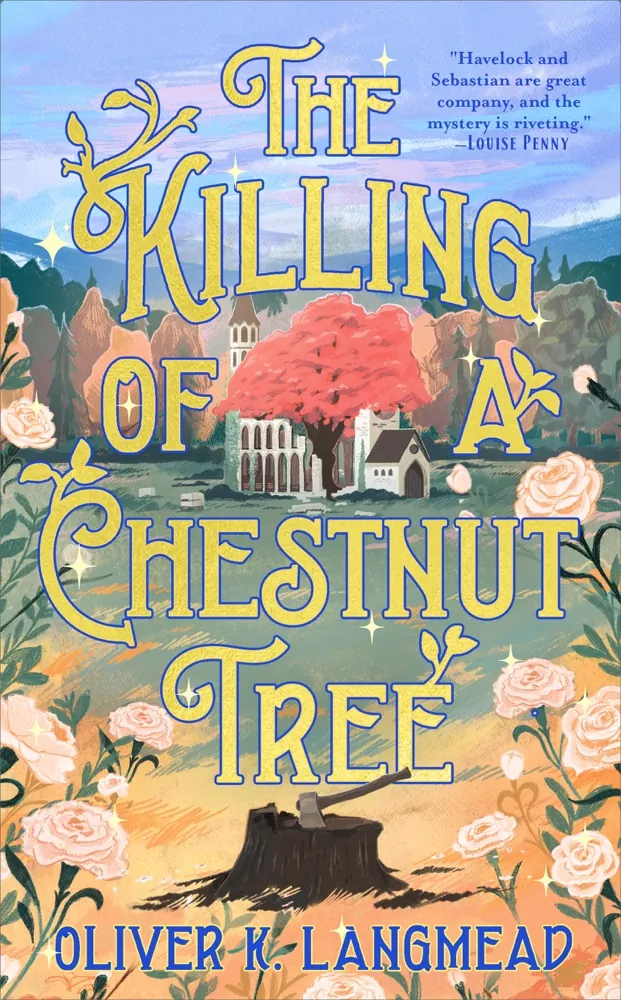
Author: Oliver K. LangmeadPage Count: UnknownPublication Date: Expected publication 2026-10-27 APL The bass is rattling my ribcage right now, vibrating right through this sticky basement floor while some kid in a violently oversized beanie screams poetry about public transit, and honestly? Good for him. Art should hurt a little. Speaking of things that refuse to stay neatly in their lanes, Oliver K. Langmead is about to drop The Killing of a Chestnut Tree, and my desk smells faintly of yesterday's cold brew and tomorrow's existential dread. Be gay, solve crimes. It is a marketing hook so sharp it could cut glass, echoing the cozy domesticity of Louise Penny crossed with the fey whimsy of Oscar Wilde if he decided to write cozy fantasy procedurals while heavily caffeinated. The Arboricidal Murder Mystery Consider the sheer audacity of the setup. Havelock Harper and Major Sebastian Wright—what a magnificent pair of names, dripping with starch and secret longing—are summoned to a secluded forest because a literal tree was murdered. Not just any tree, mind you, but an ancient chestnut who apparently enjoyed leaving typographical art in its own bark. Do me a favor. Tell me that does not sound like the exact kind of high-concept, low-stakes queer pastiche the publishing machine desperately needs right now instead of another grimdark epic about miserable men stabbing each other in the mud. I am so profoundly tired of grimdark. Give me sentient flora spelling out grievances in the underbrush over another three-hundred-page dissertation on dynastic taxation any day of the week. My nephew spent four hours yesterday explaining the lore of some terrible cartoon about a blue dog, and I would willingly listen to him recite the entire nutritional value of dry wall rather than sit through another fantasy novel where the primary emotional currency is generational trauma. Magnificent. There is a distinct flavor to this kind of cozy genre-mashing. It relies entirely on the chemistry of the sleuths to prevent the premise from collapsing under the weight of its own whimsy. If the banter between Havelock and Sebastian lacks bite, the arboreal homicide becomes a gimmick. Yet, the advance praise suggests a genuine, lived-in emotional core. A domestic partnership surviving the rigors of magical consulting in Victorian-adjacent England. Maybe. My editor is breathing down my neck about word counts, but the baking soda volcano for the kids' science fair protocol takes absolute precedence over this manuscript, and I have to go buy vinegar. #cozyfantasy #queerreads #bookstagram Related InsightsNotes on an Execution Book Review and Summary Deep End Book Review and Summary Dreams of Ruin (Soul of Shadow #3) Book Review and Summary{ "@context": "https://schema.org", "@type": "FAQPage", "mainEntity": [ { "@type": "Question", "name": "What is the main focus of The Killing of a Chestnut Tree (Havelock Harper Mysteries #1) Book Review and Summary?", "acceptedAnswer": { "@type": "Answer", "text": "Everything you need to know about The Killing of a Chestnut Tree (Havelock Harper Mysteries #1) with our detailed review." } }, { "@type": "Question", "name": "Who authored the comprehensive guide on The Killing of a Chestnut Tree (Havelock Harper Mysteries #1) Book Review and Summary?", "acceptedAnswer": { "@type": "Answer", "text": "This detailed article and its insights were carefully researched and authored by Antoine Leroy." } }, { "@type": "Question", "name": "Where can I find more related content about Books?", "acceptedAnswer": { "@type": "Answer", "text": "You can explore more articles, detailed reviews, and similar insights by browsing the Related Insights section at the bottom of this article or visiting our dedicated Books category page." } } ] }
- Antoine Leroy
- 22 Aug, 2026 00:52
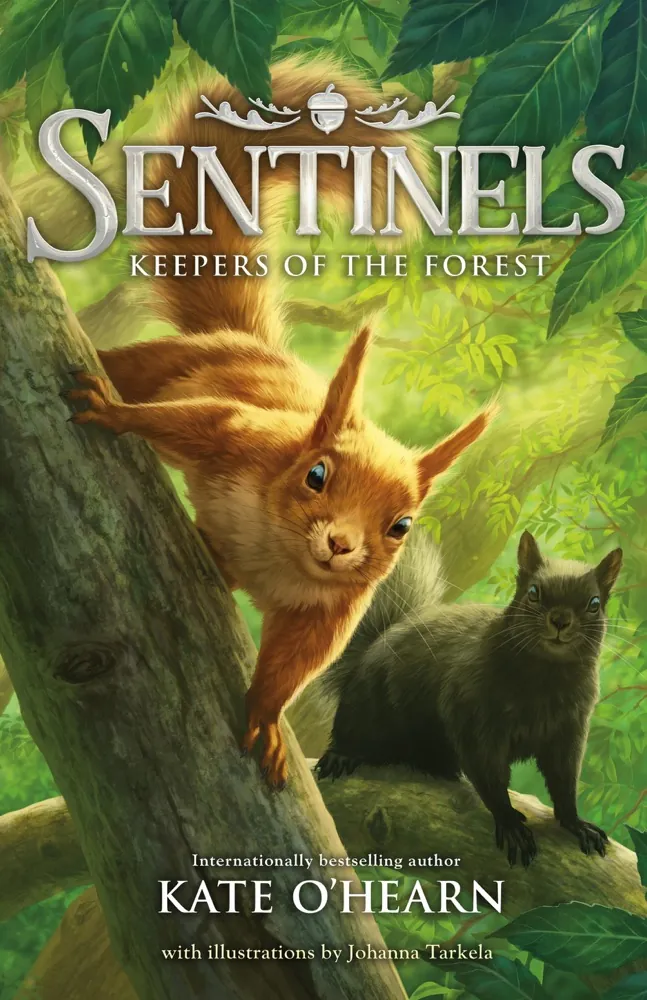
Sentinels: Keepers of the Forest (Sentinels #1) Book Review and Summary
Author: Kate O'HearnPage Count: UnknownPublication Date: Expected publication 2026-11-10 APL The afternoon sun presses heavily against the windowpanes, baking the dust motes lazy in the August air. Yet my mind wanders far from this sweltering room, drifting instead toward a cold, looming mountain ridge where the canopy shakes with ancient omens. Kate O'Hearn is sharpening her quills for November, and the middle-grade trenches are about to shift entirely. We have survived the feline diplomacy of the clans and the avian monasticism of long ago. Now comes the time of the arboreal rodents. The Weight of the Runt Look at the blueprints of myth. It is always the runt. Always the outcast sitting at the periphery, dismissed by the sleek, well-fed aristocracy of the Sky Clan, who catches the invisible ripple in the fabric of things. Rum is not just a squirrel; he is a vessel for collective anxiety. A sentinel. The synopsis leans hard into this tired, yet stubbornly effective, chosen-one architecture. But wait. Let me correct myself immediately—I actually despise the chosen-one trope, and no amount of furry nobility will ever convince me that prophecy is good storytelling. Actually, ignore that irritation. The truth is, I live for the sheer dramatic weight of an underdog thrust into a cataclysm. There is something intoxicating about a society governed by hoarding and territory suddenly forced to face an apocalyptic fire. Arboricultural Armageddon Forest fires are the ultimate great equalizers in animal fantasy. They strip away the petty politics of clan rivalries faster than a hawk diving through a gap in the pines. O'Hearn is channeling the raw, visceral pacing of Warriors by Erin Hunter, yet she is grafting it onto a heavily illustrated middle-grade aesthetic that begs for comparisons to Kathryn Lasky's Guardians of Ga'Hoole. The Missing Piece And then we have the structural MacGuffin—the missing final sentinel. The synopsis dangles her like a golden acorn just out of reach. We must trek to find her secret message before the mountain burns to ash. How original. Or rather, how tiresomely predictable. I refuse to believe a modern author can rescue this cliché without subverting it completely, yet I find myself circling back to my excitement anyway. Stubbornness is a curse, but so is waiting for a book to drop when the heat outside makes coherent thought nearly impossible. The cursor blinks on the blank screen, mocking my endless stream of thoughts with its rhythmic, mechanical pulse—an existential dread that feels far heavier than any looming forest fire. Related InsightsThe Outsiders Book Review and Summary Mother Daughter Sister Stranger Book Review and Summary Die unendliche Odyssee der Worte: Eine Reise durch die Geschichte des Romans{ "@context": "https://schema.org", "@type": "FAQPage", "mainEntity": [ { "@type": "Question", "name": "What is the main focus of Sentinels: Keepers of the Forest (Sentinels #1) Book Review and Summary?", "acceptedAnswer": { "@type": "Answer", "text": "Everything you need to know about Sentinels: Keepers of the Forest (Sentinels #1) with our detailed review." } }, { "@type": "Question", "name": "Who authored the comprehensive guide on Sentinels: Keepers of the Forest (Sentinels #1) Book Review and Summary?", "acceptedAnswer": { "@type": "Answer", "text": "This detailed article and its insights were carefully researched and authored by Antoine Leroy." } }, { "@type": "Question", "name": "Where can I find more related content about Books?", "acceptedAnswer": { "@type": "Answer", "text": "You can explore more articles, detailed reviews, and similar insights by browsing the Related Insights section at the bottom of this article or visiting our dedicated Books category page." } } ] }
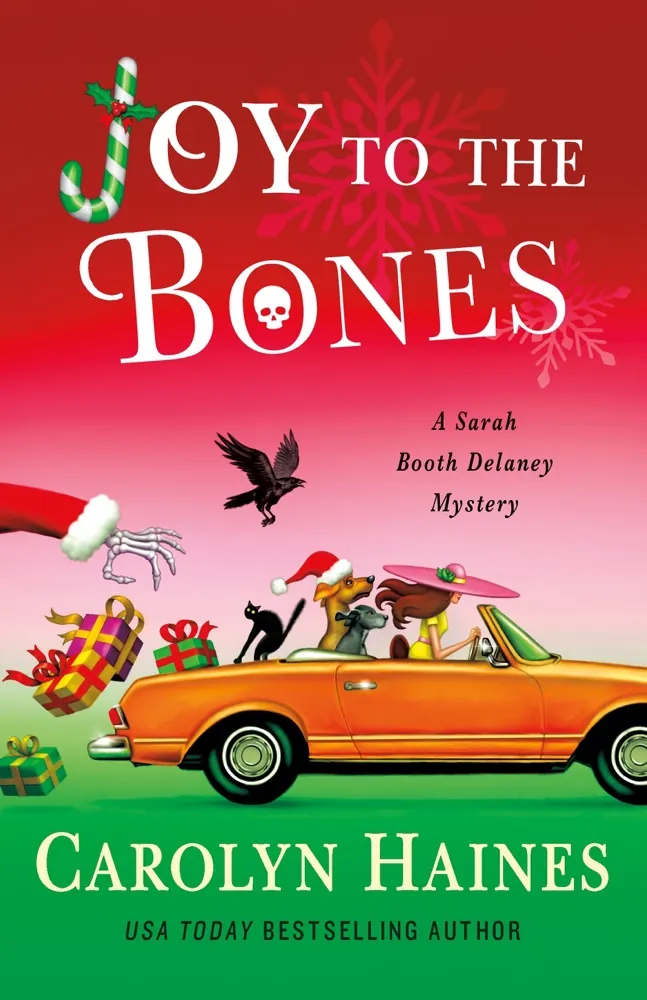
-
 James Miller
 - 21 Aug, 2026 19:14
Joy to the Bones: A Sarah Booth Delaney Mystery Book Review and Summary
Author: Carolyn HainesPage Count: UnknownPublication Date: Expected publication 2026-10-27 APL August sweat pools at the small of my back, rendering the heavy velvet upholstery beneath me a minor instrument of torture while the ceiling fan hums a lethargic, three-beat cadence through the ancestral portraits. Dust motes dance in the harsh glare cutting across the herringbone parquet floors. It is precisely eighty-nine degrees outside, yet my mind remains entirely frozen—a neat, clinical numbness that renders the morning post utterly weightless. A new installment arrives in Carolyn Haines’s long-running Southern detective series, Joy to the Bones. The promotional material promises a definitive conclusion, though one suspects characters of this magnitude rarely exit without a dreadful amount of theatrical weeping. The premise leans heavily on the tired trope of the betrayed protagonist. Sarah Booth Delaney discovers her entire domestic and professional architecture—every confidant, every lover, every spectral annoyance—was constructed upon a foundation of deceit regarding her parents' decades-old vehicular demise. Because apparently, no southern lineage can exist without fifty years of unaddressed probate fraud and concealed autopsy reports. It reads less like an authentic psychological unspooling and more like the third act of The Real Housewives of Salt Lake City reunion special, scaled down for readers who still buy commemorative porcelain plates. Actually, let us retract that entirely. The psychological isolation forced upon the protagonist here might actually elevate the prose above its usual cozy-mystery pedigree, plunging the narrative into a genuine existential vacuum. Or perhaps it is merely more regional melodrama. The synopsis breathlessly informs us that the Mississippi Delta does not pause for anyone, which is meteorological and sociological news to anyone who has ever spent July in Yazoo City. Yet Sarah Booth must juggle her sudden, solitary quest for retributive justice with the management of an abandoned estate—the DeLonge Mansion—while a rival named Gertrude Stromm looms on the horizon. A rival with a name like Gertrude Stromm sounds less like a literary antagonist and more like a retired German fencing instructor accused of embezzling from a municipal symphony board. One wonders how much narrative weight a single holiday season can bear when the protagonist is simultaneously investigating a thirty-year-old homicide, securing empty real estate, and sorting through the debris of failed courtships. It is a structural mess. Readers seeking the tight pacing of Tana French or the aristocratic decay of early Donna Tartt will find themselves profoundly alienated by this brand of whimsical regionalism. But the devoted readership—those who tolerate talking ghosts and relentless platitudes about magnolia blossoms—will undoubtedly consume it with the mindless fervor of an heiress at a liquidator's auction. The whole affair feels terribly exhausting. I must abandon this leather armchair, ring for the footman to draw the southern blinds against the blinding midday glare, and go select the appropriate abstract canvases for the lobby of the new corporate headquarters. Related InsightsUnapologetic Love Story Book Review and Summary Blood of Silver Book Review and Summary Kushiel's Dart Book Review and Summary{ "@context": "https://schema.org", "@type": "FAQPage", "mainEntity": [ { "@type": "Question", "name": "What is the main focus of Joy to the Bones: A Sarah Booth Delaney Mystery Book Review and Summary?", "acceptedAnswer": { "@type": "Answer", "text": "Everything you need to know about Joy to the Bones: A Sarah Booth Delaney Mystery with our detailed review." } }, { "@type": "Question", "name": "Who authored the comprehensive guide on Joy to the Bones: A Sarah Booth Delaney Mystery Book Review and Summary?", "acceptedAnswer": { "@type": "Answer", "text": "This detailed article and its insights were carefully researched and authored by James Miller." } }, { "@type": "Question", "name": "Where can I find more related content about Books?", "acceptedAnswer": { "@type": "Answer", "text": "You can explore more articles, detailed reviews, and similar insights by browsing the Related Insights section at the bottom of this article or visiting our dedicated Books category page." } } ] }
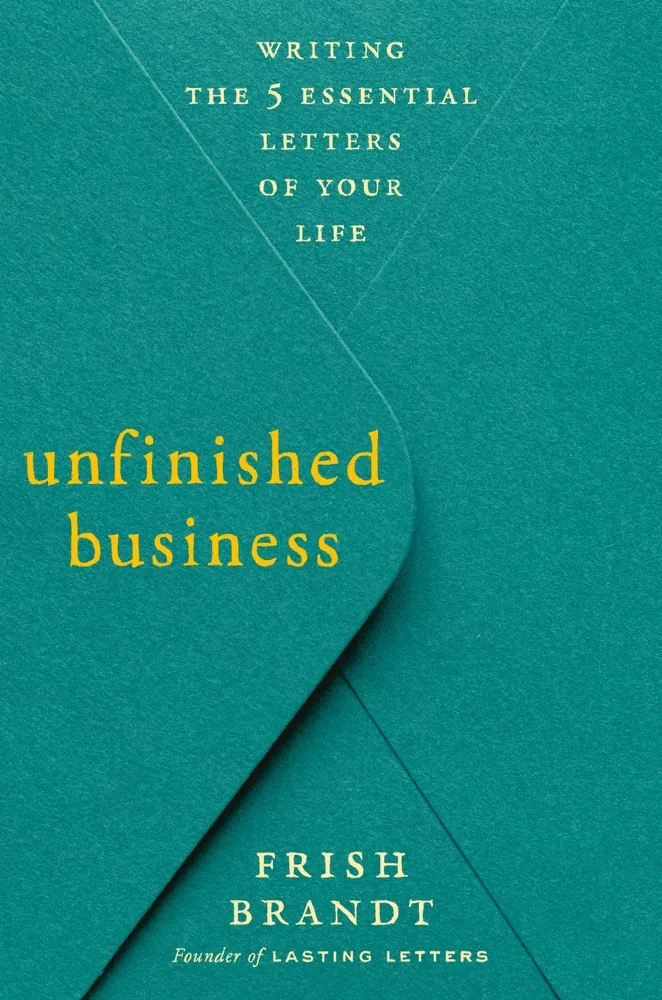
- Natalia Sokolova
- 21 Aug, 2026 15:17
Unfinished Business: Writing the 5 Essential Letters of Your Life Book Review and Summary
Author: Frish BrandtPage Count: UnknownPublication Date: Expected publication 2026-10-27 APL Look, I have stared at this blank document for twenty minutes just trying to pad out the word count for this ridiculous assignment. Let us get one thing straight right out of the gate. Frish Brandt is dropping Unfinished Business: Writing the 5 Essential Letters of Your Life in late 2026, and the publishing world is acting like somebody just invented the wheel. The Art of the Sucker Punch We love a manual that promises us a clean finish. We want the ref to step in, raise our hand, and declare us the winner after a brutal three-round war of words. Kelly Corrigan calls this thing a "pragmatic, empathetic, urgent call." Sure. But let us be entirely honest here. Real life does not work like a meticulously choreographed cage match where you get to script your final monologue from the center of the canvas. Actually, scratch that completely. Forget what I just said about scripted fights. Maybe we do need a blueprint for how to drop the gloves and say what actually matters before the clock runs out and the bell sounds for the final time. Throwing Haymakers in Ink The synopsis tells us we are getting five fundamental missives. Thank you. I’m sorry. I miss you. I love you. Goodbye. It sounds simple. Almost too simple. Real combat—the emotional kind that leaves you bleeding out on the canvas of a broken relationship—is messy, uncoordinated, and usually involves getting hit with a counter-punch you never saw coming. Can a book really teach you how to block that? Writers love to package vulnerability like it is a training camp regimen. Just lace up your boots, follow the five-step combination, and boom—championship belt acquired. Memoirists like Cheryl Strayed or Nora Ephron understood that words are heavy blunt-force objects. Brandt wants to be our corner coach, handing us the bucket and the sponge while we spit blood and try to figure out how to apologize to someone we knocked out of our lives three years ago. And yet, I am skeptical. You cannot shadowbox your way through true grief. Print on a page will never replicate the terrifying unpredictability of standing toe-to-toe with someone you have wronged and taking the shot flush on the chin without flinching. I really must rush out the door now because I promised a pretentious friend I would sit through a three-hour avant-garde French film where nobody speaks and a potato rolls across a dusty floor for forty-five minutes. #writing #bookstagram #literarycritique #fightnight