Showing Posts From
Science
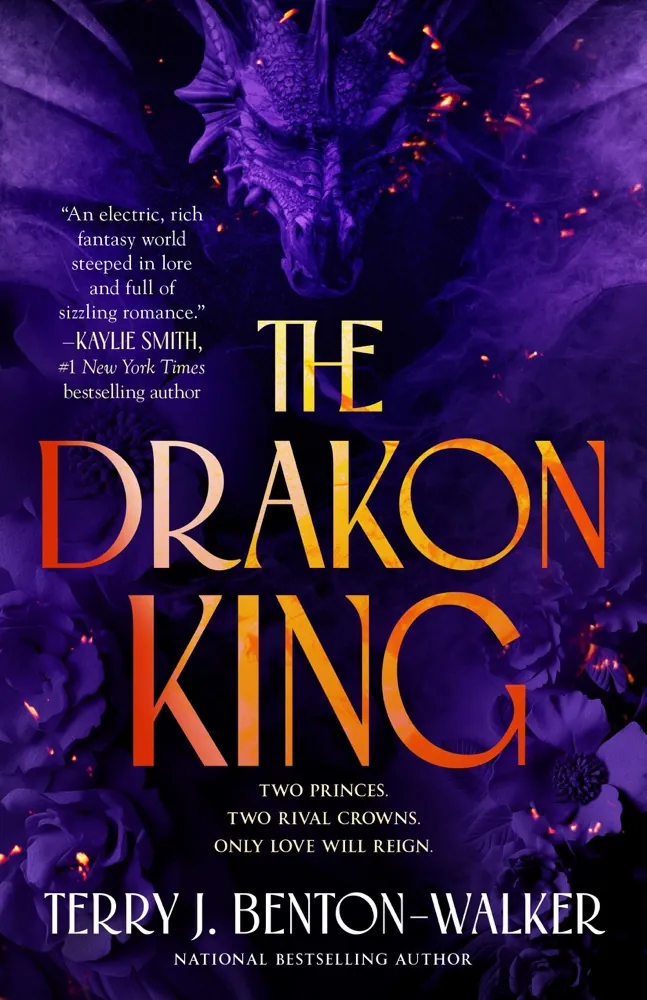
Author: Terry J. Benton-WalkerPage Count: UnknownPublication Date: Expected publication 2026-11-10 APL The tea is cooling by the window, catching that strange amber light that always settles over the courtyard when the old year refuses to die gracefully, leaving me to stare at yet another manuscript summary promising us the absolute moon and stars wrapped in leather-bound pages. Terry J. Benton-Walker is throwing every single narrative trick at the wall in The Drakon King—we get missing sky-dragons, rival royal heirs with heavy chips on their shoulders, magical tech, mechs, and a romance that apparently holds the structural integrity of the entire universe together like a cheap piece of twine. But let us be honest with ourselves for a moment. Haven't we read this exact song before under a different moon? Every modern fantasy pitch reads like a focus-grouped algorithm designed in a sterile boardroom to appease readers of Crescent City and Fourth Wing, tossing in "Black mlm romance" and "powerful witches" as if checking off grocery items on a frantic midnight run to the market, which honestly reminds me of how my grandson tries to build those towering plastic brick spaceships without ever looking at the instruction manual—he just glues three different engines onto a hull that was clearly meant for cargo transport, entirely missing the basic laws of physics while crying because the wings keep falling off every time the cat walks past. Anyway. The bones of the story rely heavily on the tired dynamic of reluctant proximity—two handsome young men who should logically despise each other are forced to share a horse or a mech cabin while the world burns down around their ears. Predictable. Yet there is a certain rhythmic comfort in watching authors tear down old dynasties built on systemic lies, even if the synopsis leans so hard on vague mythic prophecies—a bird on fire, a world turning to ash—that you could swap out the dragons for starships and barely notice the difference in the furniture. We are expected to care deeply about Prince Reverie running from a crown he never wanted and Prince Xandreth hunting for missing kin, though the prose in the pitch relies so entirely on marketing shorthand that the characters risk feeling less like breathing souls and more like laminated character sheets pulled straight from a tabletop game. Boring. Still, the inclusion of magical technology alongside traditional wyrm-riding gives me a tiny glimmer of hope that the world-building might actually transcend the usual medieval fantasy sluggishness. Maybe. The lack of digital rights management software is a bold commercial choice for the publisher, trusting the readership to protect the text out of pure communal goodwill. Wild. The sun is dipping fully behind the ancient oak tree now, casting long grey shadows across the stone floor and reminding me of chores I have successfully ignored for hours. I really must go assemble a profoundly confusing piece of Swedish furniture before the light fades completely. Related InsightsFrom Goethe’s Apprentice to Modern Hero: Unraveling the Bildungsroman’s Secret Path The Mercy of Gods Book Review and Summary Spelunking Through Hell Book Review and Summary{ "@context": "https://schema.org", "@type": "FAQPage", "mainEntity": [ { "@type": "Question", "name": "What is the main focus of The Drakon King Book Review and Summary?", "acceptedAnswer": { "@type": "Answer", "text": "Everything you need to know about The Drakon King with our detailed review." } }, { "@type": "Question", "name": "Who authored the comprehensive guide on The Drakon King Book Review and Summary?", "acceptedAnswer": { "@type": "Answer", "text": "This detailed article and its insights were carefully researched and authored by Antoine Leroy." } }, { "@type": "Question", "name": "Where can I find more related content about Books?", "acceptedAnswer": { "@type": "Answer", "text": "You can explore more articles, detailed reviews, and similar insights by browsing the Related Insights section at the bottom of this article or visiting our dedicated Books category page." } } ] }
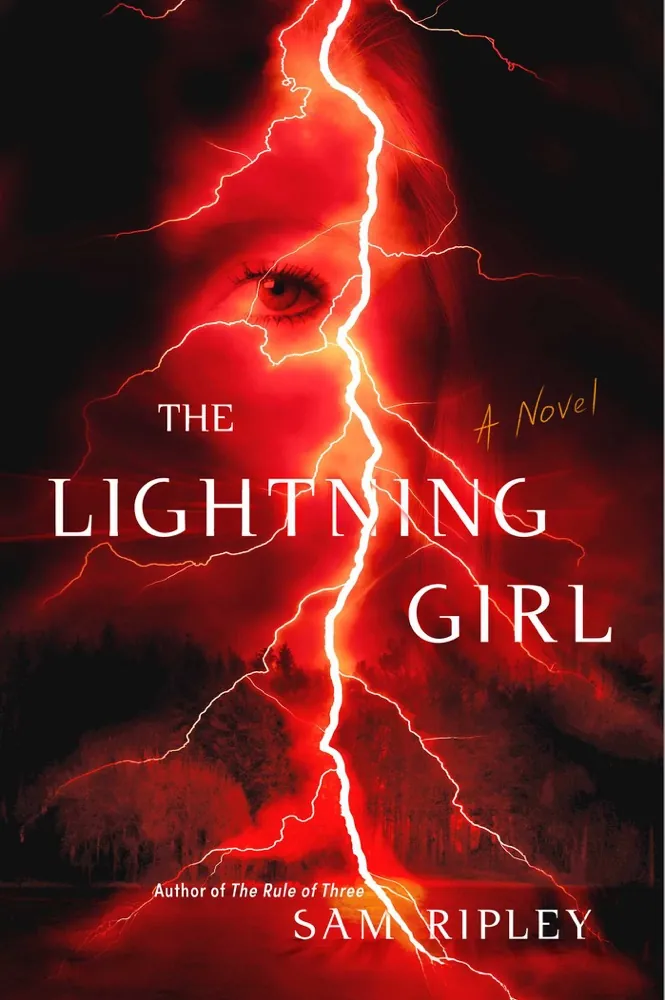
Author: Sam RipleyPage Count: UnknownPublication Date: Expected publication 2026-12-08 APL The heavy scent of aged leather bindings and roasting coffee beans permeates this quiet morning study, while the merciless August heat radiates through the tall, leaded glass windows, demanding absolute stillness from the estate. Yet stillness is entirely impossible today, not when the impending arrival of Sam Ripley’s The Lightning Girl forces one to contemplate the wretched fragility of memory. Thirty years buried beneath coastal foam and teenage exaggeration. Or perhaps something far more sinister. The Aristocracy of Doubt Coastal towns harbor lineages as rotting and insular as a second-tier Habsburg cousin, and Ripley clearly understands this quiet cruelty. Sarah returns to the salty air of her youth carrying the heavy baggage of a dead best friend—Genevieve, the self-proclaimed witch struck by lightning and subsequently swallowed by an unforgiving sea. But do we ever truly believe a girl who courts celestial voltage? Or do we simply find it terribly convenient to let the ocean keep its secrets until a stray vision disturbs the estate? The premise relies on the kind of gaslighting last seen during the abdication crisis of thirty-six. And frankly, I have my doubts about whether Ripley can sustain three hundred pages on a single disputed cliffside plunge without dragging us through a tedious bog of redundant flashbacks. Wait. Let me rephrase that entirely. Actually, the brilliance of such domestic suspense often lives in the very redundancy of trauma—the way a single night repeats itself in the nervous system like a stuck gramophone. Genevieve’s alleged survival smells suspiciously like the plot of Rebecca rewritten for people who exclusively consume true-crime podcasts on their private yachts. The Weight of Atmospheric Decay Suspense requires architecture, not mere vibes. The synopsis promises a chilling descent into the past—invoking Jennifer McMahon and Ruth Ware as spiritual godparents—yet one worries the prose might lean too heavily on cheap meteorological metaphors about electricity and storms. And what of the missing thirty years? Entire dynasties have fallen in less time, yet we are asked to believe Sarah simply strolled about the globe until a convenient supernatural flash-bang prompted a genealogical audit of her childhood memories. It is all terribly melodramatic. One almost expects a crumbling estate to slide dramatically into the surf just to give the manuscript some actual narrative momentum. My personal trainer is working me far too hard this week. Related InsightsThe Handmaid's Tale and The Testaments Box Set Book Review and Summary Midnight Myths and Magic Book Review and Summary City of Fallen Angels Book Review and Summary{ "@context": "https://schema.org", "@type": "FAQPage", "mainEntity": [ { "@type": "Question", "name": "What is the main focus of The Lightning Girl: A Novel Book Review and Summary?", "acceptedAnswer": { "@type": "Answer", "text": "Everything you need to know about The Lightning Girl: A Novel with our detailed review." } }, { "@type": "Question", "name": "Who authored the comprehensive guide on The Lightning Girl: A Novel Book Review and Summary?", "acceptedAnswer": { "@type": "Answer", "text": "This detailed article and its insights were carefully researched and authored by James Miller." } }, { "@type": "Question", "name": "Where can I find more related content about Books?", "acceptedAnswer": { "@type": "Answer", "text": "You can explore more articles, detailed reviews, and similar insights by browsing the Related Insights section at the bottom of this article or visiting our dedicated Books category page." } } ] }
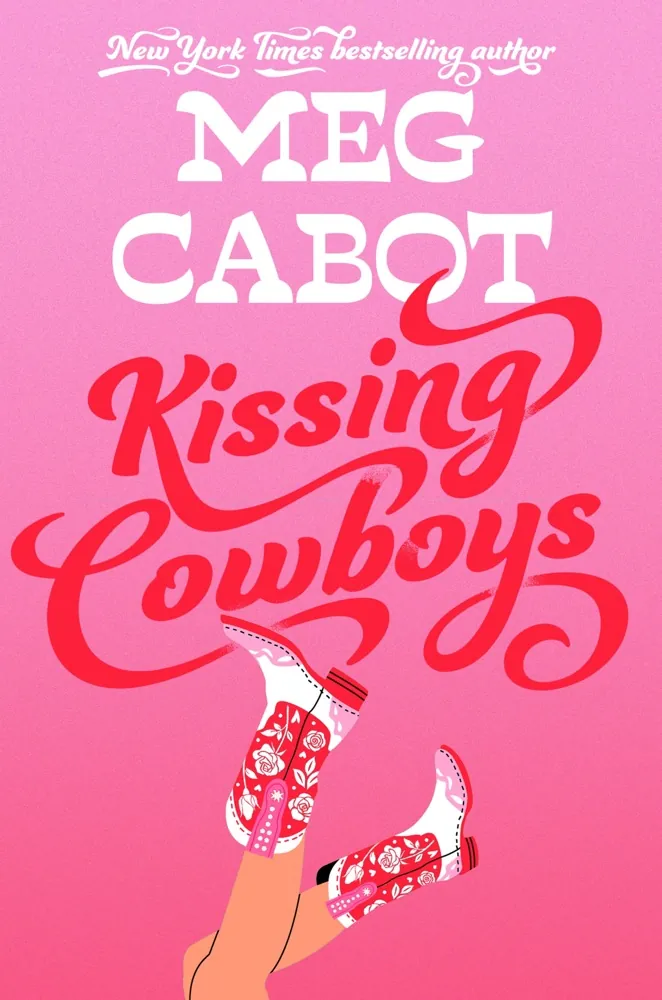
Author: Meg CabotPage Count: UnknownPublication Date: Expected publication 2026-12-08 APL My head feels like it just absorbed a full twelve-round beating from a heavyweight champion throwing straight hooks into my frontal lobe. Reading last night until three in the morning was a catastrophic tactical error, yet here I am, tasked with dissecting the promotional copy for Meg Cabot’s upcoming Kissing Cowboys while my brain throbs in rhythm with the August cicadas outside my sweltering window. The Montana Contender Meg Cabot is stepping back into the young adult arena with a premise that practically screams comfort food for the romance demographic. Or does it? Let us look at the bare bones provided by the marketing machinery. Sixteen-year-old Winn Riley gets dragged from the concrete comforts of New York City to a remote Montana dude ranch. Not just any ranch, mind you—a working-farm school for troubled genius boys. She is the solitary female student in a compound of adolescent intellect and cattle-rustling hormones. Wait. Let me rephrase that entirely because the synopsis calls them "troubled genius boys," which implies a psychological depth that a standard teen romcom will likely bypass entirely for the sake of a fast-paced narrative arc. Actually, scratch that, the synopsis immediately pivots the tension away from any genuine psychological stakes and drops us straight into the classic love triangle. Zack and Teddy are waiting. They are incredibly cute. They rustle cattle by day and hit the books by night. The thematic undercurrent here—if one dares to look for depth in a marketing blurb—suggests a collision between urban sophistication and rural grit. The Agony of the Canvas The publisher leans heavily on comparisons to My Life with the Walter Boys and The Summer of Broken Rules. We are looking at a masterclass in tropes. The isolated setting functions almost like a locked-room mystery, except instead of a murderer, the protagonist is trapped with a bunch of brooding ranch hands who double as scholars. Cabot is trading the royal courts of Genovia for dusty boots and Stetson hats. Cynicism meets vulnerability—or so the marketing team promises us—in a voice designed to appeal to readers who want their emotional blows pulled neatly behind a smile. Yet, the vagueness of the synopsis is staggering. We get zero details on the actual conflict beyond the protagonist enduring "deprivation and temptation." Is the academic side of this genius farm a mere backdrop for staring awkwardly across a mess hall? Probably. Novels in this lineage rarely care about the syllabus; they care about the lingering glances over pitchforks. I predict this will either be a sharp, witty deconstruction of rural tropes or an utterly predictable slog that makes my current post-reading headache feel like a mild spa treatment. The prose style will undoubtedly carry the weight, given Cabot's decades-long track record of keeping pages turning faster than a speed bag session. But right now, staring at these fifty-degree-angle sunbeams baking the pavement outside while I process marketing copy about cute cowboys has completely derailed my cognitive faculties. I need to go figure out why the ribbon on my vintage Underwood typewriter keeps shredding itself to pieces every time I hit the exclamation key. Related InsightsTo Bewitch a Hunter Book Review and Summary Forced Proximity Book Review and Summary El planeta inhóspito: La vida después del calentamiento / The Uninhabitable Earth: Life After Warming Book Review and Summary{ "@context": "https://schema.org", "@type": "FAQPage", "mainEntity": [ { "@type": "Question", "name": "What is the main focus of Kissing Cowboys Book Review and Summary?", "acceptedAnswer": { "@type": "Answer", "text": "Everything you need to know about Kissing Cowboys with our detailed review." } }, { "@type": "Question", "name": "Who authored the comprehensive guide on Kissing Cowboys Book Review and Summary?", "acceptedAnswer": { "@type": "Answer", "text": "This detailed article and its insights were carefully researched and authored by Natalia Sokolova." } }, { "@type": "Question", "name": "Where can I find more related content about Books?", "acceptedAnswer": { "@type": "Answer", "text": "You can explore more articles, detailed reviews, and similar insights by browsing the Related Insights section at the bottom of this article or visiting our dedicated Books category page." } } ] }
-
 Antoine Leroy
 - 19 Aug, 2026 21:43
Hecate Cavendish and the Angel of Death (The Hecate Cavendish Series, 3) Book Review and Summary
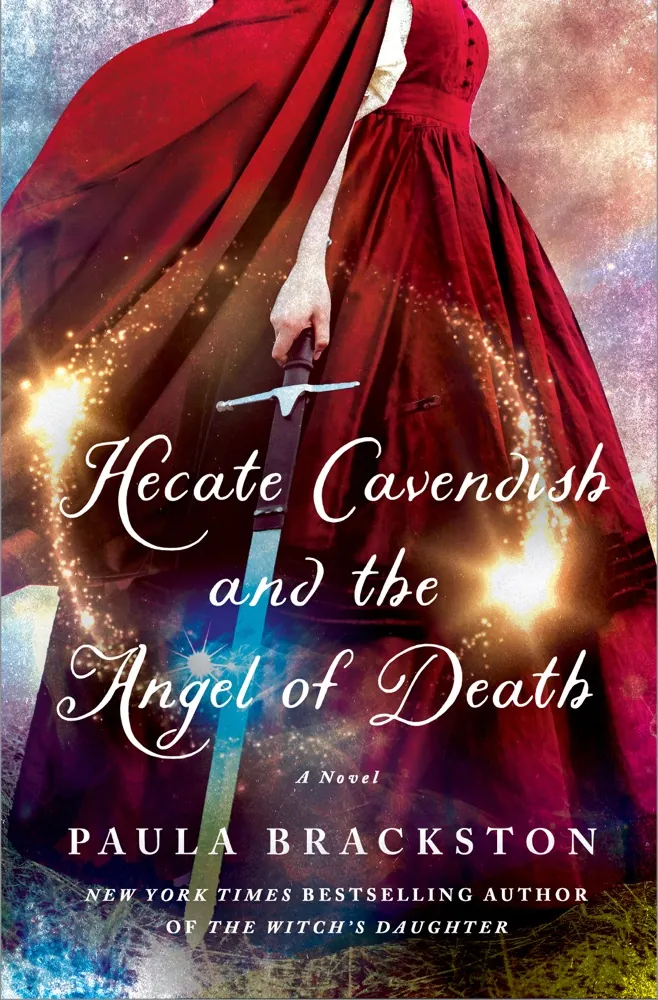
Author: Paula BrackstonPage Count: UnknownPublication Date: Expected publication 2026-11-10 APL Look at this synopsis for Hecate Cavendish and the Angel of Death. Just look at it. Another Victorian heroine tending to a medieval map and a pile of chained books, because apparently every single historical fantasy published this decade must borrow its aesthetic from the same Pinterest board dedicated to dusty academia and sepia tones. And yet, here we are. My tea is stone cold—had it sitting by the window for hours while staring at the empty chair across the garden—and the weight in my chest feels entirely permanent, but at least Paula Brackston is offering up a conclusion to a trilogy that stubbornly refuses to die quietly. Or maybe she isn't. The description insists on cramming every single narrative cliché into a tiny blender: we have an endangered cathedral job, a best friend walking down the aisle, a brooding Welsh warrior looking for closure, and a phantom serial killer roaming the cobblestones of Hereford like an extra from a rejected penny dreadful. Except I said earlier this would be a tight, focused character study on grief. I was wrong. It sounds like an absolute narrative traffic jam where romance, municipal murder mysteries, and bureaucratic library politics crash violently into one another with the grace of a collapsing bookshelf. Messy. One can practically hear the editorial boardroom discussions now—make sure she has a quirky ghost family, but don't forget the Inspector who needs her to solve the bloody murders because the local police are utterly useless without a psychic twenty-something whispering to spectral entities in the dark. It reads less like Susanna Clarke and more like a Sunday evening television drama designed to be watched while half-asleep on the sofa with a blanket over your knees. But Brackston usually delivers a certain cozy charm, even when the plot machinations feel borrowed from better gothic traditions, so perhaps the sheer emotional weight of finality will rescue the proceedings from becoming a ridiculous parade of supernatural busywork. Though I genuinely wonder how anyone finds the time to help a lovelorn Welsh spirit when a savage murderer is actively terrorizing the zip code. Priorities, Hecate. The heart breaks daily, yet the world keeps demanding we read about chained libraries and phantom vengeance. Must go mediate an argument over whose turn it is to empty the dishwasher. Related InsightsUntil The Stars Burn Out (Shadowsworn, #2) Book Review and Summary Cutting for Stone Book Review and Summary Dreams of Ruin (Soul of Shadow #3) Book Review and Summary{ "@context": "https://schema.org", "@type": "FAQPage", "mainEntity": [ { "@type": "Question", "name": "What is the main focus of Hecate Cavendish and the Angel of Death (The Hecate Cavendish Series, 3) Book Review and Summary?", "acceptedAnswer": { "@type": "Answer", "text": "Everything you need to know about Hecate Cavendish and the Angel of Death (The Hecate Cavendish Series, 3) with our detailed review." } }, { "@type": "Question", "name": "Who authored the comprehensive guide on Hecate Cavendish and the Angel of Death (The Hecate Cavendish Series, 3) Book Review and Summary?", "acceptedAnswer": { "@type": "Answer", "text": "This detailed article and its insights were carefully researched and authored by Antoine Leroy." } }, { "@type": "Question", "name": "Where can I find more related content about Books?", "acceptedAnswer": { "@type": "Answer", "text": "You can explore more articles, detailed reviews, and similar insights by browsing the Related Insights section at the bottom of this article or visiting our dedicated Books category page." } } ] }

-
 James Miller
 - 19 Aug, 2026 17:21
You Don't Need a Smartphone: A Practical Guide to Downgrading Your Phone and Upgrading Your Life Book Review and Summary
Author: August LammPage Count: UnknownPublication Date: Expected publication 2026-10-06 APL The descendants of people who actually owned things are currently forced to watch the hoi polloi fumble with glowing rectangles like chimpanzees discovering fire for the first time. August Lamm has penned You Don't Need a Smartphone, an upcoming manifesto set for publication in October 2026, which promises to salvage what remains of human cognitive capacity from the jaws of late-stage dopamine harvesting. Or perhaps it is merely another marketable lifestyle accessory for burnt-out influencers. One grows terribly fatigued keeping track of the bourgeoisie rediscovering basic analog autonomy and attempting to monetize it as a radical spiritual awakening. Lamm spent her formative years glued to a glowing pane of glass—a thoroughly pedestrian affliction—before abruptly deciding she preferred the quiet dignity of a "dumb phone." Yet, calling the abolition of digital leashes a revolutionary geopolitical stance feels remarkably dramatic. But who am I to scoff at the profound realization that checking dual-factor authentication without a pocket supercomputer requires minor logistical inconvenience? The Aristocracy of Boredom The central motif here relies on the ancient, forgotten art of looking out a train window rather than staring blankly at algorithmic sludge. Lamm suggests that parting ways with one's digital appendage restores curiosity and attention spans. Naturally, the modern literati will clutch their pearls at the sheer Luddite audacity of navigating a city without real-time satellite mapping. Let them weep. True lineage demands an internal compass, not an orbiting constellation of government hardware telling you where to purchase overpriced artisanal coffee. Wait. Dismissing the logistical hurdles of modern bureaucracy as mere inconveniences is terribly myopic of me. Try paying property taxes or boarding a transatlantic flight without a QR code and watch how quickly romantic analog theories shatter against the cold, unyielding wall of administrative digitization. Lamm apparently tackles these exact modern bottlenecks, though one suspects her practical suggestions amount to little more than telling the peasantry to simply touch grass and stop being parasocially obsessed with TikTok. The Grift of Going Offline Catherine Price blurbed the volume, drawing an immediate parallel to How to Break Up With Your Phone. We are drowning in a veritable sea of self-help screeds telling adults how to put down their toys like misbehaving toddlers. Yet, Lamm’s approach leans heavily into biographical redemption. She wasted her youth on the internet, which is the modern equivalent of squandering a pristine country estate at the baccarat table, and now she wants to charge us for the architectural blueprint of her escape. The stylistic architecture of the book remains entirely opaque from the marketing copy, relying entirely on emotional resonance rather than structural heft. Is it a rigorous sociological critique of surveillance capitalism, or just a glorified diary entry written by someone who couldn't handle the algorithm? Both, most likely. It gives the readers maximum vibey satisfaction without demanding any actual intellectual heavy lifting. The terrible return on my latest real estate investment in Manhattan is troubling.
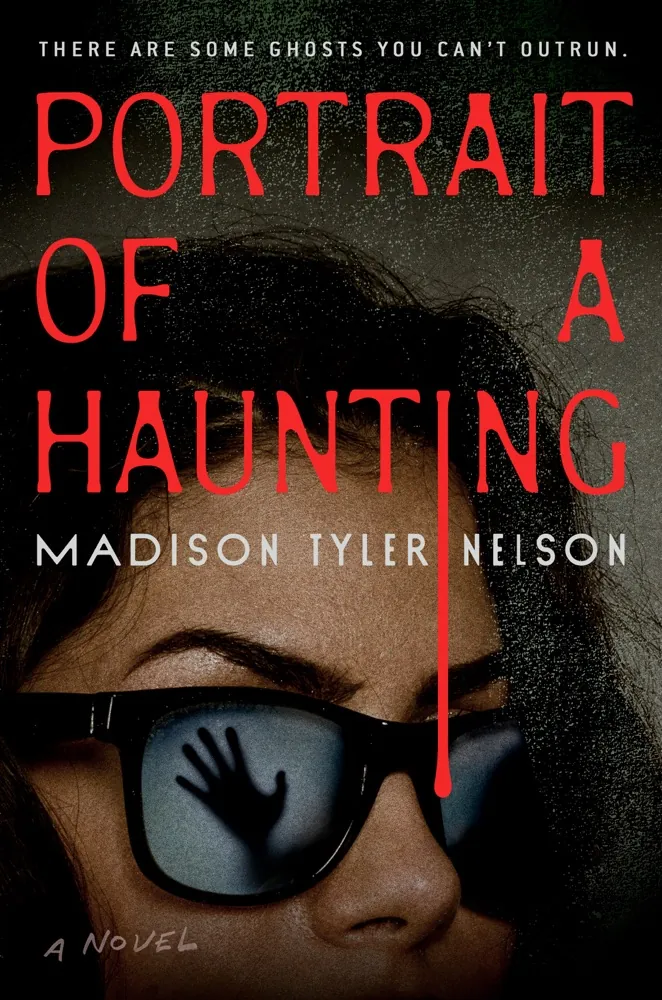
Author: Madison Tyler NelsonPage Count: UnknownPublication Date: Expected publication 2026-10-06 APL Madison Tyler Nelson is dropping Portrait of a Haunting in late 2026, and based on the publisher’s boilerplate, we are getting another round of hereditary trauma masquerading as high-stakes supernatural horror. Look. If you are going to put a protagonist in a chokehold with her own bloodline—in this case, an infamous artist mother who used a lover's claret for her final canvas—you better deliver some actual striking force in the prose. Otherwise, it is just narrative shadow-boxing. The Footwork of Trauma Tatum Alexander spends her life dodging the Sight like a washed-up heavyweight dodging a right hook in the twelfth round. And why? Because her mother turned domestic violence into an avant-garde palette. Groundbreaking stuff, really. Yet, let us pause for a second. The coven-and-best-friend safety net is pure narrative padding. Actually, strike that. I am completely revising my stance on the coven angle because Manhattan witches hiding from municipal property taxes while managing ghost drama sounds like the kind of chaotic energy this genre desperately lacks. Canvas and Concussion The synopsis leans hard into the "price must be paid" trope. A dead best friend. An eternally perplexing mother—honestly, what does that even mean, is she doing avant-garde interpretive dance in a maximum-security prison yard?—and a boyfriend who refuses to tap out. The pacing here needs absolute precision. If Nelson lets the middle rounds drag with endless exposition about spectral etiquette, the reader is going to throw in the towel faster than a glass-jawed bantamweight. We are looking at a classic pedigree play here. Think The Picture of Dorian Gray if Oscar Wilde spent too much time scrolling through BookTok occult trends. The thematic mechanics rely entirely on whether Nelson treats the blood-painting motif with genuine visceral dread or just uses it as edgy window dressing for a standard supernatural whodunit. The Championship Rounds The climax hinges on a decades-old secret. Naturally. Because no modern gothic thriller can survive without a dusty skeleton rattling in the family closet. But give me some kinetic energy. I want to see these characters actually take a hit and keep moving forward instead of endlessly whining about their generational curses. My kingdom for a protagonist who does not need a support group of Manhattan spellcasters to throw a punch at destiny. Still, I have to pack three lunches that will inevitably return uneaten. Related InsightsThe Selection Book Review and Summary The Damned Book Review and Summary The Art of Rivalry Book Review and Summary{ "@context": "https://schema.org", "@type": "FAQPage", "mainEntity": [ { "@type": "Question", "name": "What is the main focus of Portrait of a Haunting Book Review and Summary?", "acceptedAnswer": { "@type": "Answer", "text": "Everything you need to know about Portrait of a Haunting with our detailed review." } }, { "@type": "Question", "name": "Who authored the comprehensive guide on Portrait of a Haunting Book Review and Summary?", "acceptedAnswer": { "@type": "Answer", "text": "This detailed article and its insights were carefully researched and authored by Natalia Sokolova." } }, { "@type": "Question", "name": "Where can I find more related content about Books?", "acceptedAnswer": { "@type": "Answer", "text": "You can explore more articles, detailed reviews, and similar insights by browsing the Related Insights section at the bottom of this article or visiting our dedicated Books category page." } } ] }
- Antoine Leroy
- 19 Aug, 2026 00:05
Almost Animal: A Memoir of Motherhood, Wildness, and the American West Book Review and Summary
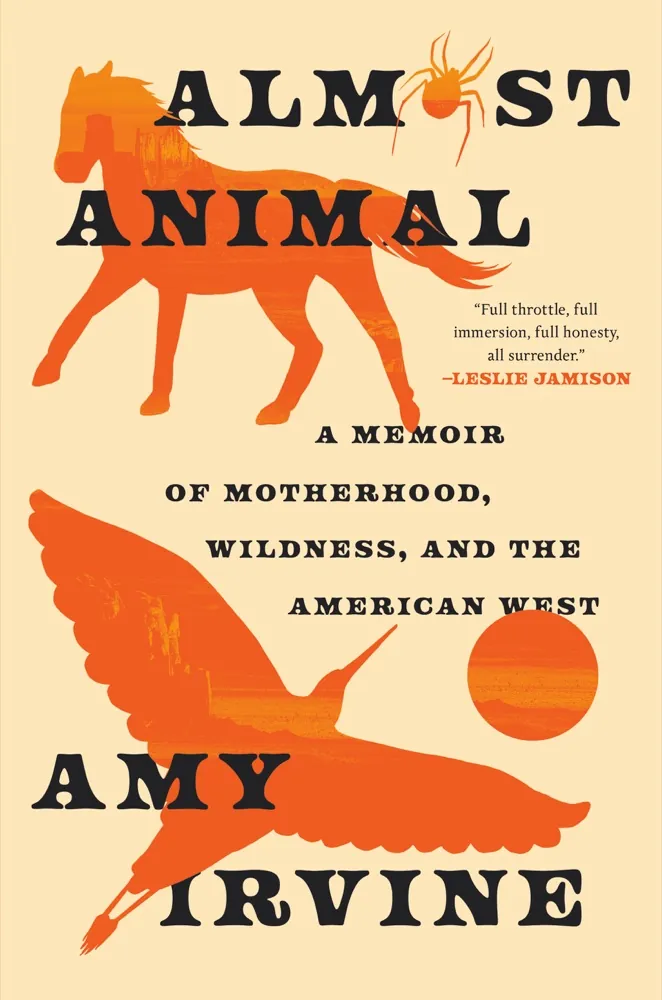
Author: Amy IrvinePage Count: UnknownPublication Date: Expected publication 2026-11-10 APL Stubbornness is a dying art. Everyone these days wants to fold the second the wind changes direction, adjusting their sails to chase whatever cultural consensus is currently drifting across the horizon like industrial smog. I refuse. Look at the early notices for Almost Animal. Amy Irvine is heading straight back into the arid, unforgiving theater of the American West, dragging a mirror behind her. Good. We need fewer polite memoirs about finding oneself over a matcha latte in Brooklyn, and far more harrowing accounts of women wrestling with the ghosts of manifest destiny while isolated on a remote Colorado mesa. My grandfather used to tell me about the old gods—the ones who didn't care about your comfort, the ones who demanded you look them dead in the eye when the snow started piling three feet high against the cabin door. People forget that nature is not a wellness retreat. It is an indifferent machine. When Irvine compares her postpartum descent to zoochosis—the literal madness of a caged beast—she is bypassing the sanitized language of modern psychological hand-wringing. She is describing a primal cage. And speaking of cages, why is every television show made for children nowadays just flashing neon colors and screaming at my grandkids for twenty-two unbroken minutes? There is zero silence. Zero quiet dread. You hand a kid a tablet and suddenly they are lobotomized consumers of hyperactive nonsense, completely divorced from the dirt beneath their fingernails or the terrifying vastness of a empty landscape. We are raising a generation of indoor houseplants who would literally perish if they had to face a mountain lion or stare down a black widow spider with anything other than a plastic flyswatter. Bring on the wildness. Blood, Bone, and Bitter Sage The synopsis leans heavily on the mythology of pioneer forebears, and I expect nothing less than structural arson from these pages. Irvine knows the blueprint of patriarchy because she spent her youth trying to tear it down with red-rock climbing hooks and wildfire axes. Yet, motherhood has a way of short-circuiting rebellion. It traps you in the exact loop you swore you escaped. Expect comparisons to The Empathy Exams or Cheryl Strayed, but Irvine possesses a sharper, more feral edge. She isn't looking for redemption in a gift shop at the end of a long trail. She is looking at the sheer, unadulterated loneliness of the frontier, asking why we keep romanticizing the very landscapes that nearly swallow us whole. The prose will likely burn. It better. I cannot sit here all afternoon waxing poetic about the psychological weight of isolation when the damn maple tree out back has dropped another ten pounds of wet debris directly into the drainage pipes. Related InsightsThe Giver of Stars Book Review and Summary Midnight Curfew Book Review and Summary After Midnight Book Review and Summary{ "@context": "https://schema.org", "@type": "FAQPage", "mainEntity": [ { "@type": "Question", "name": "What is the main focus of Almost Animal: A Memoir of Motherhood, Wildness, and the American West Book Review and Summary?", "acceptedAnswer": { "@type": "Answer", "text": "Everything you need to know about Almost Animal: A Memoir of Motherhood, Wildness, and the American West with our detailed review." } }, { "@type": "Question", "name": "Who authored the comprehensive guide on Almost Animal: A Memoir of Motherhood, Wildness, and the American West Book Review and Summary?", "acceptedAnswer": { "@type": "Answer", "text": "This detailed article and its insights were carefully researched and authored by Antoine Leroy." } }, { "@type": "Question", "name": "Where can I find more related content about Books?", "acceptedAnswer": { "@type": "Answer", "text": "You can explore more articles, detailed reviews, and similar insights by browsing the Related Insights section at the bottom of this article or visiting our dedicated Books category page." } } ] }
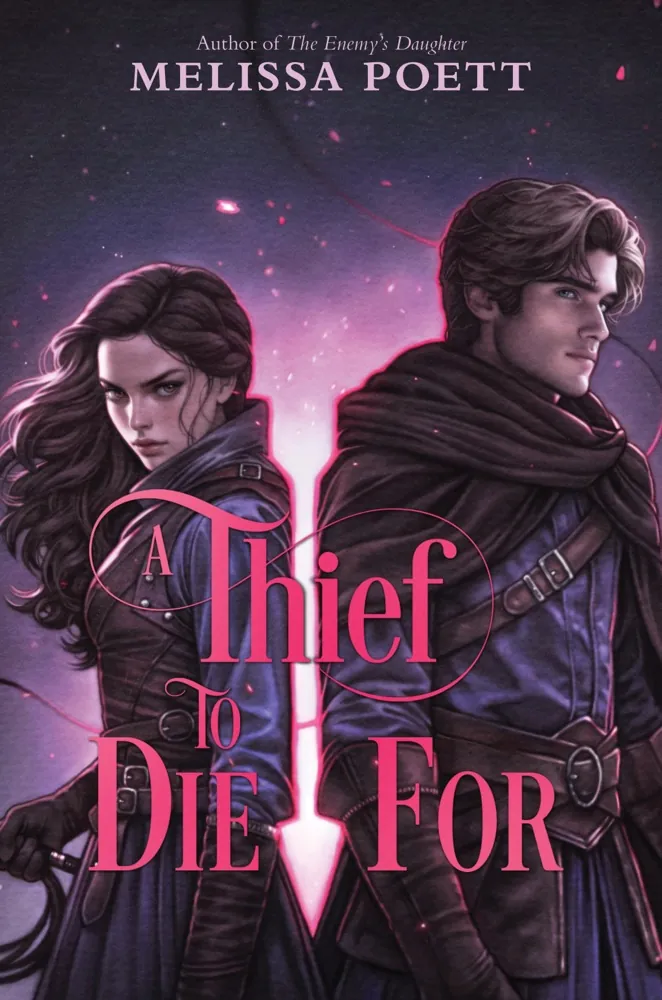
Author: Melissa PoettPage Count: UnknownPublication Date: Expected publication 2026-11-17 APL What is it about these reimaginings that continue to captivate us? Is it our inherent desire to relive the classics, to reimagine the familiar, or merely to escape into the comforting realm of nostalgia? I suppose it's a bit of everything, and Melissa Poett's A Thief to Die For promises to deliver just that—a retelling of the timeless Robin Hood tale, set in a desolate, lawless land. But, I must confess, the premise feels a tad...familiar. A high-ranking guard by day, a whip-wielding thief by night—Marian's dual identity is a classic trope, one that's been done before, and done better, if I might add. And yet, there's something about this particular iteration that piques my interest. Perhaps it's the promise of a "deadly dance of deception" or the hint of a "magical bond" between Marian and Ryland. Whatever the reason, I'm willing to give Poett the benefit of the doubt. Now, let's talk about the world-building. A dystopian landscape, ravaged and barren, with few surviving communities fighting over resources. It's a bleak, if not entirely original, setting. But, I suppose it's the perfect backdrop for a tale of thievery and deception. And, who knows, maybe Poett will surprise us with a fresh take on this tired trope. The characters, however, are a different story altogether. Marian, with her secret life and complicated loyalties, feels like a fascinating, if not entirely new, creation. And Ryland, with his untapped magic and elite soldier status, seems like the perfect foil to Marian's thieving ways. But, what really catches my attention is the power dynamic between them. Marian's father, the ruthless Commander, wants to use Ryland's magic to invade his settlement, and Marian is caught in the middle. It's a classic tale of star-crossed lovers, with a deliciously complicated twist. And yet, despite my initial reservations, I find myself drawn to this narrative. Perhaps it's the promise of a "classic retelling" or the hint of a "magical bond" between the leads. Whatever the reason, I'm willing to give Poett a chance to prove herself. But, let's be real, the true test of A Thief to Die For lies in its execution. Will Poett be able to breathe new life into this familiar tale, or will it feel like just another rehashing of a classic? Only time will tell. The plot, as it stands, feels a tad predictable, but I suppose that's the nature of retellings. And, yet, I find myself wondering what Poett has up her sleeve. Will she subvert our expectations, or play it safe? The world may never know. As I sit here, sipping my tea and pondering the merits of A Thief to Die For, I'm reminded of the infamous Isabella Stewart Gardner Museum heist. A daring, if not entirely successful, theft, it's a tale that's captivated art lovers for decades. And, in many ways, it's the perfect metaphor for Poett's latest effort. Will she be able to pull off this literary heist, or will it fall flat? I suppose only time will tell. And, now, if you'll excuse me, I have a squash game with my lawyer this afternoon, and I simply cannot be late. #RobinHoodReimagined #DystopianDelights #LiteraryHeists Related InsightsThe Body in the Attic Book Review and Summary Oliver Twist Book Review and Summary Great Expectations Book Review and Summary{ "@context": "https://schema.org", "@type": "FAQPage", "mainEntity": [ { "@type": "Question", "name": "What is the main focus of A Thief to Die For Book Review and Summary?", "acceptedAnswer": { "@type": "Answer", "text": "Everything you need to know about A Thief to Die For with our detailed review." } }, { "@type": "Question", "name": "Who authored the comprehensive guide on A Thief to Die For Book Review and Summary?", "acceptedAnswer": { "@type": "Answer", "text": "This detailed article and its insights were carefully researched and authored by James Miller." } }, { "@type": "Question", "name": "Where can I find more related content about Books?", "acceptedAnswer": { "@type": "Answer", "text": "You can explore more articles, detailed reviews, and similar insights by browsing the Related Insights section at the bottom of this article or visiting our dedicated Books category page." } } ] }
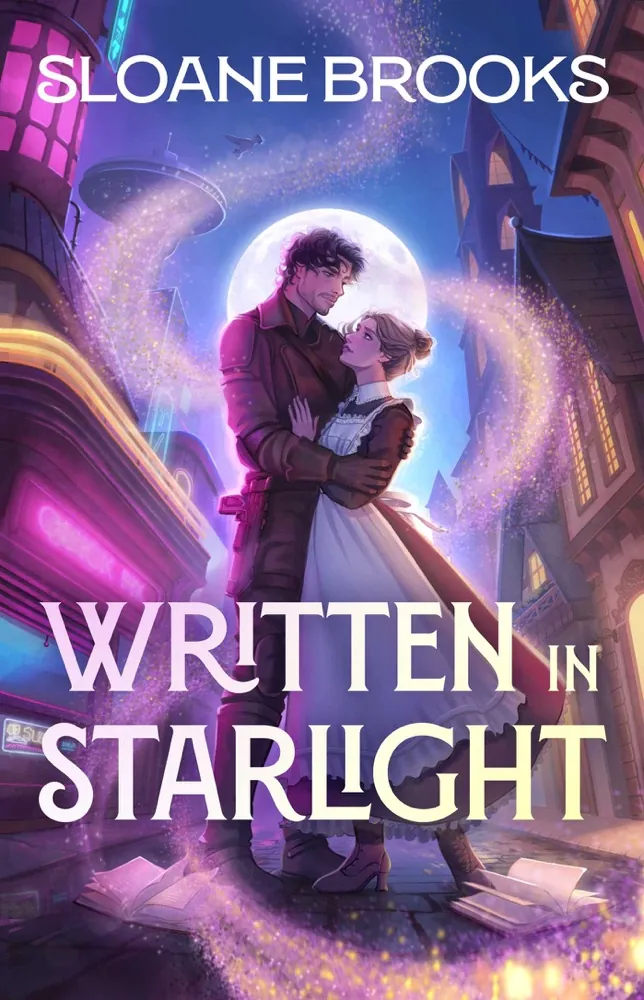
Author: Sloane BrooksPage Count: UnknownPublication Date: Expected publication 2026-10-13 APL The synopsis for Written in Starlight reads like a love letter to the kind of cosmic romance that thrives on ambiguity—where the magic isn’t in the mechanics of the portal or the bounty hunter’s past, but in the feeling of it. Della’s floor-scrubbing world and Ansel’s interstellar fugitivity aren’t just settings; they’re emotional states, the kind that make you wonder if the book’s real power lies in the gap between them, not the bridge. And yet—here’s the thing—this is the kind of premise that could either soar or crash like a poorly calibrated hyperdrive. The synopsis leans heavily on the "magical book as a conduit" trope, which is fine if you’re going for the Tusk Love vibe—where the romance is as much about the process of falling in as it is the destination. But it also risks feeling like a rehash of The Library at Mount Char if the prose doesn’t do more than gesture at the cosmic. The real question is: does this book have the guts to make the book-as-character feel alive, or will it default to the safe, sentimental route where the magic is just a fancy way to say "they found each other through a medium"? Della’s quiet desperation is the kind of character hook that could carry a novel—her world is so small it’s almost claustrophobic, and Ansel’s fugitive status gives him the kind of brooding, morally ambiguous depth that fans of The Poppy War would appreciate. But the synopsis doesn’t tell us if the book will lean into the psychological stakes of their connection or if it’ll just be another "opposites attract" space opera. The fact that their worlds "collide" through a book—something so human—makes me wonder if the real tension will come from the contrast between Della’s groundedness and Ansel’s cosmic detachment. Or will it just be another love story where the magic is the easy way out? The thematic potential here is huge—a meditation on fate vs. choice, the way stories shape us, the idea that love might be the only thing that transcends the void. But the synopsis doesn’t give us enough to judge whether it’ll land. It’s the kind of premise that could either be brilliant—like The Night Circus’s atmospheric tension or The Starless Sea’s lyrical melancholy—or it could be painfully predictable, the kind of thing that gets buried under a mountain of "romance with a twist" tropes. The fact that it’s being pitched to fans of Tusk Love and The Spellshop is both a compliment and a warning. Those books thrive on specificity—the way Tusk Love’s magic is tied to the body, the way The Spellshop’s world feels like a living, breathing entity. If Written in Starlight doesn’t give us something distinct beyond "book = love," it’ll just be another entry in the "portal romance" graveyard. And then there’s the price—the synopsis drops that ominous line like it’s a Twilight cliffhanger, but without any real context. Is this about sacrifice? Redemption? The cost of rewriting fate? Or is it just a cheap way to add drama? The best cosmic romances—think The Gracekeepers or The City of Brass—make the stakes feel personal, not just "oh no, the magic might break." If this book wants to avoid feeling like a gimmick, it needs to make the "price" something that matters, not just another plot device. But here’s the thing—this is the kind of book that could work if it’s bold. If it takes the "book as a character" idea and runs with it, making the writing itself a metaphor for their relationship. If Della’s story and Ansel’s story literally shape each other, if the book’s pages become a battleground for their desires. If it’s not just a love story, but a metaphor for how we all rewrite ourselves through the stories we tell. That’s the kind of ambition that could make this stand out. But if it’s just another "they found each other through a magical object" story, it’ll be forgotten faster than a poorly calibrated warp drive. The roommate’s band is playing "Space Oddity" on loop now, and I need to go barricade myself in the bathroom before they start tuning. Maybe I’ll bring a book. But not this one—unless it’s got the guts to be more than it promises. #booktok #cosmicromance #starlightvibes #fateornothing #writeitdown

Author: Elizabeth AcevedoPage Count: UnknownPublication Date: Expected publication 2026-09-15 APL Lil is quite the rebel, a true original, and I'm all about that nonconformity life myself. From National Book Award-winning, Anger Is Only a Shadow by Elizabeth Acevedo, we get a tale of self-discovery, or more like self-unraveling, in the best possible way. Our protagonist Lil is anything but tiny; she's got fire in her veins and a whole lot of attitude to match. —But let's get real here, this isn't just some teenage angst fest. Acevedo's words are laced with a depth of emotion, a complexity that makes me recall the masterful storytelling of a Jhumpa Lahiri. Yet, there's this unapologetic rawness that's both authentic and a tad unnerving, like walking into a crowded NYC subway car without a care in the world. And Lil, oh Lil, she's this tangled mess of anger and hurt, a true product of our societal conditioning. I'm intrigued by this narrative, this exploration of Lil's inner world, and the ways in which she navigates the treacherous landscape of juvenile detention. It's a commentary on our society's treatment of the youth, on how we often fail to recognize the humanity in those who've been deemed "trouble." We see echoes of The Hate U Give in this narrative, a powerful coming-of-age story that's equal parts anger and vulnerability. But where does Acevedo take this anger, this sense of injustice? And this, my friends, is where the real meat of this story comes into play. Lil's relationship with her big brother Aldwin is complicated, fraught with tension and a hint of abandonment. It's a classic tale of sibling rivalry, or so it seems at first glance. But delve deeper, and you'll find layers upon layers of hurt and resentment, a tangled web of emotions that's both heart-wrenching and thought-provoking. I digress. "The Rules of Rebellion" Lil's got this thing down to a science – rebelling against the system, against the expectations placed upon her. It's a cry of defiance, a statement that says, "You can't quiet me, you can't hold me back." And in a way, it's admirable, this drive to be free, to be seen. But what happens when the rules, the boundaries, become too much to bear? Where does Lil draw the line between rebellion and survival? This, I believe, is where Acevedo's expertise really shines. She tackles the tough topics, the difficult emotions, with a finesse that's both raw and refined. And that prose? It's poetry, people, pure poetry that'll leave you breathless and wanting more. I mean, who wouldn't want to get lost in Acevedo's words, to experience the world through her lens? But let's get real here; this isn't just some feel-good story. Anger Is Only a Shadow is a hard-hitting, unapologetic portrayal of life as it is, not as we'd like it to be. It's a call to action, a reminder that our society is, in fact, broken, and it's up to us to fix it. Now, if you'll excuse me, I need exactly ten minutes of uninterrupted silence in my study. Related InsightsBetween You a River Book Review and Summary The October Man Book Review and Summary Audition Book Review and Summary{ "@context": "https://schema.org", "@type": "FAQPage", "mainEntity": [ { "@type": "Question", "name": "What is the main focus of Anger Is Only a Shadow Book Review and Summary?", "acceptedAnswer": { "@type": "Answer", "text": "Everything you need to know about Anger Is Only a Shadow with our detailed review." } }, { "@type": "Question", "name": "Who authored the comprehensive guide on Anger Is Only a Shadow Book Review and Summary?", "acceptedAnswer": { "@type": "Answer", "text": "This detailed article and its insights were carefully researched and authored by James Miller." } }, { "@type": "Question", "name": "Where can I find more related content about Books?", "acceptedAnswer": { "@type": "Answer", "text": "You can explore more articles, detailed reviews, and similar insights by browsing the Related Insights section at the bottom of this article or visiting our dedicated Books category page." } } ] }

Author: CherPage Count: UnknownPublication Date: Expected publication 2026 APL Look at this synopsis for Cher: Part Two. Fall 2026. That is literally it. Two sentences of pure, unadulterated nothingness. This promotional copy has less structural integrity than a prelim brawler throwing naked spinning backfists against a seasoned counter-striker with five rounds of championship cardio in the bank. Pathetic. Absolute tomato can tier. The Void Where a Game Plan Should Be Promotional hype usually gives you a striking angle, a tactical grappling exchange, or at least a hint of what kind of striking volume to expect in the middle frames. Instead, we get a ghost town of data. It is like booking a heavyweight title fight and the promoter just shrugs, muttering that two guys will eventually walk into a cage and punch each other until someone stops moving. How am I supposed to evaluate the footwork, the defensive shell, or the pacing when the publisher drops a synopsis leaner than a dehydrated featherweight on weigh-in morning? And yet, industry insiders know the drill. This methodology mirrors the calculated media blackout used by Bob Arum or Dana White before a major PPV gate. They are starving the audience of raw data just to force a massive surge in pre-order spikes. Smart business. Terrible literature. Striking Defensively Against the Unknown Let us talk about thematic architecture, or the complete lack thereof in this promotional void. Cher: Part Two is presumably riding the coattails of every celebrity memoir trend currently dominating the New York Times bestseller lists—think Britney Spears or Prince Harry, though those texts actually deigned to outline their grievances before taking the publisher's advance. Cher does not need a synopsis. Cher walks into the room, drops a legendary mic-drop, and refuses to elaborate. Peak immovable chin energy. You do not critique her posture; you just pray your jaw doesn't shatter when the hook lands. The Ground Game of Legacy Expect zero quarter given in these upcoming chapters. If the first installment established the opening round feel-out process—the early amateur bouts, the Sonny Bono clinch work, the wardrobe malfunctions that left television censors sweating bullets—this sequel has to bring championship rounds brutality. No fluff. Just pure, unfiltered striking against the patriarchy and the entertainment complex. Unless, of course, the manuscript is just two hundred pages of empty air and PR-vetted platitudes, which happens every single time an aging icon decides to cash out via ghostwriter. We are flying completely blind here. No sparring footage. No official medical clearance. Just a vague release window slapped onto a digital flyer like a local promotion advertising a main event with a TBA opponent. I am exhausted by this meta-marketing garbage. I have to go rescue a discarded mid-century chair from the sidewalk before it rains. Related InsightsTo All the Boys I've Loved Before Book Review and Summary Banker's Holiday: A Novel of Fiscal Irregularity Book Review and Summary Official Game of Thrones Cookbook Book Review and Summary{ "@context": "https://schema.org", "@type": "FAQPage", "mainEntity": [ { "@type": "Question", "name": "What is the main focus of Cher: Part Two (The Cher Memoir, #2) Book Review and Summary?", "acceptedAnswer": { "@type": "Answer", "text": "Everything you need to know about Cher: Part Two (The Cher Memoir, #2) with our detailed review." } }, { "@type": "Question", "name": "Who authored the comprehensive guide on Cher: Part Two (The Cher Memoir, #2) Book Review and Summary?", "acceptedAnswer": { "@type": "Answer", "text": "This detailed article and its insights were carefully researched and authored by Natalia Sokolova." } }, { "@type": "Question", "name": "Where can I find more related content about Books?", "acceptedAnswer": { "@type": "Answer", "text": "You can explore more articles, detailed reviews, and similar insights by browsing the Related Insights section at the bottom of this article or visiting our dedicated Books category page." } } ] }

Author: Tanya PellPage Count: UnknownPublication Date: Expected publication 2026-10-13 APL Gather around the hearth, you grease-stained urchins, and let old granddad tell you a yarn about monsters that wear rubber masks and the fools who pay good coin to watch them bleed. Or rather, let us peer into the smoke of the upcoming chronicle This B Just Won't Die! by Tanya Pell, a manuscript resting on my worn mahogany table that promises to drag the ancient rites of the final girl screaming into the modern age. We have heard this epic chant before, haven't we? The gods of Olympus certainly loved a good metamorphosis, though they usually turned people into weeping spiders or laurel trees instead of trapping them in the amber of a twenty-year-old horror franchise where the fans only want autographs of your youth. Barb Jacobs is a forty-year-old phantom haunting the convention circuit, trapped inside the digital display-case of Hollywood nostalgia. And yet—no, wait, let me take that back entirely. Hollywood isn't an amber tomb at all; it's a meat grinder that spits you out at thirty-nine and bills you for the cleanup. Barb isn't a tragic myth; she is just tired, broke, and desperately seeking validation from industry ghouls who view her career as a severed head to mount on a living room wall. Pell is wading into waters previously charted by Stephen Graham Jones or Grady Hendrix, poking fun at our cultural obsession with slasher iconography and the cruel expiration dates stamped onto women in the cinematic arts. The Mirror Man is stalking her now, a shadow wearing the very mask that imprisoned her soul. Brutal. The narrative architecture relies entirely on the meta-textual irony of a woman reliving her cinematic trauma while the audience eats popcorn in the dark. We mythologize our survivors while actively praying for their demise in the sequels. Mirror Man is not merely a masked killer brandishing a prop-department blade; he is the embodiment of patriarchal fan service, demanding that Barb stay young, stay terrified, and stay inside the box the studio built for her. My knees are aching terribly tonight. The dampness from the river always seeps through these old floorboards while I am trying to read advance galleys by the dim light of a flickering bulb. The bodega down on the corner has completely run out of my preferred brand of cheap cigarettes again, and the sullen clerk just shrugged when I asked if a shipment was coming in before midnight. #slasher #horrorbooks #booktok
- Antoine Leroy
- 16 Aug, 2026 10:30
Something Is Killing the Children: Hope Is a Knife: A Novel Book Review and Summary
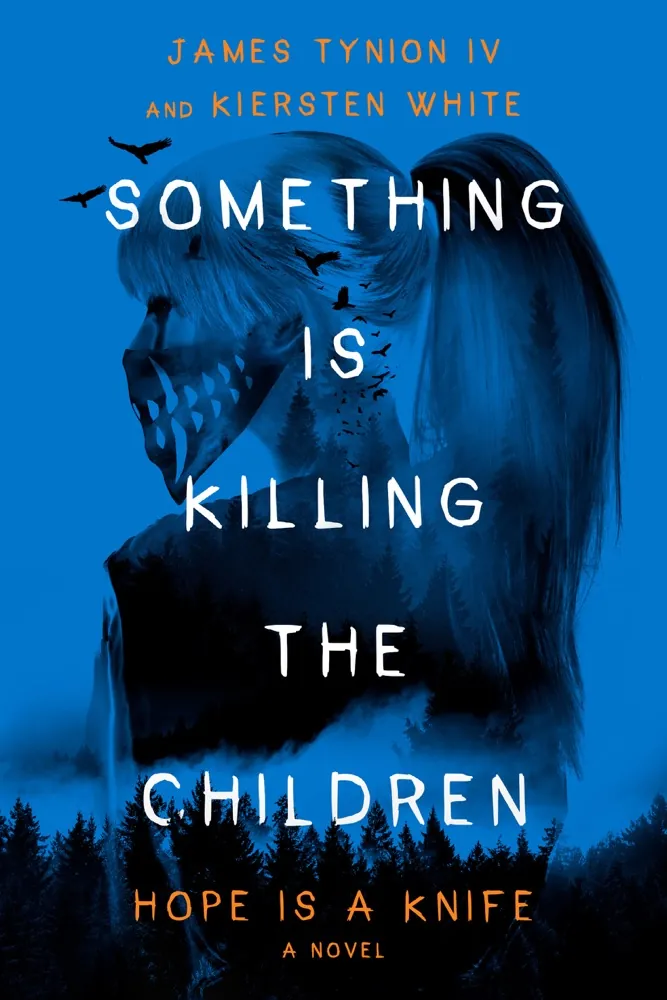
Author: James Tynion IVPage Count: UnknownPublication Date: Expected publication 2026-10-13 APL Listen close, you little ruffians. Sit by the hearth while the embers still pop. We used to tell tales about bog-hags and iron-toothed wolves to keep you from wandering into the dark woods alone after sundown. Back then, the monsters were simple. They wanted your bones. They didn't wear a human mask or wrap themselves in the comforting blankets of localized mass hysteria. James Tynion IV and Kiersten White are bringing that old, brutal folklore back to the page with Something Is Killing the Children: Hope Is a Knife, and I suspect most of you are entirely unready for the teeth waiting in the dark. The Weight of Iron and Blood Erica Slaughter is back, dragging her cold efficiency into Badwater, Idaho. And what a miserable little hamlet it must be. We have traded the comforting predictability of ancient myth for the sharper, uglier terror of modern panic. Think Shirley Jackson meets Stephen King on a particularly bad hangover. What fascinates me—and infuriates me about modern publishing trends—is this desperate need to adapt every comic panel into a prose novel. Why must we stretch the canvas? Are our collective imaginations so brittle now that we require two hundred pages of internal monologue to understand why a child's terror can curdle into a flesh-eating entity? Back in my day, a monster lived under the floorboards because you were disobedient, not because of a nuanced psychological trauma profile engineered by focus groups. Kids these days watch those glowing rectangle screens until their eyes glaze over, completely losing touch with the oral tradition of storytelling, staring blankly at cartoons featuring neon-colored ponies that solve all their interpersonal anxieties through the magic of interpretive dance while the real world outside collapses into absolute bureaucratic mush, but I suppose Erica Slaughter would handle those obnoxious ponies with a silver-plated hatchet and zero hesitation. The Anatomy of Hysteria The synopsis hints at a charismatic doomsday preacher driving a town off a cliff. Brilliant. Nothing terrifies me more than a man with a microphone and a terrible haircut. Tynion understands that the true monster is rarely the clawed beast in the shadows; it is the mob holding the torches, waiting for an excuse to burn the village. Erica faces an impossible mathematical equation in Hope Is a Knife. Find the traumatized kid. Destroy the manifestation of their fear. Do it before the zealots decide to sacrifice the hunter instead of the prey. It is a tight, suffocating premise. Whether the prose can sustain the kinetic, visceral pacing of the original comics without the visual punch of Werther Dell'edera’s artwork remains the great, looming question. I am deeply skeptical. Print can be a clumsy cage for pure nightmare fuel. Watch your step in the brush. The old stories warn us that the things hunting us usually look like neighbors first. Now, hush. I need to go find where the dog dragged my only good pair of dress shoes before the rain starts. Related InsightsMortal Minds (The Broken Realms #2) Book Review and Summary Peter Pan Book Review and Summary Scandals & Whiskey (The Whiskey Women, #2) Book Review and Summary{ "@context": "https://schema.org", "@type": "FAQPage", "mainEntity": [ { "@type": "Question", "name": "What is the main focus of Something Is Killing the Children: Hope Is a Knife: A Novel Book Review and Summary?", "acceptedAnswer": { "@type": "Answer", "text": "Everything you need to know about Something Is Killing the Children: Hope Is a Knife: A Novel with our detailed review." } }, { "@type": "Question", "name": "Who authored the comprehensive guide on Something Is Killing the Children: Hope Is a Knife: A Novel Book Review and Summary?", "acceptedAnswer": { "@type": "Answer", "text": "This detailed article and its insights were carefully researched and authored by Antoine Leroy." } }, { "@type": "Question", "name": "Where can I find more related content about Books?", "acceptedAnswer": { "@type": "Answer", "text": "You can explore more articles, detailed reviews, and similar insights by browsing the Related Insights section at the bottom of this article or visiting our dedicated Books category page." } } ] }
Author: Kathleen Carr FosterPage Count: UnknownPublication Date: Expected publication 2026-10-27 APL It seems that in The Jewel of Corlivo, Kathleen Carr Foster—a fledgling author—has somehow managed to create—without even attempting to do otherwise—a courtesan narrative that is less a historical fiction and more a bland pastiche of every clichéd Byzantine romance that has been done to death. The idea of pairing a courtesan with a disgraced suitor is nothing new, nor is it particularly engaging, particularly when they embark on a tedious quest for ancient treasure. One begins to wonder if Foster was even familiar with the Byzantine Empire's true cultural and historical significance—a far more fascinating and complex world than the one she's attempted to reimagine. And yet, despite this—despite her apparent lack of research or understanding of the topic—Anna's story unfolds with all the excitement of a sedated tortoise: plodding, uninspired, and with a narrative arc that is—utterly—the opposite of unpredictable. A predictable slog. One can't help but think of the masterful work of The Song of Achilles by Madeline Miller, itself a beautifully crafted exploration of the Trojan War through the lens of a similarly marginalized figure. It is precisely this lack of subtlety, this unwillingness to challenge her readers, that sets The Jewel of Corlivo at such a far remove from truly great historical fiction. Foster's prose betrays a stilted, antiquated quality that feels altogether incongruous with the supposed sophistication of the imperial court she's attempting to recreate. The characters themselves—Anna and Sebastianus, in particular—are cartoonish and lack any discernible depth, their motivations and actions driven more by convenience than by any compelling emotional or psychological logic. One can't help but recall the tragic opera, La Bohème, where the protagonist—Rudolfo—struggles to maintain his artistic integrity in the face of poverty and heartbreak. It is precisely this kind of tragic grandeur that The Jewel of Corlivo sorely lacks, opting instead for an altogether more banal, unremarkable tale. Foster's treatment of the courtesan figure—so central to the Byzantine world—is woefully superficial, relying on tired tropes rather than a nuanced exploration of the social and cultural context in which such women lived. And so, despite her laudable ambition, The Jewel of Corlivo falls woefully short of true greatness. #PenthousePanic Related InsightsRun Away Book Review and Summary Night Tide (Night Tide, #1) Book Review and Summary 1Q84 Book Review and Summary{ "@context": "https://schema.org", "@type": "FAQPage", "mainEntity": [ { "@type": "Question", "name": "What is the main focus of The Jewel of Corlivo Book Review and Summary?", "acceptedAnswer": { "@type": "Answer", "text": "Everything you need to know about The Jewel of Corlivo with our detailed review." } }, { "@type": "Question", "name": "Who authored the comprehensive guide on The Jewel of Corlivo Book Review and Summary?", "acceptedAnswer": { "@type": "Answer", "text": "This detailed article and its insights were carefully researched and authored by James Miller." } }, { "@type": "Question", "name": "Where can I find more related content about Books?", "acceptedAnswer": { "@type": "Answer", "text": "You can explore more articles, detailed reviews, and similar insights by browsing the Related Insights section at the bottom of this article or visiting our dedicated Books category page." } } ] }
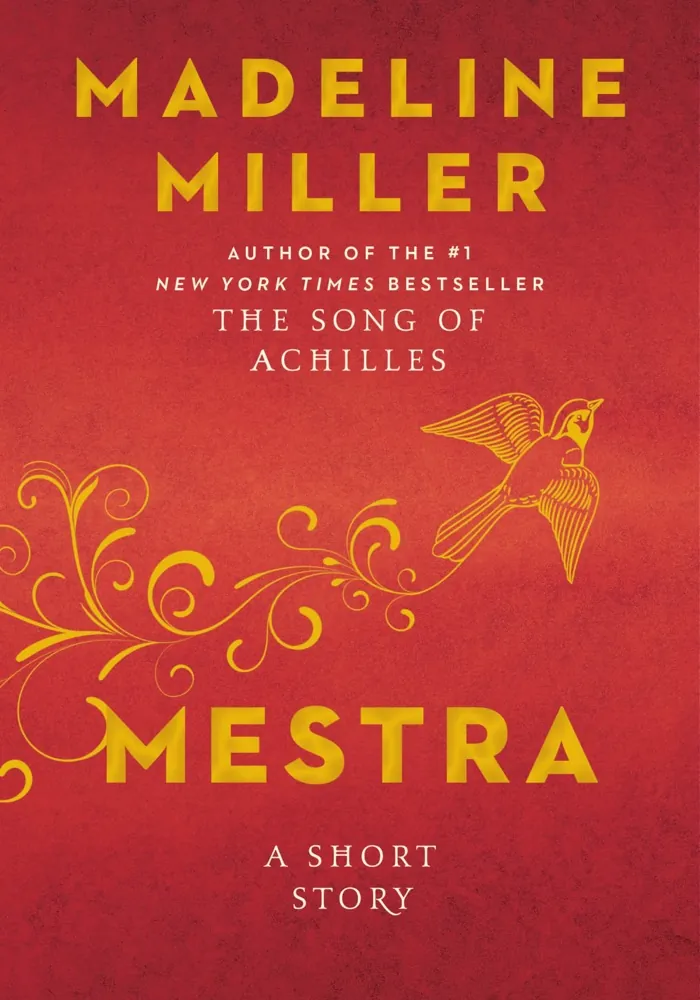
Author: Madeline MillerPage Count: UnknownPublication Date: Expected publication 2026-09-29 APL The August humidity is suffocating enough to make anyone punch a drywall, yet my pulse is currently spiking for an entirely different reason. Madeline Miller is finally dropping new fiction. Let that sink in. Since Circe, the literary landscape has felt as flat as a sparring match with zero footwork—just predictable blows and a staggering lack of grit. Now we get Mestra. A sharp, mythological hook about a girl who can shape-shift into anything, tied to a father whose bottomless hunger is essentially a relentless, punishing grappling match he can never tap out of. Wait. Let me rephrase that last part. Actually, forget the grappling metaphor—comparing an ancient mythological curse to a wrestling match completely undersells the psychological claustrophobia of the premise. This isn't about endurance. It is about a brutal, parasitic drain on a protagonist's autonomy. Poseidon gives Mestra the gift of infinite forms. Her father takes and takes until her very identity is shredded by his insatiable appetite. God, the prose in the synopsis alone is practically begging for a cinematic adaptation. Sign me up yesterday. The Anatomy of the Infinite Drain Every single combat sports athlete knows the exact moment a training partner takes too much from you—when the sparring turns into a one-sided extraction of your energy, your spirit, your physical capital. Mestra is living that nightmare on a mythological scale. The thematic weight here relies entirely on self-sacrifice versus self-preservation. Will she keep morphing until there is nothing left of her original form? Or will she deliver a counter-strike and break free? Actually, looking closer at the provided promotional copy, I might be giving the plot mechanics too much credit. The synopsis is frustratingly brief. It reads like a movie trailer that gives away the emotional arc before the opening bell even rings. I hate being spoon-fed the core conflict before I even open the cover. Give me room to bleed, Miller. Still, if anyone can make a brief short story punch above its weight class, it is the author who made me sympathize with a banished witch exiled on a lonely island. Trading Punches with the Pantheon Fans of Natalie Haynes and Jennifer Saint will undoubtedly flock to this release, expecting the same polished, feminist retellings that currently dominate the market. But Miller hits harder. Her prose has a muscular cadence that leaves you bruised in the best possible way. The tension between bodily autonomy and familial obligation is a heavy heavy bag to hit, but she has the technical precision to pull it off without looking sloppy. The real question is pacing. How do you cram an entire identity crisis and a mythological rebellion into a short story format without it feeling rushed like a three-round decision where both fighters gassed out in the second? I would love to sit here and dissect the narrative trajectory further, but I need to go settle a heated debate about existentialism and absurdity with an aggressively opinionated stranger at the corner dive bar before the evening rush sets in. Related InsightsEnd of the World and Hard-Boiled Wonderland Book Review and Summary The Boy From the Woods Book Review and Summary My Useless Cuddle Skill Awakened, and Now Im Building the Ultimate Harem! Book Review and Summary{ "@context": "https://schema.org", "@type": "FAQPage", "mainEntity": [ { "@type": "Question", "name": "What is the main focus of Mestra Book Review and Summary?", "acceptedAnswer": { "@type": "Answer", "text": "Everything you need to know about Mestra with our detailed review." } }, { "@type": "Question", "name": "Who authored the comprehensive guide on Mestra Book Review and Summary?", "acceptedAnswer": { "@type": "Answer", "text": "This detailed article and its insights were carefully researched and authored by Natalia Sokolova." } }, { "@type": "Question", "name": "Where can I find more related content about Books?", "acceptedAnswer": { "@type": "Answer", "text": "You can explore more articles, detailed reviews, and similar insights by browsing the Related Insights section at the bottom of this article or visiting our dedicated Books category page." } } ] }
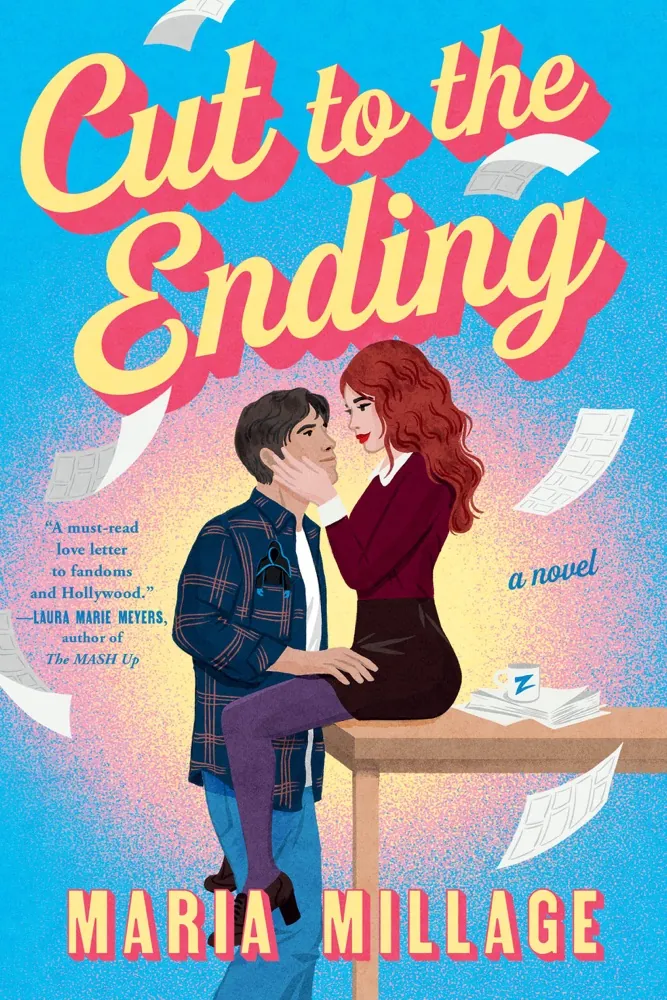
Author: Maria MillagePage Count: UnknownPublication Date: Expected publication 2026-11-03 APL Grandchildren will never understand the weight of an epic cycle. They consume moving pictures on glowing rectangles, blissfully unaware of the generational suffering required to build a sprawling fictional cosmos, complete with invented languages and convoluted genealogies that stretch across ten thousand pages of parchment. Or, in this particular case, a megahit fantasy franchise called Magician’s Gambit. Maria Millage has decided to skewer the very machine that manufactures these modern myths. And honestly? Good for her. The Forge of Lore and Late-Stage Capitalism Delaney Webber is just trying to survive the meat grinder of modern Los Angeles. A misogynistic producer torpedoed her career, leaving her stranded in the purgatory of running errands for an eccentric mentor. Yet the gods of Hollywood throw her a bone. They hand her the crown jewel: the finale of Magician’s Gambit. The catch? She has never laid eyes upon an orc. Enter Max Sullivan. Max is an exhausted assistant tethered to a tyrannical talent manager, surviving on sheer caffeine and nostalgic memories of the epic fantasy films his father raised him on. We are looking at a classic mythic structure here. The reluctant hero meets the scholarly guide. But let us be entirely real for a moment—why do contemporary romantic comedies insist on pairing ambitious women with men who are described as "annoyingly hot" nerds? It feels deeply insulting to actual nerds who look like bruised fruit and smell like cold brew coffee left out in a Toyota Corolla for three days. My own grandfather used to tell the tale of Achilles and Patroclus, and let me tell you, neither of them were agonizingly attractive assistants juggling a hyper-specific macchiato order while having a panic attack in a talent agency lobby. Modern fiction sanitizes the absolute squalor of ambition. The Cult of Canon and Modern Mythology The obsession with "canon" in this plot is frankly exhausting. Remember when people gathered around the hearth to hear about gods throwing lightning bolts at each other, and nobody raised their hand to scream about continuity errors in the pantheon? Now every story must adhere to a strict set of rules dictated by internet commenters who treat fictional kingdoms like sacred scripture. Delaney needs Max to teach her the difference between an orc and a hobbit—a sentence that makes my ancient bones turn to dust. If you do not know the difference by adulthood, perhaps you belong in exile. Still, Millage is leaning heavily into the Book Lovers and How to End a Love Story lineage, which guarantees snappy banter and enough sexual tension to power a small municipality. The synopsis promises electric chemistry that turns strictly unprofessional. Predictable? Absolutely. Will I read it while muttering darkly about the decline of true epic poetry? Yes. Because at the end of the day, watching two stressed-out Los Angeles worker bees fall in love over fictional lore is vastly superior to watching another CGI dragon set fire to a castle for two and a half hours. I am going to go take a nap now, assuming the back porch doesn't catch fire from the dry leaves. Related InsightsIt Book Review and Summary Daughter of Smoke & Bone Book Review and Summary Tender Is the Night Book Review and Summary{ "@context": "https://schema.org", "@type": "FAQPage", "mainEntity": [ { "@type": "Question", "name": "What is the main focus of Cut to the Ending: A Novel Book Review and Summary?", "acceptedAnswer": { "@type": "Answer", "text": "Everything you need to know about Cut to the Ending: A Novel with our detailed review." } }, { "@type": "Question", "name": "Who authored the comprehensive guide on Cut to the Ending: A Novel Book Review and Summary?", "acceptedAnswer": { "@type": "Answer", "text": "This detailed article and its insights were carefully researched and authored by Antoine Leroy." } }, { "@type": "Question", "name": "Where can I find more related content about Books?", "acceptedAnswer": { "@type": "Answer", "text": "You can explore more articles, detailed reviews, and similar insights by browsing the Related Insights section at the bottom of this article or visiting our dedicated Books category page." } } ] }
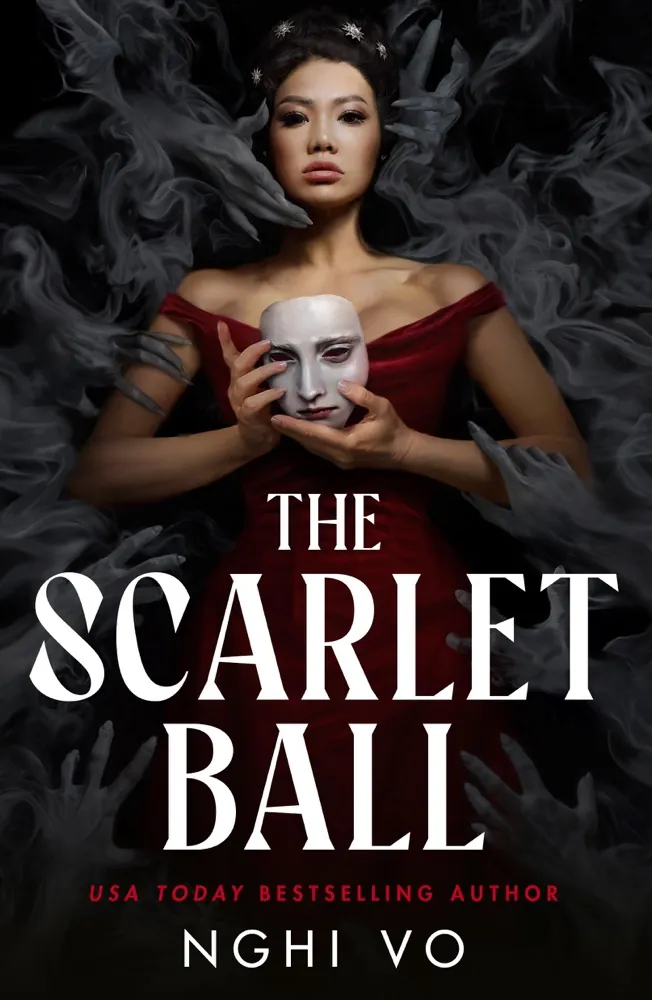
Author: Nghi VoPage Count: UnknownPublication Date: Expected publication 2026-10-06 APL Another cold brew down the hatch, and another desk covered in lukewarm rings of forgotten caffeine. Let’s talk about The Scarlet Ball. Nghi Vo is taking a sledgehammer to Edith Wharton’s drawing rooms and honestly? It’s about damn time someone put these polite society dramas in a chokehold. Look at the setup. A former convent girl turned courtesan gets her face surgically swapped—literally stitched over—to infiltrate the untouchable Four Hundred of New York’s elite. That isn't just a high-stakes con. That’s a brutal, face-ripping ground-and-pound against patriarchal capitalism. Too slow, Judith. You gotta strike first or you’re getting arm-barred by a literal demon husband. The Gilded Age Gets Ground and Pounded We are looking at a masterclass in subverting historical romance tropes. People want polite tea parties in Newport. Vo is offering blood-soaked, gold-etched demonic contracts. And yet, I pivot. Wait, no—scratch that. Actually, the aesthetic is pristine. The Chosen and the Beautiful proved Vo can dissect historical American mythologies with a scalpel dipped in acid. Fitzgerald never saw the supernatural coming; neither did Wharton. Seduce the Storm The synopsis mentions seducing a storm in the shape of a man. Let's be real. That’s just elite-tier striking defense. How do you counterpunch an infinite hunger when you’re out-matched in reach and weight class? You don't clinch. You work the angles. Judith is walking into the octagon of the marriage market with zero grappling experience against entities that eat debutantes for cardio. The prose here reads like a clean double-leg takedown. Sharp. Economical. Utterly lethal. If the pacing holds up through the third act, this book is going to decision the entire historical fantasy genre. No judges needed. It's a clean knockout. Wait. I just remembered the three of swords I pulled during my tarot spread this morning. The card literally screamed that my evening would be ruined by profound annoyance. Figures. Related InsightsThe Sun and the Star Book Review and Summary Call Down the Hawk Book Review and Summary All You Need Is a Pencil: The Stuck in a Car, Plane, or Train Activity Book Book Review and Summary{ "@context": "https://schema.org", "@type": "FAQPage", "mainEntity": [ { "@type": "Question", "name": "What is the main focus of The Scarlet Ball Book Review and Summary?", "acceptedAnswer": { "@type": "Answer", "text": "Everything you need to know about The Scarlet Ball with our detailed review." } }, { "@type": "Question", "name": "Who authored the comprehensive guide on The Scarlet Ball Book Review and Summary?", "acceptedAnswer": { "@type": "Answer", "text": "This detailed article and its insights were carefully researched and authored by Natalia Sokolova." } }, { "@type": "Question", "name": "Where can I find more related content about Books?", "acceptedAnswer": { "@type": "Answer", "text": "You can explore more articles, detailed reviews, and similar insights by browsing the Related Insights section at the bottom of this article or visiting our dedicated Books category page." } } ] }
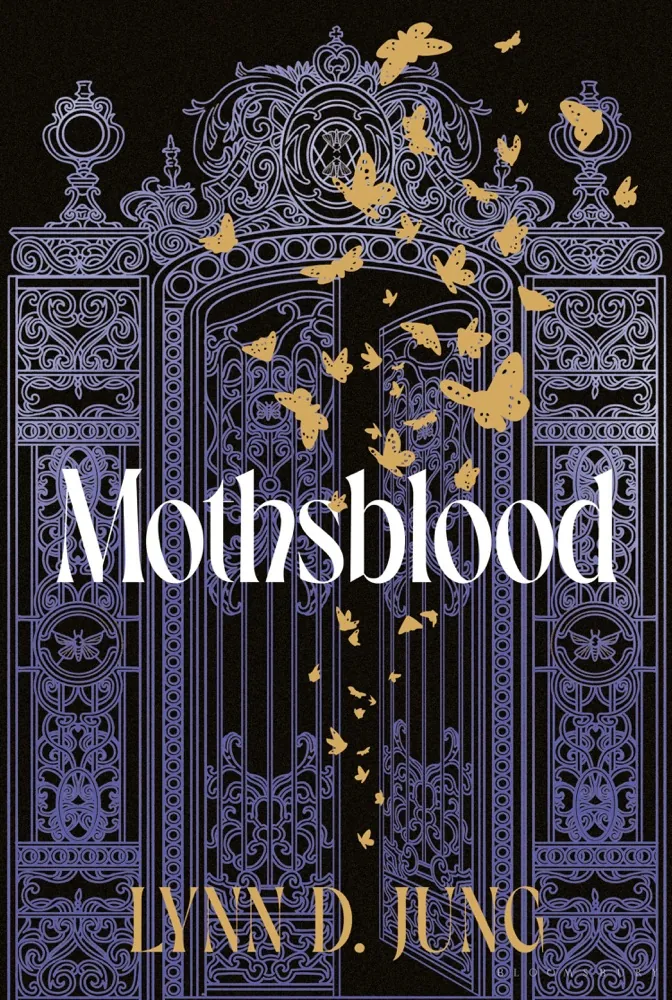
Author: Lynn D. JungPage Count: UnknownPublication Date: Expected publication 2026-10-13 APL The rain in Paris never falls like it should—too heavy for a city that prides itself on elegance, too slow for the kind of urgency that might actually wash away the sins of its streets. And yet, here we are, staring at this Mothsblood synopsis like a particularly stubborn stain on a priceless tapestry, wondering if Lynn D. Jung has the audacity to believe this mess of alchemists, cults, and immortal headmistresses will hold a candle to the kind of prose that doesn’t make you wince at its own pretensions. The premise is, of course, deliciously familiar—another young woman fleeing her past, another university steeped in secrets, another murder that smells suspiciously like a plot device waiting to be unspooled. But where is the originality? Where is the bite? The synopsis reads like a fever dream stitched together from the leftovers of The Night Circus and The Shadow of the Wind, with a dash of The Alchemist thrown in for good measure—because nothing says "literary depth" like a protagonist who must choose between power and morality, as if that’s not the entire foundation of every YA novel since Twilight decided vampires were the new gothic romance. Larkspur Lee, then. A name that sounds like it belongs on a label of absinthe, not a protagonist’s shoulders. She’s an alchemist, which is either a brilliant detail or a lazy way to imply she’s "special" without actually having to explain why. And her past? Oh, it’s mysterious, of course—because nothing says "character development" like a void that’s been carefully left unfilled for the reader to fill with their own existential dread. The fact that her mentor is back in her life, playing some kind of game with her, is either a clever twist or the kind of contrivance that makes you wonder if Jung has ever actually read a book where a mentor isn’t a walking red flag. But then—the Promethean Genesis. A cult. Because nothing says "high stakes" like a group of people who worship fire and chaos. The synopsis doesn’t even bother to name-drop what they actually do, leaving us to assume it’s something horrifying, something that will make Lark’s past look like a Sunday picnic. And yet, the real question is: does Jung have the chops to make this more than just another "dark academia" pastiche? Because if she doesn’t, we’re left with a story that feels like it was written by someone who’s read too many synopses and not enough books. And then there’s the university itself—a place where the headmistress is immortal, where the walls might whisper, where the very air is thick with secrets. It’s the kind of setting that should scream Gaiman or Le Guin, but instead, it’s reduced to a backdrop for Lark’s internal monologue, which, based on this synopsis, is going to be about as compelling as a love letter to a stranger. But—the pivot—perhaps that’s the point. Maybe Jung is playing with the very idea of "dark academia," twisting it into something sharper, more jagged. Maybe the alchemy isn’t just about turning lead into gold, but about turning words into something that burns. If so, then this could be the kind of book that makes you forget you’ve read a thousand others before it. But if it’s just another exercise in atmospheric dread with no real substance, then we’re all just waiting for the next trend to come along and bury it under a pile of overhyped YA. The real crime here isn’t the murder of Petronelle Flamel—it’s the murder of originality. And if Jung can’t deliver something more than a synopsis that reads like a Wikipedia page in progress, then she’s already lost. Now, if you’ll excuse me, I need to retrieve my favorite fountain pen from my grandson’s sticky hands before he turns it into another masterpiece of scribbled-on homework. #BookTok #DarkAcademia #Alchemy #ParisianMystery #SynopsisSkepticism Related InsightsThe Birthing Tree Book Review and Summary What Lies in the Woods Book Review and Summary Those Empty Eyes Book Review and Summary{ "@context": "https://schema.org", "@type": "FAQPage", "mainEntity": [ { "@type": "Question", "name": "What is the main focus of Mothsblood Book Review and Summary?", "acceptedAnswer": { "@type": "Answer", "text": "Everything you need to know about Mothsblood with our detailed review." } }, { "@type": "Question", "name": "Who authored the comprehensive guide on Mothsblood Book Review and Summary?", "acceptedAnswer": { "@type": "Answer", "text": "This detailed article and its insights were carefully researched and authored by James Miller." } }, { "@type": "Question", "name": "Where can I find more related content about Books?", "acceptedAnswer": { "@type": "Answer", "text": "You can explore more articles, detailed reviews, and similar insights by browsing the Related Insights section at the bottom of this article or visiting our dedicated Books category page." } } ] }
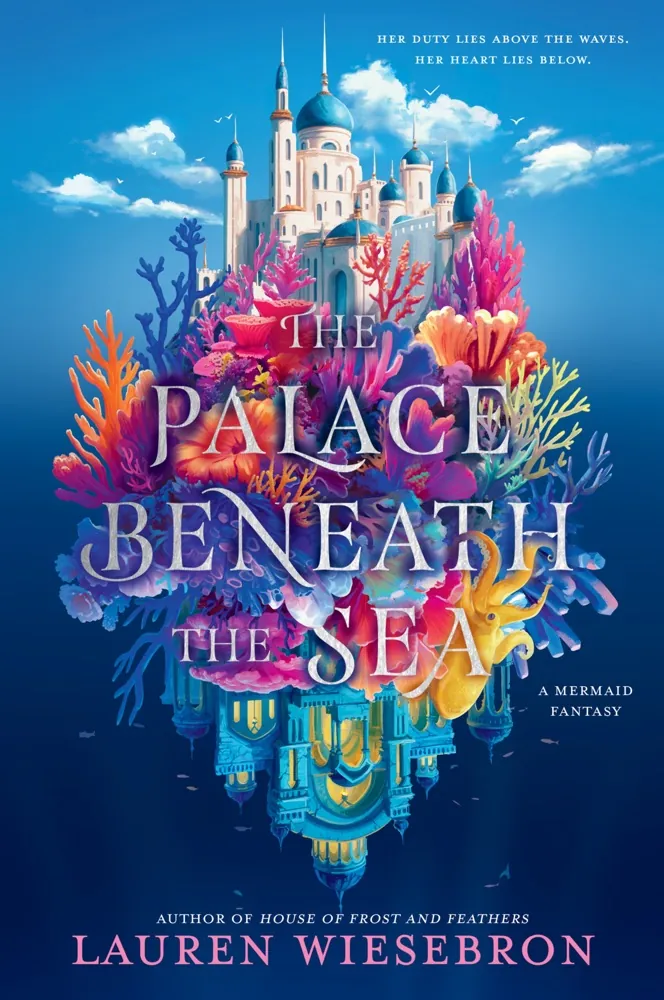
Author: Lauren WiesebronPage Count: UnknownPublication Date: Expected publication 2026-09-15 APL Eight hours staring at glowing spreadsheets of third-quarter projections will make a person crave a bit of mythological drowning, so finding Lauren Wiesebron’s upcoming The Palace Beneath the Sea on the desk tonight feels rather fitting—or perhaps deeply ironic, considering I spent all day trying to keep various corporate ventures afloat before commuting home through the kind of horizontal rain that makes one wonder why human beings ever left the pelagic mud in the first place—and honestly, looking at the promotional copy for this September 2026 release, we are in for the predictable literary waters of coastal folklore, where plucky lighthouse keepers swap dry land for brooding aquatic men with fish tails and abs carved from sea glass, which sounds suspiciously like every second indie fantasy novel currently choking the bestseller lists since Madeline Miller made ancient myth commercially viable for people who highlight quotes about grief on TikTok. Seasilk. Wait. Let me rephrase that entirely. The synopsis mentions "rare seasilk," which sounds less like ancient Breton myth and more like a high-end textile import from an overpriced boutique in Milan, completely stripping the grit away from the actual legend of the sunken city of Ys where the sea swallowed a capital city because a princess got too careless with her father's castle keys—though Wiesebron clearly wants us to focus on Nolwenn, our lighthouse-keeping protagonist who goes from guarding coastal cliffs to getting aggressively dragged into a coral palace by a creature named Morvan, who apparently checks all the requisite boxes for dark-water romance by being both terrifying and strangely alluring, because of course he is. Drowning in Tropes The thematic undercurrent here relies heavily on the age-old dichotomy of duty versus desire, pitting a woman's loyalty to her homeland against the intoxicating pull of an underwater society that sounds like an expensive hotel lobby designed by James Cameron. Yet the real thematic conflict is whether readers can tolerate another iteration of the forced-proximity aquatic abduction trope without groaning out loud. Actually, strike that. The mythology of Ys is genuinely terrifying when you look at the raw folklore—cities disappearing beneath the tide in a single night of divine retribution—so reducing it to a hormonal tug-of-war between a lighthouse keeper and a local fish-man feels like a terrible waste of architectural catastrophe. Still, Wiesebron’s previous work in House of Frost and Feathers proved she can spin atmospheric prose out of thin air, so perhaps the lyrical execution will save the text from feeling like a recycled episode of a streaming fantasy series. Fingers crossed the world-building expands beyond glowing coral and brooding stares, because if I have to read one more sentence about a character torn between her heart and her homeland, I am going to throw this manuscript directly into the recycling bin and take up knitting. Lord help me, I have to go downstairs and patch a hole in the drywall caused by an indoor football incident involving a rogue plastic ball and an overly enthusiastic eight-year-old. Related InsightsEl pacto del agua / The Covenant of Water Book Review and Summary Dreamland Book Review and Summary Dark Restraint Book Review and Summary{ "@context": "https://schema.org", "@type": "FAQPage", "mainEntity": [ { "@type": "Question", "name": "What is the main focus of The Palace Beneath the Sea Book Review and Summary?", "acceptedAnswer": { "@type": "Answer", "text": "Everything you need to know about The Palace Beneath the Sea with our detailed review." } }, { "@type": "Question", "name": "Who authored the comprehensive guide on The Palace Beneath the Sea Book Review and Summary?", "acceptedAnswer": { "@type": "Answer", "text": "This detailed article and its insights were carefully researched and authored by Antoine Leroy." } }, { "@type": "Question", "name": "Where can I find more related content about Books?", "acceptedAnswer": { "@type": "Answer", "text": "You can explore more articles, detailed reviews, and similar insights by browsing the Related Insights section at the bottom of this article or visiting our dedicated Books category page." } } ] }
Author: Rebeca Lee MoralesPage Count: UnknownPublication Date: Expected publication 2026-12-01 APL The snow’s been falling in Minnesota for weeks—just like the way this synopsis buries its hooks deep, slow and inevitable, like a man shoveling his way through a yard that’s already been buried. You can almost hear the crunch of ice underfoot as Gordon Trent, a cop who’s spent his life measuring guilt by the inch, gets cornered by Byron Lugo, a man who’s spent his life insisting he’s been wronged by the very system Trent helped uphold. And yet—here’s the thing—this isn’t some grand, cinematic reckoning. It’s a story about the quiet, the real quiet, the kind that settles in the bones of a town where the biggest scandal is whether Old Man Hargrove’s tractor will start this winter. The synopsis sells this as a character study wrapped in a procedural—Winter Song as the literary equivalent of a slow-burn true crime podcast, where the real crime isn’t the vehicular homicide Byron’s been convicted of, but the way the town, the law, and even Gordon himself have already decided the verdict before the trial’s over. But—and this is where the vagueness starts to feel like a deliberate choice—where’s the song? The title’s a tease, a promise of something lyrical lurking beneath the frost, but all we’ve got so far is the structural beats: the retired cop, the wrongfully accused, the motley crew of allies who’ll stand by Byron no matter what. It’s the kind of setup that could go either way—The Secret History meets The Outsider, or A Prayer for Owen Meany if Owen had been framed for a hit-and-run instead of some cosmic misfortune. For what it’s worth, the comparison to Elizabeth Strout and Kent Haruf isn’t just marketing fluff. These are authors who understand how small towns are both prisons and sanctuaries, where everyone knows your business but no one’s willing to admit they’ve ever done anything wrong themselves. The tension here isn’t just between Byron and Gordon—it’s the tension of a man who’s spent his career believing in the system now being forced to confront the cracks in it. And yet, the synopsis doesn’t tell us how that confrontation plays out. Is Gordon a reformer? A cynic? A man who’s just tired of the job? The way it’s written, he could be any of those, or none of them—because the real work, the song, is in the telling. The other thing that jumps out? The year. 1986. Not just any year, but a year when the world outside Minnesota’s hinterland was still feeling the aftershocks of Reaganomics, when the Cold War was a constant hum in the background, when the idea of "justice" was still being debated in courtrooms and living rooms alike. That’s not just a setting—it’s a character. The town’s isolation isn’t just geographic; it’s ideological. And that’s where the real stakes lie. Because in a place like this, the biggest crime isn’t the one Byron’s accused of—it’s the one the town commits every day by looking the other way. But here’s where the synopsis starts to feel like it’s holding back. We’re told Byron’s friends will stand by him, but we’re not told who they are or why. Are they idealists? Criminals themselves? People who’ve seen the system work against them before? The way the synopsis frames it, it could be any of those, but the lack of specificity makes it feel like the author’s playing it safe. And in a genre where the tension comes from the unknown—from the way a character’s past might resurface, from the way a town’s secrets might unravel—holding back like that feels like a missed opportunity. Yet—and this is the thing—maybe that’s the point. Maybe Winter Song isn’t about the grand reveal, but about the slow, creeping realization that some wounds never close, that some songs are just meant to be sung in the dark. The comparison to Haruf’s Plainsong isn’t just about the small-town setting; it’s about the way both books treat redemption as something that’s never guaranteed, never clean. And if that’s the case, then the synopsis is doing its job by leaving us with more questions than answers. The only thing that feels off? The title. Winter Song sounds like it’s promising something poetic, something almost magical, when what we’ve got so far is a story about a man trying to clear his name in a town that’s already written him off. But then again, maybe that’s the beauty of it. Maybe the song isn’t in the resolution, but in the way the characters keep singing anyway, even when no one’s listening. And then there’s the question of style. The synopsis reads like it’s been written by someone who’s read too many other synopses—too many promises of "moving" and "pitch-perfect" and "brilliant new voices." It’s the kind of language that makes you want to roll your eyes, but also makes you wonder if the book itself will be the antithesis of that kind of hype. Will it be the quiet, unassuming masterpiece that doesn’t need to sell itself, or will it be the one that gets lost in the noise? For now, all we’ve got is the promise of a story about a man who’s been wronged, a cop who’s been wrong, and a town that’s been wrong for a long time. And if that’s the case, then Winter Song might just be the kind of book that gets better the longer you wait for it. But then again—what’s the point of waiting when you can just order it now and find out? The only thing worse than a book that doesn’t deliver is a book that makes you wait too long to find out if it does. #bookstagram #midwestlit #literaryfiction #winteriscoming #slowburn
Author: Natasha SiegelPage Count: UnknownPublication Date: Expected publication 2026-10-27 APL The humidity clinging to the silk of my collar today is nothing short of an absolute tragedy, a suffocating August blanket that mirrors the precise agony of staring at yet another derivative historical fantasy being shoveled onto the market by desperate publishers. Chateau Reverie arrives late next year courtesy of Natasha Siegel, demanding we care about a rococo parlor game masquerading as high art. And yet, Samantha Shannon is blubbering about being enchanted. How precious. We are promised a haunted house, a fable, and a romance during the twilight hours of the French Revolution—because apparently, the guillotine simply wasn't bloody enough without a touch of magical realism thrown in for the TikTok demographic. The Currency of Suppressed Trauma Genevieve de Vienne and Leander Sterne walk into a cursed architectural wet dream with empty pockets and heavy baggage. Or rather, Genevieve wants to obliterate the memory of a former lover while Leander merely desires basic autonomy. They must survive three days of transactional amnesia. Bidding secrets for desires sounds awfully like a graduate seminar in comparative literature, minus the stale coffee and career despair. Siegel previously gave us As Many Souls as Stars, which apparently prepared her to write about ethereal auctions where people trade their deepest shames like baseball cards. It is deeply unserious, low-key giving me brain rot just reading the logline, yet executed with enough rococo window dressing to hook the Erin Morgenstern sycophants. Actually, scratch that completely. The prose is allegedly "lush and transportive," and if Siegel leans hard enough into the decadent horror of the late eighteenth-century aristocracy, I might actually forgive the sheer absurdity of a magical house playing landlord to amnesiacs. The Aristocratic Audit of the Damned We are expected to marvel at the peril of seven attendees trapped in a sentient estate where winning means losing your humanity. How dreadfully original. One shudders at the structural integrity of a plot that relies entirely on people trading secrets they supposedly cannot remember. How does one bid a secret when memory is the price of admission? A glaring logical paradox, yet the V.E. Schwab crowd will eat it up without chewing. They adore aestheticized suffering wrapped in velvet ribbons and candle wax. We shall see if Siegel delivers an actual deconstruction of French aristocratic rot or merely another pastel-tinted YA-crossover dressed up in lace. My Rolex is losing five seconds an hour and the jeweler cannot look at it until Tuesday, which is a profound inconvenience. Related InsightsEmily Henry 3-Book Boxed Set Book Review and Summary The Drowning Woman Book Review and Summary Hard-Boiled Wonderland and the End of the World Book Review and Summary{ "@context": "https://schema.org", "@type": "FAQPage", "mainEntity": [ { "@type": "Question", "name": "What is the main focus of Chateau Reverie Book Review and Summary?", "acceptedAnswer": { "@type": "Answer", "text": "Everything you need to know about Chateau Reverie with our detailed review." } }, { "@type": "Question", "name": "Who authored the comprehensive guide on Chateau Reverie Book Review and Summary?", "acceptedAnswer": { "@type": "Answer", "text": "This detailed article and its insights were carefully researched and authored by James Miller." } }, { "@type": "Question", "name": "Where can I find more related content about Books?", "acceptedAnswer": { "@type": "Answer", "text": "You can explore more articles, detailed reviews, and similar insights by browsing the Related Insights section at the bottom of this article or visiting our dedicated Books category page." } } ] }