Showing Posts From
Science
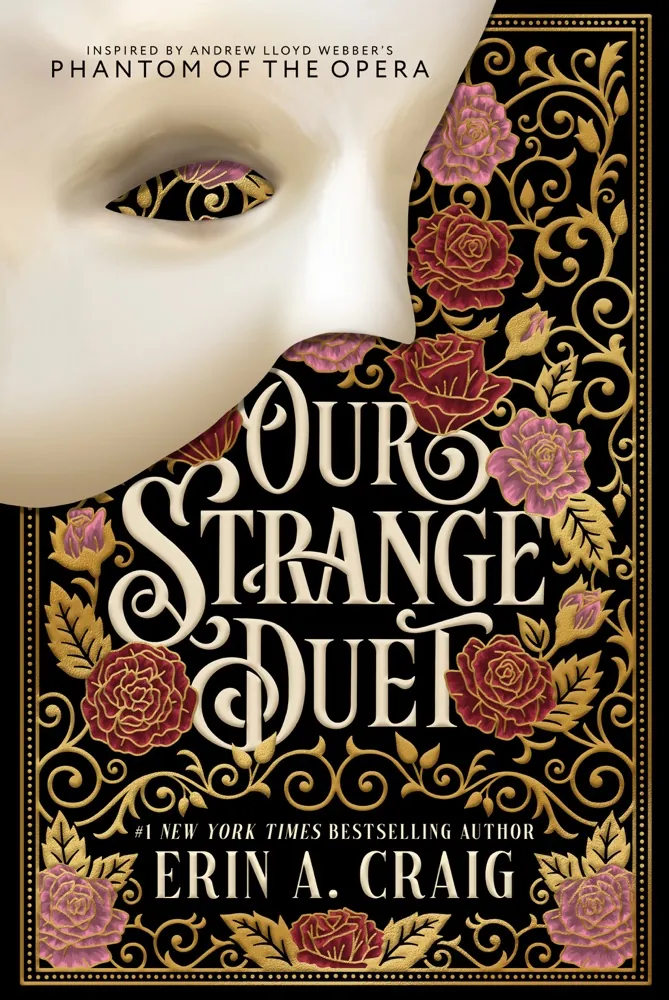
Author: Erin A. CraigPage Count: UnknownPublication Date: Expected publication 2026-09-01 APL Our Strange Duet, the latest endeavour from Erin A. Craig, promises to reimagine Andrew Lloyd Webber's Phantom of the Opera from the perspective of Christine Daaé. But— and I'm thinking here, what does it mean to reimagine a classic like this without, I don't know, actually changing anything?— it seems to me that Craig is merely rearranging the furniture in a room we've all been to before. Still, I'm intrigued. This is going to be an opera-singer's coming-of-age story, with Christine torn between two men: Raoul, her devoted admirer, and the Phantom, the mysterious masked figure who shapes her voice. And what does it mean to be shaped by someone else's passion, someone else's obsession?— that's a question only the book can answer. Yet, already I'm sensing the tropes at work here: the love triangle, the artistic passion driving the plot... it's all a bit too familiar. But Craig is a New York Times bestselling author, after all. One wouldn't be surprised if she has a few tricks up her sleeve. Now, Christine Daaé sounds like an interesting protagonist. Her voice is a gift she's only just learning to appreciate; she's caught between a safe, warm love and a darker, more complicated obsession. And we all know which way this is going to go, don't we?— I mean, the way it goes with every Phantom retelling. But that's not to say I won't be interested in seeing how Craig handles it. She has to bring something new to the table if she wants to keep this story feeling fresh. But still, the more I think about it— and this is just a hunch— I'm convinced that Our Strange Duet will be a bit of a train-wreck, a mess of clichéd characters and overwrought drama. I mean, have you read any other authors dealing with similar themes and characters?— I'm thinking of books like The Night Circus or The Thirteenth Tale. These are authors who understand how to make the familiar feel new and exciting again. Craig, on the other hand— I just have a feeling she's going to phone it in. Which raises the question: can you really call this a reimagining if you're only scratching the surface of the original story?— Or is it just a rebranding, some shallow attempt to cash in on a classic? And yet, and yet... I still want to read it. I'll give her the benefit of the doubt. This could be something special. Now that I'm thinking about it— but honestly, I'm getting a bit tired of this analysis— I'm starting to wonder if this book is more than just a retelling of Phantom of the Opera. Maybe it's something deeper, a exploration of the complicated relationship between creation and creator. After all, the Phantom himself is a musician, a composer who shapes the voice of Christine Daaé. That's some meta stuff right there. But still, that doesn't change the fact that I'm not exactly blown away by the synopsis— yet. And that's the problem. This book feels like a setup, a stage upon which all the usual characters will strut their stuff. Where's the innovation? The real risk-taking? Craig needs to take a few more chances if she wants to make this book truly memorable. Anyway, I have a feeling about this book, and it's not exactly positive. I'm thinking of all the times I've read books like this, all the disappointment that comes with them. But hey, maybe I'm just being cruel. Maybe Craig will surprise me, and Our Strange Duet will be something amazing. — I should probably get some coffee if I'm going to finish writing this review. #salvageThisFurniture Related InsightsClarity Book Review and Summary The Year's Best Science Fiction Vol. 1 Book Review and Summary A Psalm for Lost Girls Book Review and Summary{ "@context": "https://schema.org", "@type": "FAQPage", "mainEntity": [ { "@type": "Question", "name": "What is the main focus of Our Strange Duet Book Review and Summary?", "acceptedAnswer": { "@type": "Answer", "text": "Everything you need to know about Our Strange Duet with our detailed review." } }, { "@type": "Question", "name": "Who authored the comprehensive guide on Our Strange Duet Book Review and Summary?", "acceptedAnswer": { "@type": "Answer", "text": "This detailed article and its insights were carefully researched and authored by Natalia Sokolova." } }, { "@type": "Question", "name": "Where can I find more related content about Books?", "acceptedAnswer": { "@type": "Answer", "text": "You can explore more articles, detailed reviews, and similar insights by browsing the Related Insights section at the bottom of this article or visiting our dedicated Books category page." } } ] }
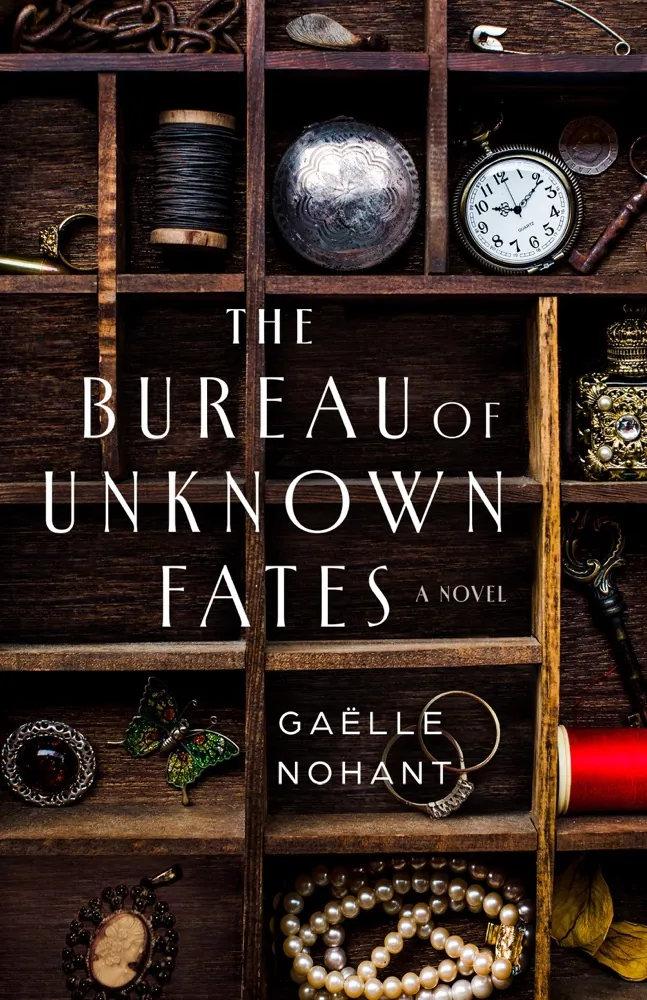

Author: Gaëlle NohantPage Count: UnknownPublication Date: Expected publication 2026-12-08 APL Someone near the communal microwave is burning popcorn again—an olfactory assault quite reminiscent of the dreadful caterer at the Rothschild estate jubilee in Deauville. Between fighting off this wretched stench and protecting my parchment from a rogue splash of San Pellegrino, I find myself casting a critical eye toward Gaëlle Nohant’s upcoming The Bureau of Unknown Fates. One must immediately question the wisdom of setting a novel in Bad Arolsen—a geographic footnote that apparently requires an entire manuscript to explain why nobody talks about the local history. How terribly quaint. We are promised a detective novel in reverse, which sounds suspiciously like the structural equivalent of the ill-fated Concorde landing gear: theoretically sound, yet destined for a rather awkward touchdown. Provenance and Particulars The premise relies heavily on the International Tracing Service. A young French bride marries a German gentleman, relocates to a town with a thoroughly inconvenient past, and promptly buries herself in paperwork involving displaced persons and wartime dead to avoid the bracing reality of her marital arrangements. One can hardly blame her. Domestic ennui is a powerful motivator. But then the narrative pivots into the sentimental hoarding of property—a faded cloth doll, a medallion, an embroidered handkerchief. It reads less like historical restitution and more like an aristocratic estate sale managed by someone with an excess of proletariat sympathy. And the scope! Lublin to Warsaw, Berlin to Paris. A regular grand tour of post-war melancholy. Yet the synopsis breathlessly insists that "looking for the dead, she finds the living." Oh, spare me. This carries all the profound emotional weight of Princess Margaret appearing on the cover of Tatler with a tragic expression. The Aesthetics of Restitution We are told this is in the tradition of The Lost and The Postcard. Naturally. Because nothing screams originality quite like chasing the exact coat-tails of previous sentimental blockbusters about wartime archiving. The prose attempts to weave individual trajectories with European collective memory—a terribly ambitious endeavor for a protagonist whose primary personality trait appears to be excessive conscientiousness. One dreads the inevitable epiphany where she realizes humanity possesses both a dark side and a light one. Groundbreaking. Truly, this is the literary equivalent of the disastrous 1982 Monaco charity gala where the dessert souffle collapsed before the dessert wine was even poured. The Verdict Will the descendants receive their embroidered handkerchiefs with due solemnity? Doubtless. Will the reader be bludgeoned over the head with the healing power of memory? Assuredly. Nohant’s publisher would have us believe this is a devastatingly beautiful masterpiece suffused with wisdom. I suspect it is merely a lengthy exercise in bureaucratic grief—the kind of book handed out at European Union cocktail parties to people who refuse to look at the wine list prices. My Rolex is losing four seconds a day and requires immediate servicing at the boutique on Old Bond Street, which is a profound inconvenience. #GaelleNohant #HistoricalFiction #BadArolsen #LiterarySnobbery Related InsightsViscount in Love Book Review and Summary Insurgent Book Review and Summary I, Robot Book Review and Summary{ "@context": "https://schema.org", "@type": "FAQPage", "mainEntity": [ { "@type": "Question", "name": "What is the main focus of The Bureau of Unknown Fates: A Novel Book Review and Summary?", "acceptedAnswer": { "@type": "Answer", "text": "Everything you need to know about The Bureau of Unknown Fates: A Novel with our detailed review." } }, { "@type": "Question", "name": "Who authored the comprehensive guide on The Bureau of Unknown Fates: A Novel Book Review and Summary?", "acceptedAnswer": { "@type": "Answer", "text": "This detailed article and its insights were carefully researched and authored by James Miller." } }, { "@type": "Question", "name": "Where can I find more related content about Books?", "acceptedAnswer": { "@type": "Answer", "text": "You can explore more articles, detailed reviews, and similar insights by browsing the Related Insights section at the bottom of this article or visiting our dedicated Books category page." } } ] }
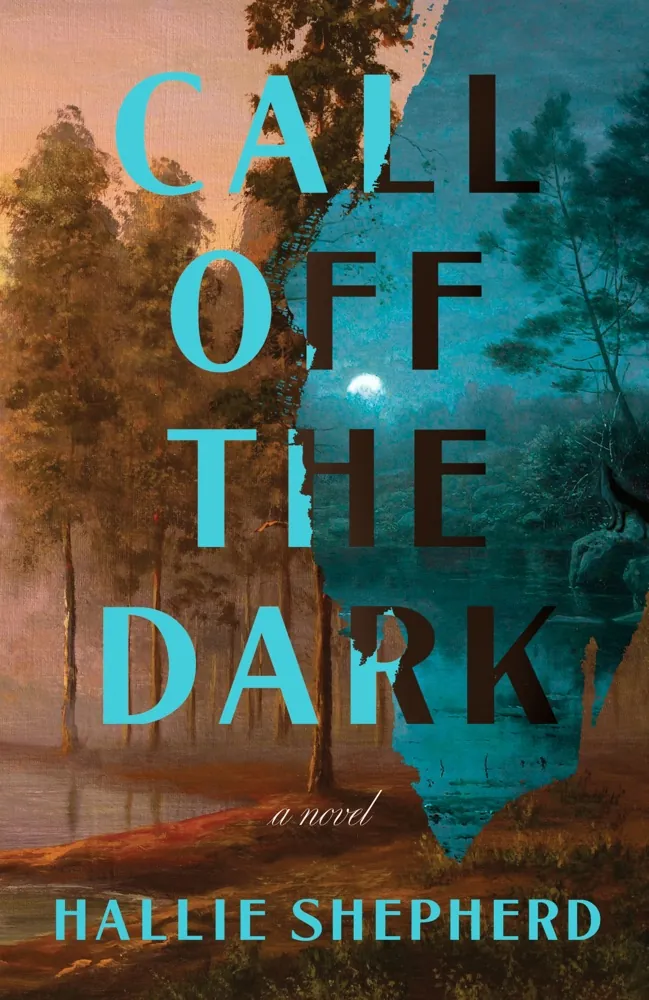

Author: Hallie ShepherdPage Count: UnknownPublication Date: Expected publication 2026-09-22 APL A fascinating prospect lies before us with Call Off the Dark, the debut thriller by Hallie Shepherd. The premise is already generating a mix of excitement and trepidation, much like a tempest brewing on the horizon. It begins with the heart-wrenching loss of Tyler, a soulmate cut down in his prime, leaving behind his bereaved partner Helen. In a desperate attempt to escape the suffocating grip of grief, Helen marries Wade, a near-stranger, and abandons her polished life in Seattle for a tranquil existence in rural Washington. As Helen struggles to come to terms with her new reality, her husband's brother Isaac appears, raising more questions than answers. Isaac, we're told, has been deceased for years, yet Wade insists they're in grave danger. Here's where Call Off the Dark starts to take a dark turn, a thrilling labyrinth where Helen's fragile psyche hangs in the balance. One cannot help but think of the eerie similarities between this setup and the works of Megan Abbott, a master of subverting our expectations and blurring the lines between reality and madness. The atmosphere is already piqued, and I'm left wondering if this is a slow-burning descent into chaos or a rapid-fire thrill ride. Keep your expectations on the floor before publication day, because the truth often lies in the gray areas. But, we have a nagging sense of something missing, a gap in the narrative that cries out for an explanation. The vagueness surrounding Isaac's return from the dead and the danger they supposedly face is a glaring omission. It's as if the narrative is deliberately holding back, forcing me to infer and piece together the puzzle in my mind. A deliberate choice, I'm sure, but does it serve the story, or does it simply pander to the reader's morbid curiosity? Literally. And yet, with each passing sentence, I find myself drawn back in, eager to unravel the tangled web of relationships and uncover the truth behind Isaac's reappearance. This is a hallmark of Shepherd's skill as a storyteller – she's expertly crafted a situation where nothing is as it seems, and the reader is forced to question everything. The result is a mesmerizing, albeit uncomfortable, exploration of human emotions and the fragility of the human psyche. As I delve deeper into the synopsis, I begin to see echoes of The Woman in the Window, a cinematic thriller where the lines between paranoia and reality are repeatedly blurred. But where A.J. Finn's protagonist is confined within her own walls, Shepherd's Helen is thrust headfirst into a treacherous new reality, one where survival is dependent on trusting the wrong people. I must admit, I'm both enthralled and unnerved by the prospect of this novel. Will it ultimately prove to be a riveting, twisty ride or a meandering, predictable slog? The only way to find out is to wait and see. #ThrillerThursday Related InsightsAmarilla Book Review and Summary Meditations Book Review and Summary Le Meilleur des Mondes : La Prophétie Glaciale d'une Humanité Calibrée{ "@context": "https://schema.org", "@type": "FAQPage", "mainEntity": [ { "@type": "Question", "name": "What is the main focus of Call Off the Dark Book Review and Summary?", "acceptedAnswer": { "@type": "Answer", "text": "Everything you need to know about Call Off the Dark with our detailed review." } }, { "@type": "Question", "name": "Who authored the comprehensive guide on Call Off the Dark Book Review and Summary?", "acceptedAnswer": { "@type": "Answer", "text": "This detailed article and its insights were carefully researched and authored by Antoine Leroy." } }, { "@type": "Question", "name": "Where can I find more related content about Books?", "acceptedAnswer": { "@type": "Answer", "text": "You can explore more articles, detailed reviews, and similar insights by browsing the Related Insights section at the bottom of this article or visiting our dedicated Books category page." } } ] }
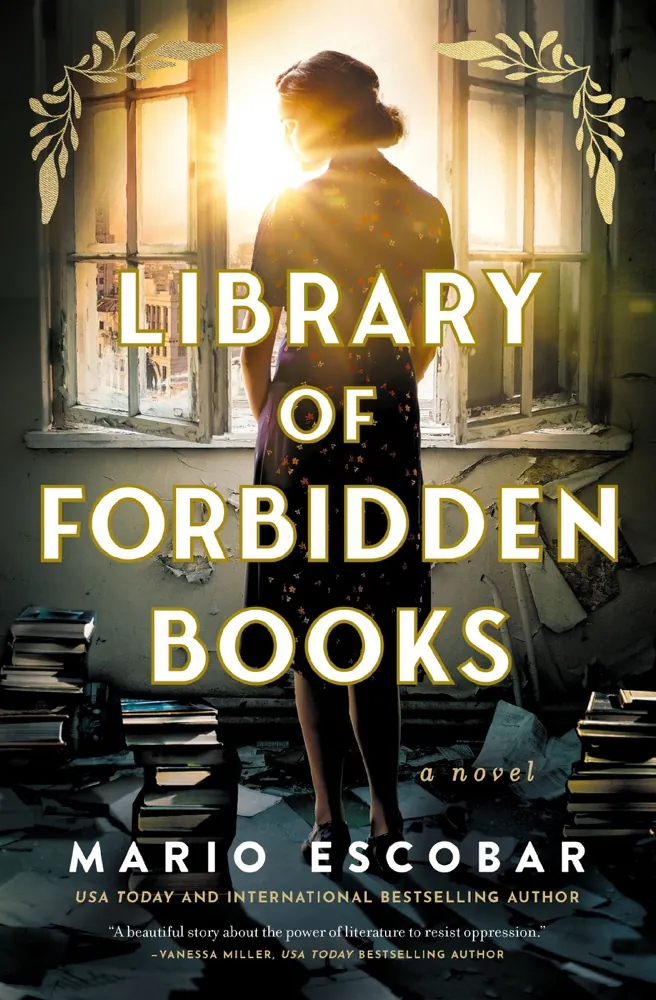
Author: Mario EscobarPage Count: UnknownPublication Date: Expected publication 2026-09-01 APL Ah, so Library of Forbidden Books—this isn’t just another historical fiction about a librarian saving books, is it? It’s a performance, a slow-burning pyre of a novel where the real villain isn’t just the Nazis but the idea that words can be erased without leaving scars. Helene Nathan isn’t just a character; she’s a tactical librarian, a woman who understands that books aren’t just paper and ink—they’re the last line of defense against a regime that wants to rewrite history before it’s even written. And yet—where’s the tension? The synopsis reads like a museum exhibit, all solemnity and no sweat. Where’s the moment when Helene realizes she’s not just hiding books but people in those shelves? Where’s the moment when she has to choose between saving a single volume or a life? The synopsis gives us the gesture—the defiance, the danger—but not the grit. It’s like reading about a storm without the wind. But then again, maybe that’s the point. Maybe the book is about the quiet resistance, the kind that doesn’t make headlines but still burns. The kind of courage that doesn’t shout but whispers—just loud enough for the right ears. And yet—where’s the personal cost? Helene is half-Jewish, and Rudolf Kummer is her nemesis, but the synopsis doesn’t tell us if she’s in love with him once, or if she’s hiding someone in her home, or if she’s been watching him for years, waiting for the right moment to strike. The psychological depth here is just a shadow, not a full portrait. It’s like being given a sketch of a face and told it’s a masterpiece. And the books—oh, the books! The synopsis mentions them like they’re sacred objects, but where’s the magic? Where’s the moment when Helene realizes that some books aren’t just forbidden because of their content but because of who wrote them? Where’s the moment when she has to decide whether to save a volume of poetry by a Jewish author or a medical text that could save lives? The synopsis treats the books as artifacts, not weapons. And that’s a problem, because in real life, books aren’t just things to be preserved—they’re tools. They’re the difference between a society that remembers and one that forgets. But then—what if the book is about the idea of preservation? What if it’s not about the thrill of the chase but the weight of the choice? What if Helene’s greatest act of defiance isn’t saving books but deciding which ones to save? That’s a different kind of story, one that doesn’t need explosions or betrayals but silence. And yet—where’s the human element? Where’s the moment when Helene has to look her reflection in the mirror and ask herself if she’s still a librarian or just a survivor? Literally. I mean, come on—this synopsis reads like a manifesto. It’s all about the power of literature, the courage of resistance, the sacredness of words. But where’s the mess? Where’s the moment when Helene makes a mistake, or when she’s terrified, or when she has to choose between her principles and her survival? The synopsis gives us the big picture, but not the close-up. And that’s a shame, because the best stories aren’t about the idea of resistance—they’re about the people who do it. But then again, maybe that’s the point. Maybe the book is about the idea of resistance, not the act. Maybe it’s about the hope that words can survive, even if the people who wrote them don’t. And if that’s the case, then the synopsis is perfect—because it’s not about the details but the essence. It’s about the idea of a world where books are burned, and one woman stands in the way. And if that’s the case, then I’m intrigued. But I’m also skeptical, because the best stories aren’t about the idea—they’re about the people. I need to go find where the dog hid my only good pair of dress shoes. #BookBurning #HistoricalFiction #LibrarianLife #NaziGermany #ResistanceStories Related InsightsA Really Short History of Nearly Everything Book Review and Summary Demian: Die Geschichte von Emil Sinclairs Jugend Book Review and Summary A Tree Grows in Brooklyn Book Review and Summary{ "@context": "https://schema.org", "@type": "FAQPage", "mainEntity": [ { "@type": "Question", "name": "What is the main focus of Library of Forbidden Books Book Review and Summary?", "acceptedAnswer": { "@type": "Answer", "text": "Everything you need to know about Library of Forbidden Books with our detailed review." } }, { "@type": "Question", "name": "Who authored the comprehensive guide on Library of Forbidden Books Book Review and Summary?", "acceptedAnswer": { "@type": "Answer", "text": "This detailed article and its insights were carefully researched and authored by Antoine Leroy." } }, { "@type": "Question", "name": "Where can I find more related content about Books?", "acceptedAnswer": { "@type": "Answer", "text": "You can explore more articles, detailed reviews, and similar insights by browsing the Related Insights section at the bottom of this article or visiting our dedicated Books category page." } } ] }
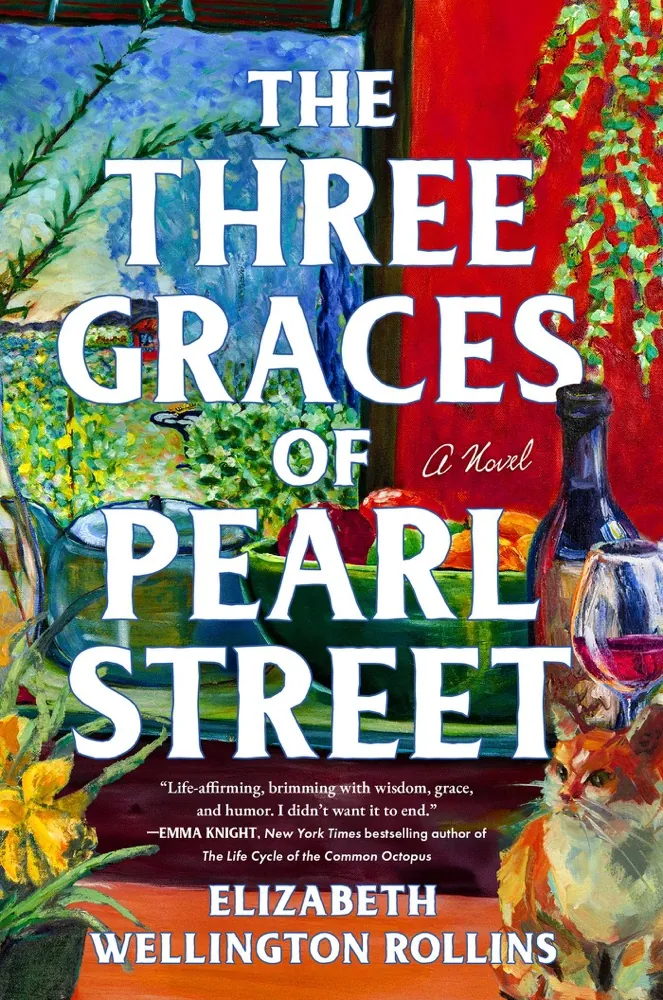
Author: Elizabeth Wellington RollinsPage Count: UnknownPublication Date: Expected publication 2026-09-01 APL With the upcoming release of Elizabeth Wellington Rollins's The Three Graces of Pearl Street, one cannot help but ponder the revival of a most intriguing narrative tradition: the intergenerational family drama. Like our dear friend Ann Weinstock's In the Middle of Somewhere, The Three Graces promises to weave an intricate exploration of family dynamics—yet, unlike Weinstock's work,.Rollins' focus appears to be on the feminine, as embodied by three generations of women sharing the same first name. —And what a stroke of genius this is! By employing the Roman myth of the Three Graces, Rollins sets the stage for a rich thematic examination of femininity, tradition, and identity. One cannot help but think of the inimitable Anne Tyler's ability to imbue her characters with an effortless, if occasionally frustrating, humanity. Will Rollins's Three Graces meet a similar fate? Graziella, a ninety-six-year-old former nun, is the matriarch of this family drama, running the parish's food kitchen with a fierce dedication that borders on the obsessive. Her daughter, Grace, a respected psychology professor, appears accomplished and composed, yet finds herself unmoored as her personal life falters. Ella, Graziella's granddaughter and Grace's daughter, is a vegan, anti-capitalistic free spirit who longs for a place to belong. But—Hold your horses,—the question remains whether Rollins will opt for a more straightforward portrayal of her protagonists or instead craft a more complex, if occasionally maddening, exploration of the human experience. The Three Graces' exploration of the delicate balance between tradition and modernity is nothing new in literature, yet The Three Graces appears poised to offer a fresh perspective on this tired trope. Rollins's focus on the ways in which women reconcile their individuality with their familial responsibilities is both timely and timeless. And what of the titular Graces themselves— will they be depicted as one-dimensional symbols of femininity, or will they exhibit the depth and nuance that we've come to expect from contemporary fiction? Ultimately, one cannot help but wonder if Rollins will be able to avoid the pitfalls of the more sentimental family dramas that populate the contemporary literary scene. Will her exploration of the Three Graces' lives be as nuanced and insightful as it is moving? Only time will tell, but one thing is certain: this reviewer is eager to see how Rollins's vision plays out on the page. I do, however, have some reservations about the synopsis's rather...vague portrayal of the novel's themes. While I understand the desire to pique the reader's interest, a bit more specificity would be greatly appreciated—specifically regarding Rollins's treatment of the Three Graces' relationships with one another. Still, I suppose only a literary Luddite would quibble with the finer details at this point. In any case, I shall be eagerly awaiting the release of The Three Graces of Pearl Street, hoping that it will deliver on its promise of a "truly captivating" reading experience. Now, if you'll excuse me, I really must take out the recycling. #FeministLiterature #Inter generationalDrama #NYCLiving Related InsightsThe Reinvented Heart Book Review and Summary Familias fatales Book Review and Summary Kneel Before Me (Split or Swallow, #3) Book Review and Summary{ "@context": "https://schema.org", "@type": "FAQPage", "mainEntity": [ { "@type": "Question", "name": "What is the main focus of The Three Graces of Pearl Street Book Review and Summary?", "acceptedAnswer": { "@type": "Answer", "text": "Everything you need to know about The Three Graces of Pearl Street with our detailed review." } }, { "@type": "Question", "name": "Who authored the comprehensive guide on The Three Graces of Pearl Street Book Review and Summary?", "acceptedAnswer": { "@type": "Answer", "text": "This detailed article and its insights were carefully researched and authored by James Miller." } }, { "@type": "Question", "name": "Where can I find more related content about Books?", "acceptedAnswer": { "@type": "Answer", "text": "You can explore more articles, detailed reviews, and similar insights by browsing the Related Insights section at the bottom of this article or visiting our dedicated Books category page." } } ] }
-
 Natalia Sokolova
 - 10 Aug, 2026 16:50
Snow This is Love: Meant to Be Holiday Tales Book Review and Summary
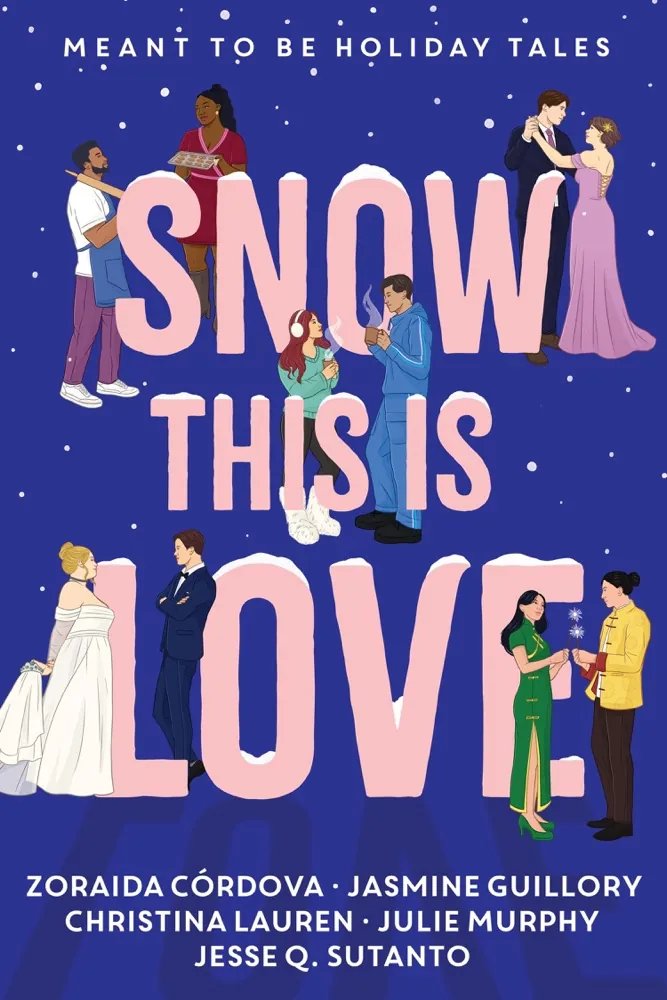
Author: Zoraida CórdovaPage Count: UnknownPublication Date: Expected publication 2026-10-13 APL Sweat is currently dripping off my nose into the prep-sink, and the dinner rush hasn't even hit its peak, but my mind is currently stuck on the upcoming release of Snow This Is Love. It’s a strange juxtaposition—this collection of holiday-themed Disney reimagining’s sitting next to my station, amidst the chaos of searing scallops and barking line cooks. The Heavyweight Division of Rom-Coms These authors aren't lightweight fighters. They are the heavy hitters. You have Zoraida Córdova, Jasmine Guillory, and Christina Lauren—the pound-for-pound champions of modern romance. When I look at a lineup like this, I’m not looking for the technical perfection of a defensive fighter. I’m looking for the knockout blow. I want the emotion that hits like a perfectly timed counter-hook in the twelfth round. And yet, looking at this synopsis, I have to ask: where is the friction? The setup for "Siren in the Snow" suggests a lost luggage incident as the catalyst for conflict. Listen, I’ve seen middleweights lose a title because their corner forgot their mouthguard. That is real stakes. But can a lost suitcase really sustain the emotional weight required for a satisfying romance? I’m skeptical. Then you have the "dream baking competition" in Beauty and the Baking Battle. It sounds lovely. It sounds sweet. But does it have the intensity of a high-stakes championship bout? I hope Guillory pushes the stakes higher than a collapsed soufflé, or else the reader is going to feel as cheated as a crowd watching a fixed fight. Footwork and Storytelling The thematic core here is the reimagining of classic Disney lore. It’s a trope—and a tired one, if I’m being honest—that relies heavily on the audience's preexisting affection for the source material. It’s the literary equivalent of a fighter leaning on the ropes to catch their breath. It works, but it’s not graceful. Still, Julie Murphy in "Deck the Heels" is tackling the stepmother narrative—a classic heel turn—and that gives me hope. If there’s one thing we know about professional combat, it’s that a good villain makes for the most memorable night of your life. I predict that Jesse Q. Sutanto’s entry, "Dreaming of a Perfect Lunar New Year," will be the dark horse of this anthology. The mention of a "possible curse" is the kind of aggressive storytelling I appreciate. It adds a layer of uncertainty that the other stories, based on the synopsis, seem to lack. It’s the difference between a technical sparring match and a brawl in a dive bar. Give me the brawl. Give me the stakes that feel like they could actually break something. The vagueness of the synopsis is a bit frustrating—a lot of "dreaming" and "magic" and not enough grit. But hey, I’m just a cook in a kitchen with aching feet. I’ll probably buy it anyway. My laptop battery is at 1% and I can't find the charger. Related InsightsThe House of Gardenias Book Review and Summary Ulysses Book Review and Summary Stations Book Review and Summary{ "@context": "https://schema.org", "@type": "FAQPage", "mainEntity": [ { "@type": "Question", "name": "What is the main focus of Snow This is Love: Meant to Be Holiday Tales Book Review and Summary?", "acceptedAnswer": { "@type": "Answer", "text": "Everything you need to know about Snow This is Love: Meant to Be Holiday Tales with our detailed review." } }, { "@type": "Question", "name": "Who authored the comprehensive guide on Snow This is Love: Meant to Be Holiday Tales Book Review and Summary?", "acceptedAnswer": { "@type": "Answer", "text": "This detailed article and its insights were carefully researched and authored by Natalia Sokolova." } }, { "@type": "Question", "name": "Where can I find more related content about Books?", "acceptedAnswer": { "@type": "Answer", "text": "You can explore more articles, detailed reviews, and similar insights by browsing the Related Insights section at the bottom of this article or visiting our dedicated Books category page." } } ] }
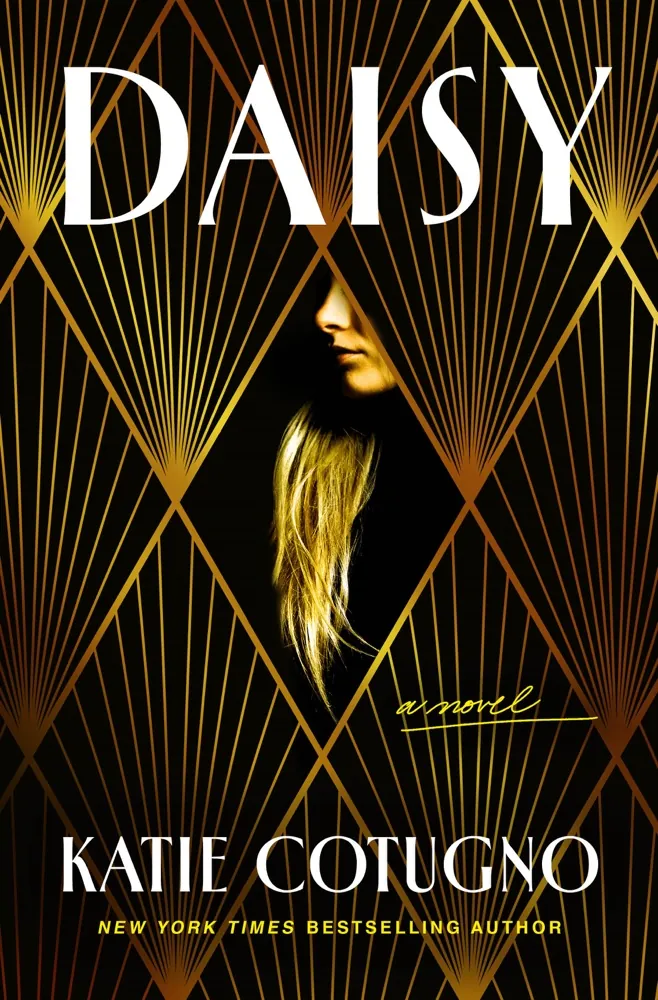
Author: Katie CotugnoPage Count: UnknownPublication Date: Expected publication 2026 APL Look, I watch people beat each other unconscious for a living. I understand the sweet science of trading leather, absorbing punishment, and figuring out who actually has a chin when the championship rounds start. So when I look at a synopsis for a psychological thriller, I am looking for one thing: a fighter who can take a punch and keep walking forward. Does Daisy by Katie Cotugno look like it has a granite jaw? Or is it just another glass-jawed hype job? Let us break down the tape. The Tale of the Tape and the Body Blows Cotugno wants us to believe that this modern Long Island socialite—our girl Daisy Buchanan—is dodging psychological body shots two summers after Gatsby caught a bullet. But what is the actual striking game here? The synopsis throws a wild, telegraphed right hook: Jordan Baker turns up dead in the pool. Classic. Yet, as any seasoned cornerman will tell you, you cannot win a fight on a single flash knockdown. The blurb leans heavily on vague paranoia. Is someone watching her? Or is it just the gin? Look, I am no stranger to a heavy night out after a brutal sparring session, but leaning on the "am I hallucinating or is this a conspiracy" trope is the literary equivalent of throwing naked haymakers. It is sloppy footwork. And yet, I respect the stamina. The setup positions Daisy as a counter-puncher caught in a clinch she did not ask for. People keep dropping dead around her. That is not just bad luck; that is a terrible defense. If your inner circle has a mortality rate higher than a bare-knuckle fighting circuit, you need to change your camp immediately. The Championship Rounds The thematic angle here—if we can pierce the guard of all those glossy East Egg descriptors—is survival after the bell rings. Cotugno is attempting to drag Fitzgerald's romanticized golden girl out of her plush corner and throw her into a gritty street fight. But will the prose have any actual power behind it, or are we just shadowboxing with ghosts? If you want a gritty, high-stakes psychological beatdown done right, look at how Gillian Flynn or Paula Hawkins operate. They do not just hint at trouble; they put their characters in a chokehold from page one. Cotugno needs to deliver real, bone-crunching suspense here, or this whole enterprise is going to get knocked out in the first round by readers who demand actual narrative gravity instead of just name-dropping iconic literature like a casual fan wearing a vintage boxing tee they bought at a thrift store. My official prediction? The pacing will be propulsive, exactly as promised—fighters love a fast starter—but the real test is whether Daisy has the stamina to go the distance once the police start landing clean counters. Rent in this city just went up another two hundred bucks for a studio that smells faintly of old gym socks, and yet somehow people expect me to give up my lifestyle to work a desk job answering emails about Q3 metrics. Not happening. I would rather take a left hook from heavyweight contender than stare at a spreadsheet all morning. #BookTwitter #LiteraryBoxing #ReadingList Related InsightsThe Butcher of the Forest Book Review and Summary Evermore Book Review and Summary Le Livre Oracle : Plongée dans l'Art Oublié de la Bibliomancie et ses Secrets Murmurés{ "@context": "https://schema.org", "@type": "FAQPage", "mainEntity": [ { "@type": "Question", "name": "What is the main focus of Daisy Book Review and Summary?", "acceptedAnswer": { "@type": "Answer", "text": "Everything you need to know about Daisy with our detailed review." } }, { "@type": "Question", "name": "Who authored the comprehensive guide on Daisy Book Review and Summary?", "acceptedAnswer": { "@type": "Answer", "text": "This detailed article and its insights were carefully researched and authored by Natalia Sokolova." } }, { "@type": "Question", "name": "Where can I find more related content about Books?", "acceptedAnswer": { "@type": "Answer", "text": "You can explore more articles, detailed reviews, and similar insights by browsing the Related Insights section at the bottom of this article or visiting our dedicated Books category page." } } ] }
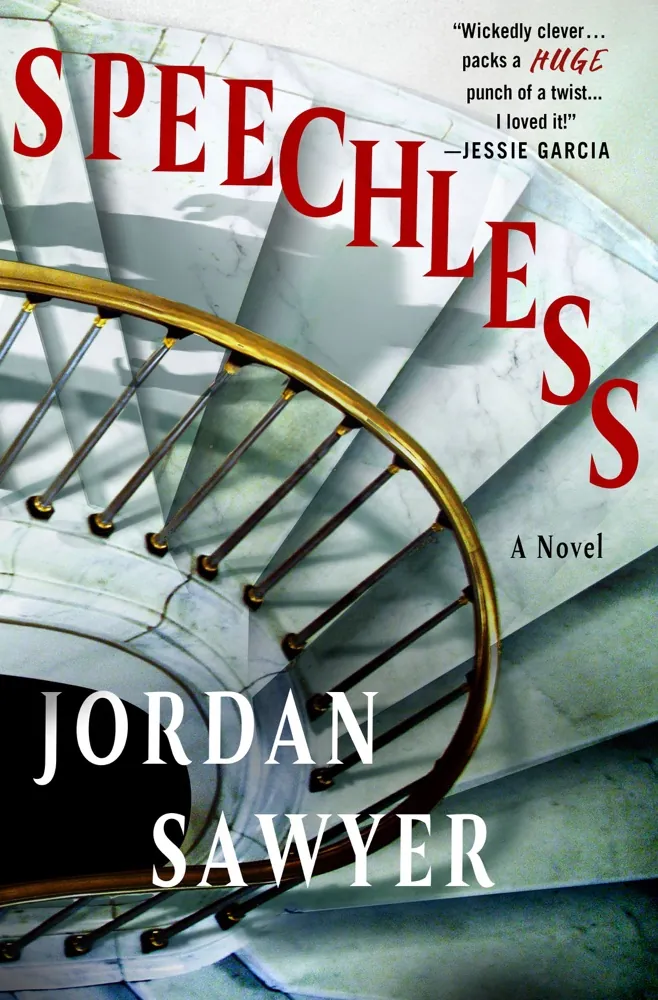
Author: Jordan SawyerPage Count: UnknownPublication Date: Expected publication 2026 APL Gather close, my little doves. Sit upon the old hearth-rug while these weary joints still have a spark of warmth in them. Yes, I spent my mortal decades speaking of gods who turned mortals into stone, of prophecies whispered by blinded oracles, and of silent goddesses who held the thread of destiny. Yet today, my heart softens like fresh wax. Today, my old chest swells with a peculiar, aching sentimentality for a different kind of myth—one born not of Olympus, but of modern ink. The Oracle of the Marble Staircase Look at Speechless by Jordan Sawyer. A mortal man lies trapped in the marble tomb of his own flesh, struck down by a tumble from a grand staircase—a very modern defenestration. And how do we speak to the dead-yet-living? Through a medium. A facilitator named Leah, fleeing her own broken past just like Aeneas fleeing burning Troy. Consider the sheer audacity of this premise. Sawyer builds a labyrinth of the mind, where the monster in the maze is not a minotaur with horns, but a hidden truth encoded through the trembling fingertips of a paralyzed husband. But what truly fascinates an old storyteller obsessed with ancient fates is the silence. The terrible, suffocating weight of what remains unsaid. Weaving communication through a surrogate’s hands—is it divine possession or mortal projection? The Fates Weaving Lies And the family! Oh, the classical tragedy of the domestic facade. They look so pristine from the outside, draped in the robes of suburban perfection. Yet beneath that marble exterior rots the marrow of betrayal. Yet I must grumble at the marketing machine. The synopsis hides its cards too well, keeping the exact mechanics shrouded in the fog of a generic thriller pitch. Will this debut soar like The Silent Patient or crash against the rocks like countless derivative page-turners flooding the market today? My gut—seasoned by centuries of observing human folly—says Sawyer is leaning hard into the Gillian Flynn school of psychological suspense. Paranoia dripping from every keystroke. The Final Prophecy I predict a brisk, bruising narrative that relies entirely on the claustrophobia of its central gimmick. If Sawyer trusts the darkness enough, this could haunt our nightmares well past its 2026 arrival. Now hush. I must go teach your uncle how to throw a baseball before the sun dips below the olive grove. Related InsightsMy Husband's Family Book Review and Summary Yumi and the Nightmare Painter Book Review and Summary The Paradox Club Book Review and Summary{ "@context": "https://schema.org", "@type": "FAQPage", "mainEntity": [ { "@type": "Question", "name": "What is the main focus of Speechless Book Review and Summary?", "acceptedAnswer": { "@type": "Answer", "text": "Everything you need to know about Speechless with our detailed review." } }, { "@type": "Question", "name": "Who authored the comprehensive guide on Speechless Book Review and Summary?", "acceptedAnswer": { "@type": "Answer", "text": "This detailed article and its insights were carefully researched and authored by Antoine Leroy." } }, { "@type": "Question", "name": "Where can I find more related content about Books?", "acceptedAnswer": { "@type": "Answer", "text": "You can explore more articles, detailed reviews, and similar insights by browsing the Related Insights section at the bottom of this article or visiting our dedicated Books category page." } } ] }
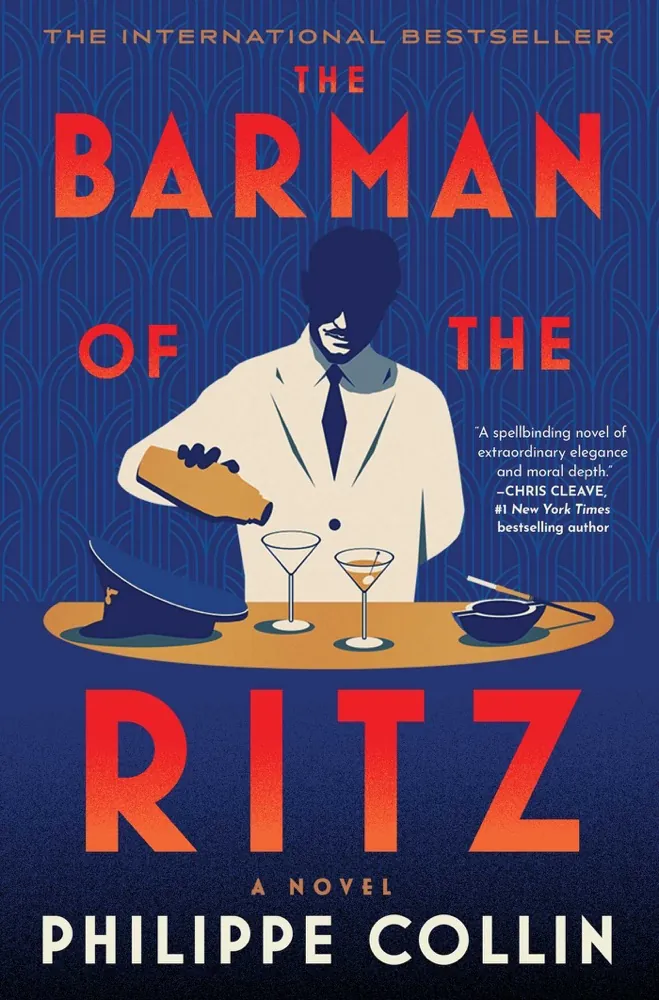
Author: Philippe CollinPage Count: UnknownPublication Date: Expected publication 2026-09-01 APL As a high-society historical purist, I must say, I find the premise of The Barman of the Ritz by Philippe Collin to be nothing short of captivating. An international bestseller, with a true story at its core, set amidst the Nazi occupation of Paris? One can hardly resist the allure of such a narrative. But let us not be hasty, shall we? The Ritz Hotel, that paragon of luxurious excess, becomes an unlikely hub of clandestine activity, as Frank Meier, the celebrated bartender, harbors a secret: he is Jewish. Ah, but that's not the only complexity at play here. The barman's predicament raises the stakes, for in a city under occupation, one's very existence hinges on the choices made behind the bar. Or does it? —Is Collin merely paying lip service to the notion of moral complexity, or does he genuinely grasp the nuances of human psychology in the face of unfathomable adversity? The parallels to the works of Ian McEwan and Kate Atkinson are undeniable, yet Collin's writing style appears to be a more subtle, restrained affair. His characters, though, are where the real intrigue lies, for Frank Meier's precarious position is matched only by his determination to protect those he cares about. But can one truly protect others when one's every move is under scrutiny? And what of the Nazi officers, who, with all their pomp and circumstance, must surely be oblivious to the subterfuge unfolding around them? Tensions rise, stakes escalate, and the narrative teeters on the precipice of something much greater. But what exactly is Collin trying to convey here? A story about heroism, perhaps? About the human spirit's capacity to endure even the most inhumane of circumstances? Or is it merely a shallow tale of intrigue, designed to titillate rather than genuinely provoke? —Collin seems to be walking a tightrope here. In The Barman of the Ritz, we find echoes of another, more recent trend: the resurgence of World War II literature. Novels like Sebastian Faulks' Charlotte Gray and Tatiana de Rosnay's Sarah's Key have reaped critical acclaim for their historical accuracy and literary flair. Can Collin join their ranks? I rather think he does, though I must confess, the synopsis offers little in the way of concrete answers. It's all a bit...vague, isn't it? One cannot fault Collin's ambition, though. He aims to breathe life into a pivotal moment in history, using the Ritz Hotel as a metaphor for the war's impact on everyday lives. He succeeds, to a certain extent, in crafting a narrative that's both historically informed and emotionally resonant. Yet, I must express my disappointment that the synopsis barely scratches the surface. One is left to wonder: what secrets lie beneath the surface of Frank Meier's character? What choices will he make, and how far will the war drive him? Alas, the details remain stubbornly opaque. But I digress. If Collin's The Barman of the Ritz is as magnificent as ELLE and Le Parisien proclaim it to be, it's because of its capacity to capture the very essence of human vulnerability amidst unfathomable cruelty. Or is that merely a tantalizing prospect, rather than an achievable reality? I suppose we shall see. As I conclude this assessment, I am reminded of a rather poignant observation: sometimes, it's not the grand gestures that make history, but the small acts of defiance that leave an indelible mark. Or does that merely sound like a trite phrase? Ah, well. Perhaps I dozed off in the middle of writing this. Anyway. I'm off to grab a cold beer on the porch now. #historyliterature #WWII #newbooks #WWIIhistory #bookcritic Related InsightsSomething Wilder Book Review and Summary Crown of Midnight Book Review and Summary A Memory Called Empire Book Review and Summary{ "@context": "https://schema.org", "@type": "FAQPage", "mainEntity": [ { "@type": "Question", "name": "What is the main focus of The Barman of the Ritz Book Review and Summary?", "acceptedAnswer": { "@type": "Answer", "text": "Everything you need to know about The Barman of the Ritz with our detailed review." } }, { "@type": "Question", "name": "Who authored the comprehensive guide on The Barman of the Ritz Book Review and Summary?", "acceptedAnswer": { "@type": "Answer", "text": "This detailed article and its insights were carefully researched and authored by James Miller." } }, { "@type": "Question", "name": "Where can I find more related content about Books?", "acceptedAnswer": { "@type": "Answer", "text": "You can explore more articles, detailed reviews, and similar insights by browsing the Related Insights section at the bottom of this article or visiting our dedicated Books category page." } } ] }
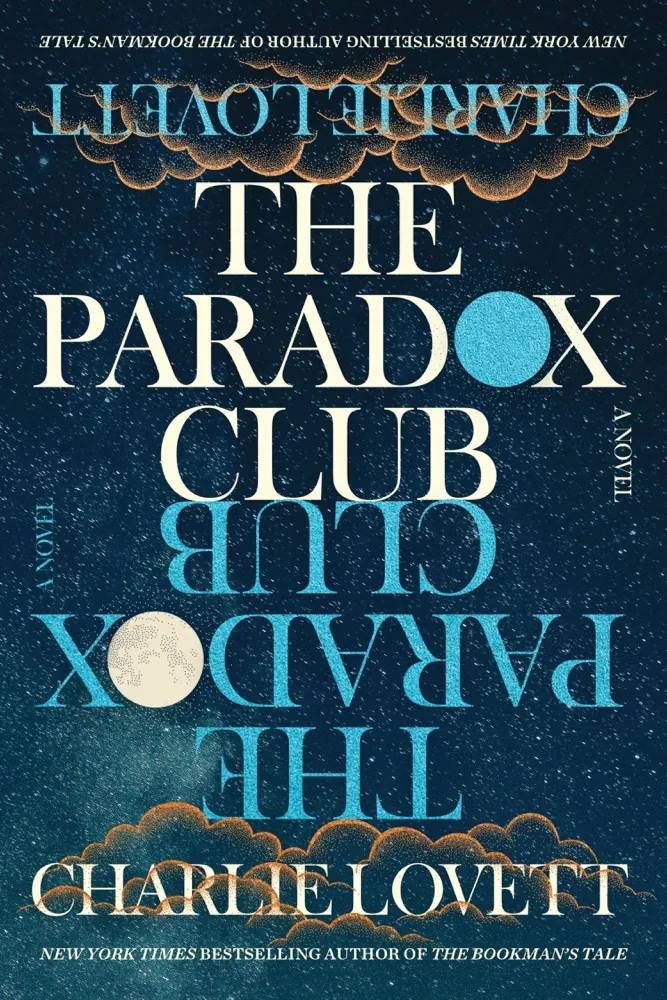
Author: Charlie LovettPage Count: UnknownPublication Date: Expected publication 2026-09-01 APL Ah, gather close, my curious ones—let me spin you a yarn about The Paradox Club, a tale that hums with the same eerie resonance as The Da Vinci Code meets The Secret History of William H. Gass, if Gass had ever been tempted by the neon glow of a Manhattan brownstone instead of a university quad. Here’s the truth: this book isn’t just a mystery—it’s a ritual, one where the clues are carved into the bones of a dead scientist’s legacy, and the stakes aren’t just secrets but the very fabric of how we understand the cosmos. Tess Maxwell, our heroine—or perhaps our reluctant priestess—is a woman who has spent a decade staring at the sky like it holds answers, only to find the universe has been whispering lies through her father’s notes. That’s the first paradox: she’s a seeker, but the knowledge she’s chasing might be the thing that unravels her. And oh, how Lovett understands the weight of a father’s shadow—it’s not just about grief, it’s about the echoes of his work lingering in her veins like a second heartbeat. Think of it as The Goldfinch if the painting had been a half-solved equation instead of a stolen artifact. The father’s death isn’t just a tragedy; it’s the first domino in a game where the rules were written in blood and ink. Now, the Paradox Club—ah, here’s where the story gets its teeth. A secret society isn’t just a plot device; it’s a character, one that breathes with the same cold logic as the Illuminati in Angels & Demons, but with the psychological depth of The Secret Circle by Liane Moriarty, if Moriarty had been obsessed with the idea that truth is a virus. The club operates in the shadows of Manhattan, where the brownstone is just another facade—like the front of a church hiding a morgue, or a library where the books are actually ledgers of sins. The danger isn’t just external; it’s the fracturing of the club itself, a society that’s been holding its secrets together with glue and lies. And Tess? She’s the loose thread. The question isn’t whether she’ll solve the puzzle—it’s whether she’ll survive the club’s own paranoia, which, let’s be honest, is the real monster here. But here’s where the synopsis stumbles—it’s too neat. The "world-altering information" is a phrase so broad it could mean anything: a lost theory, a hidden technology, a revelation about the nature of time itself. Lovett could’ve leaned harder into the specificity of the paradox—is it a scientific paradox? A moral one? A paradox of identity, given Tess’s own fractured relationship with her past? The current wording feels like it’s hedging its bets, as if the author is afraid to commit to the weight of the mystery. Compare this to The Shadow of the Wind by Carlos Ruiz Zafón, where the mystery of the missing author is as precise as a scalpel cut—every clue leads somewhere, and the reader is never left guessing whether the stakes are high enough. Here, the stakes feel like they’re still being measured in pencil. Yet—there’s a delicious ambiguity in the idea of Tess becoming a pawn. That’s not just a trope; that’s a tragedy, the kind that makes you wince and think of The Girl with the Dragon Tattoo, where the heroine’s brilliance is both her weapon and her prison. The rogue member moving to exploit the secrets? That’s the classic villain’s move, but the real tension will come from whether Tess can outmaneuver a system designed to keep outsiders out. And her father’s research—the key to it all? That’s the hook, but also the hazard. If it’s too cryptic, the book risks becoming a puzzle box with no key. If it’s too clear, it loses the mystery. Lovett’s got a tightrope to walk, and the synopsis doesn’t tell us if he’s got the balance. My prediction? This will be a book that feels like a lost manuscript, one where the themes of knowledge and power are so tightly woven into the prose that you’ll forget you’re reading a mystery and just be haunted by the idea that some truths are better left buried. It’ll have the intellectual rigor of The Dispossessed by Ursula K. Le Guin, but with the pulse of a thriller—because at its core, this isn’t just about solving a puzzle. It’s about whether Tess can trust the answers she finds, or if they’ll only shatter her further. Now, if you’ll excuse me, I’ve lost my left AirPod again—probably because I was too busy imagining the Paradox Club’s ledgers, filled with names like "Tess Maxwell" written in red ink. #BookTok #MysteryLovers #SecretSocieties #LiteraryThriller #WhatIfTheUniverseIsALie Related InsightsHear the Dead Book Review and Summary The Invisible Canvas: Unearthing the Secret Art of Fore-Edge Painting in Antique Books First Love Last Love: A Novel Book Review and Summary{ "@context": "https://schema.org", "@type": "FAQPage", "mainEntity": [ { "@type": "Question", "name": "What is the main focus of The Paradox Club Book Review and Summary?", "acceptedAnswer": { "@type": "Answer", "text": "Everything you need to know about The Paradox Club with our detailed review." } }, { "@type": "Question", "name": "Who authored the comprehensive guide on The Paradox Club Book Review and Summary?", "acceptedAnswer": { "@type": "Answer", "text": "This detailed article and its insights were carefully researched and authored by Antoine Leroy." } }, { "@type": "Question", "name": "Where can I find more related content about Books?", "acceptedAnswer": { "@type": "Answer", "text": "You can explore more articles, detailed reviews, and similar insights by browsing the Related Insights section at the bottom of this article or visiting our dedicated Books category page." } } ] }
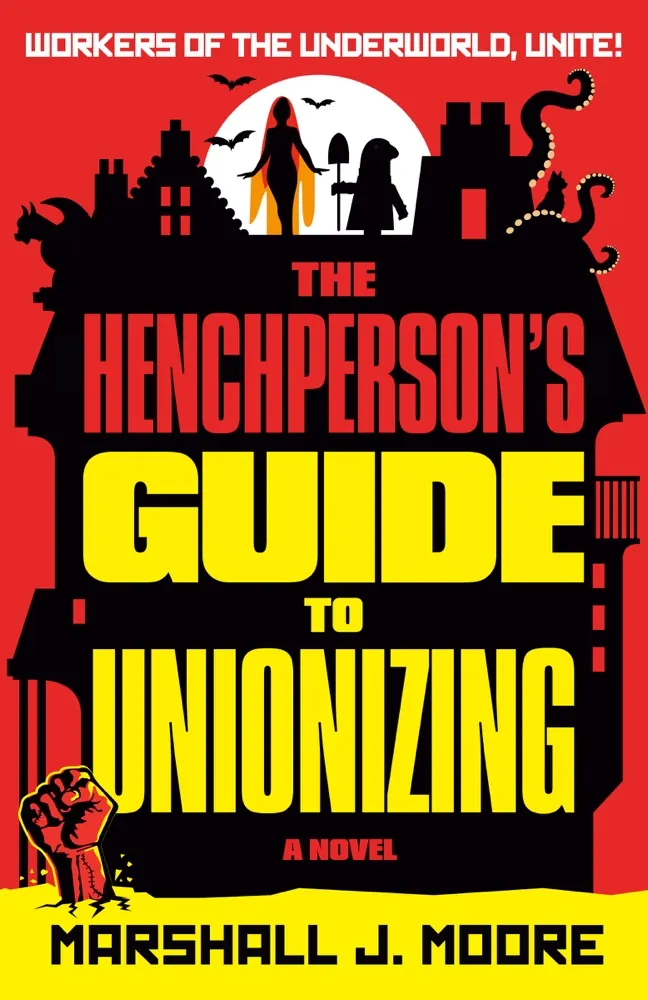
Author: Marshall J. MoorePage Count: UnknownPublication Date: Expected publication 2026-09-22 APL Ah, gather ‘round, my curious kin, while the cicadas shriek their summer hymns outside—let’s talk of The Henchperson’s Guide to Unionizing, a tale that smells of damp graveclothes and the faintest hint of roasted chestnuts over an open fire, like something straight out of a tavern brawl where the ale’s strong and the stories stronger. Marshall J. Moore has spun us a yarn that dances between the grotesque and the tender, a rare beast indeed—something like if The League of Extraordinary Gentlemen had a drunken, half-dead cousin who just wanted to unionize the undead. Now, the synopsis leaves us with more questions than a village elder at a witch’s trial—why are these creatures huddled in Ravenwald Manor like rats in a barn?—but the bones of the story are there, sharp and gleaming. We have Igor, the everyman of the macabre, the kind of fellow who fixes his master’s electrocution problems while secretly stitching corpses together like a mad tailor. And then there’s the Count and his bride, Cornelia—oh, Cornelia—who sounds like she’s been carved from the same stubborn oak as the witch’s familiar, Grimalkin. These three, bound by necessity, begin to see past the chains of their masters, past the pitchforks of the villagers, and into something far more dangerous: each other. The synopsis hints at a quiet revolution, one where the oppressed—whether they’re undead, cursed, or just tired of being ignored—band together. It’s the old story of the underdog, but Moore twists it with a wink. Where other tales might have us rooting for the Count’s grand scheme, here we’re given a choice: do we cheer for the villain’s plan or the henchmen’s rebellion? That’s the kind of tension that makes a story sing, like a lute played just out of tune—deliberately, beautifully. But let’s not pretend this is all fire and fury. There’s warmth here, too, the kind that seeps into your bones like a mug of spiced wine on a winter’s night—though we’re not in winter, are we?—no, it’s the summer warmth of camaraderie, the kind that forms when strangers share a secret. The synopsis doesn’t tell us how Igor, Cornelia, and Grimalkin find their footing, but I’ll wager it’s as messy as a blacksmith’s forge. They’ll stumble. They’ll argue. They’ll probably burn down the manor at least once. And yet, there’s something in their stubbornness that feels true, like the old tales of the folk who refused to bow to kings or gods. Moore’s touch here is light but sure, like the brushstrokes of a painter who knows when to leave a shadow in the dark. It’s the kind of story that makes you laugh one moment and hold your breath the next—You can’t make this stuff up—and yet, somehow, it feels inevitable, like the sun setting over the fields. It’s the kind of book that will sit on the shelf beside The Graveyard Book and The Cruel Prince, but with the edge of something new, something that doesn’t just tell a story but feels like a story you’ve always known, even if you’ve never heard it before. And now, if you’ll excuse me, the sawdust in the garage is calling my name—someone’s been sharpening their knives again, and I’d rather not find out who it is. #SummerReading #GothicWhispers #UnionOfTheUndead Related InsightsFrostbite Book Review and Summary Then She Was Gone Book Review and Summary Never Too Late Book Review and Summary{ "@context": "https://schema.org", "@type": "FAQPage", "mainEntity": [ { "@type": "Question", "name": "What is the main focus of The Henchperson's Guide to Unionizing Book Review and Summary?", "acceptedAnswer": { "@type": "Answer", "text": "Everything you need to know about The Henchperson's Guide to Unionizing with our detailed review." } }, { "@type": "Question", "name": "Who authored the comprehensive guide on The Henchperson's Guide to Unionizing Book Review and Summary?", "acceptedAnswer": { "@type": "Answer", "text": "This detailed article and its insights were carefully researched and authored by Antoine Leroy." } }, { "@type": "Question", "name": "Where can I find more related content about Books?", "acceptedAnswer": { "@type": "Answer", "text": "You can explore more articles, detailed reviews, and similar insights by browsing the Related Insights section at the bottom of this article or visiting our dedicated Books category page." } } ] }
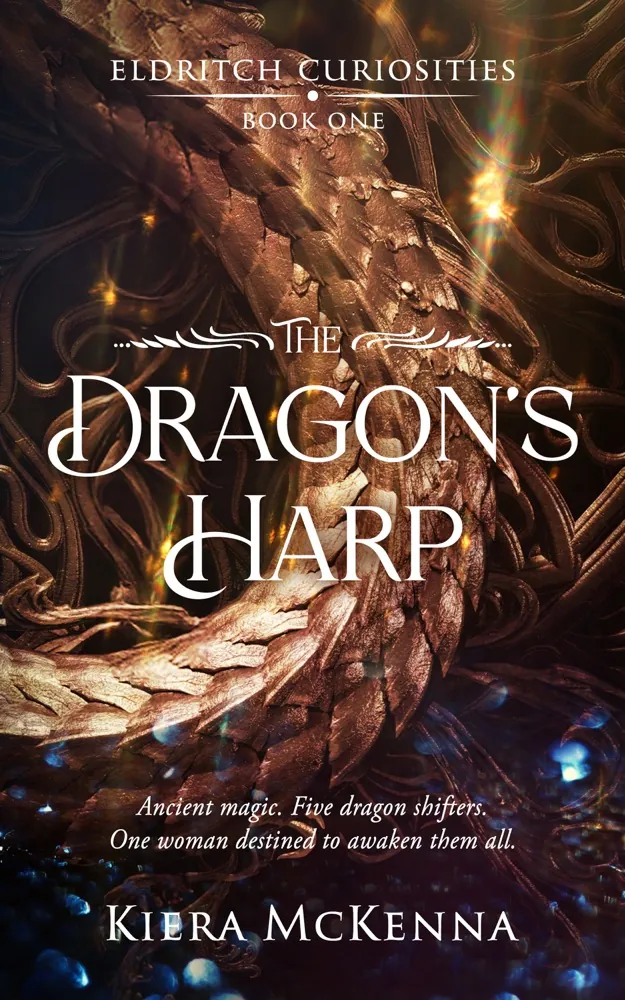
Author: Izzy BarryPage Count: UnknownPublication Date: Expected publication 2026 APL Look, I watch people beat each other unconscious for a living inside a cage. I understand striking angles, defensive posture, and how a fighter reacts when they take a brutal hit to the liver. So forgive me if I roll my eyes when a fantasy synopsis throws five dudes at one protagonist and expects me to buy the physical dynamics. Five-on-one? In a clinch, numbers usually dictate the casualty count, myth or no myth. Yet here we are, looking at Red by Izzy Barry—or is it Kiera McKenna, given the promotional whiplash at the top of the press release? Branding confusion aside, let us talk about the tactical realities of taking on a crew of ancient, winged apex predators on the Isle of Skye. Footwork, Fang, and Five-Against-One Brawls Isobel Rhodes walks into a dusty archive looking for a paycheck and stumbles into a reverse harem fever dream featuring the Sìol Dòmhnaill brothers. And honestly? The logistical nightmare of five guys trying to crowd around one human woman while defending ancient relics stresses me out more than a botched weight cut. How does the cage control work here? Who maintains the perimeter while everyone is busy being "fierce and unyielding"? Barry—or McKenna, whoever is actually steering this hype train—promises sizzling romantic tension and mythic stakes. But give me some dirty striking. Give me actual friction in the grappling exchanges, not just endless lingering over chiseled jaws and draconic heat. If you are going to write combatants who can shift into mythical fire-breathing monsters, they better throw hands with the same kind of explosive violence you see in a championship title fight. Otherwise, the stakes are just soft-focus melodrama disguised as a paranormal turf war. The Problem with Prophesized Punch-Ducking Every combat sports analyst knows that relying purely on destiny gets you knocked out cold in the first round. You need actual technique, grit, and situational awareness. Yet the synopsis leans hard into the oldest trope in the book: the reluctant heroine who has zero interest in mates until she is suddenly forced to choose between her old life and a blazing inferno of supernatural destiny. Groundbreaking. We have seen this exact style of matchmaking in books like A Court of Thorns and Roses or whatever grimdark romantasy Sarah J. Maas cooked up this week. But let us be real. If an ancient harp starts playing and five dragon shifters trap you on a mist-drenched Scottish island, your first instinct should be a double-leg takedown or an improvised weapon, not falling backward into their collective arms. Yet I am still pre-ordering. Why? Because the genre is starved for high-stakes aggression, and if Barry delivers even half the atmospheric punch she’s selling, I will happily consume every single page before the sequel drops. I just need the physical confrontations to hit as hard as the emotional ones. I need to go block three people on Instagram. Related InsightsThe Complete Poems of Emily Dickinson Book Review and Summary Wizard's First Rule Book Review and Summary Take My Word for It: A Memoir Book Review and Summary{ "@context": "https://schema.org", "@type": "FAQPage", "mainEntity": [ { "@type": "Question", "name": "What is the main focus of Red (The Myth That Burns, #1) Book Review and Summary?", "acceptedAnswer": { "@type": "Answer", "text": "Everything you need to know about Red (The Myth That Burns, #1) with our detailed review." } }, { "@type": "Question", "name": "Who authored the comprehensive guide on Red (The Myth That Burns, #1) Book Review and Summary?", "acceptedAnswer": { "@type": "Answer", "text": "This detailed article and its insights were carefully researched and authored by Natalia Sokolova." } }, { "@type": "Question", "name": "Where can I find more related content about Books?", "acceptedAnswer": { "@type": "Answer", "text": "You can explore more articles, detailed reviews, and similar insights by browsing the Related Insights section at the bottom of this article or visiting our dedicated Books category page." } } ] }
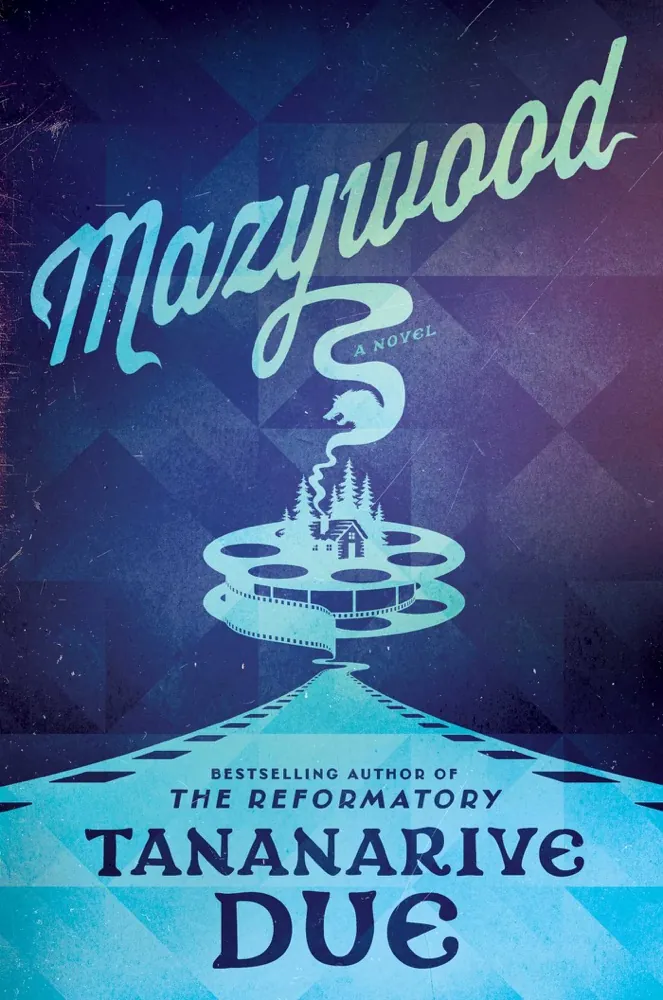
Author: Tananarive DuePage Count: UnknownPublication Date: Expected publication 2026-09-22 APL Another morning staring at a blank screen while my morning chamomile grows tepid on the mahogany desk. My publisher demands prose; my aristocratic lineage demands distinction. And yet, this wretched writer's block remains more stubborn than a Vanderbilt clinging to old railroad stock. But salvation perhaps arrives in the mail, disguised as publisher galley sheets for Tananarive Due’s upcoming Mazywood. Let us inspect the pedigree. A Pedigree of Privilege and Peril The synopsis attempts to brandish comparisons to S.A. Cosby and Percival Everett—truly, publishers never tire of reaching for the shelf—yet my eyes naturally gravitate toward the lineage. We are tracking bloodlines here. Johnny, a filmmaker of descent, retreating to a California mountain lodge left by his grandmother, Mazelle Washington—a Black actress whose career spanned Hollywood’s golden cage from the twenties to the forties. Old Hollywood. How I adore a proper period of inherited glamour and hidden rot. Mazelle brushed shoulders with Gable and Horne, yes, but she carried a subterranean secret. A dark wish from childhood. One must ask: does the synopsis rely too heavily on the supernatural crutch of a "dark wish" rather than the delicious, mundane cruelty of studio-era exploitation? One hopes Due leans into the latter. Monsters lurking in the woods are terribly pedestrian. Monsters manufactured by the studio system and preserved in mountain air? Now that warrants turning a page. The Burden of Inheritance We aristocrats understand the crushing weight of what preceding generations left rotting in the cellar. Johnny brings his family to Mazywood—a splendidly haughty name for a cabin—only to discover fifty years of accumulated familial sins. Yet the synopsis remains infuriatingly vague. Fifty years after her death, he confronts the truth. But what truth? Vague marketing copy always protects the twist. And yet, Due’s previous work commands respect. If The Reformatory proved anything, it is that she understands historical ghosts quite intimately. One suspects the book will explore the transactional nature of fame and how generational rage curdles into heirloom venom. Or perhaps it is simply an excuse to spend three hundred pages chronicling California real estate horror. Either way, it offers a welcome distraction from my own editorial paralysis. Now, if you will excuse me, I must brave the absolute catastrophe of traffic crawling out toward the Hamptons—merely because some dreadful hedge fund manager decided a Friday departure was appropriate for polite society. #TananariveDue #Mazywood #LiteraryThriller #OldHollywood Related InsightsThe Poppy War Book Review and Summary The Dark Vault Book Review and Summary The Bound Guardians of Knowledge: Unlocking the Enduring Legacy of Chained Libraries{ "@context": "https://schema.org", "@type": "FAQPage", "mainEntity": [ { "@type": "Question", "name": "What is the main focus of Mazywood Book Review and Summary?", "acceptedAnswer": { "@type": "Answer", "text": "Everything you need to know about Mazywood with our detailed review." } }, { "@type": "Question", "name": "Who authored the comprehensive guide on Mazywood Book Review and Summary?", "acceptedAnswer": { "@type": "Answer", "text": "This detailed article and its insights were carefully researched and authored by James Miller." } }, { "@type": "Question", "name": "Where can I find more related content about Books?", "acceptedAnswer": { "@type": "Answer", "text": "You can explore more articles, detailed reviews, and similar insights by browsing the Related Insights section at the bottom of this article or visiting our dedicated Books category page." } } ] }
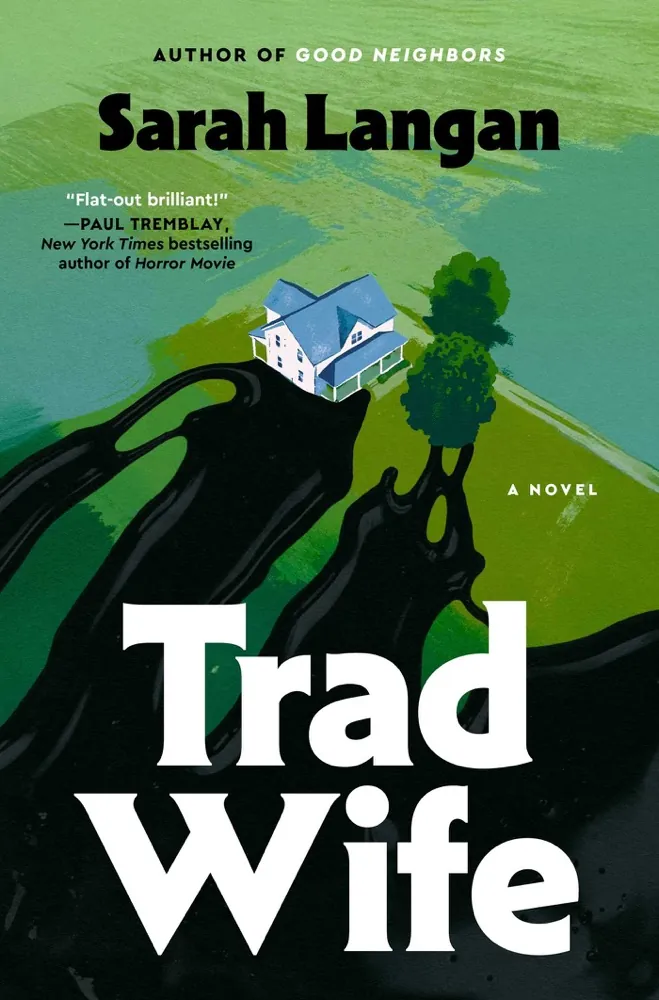
Author: Sarah LanganPage Count: UnknownPublication Date: Expected publication 2026-09-29 APL The air in August is thick with the scent of damp earth and overripe peaches—perfect for the kind of suffocating dread that clings to a story like Trad Wife, where the very soil seems to whisper secrets. Sarah Langan’s upcoming novel, billed as a razor-sharp dissection of performative domesticity, arrives with the weight of a gilded cage. The synopsis teases a journalist, Jenny Kaplan, descending into the pastoral nightmare of Black Swan Farm, where Mia Wright’s "trad wife" persona is less a lifestyle and more a carefully curated abyss. But here’s the rub: the prose doesn’t just describe the horror—it performs it, mirroring the very illusion it critiques. The synopsis leans heavily on the gothic tradition of the "perfect house that hides something worse"—think Shirley Jackson’s The Haunting of Hill House, but with the added layer of modern femininity as both armor and cage. Mia Wright’s farm isn’t just a setting; it’s a character in itself, a sprawling, sun-bleached monolith where the children’s laughter curdles into nursery rhymes and the camera never lies—except it does, doesn’t it? The tension between the seen and the unseen is the novel’s true villain, a theme Langan shares with the likes of Carmen Maria Machado, whose In the Dream House exposed the fractures beneath queer domesticity. But where Machado’s work is introspective, Trad Wife promises to be a scalpel, dissecting the performative nature of womanhood with the same clinical precision as a Victorian-era dissection manual. Yet—yet—the synopsis is frustratingly vague. We’re told Jenny loses time, her hair, her grip on reality, but we’re not given the texture of that unraveling. Is it psychological? Supernatural? A slow-burn descent into madness, or something far more sinister? The lack of specificity feels deliberate, a nod to the unreliable narrator trope that’s been mined ad nauseam, but also a missed opportunity. Compare this to Mexican Gothic, where Shirley Jackson’s influence is palpable in the way the decay isn’t just physical—it’s cultural, a rot that festers beneath the surface of polite society. Trad Wife risks becoming just another cautionary tale about the dangers of social media, unless it leans harder into the gothic’s love of ambiguity. And then there’s the class angle—oh, the class angle. The "trad wife" aesthetic isn’t just a lifestyle; it’s a performance of privilege, a way for women to signal their compliance with patriarchal structures while still wielding a certain power. The synopsis hints at this, but it doesn’t explore whether Jenny’s own career desperation makes her complicit in the very illusion she’s meant to expose. Is she the outsider, or just another predator in a landscape of curated lies? The tension between Jenny and Mia feels like it could be the novel’s emotional core, but the synopsis doesn’t give us enough to chew on. My prediction? Trad Wife will be a masterclass in atmospheric dread, but only if Langan resists the urge to explain everything. The best gothic horror—The Turn of the Screw, We Have Always Lived in the Castle—lets the reader fill in the blanks. If this stays true to its synopsis, it’ll be a chilling, if slightly undercooked, critique of modern femininity. But if Langan dares to be bold, it could be something far more unsettling—a novel that doesn’t just ask what’s real, but who gets to decide? Now, if you’ll excuse me, I have to go defend my favorite director on Film Twitter. #GothicHorror #TradWife #SarahLangan
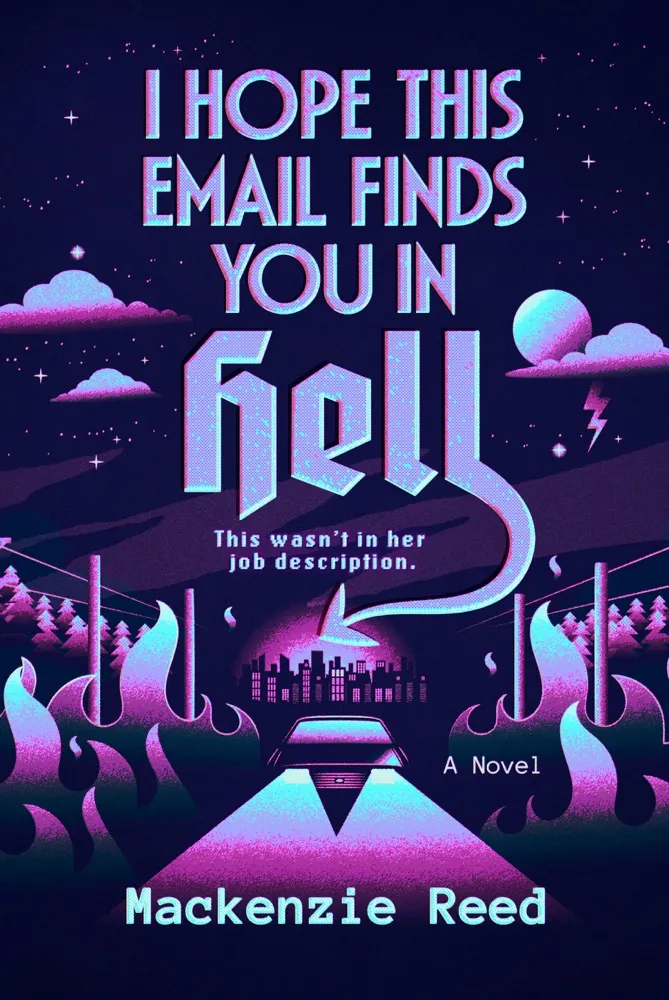
Author: Mackenzie ReedPage Count: UnknownPublication Date: Expected publication 2026-09-01 APL The synopsis for I Hope This Email Finds You in Hell reads like a corporate horror movie where the real monster isn’t the demon—it’s the soul-crushing tedium of a life insurance office. Brie Benson, our protagonist, is the kind of woman who’s spent so long pretending to care about spreadsheets that she’d rather watch a demonic exorcism than admit she’s emotionally dead. And yet—and yet—she stumbles into this mess anyway, like a boxer who finally throws a punch after years of taking hits. The premise is a masterclass in anti-romance horror, the kind where the love interest isn’t a knight in shining armor but a demon hunter with a very specific skill set—exorcisms, bureaucracy, and a side of brooding. Luke isn’t some rugged hero; he’s the guy who probably files his taxes in Latin and treats hell like a bad customer service call. The dynamic between Brie and Luke feels like the early stages of a Fight Club romance, where the only thing more explosive than their growing feelings is the idea that hell itself might be their undoing. But here’s the kicker: the real tension isn’t just the supernatural stakes—it’s the corporate hell they’re walking into. Times Square as a portal? That’s not just a setting; it’s a metaphor for how Brie’s entire life has been a grind, a loop of meaningless tasks until she finally snaps. The synopsis leans hard into the workplace horror trope, but with a twist—what if the monsters aren’t just lurking in the break room but are the break room? The idea of a demonic underworld with bureaucratic nightmares is either genius or a sign that Mackenzie Reed has been stuck in a meeting with the devil himself. It’s the kind of premise that makes you wonder if this is going to be a True Detective meets Office Space nightmare, where the real horror isn’t the exorcism but the fact that Brie’s entire life was just a slow descent into hell in a cubicle. Thematically, this book is a survival story disguised as a supernatural thriller. Brie’s compartmentalization isn’t just a coping mechanism—it’s her armor, and the moment she sees Luke’s exorcism, that armor shatters. The question isn’t whether she can handle the supernatural; it’s whether she can handle the fact that she’s been alive this whole time and didn’t even realize it. And Luke? He’s the kind of character who makes you root for him even when he’s being a jerk—because deep down, he’s just as lost as Brie, just with a much better excuse. The vagueness here is deliberate, and that’s where the real potential lies. The synopsis doesn’t spell out the rules of hell’s bureaucracy, but that’s the beauty of it—it’s unsettling because we’re left to imagine what kind of hell would make a demon hunter sigh and say, “Yeah, I’ve dealt with worse in HR.” It’s the kind of ambiguity that makes you think of Annihilation meets The Office, where the horror isn’t just external but systemic—and Brie’s entire life was just one long, soul-crushing meeting. I’d bet my fight gear this book is going to be a slow-burn disaster, the kind where the real horror isn’t the demon but the fact that Brie’s entire world was built on lies—about her job, about her life, about the fact that she ever thought she’d be happy in a cubicle. And Luke? He’s the kind of character who’ll either save her or break her, depending on whether he’s the hero or just another layer of hell. But here’s the thing—this isn’t just a horror story. It’s a breakup story, a career story, a self-discovery story, all wrapped up in a package that smells like stale coffee and bad decisions. And if Mackenzie Reed pulls this off, it’ll be the kind of book that makes you question everything you thought you knew about hell—and why you ever thought a life insurance job was a good idea in the first place. Now if you’ll excuse me, I just spilled coffee all over my desk. Again. Related InsightsJust in Time Book Review and Summary Whispers on Carbon Paper: The Subversive Art of Samizdat Literature in the Shadow of the Iron Curtain The Singularity Is Nearer Book Review and Summary{ "@context": "https://schema.org", "@type": "FAQPage", "mainEntity": [ { "@type": "Question", "name": "What is the main focus of I Hope This Email Finds You in Hell Book Review and Summary?", "acceptedAnswer": { "@type": "Answer", "text": "Everything you need to know about I Hope This Email Finds You in Hell with our detailed review." } }, { "@type": "Question", "name": "Who authored the comprehensive guide on I Hope This Email Finds You in Hell Book Review and Summary?", "acceptedAnswer": { "@type": "Answer", "text": "This detailed article and its insights were carefully researched and authored by Natalia Sokolova." } }, { "@type": "Question", "name": "Where can I find more related content about Books?", "acceptedAnswer": { "@type": "Answer", "text": "You can explore more articles, detailed reviews, and similar insights by browsing the Related Insights section at the bottom of this article or visiting our dedicated Books category page." } } ] }
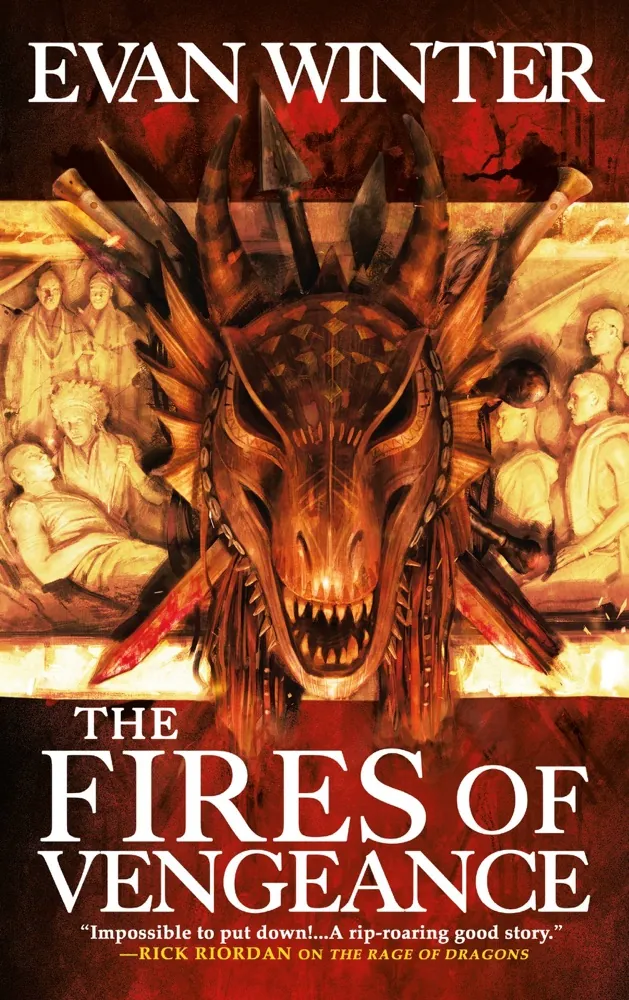
Author: Evan WinterPage Count: UnknownPublication Date: Expected publication 2026 APL Sweat is currently pouring down the back of my neck at a criminal rate while I flip burgers over a flat top screaming at five hundred degrees in the dead of August. And yet, I am expected to care about tactical positioning in a fantasy capital. Let me tell you right now about The Lord of Demons. Evan Winter is dropping the third installment of The Burning series, and I am already squinting at the logistics. Because if an ousted monarch and her primary muscle are trying to stall a siege while simultaneously orchestrating an insurrection from the outside, I demand realistic force multiplication. You cannot just chant a dangerous plan into existence when you are severely outnumbered. Have these authors ever watched a single round of high-level MMA? Strategy without depth is just cardio. Yet the synopsis remains infuriatingly vague on the actual tactical execution. They are crafting a dangerous plan. Brilliant. What kind of plan? Are we talking about a grinding war of attrition or a blitzkrieg straight down the middle? Give me some grit. Give me the tactical breakdown. Instead, we get standard marketing speak about reclaiming a throne and uniting a fractured populace. Tactical Analysis of a Coup Tsiora and Tau are supposedly plotting against an impostor sister sitting pretty in the capital of the Omehi. And they need to survive an onslaught from the indigenous Xidda people first. Fascinating in theory. But logistically speaking, how do you fight a two-front war when your own army is still gathering supplies? You do not. You get crushed like a bad amateur on the preliminary cards who forgot how to keep their hands up. Winter better show me some actual bruising combat mechanics here, or I am walking out of the arena. If you liked the relentless pacing of Red Rising by Pierce Brown or the sheer martial brutality in The Blade Itself by Joe Abercrombie, you understand what proper kinetic writing looks like. Winter delivered on that front with The Rage of Dragons and The Fires of Vengeance. But The Lord of Demons is walking a tightrope. Can he maintain the sheer velocity of hand-to-hand combat without losing the plot? Doubtful, considering how often high fantasy devolves into endless political monologues just when the fighters should be throwing leather. And look, I have sweat dripping into my eyes while running this kitchen double shift on a brutal summer afternoon. My patience for vague plot synopses is precisely zero. If you are going to title a book after a demon lord, I want to see actual chaos on the page, not polite royal disagreements. Are we getting brutal, bone-crushing action, or just more endless preparation for a battle that keeps getting pushed to the next chapter? Time will tell. But if Tau drops his guard in this one, I am blaming the editor. #TheLordOfDemons #EvanWinter #EpicFantasy #BookTwitter Related InsightsFalling for Peachtree Bluff (Peachtree Bluff #5) Book Review and Summary Heartbreaker Book Review and Summary Trump: The Art of the Deal Book Review and Summary{ "@context": "https://schema.org", "@type": "FAQPage", "mainEntity": [ { "@type": "Question", "name": "What is the main focus of The Lord of Demons (The Burning, #3) Book Review and Summary?", "acceptedAnswer": { "@type": "Answer", "text": "Everything you need to know about The Lord of Demons (The Burning, #3) with our detailed review." } }, { "@type": "Question", "name": "Who authored the comprehensive guide on The Lord of Demons (The Burning, #3) Book Review and Summary?", "acceptedAnswer": { "@type": "Answer", "text": "This detailed article and its insights were carefully researched and authored by Natalia Sokolova." } }, { "@type": "Question", "name": "Where can I find more related content about Books?", "acceptedAnswer": { "@type": "Answer", "text": "You can explore more articles, detailed reviews, and similar insights by browsing the Related Insights section at the bottom of this article or visiting our dedicated Books category page." } } ] }
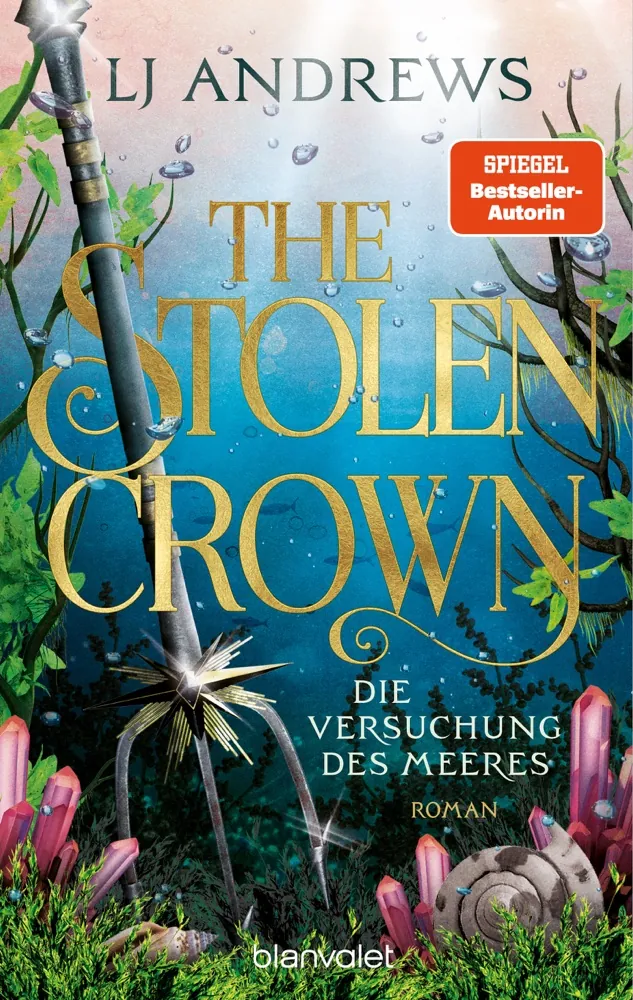
Author: L.J. AndrewsPage Count: UnknownPublication Date: Expected publication 2026 APL Sweat is dripping down my nose, pooling in the dirt right beside my prize Early Girl tomato plants. August in the garden is a relentless, humid endurance test. Yet my mind is entirely somewhere else—fixated on the ancient, stubborn tropes of Fae folklore. I am muttering to myself, glaring at a rogue weed, because the synopsis for L.J. Andrews’s upcoming The Stolen Crown just riled me up. Why must every ancient myth of powerful immortals inevitably boil down to two stubborn fools getting shipwrecked together? Consider the setup. Earth-fae princess Mira has the entire world at her feet. But does she care about political power or ancient bloodlines? Hardly. She fixes her gaze entirely on Tait—the miserable, brooding cousin of the Ever-King who apparently radiates pure hostility. A classic grumpy-versus-sunshine dynamic. Groundbreaking stuff. Or perhaps, utterly predictable. Fascinating in theory. Tiresome in execution. We have seen this exact mythological dance before. It is the literary equivalent of throwing two mutually allergic cats into a burlap sack and waiting for sparks. Think of the sweeping romantic tension in Sarah J. Maas or the sharp-edged banter of Jennifer L. Armentrout. Yet Andrews relies heavily on the age-old shipwreck trope to force proximity. Marooned on an island. Just the two of them. How original. One can practically predict the exact chapter where they are forced to share a single blanket while complaining about the dampness. And yet, I find myself oddly invested while shoving compost around my tomato roots. Why? Because folklore thrives on isolation. Ancient deities and mythical beings always discover their true vulnerabilities only when stripped of their kingdoms, their courts, and their titles. Mira has to pierce that thorny exterior of his. A dangerous gamble. Time will tell if Andrews actually gives these characters genuine emotional grit or simply relies on a lazy 2-out-of-5 spice rating to carry the momentum. Let us not ignore the looming threat mentioned at the tail end of the blurb. A mysterious new danger threatens the fragile peace between their lands. Naturally. Because a simple enemies-to-lovers island excursion is never enough without a geopolitical crisis interrupting their brooding. It is a standard formula for this genre. Slow burn. Found family. Grumpy men learning to smile because a cheerful princess refuses to be ignored. I suspect this fourth installment in The Ever Seas series will lean heavily into comfort-read territory. Fans of romantic fantasy will devour it on release day next year without blinking an eye. Me? I will likely be sitting right here, covered in garden dirt, wondering why authors insist on stranding royal heirs on deserted islands when they could be plotting actual mythological revolutions. Will readers ever demand more than manufactured proximity and forced island bed-sharing? Related InsightsBlack Beauty Book Review and Summary The Gods Will Sing Our Song Book Review and Summary Amongst Our Weapons Book Review and Summary{ "@context": "https://schema.org", "@type": "FAQPage", "mainEntity": [ { "@type": "Question", "name": "What is the main focus of The Stolen Crown (The Ever Seas, #4) Book Review and Summary?", "acceptedAnswer": { "@type": "Answer", "text": "Everything you need to know about The Stolen Crown (The Ever Seas, #4) with our detailed review." } }, { "@type": "Question", "name": "Who authored the comprehensive guide on The Stolen Crown (The Ever Seas, #4) Book Review and Summary?", "acceptedAnswer": { "@type": "Answer", "text": "This detailed article and its insights were carefully researched and authored by Antoine Leroy." } }, { "@type": "Question", "name": "Where can I find more related content about Books?", "acceptedAnswer": { "@type": "Answer", "text": "You can explore more articles, detailed reviews, and similar insights by browsing the Related Insights section at the bottom of this article or visiting our dedicated Books category page." } } ] }
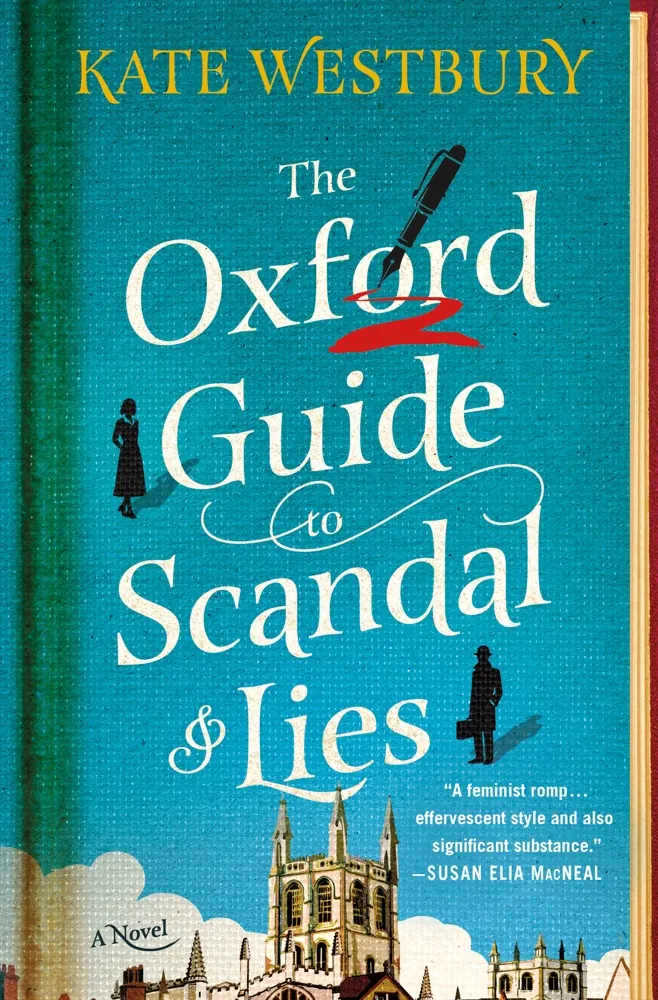
Author: Kate WestburyPage Count: UnknownPublication Date: Expected publication 2026-09-01 APL Ah, the sun bleeds gold over the tomato plants—still too hot for the earth to drink it in, but the air hums with that lazy, sticky promise of August, when even the sparrows seem to nap in the branches. And here we are, then, with The Oxford Guide to Scandal and Lies, a book that smells of old leather bindings and the faint, acrid tang of wartime secrets still clinging to the pages like cobwebs. Gin and Sidney—what a pair. One a debutante with a sharp tongue and a penchant for red lipstick, the other a man who carries his ghosts in his pockets like so many half-burned letters. MI5, of course, thinks they’ll make a fine team. Hardly. They’ll make a fine disaster—the kind that leaves the university’s quadrangles littered with torn love letters and half-solved puzzles, all while the real traitor watches from the shadows, sipping Earl Grey with a smirk. The synopsis is delightfully vague, isn’t it? It teases the romance like a cat with a ball of yarn—oh, there’s something between them, but will it derail the mission or become the mission? And the mystery—ah, the mystery! A Soviet spy at Oxford in 1951. Fascinating in theory. But where’s the meat? The synopsis doesn’t even bother to name the spy, doesn’t tell us if it’s a professor with a double life or a student who’s been slipping notes into the wrong hands. It’s all very John le Carré meets Jane Austen—the tension of espionage wrapped in the ballgowns and tea parties of the upper crust. But where’s the bite? The real tension isn’t just in the plot; it’s in the clash of these two characters. Gin, all fire and ambition, Sidney, all ice and regret. They’re like a pair of old rivals in a Greek tragedy—except instead of swords, they’ve got poison and misplaced trust. And the romance—oh, the romance! It’s the kind that makes you want to sigh dramatically, like a character in a Brideshead Revisited sequel. But here’s the thing: in books like this, the romance often is the scandal. The real question isn’t whether they’ll fall in love—it’s whether they’ll survive the fall. Because love in the shadow of secrets is a dangerous gamble. Think of The Spy Who Came in from the Cold, but with more lipstick and fewer existential crises. Or The Double Agent, but with the added layer of class warfare—Gin’s mother’s footsteps, Sidney’s mining village past. It’s all there, but the synopsis doesn’t tell us if they’ll ever actually bridge that divide, or if it’ll just be another layer of tension, like the dust on a forgotten book. The setting—Oxford in 1951—is rich with potential. The university is a labyrinth of secrets, where the most dangerous lies aren’t always the ones spoken aloud. But the synopsis doesn’t even hint at the texture of the place. Is it the bustling energy of the Bodleian, or the quiet corners of the colleges where spies lurk? Is it the summer heat pressing down on the students, or the autumn leaves whispering warnings? The vagueness is maddening—it’s like being handed a map with only the major cities marked. Where’s the detail? Where’s the feel of the place? And the war—oh, the war! It’s there, lurking in the background like a bad dream. Sidney’s nightmares, Gin’s determination to prove herself. It’s the unspoken weight of the decade, the thing that shaped everyone in the room. But the synopsis doesn’t tell us how it really affects them. Does Gin’s ambition come from a desire to outrun her past, or is it something deeper? Does Sidney’s brooding come from guilt, or is it just the way he’s learned to survive? The answers are buried under layers of assumption, and that’s where the real story lies. I’ll wager this book will be exactly what readers want—romance, mystery, a dash of academia, and all wrapped up in a neat little package. It’s the kind of story that makes you want to curl up with a cup of tea and a candle, even though the world outside is still too bright, too hot. But here’s the thing: the best stories aren’t just about what happens. They’re about the space between the words, the unspoken things that make you lean in closer. And this synopsis? It’s all promise, no substance. Time will tell if it delivers. #classicspyfiction #oxfordundergrads #1950sromance #mi5mystery #whatsinthepages Related Insights301 More Ways to Have Fun At Work Book Review and Summary Pretty Girls Book Review and Summary The Poison Palace Book Review and Summary{ "@context": "https://schema.org", "@type": "FAQPage", "mainEntity": [ { "@type": "Question", "name": "What is the main focus of The Oxford Guide to Scandal and Lies Book Review and Summary?", "acceptedAnswer": { "@type": "Answer", "text": "Everything you need to know about The Oxford Guide to Scandal and Lies with our detailed review." } }, { "@type": "Question", "name": "Who authored the comprehensive guide on The Oxford Guide to Scandal and Lies Book Review and Summary?", "acceptedAnswer": { "@type": "Answer", "text": "This detailed article and its insights were carefully researched and authored by Antoine Leroy." } }, { "@type": "Question", "name": "Where can I find more related content about Books?", "acceptedAnswer": { "@type": "Answer", "text": "You can explore more articles, detailed reviews, and similar insights by browsing the Related Insights section at the bottom of this article or visiting our dedicated Books category page." } } ] }
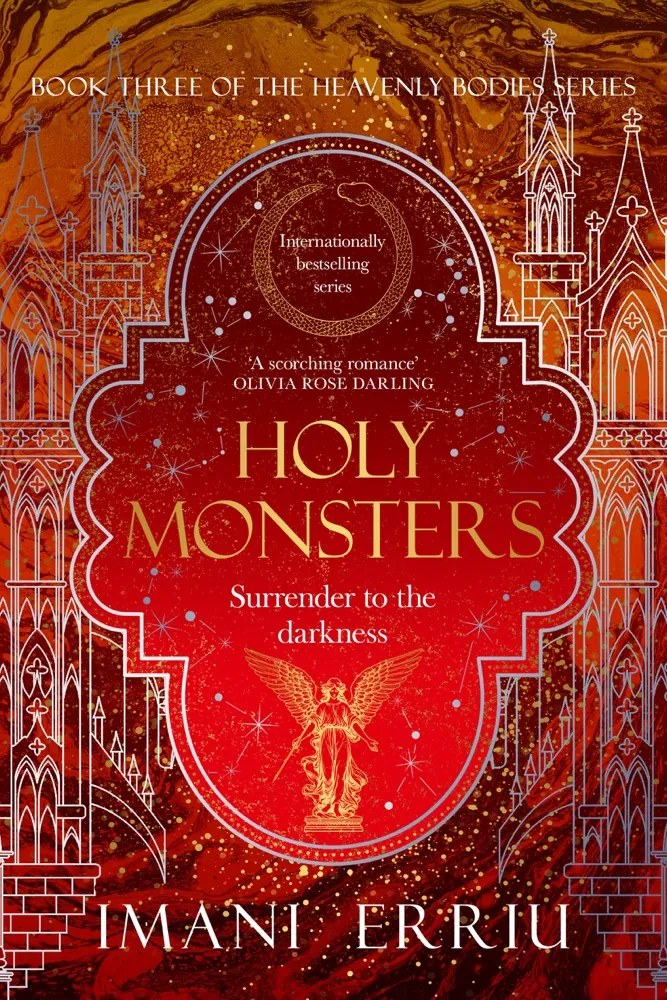
Holy Monsters (Heavenly Bodies, #3) Author: Imani ErriuPage Count: UnknownPublication Date: Expected publication 2026 APL Exclusive Preview: Holy Monsters (Heavenly Bodies, #3) by Imani Erriu The wait is almost over for fans of Imani Erriu's viral Heavenly Bodies series. The highly anticipated third installment, Holy Monsters, is expected to hit shelves in 2026, and the excitement is palpable. If you loved the first two books in the series, get ready for another epic ride filled with action, romance, and heart-stopping drama. A Glimpse into the World of Holy Monsters In this explosive third book, Elara and Lorenzo find themselves in a precarious situation. The Dark has returned, and she's hungrier than ever for hearts. With whispers of war echoing across the realms, Elara must make a difficult decision: join forces with her greatest enemy, the ruthless King of Stars, to stop the Dark from destroying the world. The unlikely alliance takes Elara and Lorenzo to the brutal ice kingdom of Perses, where violence is honor and mercy is weakness. As they navigate this treacherous landscape, they must confront their own desires and the growing danger that threatens to consume them both. With Elara's immortal magic growing stronger, the line between salvation and ruin begins to blur. A Desperate Alliance and a Forbidden Love As Elara and Lorenzo work together to stop the Dark, they must also contend with the forbidden desire that burns between them. Will their love become the price of salvation, or will it be the key to saving the world? With the fate of the realms hanging in the balance, Elara must decide how far she's willing to go to save the people she loves. Imani Erriu's Masterful Storytelling Imani Erriu has proven herself to be a masterful storyteller with the first two books in the Heavenly Bodies series. Her unique blend of action, romance, and fantasy has captivated readers worldwide, and Holy Monsters promises to be just as thrilling. With its intricate world-building, complex characters, and heart-pumping plot twists, this book is sure to leave readers on the edge of their seats. Get Ready for the Next Installment If you're a fan of the Heavenly Bodies series, you won't want to miss Holy Monsters. With its explosive plot, forbidden love, and heart-stopping drama, this book is sure to be a wild ride. Mark your calendars for the expected release in 2026, and get ready to dive back into the world of Elara and Lorenzo. #FantasyBookLovers #HeavenlyBodiesSeries #ImaniErriu #NewRelease #BookLovers #ParanormalRomance Related InsightsWitches of Questionable Intent (Books of Dubious Origin, #2) Book Review and Summary Alice Oseman Collection 6 Books Set Book Review and Summary Home Before Dark Book Review and Summary{ "@context": "https://schema.org", "@type": "FAQPage", "mainEntity": [ { "@type": "Question", "name": "What is the main focus of Holy Monsters (Heavenly Bodies, #3) Book Review and Summary?", "acceptedAnswer": { "@type": "Answer", "text": "Everything you need to know about Holy Monsters (Heavenly Bodies, #3) with our detailed review." } }, { "@type": "Question", "name": "Who authored the comprehensive guide on Holy Monsters (Heavenly Bodies, #3) Book Review and Summary?", "acceptedAnswer": { "@type": "Answer", "text": "This detailed article and its insights were carefully researched and authored by James Miller." } }, { "@type": "Question", "name": "Where can I find more related content about Books?", "acceptedAnswer": { "@type": "Answer", "text": "You can explore more articles, detailed reviews, and similar insights by browsing the Related Insights section at the bottom of this article or visiting our dedicated Books category page." } } ] }
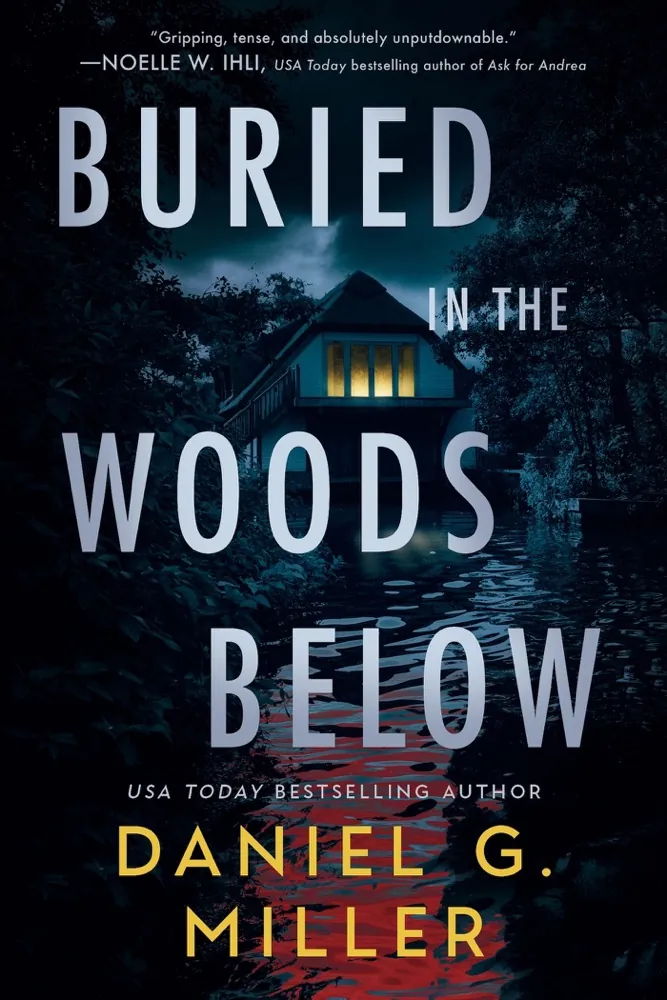
Buried in the Woods Below Author: Daniel G. MillerPage Count: UnknownPublication Date: Expected publication 2026-09-01 APL Exclusive: What to Expect from Daniel G. Miller's Gripping Psychological Thriller, Buried in the Woods Below Daniel G. Miller is ready to make a lasting impression on the literary world with his highly anticipated debut, Buried in the Woods Below, set to hit stores on September 1st, 2026. Fans of psychological suspense and crime thriller novels, particularly those who enjoy the works of Freida McFadden, Riley Sager, and Alice Feeney, should prepare themselves for a dark and twisted ride. From the spine-tingling original synopsis, it is clear that Miller has woven a complex narrative that delves deep into the human psyche. We are introduced to Charlotte Hoffman, a woman whose picture-perfect career implodes overnight, forcing her to return to the isolated Big Island, Minnesota, where her life first fell apart eighteen years ago. Her childhood best friend, Olivia Parker, welcomes Charlotte into their lakeside home, surrounded by the eerie and foreboding atmosphere of a decaying amusement park. It is here that Miller's masterful storytelling takes center stage, building an ominous atmosphere of dread and unease. Notes appear on doors, threatening to expose a dark and sinister presence lurking in the woods. An old carousel screams in the wind, its haunting melody seeming to echo the tragedy that unfolded years ago. Charlotte's presence seems to be the catalyst for a series of tragic events, and it becomes clear that someone brought her back to the island for a reason – to finish what was started. Buried in the Woods Below is a masterclass in atmospheric tension, psychological suspense, and expert plotting. Miller's keen eye for detail and his ability to create a sense of unease within his readers are sure to captivate fans of the psychological thriller genre. We eagerly await the arrival of this enthralling novel and are convinced that it will be a thrilling addition to the world of suspense and crime. Daniel G. Miller's entry into the literary scene promises to be one to remember, and we wish him all the best on his debut novel. Fans of psychological suspense, get ready to be drawn into the dark and twisted world of Buried in the Woods Below, and join us in eagerly awaiting the release of this gripping thriller. #PsychologicalThriller #NewRelease #Mystery #ThrillerBooks #CrimeFiction #DanielGMiller Related InsightsThe Wind in the Willows Book Review and Summary Find Me Where It Ends Book Review and Summary Hallowed Bones (Sons of Salem #1) Book Review and Summary{ "@context": "https://schema.org", "@type": "FAQPage", "mainEntity": [ { "@type": "Question", "name": "What is the main focus of Buried in the Woods Below Book Review and Summary?", "acceptedAnswer": { "@type": "Answer", "text": "Everything you need to know about Buried in the Woods Below with our detailed review." } }, { "@type": "Question", "name": "Who authored the comprehensive guide on Buried in the Woods Below Book Review and Summary?", "acceptedAnswer": { "@type": "Answer", "text": "This detailed article and its insights were carefully researched and authored by Natalia Sokolova." } }, { "@type": "Question", "name": "Where can I find more related content about Books?", "acceptedAnswer": { "@type": "Answer", "text": "You can explore more articles, detailed reviews, and similar insights by browsing the Related Insights section at the bottom of this article or visiting our dedicated Books category page." } } ] }
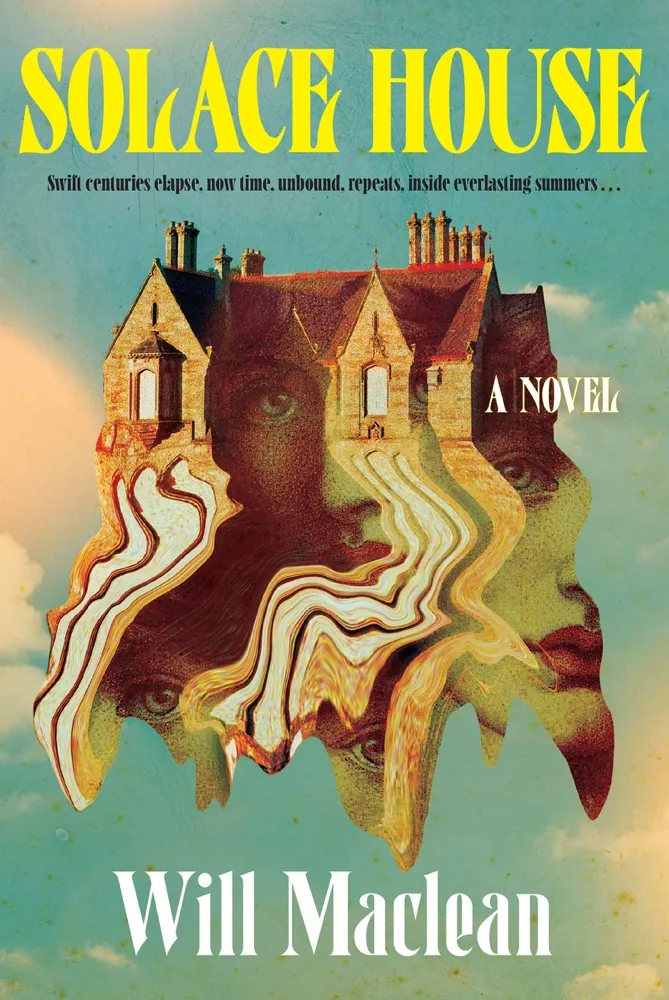
Solace House Author: Will MacleanPage Count: UnknownPublication Date: Expected publication 2026-10-13 APL A Promising New Voice in the Genre: Will Maclean's Highly Anticipated Debut, Solace House Bookworms and genre enthusiasts, rejoice! A thrilling new novel is on the horizon, courtesy of debut author Will Maclean. Scheduled to hit shelves on October 13, 2026, Solace House promises to be a captivating and unsettling read that will leave you questioning the boundaries of reality. A Synopsis of Enigmatic Intrigue "You are about to enter a place of strange genius, possible madness, and timeless love . . ." reads the blurb for Solace House. Described as a "puzzle box of a novel" by Nicholas Binge, author of Dissolution, the book follows a group of university students as they uncover an astonishing secret while clearing out a neglected Victorian mansion. The mansion, Solace House, is home to an eerie array of journals belonging to its former owner, Edwin Flayne, which detail his obsession with a mysterious realm lying parallel to our own. With the tagline of The Secret History meeting The Haunting of Hill House, expectations are sky-high for this dark and thought-provoking debut. As we await the release of Solace House, all we can do is speculate on the thrilling adventure that awaits us. While we don't know much about Will Maclean, this enigmatic debut is already generating buzz among literary enthusiasts. With its unique blend of mystery, horror, and philosophical themes, Solace House is undoubtedly a promising new voice in the genre. Get Ready for a Chilling Ride We can only imagine the twists and turns that await Alex Lane and his cohorts as they delve deeper into the mysteries of Solace House. As they uncover the secrets of the mansion, they'll face their own personal demons and the blurring of reality and the unknown. Stay tuned for the release of Solace House on October 13, 2026, and be prepared to enter a world of strange and wondrous possibilities. #booklovers #horrorfiction #mysterynovel #newrelease #literarythriller #debutauthor Related InsightsPerfume: The Story of a Murderer Book Review and Summary Fifty Shades of Grey Book Review and Summary Darkfever Book Review and Summary{ "@context": "https://schema.org", "@type": "FAQPage", "mainEntity": [ { "@type": "Question", "name": "What is the main focus of Solace House Book Review and Summary?", "acceptedAnswer": { "@type": "Answer", "text": "Everything you need to know about Solace House with our detailed review." } }, { "@type": "Question", "name": "Who authored the comprehensive guide on Solace House Book Review and Summary?", "acceptedAnswer": { "@type": "Answer", "text": "This detailed article and its insights were carefully researched and authored by Antoine Leroy." } }, { "@type": "Question", "name": "Where can I find more related content about Books?", "acceptedAnswer": { "@type": "Answer", "text": "You can explore more articles, detailed reviews, and similar insights by browsing the Related Insights section at the bottom of this article or visiting our dedicated Books category page." } } ] }