Showing Posts From
Selfhelp
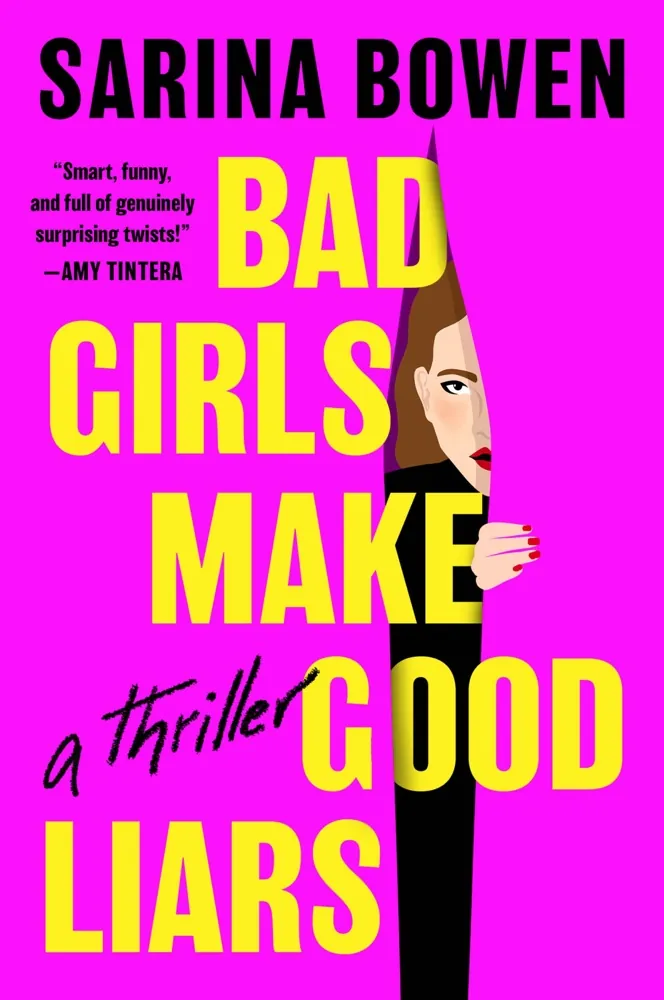
Author: Sarina BowenPage Count: UnknownPublication Date: Expected publication 2026 APL The provenance of a paperback matters less to me than the crispness of an untrimmed deckle edge, yet here we are, staring down Sarina Bowen’s forthcoming Bad Girls Make Good Liars with the casual dread of a trust-funder opening a tax audit. Is it Friday yet? God, I hope so, because the algorithmic pulp-peddlers are at it again. Doppelgängers and Disposable Income Private investigators with mysterious pasts in Maine are the pumpkin spice lattes of contemporary suspense. Give me a break. Ivy Quillan spends a decade hiding in the pine trees—very chic, very rustic—only to have her peace shattered by an ex-boyfriend hauling out a missing influencer who happens to possess her exact face. A doppelgänger plot. Groundbreaking. One expects the digital proletariat to eat this up on BookTok while waiting for their DoorDash. Bowen previously gave us The Five Year Lie, which played fast and loose with domestic paranoia. Now we pivot to identity theft via aesthetic cloning. The Aesthetics of Impposture Let us dissect the prose economy here. We are told the missing girl, Kelsey Chillingham, has the same voice, the same laugh, the same everything. It is peak parasocial horror. The internet is obsessed. Naturally. Because nothing terrifies the terminally online quite like a girlboss duplicate stealing your brand equity. Yet the synopsis reads like a masterclass in high-concept hand-waving. Ivy finds people for a living. Oh, the irony! She is a sleuth who gets sleuthed by her own genetics. Absolute brain-rot territory. It lacks the understated psychological claustrophobia of Patricia Highsmith or the acidic domesticity of early Gillian Flynn. Instead, we get a thriller engineered in a lab for maximum airport bookstore velocity. The Romance Industrial Complex And then, of course, there is the requisite romantic entanglements. Frazier Morello. The man she never forgave, who conveniently drags her back into the narrative meat-grinder. Because a woman simply cannot solve her own existential crisis without a brooding ex standing in the periphery looking moody in a flannel shirt. It is aggressively predictable. I would bet a vintage first-edition Nabokov that the third act involves a dramatic confrontation in a remote cabin while a nor'easter blows out the cell service. Yet, I will read it. I always do, if only to sneer at the pacing over my morning espresso. We all have our vices. Mine just happen to cost thirty-four dollars a hardcover and require a leather bookmark. Time to escape this digital squalor. I am going to browse real estate listings in Tuscany to cleanse my palate. Related InsightsRhythm of War Part Two Book Review and Summary Champagne Problems (In the Paddock, #1) Book Review and Summary Kane & Abel Book Review and Summary{ "@context": "https://schema.org", "@type": "FAQPage", "mainEntity": [ { "@type": "Question", "name": "What is the main focus of Bad Girls Make Good Liars Book Review and Summary?", "acceptedAnswer": { "@type": "Answer", "text": "Everything you need to know about Bad Girls Make Good Liars with our detailed review." } }, { "@type": "Question", "name": "Who authored the comprehensive guide on Bad Girls Make Good Liars Book Review and Summary?", "acceptedAnswer": { "@type": "Answer", "text": "This detailed article and its insights were carefully researched and authored by Olivia Harris." } }, { "@type": "Question", "name": "Where can I find more related content about Books?", "acceptedAnswer": { "@type": "Answer", "text": "You can explore more articles, detailed reviews, and similar insights by browsing the Related Insights section at the bottom of this article or visiting our dedicated Books category page." } } ] }
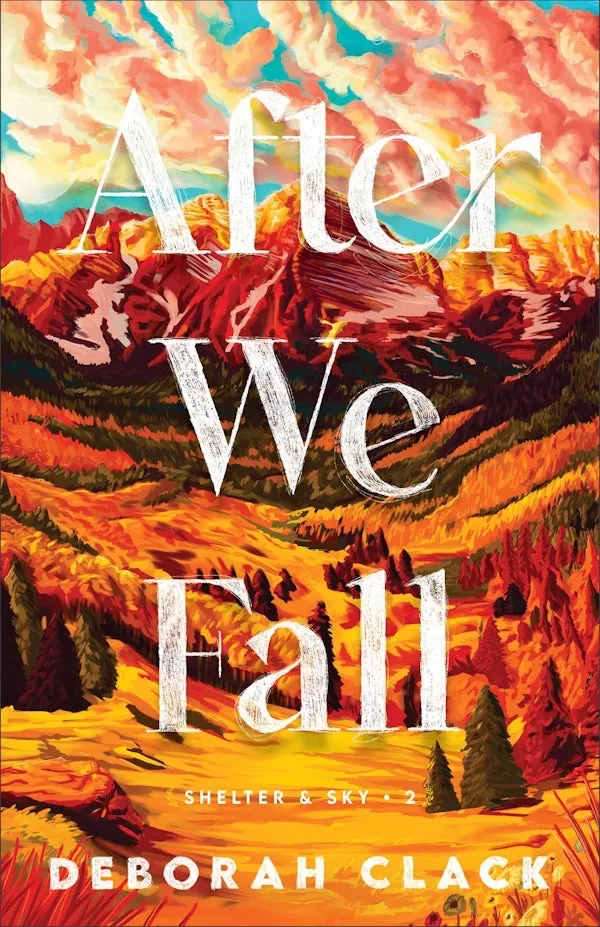
Author: Deborah ClackPage Count: UnknownPublication Date: Expected publication 2026-10-06 APL The synopsis of After We Fall arrives like a well-worn leather-bound first edition—promising depth, but leaving the spine slightly ajar. Deborah Clack’s prose here is a masterclass in controlled ambiguity, the kind that makes you wonder if the story will unfold like a carefully folded map or a hastily scribbled love letter. The opening line—"Sometimes the place you least expect to belong is exactly where you were always meant to land"—is the kind of sentiment that could belong in a Katherine Center novel, but with a sharper edge, a more unreliable cadence. It’s the kind of line that makes you pause, not because it’s profound, but because it’s too precise, like a knife’s edge that could cut either way. Penelope Reid and Luke Granger are the kind of characters who feel like they’ve been plucked from a very specific kind of contemporary romance—one where the opposites-attract trope is less about clichés and more about psychological friction. Penelope’s self-sufficiency is the kind of armor that could either save her or suffocate her, depending on how the story chooses to handle it. Luke’s nomadic lifestyle, meanwhile, feels like a deliberate counterpoint to her rootedness, but the synopsis doesn’t quite clarify whether this is a trope or a real tension. The way it’s phrased—"never found a reason to put down roots"—suggests a man who’s been burned, not just a man who’s restless. That’s the kind of nuance that could make this book feel earned, or it could feel like it’s trying too hard to be deep. And then there’s the mistake Penelope makes. Oh, the mistake. That’s the kind of vague, ominous phrasing that makes you suspect this isn’t just a romance—it’s a tragedy in disguise. The synopsis doesn’t say what it is, but the way it’s framed—"Her careful walls begin to crack"—implies something irreversible. It’s the kind of setup that could go the way of The Love Hypothesis’s emotional gut-punch, or it could devolve into the kind of predictable melodrama that makes you roll your eyes. The fact that Clack names this as a no-spice contemporary romance is both a relief and a red flag. Relief because it’s clear this isn’t a steamy affair, but a red flag because no-spice often means no stakes—and stakes are what make a romance interesting. The thematic promise here is home, but not the cozy, Hallmark-card kind. Home as something earned, something fragile, something that could be taken away in an instant. That’s the kind of theme that could make this book resonate with readers who’ve been burned by the too-perfect endings of so many modern romances. But the synopsis doesn’t do enough to show how this will play out. It’s all tell—"a love that could give them the home they've always longed for"—which is the kind of phrasing that makes you wonder if the book will deliver on the emotional weight or just the sentiment. Yet—here’s where I pivot. The synopsis’s vagueness isn’t necessarily a flaw; it’s an invitation. The fact that Clack leaves so much unsaid is the kind of literary gambit that could pay off if she’s as skilled as she seems. Compare this to the over-explained romances of the past decade—books where every emotional beat is spelled out like a step-by-step guide to happiness. After We Fall feels like it’s going for something messier, something more human. And if that’s the case, then it’s a spectacular leap of logic that this could be the next big thing in the genre. But then again, maybe it’s just another book where two people almost find each other before tragedy strikes. Maybe it’s the kind of story that feels inevitable because it’s been done so many times before. The synopsis doesn’t give us enough to judge—only to anticipate, and anticipation is a dangerous thing when it comes to romance novels. It’s the difference between eagerly awaiting and already dismissing. I have to argue with my interior designer about the lighting in my study. The kind of lighting that makes a room feel alive, not just lit. The kind of lighting that could make After We Fall feel like more than just another love story—if it ever gets the chance. #BookTok #RomanceNovels #ComingSoon #DeborahClack #ContemporaryRomance Related InsightsThe Christmas Yes List Book Review and Summary Speaker for the Dead Book Review and Summary Tender Cruelty Book Review and Summary{ "@context": "https://schema.org", "@type": "FAQPage", "mainEntity": [ { "@type": "Question", "name": "What is the main focus of After We Fall Book Review and Summary?", "acceptedAnswer": { "@type": "Answer", "text": "Everything you need to know about After We Fall with our detailed review." } }, { "@type": "Question", "name": "Who authored the comprehensive guide on After We Fall Book Review and Summary?", "acceptedAnswer": { "@type": "Answer", "text": "This detailed article and its insights were carefully researched and authored by Olivia Harris." } }, { "@type": "Question", "name": "Where can I find more related content about Books?", "acceptedAnswer": { "@type": "Answer", "text": "You can explore more articles, detailed reviews, and similar insights by browsing the Related Insights section at the bottom of this article or visiting our dedicated Books category page." } } ] }
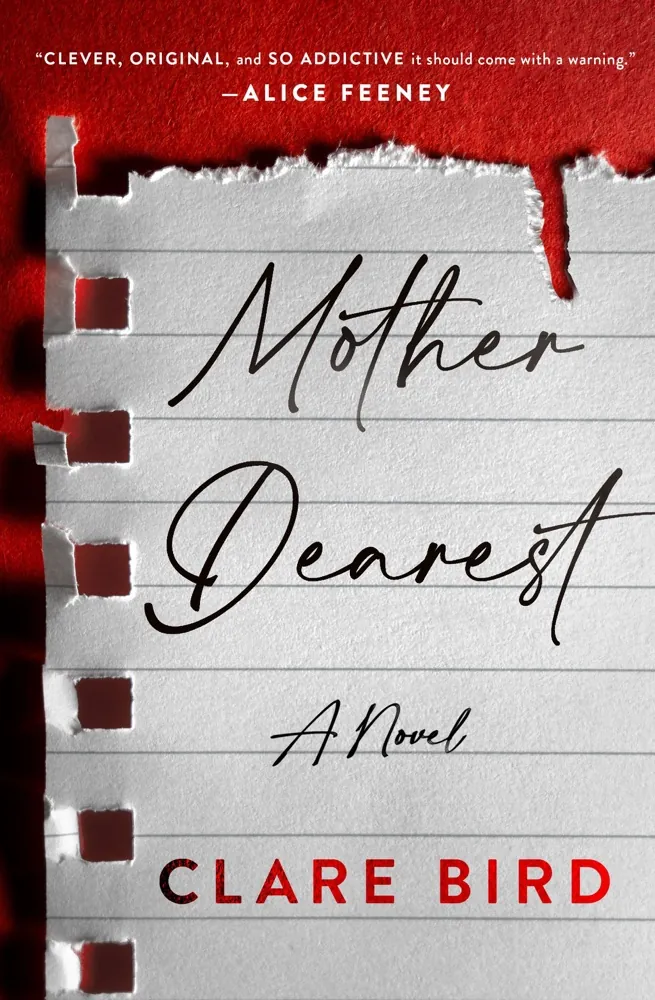
Author: Clare BirdPage Count: UnknownPublication Date: Expected publication 2026 APL October’s slate brings us yet another paper-bound specimen engineered for the suburban commuter train—Clare Bird’s Mother Dearest, slated for 2026. Because I only deign to crack the spine of pristine first printings, I must content myself with evaluating the advance synopsis. Let us be entirely candid here. The epistolary framing device of addressing one's maternal progenitor while embarking on a profoundly unhinged affair with a married man feels less like literature and more like the plot of a Lifetime movie produced by a committee of panicked actuaries. Epistolary Pathology And The Suburban Gothic The thematic architecture relies entirely on the claustrophobia of maternal entanglement. Yet, Bird’s premise reads like the script leaks from the Scandoval crossed with Grey Gardens fan fiction. Imogene trades one form of psychological imprisonment for another, writing plaintive missives to a woman she has suddenly fled. And the central justification for her marital indiscretion—that bagging a taken man will somehow win maternal absolution—is peak psychopathological behavior. We are meant to swoon at the domestic suspense. Instead, one winces at the sheer thermodynamic expenditure of energy required to care about a protagonist who thinks domestic trespassing is a viable reconciliation strategy. The Aesthetics Of Cringe The synopsis weaponizes the epistolary form with all the subtlety of a sledgehammer to a Venetian glass coffee table. Bird attempts to dissect the umbilical cord's lingering tendrils, yet the execution leans heavily into internet-brain vernacular wrapped in hardcover pretension. It gives massive Caroline Calloway energy. The publisher’s blurbs scream words like unhinged and chilling—marketing buzzwords designed to trick readers into consuming algorithmic psychological thrillers between sips of cold brew. One suspects the actual prose will read like a middle-management PowerPoint presentation on familial trauma. Still, the tactile quality of the forthcoming dust jacket might look passable resting against the cashmere throws in the library. The chill of October air rattles the French panes facing the sculpture garden, bringing down the last tired leaves of the silver birch. Just heard a catastrophic crunch of porcelain in the east wing—sounds terribly expensive, I must investigate immediately. Related InsightsA Little Princess Book Review and Summary El principio del mundo / The Beginning of the World Book Review and Summary Wizard's First Rule Book Review and Summary{ "@context": "https://schema.org", "@type": "FAQPage", "mainEntity": [ { "@type": "Question", "name": "What is the main focus of Mother Dearest Book Review and Summary?", "acceptedAnswer": { "@type": "Answer", "text": "Everything you need to know about Mother Dearest with our detailed review." } }, { "@type": "Question", "name": "Who authored the comprehensive guide on Mother Dearest Book Review and Summary?", "acceptedAnswer": { "@type": "Answer", "text": "This detailed article and its insights were carefully researched and authored by Olivia Harris." } }, { "@type": "Question", "name": "Where can I find more related content about Books?", "acceptedAnswer": { "@type": "Answer", "text": "You can explore more articles, detailed reviews, and similar insights by browsing the Related Insights section at the bottom of this article or visiting our dedicated Books category page." } } ] }
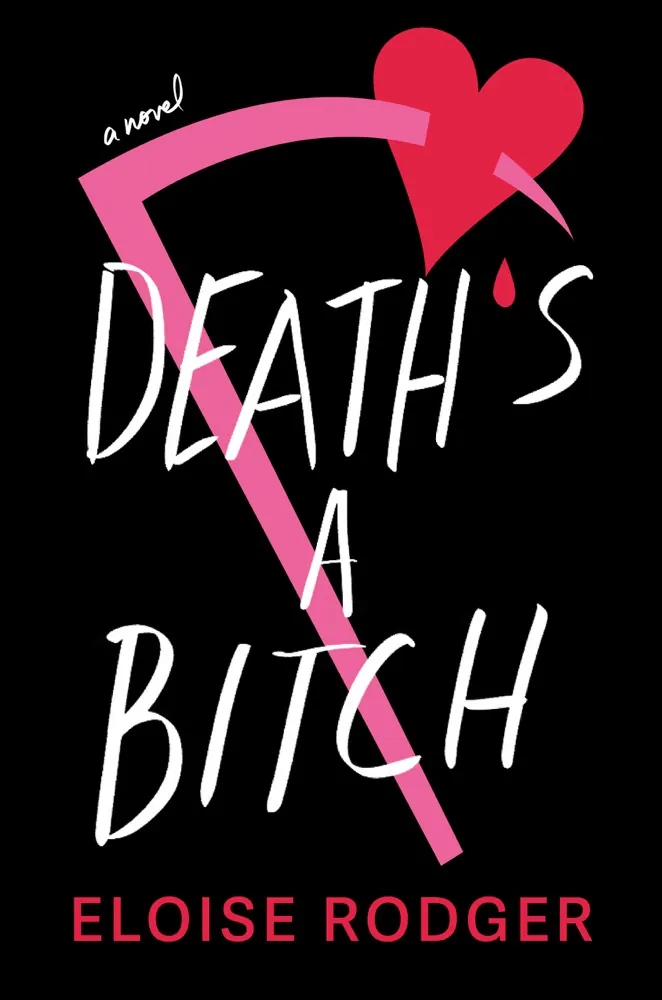
Author: Eloise RodgerPage Count: UnknownPublication Date: Expected publication 2026 APL The autumn air here against the old brick of Quadrangle Three carries the faint, decaying scent of damp beech leaves and expensive espresso, a combination that invariably puts one in the mood to eviscerate a debut novel. The syllabus for the upcoming season groans under the weight of another twenty-something trying to monetize clinical melancholy. Eloise Rodger’s Death’s a Bitch arrives with the heavy marketing machinery of an Oxford Street Christmas window, breathlessly compared to Sally Rooney and Oyinkan Braithwaite in the same press release. The audacity. To yoke Rooney’s agonizingly flat affectless bourgeoisie to Braithwaite’s punchy Lagos noir is like casting Chloë Sevigny in a direct-to-video Uwe Boll adaptation. The Commodification of the Crypt We are supposed to swoon over eighteen-year-old Aggie, counting her sister’s hair-curls like a suburban obsessive-compulsive, only to have the Grim Reaper materialize not as a medieval skeleton, but as an exhausted mother in a bespoke blazer. Groundbreaking. Truly, this is the kind of high-concept magical realism dreamed up by marketing committees who spent their gap years scrolling TikTok in Berlin. The Faustian bargain has always been a fragile literary vessel, but handing it over to a protagonist who treats dying like a neglected laundry pile reduces existential dread to a sitcom premise. Siblinghood as Branding The synopsis leans heavily on the notion of siblinghood as a battleground, yet it wraps the horror of psychiatric facilities and eating disorders in the pastel-hued packaging of Gen Z quips. Stick-on flowers on padded table corners. How quaint. One can already picture the pristine first-edition copies of Death's a Bitch sitting untouched on the marble coffee tables of Brooklyn loft-dwellers who wouldn't know a real psychiatric ward if it bit them on their leather loafers. Rodger has apparently bypassed the messy work of interiority in favor of snappy dialogue and a high-concept premise that peaked the moment it was pitched over oat milk lattes. Literature used to demand silence. Now it demands a viral hook about domesticity with the underworld. The Inevitable Fall Let us be entirely honest about the trajectory here. The book will sweep the literary prizes because publishers are terrified of anyone over thirty who writes a complete sentence. Critics will praise the "raw vulnerability" with the same breathless desperation they brought to every mediocre campus novel since Donna Tartt took her final bow. Yet beneath the shiny jacket design lies the hollow ring of an author who read two contemporary bestsellers and decided she could synthesize them with a single Wikipedia search on Greek mythology. It is the literary equivalent of the Fyre Festival cheese sandwiches—all aesthetic, zero substance, leaving one profoundly resentful of the trees sacrificed to print it. I have a high-stakes negotiation with my publisher in twenty minutes. Related InsightsThe Arnolfini Art Mysteries Book Review and Summary The Lion, the Witch and the Wardrobe Book Review and Summary The Housemaid Book Review and Summary{ "@context": "https://schema.org", "@type": "FAQPage", "mainEntity": [ { "@type": "Question", "name": "What is the main focus of Death's a Bitch Book Review and Summary?", "acceptedAnswer": { "@type": "Answer", "text": "Everything you need to know about Death's a Bitch with our detailed review." } }, { "@type": "Question", "name": "Who authored the comprehensive guide on Death's a Bitch Book Review and Summary?", "acceptedAnswer": { "@type": "Answer", "text": "This detailed article and its insights were carefully researched and authored by Olivia Harris." } }, { "@type": "Question", "name": "Where can I find more related content about Books?", "acceptedAnswer": { "@type": "Answer", "text": "You can explore more articles, detailed reviews, and similar insights by browsing the Related Insights section at the bottom of this article or visiting our dedicated Books category page." } } ] }
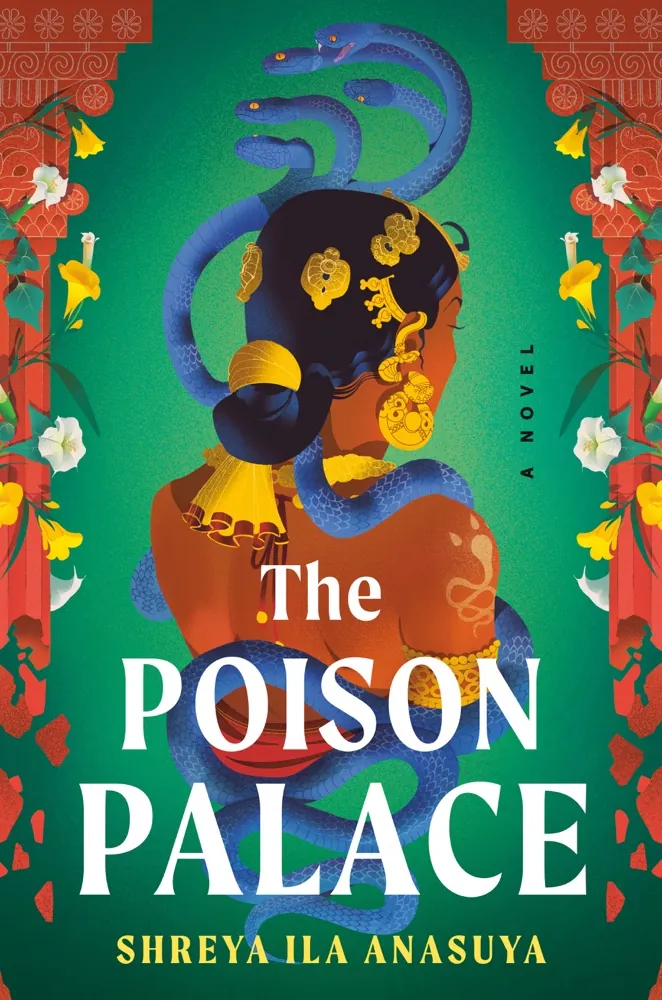
Author: Shreya Ila AnasuyaPage Count: UnknownPublication Date: Expected publication 2026 APL The synopsis of The Poison Palace arrives like a poorly sealed letter from a distant empire—promising intrigue, but already smelling faintly of the same old dust. A courtesan-turned-assassin, a cult of snake-goddesses, and Alexander the Great—oh, how quaint. It’s the kind of premise that makes you wonder if the author has ever read anything beyond the most reductive historical romances, the ones that mistake "exoticism" for depth. The idea of a young woman trained in poison and politics is so tired it’s almost a joke, like if The Song of Achilles had been written by a committee of overcaffeinated undergraduates who thought "Greek mythology" was just a synonym for "dramatic lighting." But let’s not pretend this isn’t a deliberate gambit. The synopsis leans hard into the "forbidden love" trope, which is fine—if you’re writing The Mists of Avalon in 1983. Here, it feels like a lazy shortcut, as if the author is banking on the assumption that any story with two women in a historical setting must inherently be "queer" and therefore "revolutionary." Meanwhile, the political stakes are reduced to a single, vague mission: stop Alexander. No nuance. No exploration of why Magadh would resist him beyond the cliché of "conqueror vs. indigenous culture." It’s all surface, like a painting with no depth—just a few bold strokes of "snake goddess" and "poison" to make it feel spicy. And then there’s the cult of the Vishkanya. Oh, the Vishkanya—how original. A secret society of women who worship snakes and brew potions? It’s the kind of thing that would make The Da Vinci Code look like a masterclass in originality. The synopsis doesn’t even bother to suggest what makes this cult distinct beyond its aesthetic. Is it a matriarchy? A resistance movement? A cult of actual snake-worshippers? Or is it just a convenient plot device to give Eka and Ira something to do while they fawn over each other? The vagueness is almost insulting. It’s like being handed a menu where every dish is labeled "Surprise" and the chef is too lazy to describe the ingredients. Yet—here’s where I pivot, because I can’t help myself. The synopsis does have one thing going for it: it’s unapologetically bad in a way that might actually be interesting. There’s a kind of brutal honesty to it, like a film that knows it’s a B-movie but doesn’t care. It’s not trying to be The Handmaid’s Tale—it’s trying to be The Mummy meets The Craft, and that’s a choice, even if it’s a bad one. The problem isn’t that it’s derivative; the problem is that it’s derivative without the self-awareness to make it fun. Where’s the irony? Where’s the wink to the reader? Instead, it just is, like a poorly executed costume party where everyone’s dressed as a "dark fantasy queen" but no one’s actually playing a role. I am looking respectfully. I’m looking at this synopsis and wondering if the author has ever read The Jewel in the Crown or The Palace of Illusions. Both books took historical settings and wove them into something rich, layered, and alive. Instead, we get a story that feels like it was cobbled together from Wikipedia pages and a Pinterest board of "historical romance aesthetics." The courtesan training, the snake cult, the Alexander subplot—it’s all there, but none of it means anything. It’s like a puzzle where every piece is labeled "mystery" and "intrigue," but the box doesn’t come with instructions. And yet—there’s a perverse thrill in the way it’s written. The synopsis is so confidently mediocre that it almost makes you want to read it, just to see how badly it falls apart. It’s the literary equivalent of a bad Tinder date who’s so sure of themselves that you can’t help but be intrigued. But then again, maybe that’s the point. Maybe The Poison Palace is meant to be a quick, forgettable read, a historical fantasy for people who want to feel clever without actually having to think. And if that’s the case, then I suppose it’s not entirely without merit. It’s just not the kind of merit that lasts. I need to go yell at my gardener about the hydrangeas. They’re overgrown, just like this synopsis. Related InsightsHello Girls Book Review and Summary El problema de los tres cuerpos (Edición ilustrada) / The Three-Body Problem (Illustrated Edition) Book Review and Summary Dark Tracks Book Review and Summary{ "@context": "https://schema.org", "@type": "FAQPage", "mainEntity": [ { "@type": "Question", "name": "What is the main focus of The Poison Palace Book Review and Summary?", "acceptedAnswer": { "@type": "Answer", "text": "Everything you need to know about The Poison Palace with our detailed review." } }, { "@type": "Question", "name": "Who authored the comprehensive guide on The Poison Palace Book Review and Summary?", "acceptedAnswer": { "@type": "Answer", "text": "This detailed article and its insights were carefully researched and authored by Olivia Harris." } }, { "@type": "Question", "name": "Where can I find more related content about Books?", "acceptedAnswer": { "@type": "Answer", "text": "You can explore more articles, detailed reviews, and similar insights by browsing the Related Insights section at the bottom of this article or visiting our dedicated Books category page." } } ] }
-
 Olivia Harris
 - 02 Sep, 2026 10:34
Beneath Waves and Shadows: The Sinking of the Steamship Valencia Book Review and Summary
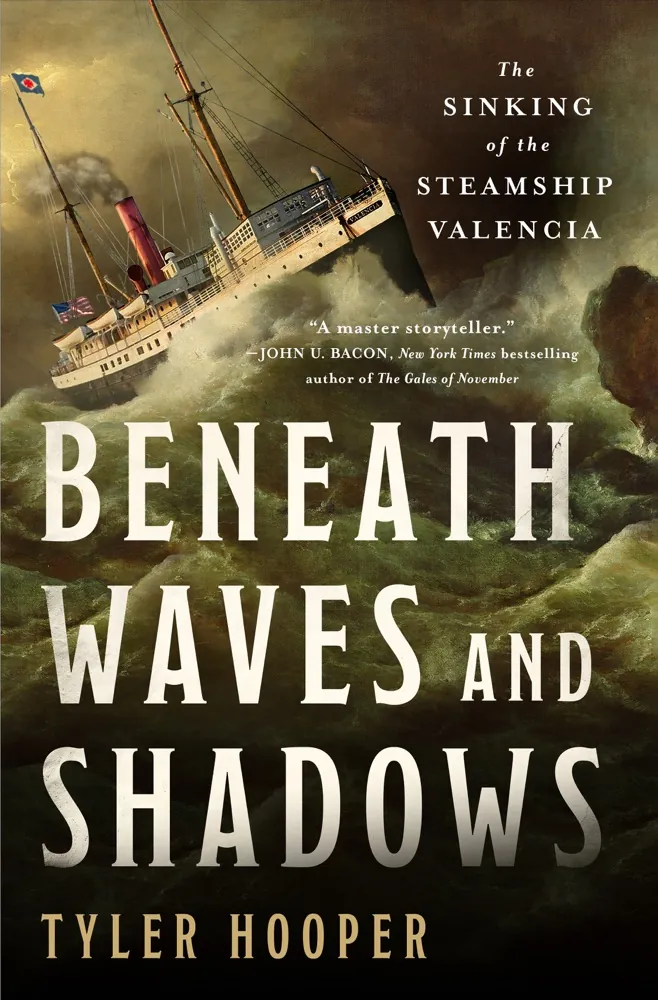
Author: TYLER HOOPERPage Count: UnknownPublication Date: Expected publication 2026 APL Some manuscripts arrive with the quiet dignity of a well-bound calfskin folio. Others scream for attention via press releases that sound like a third-rate screenwriter pitching a nautical disaster to a bored executive. Tyler Hooper’s Beneath Waves and Shadows: The Sinking of the Steamship Valencia approaches us from the murky waters of the latter, draped in the predictable marketing tropes of the historical true-crime industrial complex. The Geography of Maritime Hubris We are asked to believe that a decade spent hiking damp Canadian brush and sniffing through mildewed ledges of newsprint yields a text possessing "the suspense of a thriller." Really? Because every maritime historian with a library card and a penchant for maritime tragedy thinks they are the next Erik Larson. Let us be entirely clear. The Pacific Northwest shipping lane known as the "Graveyard of the Pacific" has been picked clean by local chroniclers for over a century. But wait. Hooper actually went out into the mud himself—trudging through literal filth to commune with the ghosts of 1906. That commands a strange, greasy sort of respect. Or perhaps it is entirely redundant. One can never quite decide whether primary-source fetishism produces superior prose or merely exhausted shoe leather. A Study in Human Desperation and Editorial Friction The synopsis leans heavily on the sheer catastrophe of the event—roughly one hundred and twenty-five souls lost to the frigid brine while Captain Oscar Marcus Johnson fumbled his coordinates in the fog. But what interests me is the inevitable friction between archival tedium and narrative propulsion. How does one maintain thriller pacing when the outcome is plastered across Wikipedia? The human drama of survival against nature's indifferent machinery usually gets flattened by the weight of dry official reports. Yet, the inclusion of a descendant's interview suggests an attempt at micro-historical intimacy. It is high-key cringe to market a shipwreck as a popcorn thriller, ngl, yet the raw architecture of the tragedy remains stubbornly compelling. The Anticipatory Calculus Do not expect radical historiography here. Expect the standard beats of maritime suffering: frozen rigging, screaming passengers, dashed hulls, and the pathetic inadequacy of early twentieth-century rescue protocols. It will sit comfortably on the walnut coffee tables of people who buy leather-bound classics they never crack open, right next to In the Kingdom of Ice and whatever other maritime misery porn is currently trending on BookTok. Still, one hopes the prose manages to rise above the sensationalist jacket copy. My publicist is currently banging on the study door demanding an immediate soundbite for the morning press wires. Related InsightsCurse of Krakens Book Review and Summary Ivanhoe Book Review and Summary Heartstopper, Volume Five Book Review and Summary{ "@context": "https://schema.org", "@type": "FAQPage", "mainEntity": [ { "@type": "Question", "name": "What is the main focus of Beneath Waves and Shadows: The Sinking of the Steamship Valencia Book Review and Summary?", "acceptedAnswer": { "@type": "Answer", "text": "Everything you need to know about Beneath Waves and Shadows: The Sinking of the Steamship Valencia with our detailed review." } }, { "@type": "Question", "name": "Who authored the comprehensive guide on Beneath Waves and Shadows: The Sinking of the Steamship Valencia Book Review and Summary?", "acceptedAnswer": { "@type": "Answer", "text": "This detailed article and its insights were carefully researched and authored by Olivia Harris." } }, { "@type": "Question", "name": "Where can I find more related content about Books?", "acceptedAnswer": { "@type": "Answer", "text": "You can explore more articles, detailed reviews, and similar insights by browsing the Related Insights section at the bottom of this article or visiting our dedicated Books category page." } } ] }
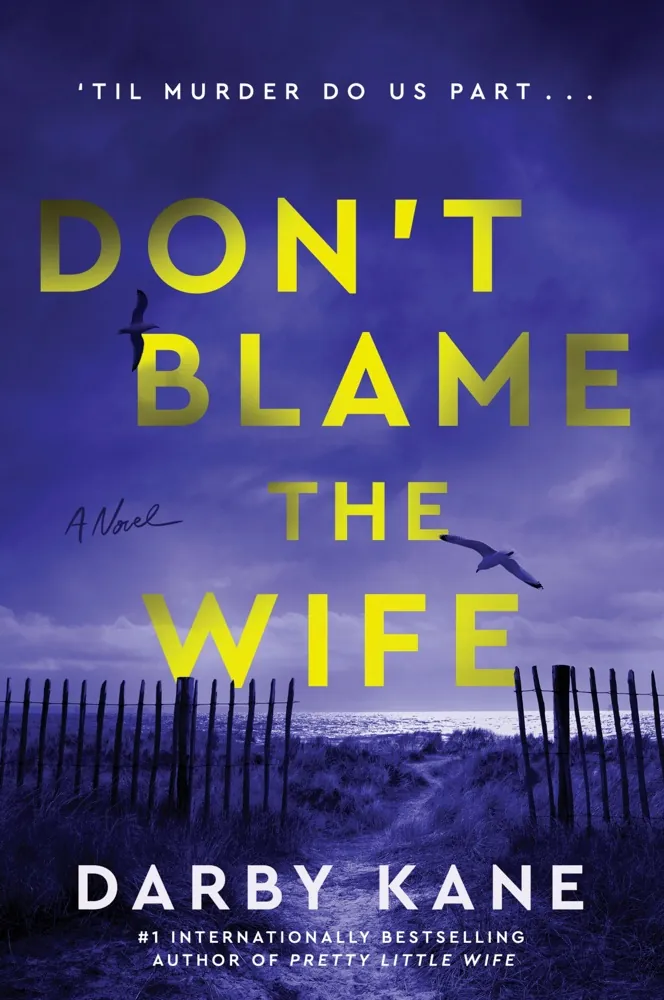
Author: Darby KanePage Count: UnknownPublication Date: Expected publication 2026 APL The Mediterranean glare is simply ruthless on Morocco-bound calfskin, yet I persist through the literary drivel publishers insist on floating past my transom. Darby Kane’s upcoming Don't Blame the Wife crosses my desk wrapped in the usual breathless marketing hyperventilating—comparing it to Succession and The Guest List because apparently, corporate boardrooms and blood-spattered seaside shindigs are entirely interchangeable tropes to the common reading public. Lmao, make it stop. The Architecture of Vapid Affluence We are subjected once again to the tired, utterly derivative milieu of wealthy people behaving monstrously. Groundbreaking. Walter Benedict is dead in a Rhode Island pool, his wife Amery—whose name drips with the sort of aggressively expensive vowels that require trust funds to pronounce—skated away from jail time like a rich girl bossing her way through an etiquette crisis. Ten years later, she gathers the greedy spawn for a celebratory anniversary of a corpse. But wait. An explosive documentary looms. The plot hinges on a reality-tv-adjacent bribe: solve the murder of dear old Walter, win a twenty-eight-million-dollar oceanfront estate. Winner take all, baby. No cap. Wealth Pornography as a Blood Sport What fascinates me here—if one can pry open a sliver of intellectual curiosity beneath the yacht’s canopy—is the unabashed weaponization of domestic architecture as a gladiatorial arena. Kane is clearly leaning hard into the contemporary obsession with hyper-wealthy dysfunction, treating family trauma like an immersive escape room designed by sociopaths. Amery doesn't just want the truth; she wants a demolition derby of ethics. She yearns for her children and their parasites to descend into feral backstabbing just to secure the deed to Waverly. It is base, cynical, and utterly lacking in the Shakespearean heft of actual dynastic collapse. Yet, the sociology of the leisure class demands this sort of public flaying. We love watching the monied class eat their own until the cholesterol gets them. Or in this case, a pool filter. The Problem of Manufactured Vagueness The synopsis reads like a pitch meeting at a streaming service desperate for a weekend binge-watch before the algorithm resets its parameters. We get zero texture on the children, zero interiority beyond the broad strokes of greed, and a premise that stretches credulity thinner than my vintage Hermès caftan. If Amery has been planning this calculated psychological massacre for a decade, why now? Because a true-crime internet mob got bored? Please. The stakes feel simultaneously inflated and profoundly hollow—a twenty-eight-million-dollar carrot dangled by a woman who views her offspring as malfunctioning Labradoodles. One expects cardboard cutouts rather than breathing characters. Still, one must admit the sheer audacity of the subtitle-esque threat baked into the promotional copy: "This will teach people to blame the wife." Iconic behavior, honestly. If the prose matches the campy, venomous bite of that closing line, the plebes might actually buy it at airport terminals worldwide. And now, to completely ruin an otherwise sublime afternoon on the water, the charter caterer just radioed in to announce they've caught food poisoning in Mykonos and cancelled the lobster boil. Fml. Related InsightsRed Rising Book Review and Summary Vanity Fair Book Review and Summary The Cruel Prince Book Review and Summary{ "@context": "https://schema.org", "@type": "FAQPage", "mainEntity": [ { "@type": "Question", "name": "What is the main focus of Don't Blame the Wife Book Review and Summary?", "acceptedAnswer": { "@type": "Answer", "text": "Everything you need to know about Don't Blame the Wife with our detailed review." } }, { "@type": "Question", "name": "Who authored the comprehensive guide on Don't Blame the Wife Book Review and Summary?", "acceptedAnswer": { "@type": "Answer", "text": "This detailed article and its insights were carefully researched and authored by Olivia Harris." } }, { "@type": "Question", "name": "Where can I find more related content about Books?", "acceptedAnswer": { "@type": "Answer", "text": "You can explore more articles, detailed reviews, and similar insights by browsing the Related Insights section at the bottom of this article or visiting our dedicated Books category page." } } ] }
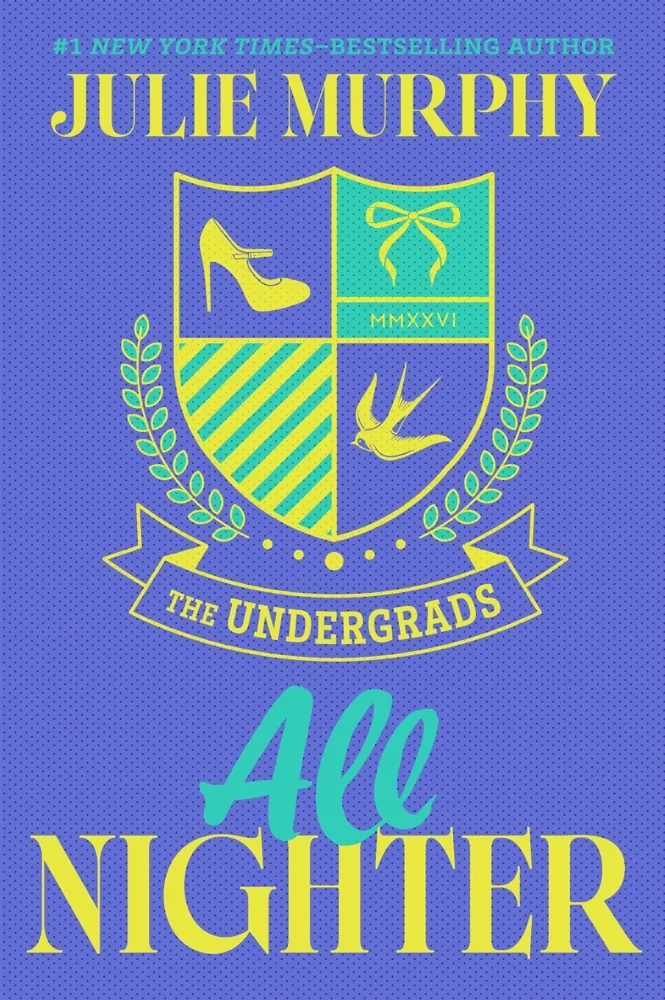
Author: Julie MurphyPage Count: UnknownPublication Date: Expected publication 2026-12-01 APL The mid-afternoon glare bounces off the brushed-brass rails of the upper deck, threatening to sear the retinas of anyone foolish enough to read without proper polarized lenses. Yet here I am, squinting at yet another press release concerning Julie Murphy’s upcoming contribution to The Undergrads trilogy. All Nighter arrives late next year, promising the literary equivalent of a warm glass of mediocre merlot. We are confronted once more with the tired architecture of the transactional romance. A wallflower—who apparently fails at basic taxonomy given her self-awareness regarding the irony—meets a brooding British tattoo artist. How original. One half expects them to collide over dropped artisanal coffee beans while carrying a stack of leather-bound first editions. The Architecture of Manufactured Friction Daisy wants to bloom. Truly, the prose in these promotional blurbs reads like it was generated by an algorithm trained exclusively on noughties teen comedies. She needs to lose her virginity because society dictates arbitrary milestones, and Heath—a man balancing ink and academia—is somehow the designated facilitator of this awakening. Or so the copy insists. Wait. Let me rephrase that entirely. Actually, the premise is even lazier than I first diagnosed. It is not merely a transactional arrangement; it is a meticulously scheduled negotiation of flesh wrapped in the comforting, predictable blanket of New Adult tropes. Hannah Grace and Elle Kennedy built entire financial empires on this exact brand of heightened campus angst, so why fault Murphy for swimming in the same lucrative, tepid waters? The five-date rule is the literary equivalent of a safety net for cowards. Five dinners. Five polite conversations. Then the inevitable horizontal gymnastics. The Commodification of Intimacy The thematic undercurrent here—if one squints hard enough through the Mediterranean haze to find one—is the commodification of vulnerability. Daisy views her virginity as a logistical hurdle to clear before graduation, a minor administrative error on her resume of youth. Heath views his time through the lens of paternal obligation and midnight ink. When they clash over judgment, the synopsis wants us to see sparks. I merely see the rust of a rusted-out machine. They are entirely wrong for each other. That is the point. The marketing department insists upon it. My publisher just signaled from the lower galley that the press liaison needs my jacket quote by sunset or the global syndication falls apart. #AllNighter #JulieMurphy #RomanceBooks #BookTok Related InsightsPrincess Academy Book Review and Summary Nebula Awards Showcase 56 Book Review and Summary Iron Flame Book Review and Summary{ "@context": "https://schema.org", "@type": "FAQPage", "mainEntity": [ { "@type": "Question", "name": "What is the main focus of All Nighter (The Undergrads, #2) Book Review and Summary?", "acceptedAnswer": { "@type": "Answer", "text": "Everything you need to know about All Nighter (The Undergrads, #2) with our detailed review." } }, { "@type": "Question", "name": "Who authored the comprehensive guide on All Nighter (The Undergrads, #2) Book Review and Summary?", "acceptedAnswer": { "@type": "Answer", "text": "This detailed article and its insights were carefully researched and authored by Olivia Harris." } }, { "@type": "Question", "name": "Where can I find more related content about Books?", "acceptedAnswer": { "@type": "Answer", "text": "You can explore more articles, detailed reviews, and similar insights by browsing the Related Insights section at the bottom of this article or visiting our dedicated Books category page." } } ] }
- Olivia Harris
- 26 Aug, 2026 20:43
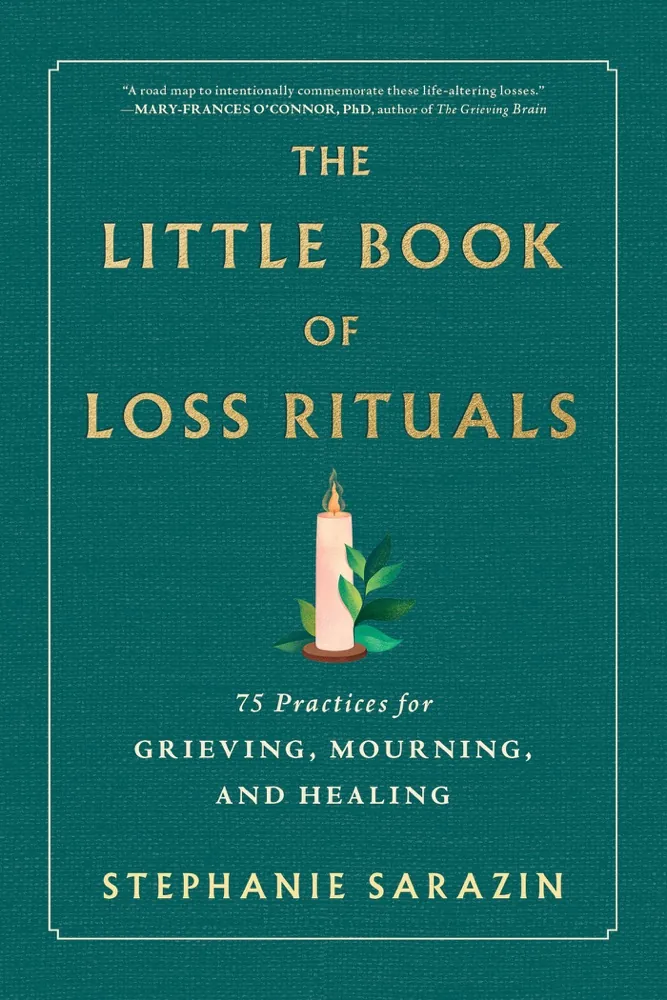
The Little Book of Loss Rituals: 75 Practices for Grieving, Mourning, and Healing Book Review and Summary
Author: Stephanie SarazinPage Count: UnknownPublication Date: Expected publication 2026-11-10 APL The art of ritualizing grief, a most primal of human experiences, and yet, one that remains shrouded in mystery, or rather, societal discomfort. The Little Book of Loss Rituals dares to tread where few have ventured before, offering a poignant exploration of the transformative power of rituals in the face of loss. In an era where the notion of "healing" has become a hackneyed, almost clichéd concept, it is refreshing to encounter a work that eschews the platitudes and instead, delves into the messy, often brutal, realities of grief. The promise of 75 gentle, practical actions to help honor what was, release pain, and reconnect with others is a tantalizing one, particularly for those who have found themselves bereft of solace in the face of unimaginable loss. But, I must confess, the vagueness of the synopsis raises more questions than it answers. What precisely do these "gentle, practical actions" entail? Are they rooted in empirical research or merely the product of the author's own experiences? The dearth of specificity is almost palpable, leaving one to wonder if the book will ultimately prove to be a shallow exercise in "self-help" platitudes or a genuinely groundbreaking work. And yet, the author's emphasis on the importance of rituals in the grieving process resonates deeply. In an age where the boundaries between the sacred and the mundane have become increasingly blurred, the notion of invoking ancient wisdom to navigate the treacherous waters of loss is a compelling one. The reference to "traditional global grieving practices" and "poignant personal narratives" suggests a work that is both deeply personal and broadly universal in its scope. But, I digress. The true test of The Little Book of Loss Rituals will lie in its ability to balance the twin imperatives of empathy and insight. Will the author succeed in crafting a work that is both a comforting companion for the grieving and a nuanced exploration of the human condition? Only time will tell. The Ghosts of Grief Past In many ways, The Little Book of Loss Rituals reminds me of Joan Didion's The Year of Magical Thinking, a work that similarly explored the labyrinthine corridors of grief with unflinching candor. Like Didion, Sarazin appears to be driven by a desire to confront the abyss of loss head-on, to find meaning in the meaningless. But, whereas Didion's work was characterized by a piercing, almost forensic, analysis of grief, The Little Book of Loss Rituals seems to be more concerned with the practical, the tactile, and the emotional. Whether this will prove to be a strength or a weakness remains to be seen. As I sit here, pondering the possibilities of this book, I am reminded of the infamous Threnody to the Victims of Hiroshima, a work that similarly explored the intersection of grief, loss, and the human condition. The comparison is not entirely apt, I confess, but it does serve to highlight the sense of scope and ambition that The Little Book of Loss Rituals appears to embody. And now, if you'll excuse me, I must attend to more pressing matters. My personal assistant has misplaced my passport, and I have a flight to Paris to catch. #GriefAndLoss #RitualsOfHealing #TheLittleBookOfLossRituals Related InsightsThe History of Love Book Review and Summary The Family Upstairs Book Review and Summary The Four Winds Book Review and Summary{ "@context": "https://schema.org", "@type": "FAQPage", "mainEntity": [ { "@type": "Question", "name": "What is the main focus of The Little Book of Loss Rituals: 75 Practices for Grieving, Mourning, and Healing Book Review and Summary?", "acceptedAnswer": { "@type": "Answer", "text": "Everything you need to know about The Little Book of Loss Rituals: 75 Practices for Grieving, Mourning, and Healing with our detailed review." } }, { "@type": "Question", "name": "Who authored the comprehensive guide on The Little Book of Loss Rituals: 75 Practices for Grieving, Mourning, and Healing Book Review and Summary?", "acceptedAnswer": { "@type": "Answer", "text": "This detailed article and its insights were carefully researched and authored by Olivia Harris." } }, { "@type": "Question", "name": "Where can I find more related content about Books?", "acceptedAnswer": { "@type": "Answer", "text": "You can explore more articles, detailed reviews, and similar insights by browsing the Related Insights section at the bottom of this article or visiting our dedicated Books category page." } } ] }
- Olivia Harris
- 26 Aug, 2026 02:58
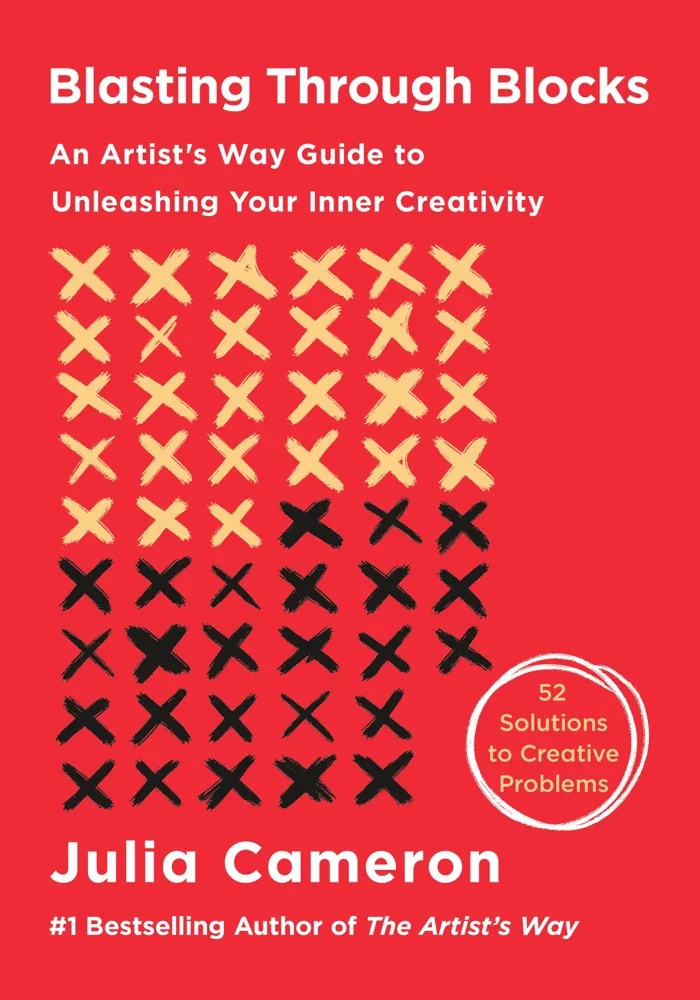
Blasting Through Blocks: An Artist's Way Guide to Unleashing Your Inner Creativity Book Review and Summary
Author: Julia CameronPage Count: UnknownPublication Date: Expected publication 2026-11-03 APL Blasting Through Blocks promises to be a salve for the creatively stuck, a guide to reclaiming one's artistic voice. But will it deliver? Can Julia Cameron, the author of the iconic The Artist's Way, truly help us "blast through" the blocks that have held us back for so long? I'm skeptical, but also intrigued. At first glance, the book's premise seems almost...familiar. 52 essays, each tackling a specific creative block, accompanied by a practical exercise to help overcome it. It's a tried-and-true format, reminiscent of Cameron's earlier work. But will it feel like a rehashing of old ideas, or will Cameron bring something new to the table? The synopsis is frustratingly vague, leaving me wondering if this is merely a rebranding of The Artist's Way, or if Cameron has truly innovated. And yet, I find myself drawn to the promise of "small, powerful tools" to help us overcome our creative blocks. There's something appealing about the idea that we don't need grand, sweeping changes to unlock our artistic potential, but rather simple, incremental shifts. It's a message that resonates deeply, especially in a world where so many of us feel overwhelmed and stuck. But what of the exercises themselves? Will they be too simplistic, too obvious? Or will they offer a genuine path forward for those of us struggling to find our creative footing? I'm reminded of the work of Natalie Goldberg, whose Writing Down the Bones offered a similarly practical, no-nonsense approach to creative unblocking. Can Cameron's exercises match the depth and nuance of Goldberg's work? As I ponder these questions, I'm struck by the realization that perhaps the true value of Blasting Through Blocks lies not in its specific exercises or techniques, but in its very existence. In a world that increasingly values productivity and efficiency over creativity and self-expression, a book that encourages us to slow down, to explore, and to create is a powerful antidote. And yet...I'm not convinced. There's something about the book's premise that feels almost...trite. A "good news" book, indeed. It's a phrase that echoes the saccharine optimism of a Hallmark card, rather than the nuanced, often brutal reality of the creative process. I'm reminded of the infamous "tortured artist" trope, where creatives are portrayed as struggling, angst-ridden souls, rather than complex, multifaceted human beings. Will Blasting Through Blocks offer a more nuanced, realistic portrayal of the creative process, or will it succumb to the same tired cliches? I suppose only time will tell. For now, I'll reserve judgment, and instead ponder the architectural plans for my new beach house, where I hope to find the perfect blend of creative inspiration and relaxation. #creativityunleashed #artistway #beachhouseblues Related InsightsHouse Across the Lake Book Review and Summary The Museum of Lost Things: True Tales of Fabled Treasures, Legendary Cities, and Mythical Creatures That Vanished From History Book Review and Summary House Rules Book Review and Summary{ "@context": "https://schema.org", "@type": "FAQPage", "mainEntity": [ { "@type": "Question", "name": "What is the main focus of Blasting Through Blocks: An Artist's Way Guide to Unleashing Your Inner Creativity Book Review and Summary?", "acceptedAnswer": { "@type": "Answer", "text": "Everything you need to know about Blasting Through Blocks: An Artist's Way Guide to Unleashing Your Inner Creativity with our detailed review." } }, { "@type": "Question", "name": "Who authored the comprehensive guide on Blasting Through Blocks: An Artist's Way Guide to Unleashing Your Inner Creativity Book Review and Summary?", "acceptedAnswer": { "@type": "Answer", "text": "This detailed article and its insights were carefully researched and authored by Olivia Harris." } }, { "@type": "Question", "name": "Where can I find more related content about Books?", "acceptedAnswer": { "@type": "Answer", "text": "You can explore more articles, detailed reviews, and similar insights by browsing the Related Insights section at the bottom of this article or visiting our dedicated Books category page." } } ] }
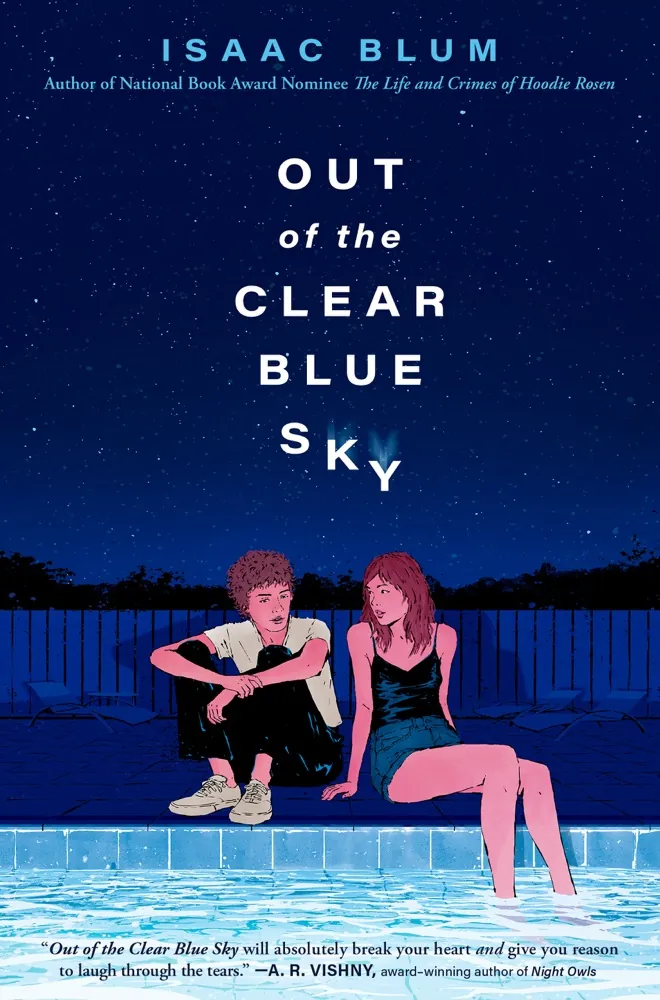
Author: Isaac BlumPage Count: UnknownPublication Date: Expected publication 2026-11-17 APL First editions demand a certain olfactory dignity—bound in Morocco leather, smelling faintly of vanilla and decades of private library humidity. Yet here we are, scrutinizing the dust-jacket flap of Isaac Blum’s upcoming Out of the Clear Blue Sky as if it were a common library paperback left in a rainstorm. The premise arrives with the subtlety of a falling Cessna. Literally. A senator’s aircraft plummets into a suburban backyard, obliterating a sibling and an entire political dynasty in one fiery instant. The Architecture of Collateral Grief Blum constructs his thematic scaffolding around the devastating mechanics of sudden absence. We are promised an exploration of legacy—that tiresome obsession of the generational wealth class. Jonny loses his guiding light, Carmel. Trish loses her patriarch. But do we ever truly know the pedestals upon which we place our idols? Or are we simply sleepwalking through our familial admirations until a piece of heavy machinery drops from the stratosphere to ruin the upholstery? Wait. Let me rephrase that entirely. The tragedy isn't even the point here; it’s the aggressively YA-coded pivot from mourning into whatever moody adolescent bonding the publisher’s blurb implies. Marketing to the Mourning Sensation The synopsis practically begs for comparison to Nina LaCour or Adam Silvera, which immediately triggers my gag reflex. Why must every contemporary grief narrative be sanded down into marketable emotional pudge for teenagers who treat melancholy as a lifestyle brand? It’s giving profound trauma, but make it aesthetic. The juxtaposition of a literal political assassination-by-gravity and a potential romance between the two grieving survivors feels remarkably unhinged. And yet, Blum has won awards. One assumes he possesses the stylistic horsepower to avoid the standard tropes of contemporary trauma porn. Or perhaps he will lean directly into the wreckage, serving up a high-key absolute mess of melodramatic pining wrapped in grief-lit couture. My vintage champagne collection needs to be moved to the new cellar. Related InsightsCrash Course Book Review and Summary Monsters of Ohio Book Review and Summary Witch Trial Book Review and Summary{ "@context": "https://schema.org", "@type": "FAQPage", "mainEntity": [ { "@type": "Question", "name": "What is the main focus of Out of the Clear Blue Sky Book Review and Summary?", "acceptedAnswer": { "@type": "Answer", "text": "Everything you need to know about Out of the Clear Blue Sky with our detailed review." } }, { "@type": "Question", "name": "Who authored the comprehensive guide on Out of the Clear Blue Sky Book Review and Summary?", "acceptedAnswer": { "@type": "Answer", "text": "This detailed article and its insights were carefully researched and authored by Olivia Harris." } }, { "@type": "Question", "name": "Where can I find more related content about Books?", "acceptedAnswer": { "@type": "Answer", "text": "You can explore more articles, detailed reviews, and similar insights by browsing the Related Insights section at the bottom of this article or visiting our dedicated Books category page." } } ] }
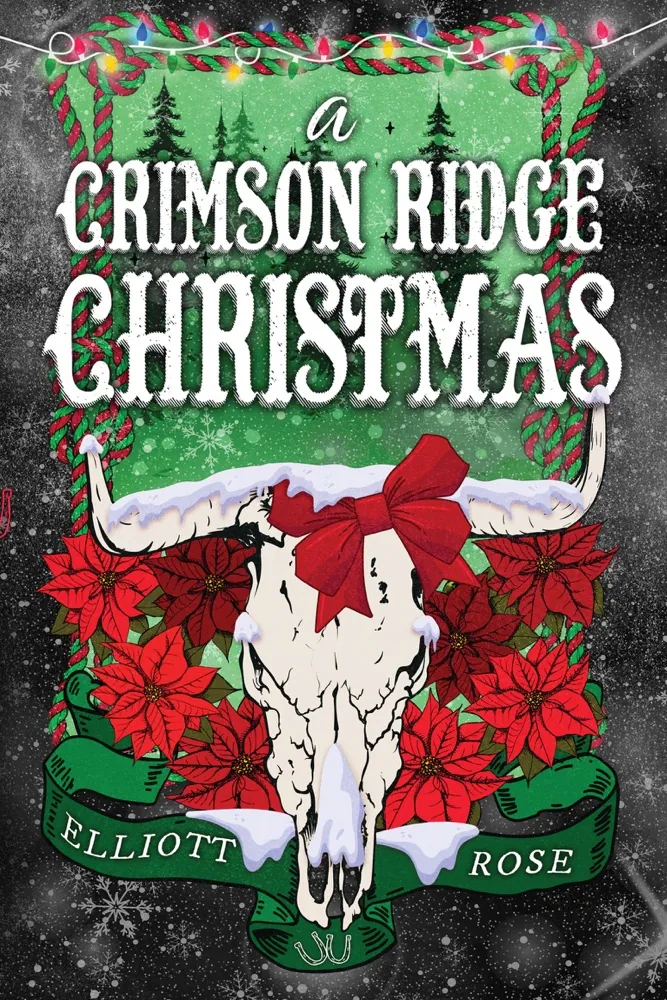
Author: Elliott RosePage Count: UnknownPublication Date: Expected publication 2026-10-27 APL Leather-bound volumes on the mahogany shelf remain pristine while paperbacks meant for airport terminals suffer a much more sordid fate. Elliott Rose’s forthcoming Saddles & Snowfall arrives like a tacky postcard from a Sun Valley divorce resort. This bundle of two Crimson Ridge novellas promises the literary equivalent of the 2003 Aspen ski trip where the socialite mistook the ambassador for the valet. One must admire the unvarnished audacity of marketing serialized pulp with the exact same gravity one might afford a lost dispatch by Edith Wharton. The Architecture of Despair And what a structural marvel this synopsis provides. Two unfaithful partners. Two isolated blizzards. A catastrophic thumb-slip on a touchscreen that summons a middle-aged patriarch instead of a confidante. This approaches the absurd plotting of Gigli executed with the festive cheer of a clearance-rack cardigan from Target. Yet, the bourgeoisie devour this specific brand of localized catastrophe. They crave the predictable combustion of holiday cookies meeting clandestine infidelity. Yet, the thematic core remains utterly transparent. We examine the archetype of the rugged rancher caught in the crosshairs of generational betrayal. But do not look for profundity here. This text trades in the sort of transactional lust usually reserved for midnight infomercials starring retired quarterbacks. Nostalgia as a Lethal Weapon Ugly Christmas sweaters function as the primary aesthetic motif. They wrap emotional decay in cheap acrylic yarn. The second novella introduces a drunken collegiate triad—a choice that reads less like liberation and more like a desperate cry for psychiatric intervention heard over bad techno music. Rose constructs a universe where tequila serves as the sole palliative for modern romance. How dreadfully pedestrian. One suspects the prose will consist largely of flushed cheeks, strained denim, and breathless whispers near fireplaces that cost more than a small vineyard in the Loire Valley. Critics of the genre will call it escapism. I call it an assault on the typographic arts. Give me a badly translated nineteenth-century Russian tragedy over this manufactured Yuletide angst any day of the week. At least Anna Karenina had the decency to involve a locomotive rather than a wayward text message to a best friend's father. My dermatologist’s office just called regarding the chemical peel scheduled for this afternoon, and quite frankly, burning off the top layer of my epidermis sounds infinitely more pleasurable than enduring these crimson-hued trysts. Related InsightsRabbit Rabbit Book Review and Summary Dr. Jekyll and Mr. Hyde Book Review and Summary Howards End Book Review and Summary{ "@context": "https://schema.org", "@type": "FAQPage", "mainEntity": [ { "@type": "Question", "name": "What is the main focus of Saddles & Snowfall (Crimson Ridge, #4.5) Book Review and Summary?", "acceptedAnswer": { "@type": "Answer", "text": "Everything you need to know about Saddles & Snowfall (Crimson Ridge, #4.5) with our detailed review." } }, { "@type": "Question", "name": "Who authored the comprehensive guide on Saddles & Snowfall (Crimson Ridge, #4.5) Book Review and Summary?", "acceptedAnswer": { "@type": "Answer", "text": "This detailed article and its insights were carefully researched and authored by Olivia Harris." } }, { "@type": "Question", "name": "Where can I find more related content about Books?", "acceptedAnswer": { "@type": "Answer", "text": "You can explore more articles, detailed reviews, and similar insights by browsing the Related Insights section at the bottom of this article or visiting our dedicated Books category page." } } ] }
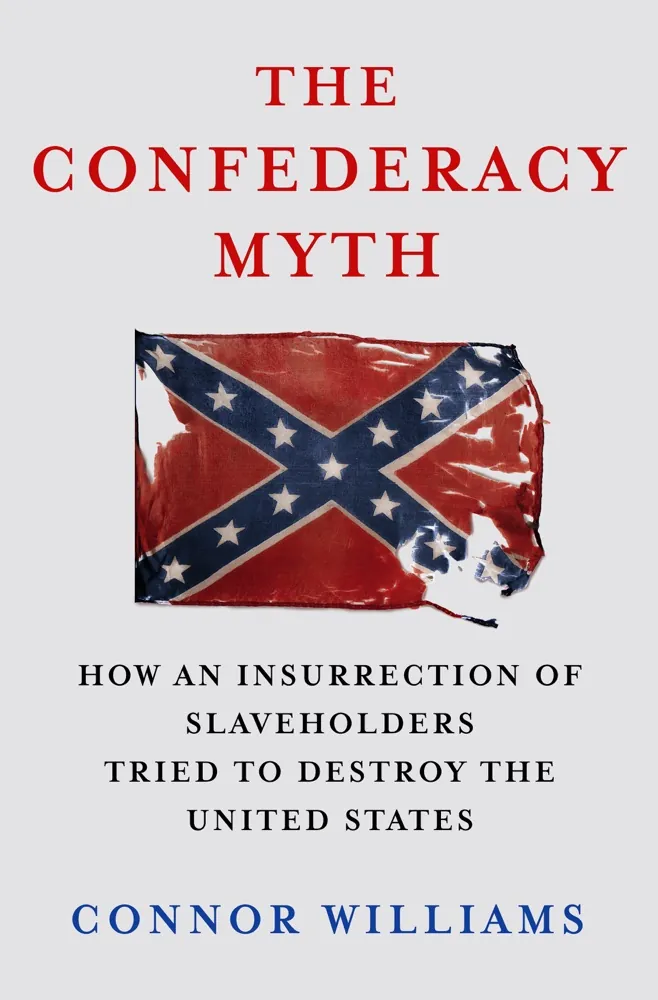
- Olivia Harris
- 22 Aug, 2026 19:24
The Confederacy Myth: How an Insurrection of Slaveholders Tried to Destroy the United States Book Review and Summary
Author: Connor WilliamsPage Count: UnknownPublication Date: Expected publication 2026-10-13 APL The synopsis of The Confederacy Myth arrives like a poorly timed memo from a think tank that’s been sitting in a drawer for a decade—urgent, but already stale by the time it reaches the inbox. It’s the kind of historical revisionism that feels less like a breakthrough and more like a last-ditch effort to resurrect a corpse that’s been buried in the same narrative for 160 years. The claim that the Confederacy was "a relatively small insurrection of uncompromising fanatics" is so obvious it borders on the performative—like a critic declaring The Godfather a "masterclass in patriarchal violence" because, well, it’s The Godfather. But here’s the rub: the synopsis doesn’t actually prove anything. It just asserts, with the confidence of a man who’s never had to defend a thesis in a room full of historians who’ve already read The Abolitionists and The Half Has Never Been Told. The real crime isn’t the argument—it’s the execution. The synopsis reads like a PowerPoint slide designed for a boardroom where the only people who care are the ones who already agree. "Five out of six Americans resisted the Confederate insurgency"—yes, but that’s not exactly a revelation. It’s the kind of statistic that gets tossed around like a football in a debate where the other team has already conceded the first quarter. And yet, the book’s framing suggests it’s some kind of Citizen Kane-style revelation, when in reality, it’s closer to The Da Vinci Code—except instead of a secret society, it’s just a bunch of people who lost a war and now want their mythologized. The most infuriating part? The synopsis doesn’t even attempt to grapple with the why of the Confederacy’s persistence in popular memory. It’s not just about the war—it’s about the way the South has spent generations rewriting history to justify its own erasure. But the synopsis doesn’t mention that. It doesn’t mention the way the Lost Cause myth has been weaponized, or how it’s still being used today to justify everything from voter suppression to Confederate monuments. It’s all very well to say the Confederacy was a "reckless brand of warfare," but if you’re not willing to engage with the political recklessness of its legacy, you’re just another historian playing checkers in a game of chess. And then there’s the tone—so earnest, so certain, as if the author has somehow stumbled upon a truth that’s been hidden in plain sight. It’s the same tone you’d expect from a true-crime podcaster who’s just discovered the real killer of the Dietrich Bonhoeffer mystery. The synopsis doesn’t argue; it declares. And that’s the problem. History isn’t something you announce—it’s something you unravel, and if you’re not careful, you end up looking like a guy who’s just spent three years arguing with his cat about the meaning of The Social Contract. The most damning thing about this synopsis? It’s not even wrong. It’s just safe. It’s the kind of book that gets published because it’s not going to offend anyone—except the people who actually know what they’re talking about. And that’s the real tragedy. Because if The Confederacy Myth is anything like this synopsis, it’s not going to change a damn thing. It’s just going to sit on the shelf next to all the other books that pretend to be revelations but are really just rehashes of the same old myths. Now, I have to deal with a PR crisis because some intern misquoted me on Twitter about how this book is "finally putting the Confederacy to rest," and suddenly I’m being asked to clarify whether I think the South was "just a bunch of traitors" or if I’m "being too harsh." Because of course I am. And of course I should have. #HistoryIsntADebate #ThisBookIsASnooze #WhyIsEveryoneStillTalkingAboutTheCivilWar #TheSouthWillNeverLearn #ConfederateMythsAreJustMyths Related InsightsThe Phantom of the Opera Book Review and Summary Der Verborgene Kosmos am Buchschnitt: Eine Reise in die Welt der Fore-edge Paintings Hexy Beast (The Sherwood Witches #3) Book Review and Summary{ "@context": "https://schema.org", "@type": "FAQPage", "mainEntity": [ { "@type": "Question", "name": "What is the main focus of The Confederacy Myth: How an Insurrection of Slaveholders Tried to Destroy the United States Book Review and Summary?", "acceptedAnswer": { "@type": "Answer", "text": "Everything you need to know about The Confederacy Myth: How an Insurrection of Slaveholders Tried to Destroy the United States with our detailed review." } }, { "@type": "Question", "name": "Who authored the comprehensive guide on The Confederacy Myth: How an Insurrection of Slaveholders Tried to Destroy the United States Book Review and Summary?", "acceptedAnswer": { "@type": "Answer", "text": "This detailed article and its insights were carefully researched and authored by Olivia Harris." } }, { "@type": "Question", "name": "Where can I find more related content about Books?", "acceptedAnswer": { "@type": "Answer", "text": "You can explore more articles, detailed reviews, and similar insights by browsing the Related Insights section at the bottom of this article or visiting our dedicated Books category page." } } ] }
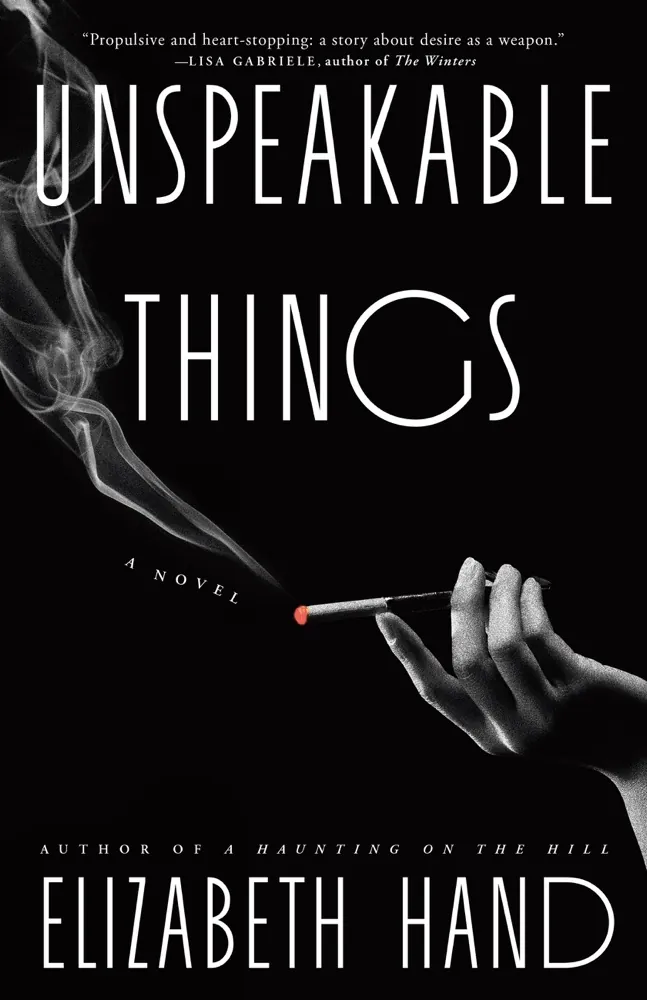
Author: Elizabeth HandPage Count: UnknownPublication Date: Expected publication 2026-10-13 APL The dust on my library's first edition of Orlando remains undisturbed, yet Elizabeth Hand already threatens to disrupt the shelf-wobbling equilibrium with Unspeakable Things. And honestly? We deserve a period-piece thriller that completely rots our brains with obsessive sapphic carnage. Hand is trading the claustrophobic dread of A Haunting on the Hill for a windswept 1920s moor, dragging the classic Gothic tradition out into the blinding, hedonistic glare of the "bright young things." A working-class girl tutored alongside her social better? Groundbreaking. Or perhaps entirely derivative—until Hand twists the knife. Or wait. Actually, the class dynamic between Olivia and Tamsin feels profoundly tired, a dusty parlor trick pulled straight from the Victorian attic. Let us be entirely serious. We have read this exact British class-warfare trauma porn in every mid-tier literary fiction release since Virginia Woolf put down her pen. The Aesthetics of Ruin Desire as a weapon. How deliciously mid-century, yet entirely cringe when weaponized by modern marketing copywriters trying to sell books to TikTok. But let us look past the marketing. The synopsis promises an intoxicating collision of societal claustrophobia and bohemian hedonism at Ledges, the elusive estate of Rex de Voil. Richly evoking a vibrant time in queer history—or so the blurbs scream—the text balances on a razor's edge between high art and absolute trash. I am living for the mess. Give me the messy queer trauma, you cowards. Hand possesses the stylistic chops to elevate what could easily be a pulpy lesbian murder-romance into something genuinely feral. Yet the synopsis suffers from a maddening vagueness, hiding behind atmospheric adjectives like propulsive and knife-edged without offering a single concrete narrative anchor beyond an unexplained death. The Price of Freedom Nothing in Rex's world is without cost. Naturally. Because freedom in the Roaring Twenties always comes wrapped in a silk-stringed noose, financed by dubious capital and fueled by bathtub gin. Hand is clearly interrogating the transactional nature of autonomy for women who dared to exist outside patriarchal parameters. But she's doing it while hiding behind vague plot points that give me zero confidence in the actual mechanics of the third act. Expect this to land somewhere between Rebecca and Patricia Highsmith on a bender. It is going to be the literary equivalent of eating raw honeycomb—rich, sticky, and deeply sickening if consumed too fast. Or perhaps it will completely bomb, a glossy period piece drowning in its own atmospheric menace. The delivery truck carrying my bespoke Italian leather chesterfield is currently idling in the gravel driveway, and the driver looks aggressively incapable of reversing down the lane without crushing my prize hydrangeas.
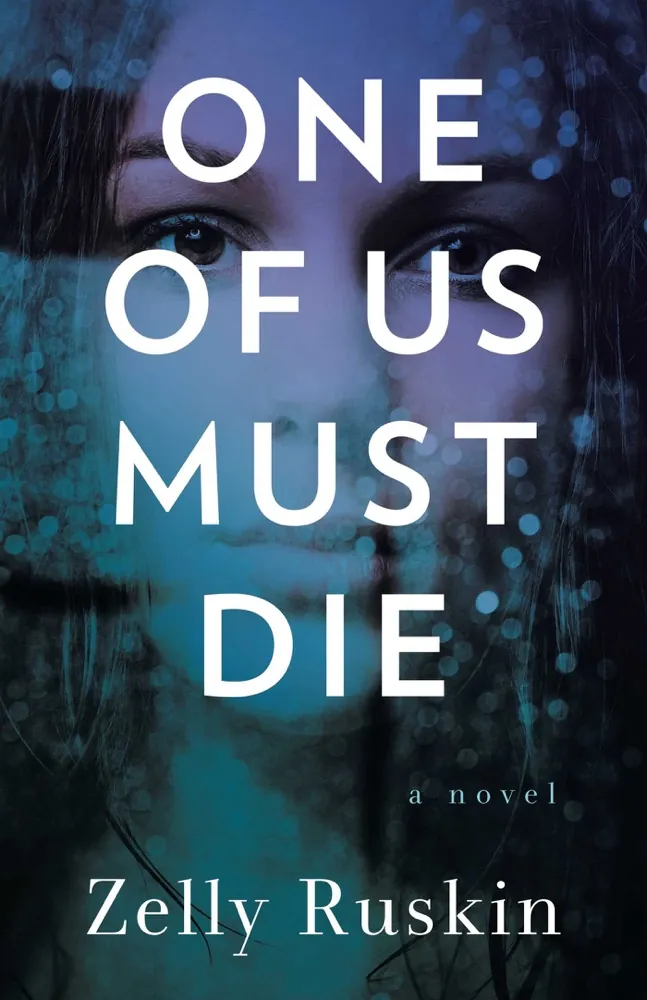
Author: Zelly RuskinPage Count: UnknownPublication Date: Expected publication 2026-10-20 APL The synopsis for One of Us Must Die arrives like a poorly sealed letter—ink smudged at the edges, the kind you’d find tucked into a vintage first edition you’d never actually buy but would definitely judge the owner for owning. There’s a certain thrill in the ambiguity, the way it teases without committing, as if the author is playing a game of telephone with the reader’s expectations. The comparison to Bad Sisters—a show that thrives on the slow unraveling of domestic lies—isn’t just marketing fluff; it’s a necessary framing. Because this isn’t just another "wife trapped by a trust fund" story. It’s a performance, and the synopsis does little more than describe the script. Sterling’s dilemma is the kind of problem that feels both urgent and stale—the kind of tension that’s been mined for decades, from Gone Girl’s legalistic manipulation to The Girl on the Train’s passive-aggressive marital sabotage. Yet the twist—"one of them must die"—isn’t a revelation; it’s a promise. The question isn’t whether the violence will arrive, but whether it’ll feel earned. And that’s where the synopsis fails. It doesn’t show the gaslighting; it tells us Sterling’s been "keeping up the perfect family illusion." That’s the kind of lazy prose that makes you wonder if the author’s ever actually read a book about domestic suspense beyond the blurb. But then—lexical whiplash—there’s the daughter’s fiancé, who wants a marriage "just like hers." That’s the kind of deliberate vagueness that could either be a masterstroke or a cop-out. Does he mean the illusion? The control? The violence? The synopsis doesn’t say. And that’s where the real tension lies—not in the plot, but in the implied psychology. Because if this is going to work, it needs to feel like Patricia Highsmith meets Tana French, where the domestic is as much a prison as the literal trust fund. The synopsis hints at it, but it’s all gesture—no substance. Yet—and here’s the pivot—maybe that’s the point. Maybe One of Us Must Die is less about a meticulously plotted escape and more about the performance of survival. The way Sterling "keeps up the perfect illusion" isn’t just a survival tactic; it’s a role. And if that’s the case, then the book might not need to deliver on the violence—it might just need to feel like it’s always been there, lurking beneath the surface. That’s the kind of ambiguity that could make it stand out in a genre that’s all too often satisfied with one-dimensional villains and predictable payoffs. But then again—just put me out of my misery—what if it’s all just too obvious? What if the synopsis is so bare-bones that the book ends up being nothing but what we already know? The comparison to Bad Sisters is a double-edged sword. On one hand, it suggests a slow-burn tension, the kind that rewards patience. On the other, it risks making the book feel like a carbon copy of something we’ve already seen. And that’s the real question: Is One of Us Must Die going to be the next big thing, or just another entry in the "wife vs. trust fund" canon? I must deal with a PR crisis over a tweet that was misinterpreted as endorsing "domestic suspense as therapy." #BookTwitter #LiterarySociology #TrustFundTroubles #GaslightingGothic #SterlingSaga Related InsightsAnthropocene Book Review and Summary Before the Coffee Gets Cold Book Review and Summary Beautiful World, Where Are You Book Review and Summary{ "@context": "https://schema.org", "@type": "FAQPage", "mainEntity": [ { "@type": "Question", "name": "What is the main focus of One of Us Must Die: A Novel Book Review and Summary?", "acceptedAnswer": { "@type": "Answer", "text": "Everything you need to know about One of Us Must Die: A Novel with our detailed review." } }, { "@type": "Question", "name": "Who authored the comprehensive guide on One of Us Must Die: A Novel Book Review and Summary?", "acceptedAnswer": { "@type": "Answer", "text": "This detailed article and its insights were carefully researched and authored by Olivia Harris." } }, { "@type": "Question", "name": "Where can I find more related content about Books?", "acceptedAnswer": { "@type": "Answer", "text": "You can explore more articles, detailed reviews, and similar insights by browsing the Related Insights section at the bottom of this article or visiting our dedicated Books category page." } } ] }
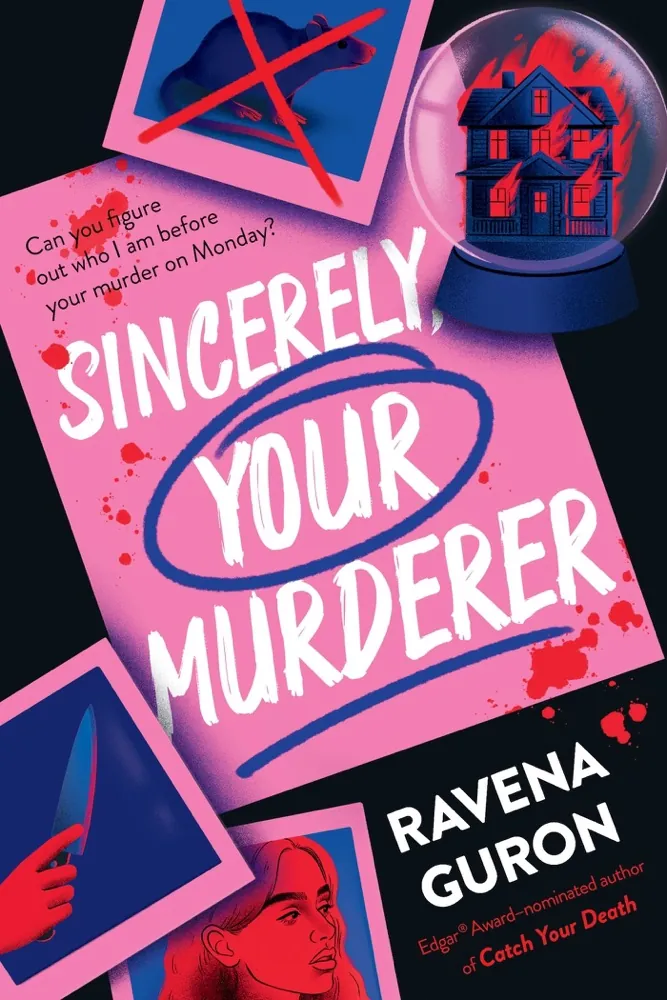
Author: Ravena GuronPage Count: UnknownPublication Date: Expected publication 2026-10-13 APL The air in this August heat is thick with the kind of humidity that makes even the most disciplined reader’s spine prickle—like the moment you realize you’ve left your first-edition The Great Gatsby in the backseat of your car, now warped by sun and the slow, inevitable decay of time. And yet, here we are, because Sincerely, Your Murderer arrives like a text from a stranger you can’t ignore: a promise of chaos, a dare to engage. Ravena Guron’s latest—already being compared to the kind of YA thrillers that make bookstores smell like popcorn and regret—isn’t just another countdown to doom. It’s a slow-burning letter bomb, addressed to readers who still believe in the thrill of the unsolved, the way a mystery can curl around your ribs like a question mark. The premise is so obviously a setup—seven days, seven sins, seven events that spiral into a murder—that it’s almost a shame it’s not more. Almost. Because the real genius here isn’t the structure; it’s the psychology of the threat itself. A letter that doesn’t just announce a death but names it, dates it, assigns it—this isn’t just a killer’s manifesto. It’s a performance. And performances, as any fan of One of Us Is Lying or The Final Five knows, are all about the audience. Who is this letter for? Is it for Kay, the protagonist, or for us, the readers, who are being dragged into the same game? The synopsis doesn’t say. And that’s the problem—because the vagueness here isn’t just a lack of detail; it’s a choice. Guron is playing with the idea that the scariest part of a threat isn’t the violence, but the uncertainty of who it’s aimed at. Is this a personal vendetta? A social experiment? A digital ghost from Kay’s past? The synopsis leaves it all hanging, which is either a masterstroke or a cop-out, depending on whether you trust the author to deliver. But let’s be honest—this isn’t the first time we’ve seen a countdown to murder. The trope is as old as Clue itself, and yet, Guron’s name carries weight because she’s done it before, and done it well. This Book Kills and Catch Your Death prove she understands the balance between escalating tension and character-driven stakes. The question is: can she make this one feel fresh? The synopsis doesn’t give us much to go on beyond the obvious—Kay’s return, the letter, the escalating events—but if we’re being generous (and we are, because first editions deserve it), we can assume she’ll lean into the psychological warfare. The letter isn’t just a countdown; it’s a game, and games, as any teenager who’s ever played Among Us knows, are about trust. Who can you believe? Who’s feeding you misinformation? Who’s actually in on the joke? Yet—and here’s where the pivot happens—what if the real twist isn’t who the killer is, but why they’re doing this? The synopsis doesn’t even hint at motive, which is either a sign of brilliance or a sign that Guron is banking on the reader’s own paranoia to fill in the gaps. Because let’s face it: in a world where social media thrives on performative outrage, where people stage their own "murder mysteries" for clout, the line between art and artifice is thinner than ever. Is this letter a prank? A cry for help? A test? The fact that we don’t know—that we’re supposed to care—is what makes this premise so slippery. It’s the kind of thing that would make Karen M. McManus nod approvingly, because she knows how to make a reader’s skin crawl with the weight of their own assumptions. But here’s the thing about summer reads: they’re supposed to be light, even when they’re heavy. And while Sincerely, Your Murderer promises the kind of relentless pacing that makes you lose track of time (and maybe even your phone), the real test will be whether it can hold its own against the kind of literary sloppiness that turns a promising premise into a forgettable mess. The synopsis is so barebones it’s almost deliberately vague, which could mean one of two things: either Guron is playing with form, or she’s too busy counting her words to count her ideas. Either way, it’s a gamble—and gambles, as any book lover knows, are what make the summer season so damn exciting. And now, because the world is a cruel place and my dry cleaner in Manhattan is currently on strike, I find myself wondering if this book will be worth the wait—or if it’ll just end up like last year’s True Crime obsession, gathering dust on a shelf while I’m left holding the receipt for a $20 latte I didn’t need. #BookTok #MurderMystery #YAThriller #SummerReads #GuronGoneWild Related InsightsA Little Life Book Review and Summary Heridas abiertas / Sharp Objects Book Review and Summary Our Skin Colour Book Review and Summary{ "@context": "https://schema.org", "@type": "FAQPage", "mainEntity": [ { "@type": "Question", "name": "What is the main focus of Sincerely, Your Murderer Book Review and Summary?", "acceptedAnswer": { "@type": "Answer", "text": "Everything you need to know about Sincerely, Your Murderer with our detailed review." } }, { "@type": "Question", "name": "Who authored the comprehensive guide on Sincerely, Your Murderer Book Review and Summary?", "acceptedAnswer": { "@type": "Answer", "text": "This detailed article and its insights were carefully researched and authored by Olivia Harris." } }, { "@type": "Question", "name": "Where can I find more related content about Books?", "acceptedAnswer": { "@type": "Answer", "text": "You can explore more articles, detailed reviews, and similar insights by browsing the Related Insights section at the bottom of this article or visiting our dedicated Books category page." } } ] }
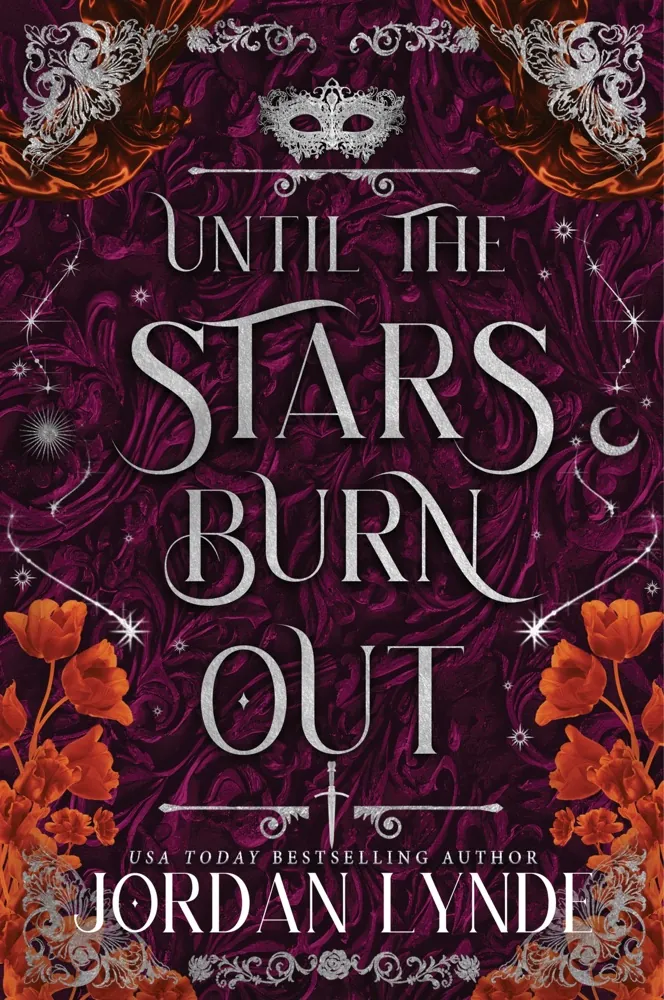
Author: Jordan LyndePage Count: UnknownPublication Date: Expected publication 2026-12-29 APL The binder holding the advance sheets smells faintly of bergamot and expensive glue, resting quite comfortably against the vellum lining of my blotter. Jordan Lynde returns to us with Until The Stars Burn Out, the promised continuation of Until the World Falls Down, a national bestseller that somehow bypassed every salon on the Upper East Side yet managed to shift plenty of units. One shudders at the demographics. The Architecture of Despair We are subjected once again to Nell and Enver, fresh from the labyrinth and presumably exhausted by their own branding. The premise trades in recycled velvet. A fading magic, a lost relic, and the perennial curse that requires a woman's gentle patience to mend. It reads less like mythic fantasy and more like the infamous 1992 Windsor Castle fire—slow, predictable, and entirely insured. Enver’s control is slipping, you see. The shadows devour him. Or perhaps the editors devoured the plot structure before the manuscript ever hit the bindery. And then there is the touch. Every stolen kiss brings physical proximity that somehow destabilizes arcane metaphysics. A curious piece of magical engineering, that. One wonders if the thermodynamic laws of Lynde’s universe apply strictly to labial tension. The synopsis leans heavily on the sort of devastating intimacy usually reserved for cheap paperbacks bought at railway kiosks during a delayed departure to Zurich. Shadows and Stock Footage Familiar faces resurface. The dangerous fae makes a curtain call. Naturally. Because introducing a novel antagonist would require actual imagination rather than reheating the same literary gruel that populated the first volume. The prose promises a race against time and across realms. How exhausting. We are promised impossible choices that will shatter hearts for eternity. Eternity is a rather long time to spend mourning a character who speaks entirely in brooding ellipses and aggressive cheekbones. The emotional stakes are telegraphed with the subtlety of a falling chandelier at the Paris Opera. Nell must choose. Enver will break. The paper will absorb it all, patiently waiting for the paperback release in three months. I shall require the page proofs removed from my sight before the morning post arrives. The courier is already late with the delivery of bespoke Italian leather furniture.
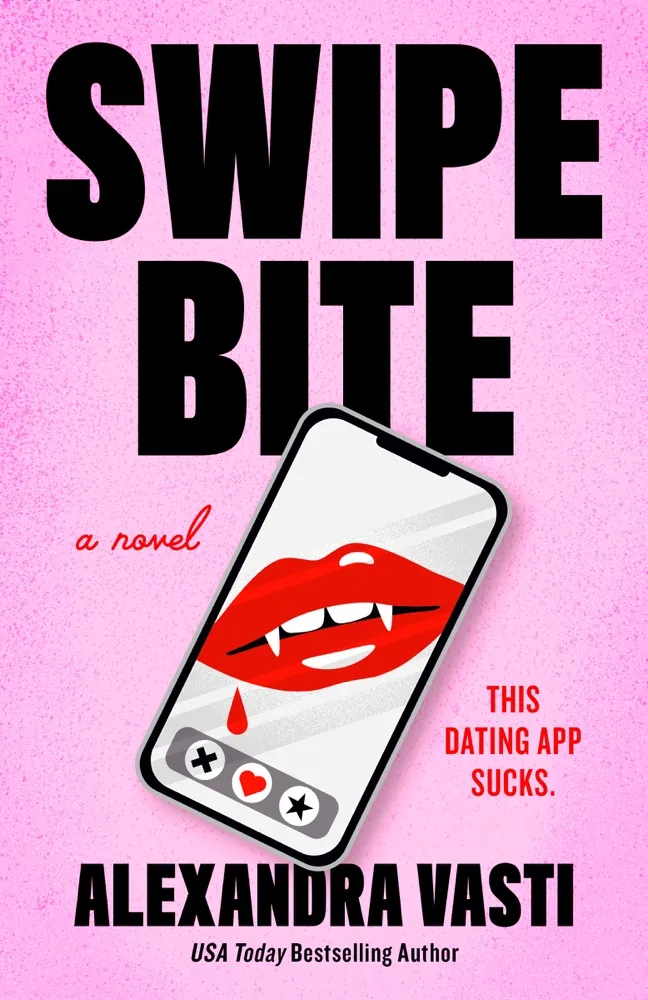
Author: Alexandra VastiPage Count: UnknownPublication Date: Expected publication 2026-11-10 APL The synopsis for Swipe Bite arrives like a poorly edited email—too many exclamation points, a title that sounds like it was crowd-sourced by a Reddit thread about "sexy vampire dating apps," and a premise that’s either a masterstroke or a desperate bid for algorithmic affection. The problem? It’s exactly the kind of thing that makes me reach for a glass of something stronger than blood—because, frankly, the market is already saturated with "vampire romance with a tech twist" after The Vampire Academy and From Blood and Ash proved that genre was a cash cow, not a literary movement. Sophronia Vega, the icy corporate heiress, is a classic Vasti protagonist—cool, calculating, and draped in the kind of aristocratic detachment that makes her feel like a human version of a gothic novel’s villainess, if the villainess had a spreadsheet. But here’s the rub: the synopsis doesn’t tell us why she’s so guarded. Is it grief? Guilt? The weight of a family legacy built on literal blood? Or is it just the kind of passive-aggressive "I’m not like other vampires" energy that makes her feel like a less interesting version of Interview with the Vampire’s Lestat? The synopsis hints at a "disciplined life" but never explains the cracks in it. And without that, she’s just another vampire CEO waiting to be fang-bait for the human love interest. Casey Amato, the human software engineer, is the kind of character who exists solely to be the "relatable" foil—brilliant, earnest, and, presumably, not a vampire. But the synopsis doesn’t even bother to give him a personality beyond "the guy who fixed the app." Is he a lone genius? A team player? A man who’s been burned by love before? The vagueness is infuriating—it’s as if Vasti couldn’t decide whether Swipe Bite was going to be a Devil in Winter-style heist romance or a The Kiss Quotient meets Twilight mashup. And that’s before we even get to the saboteur, who is described with the same level of detail as a plot hole in a Bridgerton spin-off: "someone in her inner circle." Oh, how original. But then—here’s where the synopsis starts to feel like it was written by someone who’s never actually read a romance novel. The tension between Sophronia and Casey is framed as "burning hotter," which is either a metaphor for their attraction or a literal description of how the book will fail to deliver on its own hype. And the stakes? "Without Stokr, giving in to temptation could be deadly." Wow. That’s the kind of line that makes me wonder if Vasti’s editor was asleep during the final pass. Because if the stakes are that low, why not just call it The Vampire Tinder and be done with it? Yet—yet—there’s a sliver of potential here. The idea of a dating app gone wrong is ripe for satire, especially in an era where our own digital romances are often more transactional than tender. If Vasti leans into the absurdity of a vampire corporate world where the biggest scandal isn’t bloodlust but bad code, she could turn this into something sharper than the usual "vampire meets human" schmaltz. But the synopsis doesn’t suggest that. It just suggests a book that’s going to feel like it was written by a committee of people who all agreed that "sexy" and "mystery" were the only two adjectives needed. And that’s before we even get to the title. Swipe Bite. It’s a mouthful, isn’t it? Like the kind of thing you’d see on a book cover designed by a focus group of 18-year-olds who think "vampire" and "bite" are the same thing. It pays the bills, I suppose. But it doesn’t pay in the kind of literary dividends that would make me—someone who still has first editions of The Bell Jar and The Golden Notebook on my shelf—even crack it open. I’ll be watching. Not because I expect greatness, but because I’m curious to see if Vasti can turn this into something more than a glitch in the system. And if she doesn’t? Well, at least I’ll have a new excuse to order another bottle of something that doesn’t involve fangs. #BookTok #VampireRomance #TechRomance #AlexandraVasti #SwipeBite Related InsightsThe Wisdom of Emperors Book Review and Summary Just a Shot Away: Martin Scorsese's Life in Film Book Review and Summary As I Lay Dying Book Review and Summary{ "@context": "https://schema.org", "@type": "FAQPage", "mainEntity": [ { "@type": "Question", "name": "What is the main focus of Swipe Bite Book Review and Summary?", "acceptedAnswer": { "@type": "Answer", "text": "Everything you need to know about Swipe Bite with our detailed review." } }, { "@type": "Question", "name": "Who authored the comprehensive guide on Swipe Bite Book Review and Summary?", "acceptedAnswer": { "@type": "Answer", "text": "This detailed article and its insights were carefully researched and authored by Olivia Harris." } }, { "@type": "Question", "name": "Where can I find more related content about Books?", "acceptedAnswer": { "@type": "Answer", "text": "You can explore more articles, detailed reviews, and similar insights by browsing the Related Insights section at the bottom of this article or visiting our dedicated Books category page." } } ] }
Author: Kit de WaalPage Count: UnknownPublication Date: Expected publication 2026-11-03 APL The synopsis of Sweet Pea arrives like a poorly pressed silk scarf—elegant in its own way, but already fraying at the edges before you’ve even touched it. There’s a certain coziness to the language, the kind that makes you suspect this will be one of those novels where the prose is so warm you’ll forget how much you hate the idea of being warmed. Paulette’s grandmother’s voice, that of a woman who “called her ‘Sweet Pea’” and “admonished her to avoid temptation and embrace love and forgiveness, in that order”—it’s all very Downton Abbey meets The Secret Life of Bees, isn’t it? The problem isn’t that the premise is uninteresting. The problem is that it’s too familiar, like a recipe for gingerbread that’s been passed down through generations of women who’ve never once questioned whether the flour was actually sifted. And yet—here’s where the pivot happens—there’s something dangerously specific about the way the synopsis frames Paulette’s grief. The baby arrives from Denton’s friend, a relationship that “can’t last.” That’s not just a plot device; that’s a liminal space, the kind of emotional detour that could either elevate the novel or sink it into the quicksand of women’s fiction clichés. The synopsis doesn’t tell us whether this is a secret, a mistake, or something else entirely—just that it’s a rupture, a crack in the carefully constructed illusion of domestic bliss. That’s where the tension should lie, if the author has the nerve to explore it. But the synopsis doesn’t linger. It skips past the messiness, past the why, and lands on the next convenience: another boy, the same age as Bird, who “appears.” Appears. Like a ghost. Like a plot convenience. It’s the kind of narrative shortcut that makes you wonder if de Waal is more interested in mimicking the rhythm of life—stop, start, stop, start—than in actually understanding it. The thematic language here is deliberately vague, which is either a sign of genius or a sign that the author hasn’t yet decided what she wants to say. “A luminous and lyrical novel of the trials of life and the compassion that can follow”—oh, for heaven’s sake, is this going to be the next The Vanishing Half but with more tea? The synopsis doesn’t name the trials. It doesn’t specify the compassion. It just assumes we’ll be moved by the idea of it. And that’s the real problem: the synopsis doesn’t demand anything of the reader. It doesn’t challenge. It doesn’t even ask. It just hints, like a woman at a party who’s been drinking too much and keeps saying, “You’ll understand when you read it.” But let’s be honest—this is exactly the kind of book that will be praised for its “emotional complexity” by critics who’ve never actually felt anything beyond a well-turned phrase. Compare it to The Idiot by Elif Batuman, where the emotional landscape is so carefully mapped you can almost see the cracks in the pavement. Or The Memory Police by Yoko Ogawa, where the themes of loss and memory are so visceral you don’t just read them—you live them. Sweet Pea feels like it’s trying to be both, but it’s not quite either. It’s the literary equivalent of a well-meaning but slightly off-key lullaby—you’ll hum it for a while, but you won’t actually remember the words. And then there’s the matter of the title itself. Sweet Pea. It’s a name, a nickname, a metaphor—it’s everything and nothing. It’s the kind of title that makes you wonder if the author is trying to be poetic or just lazy. Because let’s face it, if you’re going to title a book after a nickname, you’d better make sure that nickname means something. Otherwise, it’s just a placeholder, like the “to be filled later” note in a contract. I can already see the reviews: “A deeply moving exploration of motherhood and resilience.” “A masterclass in emotional storytelling.” But what I see is a book that’s been promised more than it’s been earned. And that’s the real tragedy—because if de Waal had the courage to be uncomfortable, if she had the audacity to let Paulette’s grief stay messy, if she had the guts to refuse the easy resolution, then maybe, just maybe, this could have been something. But no. Instead, we get the safe bet, the book that’s supposed to make us feel things but never quite lets us. I’m writing this on three hours of sleep and a single espresso that’s already gone cold in my cup. The world is a mess, the book is a mess, and I’m about to go back to bed and pretend I didn’t just read this synopsis. #BookTok #LiterarySnobbery #WhyDoWeEvenTry Related InsightsThe Cursed Carnival and Other Calamities Book Review and Summary Possession Book Review and Summary Old Babes in the Wood Book Review and Summary{ "@context": "https://schema.org", "@type": "FAQPage", "mainEntity": [ { "@type": "Question", "name": "What is the main focus of Sweet Pea Book Review and Summary?", "acceptedAnswer": { "@type": "Answer", "text": "Everything you need to know about Sweet Pea with our detailed review." } }, { "@type": "Question", "name": "Who authored the comprehensive guide on Sweet Pea Book Review and Summary?", "acceptedAnswer": { "@type": "Answer", "text": "This detailed article and its insights were carefully researched and authored by Olivia Harris." } }, { "@type": "Question", "name": "Where can I find more related content about Books?", "acceptedAnswer": { "@type": "Answer", "text": "You can explore more articles, detailed reviews, and similar insights by browsing the Related Insights section at the bottom of this article or visiting our dedicated Books category page." } } ] }
Author: Lee ChildPage Count: UnknownPublication Date: Expected publication 2026-10-20 APL Staring at a pristine, uncut first-edition of The Waste Land while my lower back screams in protest after eight straight hours of spreadsheet purgatory tends to sharpen one's cynicism. Yet here we are, bracing for the latest literary extrusion stamped with the Child brothers' moniker: Chain Reaction. Summer humidity is baking the asphalt outside into a sticky paste, and the prospect of reading about a drifter punching tech oligarchs in the desert feels remarkably exhausting. Still, independence demands stubbornness. I refuse to let the corporate machine dictate my evening reading list, even if I am currently running on iced espresso and pure spite. The Bureaucracy of Brutality General Susan Turner crawling back to the vagabond’s orbit feels awfully tired. It gives off major Prince Andrew sweating it out at Woking Pizza Express energy. Lee and Andrew Child are leaning hard into the paranoid-military-apparatus trope, dragging the eternal hobo out of his blessed obscurity into some convoluted Pentagon mess. And why? Because a subordinate caught a bullet in the dark. Summertown, Colorado sounds like a fever dream cooked up by bored venture capitalists. Five data centers. Two solar farms. Four breathing souls. A ghost town engineered for algorithms rather than humans. Yet Reacher walks right into the panopticon because he is fundamentally allergic to peace. This is the core thematic tension of the entire bibliography—a perpetual motion machine of casual violence disguised as wandering libertarianism. Silicon Valley Meets the Bull-Nonsense The synopsis leans heavily into technological paranoia, trading rural roadside diners for server racks and algorithmic surveillance. Big tech is the new cartel. Reacher is the analog wrecking ball sent to smash the digital panopticon. Yet the premise reeks of the same old tired formula dressed up in server-farm aesthetic. They throw around buzzwords like covert duty and data centers to mask the structural repetition. Reacher arrives. Reacher notices things. Reacher kills the bad guys while eating cherry pie. It is the literary equivalent of a McDonald’s franchise in Zurich—familiar, aggressively processed, and ultimately devoid of true calories. One expects the thematic exploration of isolation to feel genuinely claustrophobic, especially with a population count hovering at four. But let us be entirely real here. The Childs will likely treat these massive data repositories as mere punching bags for six-foot-five vigilantes rather than examining the terrifying erosion of digital privacy. They want the aesthetic of modern espionage without the intellectual rigor of a John le Carré novel. Call me when someone writes a thriller where Reacher has to sit through a three-hour compliance seminar on cloud infrastructure security. That would require actual imagination. Instead, we get the usual chest-thumping bravado and dangling plot hooks about going all the way to the top of the chain. Riveting stuff for commuters and airport loungers. My focus is shot. My patience is entirely depleted by day jobs and marketing jargon. My bespoke Italian leather sectional is supposed to arrive in the foyer any minute now, and frankly, contemplating algorithmic murder in Colorado is vastly less appealing than waiting for the delivery truck. Related InsightsJude the Obscure Book Review and Summary Only the Brave Book Review and Summary Julius Caesar Book Review and Summary{ "@context": "https://schema.org", "@type": "FAQPage", "mainEntity": [ { "@type": "Question", "name": "What is the main focus of Chain Reaction (Jack Reacher, #31) Book Review and Summary?", "acceptedAnswer": { "@type": "Answer", "text": "Everything you need to know about Chain Reaction (Jack Reacher, #31) with our detailed review." } }, { "@type": "Question", "name": "Who authored the comprehensive guide on Chain Reaction (Jack Reacher, #31) Book Review and Summary?", "acceptedAnswer": { "@type": "Answer", "text": "This detailed article and its insights were carefully researched and authored by Olivia Harris." } }, { "@type": "Question", "name": "Where can I find more related content about Books?", "acceptedAnswer": { "@type": "Answer", "text": "You can explore more articles, detailed reviews, and similar insights by browsing the Related Insights section at the bottom of this article or visiting our dedicated Books category page." } } ] }
Author: Ivelisse HousmanPage Count: UnknownPublication Date: Expected publication 2026-12-01 APL Faron and Ely's little secret from Til Quest Do Us Part reeks of the overused "forbidden love" trope, a relic from the days of Bella and Edward. The Voice of the Thousand-Eyed Goddess, Princess Elysande Sybilla Aurelion of Estrachia, made a hasty vow to her knight under the watchful eye of a patron deity, rather like a teenager hastily exchanging nuptials via a Vegas chapel. It's as if Ivelisse Housman raided the annals of historical romances, sprinkling in some half-hearted nods to fantasy while relying on stale genre conventions. What's most egregious, however, is the way the synopsis lazily implies that the goddess won't let Ely out of her oath easily. Easy out, much? Can't the deity, in all its divine wisdom, perhaps provide a decent narrative justification for breaking the vow? Instead, we're left with a contrived plot device, an obvious attempt to shoehorn Ely and Faron into a "star-crossed lovers" narrative. It's a tired, overplayed beat. I'll say it without hesitation: I've seen better-executed plot twists in a reductive, campy Star Trek episode. —And what's with the unnecessary focus on the queen's responsibility? Is Ely's duty to her kingdom a narrative crutch or what? A chance to indulge in some shallow, saccharine exploration of "royal duty" rather than, say, genuinely delving into the complexities of Ely's relationship with the goddess, or Faron's motivations for accepting the vow? The Empty Gesture In a narrative where the characters' actions are defined by their vows, one would expect some genuine exploration of the consequences of making such pacts. Yet, it looks like we're being forced down the same old familiar path of angsty teenage love, minus the teenage angst. It's as if Ivelisse Housman is attempting to cash in on the trendiness of fantasy romances while disregarding all the thoughtful, layered storytelling that has come before (and, I dare say, in A Court of Thorns and Roses and The All Souls Trilogy, authors have managed to do it with far greater finesse). —Like it or not, we're about to be treated to some saccharine romantic hand-holding and whatnot. The entire premise reeks of *Twilight_ and *The Vampire Bride of Dracula with, at best, a few anachronistic nods to fantasy. Don't get me wrong; I adore fantasy romance, but this feels like a tired imitation. Can we at least give the characters some depth? Some complexity? Some... I don't know... *humanity_? As I write this, I'm reminded of the 1987 Pan American Flight 747 crash in the Canary Islands, which I've always found eerily similar to the author's grasp on coherent storytelling. The parallels are uncanny, actually—*incoherence_ and desperation. Sighing, I gaze out my window, where my driver is currently navigating the nightmarish traffic of our summer's end en route to the Hamptons. #FantasyRomance Fail