Showing Posts From
Slow travel
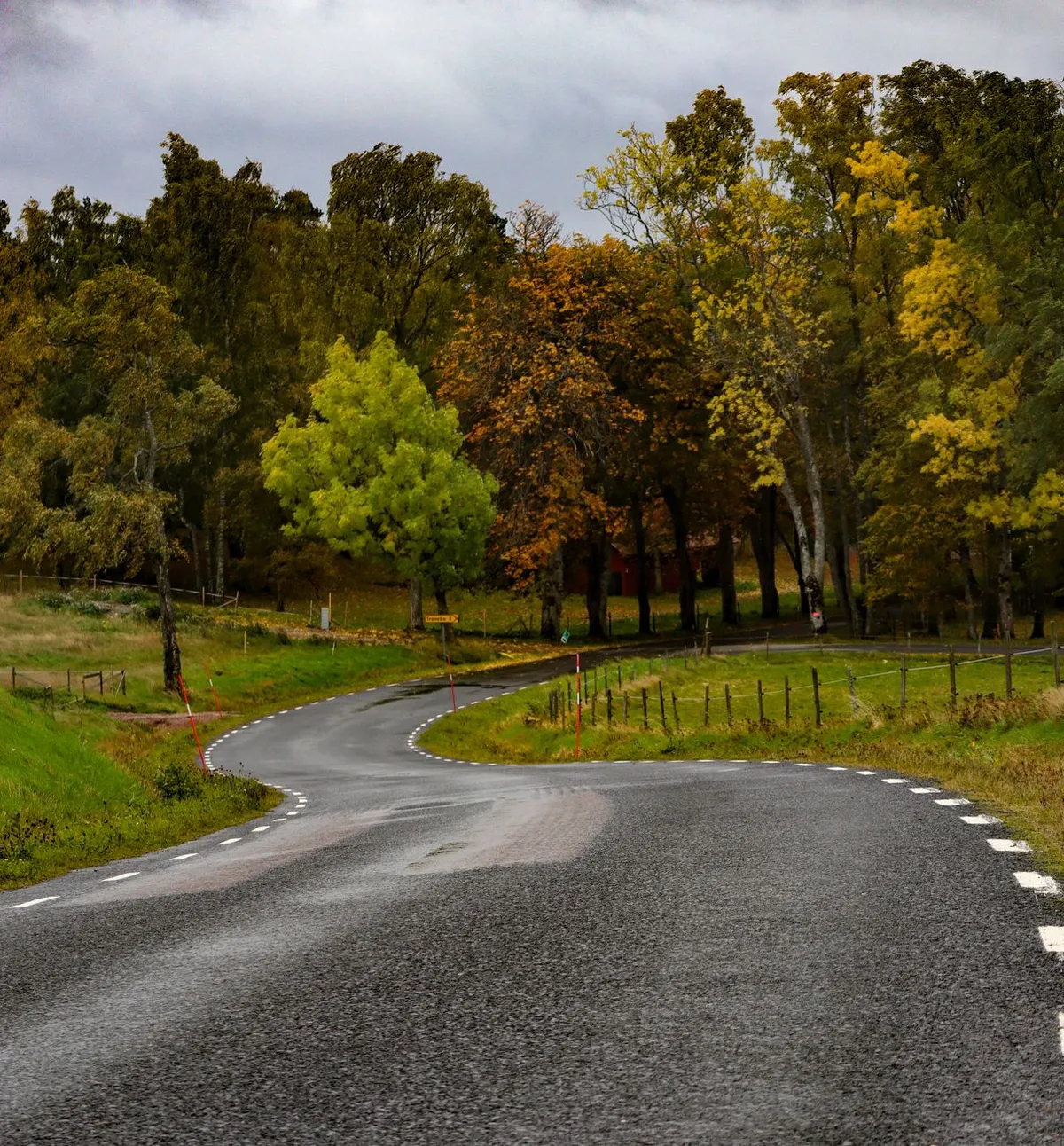

The train does not apologize for its rhythm. It clatters through the Po Valley at dawn, a steel serpent stitching Milan to Bologna, and I watch the fog eat the poplar trees whole. There is no Wi-Fi in this carriage, only the smell of damp wool and espresso from the thermos of the woman across the aisle. She offers me a biscotti. I accept. We do not speak the same language, but we share a vocabulary of patience. This—this suspension between departure and arrival—is where the map dissolves and the territory begins to breathe. We have been sold a lie for decades. The lie is that distance is an obstacle to be conquered, that the world is a checklist, and that the value of a journey is measured in stamps collected or peaks summited. The industry calls it "bucket listing." I call it a spiritual inflation: the more places you tick, the less any single place is worth. But out here, where the high-speed line ends and the regionale takes over, a different geometry applies. It is the geometry of stillness. The Tyranny of the Itinerary Modern tourism operates on the logic of extraction. We arrive, we mine the view for content, we refine the experience into a caption, and we ship it out before the dust settles on our boots. It is a colonial mindset wearing a Patagonia vest. We treat places as resources to be harvested—Instagram backdrops, bragging rights, data points for the algorithm. I remember standing in the Hall of Mirrors at Versailles ten years ago. The crowd was a river of selfie sticks. No one looked at the chandeliers; they looked at their screens to see if the chandeliers looked good on them. The history was loud, gilded, and entirely absent. I felt a profound homesickness for a place I had never been—a place where time moves like honey. Slow travel is not merely a budgeting strategy or a preference for trains over planes. It is a political act. It is a refusal to let the market dictate the tempo of your wonder. It asserts that presence is a non-renewable resource far more valuable than coverage. When you stay in a village for three weeks instead of three hours, the transaction flips. You are no longer the consumer; you are the neighbor. The baker learns how you take your coffee. The stray cat claims your windowsill. The map stops being a set of instructions and starts being a memoir.The Philosophy of the Flâneur Walter Benjamin wrote of the flâneur—the stroller, the lounger, the urban explorer who wanders the arcades of Paris with no destination but the rhythm of the crowd. The flâneur does not "do" the city; the city "does" him. He is the antidote to the commuter. The commuter knows the price of everything and the value of nothing. The flâneur knows the value of a shadow falling on cobblestones at 4 PM. I tried to import this species into the countryside last autumn. I rented a stone cottage in the Alentejo region of Portugal, fifty kilometers from the nearest highway. The plan was simple: no plan. I would walk the montados—the cork oak savannas—until the light changed. I would learn the difference between the call of the azure-winged magpie and the hoopoe. The first three days were withdrawal. My thumb twitched for the refresh button. I paced the kitchen tiles, inventing emergencies. I need to check the weather for next Tuesday. I should research the best pastel de nata in Lisbon. The addiction to utility is deep in the marrow. We have been trained to believe that unstructured time is wasted time. But on the fourth morning, the fog lifted off the cork trees like a held breath. I saw a fox trot along the dry stone wall, unbothered by my stillness. I realized the fox wasn't "doing" the landscape. The fox was the landscape. And for the first time in years, I wasn't a tourist in my own life. I was the terrain. The Logistics of Letting Go People ask: How do you afford the time? How do you plan the unplannable? The answer is boring, which is why it works. You strip the engine down to the chassis. Transport becomes the destination. I took a cargo bike across the Lofoten Islands last summer. Twenty kilometers a day. My legs knew the gradient of every fjord before my eyes did. I smelled the kelp drying on the racks in Reine before I saw the village. The effort was the arrival. When you move at muscle speed, the world resolves into high definition. You see the lichen on the rocks, the tracks of a ptarmigan in the sand, the way the Arctic light gilds the underside of a cloud. Accommodation becomes community. I stop looking for "unique stays" on platforms that monetize authenticity. I look for casas particulares in Cuba, pensioni run by nonnas in the Dolomites, farm stays in Hokkaido where breakfast is miso soup made from soybeans grown twenty meters from the table. You pay for the room, but you earn the stories. In a family-run guesthouse in the Val di Fassa, the owner, Marco, taught me to recognize the sound of the Marmotta whistle—a sharp, high pip that means "eagle overhead." Now, whenever I hear it in the Alps, I think of Marco’s wrinkled hands wrapping a wool scarf around my neck. That is a souvenir no airport shop sells. The schedule is written in pencil. I book the first night and the flight home. The middle is blank. This terrifies the planner in me. But the blank space is where the magic hides. In Georgia (the country, not the state), a broken-down marshrutka in the Tusheti mountains led to three days in a shepherd’s hut, drinking chacha and listening to polyphonic singing that predates Christianity. No guidebook lists "Shepherd's Hut, Day 3." You have to miss the connection to find the communion.The Ecology of Attention There is a hidden cost to fast travel, and it is paid in attention. The carbon footprint of a flight is calculated in tons of CO2. The cognitive footprint of a whirlwind tour is calculated in fragmented memories. We return home with full cameras and empty heads. Slow travel is an ecology of attention. It asks: What happens when you stare at the same olive tree for an hour? In Puglia, I did exactly that. An ancient tree, gnarled like a question mark, roots gripping the red soil. At minute fifteen, I saw the ants farming aphids on a low branch. At minute thirty, a Sardinian warbler nested in the hollow trunk. At minute forty-five, the light shifted, and the bark turned from grey to burnt umber, revealing the history of every drought and flood the tree had survived. I learned the tree’s name from a farmer leaning on a hoe: Ulivo della Regina. The Queen’s Olive. Planted by the Normans, maybe. Or the Byzantines. It has outlived empires. It will outlive me. Standing there, my petty anxieties—deadlines, emails, the noise of the feed—shrank to their actual size. The tree offered a perspective no wellness retreat can package: You are passing through. I remain. This is the gift of slowness. It restores proportion. It reminds you that you are a verb, not a noun. You are not a static entity "visiting" a place; you are a moving participant in an ancient conversation between geology, biology, and culture. The Art of the Deep Map Cartographers make maps to flatten the world. Slow travelers make "deep maps" to thicken it. A standard map of the Scottish Highlands shows the A82, Loch Ness, Fort William. A deep map shows: the spot where the midges don't bite because the wind funnels through the glen; the bothy where a climber left a tin of shortbread in 1998; the exact bend in the river where the salmon leap in October; the Gaelic name for the hill that means "Hill of the False Summit." I build deep maps wherever I linger. In a notebook—paper, because batteries die and screens glare—I record sensory coordinates.Smell: Petrichor on hot volcanic ash, Santorini, 6 AM. Sound: The rhythmic thock-thock of a woodpecker in the Black Forest, syncopated with a distant church bell. Touch: The cold slickness of a medieval keystone in a Toledo synagogue, worn smooth by centuries of fingers tracing the Star of David. Taste: Salt on fingertips after peeling percebes (gooseneck barnacles) in a Galician tavern, the taste of the Atlantic crash.These coordinates cannot be GPS-tagged. They are internal landmarks. Years later, closing my eyes, I can navigate back to that keystone in Toledo faster than I can find a file on my cloud drive. That is the true navigation. We do not travel to see places; we travel to become the kind of people who carry places inside them.The Return: Reverse Culture Shock The hardest part of slow travel is not the departure. It is the return. You land in your home airport. The air smells of jet fuel and sanitizer. The signs shout instructions: Queue here. Scan this. Remove belt. Hurry up. Wait. You move through the terminal, a ghost in your own life. The speed hurts. The volume hurts. The performative urgency of modern life—reply now, optimize this, scale that—looks like a collective panic attack. I remember stepping off the night train from Palermo into Milano Centrale. The station was a cathedral of velocity. Businessmen sprinted for Frecciarossa connections. Digital boards flickered with real-time delays measured in seconds. I still had sand in my shoes from Mondello. I still tasted the granita di mandorla on my lips. I sat on my suitcase and wept. Not from sadness. From the violence of the contrast. I had spent three weeks learning the dialect of a fisherman named Salvatore, learning which moon phase brings the triglie (red mullet) close to shore, learning to mend a net with fingers stiff from salt. I had acquired a competence that was useless in Milan. Useless in the economy. Essential to the soul. This is the tax you pay. Slow travel ruins you for the fast lane. It calibrates your internal clock to a geologic tempo. You become allergic to "efficiency." You start asking dangerous questions: Why am I rushing? Who profits from my haste? What am I not seeing because I am looking at my watch? The Resistance Is Local The revolution will not be televised. It will be walked. It will be cycled. It will be sat upon a stone wall in a village square, sharing a peach with an old man who teaches you the word for "twilight" in a dialect that has no dictionary. Slow travel is the practice of staying long enough to be changed. It is the courage to say "I don't know" when asked for your top five highlights. It is the humility to realize that the world is not a museum curated for your entertainment, but a living organism you are privileged to touch. Last week, I was in the Jura mountains, on the French-Swiss border. Mist clung to the spruce forests. I was walking a section of the Grande Traversée du Jura, a long-distance trail that takes weeks to complete. I had four days. I met a woman at a ferme-auberge making Comté cheese in a copper vat the size of a bathtub. She stirred the curds with a paddle the length of a canoe. The rhythm was hypnotic. Thwump. Thwump. Thwump. "Combien de temps?" I asked. How long? "Une heure," she said. "Mais le fromage, c'est des mois. La vache, c'est des années. L'herbe, c'est des siècles." One hour. But the cheese is months. The cow is years. The grass is centuries. She didn't look at a timer. She looked at the curd. She knew. That is the masterclass. The world reveals its texture only to those who wait for the curd to set. The map is not the territory. The itinerary is not the journey. The photograph is not the memory. So, put down the guidebook. Cancel the second reservation. Miss the train. Sit on the platform. Watch the light hit the tracks. Talk to the woman with the thermos. Eat the biscotti. The territory is waiting. It has all the time in the world. Do you?#SlowTravel #MindfulJourney #DeepTravel #IntentionalLiving #TravelPhilosophy Related InsightsShadow Trails of the Andes: Unveiling Peru's Hidden Sacred Valleys Chloe Tremblay’s Epic 10-Day Iceland Ring Road Adventure: A Budgeter’s Paradise and Luxury Dream L'Eterna Seduzione della Costa Azzurra: Tra Scogliere di Porfido e Misteri Belle Époque{ "@context": "https://schema.org", "@type": "FAQPage", "mainEntity": [ { "@type": "Question", "name": "What is the main focus of The Geometry of Stillness: Why the Map Is Not the Territory?", "acceptedAnswer": { "@type": "Answer", "text": "An exploration of slow travel as a resistance movement against the tyranny of the itinerary, revealing how stillness redraws the maps of our inner landscapes." } }, { "@type": "Question", "name": "Who authored the comprehensive guide on The Geometry of Stillness: Why the Map Is Not the Territory?", "acceptedAnswer": { "@type": "Answer", "text": "This detailed article and its insights were carefully researched and authored by John Explorer." } }, { "@type": "Question", "name": "Where can I find more related content about Travel?", "acceptedAnswer": { "@type": "Answer", "text": "You can explore more articles, detailed reviews, and similar insights by browsing the Related Insights section at the bottom of this article or visiting our dedicated Travel category page." } } ] }
-
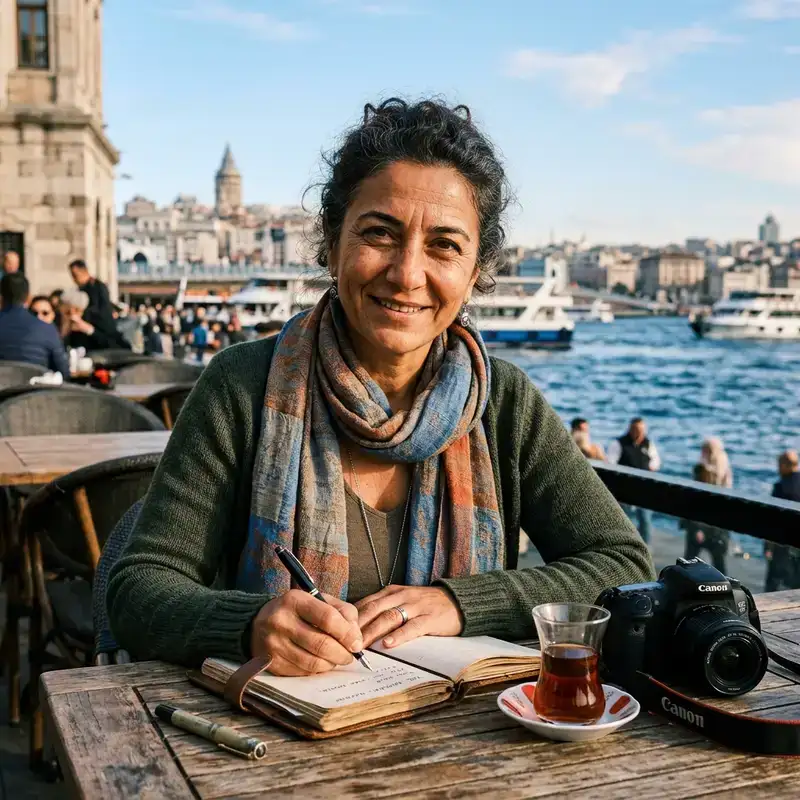 Cemre Seyyah
 - 03 Oct, 2026 20:21
Where Sunflowers Guard the Gate: A Journey Into the World's Most Authentic Farm Stays
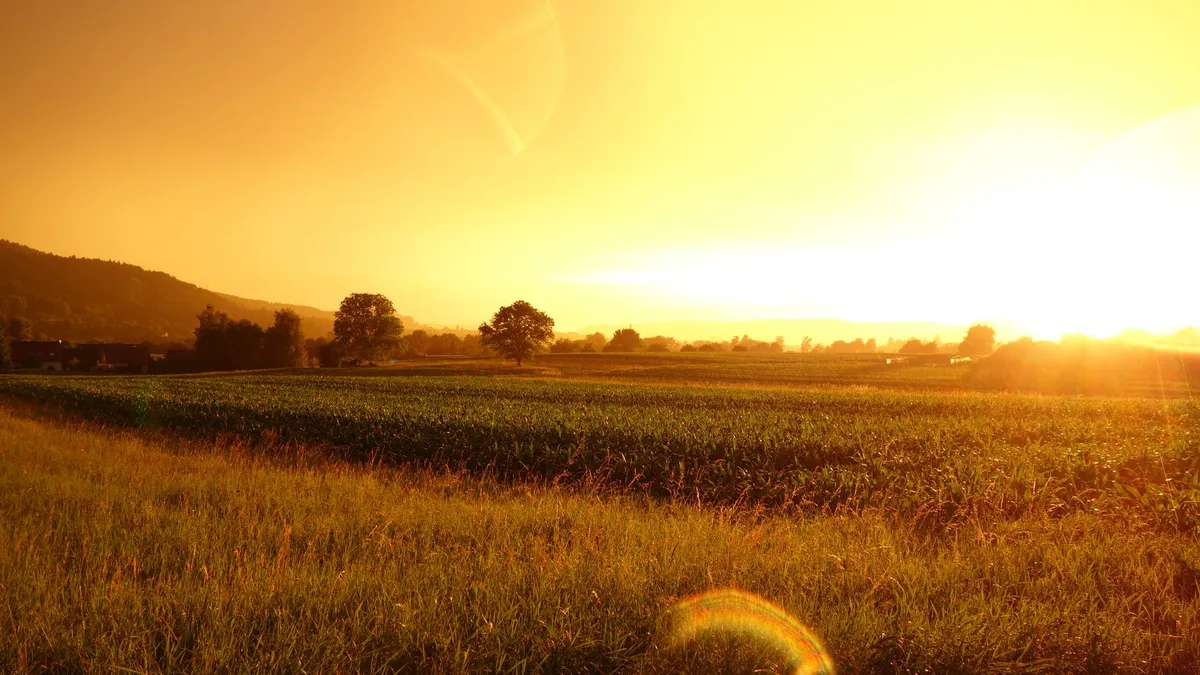
The dust motes dance in the slant of the late afternoon sun, caught in the amber glow of a barn converted into a bedroom. Somewhere beyond the stone wall, a rooster announces the impending dusk, not the dawn. There is no Wi-Fi password scrawled on a chalkboard here—only the password of the land: patience, seasons, and the quiet dignity of dirt under fingernails. This is not a vacation from life; it is a vacation into life, raw and unfiltered. We have spent decades chasing horizons, but the most radical journey right now might be the one that brings us back to the source. The Architecture of Belonging: Why We Trade Hotels for Haylofts The numbers tell a story of survival. For the small family farm, the calculus of modern agriculture is often brutal: commodity prices fluctuate, climate patterns shift, and the margins vanish. But a quiet revolution has been brewing in the furrows. By opening the gate to strangers—inviting them to sleep in the hayloft, to pick the fruit, to stir the pot—farmers have engineered a lifeline. It is diversification in its purest form. When the crops are sleeping under snow, the kitchen is still warm, serving harvest dinners to travelers hungry for provenance. This separate stream of income doesn't just save the farm; it revitalizes the entire rural ecosystem, drawing traffic—and revenue—to the gas station, the bakery, and the corner store in villages that the interstate highways forgot. Italy’s Golden Seal: Where the Sunflower Sets the Standard If there is a gold standard for this movement, it blooms in Italy. Since 1985, the concept of Agriturismo hasn't just been a vibe; it has been the law. The state formalized it, amended it in 2006, and in 2013, they planted a flag in the soil: the "Agriturismo Italia" trademark. Look for the sunflower enclosing a farm. It is a promise. This isn't a loose certification. It is a classification system graded one to five marks—girasoli, sunflowers—rating the level of comfort, the variety of services, and the quality of the natural environment. Managed by the Ministry of Agriculture in cooperation with regional associations, it offers a national guarantee that still respects the fierce specificity of a Tuscan vineyard versus a Sicilian olive grove. When you book a stay under that sunflower, you aren't just getting a room; you are entering a legally protected covenant between the traveler and the land.Armenia: Where the Loom Meets the Vine Travel east to the Caucasus, and the definition of agritourism expands beyond the plate. In Armenia, the revitalization of rural life was a matter of cultural survival. Here, the agricultural activity is inseparable from the artistic heritage. You don't just visit a vineyard; you participate in winemaking traditions that stretch back millennia. You sit beside a weaver, fingers learning the ancient knots of carpet weaving, the patterns telling stories older than the border lines on a map. The calendar is punctuated by festivals that taste of identity. The "Dolma" festival celebrates the stuffed grape leaf. The "Khorovats" festival turns barbecue into a communal ritual. The "Gata" festival honors the sweet, layered pastry. These aren't tourist traps; they are the village square opening its doors, saying: This is who we are. Come eat with us. India’s Green Gold: From Maharashtra’s Corporations to Kerala’s Backwaters In a nation where 85% of the population breathes with the rhythm of agriculture and the sector anchors 26% of the GDP, agritourism isn't a niche—it is a national narrative. Maharashtra leads the charge with the Agri Tourism Development Corporation, structuring the chaos into opportunity. But drift south to Kerala, and the landscape shifts to the watery veins of Kuttanad, the spice-scented hills of Wayanad, the palms of Palakkad, and the mist of Idukki. The "Green Farm" project, launched by the Government of Kerala, isn't just about hosting guests; it is about promoting a philosophy of agro-tourism rooted in the backwaters. Further east, the hills of Nagaland and Sikkim write their own success stories, proving that the model scales from the corporate framework to the community collective.Israel: Walking the Wine Route Through History In Israel, the soil is a palimpsest. At Ein Yael, Neot Kedumim, and Kfar Kedem, you don't just see history; you work it. Terraced farming and ancient irrigation systems aren't museum exhibits—they are activities. You stomp grapes in vats carved from bedrock. You press olives under stones that have felt the weight of a thousand harvests. The crops themselves are characters in the story: grapes, olives, dates, wheat. The Wine Route and Olive Route in the Mate Yehuda and Yoav regions thread together boutique wineries and presses both ancient and modern. In Haifa, the Dagon Museum traces the lineage of grain from the Fertile Crescent to the modern silo. Binyamina’s citrus groves perfume the air, while Kibbutz Ein Gedi, clinging to the shore of the Dead Sea, proves that desert farming is an act of defiance and ingenuity. For the modern chapter, the Dubrovin Farm museum and the Museum of Pioneer Settlement at Kibbutz Yifat document the sweat that built the agricultural infrastructure of the late 19th and early 20th centuries. The Desert Blooms: UAE’s 2023 Pivot The United Arab Emirates writes the newest chapter. In 2023, they unveiled a pioneering plan to revamp the agricultural industry, launching the 'UAE Agritourism Program.' It is a bold synthesis of the conventional and the hyper-modern: animal farms and crop farms sitting beside vertical farming tech. The goal is explicit—diversify farmer income, spike demand for local produce, and build a hub expected to generate thousands of jobs. It is agritourism as national strategy, turning the sandbox into a breadbasket. Pakistan’s Fertile Canvas Pakistan offers a canvas of raw potential. With 65% of its people rooted in rural life and agriculture contributing 21% to the GDP, the infrastructure is already written in the landscape: fertile land, four distinct seasons, and a vascular system of canals flowing north to south—dams, barrages, headworks, and distribution channels. It is a geography waiting for the narrative of hospitality to be overlaid upon the existing reality of production. The American Laboratory: California’s Database of Dreams In the United States, the University of California’s Small Farm Center framed the thesis early: "Agricultural tourism or agritourism, is one alternative for improving the incomes and potential economic viability of small farms and rural communities." California became the laboratory. Fairs and festivals matured into reliable engines. But the real tool for the wanderer is the California Agritourism Database—a digital map connecting the curious directly to the source, stripping away the middlemen. England’s Northern Pivot Across the Atlantic, a 2011 study in Tourism Planning and Development confirmed what the farmers of North West England already knew: diversification isn't optional; it's existential. As commodity pressures mount, the farm gate opens wider. The tea room in the converted barn, the pumpkin patch in October, the lambing live-streams in spring—these are the new hedgerows protecting the family business.Thailand’s Wellness Harvest: The Post-2021 Awakening Thailand’s agritourism curve bent sharply upward after 2021. The global pause rewired the traveler’s brain. We emerged craving healthy food, wellness, and community sustainable living. Thailand answered with a menu of connection: Farm Stays where the mosquito net is the only barrier between you and the jungle chorus; Farm Tours that trace the vanilla bean from vine to cured pod; Farm Product Festivals that turn the harvest into a street party; Workshops where you learn to ferment, to compost, to heal the soil. It is agritourism as therapy, promoting sustainable practice not as a slogan, but as a survival skill. The Taxonomy of the Experience: Five Ways to Get Your Hands Dirty A 2018 classification in the Journal of Agriculture, Food Systems, and Community Development mapped the terrain into five distinct territories. Most of us wander through several in a single trip. 1. Direct-to-Consumer Sales (The Market Moment) The farm stand at the end of the driveway. The "U-Pick" field where you judge a strawberry by its scent, not its shelf life. This is the shortest supply chain on earth. You are the logistics. 2. Agricultural Education (The Classroom Without Walls) School buses rumbling down dirt lanes. But increasingly, it’s adults relearning what a tomato plant looks like before the fruit appears. It’s the "aha!" moment when you realize a peanut flowers above ground but fruits below. 3. Hospitality (The Overnight Immersion) The farm stay. This is where the magic deepens. Waking to the lowing of cows. Assisting with chores—mucking stalls, gathering eggs, moving irrigation pipe. You earn your breakfast. The boundary between guest and family blurs over a shared labor. 4. Recreation (The Playground) Horseback riding along fence lines. Hunting leases managing wildlife populations. Corn mazes carved into standing stalks, GPS-designed but felt by flashlight and instinct. 5. Entertainment (The Celebration) Hayrides rattling over ruts. Harvest dinners under string lights where every course was born within a mile of the table. The wedding barn. The music festival in the pasture.The Indirect Thread: When the Farmer Stays Home Not every farmer wants to be an innkeeper. The indirect model respects that. The farmer grows; the tourist facility cooks and serves. The farmers' market becomes the bridge. Local products sold directly to tourists keep the money in the valley. It’s a quieter symbiosis, but no less vital. The chef gets the story; the farmer gets the fair price; the traveler gets the taste. The Philosophy of the Open Gate We travel to see difference. But in the quiet of a farm stay—whether under a Tuscan sunflower rating, beside an Armenian loom, on a Kerala backwater, or in an Israeli olive grove—we find a mirror. The work is different, the climate is different, the history is different. But the rhythm is the same. Plant. Tend. Harvest. Rest. Repeat. Agritourism reminds us that food is not a product; it is a process. And that process is the oldest story we have. When we pay to sleep in the barn, we aren't just buying a bed. We are buying a moment of alignment. We are saying: I remember. I belong to this, too. The gate is open. The sunflower is watching. What are you waiting for?#Agritourism #SlowTravel #FarmStays #SustainableTourism #RuralRevival
-
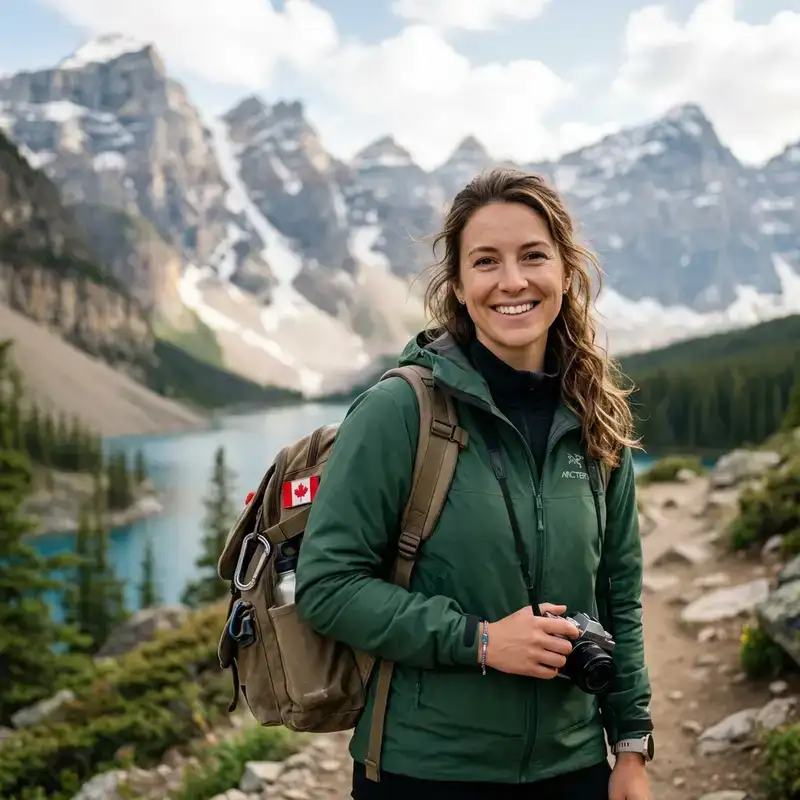 Chloe Tremblay
 - 16 Aug, 2026 18:58
Patagonia’s Secret Gems: Where Wild Winds Carve Legends Beyond Torres del Paine
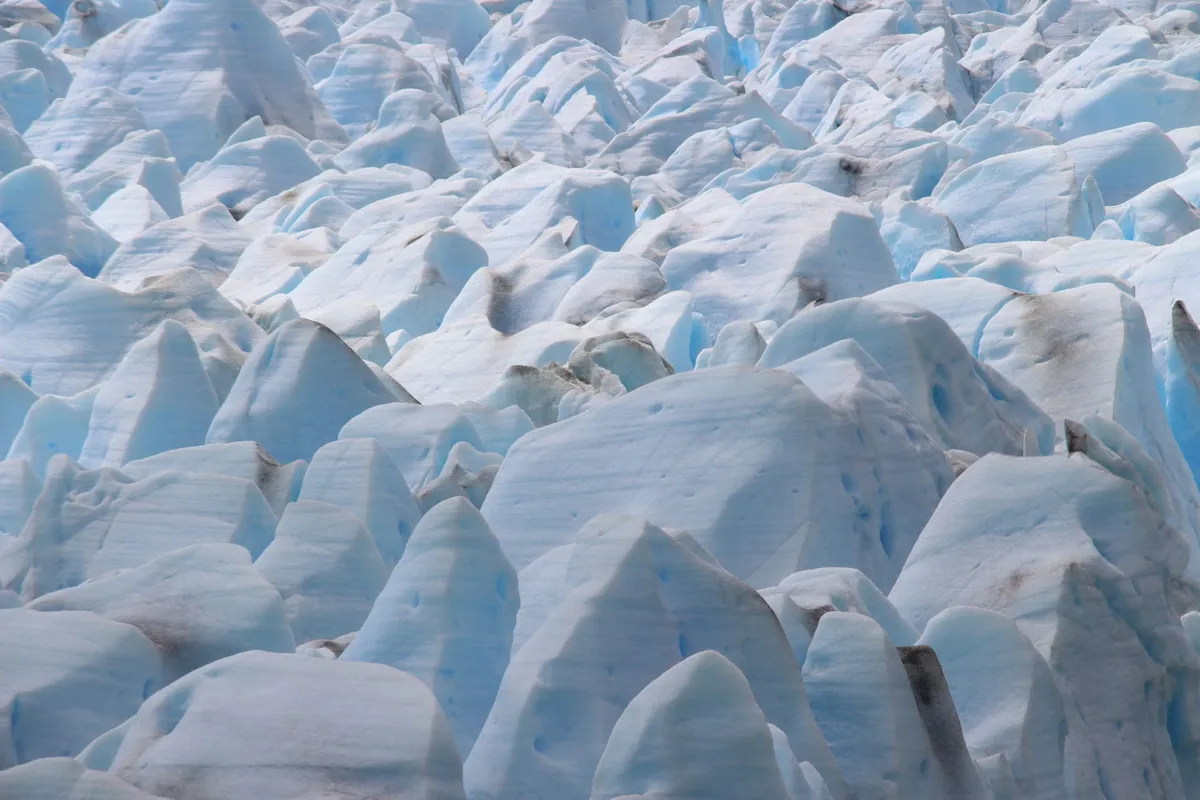
Where the Earth Breathes Fire and Ice: Patagonia’s Uncharted Soul Patagonia isn’t just a place—it’s a whisper from the planet’s wildest dreams. While Torres del Paine steals the spotlight with its jagged granite spires, the true magic of this land lies in the places where few dare to tread. Here, glaciers groan under the weight of centuries, winds sculpt ancient forests into living sculptures, and the silence is so profound it feels like the world has paused to listen. This is a land for those who crave depth over crowds, authenticity over postcards. Welcome to Patagonia’s hidden treasures—where every step feels like a secret shared between you and the earth.Bariloche’s Chocolate-Kissed Wilderness: A Slow Traveler’s Dream Nestled against the eastern slopes of the Andes, San Carlos de Bariloche is often dismissed as a touristy gateway to Patagonia. But those who linger beyond the chocolate shops and ski lifts discover a landscape where alpine lakes mirror the sky and ancient forests hum with stories of Mapuche legends. This is the place where Patagonia’s wild heart beats strongest—not in the postcard-perfect postcard moments, but in the quiet corners where time moves to the rhythm of a woodstove’s crackle. Start your slow journey in Villa La Angostura, a town so picturesque it feels like a painting left unfinished. The Arrayanes Forest, with its cinnamon-colored myrtle trees, is a UNESCO-listed wonder where the trees glow amber in the afternoon light. Hike the Circuito Chico, a 48-kilometer loop that takes you past turquoise lakes, waterfalls, and views of the Nahuel Huapi volcano. For a deeper dive, take a boat to Isla Victoria, a pristine island where guanacos graze and the air smells of pine and rain. Food here is an adventure in itself. Bariloche’s chocolate isn’t just a treat—it’s a cultural institution. Visit Mamuschka or Rapa Nui for artisanal truffles, or stop by La Marisma for lamb slow-cooked in a traditional curanto pit. The local calafate berry, a tart purple fruit used in jams and liqueurs, is a must-try. Pair it with a glass of Malbec from nearby Bodega Schroeder, where the high-altitude vineyards produce wines with a crisp, alpine edge. But the real magic? Slow travel. Bariloche rewards those who linger. Rent a cabin in Pampa Linda, a hamlet at the base of the Tronador Volcano, where the air is thin and the stars are so bright they feel within reach. Or spend a week in El Bolsón, a bohemian village where artisans sell handwoven textiles and organic honey. The cost of living here is surprisingly affordable if you avoid peak season (December–February). A mid-range apartment rents for $800–$1,200 USD/month, while a meal at a local parrilla (steakhouse) costs $15–$25 USD. Public transport is reliable, with buses connecting Bariloche to nearby towns for as little as $2–$5 USD per trip.El Chaltén’s Untamed Trails: Where Every Step is a Story If Bariloche is Patagonia’s gentle introduction, El Chaltén is where the land demands your respect. Known as the "Trekking Capital of Argentina," this tiny village at the foot of the Fitz Roy massif is a place where the wind is a constant companion, and the mountains refuse to be ignored. But beyond the famous Laguna de los Tres hike lies a world of hidden trails, where glaciers calve into turquoise lagoons and condors circle overhead like ancient guardians. Start with the classics, but don’t stop there. The Laguna de los Tres trail (22 km round trip) is a rite of passage, offering a jaw-dropping view of the Fitz Roy’s granite spires reflected in the lagoon. But for a quieter experience, take the Laguna Torre route (18 km round trip), where the glacier’s tongue meets the lake in a dramatic display of nature’s power. For the truly adventurous, the Laguna Capri loop (10 km) is a shorter but no less stunning alternative, with views of the Fitz Roy’s north face. Beyond the trails, El Chaltén is a place of contrasts. The village itself is a hub of backpackers and climbers, with cozy hostels like Destino Sur and La Cabaña offering hot showers and hearty meals. But the real magic happens in the estancias (ranches) just outside town. Spend a night at Estancia Helsingfors, where you can horseback ride through the valleys or help with the sheep shearing. The cost? $100–$150 USD for a night’s stay, including meals. Food here is fuel for the soul. La Tapera serves up hearty Patagonian stews, while El Muro offers wood-fired pizzas with a view of the Fitz Roy. Don’t miss the cordero patagónico (Patagonian lamb), slow-roasted over an open fire. The cost of living is higher than in Bariloche, but still manageable if you plan ahead. A dorm bed in a hostel costs $20–$30 USD/night, while a meal at a mid-range restaurant runs $15–$25 USD. Groceries are affordable—expect to spend $150–$200 USD/month on basics like bread, cheese, and pasta.Puerto Natales: The Gateway to Patagonia’s Wildest Secrets If El Chaltén is where the mountains call, Puerto Natales is where the adventure begins. This rugged port town on the shores of the Última Esperanza Fjord is the jumping-off point for some of Patagonia’s most remote and breathtaking destinations. But it’s also a place with its own charm—a place where the Torres del Paine looms in the distance, but the real treasures lie elsewhere. Start with the Balneario Municipal, a hot spring nestled in a cove where you can soak your muscles after days of hiking. Then, explore the Cueva del Milodón, a cave where prehistoric sloths once roamed, and where the wind carries the scent of salt and adventure. For a taste of local life, visit the Mercado Municipal, where fishermen sell fresh king crab and mussels straight from the fjord. But the real magic of Puerto Natales lies in its proximity to Torres del Paine’s lesser-known corners. Take a boat to Puerto Edén, a remote village accessible only by sea, where the Paine Massif reflects in the fjord’s glassy waters. Or visit Lago Grey, where the Grey Glacier calves into the lake with a thunderous splash. For the truly intrepid, the Dientes de Navarino circuit on Isla Navarino (Chile) offers a 5-day trek around the southernmost town in the world, Puerto Williams. The cost of living in Puerto Natales is lower than in El Chaltén but higher than in Bariloche. A mid-range apartment rents for $600–$900 USD/month, while a meal at a local asador (grill) costs $10–$20 USD. Public transport is limited, so renting a car or joining a tour is often the best option. A day trip to Torres del Paine costs $80–$150 USD, while a boat tour to Puerto Edén runs $120–$200 USD.The Patagonian Budget Breakdown: How to Slow Travel Without Breaking the Bank Slow travel in Patagonia isn’t just about the destinations—it’s about the rhythm. It’s about waking up to the sound of rain on a tin roof, about trading crowded hostels for cozy cabins, about savoring meals that taste like home. But how much does it really cost to live here in 2026? The answer depends on where you go and how you travel, but with the right planning, Patagonia can be surprisingly affordable. Here’s a breakdown of monthly costs for a slow traveler in Patagonia’s hidden gems:Category Bariloche (USD) El Chaltén (USD) Puerto Natales (USD)Accommodation (mid-range) $800–$1,200 $1,000–$1,500 $600–$900Food (groceries + eating out) $300–$500 $400–$600 $250–$400Transport (local buses + occasional tours) $100–$200 $150–$300 $200–$400Activities (hikes, tours, entrance fees) $100–$200 $150–$300 $100–$250Miscellaneous (Wi-Fi, SIM card, etc.) $50–$100 $50–$100 $50–$100Total (per month) $1,350–$2,100 $1,750–$2,800 $1,250–$2,050Pro Tips for Saving Money:Travel in shoulder season (April–May or September–October) to avoid peak prices. Cook your own meals—hostels and Airbnbs often have kitchens. Use local buses instead of tours for hikes like Laguna Torre. Stay in cabins or guesthouses—they’re often cheaper than hostels and more comfortable. Buy groceries in bulk—markets in Bariloche and Puerto Natales offer great deals on staples like rice, pasta, and cheese.The Wind’s Whisper: Why Patagonia’s Hidden Treasures Outshine the Postcards Patagonia is a land of extremes—where the wind can strip paint from a car in minutes and the silence is so deep it feels like the world has stopped. But it’s also a land of quiet wonders, where the real magic lies not in the places everyone visits, but in the corners where few dare to go. In Bariloche, the chocolate shops and ski lifts are just the beginning. The real treasures are the hidden lakes, the Mapuche legends, and the alpine meadows where wildflowers bloom in defiance of the cold. In El Chaltén, the Fitz Roy is a constant presence, but the real magic is in the untouched trails, the glaciers that calve into turquoise lagoons, and the estancias where time moves to the rhythm of the land. And in Puerto Natales, the fjords and glaciers are just the start—adventure awaits in remote villages, prehistoric caves, and boat trips to places where the world feels untouched. Slow travel in Patagonia isn’t about ticking off landmarks—it’s about listening to the wind, savoring the silence, and letting the land guide you. It’s about waking up in a cabin with a view of the mountains, about sharing stories with fellow travelers in a cozy hostel, about tasting food that tastes like home. It’s about discovering that the real treasures of Patagonia aren’t the places everyone visits, but the places where few dare to go. So pack your bags, leave the crowds behind, and let Patagonia’s hidden treasures reveal themselves to you. The wind is calling—and the land is waiting.#PatagoniaUncovered #SlowTravelPatagonia #OffTheBeatenPath Related InsightsThe Enigmatic Ruins of Angkor Wat: Beyond the Crowds and Into the Jungle Yellowstone: The Fiery Heart of the American West Sustainable Archipelagos: Crafting an Eco‑Conscious Island‑Hopping Blueprint for the Azores{ "@context": "https://schema.org", "@type": "FAQPage", "mainEntity": [ { "@type": "Question", "name": "What is the main focus of Patagonia’s Secret Gems: Where Wild Winds Carve Legends Beyond Torres del Paine?", "acceptedAnswer": { "@type": "Answer", "text": "Uncover Patagonia’s lesser-known wonders—from Bariloche’s chocolate trails to El Chaltén’s untouched trails—with real cost breakdowns and insider tips for slow travel in 2026." } }, { "@type": "Question", "name": "Who authored the comprehensive guide on Patagonia’s Secret Gems: Where Wild Winds Carve Legends Beyond Torres del Paine?", "acceptedAnswer": { "@type": "Answer", "text": "This detailed article and its insights were carefully researched and authored by Chloe Tremblay." } }, { "@type": "Question", "name": "Where can I find more related content about Travel?", "acceptedAnswer": { "@type": "Answer", "text": "You can explore more articles, detailed reviews, and similar insights by browsing the Related Insights section at the bottom of this article or visiting our dedicated Travel category page." } } ] }