Where Sunflowers Guard the Gate: A Journey Into the World's Most Authentic Farm Stays
-
 Cemre Seyyah
 - 03 Oct, 2026 20:21
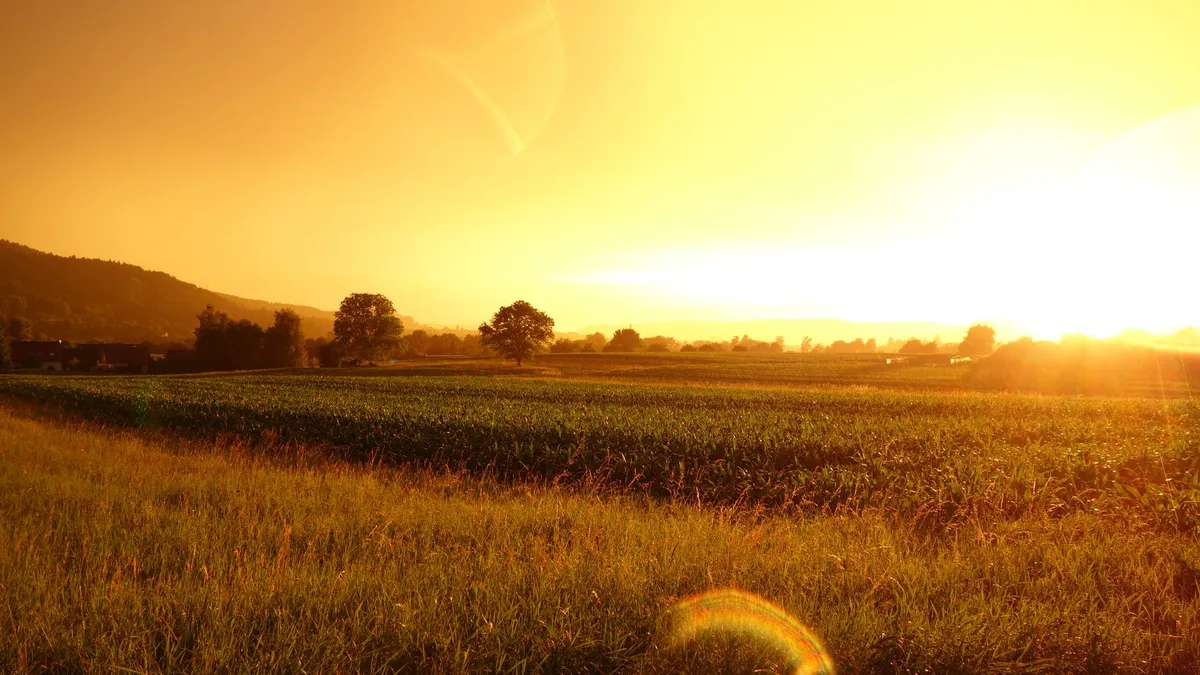
The dust motes dance in the slant of the late afternoon sun, caught in the amber glow of a barn converted into a bedroom. Somewhere beyond the stone wall, a rooster announces the impending dusk, not the dawn. There is no Wi-Fi password scrawled on a chalkboard here—only the password of the land: patience, seasons, and the quiet dignity of dirt under fingernails. This is not a vacation from life; it is a vacation into life, raw and unfiltered. We have spent decades chasing horizons, but the most radical journey right now might be the one that brings us back to the source.
The Architecture of Belonging: Why We Trade Hotels for Haylofts
The numbers tell a story of survival. For the small family farm, the calculus of modern agriculture is often brutal: commodity prices fluctuate, climate patterns shift, and the margins vanish. But a quiet revolution has been brewing in the furrows. By opening the gate to strangers—inviting them to sleep in the hayloft, to pick the fruit, to stir the pot—farmers have engineered a lifeline. It is diversification in its purest form. When the crops are sleeping under snow, the kitchen is still warm, serving harvest dinners to travelers hungry for provenance. This separate stream of income doesn’t just save the farm; it revitalizes the entire rural ecosystem, drawing traffic—and revenue—to the gas station, the bakery, and the corner store in villages that the interstate highways forgot.
Italy’s Golden Seal: Where the Sunflower Sets the Standard
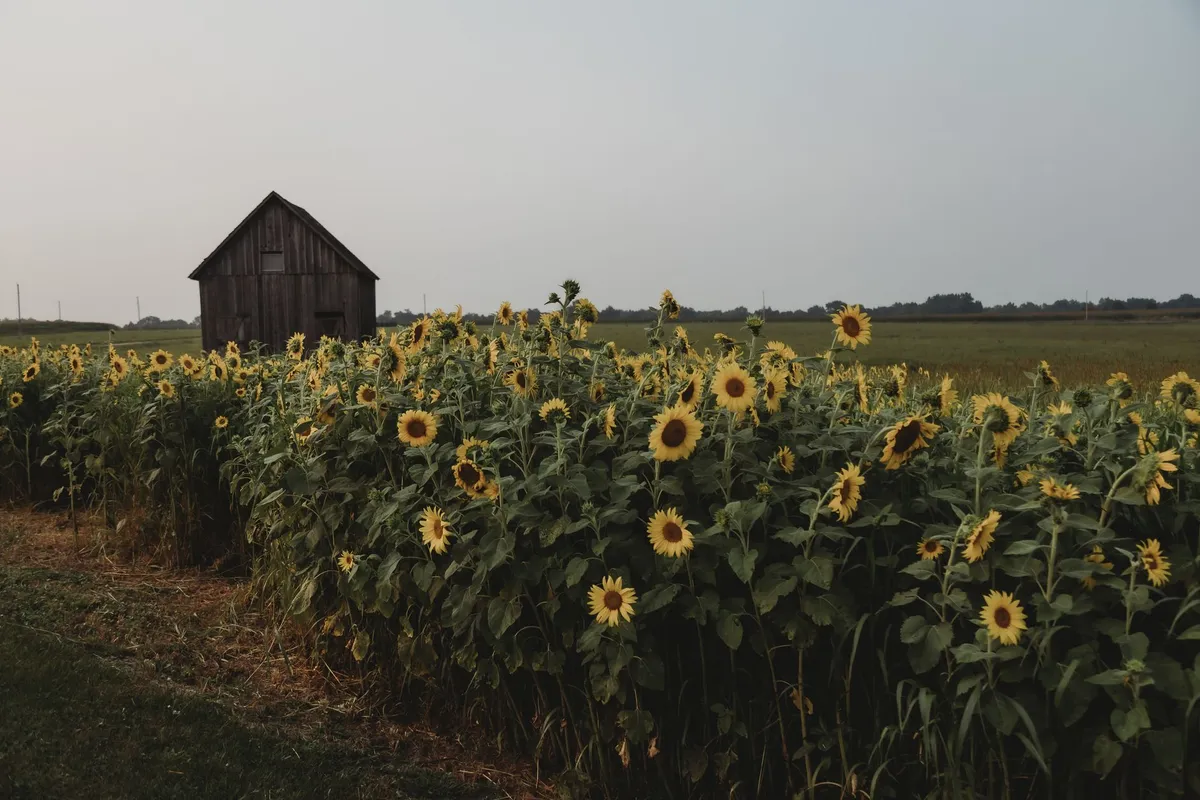
If there is a gold standard for this movement, it blooms in Italy. Since 1985, the concept of Agriturismo hasn’t just been a vibe; it has been the law. The state formalized it, amended it in 2006, and in 2013, they planted a flag in the soil: the “Agriturismo Italia” trademark. Look for the sunflower enclosing a farm. It is a promise.
This isn’t a loose certification. It is a classification system graded one to five marks—girasoli, sunflowers—rating the level of comfort, the variety of services, and the quality of the natural environment. Managed by the Ministry of Agriculture in cooperation with regional associations, it offers a national guarantee that still respects the fierce specificity of a Tuscan vineyard versus a Sicilian olive grove. When you book a stay under that sunflower, you aren’t just getting a room; you are entering a legally protected covenant between the traveler and the land.
Armenia: Where the Loom Meets the Vine
Travel east to the Caucasus, and the definition of agritourism expands beyond the plate. In Armenia, the revitalization of rural life was a matter of cultural survival. Here, the agricultural activity is inseparable from the artistic heritage. You don’t just visit a vineyard; you participate in winemaking traditions that stretch back millennia. You sit beside a weaver, fingers learning the ancient knots of carpet weaving, the patterns telling stories older than the border lines on a map.
The calendar is punctuated by festivals that taste of identity. The “Dolma” festival celebrates the stuffed grape leaf. The “Khorovats” festival turns barbecue into a communal ritual. The “Gata” festival honors the sweet, layered pastry. These aren’t tourist traps; they are the village square opening its doors, saying: This is who we are. Come eat with us.
India’s Green Gold: From Maharashtra’s Corporations to Kerala’s Backwaters
In a nation where 85% of the population breathes with the rhythm of agriculture and the sector anchors 26% of the GDP, agritourism isn’t a niche—it is a national narrative. Maharashtra leads the charge with the Agri Tourism Development Corporation, structuring the chaos into opportunity. But drift south to Kerala, and the landscape shifts to the watery veins of Kuttanad, the spice-scented hills of Wayanad, the palms of Palakkad, and the mist of Idukki.
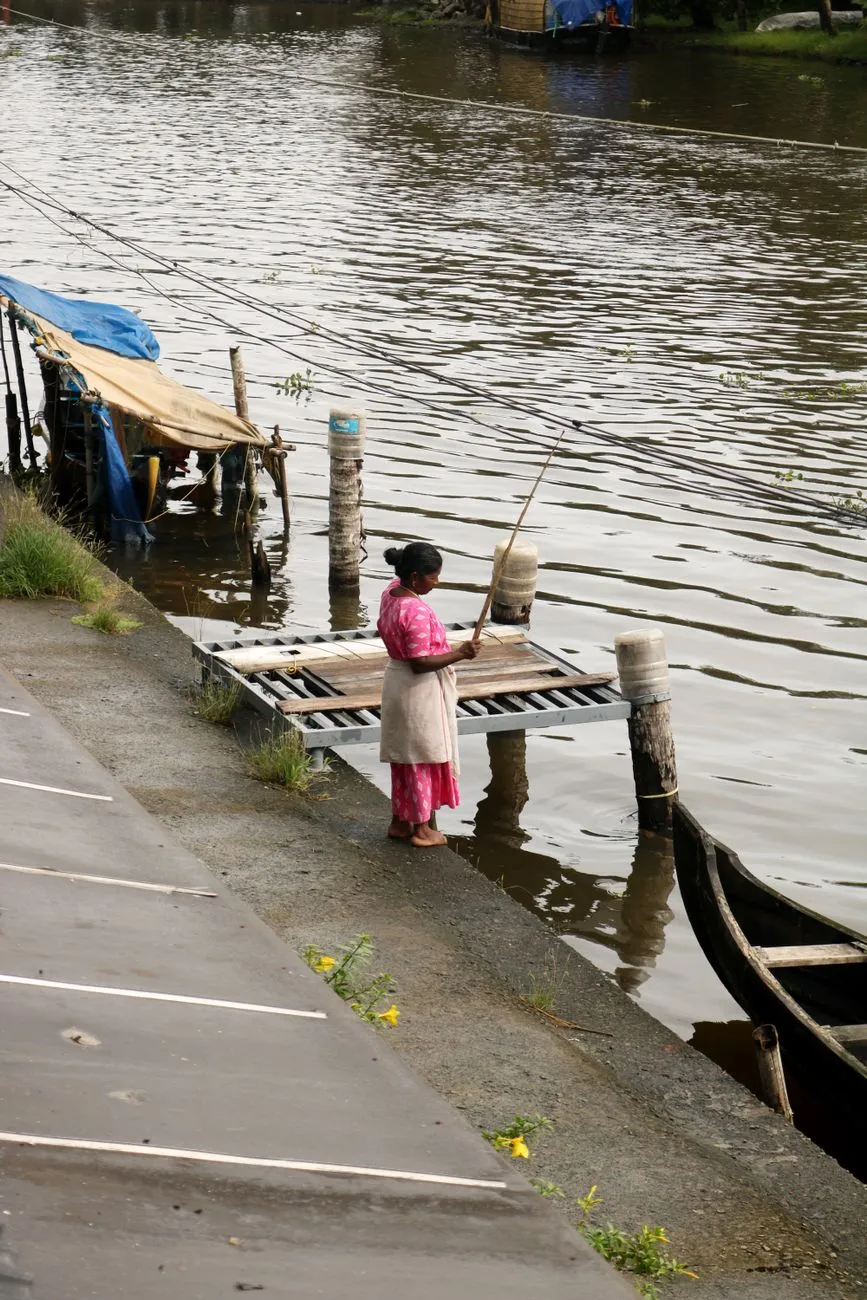
The “Green Farm” project, launched by the Government of Kerala, isn’t just about hosting guests; it is about promoting a philosophy of agro-tourism rooted in the backwaters. Further east, the hills of Nagaland and Sikkim write their own success stories, proving that the model scales from the corporate framework to the community collective.
Israel: Walking the Wine Route Through History
In Israel, the soil is a palimpsest. At Ein Yael, Neot Kedumim, and Kfar Kedem, you don’t just see history; you work it. Terraced farming and ancient irrigation systems aren’t museum exhibits—they are activities. You stomp grapes in vats carved from bedrock. You press olives under stones that have felt the weight of a thousand harvests.
The crops themselves are characters in the story: grapes, olives, dates, wheat. The Wine Route and Olive Route in the Mate Yehuda and Yoav regions thread together boutique wineries and presses both ancient and modern. In Haifa, the Dagon Museum traces the lineage of grain from the Fertile Crescent to the modern silo. Binyamina’s citrus groves perfume the air, while Kibbutz Ein Gedi, clinging to the shore of the Dead Sea, proves that desert farming is an act of defiance and ingenuity. For the modern chapter, the Dubrovin Farm museum and the Museum of Pioneer Settlement at Kibbutz Yifat document the sweat that built the agricultural infrastructure of the late 19th and early 20th centuries.
The Desert Blooms: UAE’s 2023 Pivot
The United Arab Emirates writes the newest chapter. In 2023, they unveiled a pioneering plan to revamp the agricultural industry, launching the ‘UAE Agritourism Program.’ It is a bold synthesis of the conventional and the hyper-modern: animal farms and crop farms sitting beside vertical farming tech. The goal is explicit—diversify farmer income, spike demand for local produce, and build a hub expected to generate thousands of jobs. It is agritourism as national strategy, turning the sandbox into a breadbasket.
Pakistan’s Fertile Canvas
Pakistan offers a canvas of raw potential. With 65% of its people rooted in rural life and agriculture contributing 21% to the GDP, the infrastructure is already written in the landscape: fertile land, four distinct seasons, and a vascular system of canals flowing north to south—dams, barrages, headworks, and distribution channels. It is a geography waiting for the narrative of hospitality to be overlaid upon the existing reality of production.
The American Laboratory: California’s Database of Dreams
In the United States, the University of California’s Small Farm Center framed the thesis early: “Agricultural tourism or agritourism, is one alternative for improving the incomes and potential economic viability of small farms and rural communities.” California became the laboratory. Fairs and festivals matured into reliable engines. But the real tool for the wanderer is the California Agritourism Database—a digital map connecting the curious directly to the source, stripping away the middlemen.
England’s Northern Pivot
Across the Atlantic, a 2011 study in Tourism Planning and Development confirmed what the farmers of North West England already knew: diversification isn’t optional; it’s existential. As commodity pressures mount, the farm gate opens wider. The tea room in the converted barn, the pumpkin patch in October, the lambing live-streams in spring—these are the new hedgerows protecting the family business.
Thailand’s Wellness Harvest: The Post-2021 Awakening
Thailand’s agritourism curve bent sharply upward after 2021. The global pause rewired the traveler’s brain. We emerged craving healthy food, wellness, and community sustainable living. Thailand answered with a menu of connection: Farm Stays where the mosquito net is the only barrier between you and the jungle chorus; Farm Tours that trace the vanilla bean from vine to cured pod; Farm Product Festivals that turn the harvest into a street party; Workshops where you learn to ferment, to compost, to heal the soil. It is agritourism as therapy, promoting sustainable practice not as a slogan, but as a survival skill.
The Taxonomy of the Experience: Five Ways to Get Your Hands Dirty
A 2018 classification in the Journal of Agriculture, Food Systems, and Community Development mapped the terrain into five distinct territories. Most of us wander through several in a single trip.
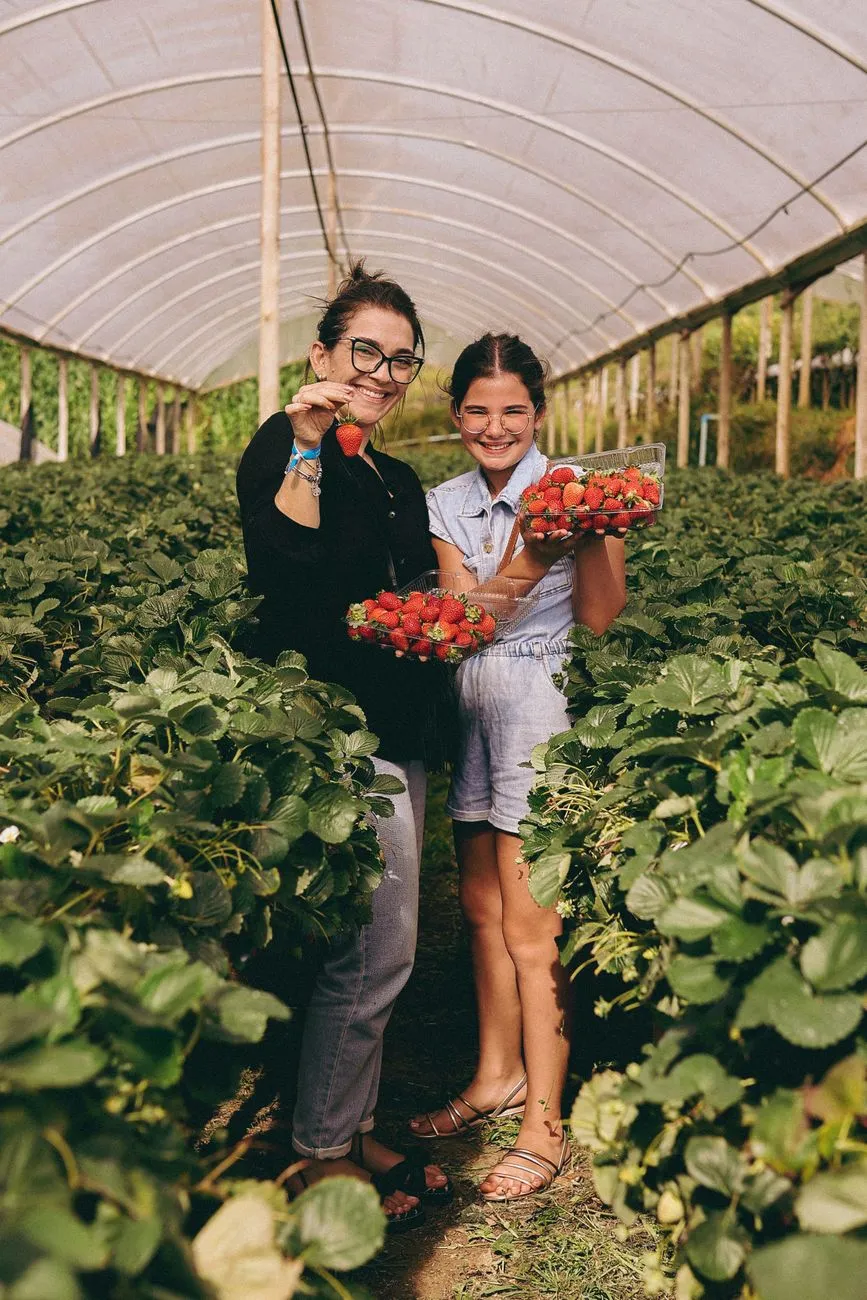
1. Direct-to-Consumer Sales (The Market Moment) The farm stand at the end of the driveway. The “U-Pick” field where you judge a strawberry by its scent, not its shelf life. This is the shortest supply chain on earth. You are the logistics.
2. Agricultural Education (The Classroom Without Walls) School buses rumbling down dirt lanes. But increasingly, it’s adults relearning what a tomato plant looks like before the fruit appears. It’s the “aha!” moment when you realize a peanut flowers above ground but fruits below.
3. Hospitality (The Overnight Immersion) The farm stay. This is where the magic deepens. Waking to the lowing of cows. Assisting with chores—mucking stalls, gathering eggs, moving irrigation pipe. You earn your breakfast. The boundary between guest and family blurs over a shared labor.
4. Recreation (The Playground) Horseback riding along fence lines. Hunting leases managing wildlife populations. Corn mazes carved into standing stalks, GPS-designed but felt by flashlight and instinct.
5. Entertainment (The Celebration) Hayrides rattling over ruts. Harvest dinners under string lights where every course was born within a mile of the table. The wedding barn. The music festival in the pasture.
The Indirect Thread: When the Farmer Stays Home
Not every farmer wants to be an innkeeper. The indirect model respects that. The farmer grows; the tourist facility cooks and serves. The farmers’ market becomes the bridge. Local products sold directly to tourists keep the money in the valley. It’s a quieter symbiosis, but no less vital. The chef gets the story; the farmer gets the fair price; the traveler gets the taste.
The Philosophy of the Open Gate
We travel to see difference. But in the quiet of a farm stay—whether under a Tuscan sunflower rating, beside an Armenian loom, on a Kerala backwater, or in an Israeli olive grove—we find a mirror. The work is different, the climate is different, the history is different. But the rhythm is the same. Plant. Tend. Harvest. Rest. Repeat.
Agritourism reminds us that food is not a product; it is a process. And that process is the oldest story we have. When we pay to sleep in the barn, we aren’t just buying a bed. We are buying a moment of alignment. We are saying: I remember. I belong to this, too.
The gate is open. The sunflower is watching. What are you waiting for?
#Agritourism #SlowTravel #FarmStays #SustainableTourism #RuralRevival