Showing Posts From
Sports
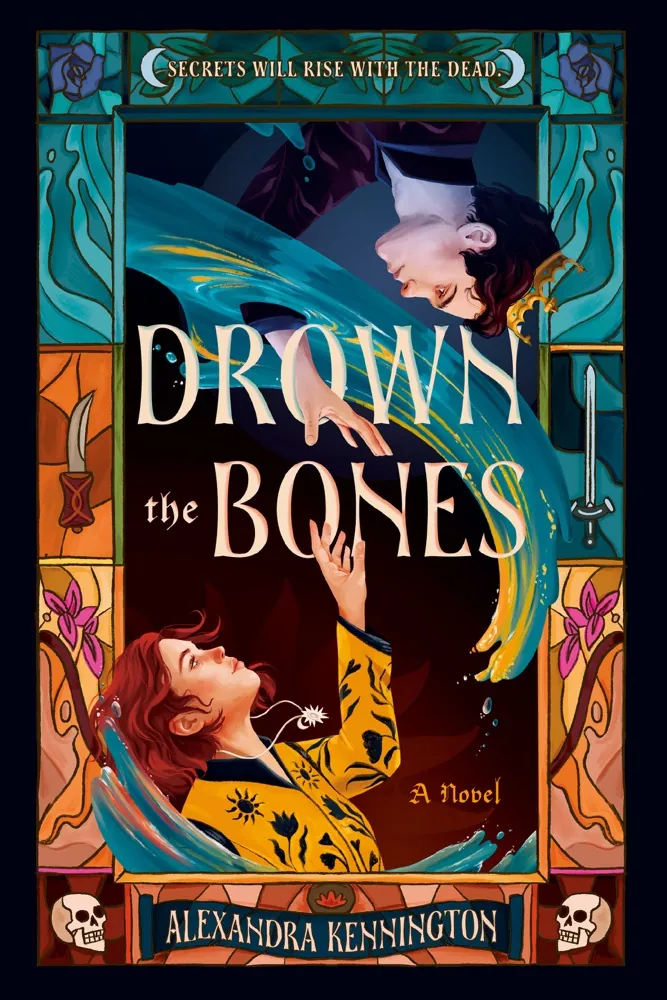
Author: Alexandra KenningtonPage Count: UnknownPublication Date: Expected publication 2026-11-03 APL Another day, another stack of advanced reader copies shoved across my counter by some overly enthusiastic sales rep who thinks I give a damn about courtly politics. Let me grab my reading glasses for this mess. Drown the Bones by Alexandra Kennington is hitting shelves next November, and according to the back-cover blurb, we are supposed to tremble before a slow-burn romantasy where the spare heir teams up with an enemy prince. Groundbreaking. Truly, I can barely contain my flat-white-induced tremors. Necromancy For Beginners And Other Bad Ideas Let us dissect this premise, assuming the marketing copy isn't lying through its teeth. A spare twin named Merridan gets her royal brother murdered, gets stonewalled by her local deity, and accidentally summons the wrong ghost. Classic mistake. She ends up bound to Phoenix Darragon—an arrogant crown prince from a rival land who dabbles in the aesthetic of false deities and necromancy. Naturally, there is a bargain. He helps her solve a murder; she drags his incorporeal backside back to his homeland for a patch-job resurrection. The Slow-Burn Boredom And here is where my horror-addled brain checks out completely. Give me blood. Give me rotting flesh that stays rotten. Instead, we are looking down the barrel of an undeniable attraction blooming between two people whose main bonding activity is corpse disposal. Kennington apparently thinks we want romantic tension while dealing with homicide investigations and theological betrayals. Yet I suspect the sharp edges will get filed down for the TikTok crowd. Where is the actual rot? Where is the visceral dread of messing with the dead? If you are going to write about necromancy, stop beating around the bush with spicy eye-contact across a ritual circle and let some actual monsters off the leash. If this reads like a diet version of The Cruel Prince crossed with half-baked ghost lore, I am going to throw my apron in the trash. Readers currently drowning in the endless tide of fae royalty and obligatory enemies-to-lovers arcs will undoubtedly eat this up. Personally? I prefer my fictional corpses to stay violently uncooperative instead of doubling as sarcastic love interests. But what do I know? I just pour oat milk and listen to indie horror podcasts all morning. Final Pour The synopsis stays frustratingly vague on the actual mechanics of this Goddess relationship and what the theological betrayal costs Merridan in the end. Vague world-building is the plague of this genre. Show me the teeth, Kennington. Stop hiding behind brooding princes and give us something that actually bites. I have to go clean my disgustingly dirty sneakers. Related InsightsWhat Kind of Mother: A Memoir Book Review and Summary Democracy in a Hotter Time Book Review and Summary Harbinger Book Review and Summary{ "@context": "https://schema.org", "@type": "FAQPage", "mainEntity": [ { "@type": "Question", "name": "What is the main focus of Drown the Bones Book Review and Summary?", "acceptedAnswer": { "@type": "Answer", "text": "Everything you need to know about Drown the Bones with our detailed review." } }, { "@type": "Question", "name": "Who authored the comprehensive guide on Drown the Bones Book Review and Summary?", "acceptedAnswer": { "@type": "Answer", "text": "This detailed article and its insights were carefully researched and authored by Diego Lopez." } }, { "@type": "Question", "name": "Where can I find more related content about Books?", "acceptedAnswer": { "@type": "Answer", "text": "You can explore more articles, detailed reviews, and similar insights by browsing the Related Insights section at the bottom of this article or visiting our dedicated Books category page." } } ] }
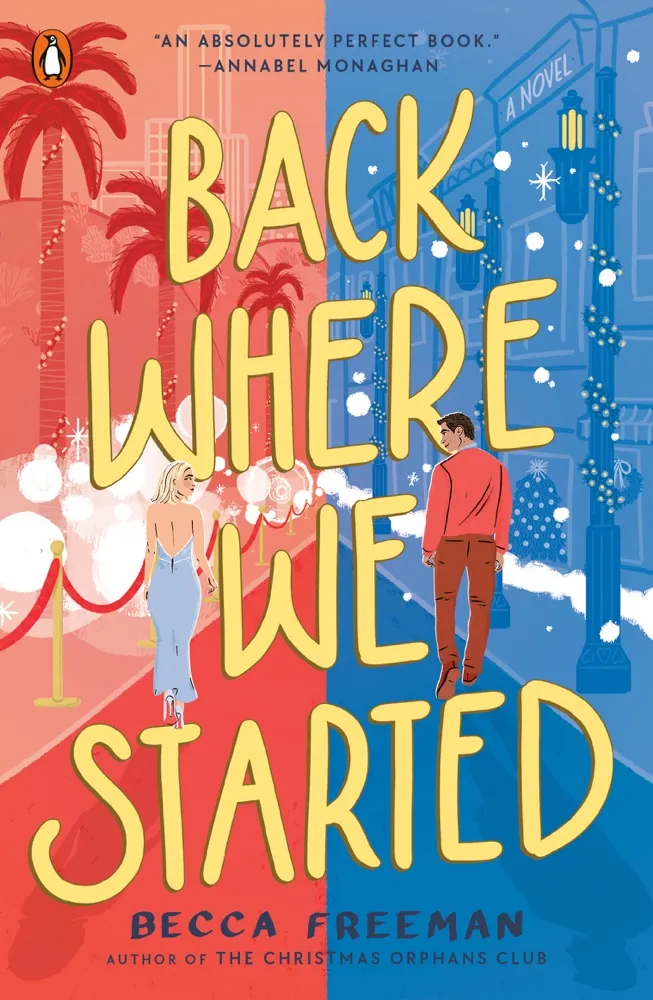
Author: Becca FreemanPage Count: UnknownPublication Date: Expected publication 2026-10-13 APL Ugh, fine. Let’s talk about Back Where We Started—because nothing says "emotional whiplash" like a Hollywood star getting dragged back to her small-town roots to confront the ghost of her first love. And by "ghost," I mean a guy who probably still lives in the same crappy apartment he did in high school, judging by the synopsis’s deliciously vague descriptions of "different paths." The premise is so 2023, it’s almost funny—except it’s not, because the formula works. Katie, our overachieving actress, has traded Dutch Ridge for the glitz of Hollywood, where she’s presumably getting paid to pretend to be someone else. But here’s the kicker: she’s still there—in every street, every memory, every time she sees Drew’s face pop up like a bad flashback in a slasher movie. The synopsis leans hard into the "small town vs. big city" trope, which is fine, but it’s the psychological tension that’s actually interesting. Katie’s success feels hollow—she’s got the accolades, but the hollow-eyed exhaustion of someone who’s spent years chasing a dream that’s now just a job. And Drew? Oh, Drew’s definitely not the president he once dreamed of being. Maybe he’s a teacher. Maybe he’s a barista. Maybe he’s still waiting for her to come back, like some kind of literary Groundhog Day but with more self-help books and fewer time loops. The thematic meat here is the addictive nature of achievement—which, let’s be real, is just a fancy way of saying "burnout." Katie’s life is a glittering cage, and the second she steps back into Dutch Ridge, the bars start to rust. The synopsis doesn’t spell it out, but I can feel the unspoken question: Was the dream ever really hers, or was it just a performance? And Drew—oh, Drew’s the wild card. Is he the stable anchor she never knew she needed, or is he just another reminder of what she left behind? The synopsis hints at him being "happy," which is so suspicious. Happy people don’t make for good second-chance romance material. Happy people are the ones who move on. The real tension lies in whether Drew’s happiness is earned or just a front, like one of Katie’s Oscar-worthy performances. Consider me obsessed. This feels like a The Love Hypothesis meets The Kiss Quotient—but with the emotional gut-punch of Normal People, if Paul and Marianne had ever actually left Dublin. The synopsis doesn’t give us enough to go on, which is deliberate, because the beauty of these books is in the implied drama. Katie’s Hollywood life is a gilded cage, and Drew’s small-town existence is the quiet rebellion. But here’s the thing: the best second-chance romances aren’t about reuniting with the past—they’re about deciding whether to stay or go. And this one? It’s going to force Katie to ask herself if she ever really left Dutch Ridge at all. The only problem? The synopsis is too clean. No messy breakups, no red flags, just a vague sense of "they were once great, now they’re complicated." Where’s the real conflict? Where’s the moment that makes you lean in, heart racing? Because right now, it’s all just setup. And setup is boring—unless you’re setting up a horror movie, and even then, you’d want more than a "promise to her sister" to justify the dread. I’ll admit, I’m curious. Maybe this is the rare second-chance romance that doesn’t rely on clichés. Maybe Drew isn’t the guy who’s been pining for her all these years, but the one who’s changed—and that change is the real obstacle. Or maybe Katie’s Hollywood success is a front, and she’s just as lost as she was in high school. The synopsis doesn’t say. And that’s the problem with Back Where We Started—it’s promising a lot, but it’s not showing anything yet. I’m going to go eat cold ramen for the third time today. Maybe it’ll give me the emotional distance to properly dread this book’s inevitable emotional payoff. #BookTok #SecondChanceRomance #SmallTownDread #HollywoodHollow #RamenAndRegret Related InsightsThe Three Graces of Pearl Street Book Review and Summary Heroes and Toilers Book Review and Summary Kill Switch Book Review and Summary{ "@context": "https://schema.org", "@type": "FAQPage", "mainEntity": [ { "@type": "Question", "name": "What is the main focus of Back Where We Started Book Review and Summary?", "acceptedAnswer": { "@type": "Answer", "text": "Everything you need to know about Back Where We Started with our detailed review." } }, { "@type": "Question", "name": "Who authored the comprehensive guide on Back Where We Started Book Review and Summary?", "acceptedAnswer": { "@type": "Answer", "text": "This detailed article and its insights were carefully researched and authored by Diego Lopez." } }, { "@type": "Question", "name": "Where can I find more related content about Books?", "acceptedAnswer": { "@type": "Answer", "text": "You can explore more articles, detailed reviews, and similar insights by browsing the Related Insights section at the bottom of this article or visiting our dedicated Books category page." } } ] }
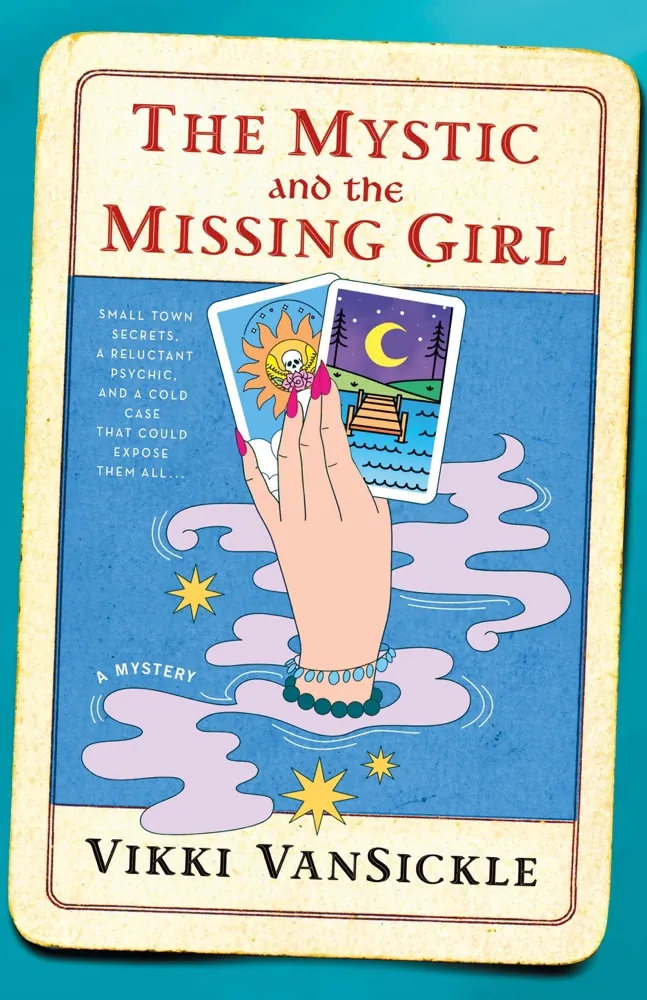
Author: Vikki VanSicklePage Count: UnknownPublication Date: Expected publication 2026-09-08 APL I pull espresso shots all morning for people who think oat milk is a personality trait, and honestly, I survive on a steady diet of extreme splatterpunk and cosmic nihilism where everybody dies screaming in the dark. So why am I staring at the press release for Vikki VanSickle’s upcoming The Mystic and the Missing Girl with my jaw literally unhinged? Read the room, please. This is supposed to be a cozy little lakeside mystery about tarot cards and small-town grudges. Yet I am sitting here, utterly paralyzed by the sheer, unadulterated dread of a protagonist whose mother disapproves of her. Forget ghosts. Forget cold cases. The real horror is familial disappointment and past-due utility bills. The Aesthetics of Small-Town Suffocation VanSickle sets up a quaint postcard nightmare. A picturesque town. A metaphysical shop. An astrology-obsessed employee who probably cleans crystals with sage and good vibes. But underneath the cute pastel aesthetic lies a psychological pressure cooker. And I respect that. Twenty years of cold-case baggage dumped right into the lap of a reluctant psychic who just wants to sell quartz and dodge a local rake named Foster Banks? It has all the ingredients of a Stephen King minor-key nightmare—minus the rabid dogs and interdimensional spiders, unfortunately. The Weaponization of Nostalgia Let us talk about the narrative mechanics here. The synopsis leans hard on the sins of the past. Hannah Mystic—what a gloriously tragic moniker—taking the fall for a local disappearance two decades ago. That is not just a plot point. That is generational scapegoating. Drew Benson is trapped in the amber of her dead aunt’s ruined reputation. Every tarot reading and object-reading psychometry session is a forced excavation of trauma she abandoned in high school. But now an arch-nemesis turned big-city reporter is rolling into town to dig up the bones. Literally. I am usually allergic to cozy mysteries. They lack the sweet, sticky copper scent of genuine human ruin. Yet VanSickle’s premise feels less like a cozy tea party and more like a slow, agonizing tightening of a noose made of hemp and locally sourced incense. Think Shirley Jackson meets an episode of True Detective written by someone who actually knows how to run a small business. The financial ruin angle—bills piling up, a local vandal hating the witchy storefront—gives it grit. It grounds the supernatural nonsense in the bleak, crushing reality of modern capitalism. Will the cold case actually expose the whole town? The synopsis promises it. And I am weirdly, sickeningly invested in seeing how many local pillars of the community get dragged down into the mud. Give me ruined reputations. Give me exposed hypocrisy. Give me the total collapse of lakeside tranquility. Anyway, I would write another paragraph, but the blinding afternoon sun is hitting my POS terminal at an ungodly angle and the glare is currently burning a hole straight through my retina. Related InsightsUs Against You Nosotros Contra Ti (Spanish Edition) Book Review and Summary Find Me Where It Ends Book Review and Summary Honour of Rome Book Review and Summary{ "@context": "https://schema.org", "@type": "FAQPage", "mainEntity": [ { "@type": "Question", "name": "What is the main focus of The Mystic and the Missing Girl Book Review and Summary?", "acceptedAnswer": { "@type": "Answer", "text": "Everything you need to know about The Mystic and the Missing Girl with our detailed review." } }, { "@type": "Question", "name": "Who authored the comprehensive guide on The Mystic and the Missing Girl Book Review and Summary?", "acceptedAnswer": { "@type": "Answer", "text": "This detailed article and its insights were carefully researched and authored by Diego Lopez." } }, { "@type": "Question", "name": "Where can I find more related content about Books?", "acceptedAnswer": { "@type": "Answer", "text": "You can explore more articles, detailed reviews, and similar insights by browsing the Related Insights section at the bottom of this article or visiting our dedicated Books category page." } } ] }
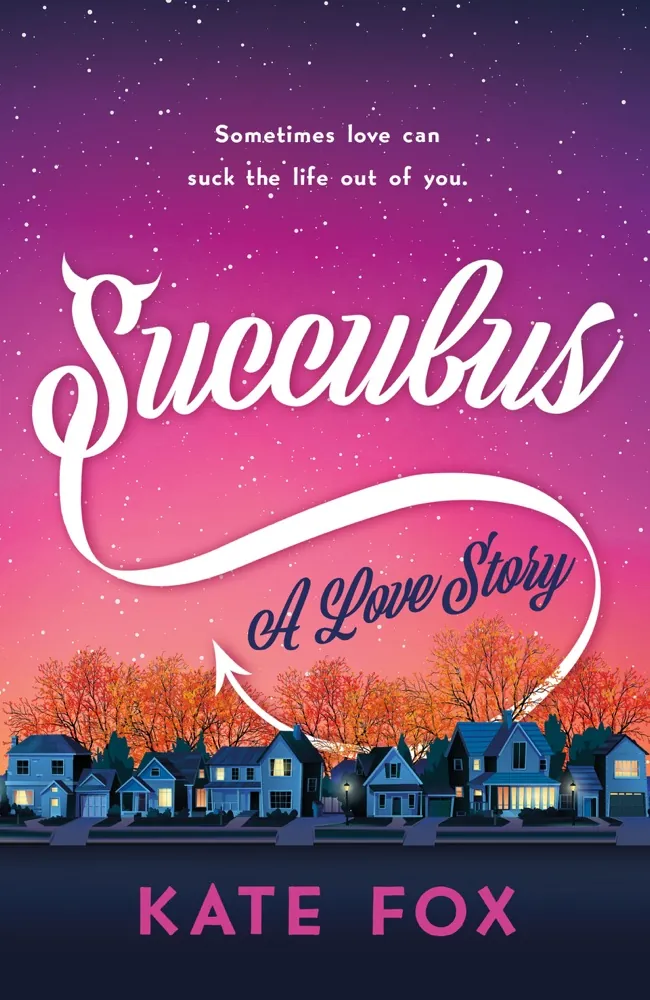
Author: Kate FoxPage Count: UnknownPublication Date: Expected publication 2026-10-20 APL Oh, Succubus: A Love Story—because nothing says "romance" like a woman who turns men into corpses with a peck on the cheek. Kate Fox—oh, the irony—has already set the bar low with that title, hasn’t she? It’s like if Twilight and The Hunger Games had a messy, tragic baby, and then that baby got a therapy dog. Tempest Dunlap, our sweet suburban succubus doula, is the kind of protagonist who makes you root for her and want to slap her simultaneously. She’s the anti-heroine we love to hate—or love to love, depending on how much you’ve been drinking. The synopsis leans hard into the "forbidden love" trope, but with a twist: the forbidden isn’t just societal—it’s biological. Tempest’s curse isn’t some gothic melodrama; it’s a cold, clinical fact. Every man she kisses dies. No grand supernatural backstory, no tragic history—just fate. And yet, she’s a "good person," which is the most infuriatingly humanizing detail here. She’s not a villain, she’s a victim, but also a murderer, which is the kind of moral gray area that makes horror fans salivate. It’s like if The Girl with All the Gifts had a love interest who wasn’t trying to eat her brain. Joel Tav, the doctor, is the kind of man who makes you want to scream at the page: Why him? He’s gorgeous, gentle, and—here’s the kicker—he doesn’t die. That’s the real hook, isn’t it? The synopsis doesn’t say whether Joel knows about Tempest’s... condition, but the tension there is palpable. Does he suspect? Does she lie? Or does she just hope he’ll never find out? The vigilante angle adds another layer—because nothing says "romance" like a man with a crossbow hunting down supernatural abominations. It’s the kind of setup that makes you wonder if this is going to be a True Blood retelling or a Crimson Peak with more blood. Thematically, this is a book about control—or the lack thereof. Tempest’s life is a carefully curated illusion of normalcy, but one wrong move and it all unravels. She’s homeschooling her niece, wearing sweatpants, and living in suburban New Jersey, which is the ultimate irony. She’s the kind of woman who would never be cast in a romance novel, and yet she’s the protagonist of one. The synopsis plays into the "quiet life" trope, but with a dark twist: her quiet life is built on lies and death. It’s the kind of psychological tension that makes you wonder if she’s the real monster here—or if the monster is the world that forces her into this role. And then there’s the vigilante. Because of course there’s a vigilante. This isn’t just a love story; it’s a thriller with a side of gothic horror. The synopsis doesn’t give much away, but the presence of a hunter implies that Tempest’s powers aren’t just a personal tragedy—they’re a threat to something larger. Is she being hunted because of her curse, or because of what she could become? The ambiguity is delicious. It’s the kind of setup that makes you want to grab a copy and see how Fox handles it. I can already predict this will be the kind of book that gets compared to The Raven Boys for its gothic undertones, but with more True Blood energy. Fox has a knack for blending romance and horror, and if she pulls this off, it’ll be the kind of book that leaves you with a sick, twisted smile on your face. But let’s be real—this is also the kind of book that could easily devolve into melodrama if Fox isn’t careful. The synopsis is thin, which means there’s a lot of room for missteps. Will Tempest’s internal conflict be compelling, or will it feel like a cheap twist? Will Joel be a love interest or a walking cliché? Only time will tell. For now, though, I’ll leave you with this: if you’re looking for a love story, don’t read this. If you’re looking for a horror novel with a dash of romance, maybe—but bring your skepticism. And if you’re just here for the dark humor, well, then you’re in for a treat. Now, if you’ll excuse me, I’m going to go sail my yacht on the lake. Alone. Because that’s what happens when you read about a woman who kills men with her kisses. #DarkRomance #HorrorLit #SuccubusProblems Related InsightsUndone (The Undone, #4) Book Review and Summary Miss Peregrine's Home for Peculiar Children Book Review and Summary Enlightenment Now Book Review and Summary{ "@context": "https://schema.org", "@type": "FAQPage", "mainEntity": [ { "@type": "Question", "name": "What is the main focus of Succubus: A Love Story Book Review and Summary?", "acceptedAnswer": { "@type": "Answer", "text": "Everything you need to know about Succubus: A Love Story with our detailed review." } }, { "@type": "Question", "name": "Who authored the comprehensive guide on Succubus: A Love Story Book Review and Summary?", "acceptedAnswer": { "@type": "Answer", "text": "This detailed article and its insights were carefully researched and authored by Diego Lopez." } }, { "@type": "Question", "name": "Where can I find more related content about Books?", "acceptedAnswer": { "@type": "Answer", "text": "You can explore more articles, detailed reviews, and similar insights by browsing the Related Insights section at the bottom of this article or visiting our dedicated Books category page." } } ] }
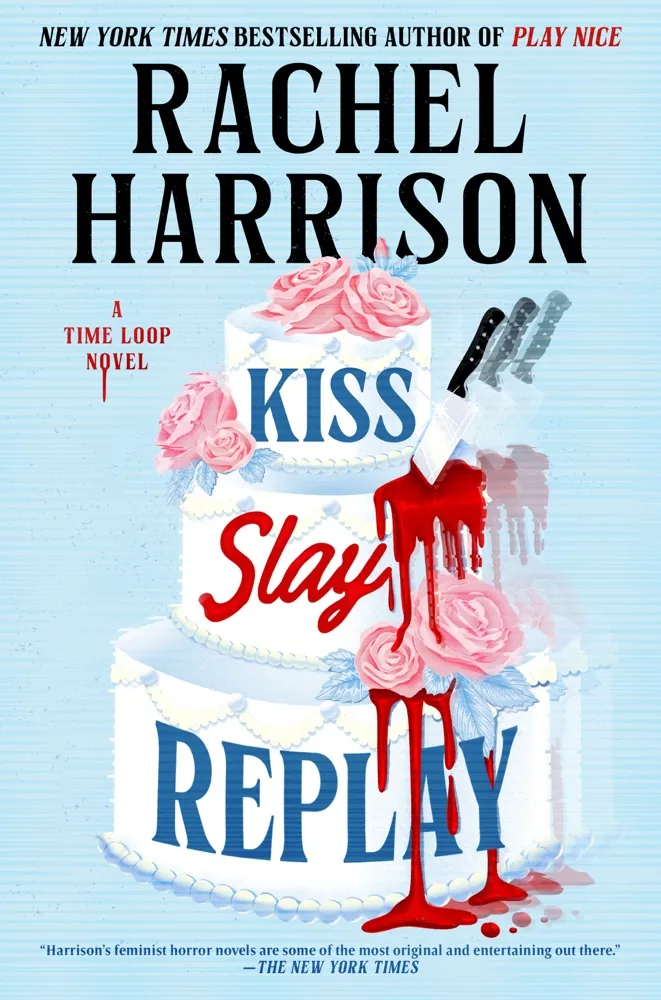
Kiss Slay Replay Author: Rachel HarrisonPage Count: UnknownPublication Date: Expected publication 2026-09-01 APL Exclusive Previews for the Most Highly Anticipated Releases of the Year: Kiss Slay Replay by Rachel Harrison Rachel Harrison, the mastermind behind the bestselling thrillers 'So Thirsty' and 'Play Nice', is about to unleash a new horror novel that will keep you on the edge of your seat until the very end. Titled 'Kiss Slay Replay', this gripping tale will take you on a wild and twisty ride that will leave you questioning the lines between reality and nightmare. Get Ready to Experience the Wedding of Your Worst Fears According to the original synopsis, 'Every wedding guest's worst nightmare is on repeat in this wild and twisty new horror novel... It's the picture-perfect wedding weekend, but Willa Sullivan is having a bad time. Her ex-fiancé shows up with a date, and things start to look up when Willa meets Danny, the groom's charming and single childhood best friend. But their romance is cut short when a masked killer terrorizes the reception. Willa wakes up, thinking it was just a nightmare, but as the day unfolds, she starts to question whether it was really a dream, déjà vu, or something more sinister.' If you loved Harrison's previous bestsellers, you will be thrilled to see her tackle a new genre and push the boundaries of psychological suspense. With her proven track record of delivering page-turning thrillers, 'Kiss Slay Replay' is sure to be a must-read for fans of horror, suspense, and the supernatural. A Chilling Debut or a New Chapter in Rachel Harrison's Career? While 'Kiss Slay Replay' marks a new direction for Harrison, her fans have every reason to be excited. With a proven ability to craft gripping stories and memorable characters, Harrison is sure to captivate readers with this latest release. Will 'Kiss Slay Replay' be a game-changing debut for the emerging horror author, or will it solidify Harrison's position as a force to be reckoned with in the genre? What We Know So Far:Title: Kiss Slay Replay Author: Rachel Harrison Expected Publication Date: 2026-09-01 Genre: Horror, Suspense Page Count: TBAKiss Slay Replay hits shelves on September 1st, 2026. Stay tuned for more updates, and get ready to sink your teeth into this chilling new release. #KissSlayReplay #RachelHarrison #HorrorNovel #NewRelease #September2026 #PsychologicalSuspense #Thriller Related InsightsRemain Book Review and Summary The Sex Detective Book Review and Summary Sleep Intelligence: The High-Performance Blueprint for Sharper Thinking Book Review and Summary{ "@context": "https://schema.org", "@type": "FAQPage", "mainEntity": [ { "@type": "Question", "name": "What is the main focus of Kiss Slay Replay Book Review and Summary?", "acceptedAnswer": { "@type": "Answer", "text": "Everything you need to know about Kiss Slay Replay with our detailed review." } }, { "@type": "Question", "name": "Who authored the comprehensive guide on Kiss Slay Replay Book Review and Summary?", "acceptedAnswer": { "@type": "Answer", "text": "This detailed article and its insights were carefully researched and authored by Diego Lopez." } }, { "@type": "Question", "name": "Where can I find more related content about Books?", "acceptedAnswer": { "@type": "Answer", "text": "You can explore more articles, detailed reviews, and similar insights by browsing the Related Insights section at the bottom of this article or visiting our dedicated Books category page." } } ] }
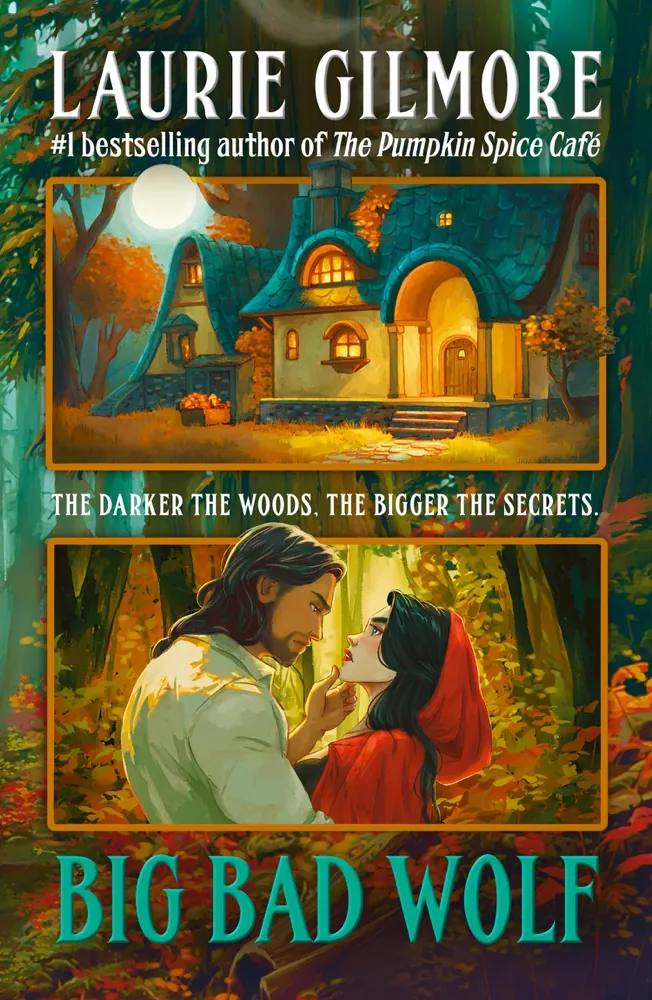
Big Bad Wolf (Maple Hollow, #1) Author: Laurie GilmorePage Count: UnknownPublication Date: Expected publication 2026-09-08 APL Big Bad Wolf: A Sizzling New Romance from Laurie Gilmore Get ready to immerse yourself in the magical yet eerie world of Maple Hollow, a small town shrouded in secrets and mystery. From the #1 New York Times bestselling author of the Dream Harbor series, comes a new small-town romance that promises to sweep you off your feet – Big Bad Wolf, the first installment in the Maple Hollow trilogy. Laurie Gilmore, the mastermind behind the enchanting Dream Harbor series, is back with another mesmerizing tale that will tantalize your senses. If you loved her previous bestsellers, you'll be thrilled to know that Big Bad Wolf offers a delicious blend of small-town romance, paranormal magic, and swoon-worthy tension. As described by Elena Armas, New York Times bestselling author of The Spanish Love Deception, "Big Bad Wolf is a cozy and atmospheric tale that will have you howling for the next book!" The story revolves around Ruby Bellerose, a quiet, reserved woman living on the edge of the woods in her picturesque cottage, reminiscent of a fairy tale. Her life is lacking romance, and the townspeople whisper secrets about her, keeping her at arm's length. However, everything changes when she encounters Rafe, a mysterious woodsman shrouded in mystery. What secrets is he hiding, and will Ruby find solace in his company or will he prove to be a danger lurking in the shadows? Big Bad Wolf has been making waves among its enthusiastic fans, with many praising its unique blend of small-town charm, paranormal elements, and captivating romance. Reviewers have gushed about its immersive atmosphere, swoon-worthy tension, and quirky characters. As Julie Olivia, bestselling author of If It Makes You Happy, exclaimed, "Maple Hollow has such an immersive aesthetic with enough secrets and twists that had me binging it from the start." Don't miss the chance to experience the dark, mysterious world of Maple Hollow. Pre-order Big Bad Wolf now and get ready to be spellbound by Laurie Gilmore's masterful storytelling. Big Bad Wolf, the first installment in the Maple Hollow trilogy, is set to release on September 8, 2026. #SmallTownRomance #ParanormalRomance #BigBadWolf #LaurieGilmore #NewRelease #FallReads Related InsightsThe Bookbinder's Code Book Review and Summary Intermezzo Book Review and Summary New Novella (The Captive's War #2.5) Book Review and Summary{ "@context": "https://schema.org", "@type": "FAQPage", "mainEntity": [ { "@type": "Question", "name": "What is the main focus of Big Bad Wolf (Maple Hollow, #1) Book Review and Summary?", "acceptedAnswer": { "@type": "Answer", "text": "Everything you need to know about Big Bad Wolf (Maple Hollow, #1) with our detailed review." } }, { "@type": "Question", "name": "Who authored the comprehensive guide on Big Bad Wolf (Maple Hollow, #1) Book Review and Summary?", "acceptedAnswer": { "@type": "Answer", "text": "This detailed article and its insights were carefully researched and authored by Diego Lopez." } }, { "@type": "Question", "name": "Where can I find more related content about Books?", "acceptedAnswer": { "@type": "Answer", "text": "You can explore more articles, detailed reviews, and similar insights by browsing the Related Insights section at the bottom of this article or visiting our dedicated Books category page." } } ] }
Long Lost Author: Harlan CobenPage Count: UnknownPublication Date: 2009-OL "Long Lost" by Harlan Coben is a gripping thriller that reunites readers with the beloved protagonist Myron Bolitar, and it's a wild ride from start to finish. Coben's masterful storytelling weaves a complex web of secrets, lies, and deceit, keeping readers on the edge of their seats as they navigate the twists and turns of this expertly crafted narrative. At its core, "Long Lost" is a story about the devastating consequences of keeping secrets and the destructive power of family dynamics. Terese Collins, a former flame of Myron's, reaches out to him after years of silence, and her plea for help sets off a chain reaction of events that exposes the darkest corners of her family's past. As Myron delves deeper into the mystery, he uncovers a tangled web of family secrets, each one more shocking than the last. Coben's writing style is, as always, impeccable. His prose is lean and mean, with a keen focus on propelling the plot forward. He has a remarkable ability to balance action, suspense, and humor, making "Long Lost" an absolute page-turner. The pacing is relentless, with each chapter ending on a cliffhanger that makes it impossible to put the book down. One of the standout features of "Long Lost" is its exploration of the human psyche. Coben has a keen understanding of what makes people tick, and his characters are multidimensional and relatable. Myron, in particular, is a fascinating protagonist, with his wisecracking humor and unwavering loyalty to those he cares about. Terese, too, is a complex and intriguing character, with a rich backstory that adds depth to the narrative. The themes of family, identity, and the power of secrets are woven throughout the book, adding a layer of complexity to the story. Coben raises important questions about the nature of truth and the devastating consequences of keeping secrets, and his exploration of these themes is both thought-provoking and unsettling. In short, "Long Lost" is a gripping thriller that will keep you up all night, turning pages and guessing until the very end. Coben's masterful storytelling, combined with his keen insight into the human psyche, makes for a compelling read that will appeal to fans of the genre. If you're looking for a book that will keep you on the edge of your seat, look no further than "Long Lost". #HarlanCoben #MyronBolitar #LongLost #Thriller #Mystery #BookLovers Related InsightsSentinels: Keepers of the Forest (Sentinels #1) Book Review and Summary The Anatomy of the Written Word: Unraveling the Sacred and Secular History of Literary Criticism Robinson Crusoe Book Review and Summary{ "@context": "https://schema.org", "@type": "FAQPage", "mainEntity": [ { "@type": "Question", "name": "What is the main focus of Long Lost Book Review and Summary?", "acceptedAnswer": { "@type": "Answer", "text": "Everything you need to know about Long Lost with our detailed review." } }, { "@type": "Question", "name": "Who authored the comprehensive guide on Long Lost Book Review and Summary?", "acceptedAnswer": { "@type": "Answer", "text": "This detailed article and its insights were carefully researched and authored by Diego Lopez." } }, { "@type": "Question", "name": "Where can I find more related content about Books?", "acceptedAnswer": { "@type": "Answer", "text": "You can explore more articles, detailed reviews, and similar insights by browsing the Related Insights section at the bottom of this article or visiting our dedicated Books category page." } } ] }
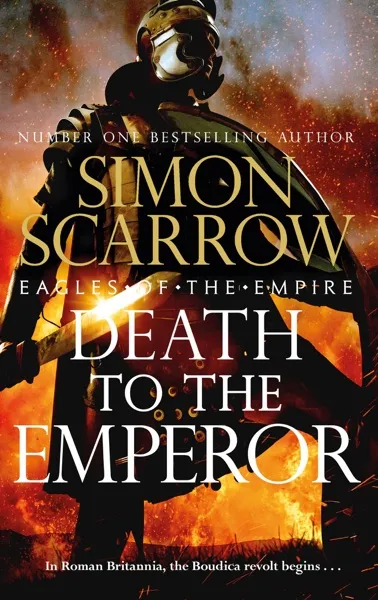
Death to the Emperor Author: Simon ScarrowPage Count: UnknownPublication Year: 2022-GB Simon Scarrow’s Death to the Emperor is a masterclass in historical fiction, blending military precision with the raw, unrelenting drama of imperial Rome’s final days. Set against the backdrop of the Year of the Four Emperors (69 AD), Scarrow crafts a gripping narrative that pits ambition against survival, loyalty against treachery, and the brutal machinery of power against the fragile threads of human connection. This isn’t just a story about emperors falling—it’s about the empire itself, its glory and its rot, seen through the eyes of those caught in its death throes. The novel’s central theme is the fragility of power. The Roman Empire, at its zenith, was a colossus with feet of clay. In Death to the Emperor, Scarrow dissects that paradox with surgical precision. The emperor’s death—whether by assassination, battlefield defeat, or suicide—isn’t just an event; it’s a cataclysm that sends shockwaves through the empire. Scarrow doesn’t glorify the emperors (Galen, Otho, Vitellius, and Vespasian) as demi-gods but exposes them as flawed, desperate men clinging to a throne that’s already slipping from their grasp. The real heroes, if they can be called that, are the soldiers and officers who navigate this treacherous terrain, where one wrong move means death not just for them, but for their families. Scarrow’s strength lies in his ability to weave personal stakes into the grand historical tapestry. His characters are not just ciphers in a textbook—they breathe, bleed, and betray. Take the protagonist, a fictional centurion named Macro, whose loyalty is tested at every turn. Macro isn’t a superhuman hero; he’s a man who makes mistakes, who questions orders, and who fears the consequences of failure. This relatability makes his struggles compelling. When he faces off against the emperor’s enemies or grapples with his own moral compromises, the reader isn’t just reading history—they’re living it. Scarrow’s prose is tight, muscular, and devoid of unnecessary flourish. He writes like a man who respects his reader’s intelligence, delivering action in crisp, vivid strokes without over-explaining. Battles are chaotic but never confusing, and the political maneuvering is as tense as a drawn sword. His dialogue crackles with authenticity, whether it’s the clipped exchanges of soldiers in the field or the venomous whispers of courtiers in the palace. This isn’t a book that demands you admire its style—it’s a book that demands you feel its momentum. One of the most striking aspects of Death to the Emperor is its unflinching portrayal of violence. Scarrow doesn’t romanticize war; he shows it as it was—brutal, filthy, and indifferent to human suffering. The deaths are sudden, the victories hollow, and the aftermath leaves scars that never fully heal. This isn’t just for shock value; it underscores the novel’s core message: power is transient, but the cost of its pursuit is eternal. Scarrow’s research is evident, but he wears it lightly. He doesn’t drown the reader in historical minutiae; instead, he uses the era’s texture—the stench of the city, the clatter of legionary boots, the stifling intrigue of the imperial court—to immerse us in the world. The result is a novel that feels as real as the history books, but with the added thrill of a story that could have been lost to time. If there’s a weakness, it’s in the pacing at times. Scarrow juggles multiple perspectives, and while this adds depth, it can occasionally dilute the emotional impact of individual arcs. Some characters, though vivid, exist primarily as foils to Macro, and their fates sometimes feel like stepping stones rather than fully realized tragedies. But this is a minor quibble in a novel that otherwise delivers relentless momentum. Death to the Emperor is more than just a military thriller or a historical drama—it’s a meditation on the cyclical nature of power and the human cost of ambition. Scarrow doesn’t just tell us that empires fall; he makes us feel their collapse in our bones. #HistoricalFiction #RomanEmpire #MilitaryFiction #AncientRome #SimonScarrow #EmpiresFall Related InsightsThe Hours Book Review and Summary Democracy in a Hotter Time Book Review and Summary Notes on a Nervous Planet Book Review and Summary{ "@context": "https://schema.org", "@type": "FAQPage", "mainEntity": [ { "@type": "Question", "name": "What is the main focus of Death to the Emperor Book Review and Summary?", "acceptedAnswer": { "@type": "Answer", "text": "Everything you need to know about Death to the Emperor with our detailed review." } }, { "@type": "Question", "name": "Who authored the comprehensive guide on Death to the Emperor Book Review and Summary?", "acceptedAnswer": { "@type": "Answer", "text": "This detailed article and its insights were carefully researched and authored by Diego Lopez." } }, { "@type": "Question", "name": "Where can I find more related content about Books?", "acceptedAnswer": { "@type": "Answer", "text": "You can explore more articles, detailed reviews, and similar insights by browsing the Related Insights section at the bottom of this article or visiting our dedicated Books category page." } } ] }

Música, sólo música Author: 村上春樹Page Count: UnknownPublication Year: 2020-GB Haruki Murakami’s Música, solo música—a collection of reflections on the power of music—is not just another book by the Japanese literary giant, but a rare, intimate glimpse into the mind of a writer who has always believed in the transcendent, almost mystical, role of music in shaping human existence. At its core, this book is a love letter to music—jazz, classical, rock, and everything in between—written by a man who has spent a lifetime listening, curating, and letting melodies guide his thoughts. The title itself, Música, solo música, is deceptively simple, as if Murakami is stripping away all distractions to remind us that music, in its purest form, is enough. But beneath this simplicity lies a profound meditation on how music shapes memory, emotion, and even the act of writing itself. Murakami has long been a writer who treats music as a character in his stories—think of the jazz bars in Kafka on the Shore or the Beatles-inspired Norwegian Wood. Here, he steps out of fiction and into nonfiction, but the result is no less immersive. What makes this book compelling is not just the nostalgia or the references to the artists he admires (John Coltrane, Miles Davis, Schubert, and Pink Floyd among them), but the way he connects music to the rhythm of life itself. One of the most striking aspects of Música, solo música is Murakami’s conversational tone. He writes as if he’s speaking directly to the reader, sharing personal anecdotes, half-remembered melodies, and the way certain songs evoke entire landscapes of the past. There’s a warmth to his prose, a gentleness that makes even the most abstract ideas feel tangible. He doesn’t just describe music—he lets it breathe, letting us feel the shivers it sends down our spines or the way it can transport us to another time. The book is structured loosely, not as a rigid analysis but as a series of vignettes—some no longer than a paragraph—where Murakami muses on the role of music in his life. There’s a chapter where he recalls listening to the radio as a child, tuning in to foreign stations that played music he couldn’t always understand but felt deeply. Another passage explores how jazz, with its improvisational nature, mirrors the unpredictability of life. And then there’s the way he weaves in his own writing process, admitting that music is often the soundtrack to his novels, setting the mood before he even begins typing. What makes this book so resonant is its universality. While Murakami’s tastes are undeniably his own—leaning toward the melancholic, the atmospheric, the slightly off-kilter—his observations about music’s emotional power are deeply relatable. Whether you’re a jazz aficionado or someone who hums along to pop songs in the shower, you’ll find something to latch onto here. Music, for Murakami, is not just entertainment; it’s a lifeline, a form of therapy, a way to make sense of the world when words fail. The book also serves as a kind of manifesto for the role of art in our lives. In a world where algorithms dictate what we listen to, Murakami’s reverence for the randomness of discovery—of stumbling upon a song that changes everything—feels almost revolutionary. He writes about the serendipity of hearing a track for the first time, the way it can rewrite your internal narrative in an instant. It’s a reminder that music, at its best, is not just background noise but a force that can alter our very perception of reality. Murakami’s style, as always, is effortless. He avoids pretension, even when discussing complex musical theories or classical compositions. His prose is uncluttered, direct, and yet rich with implication. There’s a sense of quiet wisdom in these pages, the kind that doesn’t need to shout to be heard. And while the book may not have a traditional “plot,” it unfolds like a well-composed piece of music—each section flowing into the next, building toward something greater than the sum of its parts. In the end, Música, solo música is a celebration of music’s ability to heal, to haunt, to inspire. It’s a book for those who have ever felt the sting of a song that reminded them of a lost love, or the surge of joy at discovering a melody that felt like it was written just for them. Murakami doesn’t just tell us why music matters—he makes us feel it, the way only the best music can. #Murakami #MusicAndLiterature #JazzAndBooks #HarukiMurakami #MusicTherapy #LiteraryReflections Related InsightsListeners Book Review and Summary Variation Book Review and Summary The Bluest Eye Book Review and Summary{ "@context": "https://schema.org", "@type": "FAQPage", "mainEntity": [ { "@type": "Question", "name": "What is the main focus of Música, sólo música Book Review and Summary?", "acceptedAnswer": { "@type": "Answer", "text": "Everything you need to know about Música, sólo música with our detailed review." } }, { "@type": "Question", "name": "Who authored the comprehensive guide on Música, sólo música Book Review and Summary?", "acceptedAnswer": { "@type": "Answer", "text": "This detailed article and its insights were carefully researched and authored by Diego Lopez." } }, { "@type": "Question", "name": "Where can I find more related content about Books?", "acceptedAnswer": { "@type": "Answer", "text": "You can explore more articles, detailed reviews, and similar insights by browsing the Related Insights section at the bottom of this article or visiting our dedicated Books category page." } } ] }
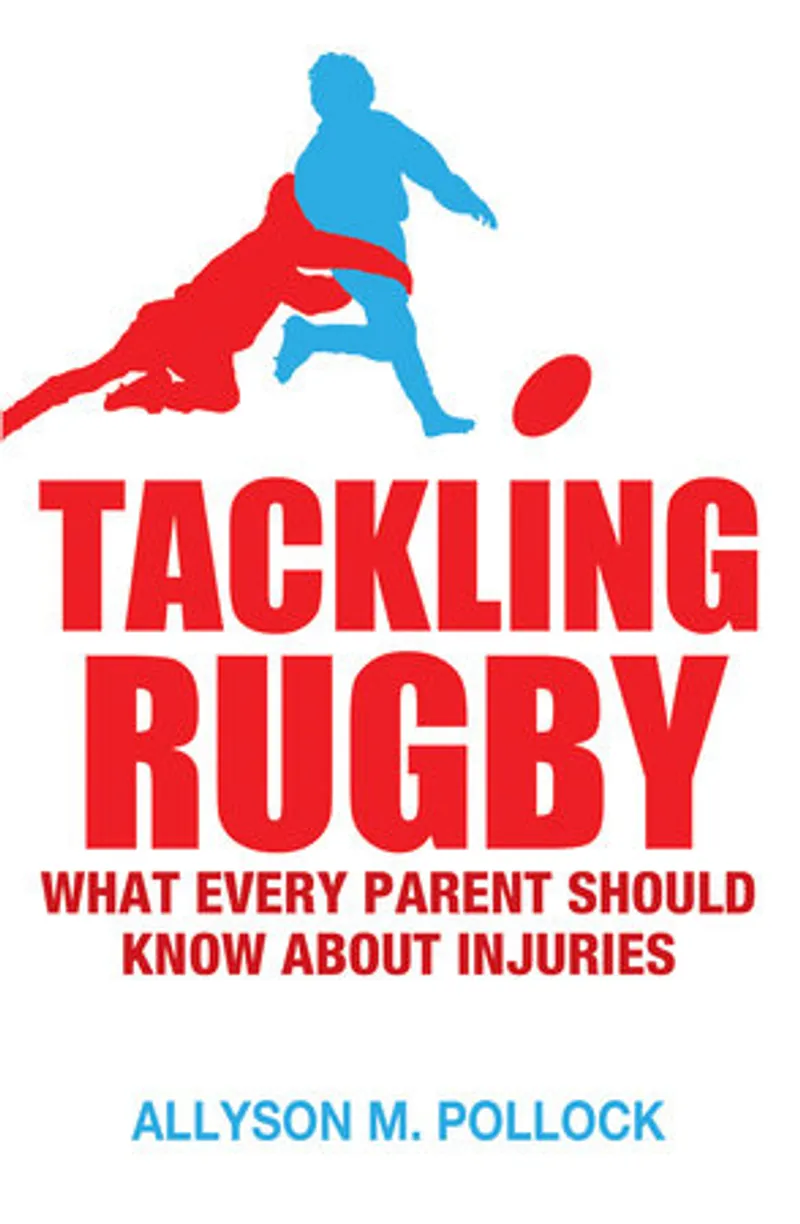
Tackling Rugby Author: Allyson PollockPage Count: UnknownPublication Date: 2014-PRH Tackling Rugby: A Harrowing Exposé of the Dangers of Youth Rugby In her thought-provoking and meticulously researched book, Tackling Rugby, Allyson Pollock shines a light on the dark underbelly of youth rugby, a sport that is often revered for its values of camaraderie, discipline, and physical prowess. However, Pollock's searing critique reveals a more sinister reality, one that is marked by a disturbing lack of accountability, inadequate safety measures, and a culture of silence that surrounds the alarming number of injuries and fatalities that occur on the playing fields of Britain. Through a series of meticulous case studies, including the tragic story of Benjamin Robinson, who died in 2011 after sustaining a concussion during a rugby match, Pollock exposes the shocking truth about the risks associated with youth rugby. Her research, which is grounded in peer-reviewed data, reveals that every week, young children are hospitalized due to injuries sustained while playing rugby. Yet, despite these alarming statistics, injury data are not systematically collected, and as a result, any attempts to make the sport safer are hindered by a lack of reliable information. Pollock's writing style is clear, concise, and unflinching, making her book a compelling and unsettling read. She pulls no punches in her critique of the politicians and educational authorities who have failed to take adequate action to address the safety concerns surrounding youth rugby. Her use of data and case studies adds a level of gravitas to her argument, making it impossible to ignore the urgency of the issue. One of the most striking aspects of Pollock's book is her ability to balance her passion for the subject with a rigorous academic approach. Her research is meticulous, and her analysis is thorough, making her conclusions all the more convincing. She also raises important questions about the cultural and societal factors that contribute to the normalization of violence in youth rugby, highlighting the need for a more nuanced understanding of the sport and its impact on young people. Tackling Rugby is a wake-up call for anyone who cares about the welfare of young people. It is a book that will resonate with parents, educators, and policymakers, and it is a must-read for anyone who is interested in the complex and often fraught world of youth sports. Pollock's book is a testament to the power of rigorous research and advocacy, and it is a reminder that, even in the face of adversity, we must continue to push for change. In conclusion, Tackling Rugby is a groundbreaking book that sheds light on the darker aspects of youth rugby. Allyson Pollock's meticulous research and unflinching critique make for a compelling and thought-provoking read. This book is a must-read for anyone who cares about the welfare of young people and the future of youth sports. #YouthRugbySafety #ConcussionProtocol #SportsInjuryPrevention #YouthSportsSafety #RugbyReform #ChildWelfareInSports Related InsightsTake My Word for It: A Memoir Book Review and Summary In the Likely Event Book Review and Summary Colleen Hoover Ebook Boxed Set Hopeless Series Book Review and Summary{ "@context": "https://schema.org", "@type": "FAQPage", "mainEntity": [ { "@type": "Question", "name": "What is the main focus of Tackling Rugby Book Review and Summary?", "acceptedAnswer": { "@type": "Answer", "text": "Everything you need to know about Tackling Rugby with our detailed review." } }, { "@type": "Question", "name": "Who authored the comprehensive guide on Tackling Rugby Book Review and Summary?", "acceptedAnswer": { "@type": "Answer", "text": "This detailed article and its insights were carefully researched and authored by Diego Lopez." } }, { "@type": "Question", "name": "Where can I find more related content about Books?", "acceptedAnswer": { "@type": "Answer", "text": "You can explore more articles, detailed reviews, and similar insights by browsing the Related Insights section at the bottom of this article or visiting our dedicated Books category page." } } ] }

-
 Diego Lopez
 - 18 May, 2026 14:33
Genios del mundial 2026 / The Geniuses of the 2026 World Cup Book Review and Summary
Genios del mundial 2026 / The Geniuses of the 2026 World Cup Author: Alberto LatiPage Count: UnknownPublication Date: 2026-PRH Alberto Lati’s Genios del Mundial 2026 arrives at a pivotal moment in football history, just as the world’s most prestigious tournament prepares to unfold in North America. With the 2026 edition promising an expanded format, new narratives, and a fresh generation of stars, Lati’s book couldn’t be timelier. As a veteran sports journalist known for his incisive analysis and narrative flair, Lati doesn’t just dissect the game—he breathes life into the stories behind the players, the strategies, and the cultural shifts that will define the tournament. At its core, Genios del Mundial 2026 is a celebration of football genius—those rare individuals who transcend the sport, turning moments into legends. Lati doesn’t just profile the usual suspects (though they’re here, too); he digs deeper, uncovering the untold backstories of emerging talents, tactical innovators, and even the unsung heroes who shape the game’s future. The book’s strength lies in its balance: it’s neither a dry statistical compendium nor a hagiography of superstars. Instead, Lati crafts a mosaic where data meets drama, where the cold precision of analytics collides with the raw emotion of a last-minute winner. What sets Lati apart is his ability to humanize the game. He doesn’t just tell you that a player is a "genius"; he shows you why. Take, for example, his portrait of a young South American midfielder whose vision and technique have drawn comparisons to past World Cup icons. Lati traces the player’s journey from the favelas to the global stage, weaving in interviews with coaches who saw potential in him long before the scouts did. The result is a portrait that feels intimate, almost cinematic, as if you’re watching the player’s career unfold in real time. The book’s structure mirrors the unpredictability of the World Cup itself. Lati doesn’t follow a rigid chronological or geographical order; instead, he jumps between continents, tournaments, and training grounds, mirroring the global nature of the sport. This approach keeps the narrative dynamic, ensuring that even casual fans won’t feel bogged down by excessive detail. Yet, for those who crave depth, Lati’s footnotes and sidebars—packed with tactical breakdowns, historical context, and even psychological insights—offer a treasure trove for the truly obsessed. Lati’s prose is sharp and accessible, avoiding the jargon that often alienates non-experts. He has a knack for turning complex concepts—like a team’s pressing triggers or a goalkeeper’s positioning—into digestible, almost conversational explanations. This makes Genios del Mundial 2026 as enjoyable for armchair analysts as it is for die-hard fans. His wit shines through in moments of levity, too, whether he’s poking fun at the overhyped "next big thing" or celebrating an underdog’s triumph in a lesser-known league. One of the book’s most compelling themes is the evolution of football genius in the 21st century. Lati argues that the modern "genius" isn’t just a player with extraordinary skill but someone who adapts to the game’s changing demands—whether it’s a full-back who redefines defensive roles, a striker who thrives in a hybrid system, or a coach who bends tactics to the will of a single transcendent talent. This lens makes the book feel forward-looking, not just retrospective. It’s as much about the future of the sport as it is about the stars who will define it. That said, Genios del Mundial 2026 isn’t without its risks. The book’s reliance on speculation—given that the tournament hasn’t even happened yet—could feel premature if the players profiled don’t live up to the hype. Lati acknowledges this, framing the book as a "prelude" rather than a definitive account. His honesty about the uncertainties of sport adds to the book’s charm, reminding readers that football’s magic lies in its unpredictability. Ultimately, Genios del Mundial 2026 is a love letter to the game’s next chapter. It’s for the fans who stay up late to watch obscure qualifiers, the analysts who debate formations over coffee, and the dreamers who believe a single tournament can change everything. Lati’s passion for the sport is infectious, and his ability to make even the most technical aspects of football feel thrilling is a testament to his skill as a storyteller. If the 2026 World Cup delivers even a fraction of the drama and brilliance that Lati anticipates, this book will serve as the perfect companion—part guide, part prophecy, and entirely unforgettable. #WorldCup2026 #FootballGenius #AlbertoLati #SoccerLiterature #NextGenStars #TheBeautifulGame Related InsightsBridge to Bat City 6c Signed Solid Prepack Book Review and Summary All In (6:20 Man, #4) Book Review and Summary Anji in Shadow (The Rising Tide, #2) Book Review and Summary{ "@context": "https://schema.org", "@type": "FAQPage", "mainEntity": [ { "@type": "Question", "name": "What is the main focus of Genios del mundial 2026 / The Geniuses of the 2026 World Cup Book Review and Summary?", "acceptedAnswer": { "@type": "Answer", "text": "Everything you need to know about Genios del mundial 2026 / The Geniuses of the 2026 World Cup with our detailed review." } }, { "@type": "Question", "name": "Who authored the comprehensive guide on Genios del mundial 2026 / The Geniuses of the 2026 World Cup Book Review and Summary?", "acceptedAnswer": { "@type": "Answer", "text": "This detailed article and its insights were carefully researched and authored by Diego Lopez." } }, { "@type": "Question", "name": "Where can I find more related content about Books?", "acceptedAnswer": { "@type": "Answer", "text": "You can explore more articles, detailed reviews, and similar insights by browsing the Related Insights section at the bottom of this article or visiting our dedicated Books category page." } } ] }
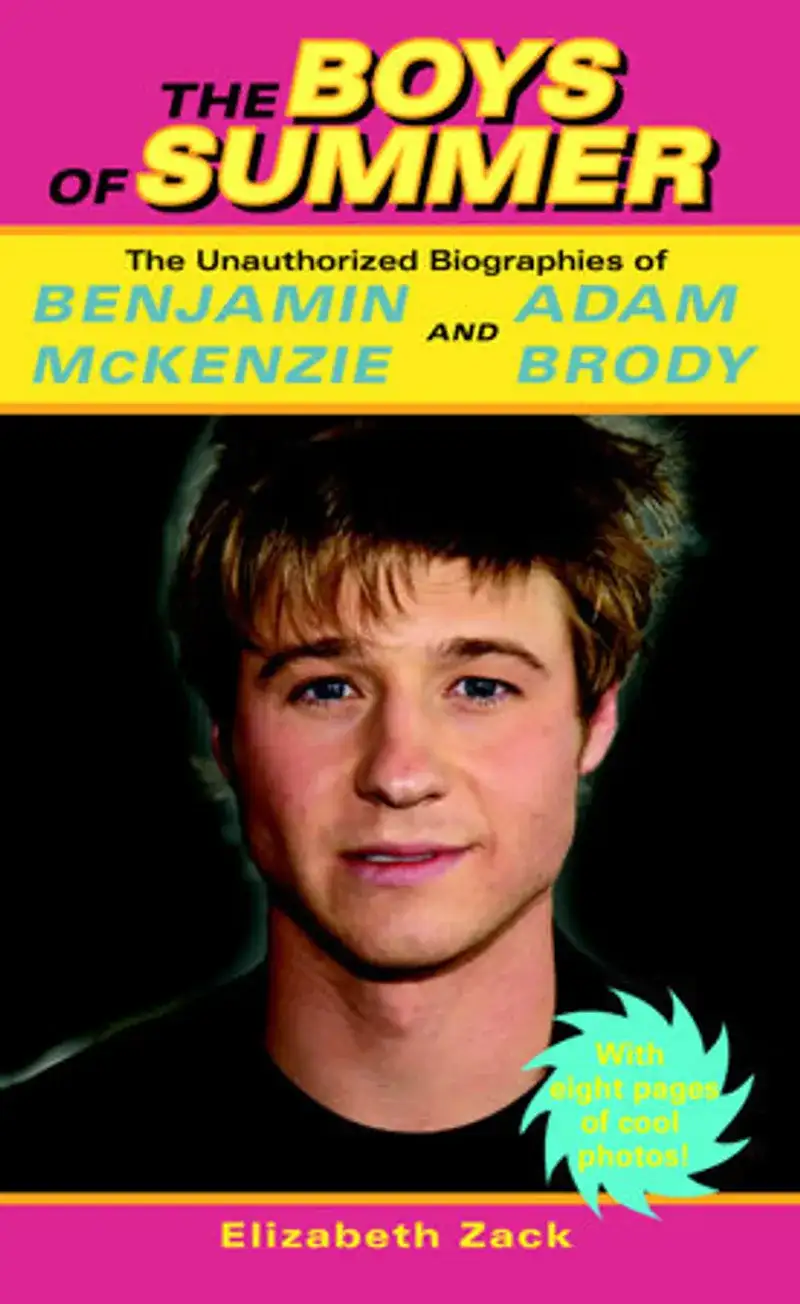
The Boys of Summer Author: Elizabeth ZackPage Count: UnknownPublication Date: 2007-PRH The Boys of Summer: A Glamorous Deep Dive into the Rise of Two Hollywood Icons Elizabeth Zack’s The Boys of Summer is more than just a celebrity exposé—it’s a time capsule of early 2000s Hollywood stardom, capturing the electric rise of two actors who defined a generation of teen drama and beyond. Released in 2007, at the peak of The O.C.’s cultural dominance, the book serves as both a fan’s guide and a cultural artifact, blending biography, gossip, and behind-the-scenes intrigue to paint a vivid portrait of Benjamin McKenzie and Adam Brody. At its core, The Boys of Summer is a celebration of ambition, youth, and the intoxicating allure of fame. Zack doesn’t just dissect McKenzie and Brody’s careers; she immerses the reader in their journeys—from their humble beginnings to the dizzying heights of becoming two of Hollywood’s most bankable heartthrobs. The book’s strength lies in its ability to balance hard facts with the kind of insider tidbits that make celebrity bios feel alive. Whether it’s McKenzie’s New York acting struggles or Brody’s early forays into horror (The Ring), Zack ensures that the narrative never feels like a dry recitation of achievements. Instead, it reads like a love letter to the era when The O.C. was appointment television, and its stars were the ultimate teen idols. Zack’s writing style is punchy and accessible, mirroring the fast-paced energy of the entertainment industry she’s chronicling. She avoids the dry academic tone that plagues so many celebrity bios, opting instead for a conversational, almost breathless approach that mirrors the excitement of discovering new talent. The prose is slick, the pacing brisk, and the tone unapologetically fangirl—perfect for readers who grew up watching McKenzie and Brody’s careers unfold in real time. One of the book’s most compelling themes is the duality of stardom—how fame can be both a blessing and a curse. Zack doesn’t shy away from the pressures of being young, attractive, and in the spotlight, particularly for actors who rose to fame in an era before social media had softened the edges of celebrity culture. She delves into the dating dilemmas, the industry’s expectations, and the sheer luck that propelled Brody and McKenzie to the top. There’s a sense of nostalgia in these pages, a reminder of a time when The O.C. wasn’t just a show but a phenomenon that shaped pop culture. Zack also excels at capturing the camaraderie between the two actors. Their on-screen chemistry in The O.C. was undeniable, but the book reveals the off-screen friendship that made their partnership so special. Zack peppers the narrative with anecdotes from the set, giving readers a glimpse into the dynamic between the two—whether it’s their shared love of music, their mutual disdain for the paparazzi, or the inside jokes that kept them grounded amidst the chaos of fame. That said, The Boys of Summer isn’t without its flaws. As a product of its time, it leans heavily into the O.C. hype, which may leave some readers craving more depth on the actors’ careers post-2007. Zack’s focus is squarely on their rise, not their later work, which means fans looking for a comprehensive look at their entire careers might find the book’s scope a bit limited. Additionally, the writing occasionally veers into the realm of hagiography—it’s hard to find a critical word about either actor, which can make the tone feel a tad unbalanced. Still, these minor critiques don’t detract from the book’s overall charm. The Boys of Summer is a time capsule of a moment when two actors became synonymous with cool, when a TV show could make or break careers, and when the line between reality and fiction felt delightfully blurred. Zack’s passion for her subjects shines through, making this more than just a book about fame—it’s a testament to the fleeting, golden age of early 2000s Hollywood. For fans of The O.C. and the actors who defined an era, The Boys of Summer is a must-read—a nostalgic trip down memory lane that reminds us why Brody and McKenzie were, and still are, two of the most magnetic stars of their generation. #TheOC #BenjaminMcKenzie #AdamBrody #CelebrityBios #90sNostalgia #HollywoodRisingStars Related InsightsEvie and the Animals Book Review and Summary Iron Flame Book Review and Summary The Sixth Faction (The Sixth Faction, #1) Book Review and Summary{ "@context": "https://schema.org", "@type": "FAQPage", "mainEntity": [ { "@type": "Question", "name": "What is the main focus of The Boys of Summer Book Review and Summary?", "acceptedAnswer": { "@type": "Answer", "text": "Everything you need to know about The Boys of Summer with our detailed review." } }, { "@type": "Question", "name": "Who authored the comprehensive guide on The Boys of Summer Book Review and Summary?", "acceptedAnswer": { "@type": "Answer", "text": "This detailed article and its insights were carefully researched and authored by Diego Lopez." } }, { "@type": "Question", "name": "Where can I find more related content about Books?", "acceptedAnswer": { "@type": "Answer", "text": "You can explore more articles, detailed reviews, and similar insights by browsing the Related Insights section at the bottom of this article or visiting our dedicated Books category page." } } ] }
Happenstance Author: Tessa BaileyPage Count: UnknownPublication Year: 2022-GB Tessa Bailey’s Happenstance is a dazzling, emotionally charged romance that proves why she’s a master of the genre. With razor-sharp wit, steamy tension, and a heartfelt exploration of fate and second chances, this book isn’t just another love story—it’s a celebration of the unpredictable moments that shape our lives. Published in 2022, Happenstance quickly became a global bestseller, and it’s easy to see why. Bailey crafts a narrative that feels both intimate and expansive, blending humor, vulnerability, and a touch of serendipity that lingers long after the last page. At its core, Happenstance is about the beauty of chance encounters and the way they can rewrite our futures. The story follows two people whose paths collide in the most unexpected way, forcing them to confront their pasts and the choices that led them to this pivotal moment. Bailey’s genius lies in her ability to make even the smallest interactions feel monumental, turning what could have been a simple meet-cute into a profound exploration of connection. The book isn’t just about falling in love; it’s about recognizing the love that was always meant to find you. Bailey’s writing style is a force to be reckoned with. She has a knack for dialogue that crackles with authenticity, making her characters feel like real people—flawed, funny, and deeply human. Her prose is sharp, laced with humor and heartache in equal measure, and she has a talent for balancing steamy scenes with tender vulnerability. The banter between the leads is electric, crackling with chemistry that feels earned, not forced. Bailey doesn’t shy away from the messy, complicated emotions that come with love and loss, and it’s this rawness that makes Happenstance so compelling. One of the standout features of the book is its ability to make the reader believe in the power of “happenstance”—those serendipitous moments that seem too perfect to be coincidences. Bailey weaves fate into the narrative in a way that feels organic, not contrived, making the reader root for the characters’ reunion from the very beginning. The emotional stakes are high, but the journey never feels heavy-handed. Instead, Bailey’s light touch and keen insight into human nature keep the story buoyant, even in its most poignant moments. The book also excels in its secondary characters, who feel like a vibrant part of the world Bailey has created. Whether it’s the quirky side characters or the deeply flawed but endearing love interests, each person in the story feels fully realized. Bailey’s world-building is immersive, drawing the reader into a world that’s both familiar and fresh, where every detail feels carefully crafted to enhance the emotional core of the story. Happenstance is ultimately a book about embracing the unknown and trusting that some connections are worth the wait. It’s a reminder that life’s most meaningful moments often happen when we least expect them—and that’s a message worth falling in love with. #Happenstance #TessaBailey #RomanceNovel #FateAndDestiny #SteamyRomance #SecondChances Related InsightsWhispers on Carbon Paper: The Subversive Art of Samizdat Literature in the Shadow of the Iron Curtain Native Son Book Review and Summary Heartsong Book Review and Summary{ "@context": "https://schema.org", "@type": "FAQPage", "mainEntity": [ { "@type": "Question", "name": "What is the main focus of Happenstance Book Review and Summary?", "acceptedAnswer": { "@type": "Answer", "text": "Everything you need to know about Happenstance with our detailed review." } }, { "@type": "Question", "name": "Who authored the comprehensive guide on Happenstance Book Review and Summary?", "acceptedAnswer": { "@type": "Answer", "text": "This detailed article and its insights were carefully researched and authored by Diego Lopez." } }, { "@type": "Question", "name": "Where can I find more related content about Books?", "acceptedAnswer": { "@type": "Answer", "text": "You can explore more articles, detailed reviews, and similar insights by browsing the Related Insights section at the bottom of this article or visiting our dedicated Books category page." } } ] }
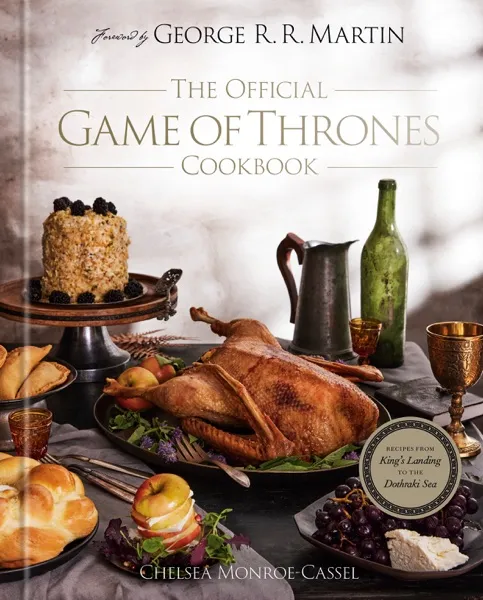
Official Game of Thrones Cookbook Author: Chelsea Monroe-CasselPage Count: UnknownPublication Year: 2024-GB The Official Game of Thrones Cookbook by Chelsea Monroe-Cassel isn’t just a cookbook—it’s a culinary journey into the heart of Westeros, where dragon fire and hearty stews are equally essential. Published in 2024, this highly anticipated follow-up to the original A Feast of Ice and Fire (and its sequel) promises to elevate medieval-inspired cuisine to mythic proportions. With the weight of a global bestseller behind it, Monroe-Cassel doesn’t just recreate dishes from George R.R. Martin’s universe; she immerses readers in the gritty, flavorful world of Westeros, where food is both a comfort and a weapon. Monroe-Cassel, the creator of the beloved Inn at the Crossroads blog, has long been the unofficial chef laureate of Game of Thrones. Her knack for blending historical authenticity with fantasy whimsy makes this cookbook more than a novelty—it’s a masterclass in world-building through food. Unlike typical tie-in cookbooks, which often feel like gimmicks, this one treats its recipes as sacred texts, respecting the lore while inviting readers to engage with it on a deeply sensory level. Whether you’re a casual fan or a devoted foodie, the book makes the Seven Kingdoms feel tangible, one bite at a time. The book’s structure mirrors the political and geographical divides of Westeros itself. Recipes are organized by region—from the icy halls of Castle Black to the sun-drenched kitchens of Dorne—each section infused with cultural context. Monroe-Cassel doesn’t just list ingredients; she weaves in anecdotes about Westerosi dining customs, from the lavish feasts of King’s Landing to the humble meals of the Free Folk. A chapter on "Winter’s Feast" might include hearty venison pasties and spiced cider, while "A Taste of the Summer Isles" offers tropical fruit tarts and coconut-spiked rum punch. The attention to detail is nothing short of obsessive, ensuring that every dish feels like it truly belongs in its fictional setting. What sets this cookbook apart is Monroe-Cassel’s ability to balance accessibility with authenticity. While some recipes might intimidate home cooks with their medieval techniques (horn spoons for serving honey? A pie crust that requires lard rendered from a boar?), the instructions are clear enough for a modern kitchen. She modernizes where necessary—substituting hard-to-find ingredients or offering time-saving tips—without betraying the spirit of the original dishes. Her style is warm and conversational, as if she’s standing right beside you in the Red Keep’s kitchen, guiding you through the process with a wink and a nod. Take, for example, the recipe for "Dany’s Targaryen Roast Lamb with Fire and Blood." Monroe-Cassel doesn’t just provide the method; she tells the story of how the dish might be prepared for a queen who commands dragons. The marinade includes pomegranate molasses and smoked paprika, evoking the sensual, spice-rich flavors of Essos, while the presentation mimics the dramatic flair of Dany’s conquests. Or consider "The Hound’s Blackwater Ale Stew," a gruesome-sounding but deeply satisfying dish that reflects the harsh, no-nonsense diet of a warrior like Sandor Clegane. The use of dark beer and smoked sausage gives it a rustic, battle-ready richness. Monroe-Cassel’s prose is as rich as the dishes she describes. She writes with the same narrative flair as Martin’s prose, making even the most mundane steps feel part of a larger epic. Her commentary isn’t just functional—it’s immersive. A simple note about using juniper berries in a stew becomes a meditation on the Wildlings’ herbal traditions. A warning about over-kneading dough turns into a metaphor for the dangers of haste in a world where patience can mean the difference between life and death. That said, the book isn’t without its challenges. Some recipes are undeniably labor-intensive, requiring multiple days of prep or hard-to-source ingredients. Others might leave vegetarians (or those who refuse to eat "direwolf kebabs") feeling sidelined. And while Monroe-Cassel’s love for her subject is infectious, purists might argue that certain dishes stray too far from historical accuracy in favor of fantasy aesthetics. Still, these are minor quibbles in a book that succeeds so wildly in its primary goal: to make you feel like you’ve stepped into Westeros. For fans of Game of Thrones, this cookbook is a love letter to the series—a way to keep the world alive even after the final credits roll. For food lovers, it’s an adventure, a challenge, and a celebration of how deeply food and storytelling intertwine. Monroe-Cassel doesn’t just feed your hunger; she feeds your imagination. #GameOfThronesCookbook #FeastOfIceAndFire #FoodOfWesteros #MedievalEats #TargaryenTastes #DragonDining Related InsightsThank You for Remembering: A Novel Book Review and Summary The Shell Seekers Book Review and Summary Tess of the D’Urbervilles Book Review and Summary{ "@context": "https://schema.org", "@type": "FAQPage", "mainEntity": [ { "@type": "Question", "name": "What is the main focus of Official Game of Thrones Cookbook Book Review and Summary?", "acceptedAnswer": { "@type": "Answer", "text": "Everything you need to know about Official Game of Thrones Cookbook with our detailed review." } }, { "@type": "Question", "name": "Who authored the comprehensive guide on Official Game of Thrones Cookbook Book Review and Summary?", "acceptedAnswer": { "@type": "Answer", "text": "This detailed article and its insights were carefully researched and authored by Diego Lopez." } }, { "@type": "Question", "name": "Where can I find more related content about Books?", "acceptedAnswer": { "@type": "Answer", "text": "You can explore more articles, detailed reviews, and similar insights by browsing the Related Insights section at the bottom of this article or visiting our dedicated Books category page." } } ] }
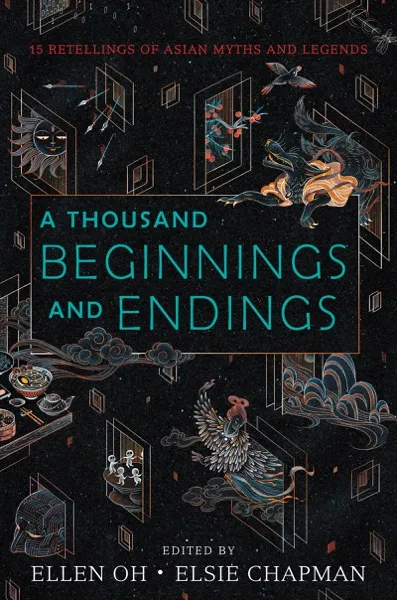
A Thousand Beginnings and Endings Author: Ellen OhPage Count: UnknownPublication Year: 2018-GB A Thousand Beginnings and Endings: A Tapestry of Myth, Magic, and Resilience Ellen Oh’s A Thousand Beginnings and Endings is a dazzling anthology that reimagines the myths and legends of East and South Asia, weaving them into fresh, poignant narratives that resonate with modern voices. More than just a collection of retellings, this book is a celebration of cultural heritage, a defiance of erasure, and a testament to the enduring power of storytelling. At its heart, the anthology explores the theme of rebirth—not just in the literal sense of gods and monsters rising again, but in the metaphorical sense of reclaiming identity, love, and justice. Each story in the collection takes a familiar myth and twists it, deepens it, or shatters it to reveal something new. Whether it’s a vengeful spirit seeking peace, a young woman defying the stars to change her fate, or a warrior challenging the gods themselves, the characters in these pages are vivid, flawed, and fiercely human. They grapple with loss, betrayal, and the weight of tradition, but they also find strength in their struggles. The result is a collection that feels both timeless and urgently contemporary. Oh’s editorial prowess shines in the way she curates these stories. Unlike many anthologies that feel disjointed, A Thousand Beginnings and Endings has a cohesive rhythm. The opening piece, “The Girl Who Found the Sky,” by Renee Ahdieh, sets the tone with its lyrical prose and haunting mythos, while the closing story, “The Land of the Morning Calm,” by Julie Kagawa, delivers a powerful emotional punch. In between, authors like Roshani Chokshi, Cindy Pon, and Alyssa Wong bring their unique voices to bear, ensuring that no two stories feel alike. Some lean into the magical and whimsical, while others ground their tales in raw, emotional realism. Yet all of them share a common thread: they challenge the idea that myths are fixed, that history is immutable, and that the voices of the past must remain silent. One of the most striking aspects of Oh’s work is her refusal to shy away from the darker, more complex aspects of these myths. In “The Counting of Vermilion Beads,” by Aliette de Bodard, a woman’s grief and rage manifest in terrifying ways, forcing readers to confront the consequences of unchecked emotion. Meanwhile, “The Smiling Prince” by Aisha Saeed subverts expectations of fairy-tale endings, offering a bittersweet resolution that lingers long after the last page. These stories don’t just entertain; they provoke thought, challenge assumptions, and invite readers to question the narratives they’ve been fed. Oh’s own contribution, “The Last Voyage of Sindbad,” is a standout. A retelling of the classic Persian tale, it transforms the story of a legendary sailor into a meditation on legacy and the fear of being forgotten. The prose is rich and evocative, transporting readers to a world where the line between myth and reality is delightfully blurred. It’s a perfect example of how Oh’s editorial choices elevate the anthology beyond a mere collection into something truly special. What makes A Thousand Beginnings and Endings so compelling is its refusal to be pigeonholed. It’s not just for fans of fantasy or mythology; it’s for anyone who has ever felt the pull of the past or the need to rewrite it. The stories are diverse in setting and theme, spanning from Chinese celestial bureaucracy to Indian folklore, yet they all share a sense of urgency. These are not passive retellings but active reimaginings, where the authors take the raw materials of myth and shape them into something personal and profound. The emotional core of the anthology lies in its exploration of identity and belonging. Many of the protagonists are young women or outsiders, struggling against the constraints of their worlds. In “Girls Who Twisted Skies” by Margaret Rogerson, a young girl navigates the pressures of filial piety and self-discovery, while in “The Crimson Cloak” by Lori M. Lee, a girl must confront the legacy of her mother’s choices. These stories resonate because they tap into universal themes of growing up, finding one’s voice, and forging one’s own path. Oh’s editorial hand is evident not just in the selection of stories but in the way she structures them. The anthology flows seamlessly from one tale to the next, each story acting as a stepping stone to the next. There’s a sense of progression, as if the reader is embarking on a journey through time and space, guided by the threads of myth and memory. It’s a masterclass in pacing and cohesion, something that’s often lacking in anthologies. Ultimately, A Thousand Beginnings and Endings is more than a book—it’s a movement. It’s a defiant reclaiming of stories that have been co-opted, silenced, or ignored. In a world where representation matters more than ever, this anthology is a vital reminder that myths are not static; they are living, breathing entities that evolve with each retelling. Oh and her authors have given these tales new life, infusing them with heart, humor, and humanity. If you’re looking for a book that will challenge you, move you, and leave you in awe, A Thousand Beginnings and Endings is a must-read. It’s a testament to the power of storytelling to heal, to inspire, and to transform. #OwnVoices #AsianLit #FantasyAnthology #MythRetelling #EpicFemales #BookRecs Related InsightsSlammed Book Review and Summary Classic Christmas Stories Book Review and Summary Love You Forever Book Review and Summary{ "@context": "https://schema.org", "@type": "FAQPage", "mainEntity": [ { "@type": "Question", "name": "What is the main focus of A Thousand Beginnings and Endings Book Review and Summary?", "acceptedAnswer": { "@type": "Answer", "text": "Everything you need to know about A Thousand Beginnings and Endings with our detailed review." } }, { "@type": "Question", "name": "Who authored the comprehensive guide on A Thousand Beginnings and Endings Book Review and Summary?", "acceptedAnswer": { "@type": "Answer", "text": "This detailed article and its insights were carefully researched and authored by Diego Lopez." } }, { "@type": "Question", "name": "Where can I find more related content about Books?", "acceptedAnswer": { "@type": "Answer", "text": "You can explore more articles, detailed reviews, and similar insights by browsing the Related Insights section at the bottom of this article or visiting our dedicated Books category page." } } ] }
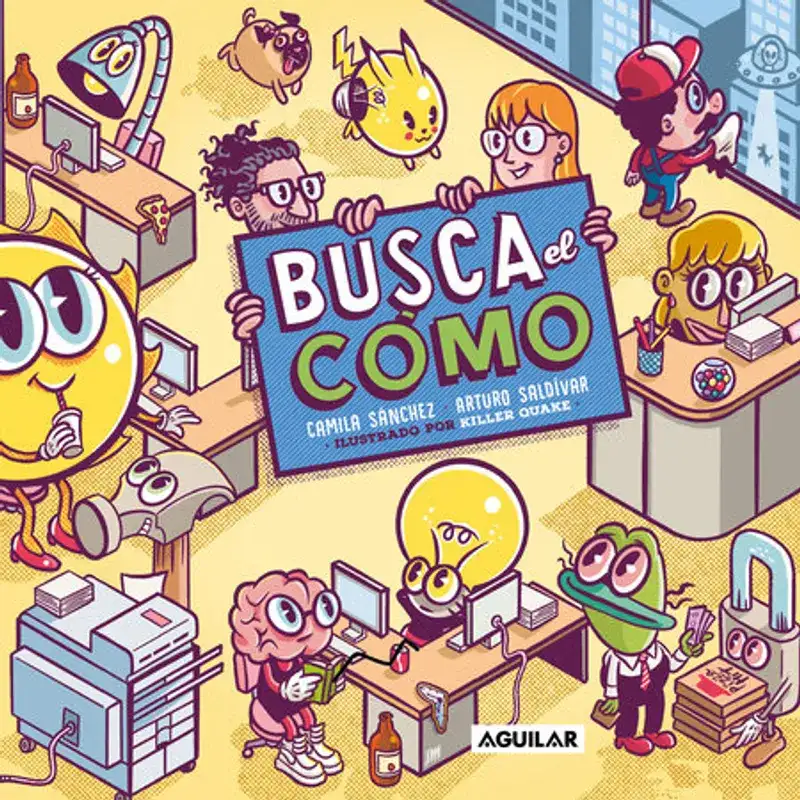
Busca el cómo / Search for the How Author: Killer QuakePage Count: UnknownPublication Date: 2024-PRH Laugh Your Way to Creative Freedom: A Review of Busca el cómo / Search for the How by Killer Quake There’s a certain audacity in telling readers that creativity isn’t just a talent—it’s a choice. That it doesn’t belong to artists, entrepreneurs, or "special" people, but to everyone, even (or especially) those who’ve been conditioned to believe otherwise. Killer Quake’s Busca el cómo / Search for the How is a manifesto disguised as a playful invitation, a book that doesn’t just preach creativity but enforces it through laughter, provocation, and unapologetic self-belief. The core premise is simple: creativity isn’t a mystical gift—it’s a muscle. And Killer Quake, with the irreverence of a stand-up comedian and the precision of a seasoned provocateur, dismantles the excuses we’ve internalized. "You’re creative, and don’t let anyone tell you otherwise," they declare in the opening lines, a challenge wrapped in a wink. It’s a line that could easily come off as cliché, but here, it feels like a dare. The book doesn’t just say creativity is accessible—it proves it, demanding the reader either lean into the absurdity or admit defeat. What makes Search for the How stand out is its refusal to take itself too seriously. The tone is irreverent, conversational, and packed with the kind of humor that feels like a friend leaning over your shoulder, whispering, "Hey, what if we tried this?" The Spanish edition’s playful tone—full of asides like "¡Psst, psst!" and "Ríete con las ilustraciones" (Laugh at the illustrations)—carries over in the English version, making the book feel less like a textbook and more like a backstage pass to a comedy club where the main act is you. The author’s style is a blend of motivational kick-in-the-pants and absurdist humor. There’s no dry theory here, no jargon-heavy advice about "innovation frameworks" or "design thinking." Instead, Killer Quake uses humor as a Trojan horse, sneaking in truths about self-sabotage, fear of judgment, and the paralysis of overthinking. The illustrations, wherever they appear, seem to mock the very idea of taking creativity too seriously. It’s as if the book itself is winking at the reader: "See? Even the pictures are laughing at your excuses." The real magic happens in the subtext. Beneath the jokes and the encouragement to "have fun," there’s a steely undercurrent: Creativity is power, and power is currency. The postscript—"If you buy the book, you might also learn how to monetize your creativity (like us)"—isn’t just a sales pitch. It’s a reminder that the same mindset that fuels art, humor, or random ideas can also build careers, side hustles, or entire lifestyles. The book doesn’t just want you to create; it wants you to profit from creation, in every sense of the word. For skeptics who bristle at the idea of "manifestos for creatives," Search for the How offers a refreshing alternative: it doesn’t preach. It prods. It doesn’t tell you what to think; it makes you feel the frustration of holding back your own ideas. The writing is designed to trigger that familiar itch—the one that says, "Wait, why haven’t I tried that yet?"—and then slaps you with a mirror: "Because you were waiting for permission." Of course, the book isn’t without risks. Its casual tone might alienate readers who crave structure or traditional self-help frameworks. And while humor is a brilliant tool for engagement, it can sometimes overshadow deeper reflections on the how of monetizing creativity, leaving some readers wanting more concrete steps. But these are minor quibbles in an otherwise electrifying read. Search for the How isn’t here to coddle; it’s here to shake you awake. In a world where creativity is often commodified into courses, templates, and "10-step guides," Killer Quake’s approach is a rebellion. It’s a reminder that the most revolutionary ideas often start not with a grand plan, but with a stupid joke, a doodle, or a moment of defiance. The book doesn’t just tell you to create—it makes you want to create, even if you have to laugh through the discomfort. If you’ve ever felt stifled by your own "I’m not creative" narrative, this book is your wake-up call. And if you’re already a believer? It’ll be the fuel you didn’t know you needed. #CreativityUnleashed #LaughYourWayToSuccess #MonetizeYourMindset #BreakTheRules #CreativeRebellion #NoMoreExcuses Related InsightsSamantha: The Next Chapter Book Review and Summary Punto ciego Book Review and Summary Write Now Journal: 'It's not what we have in our life, but who we have in our life that counts.' -J. M. Laurence Book Review and Summary{ "@context": "https://schema.org", "@type": "FAQPage", "mainEntity": [ { "@type": "Question", "name": "What is the main focus of Busca el cómo / Search for the How Book Review and Summary?", "acceptedAnswer": { "@type": "Answer", "text": "Everything you need to know about Busca el cómo / Search for the How with our detailed review." } }, { "@type": "Question", "name": "Who authored the comprehensive guide on Busca el cómo / Search for the How Book Review and Summary?", "acceptedAnswer": { "@type": "Answer", "text": "This detailed article and its insights were carefully researched and authored by Diego Lopez." } }, { "@type": "Question", "name": "Where can I find more related content about Books?", "acceptedAnswer": { "@type": "Answer", "text": "You can explore more articles, detailed reviews, and similar insights by browsing the Related Insights section at the bottom of this article or visiting our dedicated Books category page." } } ] }
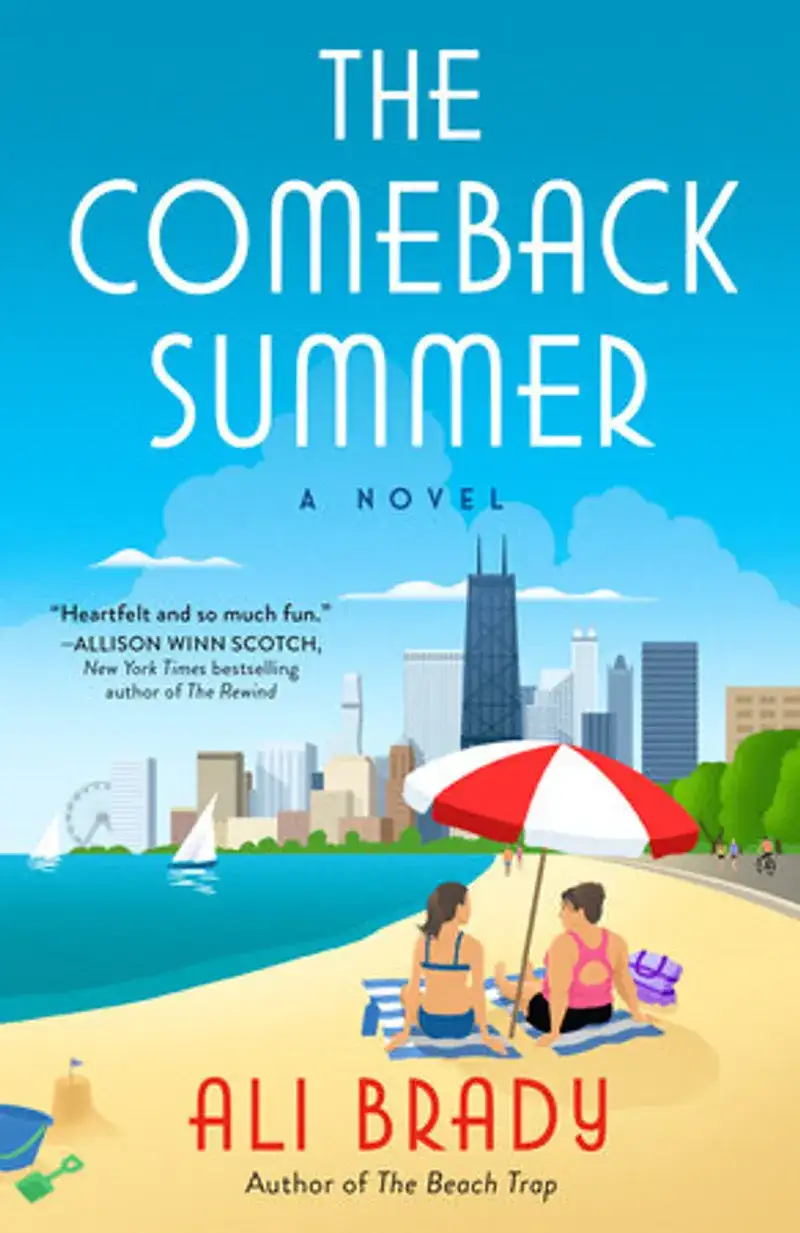
The Comeback Summer Author: Ali BradyPage Count: UnknownPublication Date: 2023-PRH The Comeback Summer: A Blend of Heart, Humor, and High Stakes Ali Brady’s The Comeback Summer is a delightful, high-energy romp that balances romance, familial bonds, and personal growth with the kind of wit and warmth that makes you feel like you’re catching up with an old friend. At its core, this novel is about stepping out of your comfort zone—not just for the sake of success, but for the love of the people who matter most. Brady crafts a story that’s as much about the journey as it is about the destination, proving that sometimes, the biggest risks lead to the sweetest rewards. The book follows sisters Hannah and Libby, who inherit their grandmother’s struggling PR agency at a time when their own comfort zones feel like padded cells. Hannah, a self-proclaimed introvert, would rather hide behind a spreadsheet than network, while Libby’s avoidance tactics are so legendary they’ve become family lore. Enter Lou, a flamboyant self-help guru whose "Crush Your Comfort Zone" challenge becomes the sisters’ unexpected lifeline. The catch? They have to complete twelve weeks of increasingly daunting tasks, from first dates (for Hannah) to obstacle course races (for Libby). What starts as a business strategy quickly spirals into a test of their trust in each other—and themselves. Brady’s strength lies in her ability to balance sharp humor with genuine emotional depth. The banter between Hannah and Libby crackles with sibling rivalry and affection, making their dynamic feel authentic rather than forced. Their chemistry is the heart of the book, and Brady excels at capturing the push-and-pull of their relationship—how love can coexist with frustration, and how growth often requires sacrifice. The supporting cast, from Lou’s over-the-top motivational schtick to the love interests who stumble into their lives at the worst (and best) times, adds layers of comedy and tension. The novel’s themes of reinvention and resilience are timely, especially in a world where many of us feel pressure to constantly "level up." Brady doesn’t shy away from the messiness of personal growth—there are missteps, misunderstandings, and moments of vulnerability that make the sisters feel real. Their journey isn’t a neat, linear path; it’s messy, funny, and occasionally painful, much like real life. The stakes feel high because Brady ensures we care about the agency’s future as much as the sisters do. It’s not just about saving a business; it’s about reclaiming a legacy and, in the process, rediscovering who they are outside of each other’s shadows. Brady’s writing style is breezy yet precise, with a knack for pacing that keeps the story moving at a clip. The dialogue sparkles, and the romantic subplots—especially the tangled web of who likes whom—add a layer of swoon-worthy tension. The book’s structure, with each chapter framed around a new challenge, gives it a satisfying rhythm, much like a reality TV show (if reality TV were written by someone who actually understands human emotions). At times, the narrative leans a little too hard into the trope of "forgetting the actual problem in favor of a love story," but Brady grounds the story in the sisters’ bond, ensuring the emotional core never feels sidelined. The conflicts between Hannah and Libby aren’t just about boyfriends or career choices; they’re about deeper issues of trust and fear. By the end, when the dust settles, what lingers is the realization that the real comeback wasn’t about the agency or the challenges—it was about learning to rely on each other again. The Comeback Summer is a feel-good book with teeth. It’s the kind of novel that leaves you smiling, even when it makes you pause to reflect on your own comfort zones. Brady has crafted a story that’s both a guilty pleasure and a thoughtful exploration of what it means to grow without losing yourself—or the people who matter. #ComfortZoneCrush #SisterhoodGoals #RomComWithHeart #NewAdultFiction #SummerReads #SelfHelpSaga Related InsightsThe Last Unicorn Book Review and Summary Now That We Don't Talk Book Review and Summary A People’s History of the United States: 1492 - Present Book Review and Summary{ "@context": "https://schema.org", "@type": "FAQPage", "mainEntity": [ { "@type": "Question", "name": "What is the main focus of The Comeback Summer Book Review and Summary?", "acceptedAnswer": { "@type": "Answer", "text": "Everything you need to know about The Comeback Summer with our detailed review." } }, { "@type": "Question", "name": "Who authored the comprehensive guide on The Comeback Summer Book Review and Summary?", "acceptedAnswer": { "@type": "Answer", "text": "This detailed article and its insights were carefully researched and authored by Diego Lopez." } }, { "@type": "Question", "name": "Where can I find more related content about Books?", "acceptedAnswer": { "@type": "Answer", "text": "You can explore more articles, detailed reviews, and similar insights by browsing the Related Insights section at the bottom of this article or visiting our dedicated Books category page." } } ] }
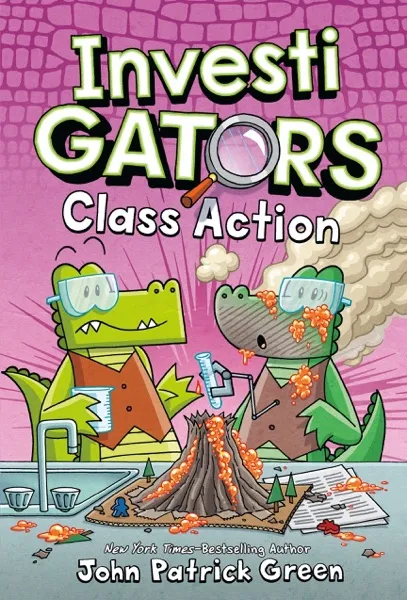
InvestiGators Author: John Patrick GreenPage Count: UnknownPublication Year: 2025-GB InvestiGators: A Whisker-Twitching Whodunit for the Ages John Patrick Green’s InvestiGators isn’t just a book—it’s a symphony of chaos, camaraderie, and the kind of relentless humor that makes you snort-laugh into your coffee. Set in a world where rodents in trench coats solve crimes with the urgency of a pizza delivery, this graphic novel masterpiece fuses the urgency of a detective thriller with the infectious energy of a Saturday morning cartoon. Published in 2025, it arrives like a literary meteor, already hailed as a global bestseller, and for good reason: Green has crafted not just a story, but an experience—one that tickles the brain while making the heart race. At its core, InvestiGators is about partnership, paranoia, and the absurd lengths we’ll go to for a friend. The dynamic duo at the heart of the tale—Mango and Brash, two hypercompetitive (and hilariously inept) secret agents—are the kind of characters who make you question whether you’d trust them with your life… and yet, you can’t help but root for them. Their banter crackles with the wit of a screwball comedy, their egos are as big as their appetites, and their investigative methods are so gloriously off-the-wall that you’ll wonder if you’re reading a detective story or a surrealist sketch. Green’s genius lies in making their incompetence feel like a feature, not a bug. Every misstep, every misunderstanding, every moment where they accidentally incriminate themselves with their own theatrics becomes a punchline so sharp it leaves you breathless. The book’s visual storytelling is a masterclass in kinetic energy. Green’s art is a riot of color and movement, with panels that pop like fireworks, each one a mini-gag or a clever visual pun. The pacing is relentless, with jokes landing in rapid succession—some so absurd they border on genius (imagine a chase scene where the culprit is a sentient loaf of bread). Yet beneath the comedy lies a surprisingly tight plot, a mystery that unfolds with the precision of a Swiss watch, even as the characters inside it are running around like headless chickens. It’s a testament to Green’s skill that the story never feels crowded, even as it crams in enough twists, turns, and double-crosses to fill a season of 24. The main theme—trust—is deceptively simple, buried under layers of slapstick and snark. Can you really rely on someone who once mistook a stapler for a deadly weapon? Can you trust a partner who prioritizes their own glory over the mission? Green doesn’t just ask these questions; he answers them with heart, showing that even the most flawed relationships can be the most rewarding. The bond between Mango and Brash isn’t built on perfection, but on loyalty, on the kind of stubborn devotion that survives even when one of them is duct-taped to a ceiling fan. What sets InvestiGators apart is its fearless embrace of the ridiculous. This isn’t a book that dips its toes into absurdity—it cannonballs straight into it, arms flailing. The world Green creates is one where the stakes are life-and-death, but the methods to achieve them are so ludicrous that you can’t help but laugh. It’s a balancing act that could have easily tipped into parody, but Green grounds it in genuine emotion. There are moments of vulnerability hidden beneath the bravado, glimpses of the two agents’ insecurities and fears that make them more than just comic relief. It’s a reminder that even in a world of talking sandwiches and exploding briefcases, the heart of the story is about being human—flaws, fears, and all. Green’s writing is a masterclass in economy, delivering laughs and emotional beats in equal measure without ever over-explaining. The dialogue is razor-sharp, the kind of banter that feels like overhearing two old friends bicker while also solving a murder. The humor isn’t just surface-level; it’s layered, with jokes that reward repeat reads and visual gags that become funnier the more you look. It’s the kind of book that makes you want to share it immediately—pass it to a friend, shove it into a stranger’s hands, and demand they laugh along with you. InvestiGators isn’t just for kids, though it’s perfect for them. It’s for anyone who’s ever loved a story that doesn’t take itself too seriously, who believes that the best mysteries are the ones where the detectives are just as likely to be the problem as the solution. It’s a celebration of friendship, of the joy of being wrong, of the thrill of being just smart (or dumb) enough to stumble into victory. In a world where so many books feel like they’re playing it safe, Green’s creation is a wild, unapologetic romp that reminds us why we read in the first place: to laugh, to gasp, and to fall in love with characters who feel like they’ve always been there. If InvestiGators has a flaw, it’s that it’s over too soon. The final pages arrive with the suddenness of a cliffhanger that wasn’t promised, leaving you hungry for more. Fortunately, the world Green has built is rich enough to sustain sequels (and it likely will), and the characters are compelling enough that you’ll want to see where their next misadventure takes them. In the end, InvestiGators is more than a bestseller—it’s a cultural touchstone, a book that captures the spirit of adventure and friendship in a way that feels timeless. It’s the kind of story that lingers, not because it’s profound, but because it’s joyful. And in a world that often feels heavy, that’s reason enough to celebrate. #InvestiGators #GraphicNovel #MiddleGradeBooks #MustRead2025 #MysteryForKids #Bookstagram Related InsightsA Good Man on a Dark Night Book Review and Summary The Black Dahlia Ellroy, James Aug-01-2006 Paperback Book Review and Summary A Canticle for Leibowitz Book Review and Summary{ "@context": "https://schema.org", "@type": "FAQPage", "mainEntity": [ { "@type": "Question", "name": "What is the main focus of InvestiGators Book Review and Summary?", "acceptedAnswer": { "@type": "Answer", "text": "Everything you need to know about InvestiGators with our detailed review." } }, { "@type": "Question", "name": "Who authored the comprehensive guide on InvestiGators Book Review and Summary?", "acceptedAnswer": { "@type": "Answer", "text": "This detailed article and its insights were carefully researched and authored by Diego Lopez." } }, { "@type": "Question", "name": "Where can I find more related content about Books?", "acceptedAnswer": { "@type": "Answer", "text": "You can explore more articles, detailed reviews, and similar insights by browsing the Related Insights section at the bottom of this article or visiting our dedicated Books category page." } } ] }
Wit and Wisdom of Bridgerton Author: Julia QuinnPage Count: UnknownPublication Year: 2021-GB "Wit and Wisdom of Bridgerton" by Julia Quinn is a literary gem that shines with the same dazzling charm as the beloved "Bridgerton" series. Published in 2021, this book is a collection of quotes, insights, and reflections that encapsulate the wit, wisdom, and romance that have captivated readers worldwide. Quinn, a master storyteller, has crafted a book that is both a love letter to her fans and a testament to the enduring appeal of her characters. The "Wit and Wisdom" series is a celebration of the "Bridgerton" universe, offering readers a deeper look into the hearts and minds of their favorite characters. Each quote is a window into their thoughts, feelings, and experiences, providing a unique perspective on the events of the series. The main theme of the book is love—its many forms, its challenges, and its triumphs. Through the lens of the Bridgerton family, Quinn explores the complexities of love, from the fiery passion of first love to the quiet contentment of a long-lasting marriage. She also delves into the power of family, friendship, and the importance of staying true to oneself. Quinn's writing style is as engaging as ever. Her prose is elegant, yet accessible, making it easy for readers to get lost in her words. She has a knack for capturing the nuances of human emotion, and her characters feel as real and relatable as they do in the series. Whether she's writing about the thrill of a new romance or the heartache of a lost love, Quinn's words resonate with authenticity and depth. One of the standout features of "Wit and Wisdom of Bridgerton" is its ability to evoke nostalgia. For fans of the series, this book is a delightful trip down memory lane. Each quote is a reminder of the moments that made the series so special, from the scandalous affairs to the heartwarming reunions. For new readers, it's an introduction to the world of the Bridgertons, a chance to fall in love with the characters all over again. Quinn's insights are not just about love and romance, though. She also touches on the importance of perseverance, the value of family, and the power of forgiveness. Her words are a reminder that even in the face of adversity, there is always hope and room for growth. In "Wit and Wisdom of Bridgerton," Julia Quinn has created more than just a collection of quotes. She has crafted a book that is equal parts heartwarming, thought-provoking, and inspiring. It's a book that will make you laugh, cry, and fall in love all over again. Whether you're a fan of the series or a newcomer, this book is a must-read. #Bridgerton #JuliaQuinn #HistoricalRomance #RomanceBooks #BookLover #WitAndWisdom
The Green Baby Swing Author: Thomas KingPage Count: UnknownPublication Date: 2024-PRH The Green Baby Swing, the latest offering from acclaimed author Thomas King, is a poignant and powerful exploration of the human experience, delving into themes of loss, intergenerational love, and the significance of family keepsakes. This tender picture book tells the story of Xavier, a young boy who, along with his mother and kitten Comet, embarks on a journey to clean out his recently deceased Nana's attic. As they sort through the dusty relics of the past, Xavier uncovers a treasure trove of memories, each one revealing a little more about his family's history and his own place within it. Through King's masterful storytelling, the attic transforms from a gloomy, cobweb-filled space into a vibrant tapestry of memories, woven from the threads of love, laughter, and tears. As Xavier explores the attic, he discovers a multitude of curious objects, each one triggering a new tale or recollection. The old tricycle, the coconut monkeys, the scrapbook of photographs, and the rocking horse with its glittering gold and red stars all serve as catalysts for King's nuanced exploration of the human experience. At the heart of the book lies the mysterious green fabric, a keepsake that holds a special place in Xavier's mother's heart. As the story unfolds, King reveals the significance of this enigmatic object, carefully weaving a narrative that is both deeply personal and universally relatable. The green fabric becomes a symbol of the connections that bind us across generations, a tangible representation of the love and memories that transcend time and space. King's writing style is characterized by a gentle, measured pacing, perfectly suited to the introspective nature of the narrative. His prose is infused with a deep sense of empathy and understanding, allowing readers to become fully immersed in the world of the story. The author's use of language is simple yet evocative, conjuring vivid images of the attic and its contents, as well as the emotions and memories that they evoke. One of the most striking aspects of The Green Baby Swing is its thoughtful exploration of the complex emotions that surround loss and grief. King handles these difficult themes with sensitivity and care, never shying away from the pain and sadness that can accompany the loss of a loved one. At the same time, the book offers a message of hope and resilience, reminding readers that even in the darkest moments, there is always the possibility for healing, growth, and connection. The Green Baby Swing is a triumph, a beautifully crafted picture book that will resonate with readers of all ages. King's masterful storytelling, combined with the book's stunning illustrations, makes for a truly unforgettable reading experience. As we follow Xavier on his journey of discovery, we are reminded of the importance of family, tradition, and the memories that shape us into who we are today. In short, The Green Baby Swing is a must-read for anyone who has ever experienced the power of intergenerational love and the significance of family keepsakes. With its universal themes and timeless message, this book is sure to become a classic, one that will be treasured by readers for generations to come. #TheGreenBabySwing #ThomasKing #PictureBooks #IntergenerationalLove #FamilyKeepsakes #LossAndGrief Related InsightsYou Let Me In Book Review and Summary Payback in Death Book Review and Summary Final Offer Book Review and Summary{ "@context": "https://schema.org", "@type": "FAQPage", "mainEntity": [ { "@type": "Question", "name": "What is the main focus of The Green Baby Swing Book Review and Summary?", "acceptedAnswer": { "@type": "Answer", "text": "Everything you need to know about The Green Baby Swing with our detailed review." } }, { "@type": "Question", "name": "Who authored the comprehensive guide on The Green Baby Swing Book Review and Summary?", "acceptedAnswer": { "@type": "Answer", "text": "This detailed article and its insights were carefully researched and authored by Diego Lopez." } }, { "@type": "Question", "name": "Where can I find more related content about Books?", "acceptedAnswer": { "@type": "Answer", "text": "You can explore more articles, detailed reviews, and similar insights by browsing the Related Insights section at the bottom of this article or visiting our dedicated Books category page." } } ] }
The Friday Night Club Author: Alyson RichmanPage Count: UnknownPublication Date: 2023-PRH The Friday Night Club, a collaborative effort by Alyson Richman, Sofia Lundberg, and M.J. Rose, is a captivating historical novel that delves into the lives of five trailblazing women who dared to defy the conventions of their time. At its core, the book is a testament to the power of female creativity, solidarity, and the unrelenting pursuit of artistic expression. The story seamlessly weaves together the lives of Hilma af Klint, a Swedish artist and mystic, and her coterie of like-minded women, known as "The Five." In the early 1900s, Stockholm's art world was a male-dominated domain, but Hilma and her friends – Anna, Cornelia, Sigrid, and Mathilda – formed a secret society, the Friday Night Club, to nurture their artistic talents and emotional well-being. As they explored the realms of spirituality and the occult, they discovered a deep sense of purpose and belonging. Richman's prose is evocative and immersive, transporting readers to a bygone era of artistic innovation and feminist awakening. Her writing is infused with a deep respect for the women who dared to challenge the status quo, and her characters are multidimensional and relatable. The author's use of language is lyrical, with vivid descriptions of the natural world and the inner lives of her characters. One of the most striking aspects of The Friday Night Club is its exploration of the intersection of art and spirituality. Hilma and her friends believed that their creative pursuits were inextricably linked to their mystical experiences, and this conviction is beautifully captured by Richman. The author's portrayal of the women's séances and their attempts to channel unseen spirits is both fascinating and poignant, highlighting the ways in which they sought to transcend the limitations of their time. The novel's dual narrative structure, which shifts between the early 20th century and the present day, adds depth and complexity to the story. The modern-day narrative, centered around Eben Elliot, an associate curator at the Guggenheim Museum, serves as a powerful commentary on the ways in which history can be manipulated and distorted. As Eben delves deeper into the lives of The Five, he begins to question the dominant narratives that have shaped our understanding of art history. The Friday Night Club is a triumphant celebration of female creativity and a powerful exploration of the ways in which art can transcend time and circumstance. Richman's writing is masterful, and her characters are unforgettable. This novel is a must-read for anyone interested in art history, feminism, and the power of female solidarity. #TheFridayNightClub #AlysonRichman #HilmaAfKlint #FemaleArtists #ArtHistory #FeministLiterature Related InsightsThe Mystic and the Missing Girl Book Review and Summary A Memory Called Empire Book Review and Summary Interrupting Chicken Raises Her Wing Book Review and Summary{ "@context": "https://schema.org", "@type": "FAQPage", "mainEntity": [ { "@type": "Question", "name": "What is the main focus of The Friday Night Club Book Review and Summary?", "acceptedAnswer": { "@type": "Answer", "text": "Everything you need to know about The Friday Night Club with our detailed review." } }, { "@type": "Question", "name": "Who authored the comprehensive guide on The Friday Night Club Book Review and Summary?", "acceptedAnswer": { "@type": "Answer", "text": "This detailed article and its insights were carefully researched and authored by Diego Lopez." } }, { "@type": "Question", "name": "Where can I find more related content about Books?", "acceptedAnswer": { "@type": "Answer", "text": "You can explore more articles, detailed reviews, and similar insights by browsing the Related Insights section at the bottom of this article or visiting our dedicated Books category page." } } ] }