Showing Posts From
Stonehenge
-
 Hans Müller
 - 09 Jul, 2026 20:59
Die steinerne Ewigkeit von Stonehenge: Ein Echo aus prähistorischen Nebeln, das bis heute verweilt
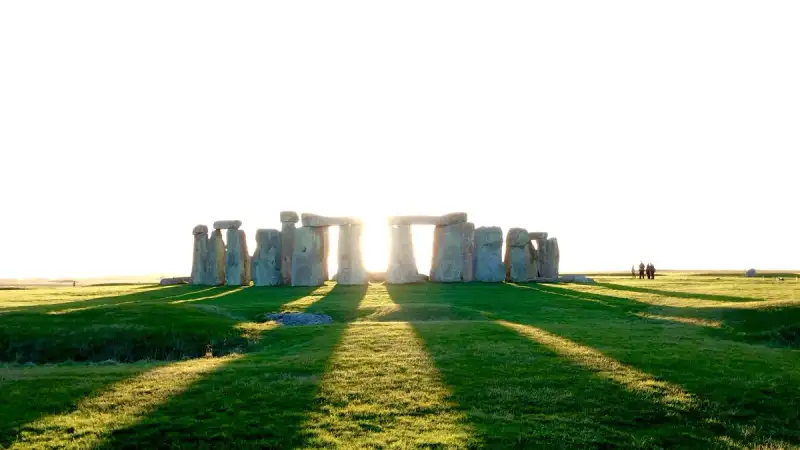
In den weiten Ebenen von Wiltshire, England, wo der Wind über die Salisbury Plain streicht und die Jahrtausende nur flüchtige Spuren hinterlassen zu haben scheinen, erhebt sich ein Bauwerk, das die menschliche Vorstellungskraft seit undenklichen Zeiten fesselt: Stonehenge. Es ist nicht nur eine Ansammlung von Steinen, sondern ein monumental in Stein gemeißeltes Rätsel, eine spirituelle Landkarte und ein Kalender, dessen Schatten die Geheimnisse einer längst vergangenen Welt bergen. Wer sich diesem Ort nähert, spürt unweigerlich die schwere Aura der Geschichte, das Gewicht der Zeit und die unausgesprochenen Geschichten jener Menschen, die mit schier unglaublicher Mühe und Präzision diese gigantische Struktur errichteten. Es ist ein Zeugnis menschlichen Strebens nach Ewigkeit, eine Verbindung zwischen Erde und Kosmos, die in den Morgenröten der Sommersonnenwende und den Dämmerungen der Wintersonnenwende ihren Höhepunkt findet. Das steinerne Herz einer alten Landschaft Drei Kilometer westlich von Amesbury, umgeben von einem der dichtesten Komplexe neolithischer und bronzezeitlicher Monumente in England, darunter Hunderte von Grabhügeln, liegt Stonehenge. Seine majestätische Präsenz dominiert die Landschaft und offenbart auf den ersten Blick seine architektonische Einzigartigkeit. Die äußerste Struktur bilden imposante Sarsensteine, die als aufrechte Pfeiler dienen. Jeder dieser Kolosse misst etwa 4 Meter in der Höhe und 2,1 Meter in der Breite und bringt ein Gewicht von rund 25 Tonnen auf die Waage. Was Stonehenge jedoch von vielen anderen zeitgenössischen Monumenten abhebt und seine ingenieurtechnische Brillanz unterstreicht, sind die horizontalen Sturzsteine, die diese aufrechten Pfeiler miteinander verbinden. Sie sind mit einer raffinierten Zapfenverbindung (Mortise-and-Tenon-Joint) befestigt – eine Bauweise, die in jener Epoche nahezu ohne Parallele ist und das Wissen und die Geschicklichkeit der Erbauer auf beeindruckende Weise demonstriert. Innerhalb dieses gewaltigen Sarsenkreises befindet sich ein weiterer Ring, der aus kleineren Blausteinen besteht. Noch weiter im Inneren erheben sich freistehende Trilithons, die aus zwei massiveren, vertikalen Sarsensteinen bestehen, die jeweils von einem einzigen Sturzstein überspannt werden. Obwohl das gesamte Monument heute in Ruinen liegt, ist seine ursprüngliche Ausrichtung unverkennbar: Es ist präzise auf den Sonnenaufgang der Sommersonnenwende und den Sonnenuntergang der Wintersonnenwende ausgerichtet. Diese astronomische Präzision lässt auf eine tief verwurzelte spirituelle oder kalendarische Bedeutung schließen, die weit über das bloße Bauen hinausging. Eine Chronologie in Stein: Die Phasen der Errichtung Die Geschichte von Stonehenge ist eine Geschichte vieler Phasen, die sich über einen Zeitraum von mindestens 1500 Jahren erstrecken, von etwa 3100 v. Chr. bis etwa 1600 v. Chr. Diese lange und komplexe Baugeschichte macht die Erforschung der Stätte zu einer faszinierenden archäologischen Detektivarbeit. Die erste Phase, die mit dem umgebenden kreisförmigen Erdwall und Graben datiert wird, reicht bis etwa 3100 v. Chr. zurück. Diese frühen Erdarbeiten markierten den Beginn einer Entwicklung, die Jahrhunderte später in der Errichtung der berühmten Steinkreise münden sollte. Die ikonischen großen Sarsensteine, die heute das Bild von Stonehenge prägen, wurden zwischen 2600 v. Chr. und 2400 v. Chr. in ihre Position gebracht. Die Blausteine, von denen angenommen wird, dass sie bereits um 3000 v. Chr. an diesem Ort gewesen sein könnten, erhielten ihre heutige Anordnung laut Radiokarbondatierung zwischen 2400 und 2200 v. Chr. Diese zeitliche Abfolge deutet auf eine kontinuierliche Weiterentwicklung und Anpassung des Monuments hin, möglicherweise im Einklang mit sich wandelnden religiösen Vorstellungen oder gesellschaftlichen Bedürfnissen. Es war kein einmaliger Akt, sondern ein über Generationen andauerndes Projekt, das die kollektive Anstrengung und Vision ganzer Gemeinschaften erforderte.Kulturelle Ikone und geschütztes Erbe Stonehenge ist weit mehr als nur ein archäologisches Relikt; es ist eine nationale Ikone und ein tief verwurzelter Teil der britischen Identität. Als eines der bekanntesten Wahrzeichen des Vereinigten Königreichs genießt es seit dem Ancient Monuments Protection Act von 1882 rechtlichen Schutz. Seine universelle Bedeutung wurde 1986 anerkannt, als die Stätte und ihre Umgebung in die Liste des UNESCO-Weltkulturerbes aufgenommen wurden. Das Eigentum an Stonehenge liegt bei der Crown Estate, während die Verwaltung und Pflege von English Heritage übernommen wird. Die umliegenden Ländereien, die für das Verständnis des gesamten Landschaftskomplexes von entscheidender Bedeutung sind, gehören dem National Trust. Diese vielschichtige Eigentums- und Verwaltungsstruktur unterstreicht die Wertschätzung und das Engagement, das dieser einzigartigen prähistorischen Stätte entgegengebracht wird. Es ist eine Verpflichtung, dieses Erbe für zukünftige Generationen zu bewahren und die Geheimnisse, die es noch immer birgt, weiter zu erforschen. Ein Ort der Toten: Das ursprüngliche Heiligtum Die Forschung der letzten Jahrzehnte hat immer stärker die Rolle von Stonehenge als Bestattungsplatz hervorgehoben. Schon von seinen frühesten Anfängen an könnte es als Grabstätte gedient haben. Ablagerungen, die menschliche Knochen enthielten, stammen aus der Zeit um 3000 v. Chr., als der Graben und der Erdwall erstmals ausgehoben wurden. Diese Praxis setzte sich für mindestens weitere 500 Jahre fort. Mike Parker Pearson, Leiter des Stonehenge Riverside Project, betonte, dass Stonehenge von seinem Beginn bis zu seiner Blütezeit im mittleren dritten Jahrtausend v. Chr. ein Ort der Bestattung war. Er argumentiert, dass die Brandbestattungen, die der Phase der Sarsensteine von Stonehenge zuzuordnen sind, wahrscheinlich nur eine von vielen aus dieser späteren Nutzungsperiode des Monuments sind und zeigen, dass es weiterhin sehr stark ein Reich der Toten war. Diese Erkenntnis verleiht Stonehenge eine noch tiefere, existenzielle Bedeutung und rückt es in den Kontext menschlicher Rituale um Leben, Tod und das Jenseits. Der Name und seine Echos: Etymologie von "Henge" Der Name „Stonehenge“ selbst birgt eine eigene Geschichte und hat die archäologische Nomenklatur maßgeblich geprägt. Das Oxford English Dictionary verweist auf Ælfrics Glossar aus dem 10. Jahrhundert, in dem „henge-cliff“ die Bedeutung „Abgrund“ oder „Stein“ zugeschrieben wird. Elfhundertjährige Schriftsteller verzeichneten die „stanenges“ oder „Stanheng“ „nicht weit von Salisbury“ als „in der Luft gestützte Steine“. Im Jahr 1740 bemerkte William Stukeley: „Pendelnde Felsen werden heute in Yorkshire Henges genannt… Ich zweifle nicht, dass Stonehenge im Sächsischen die hängenden Steine bedeutet.“ Christopher Chippindales „Stonehenge Complete“ leitet den Namen Stonehenge von den altenglischen Wörtern „stān“ (Stein) und entweder „hencg“ (Scharnier, weil die steinernen Sturzsteine an den aufrechten Steinen scharnierartig sitzen) oder „hen(c)en“ (hängen, Galgen oder Folterinstrument) ab. An anderer Stelle in seinem Buch zitiert Chippindale jedoch die Etymologie der „hängenden Steine“. Interessanterweise hat der Begriff „henge“ als Namensbestandteil einer ganzen Klasse von Denkmälern seinen Namen gegeben. Archäologen definieren „Henges“ als Erdarbeiten, die aus einer kreisförmigen, umwallten Anlage mit einem inneren Graben bestehen – eine Definition, die ein Überbleibsel aus der antiquarischen Nutzung ist und die historische Verknüpfung des Namens mit der tatsächlichen Form der Stätte widerspiegelt.Die Urzeit vor den Giganten: Eine Landschaft im Wandel Bevor die ersten großen Steine auf der Salisbury Plain aufgestellt wurden, war die Landschaft bereits von menschlicher Aktivität geprägt, deren Spuren weit in die Mesolithikum zurückreichen. Unter dem Bereich des bis 2013 genutzten Touristenparkplatzes haben Archäologen vier, möglicherweise sogar fünf, große mesolithische Pfostenlöcher entdeckt, die auf etwa 8000 v. Chr. datiert werden. Diese hielten Kiefernpfosten mit einem Durchmesser von etwa 0,75 Metern, die aufgerichtet wurden und schließlich an Ort und Stelle verrotteten. Drei oder sogar vier dieser Pfosten waren ost-westlich ausgerichtet, was auf eine frühe rituelle Bedeutung hindeuten könnte. Ähnliche, aber spätere Stätten wurden in Skandinavien gefunden, während im schottischen Aberdeenshire ein weiteres mesolithisches astronomisches Gelände, Warren Field, als der älteste lunisolare Kalender der Welt gilt, der jährlich durch Beobachtung der Wintersonnenwende korrigiert wurde. Ein möglicherweise gleichzeitiges Siedlungsgebiet zu den Pfosten wurde bei Blick Mead entdeckt, einer zuverlässigen, ganzjährigen Quelle, die nur 1,6 Kilometer von Stonehenge entfernt liegt. Zu dieser Zeit war die Salisbury Plain noch bewaldet. Vier Jahrtausende später, während des frühen Neolithikums, begannen die Menschen, eine sogenannte Causewayed Enclosure (ein ringförmiges Erdwerk mit Unterbrechungen) bei Robin Hood’s Ball zu errichten und Langhügelgräber in der umgebenden Landschaft anzulegen. Um etwa 3500 v. Chr. wurde der Stonehenge Cursus, ein riesiges lineares Erdwerk, 700 Meter nördlich der späteren Steinkreise erbaut, als die ersten Bauern begannen, die Wälder zu roden und das Gebiet zu entwickeln. Weitere bisher übersehene Stein- oder Holzstrukturen und Grabhügel könnten bis auf 4000 v. Chr. zurückdatieren; Holzkohle aus dem Lager von Blick Mead wurde auf diese Zeit datiert. Das Humanities Research Institute der University of Buckingham vertritt die Ansicht, dass die Gemeinschaft, die Stonehenge erbaute, dort über mehrere Jahrtausende lebte, was es potenziell zu einem der „Angelpunkte in der Geschichte der Stonehenge-Landschaft“ macht. Diese frühe, kontinuierliche menschliche Präsenz unterstreicht, dass Stonehenge nicht aus dem Nichts entstand, sondern das Ergebnis einer langen kulturellen Entwicklung in einer bereits bedeutsamen Landschaft war. Stonehenge 1: Der erste Kreis der Erde Die erste monumentale Phase von Stonehenge, datiert auf etwa 3100 v. Chr., manifestierte sich als ein kreisförmiger Erdwall- und Grabenkomplex. Diese Anlage, die aus Seaford-Kreide des späten Santonium-Zeitalters (Oberkreide) bestand, maß etwa 110 Meter im Durchmesser. Sie war in offenem Grasland auf einer leicht geneigten Fläche angelegt. Zwei Eingänge unterbrachen den Kreis: ein großer im Nordosten und ein kleinerer im Süden. Die Erbauer dieser ersten Phase legten die Knochen von Hirschen und Ochsen auf den Boden des Grabens, zusammen mit einigen bearbeiteten Feuersteinwerkzeugen. Auffallend ist, dass die Knochen deutlich älter waren als die Geweihspitzen, die zum Graben des Grabens verwendet wurden. Dies deutet darauf hin, dass die Menschen, die sie dort vergruben, diese Knochen eine Zeit lang vor der Bestattung aufbewahrt und gepflegt hatten – ein Hinweis auf rituelle Praktiken oder eine tiefe Ehrfurcht vor diesen Überresten. Der Graben selbst war kontinuierlich, wurde aber in Abschnitten ausgehoben, ähnlich den Gräben der früheren Causewayed Enclosures in der Gegend. Die aus dem Graben ausgehobene Kreide wurde zu einem Wall aufgeschüttet. Diese erste Stufe, die um 3100 v. Chr. datiert wird, markiert den Beginn des Stonehenge-Komplexes, bevor der Graben auf natürliche Weise zu verschlammen begann. Innerhalb des äußeren Bereichs dieser eingefassten Fläche befindet sich ein Kreis von 56 Gruben, jede etwa 1 Meter im Durchmesser. Diese sind als Aubrey-Löcher bekannt, benannt nach John Aubrey, dem Antiquar des 17. Jahrhunderts, dem zugeschrieben wird, sie als Erster identifiziert zu haben. Ihre Funktion bleibt bis heute Gegenstand intensiver Debatten – waren sie Pfostenlöcher, rituelle Depots oder Teil eines astronomischen Beobachtungssystems? Die bleibende Faszination Stonehenge bleibt ein tiefgründiges Mysterium, dessen Steine in stummer Pracht von den Ingenieurleistungen, dem astronomischen Wissen und den spirituellen Überzeugungen einer untergegangenen Zivilisation zeugen. Jeder Stein, jede Ausrichtung und jede archäologische Schicht erzählt eine Geschichte von Tausenden von Jahren menschlicher Interaktion mit dieser besonderen Landschaft. Von den mesolithischen Pfostenlöchern, die auf eine noch ältere rituelle Nutzung hindeuten, über die frühen Erdarbeiten von Stonehenge 1 bis hin zu den monumentalen Steinkreisen, die Generationen von Menschen erbauten – Stonehenge ist ein Spiegel der Zeit, der uns zwingt, über unsere eigene Geschichte und unseren Platz im Kosmos nachzudenken. Die Forschung geht weiter, und mit jeder neuen Entdeckung wird das Bild dieses prähistorischen Heiligtums nuancierter und komplexer. Doch die Essenz bleibt: Stonehenge ist ein Ort, der über die Jahrhunderte hinweg seine Kraft und Anziehung behalten hat. Es ist ein Ort, der uns daran erinnert, wie tief der menschliche Drang ist, Spuren zu hinterlassen, den Himmel zu vermessen und die Geheimnisse des Lebens und des Todes zu ergründen. Wenn die Sonne an der Sommersonnenwende ihre Strahlen durch die Steine sendet oder an der Wintersonnenwende hinter ihnen versinkt, spürt man, dass diese alten Steine nicht nur auf der Erde stehen, sondern auch eine Brücke zu den Sternen schlagen, ein ewiges Echo einer verlorenen Welt.#Stonehenge #PrähistorischesMonument #UNESCOWelterbe #EnglandReise #Archäologie #Megalithanlage Related InsightsZanzibar’s Hidden Shores: Unveiling the Most Secluded Beaches Where Crowds Dare Not Wander (Part 2) La Cathédrale Saint-Guy de Prague : Joyau de Bohême Machu Picchu : Quand les Pierres Éternelles des Incas Murmurent l'Histoire Oubliée au Sommet des Andes{ "@context": "https://schema.org", "@type": "FAQPage", "mainEntity": [ { "@type": "Question", "name": "What is the main focus of Die steinerne Ewigkeit von Stonehenge: Ein Echo aus prähistorischen Nebeln, das bis heute verweilt?", "acceptedAnswer": { "@type": "Answer", "text": "Tauchen Sie ein in die fesselnde Geschichte von Stonehenge, dem monumentalen Zeugnis menschlicher Genialität und spiritueller Tiefe, das seit Jahrtausenden die englische Landschaft prägt und die Forschung bis heute in Atem hält." } }, { "@type": "Question", "name": "Who authored the comprehensive guide on Die steinerne Ewigkeit von Stonehenge: Ein Echo aus prähistorischen Nebeln, das bis heute verweilt?", "acceptedAnswer": { "@type": "Answer", "text": "This detailed article and its insights were carefully researched and authored by Hans Müller." } }, { "@type": "Question", "name": "Where can I find more related content about Travel?", "acceptedAnswer": { "@type": "Answer", "text": "You can explore more articles, detailed reviews, and similar insights by browsing the Related Insights section at the bottom of this article or visiting our dedicated Travel category page." } } ] }
-
 Liam Carter
 - 15 Jun, 2026 10:00
Unraveling the Mysteries of Stonehenge: A Monolithic Marvel of the Ancient World
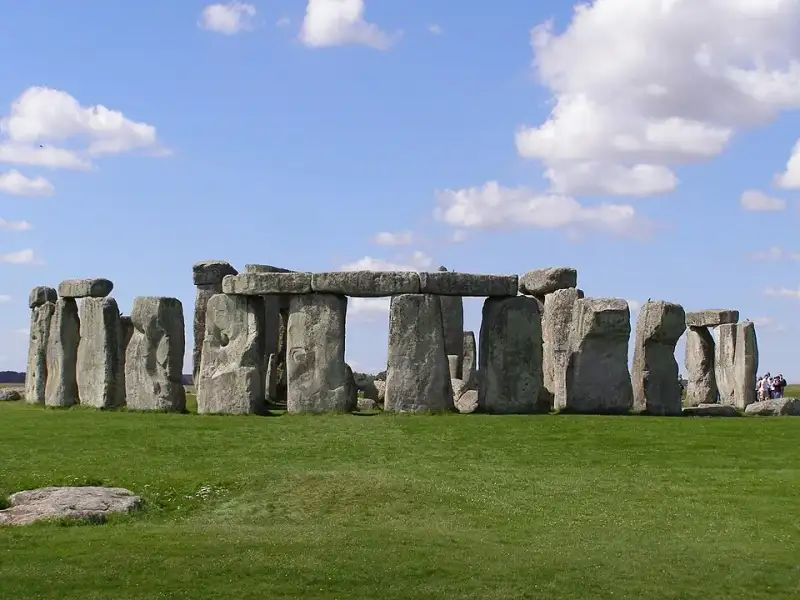
Unraveling the Mysteries of Stonehenge: A Monolithic Marvel of the Ancient World Stand upon the windswept chalk plateaus of Salisbury Plain in the waning light of a summer evening, and you will see it: a stark, jagged silhouette rising against the twilight sky. It is a structure that defies time, logic, and the very limits of prehistoric human capability. This is Stonehenge, Britain’s most iconic antiquity, a globally recognized symbol of the Neolithic age, and one of the most thoroughly studied, yet fiercely debated, archaeological sites on the planet. For millennia, these towering megaliths have stood as silent sentinels, guarding the secrets of the ancient Britons who labored to haul, shape, and erect them. #Stonehenge is not merely a collection of big rocks in a field; it is a masterpiece of engineering, a monumental astronomical calendar, a sacred cemetery, and the heart of a vast, complex ritual landscape. To understand Stonehenge is to embark on a journey that stretches back over five thousand years, venturing into the minds of our ancestors and exploring a world where the earth, the sky, and the ancestors were inextricably intertwined. As we unravel the layers of history, folklore, and scientific discovery surrounding this remarkable site, we begin to appreciate not just how Stonehenge was built, but why it continues to capture the imagination of millions around the globe. #AncientHistory The Stage is Set: The Landscape of Salisbury Plain To comprehend the significance of Stonehenge, one must first look at the landscape that surrounds it. Located in the county of Wiltshire, England, Salisbury Plain is a vast, rolling expanse of chalk downland. Long before the first stone was ever placed, this area was already a nexus of human activity. #Wiltshire #SalisburyPlain During the early Holocene epoch, following the retreat of the last Ice Age glaciers, the plain was covered in open woodland. Mesolithic hunter-gatherers roamed this area, erecting massive pine posts in the vicinity of what is now the Stonehenge car park as far back as 8000 BC. This indicates that the landscape held some form of ritual or navigational importance thousands of years before the Neolithic farmers arrived. By the time the first monuments were constructed, the environment had changed. The dense forests had been cleared by early agriculturalists to create pasture for cattle and sheep, and to cultivate crops. The white chalk bedrock, lying just beneath a thin layer of topsoil, offered a stark, brilliant canvas for earthwork monuments. When a ditch was dug in this landscape, the upcast chalk would gleam with a blinding whiteness, creating gleaming monuments that could be seen for miles. It was upon this ancient, hallowed ground that the story of Stonehenge began. A Masterpiece in Phases: The Chronology of Construction Stonehenge was not built in a day, nor was it the product of a single, unified vision. It is the result of multiple phases of construction, modification, and reimagining that spanned roughly 1,500 years. Archaeologists generally divide its development into three broad, incredibly complex stages. Phase 1: The Earthwork Enclosure (c. 3000 BC) The earliest iteration of Stonehenge lacked the iconic giant stones we associate with it today. Around 3000 BC, the Neolithic inhabitants of Britain constructed a circular ditch and an inner and outer bank, forming an enclosure approximately 360 feet (110 meters) in diameter. Inside this bank, they dug a ring of 56 pits, now known as the Aubrey Holes, named after the 17th-century antiquarian John Aubrey who first identified them. Initially, these holes may have held large timber posts, or perhaps smaller stones. However, they soon took on a more somber purpose. Over the next few centuries, the site became the largest known cremation cemetery in Neolithic Britain. The cremated remains of at least 64 individuals—likely the elite of their society—were interred within and around the Aubrey Holes. #Archaeology Phase 2: The Timber Era (c. 2900 – 2600 BC) Following the initial phase, the site seems to have been modified with the addition of intricate timber structures. Postholes discovered near the center of the monument and at the north-eastern entrance suggest the presence of wooden buildings, screens, or perhaps narrow, roofed corridors designed to control movement and obscure the view into the sacred center. The monument at this stage was a dynamic, evolving space, largely centered around the veneration of the dead. Phase 3: The Arrival of the Megaliths (c. 2600 – 1600 BC) It was during this third, multi-part phase that Stonehenge acquired its monumental stone architecture. Around 2600 BC, the builders radically transformed the site, hauling massive stones from hundreds of miles away to create a permanent, petrified reflection of their cosmological beliefs. This phase saw the introduction of both the smaller "bluestones" and the gigantic "sarsen" stones, erected in a complex arrangement of circles and horseshoes. Over the subsequent millennium, these stones were repeatedly rearranged, reflecting shifting religious beliefs or social structures, until the monument was eventually abandoned around 1600 BC. #Megalith The Anatomy of the Circle: Deciphering the Stones When we gaze at the ruins of Stonehenge today, we are looking at the eroded skeleton of a vastly more complex structure. The monument consists of two primary types of stone, arranged in a highly specific geometric pattern. The outer circle is composed of Sarsen stones. These are enormous blocks of hard silcrete sandstone, some weighing upwards of 25 to 30 tons. Originally, 30 upright sarsens formed a continuous outer ring, capped by a continuous ring of horizontal lintels. The engineering precision here is staggering: the uprights are tapered to create an optical illusion of straightness, and the lintels are curved to match the arc of the circle. Furthermore, they are locked together using woodworking techniques—mortise and tenon joints to secure the lintels to the uprights, and tongue and groove joints to interlock the lintels themselves. Inside the outer circle sits the Sarsen Horseshoe, an arrangement of five massive trilithons (two upright stones capped by a single lintel). The Great Trilithon at the head of the horseshoe was the largest, its tallest upright standing over 24 feet (7.3 meters) high. Interspersed among the sarsens are the Bluestones. Much smaller in size (weighing between 2 and 5 tons), these are a variety of igneous and volcanic rocks. Originally, there may have been up to 80 bluestones, arranged in a circle between the sarsen ring and the sarsen horseshoe, and in a smaller inner oval. Beyond the central arrangement lie several key solitary stones. The Heel Stone, a massive, unworked sarsen, stands outside the north-eastern entrance. The Slaughter Stone (a misnomer derived from Victorian romanticism; there is no evidence of human sacrifice here) lies flat at the entrance. At the very heart of the monument lies the Altar Stone, a large, purplish-green micaceous sandstone that currently lies flat and largely buried beneath the fallen remains of the Great Trilithon. #History The Epic Journey of the Stones Perhaps the most awe-inspiring aspect of Stonehenge is the sheer logistical triumph of acquiring its building materials. The prehistoric builders undertook journeys of unimaginable scale, demonstrating an organizational capacity that rivaled any ancient civilization. For centuries, the origin of the mighty sarsen stones was a subject of intense debate. It was generally assumed they came from the Marlborough Downs, a region roughly 20 miles (32 kilometers) to the north. However, it wasn't until 2020 that scientific analysis—aided by the return of a core sample taken during restoration work in the 1950s—pinpointed the exact source of 50 of the 52 remaining sarsens to a specific area called West Woods. How the Neolithic people transported these 30-ton behemoths across the undulating Wiltshire landscape remains a mystery. It likely involved massive wooden sledges, log rollers, greased tracks, and the coordinated brute strength of hundreds, if not thousands, of people. The story of the bluestones is even more remarkable. Geological sourcing has definitively traced the majority of these stones to the Preseli Hills in Pembrokeshire, Wales—a staggering distance of over 150 miles (240 kilometers) from Salisbury Plain. Theories abound as to how they made the journey. Some suggest they were carried over land; others propose a coastal route, rafting the stones along the Bristol Channel and up the River Avon. Some geologists have even argued that advancing glaciers transported the stones during the Ice Age, though most archaeologists dismiss this, citing a lack of glacial debris and the precise selection of specific rock types. However, the most stunning revelation in recent Stonehenge history concerns the Altar Stone. For decades, it was lumped in with the Welsh bluestones. But in late 2023 and early 2024, groundbreaking geological analysis revealed that the Altar Stone did not originate in Wales. Its chemical and isotopic signature matches perfectly with the Orcadian Basin—in the extreme northeast of Scotland, including the Orkney Islands. This means this six-ton stone was transported an astonishing 460 miles (750 kilometers) over sea or land. This discovery completely rewrites our understanding of Neolithic Britain, suggesting a highly interconnected society with extensive maritime networks stretching from the south of England to the northernmost tips of Scotland. The Architects: Who Built Stonehenge? For centuries, the construction of Stonehenge was attributed to everyone from the Romans and the Danes to aliens and the wizard Merlin. The most enduring myth, popularized in the 17th and 18th centuries by antiquarians like John Aubrey and William Stukeley, is that Stonehenge was a temple built by the Druids, the Celtic priestly class. Modern archaeology has thoroughly debunked the Druid theory. The Celtic culture and their Druid priests did not emerge in Britain until the Iron Age, over a thousand years after the last stones were erected at Stonehenge. The true architects were the native Neolithic and Bronze Age inhabitants of Britain. The first phase of earthworks was constructed by early farming communities, people who lived in timber houses, cultivated wheat and barley, and raised livestock. By the time the giant sarsen stones were being erected around 2500 BC, Britain was experiencing the arrival of the "Beaker people," migrants from continental Europe known for their distinctive bell-shaped pottery and the introduction of copper and gold metallurgy. Isotopic analysis of teeth and bones found in the burials around Stonehenge has revealed a startlingly cosmopolitan population. Many of the individuals buried near the monument during its early phases had grown up in western Britain, possibly Wales, suggesting they may have migrated with the bluestones. Other remains, like the famous "Amesbury Archer" found nearby, belonged to individuals who grew up in the Alpine region of central Europe. Stonehenge, it seems, was an international pilgrimage site, drawing people from across the known world. #Neolithic The Purpose: A Multitude of Meanings Why did these ancient people expend such colossal effort to build Stonehenge? Because there are no written records from Neolithic Britain, we can only interpret the physical evidence. Consequently, Stonehenge has served as a Rorschach test for succeeding generations, with theories reflecting the preoccupations of the times. The Astronomical Observatory One of the most undeniable aspects of Stonehenge is its alignment with the heavens. The main axis of the monument is deliberately aligned with the solstices. On the summer solstice, the longest day of the year, an observer standing in the center of the circle can watch the sun rise just to the left of the Heel Stone. Conversely, on the winter solstice, the shortest day, the sun sets directly between the uprights of the Great Trilithon. #Solstice This celestial alignment was essential for early agricultural societies. Tracking the turning of the seasons was vital for knowing when to plant and harvest crops. However, Stonehenge was more than just a giant stone calendar. In recent years, archaeoastronomers have placed increasing emphasis on the winter solstice. In prehistoric times, the midwinter sunset may have been the most important time of the year—a time of death and rebirth, when the community gathered to feast, slaughter excess livestock, and pray for the return of the sun. A Healing Center Some prominent archaeologists, such as Geoffrey Wainwright and Timothy Darvill, have argued that Stonehenge functioned as a prehistoric Lourdes—a center for healing. They base this theory on the bluestones. In later folklore, stones from the Preseli Hills were believed to possess magical, healing properties. The high number of burials in the Stonehenge area showing signs of traumatic injury or severe illness suggests that people may have traveled great distances seeking a cure from the power of the stones. The Domain of the Dead An alternative theory, championed by Professor Mike Parker Pearson, interprets Stonehenge as the "Domain of the Dead." He points to the stark contrast between the stone architecture of Stonehenge and the timber architecture of the nearby Durrington Walls settlement. In many cultures around the world, stone—permanent and unchanging—is associated with the ancestors and the afterlife, while wood—temporary and decaying—is associated with the living. According to this theory, the journey from Durrington Walls to Stonehenge via the River Avon represented a ritual passage from life to death. A Symbol of Unity Perhaps the most pragmatic theory is that Stonehenge was a massive political project. The construction of the stone circles occurred during a period when the disparate tribes and farming communities of Britain were beginning to coalesce into larger, more complex societies. The sheer effort required to build the monument—coordinating the labor of thousands, securing food, organizing transport across hundreds of miles—would have required a highly centralized authority. In this view, Stonehenge was a unifying endeavor, a colossal public works project designed to bond different regions (such as the sarsen-rich south and the bluestone-rich west) together in a shared spiritual and political ideology. The Greater Stonehenge Landscape It is a common mistake to view Stonehenge in isolation. The monument is actually the focal point of a sprawling, dense archaeological landscape that covers thousands of acres. Just two miles away lies Durrington Walls, a massive henge enclosure that once housed a vast Neolithic village. Excavations have revealed evidence of huge communal feasts here, particularly around the time of the winter solstice. Within Durrington Walls stands Woodhenge, a complex array of concentric timber rings that may have mirrored the layout of Stonehenge. Stretching out from Stonehenge is The Avenue, a pair of parallel banks and ditches that form a processional pathway connecting the stone circle to the River Avon. To the north lies the Cursus, a massive, mysterious rectangular earthwork over a mile and a half long, which predates Stonehenge by centuries. The landscape is also studded with hundreds of tumuli, or burial mounds (barrows). These range from long barrows built by early Neolithic farmers to the round barrows constructed by the Bronze Age elites who sought to be buried within sight of the sacred stones, much like modern people wishing to be buried near a great cathedral. #Archaeology Legends, Lore, and Modern Custodianship Over the centuries, as the true origins of Stonehenge faded from memory, myth and legend rushed in to fill the void. The 12th-century cleric Geoffrey of Monmouth famously chronicled that the wizard Merlin flew the stones from Ireland to build a memorial for slain British nobles. In medieval times, the stones were believed to be giants turned to rock by magic. In the modern era, Stonehenge has become a focal point for alternative spiritualities. Modern Druids, Wiccans, and Neo-Pagans view the site as a living temple, gathering by the thousands every solstice to drum, chant, and celebrate the turning of the wheel of the year. #Paganism This clash between the spiritual significance of the site and its status as a protected heritage monument has occasionally sparked conflict. In 1985, the "Battle of the Beanfield" saw violent clashes between police and a convoy of New Age travelers attempting to hold a free festival at the stones. Today, managed access allows for peaceful, organized celebrations during the solstices. Conservation remains a critical challenge. The stones are subjected to weathering, erosion, and the sheer impact of over a million visitors a year. English Heritage, the organization that manages the site, constantly balances the need for public access with the preservation of the delicate archaeological remains. Currently, Stonehenge is at the center of a fierce, ongoing debate regarding the A303, a major highway that runs right past the monument, causing significant noise and visual pollution. A controversial government plan to dig a two-mile tunnel to hide the road has pitted heritage organizations, who argue it will restore the tranquility of the landscape, against archaeologists and environmentalists, who fear the massive engineering project will destroy undiscovered archaeological sites and irreparably damage the broader Stonehenge landscape. The Enduring Legacy Stonehenge is more than a ruin; it is a mirror reflecting the ingenuity, spirituality, and ambition of prehistoric humanity. It stands as a testament to the power of collective human effort, a reminder that thousands of years ago, people without metal tools or the wheel possessed the intellect and determination to move mountains. As new technologies like ground-penetrating radar, isotopic analysis, and ancient DNA sequencing continue to strip away the veils of the past, the story of Stonehenge only grows more complex and fascinating. The recent discovery of the Scottish origins of the Altar Stone proves that this ancient monument still holds the capacity to surprise us. Whether it was a temple, a calendar, a cemetery, or a symbol of political unity—or perhaps all of these things combined—Stonehenge continues to exert a gravitational pull on the human soul. It is a monolithic marvel that bridges the gap between the ancient and the modern, a silent enigma that challenges us to look up at the stars, dig deep into the earth, and ponder the timeless mysteries of our own human origins. #Stonehenge #History #Neolithic #UK Related InsightsThe Whispering Stones of Chichen Itza: Echoes of the Maya Roman Gladiators: Glory, Fame, and Certain Death in the Arena 千古绝唱,江水悠悠:探秘乐山大佛的沧桑与辉煌{ "@context": "https://schema.org", "@type": "FAQPage", "mainEntity": [ { "@type": "Question", "name": "What is the main focus of Unraveling the Mysteries of Stonehenge: A Monolithic Marvel of the Ancient World?", "acceptedAnswer": { "@type": "Answer", "text": "Dive deep into the prehistoric marvel of Stonehenge. Explore the complex history, captivating theories, and enduring legacy of Britain's most famous stone circle." } }, { "@type": "Question", "name": "Who authored the comprehensive guide on Unraveling the Mysteries of Stonehenge: A Monolithic Marvel of the Ancient World?", "acceptedAnswer": { "@type": "Answer", "text": "This detailed article and its insights were carefully researched and authored by Liam Carter." } }, { "@type": "Question", "name": "Where can I find more related content about History?", "acceptedAnswer": { "@type": "Answer", "text": "You can explore more articles, detailed reviews, and similar insights by browsing the Related Insights section at the bottom of this article or visiting our dedicated History category page." } } ] }