Showing Posts From
Street food
The Bombay Sandwich, a quintessential Mumbai street food, is a masterclass in textures and flavors. This iconic triple-layered delight has been a staple in the city's culinary landscape for decades, with its origins tracing back to the Iranian cafes that once dotted the streets of Bombay. The sandwich is a beautiful representation of the city's cultural melting pot, with influences from Parsi, Gujarati, and British cuisines. Introduction to the Bombay Sandwich The Bombay Sandwich is a testament to the city's love for fusion food. It typically consists of three slices of bread, separated by layers of butter, chutney, cucumber, tomato, beetroot, and boiled potatoes. The bread is usually white or brown, and the chutney is a green coriander and mint paste that adds a burst of freshness to the sandwich. The combination of crunchy vegetables, creamy chutney, and soft bread is a match made in heaven.The Bombay Sandwich has a special place in the hearts of Mumbaikars, who fondly remember eating it at street stalls and cafes during their childhood. The sandwich is often served with a side of chips or crisps, and a glass of cold drink, such as lemonade or falooda. It's a popular snack among office-goers, students, and travelers, who appreciate its affordability and convenience. History of the Bombay Sandwich The history of the Bombay Sandwich is closely tied to the city's Iranian cafe culture. In the early 20th century, Iranian immigrants opened cafes in Bombay, serving a range of dishes, including sandwiches, kebabs, and biryani. The cafes became popular gathering places for the city's intellectual and artistic community, who would meet to discuss politics, literature, and art.Over time, the Iranian cafes began to adapt their menu to suit local tastes, introducing Indian ingredients and spices to their dishes. The Bombay Sandwich is believed to have originated in one of these cafes, where it was created as a fusion of European and Indian flavors. The sandwich quickly gained popularity, and soon became a staple in the city's street food scene. Ingredients and Preparation The ingredients used in a traditional Bombay Sandwich are simple, yet flavorful. The bread is typically white or brown, and is buttered on each slice. The chutney is made from fresh coriander, mint, and green chilies, which are blended together with lemon juice and salt. The vegetables used in the sandwich are cucumber, tomato, beetroot, and boiled potatoes, which are sliced thinly and layered on top of each other.To prepare a Bombay Sandwich, start by buttering three slices of bread. Spread a layer of chutney on each slice, followed by a layer of cucumber, tomato, beetroot, and boiled potatoes. Season with salt and pepper to taste, and top with another slice of bread. Repeat the process until you have three layers of bread and filling. Cut the sandwich into halves or quarters, and serve with a side of chips or crisps. Variations and Innovations Over the years, the Bombay Sandwich has undergone many variations and innovations. Some popular variations include the addition of cheese, chicken, or eggs to the filling. Others include the use of different types of bread, such as whole wheat or multigrain, or the addition of spices and herbs to the chutney.In recent years, the Bombay Sandwich has gained popularity in restaurants and cafes around the world. Chefs have experimented with new ingredients and flavors, creating innovative variations of the classic dish. Some popular variations include the use of avocado, hummus, or grilled vegetables in the filling. Cultural Significance The Bombay Sandwich holds a special place in Mumbai's cultural heritage. It's a symbol of the city's love for street food, and its ability to adapt and innovate. The sandwich has been featured in numerous films, books, and articles, and has become a popular tourist attraction.The Bombay Sandwich is also a testament to the city's cultural diversity. It's a dish that brings people together, regardless of their background or socioeconomic status. Whether you're a street vendor, a office-goer, or a tourist, the Bombay Sandwich is a delicious and affordable snack that's available to everyone. #foodie #bombaysandwich #mumbaisreetfood #indiancuisine #streetfoodlover #foodlover #culturalheritage #mumbai Related InsightsThe Antioxidant Powerhouse: Quinoa Salad with Roasted Sweet Potatoes and Kale Awadhi Biryani: The Aromatic Slow-Cooked Masterpiece Galouti Kebab: The Melt-in-Mouth Royal Delicacy{ "@context": "https://schema.org", "@type": "FAQPage", "mainEntity": [ { "@type": "Question", "name": "What is the main focus of Bombay Sandwich: The Iconic Triple-Layered Delight?", "acceptedAnswer": { "@type": "Answer", "text": "Discover the deep cultural roots, authentic flavors, and history of Bombay Sandwich: The Iconic Triple-Layered Delight." } }, { "@type": "Question", "name": "Who authored the comprehensive guide on Bombay Sandwich: The Iconic Triple-Layered Delight?", "acceptedAnswer": { "@type": "Answer", "text": "This detailed article and its insights were carefully researched and authored by Priya Kapoor." } }, { "@type": "Question", "name": "Where can I find more related content about Food?", "acceptedAnswer": { "@type": "Answer", "text": "You can explore more articles, detailed reviews, and similar insights by browsing the Related Insights section at the bottom of this article or visiting our dedicated Food category page." } } ] }
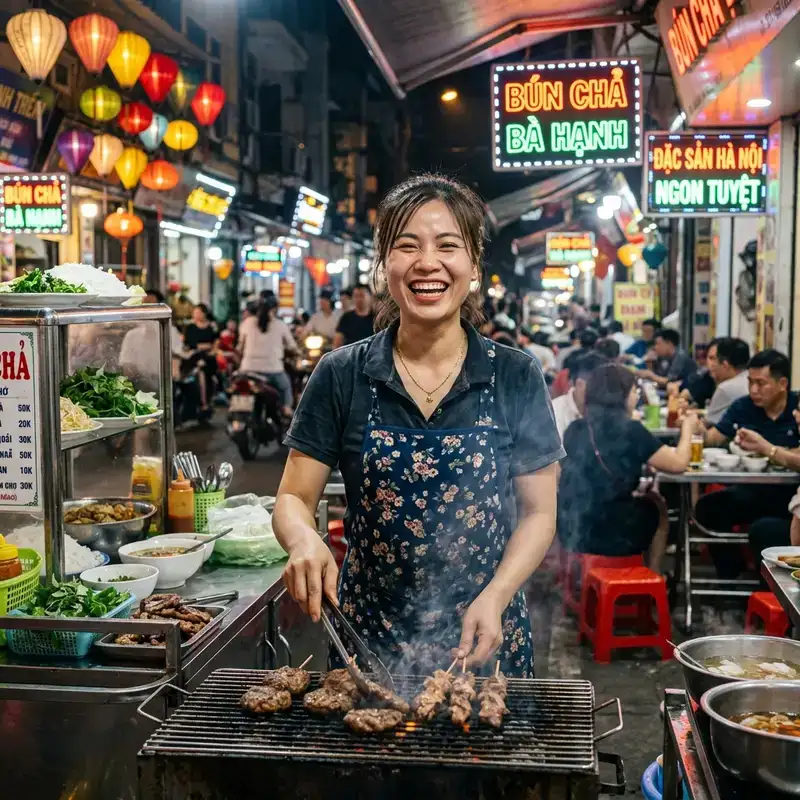
Bun Cha: The Smoky Grilled Pork and Noodles of Hanoi Bun Cha, a dish that embodies the essence of Vietnamese street food, has been a staple in Hanoi's culinary scene for centuries. The harmonious union of smoky grilled pork, succulent noodles, and an assortment of fresh herbs has captivated locals and visitors alike. This article delves into the deep cultural roots, authentic flavors, and history of Bun Cha, a dish that has become synonymous with Hanoi's vibrant food culture. The Origins of Bun Cha The origins of Bun Cha can be traced back to the early days of the Nguyen Dynasty, when the dish was served as a simple yet satisfying meal for peasants and traders. The name "Bun Cha" literally translates to " grilled pork with rice noodles." Over time, the dish evolved and spread throughout the city, with each region adapting its own unique twist. Today, Bun Cha remains a beloved national dish, with Hanoi's version being considered the most authentic.The Art of Grilling Pork The key to Bun Cha lies in its perfectly grilled pork. Skewers of marinated pork are meticulously grilled over a bed of charcoal, infusing the meat with a rich, smoky flavor. The art of grilling pork is a delicate balance of technique and timing, requiring precision and patience. The pork is typically made from pork shoulder, which is marinated in a mixture of fish sauce, lime juice, and spices before being grilled to perfection.Savoring the Noodles While the grilled pork takes center stage, the noodles are the unsung heroes of Bun Cha. Thin cylindrical rice noodles, known as "bun," are served alongside the grilled pork, providing a soothing contrast to the richness of the meat. The noodles are cooked to a perfect al dente texture, allowing them to absorb the flavorful broth and sauce without becoming mushy.The Broth: A Symphony of Flavors Bun Cha broth is a carefully crafted blend of flavors, with each ingredient playing a crucial role in creating the dish's signature taste. The broth is typically made from a mixture of pork bones, fish sauce, and aromatics, which are slow-cooked for hours to extract the deepest, most complex flavors. The result is a rich, savory broth that balances the bold flavors of the grilled pork and noodles. Cultural Significance of Bun Cha Bun Cha is more than just a dish – it's a cultural phenomenon that brings Hanoi's communities together. From street vendors to family gatherings, Bun Cha is often served as a symbol of warmth, hospitality, and togetherness. The dish has been a staple in Hanoi's culinary scene for centuries, with each generation passing down their secrets and techniques to the next. Authentic Recipe For those who wish to replicate the magic of Bun Cha at home, here's an authentic recipe: Ingredients:500g pork shoulder, sliced into thin strips 2 tbsp fish sauce 1 tbsp lime juice 1 tsp sugar 1 tsp ground black pepper 2 tbsp vegetable oil 2 cloves garlic, minced 1 bunch fresh herbs (basil, mint, cilantro) 1 cup thinly sliced carrots 1 cup thinly sliced cucumbers Rice noodles Broth (made from pork bones, fish sauce, and aromatics)Instructions:Marinate the pork strips in a mixture of fish sauce, lime juice, sugar, and ground black pepper for at least 30 minutes. Grill the pork skewers over a bed of charcoal until cooked through. Cook the rice noodles according to package instructions. Serve the grilled pork with noodles, garnished with fresh herbs, carrots, and cucumbers. Ladle the broth over the dish and enjoy!Conclusion Bun Cha is more than just a dish – it's a journey through Hanoi's rich cultural heritage. With its harmonious blend of smoky grilled pork, succulent noodles, and flavorful broth, Bun Cha has captured the hearts and stomachs of locals and visitors alike. Whether you're a food enthusiast, a cultural aficionado, or simply a curious adventurer, Bun Cha is an experience not to be missed. #hashtags: #BunCha #HanoiStreetFood #VietnameseCuisine #GrilledPork #RiceNoodles #TraditionalFood #StreetFood #CulturalHistory #AuthenticRecipe #FoodCulture Related InsightsGrass-Fed Beef and Barley Stew: A High Protein Culinary Delight Das Herz des Dampfes: Die Kunst und Philosophie hinter der Dim Sum Kultur The Dark Elixir of Waking Minds: A Deep Historical, Etymological, and Economic Inquiry into Coffee{ "@context": "https://schema.org", "@type": "FAQPage", "mainEntity": [ { "@type": "Question", "name": "What is the main focus of Bun Cha: The Smoky Grilled Pork and Noodles of Hanoi?", "acceptedAnswer": { "@type": "Answer", "text": "Discover the deep cultural roots, authentic flavors, and history of Bun Cha: The Smoky Grilled Pork and Noodles of Hanoi." } }, { "@type": "Question", "name": "Who authored the comprehensive guide on Bun Cha: The Smoky Grilled Pork and Noodles of Hanoi?", "acceptedAnswer": { "@type": "Answer", "text": "This detailed article and its insights were carefully researched and authored by Nguyen Thi Mai." } }, { "@type": "Question", "name": "Where can I find more related content about Food?", "acceptedAnswer": { "@type": "Answer", "text": "You can explore more articles, detailed reviews, and similar insights by browsing the Related Insights section at the bottom of this article or visiting our dedicated Food category page." } } ] }