Bun Cha: The Smoky Grilled Pork and Noodles of Hanoi
-
 Nguyen Thi Mai
 - 08 Jul, 2024 18:28
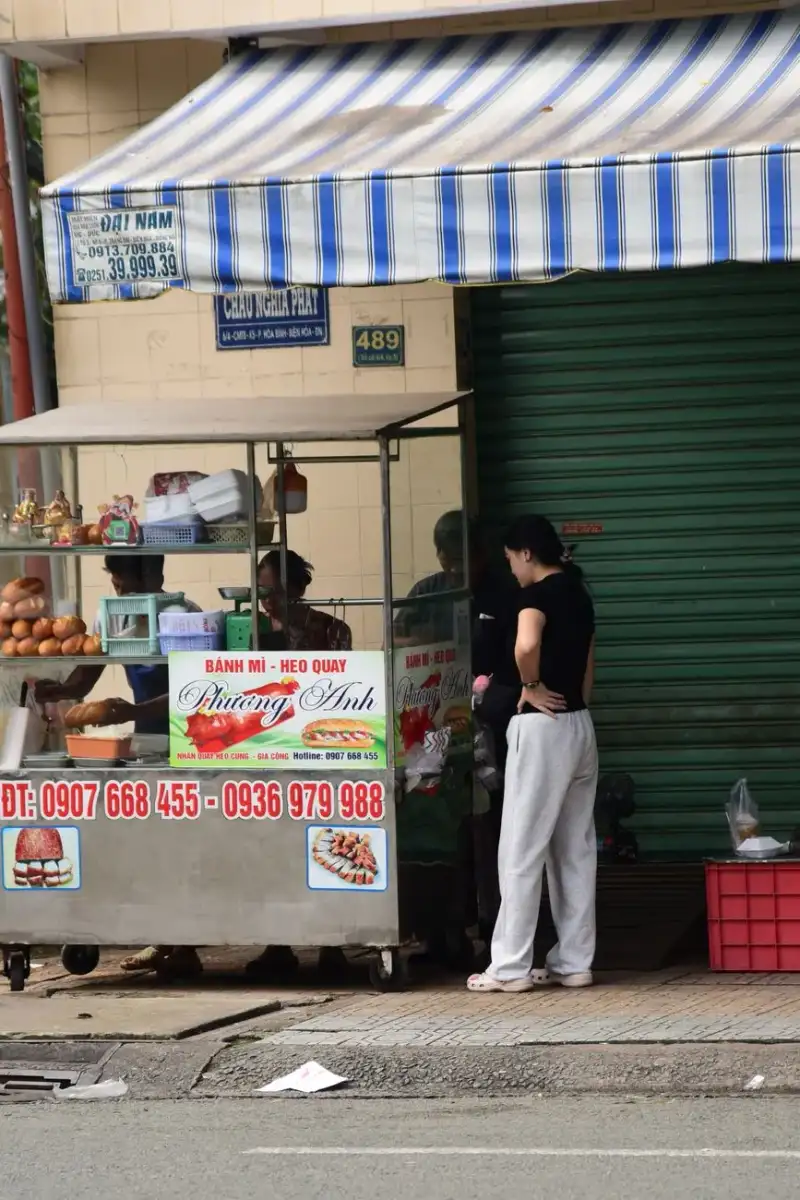
Bun Cha: The Smoky Grilled Pork and Noodles of Hanoi
Bun Cha, a dish that embodies the essence of Vietnamese street food, has been a staple in Hanoi’s culinary scene for centuries. The harmonious union of smoky grilled pork, succulent noodles, and an assortment of fresh herbs has captivated locals and visitors alike. This article delves into the deep cultural roots, authentic flavors, and history of Bun Cha, a dish that has become synonymous with Hanoi’s vibrant food culture.
The Origins of Bun Cha
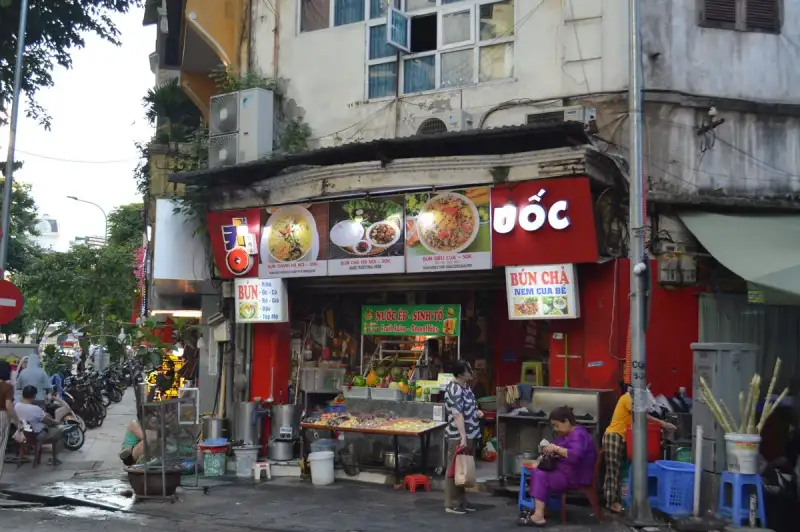
The origins of Bun Cha can be traced back to the early days of the Nguyen Dynasty, when the dish was served as a simple yet satisfying meal for peasants and traders. The name “Bun Cha” literally translates to ” grilled pork with rice noodles.” Over time, the dish evolved and spread throughout the city, with each region adapting its own unique twist. Today, Bun Cha remains a beloved national dish, with Hanoi’s version being considered the most authentic.
The Art of Grilling Pork
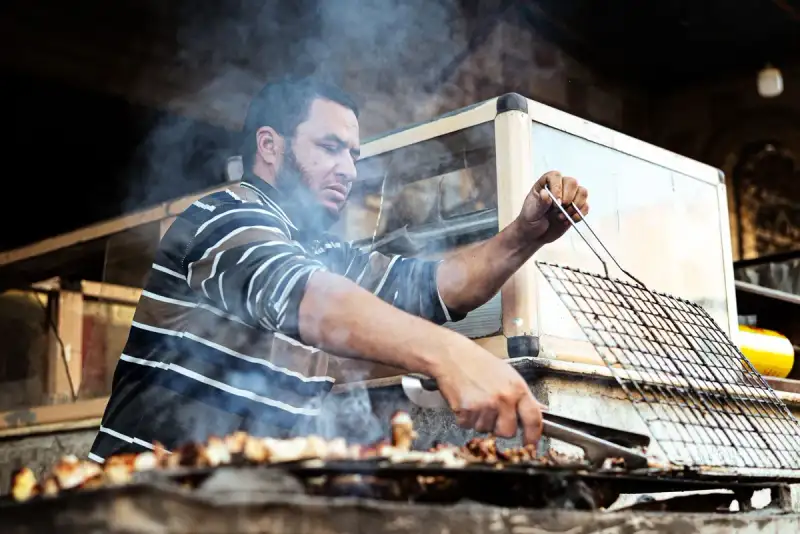
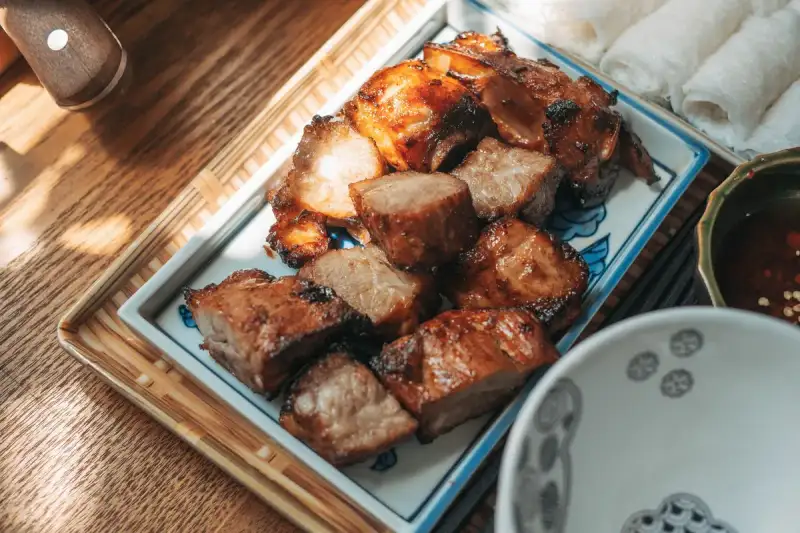
The key to Bun Cha lies in its perfectly grilled pork. Skewers of marinated pork are meticulously grilled over a bed of charcoal, infusing the meat with a rich, smoky flavor. The art of grilling pork is a delicate balance of technique and timing, requiring precision and patience. The pork is typically made from pork shoulder, which is marinated in a mixture of fish sauce, lime juice, and spices before being grilled to perfection.
Savoring the Noodles
While the grilled pork takes center stage, the noodles are the unsung heroes of Bun Cha. Thin cylindrical rice noodles, known as “bun,” are served alongside the grilled pork, providing a soothing contrast to the richness of the meat. The noodles are cooked to a perfect al dente texture, allowing them to absorb the flavorful broth and sauce without becoming mushy.
The Broth: A Symphony of Flavors
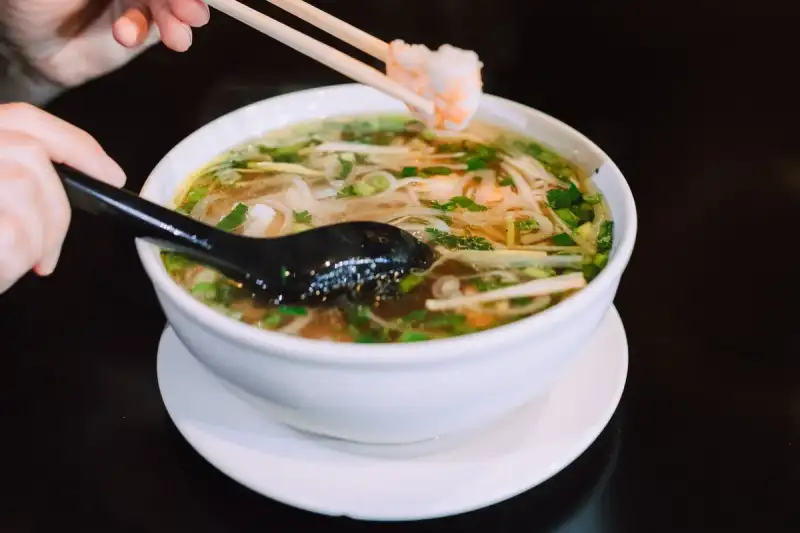
Bun Cha broth is a carefully crafted blend of flavors, with each ingredient playing a crucial role in creating the dish’s signature taste. The broth is typically made from a mixture of pork bones, fish sauce, and aromatics, which are slow-cooked for hours to extract the deepest, most complex flavors. The result is a rich, savory broth that balances the bold flavors of the grilled pork and noodles.
Cultural Significance of Bun Cha
Bun Cha is more than just a dish – it’s a cultural phenomenon that brings Hanoi’s communities together. From street vendors to family gatherings, Bun Cha is often served as a symbol of warmth, hospitality, and togetherness. The dish has been a staple in Hanoi’s culinary scene for centuries, with each generation passing down their secrets and techniques to the next.
Authentic Recipe
For those who wish to replicate the magic of Bun Cha at home, here’s an authentic recipe:
Ingredients:
- 500g pork shoulder, sliced into thin strips
- 2 tbsp fish sauce
- 1 tbsp lime juice
- 1 tsp sugar
- 1 tsp ground black pepper
- 2 tbsp vegetable oil
- 2 cloves garlic, minced
- 1 bunch fresh herbs (basil, mint, cilantro)
- 1 cup thinly sliced carrots
- 1 cup thinly sliced cucumbers
- Rice noodles
- Broth (made from pork bones, fish sauce, and aromatics)
Instructions:
- Marinate the pork strips in a mixture of fish sauce, lime juice, sugar, and ground black pepper for at least 30 minutes.
- Grill the pork skewers over a bed of charcoal until cooked through.
- Cook the rice noodles according to package instructions.
- Serve the grilled pork with noodles, garnished with fresh herbs, carrots, and cucumbers.
- Ladle the broth over the dish and enjoy!
Conclusion
Bun Cha is more than just a dish – it’s a journey through Hanoi’s rich cultural heritage. With its harmonious blend of smoky grilled pork, succulent noodles, and flavorful broth, Bun Cha has captured the hearts and stomachs of locals and visitors alike. Whether you’re a food enthusiast, a cultural aficionado, or simply a curious adventurer, Bun Cha is an experience not to be missed.
#hashtags: #BunCha #HanoiStreetFood #VietnameseCuisine #GrilledPork #RiceNoodles #TraditionalFood #StreetFood #CulturalHistory #AuthenticRecipe #FoodCulture