Showing Posts From
Streetfoodculture
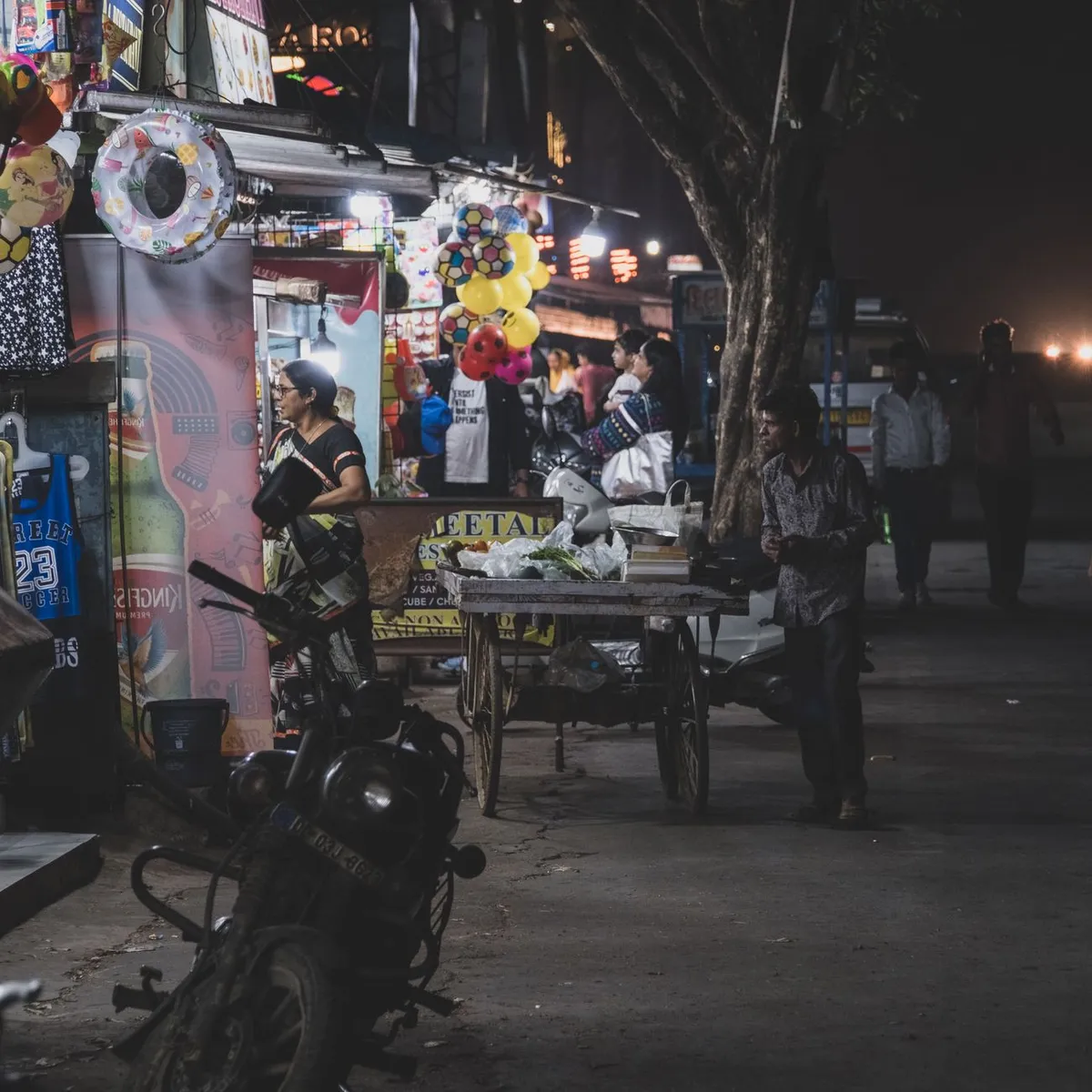

The sun dips below the horizon, yet in Mumbai, the day is only just beginning. As the humidity of the Arabian Sea settles over the city, the air becomes thick with the intoxicating aroma of toasted buns, sizzling spices, and the sharp, bright tang of tamarind chutney. This is not merely a place to eat; it is a sprawling, sensory-rich theater where every vendor is a performer and every plate of food is a testament to the city’s unyielding spirit. I am Demir Şef, and today, I invite you to navigate the chaotic, aromatic, and undeniably delicious labyrinth of Mumbai’s street food culture. The Rhythm of the Concrete Kitchen In Mumbai, street food is not just a convenience—it is a societal equalizer. Whether you are a bustling office goer navigating the rush at Nariman Point or a student huddled in a corner near a college campus, the roadside stall is your dining room. It is a unique characteristic of this metropolis that individuals from every economic stratum converge at these portable market stalls. Many locals, in fact, argue that the authentic, unpolished, and intensely flavored street offerings far surpass the refined dishes served in the city’s high-end restaurants. The sheer variety available is a direct reflection of Mumbai’s cosmopolitan DNA. As the capital of Maharashtra, the city is steeped in Maharashtrian culinary traditions, yet it has opened its arms to global influences. This culture of eating on the move—often round the clock—has allowed street vendors to become the unsung architects of the city’s food identity.The Reign of the Vada Pav and Beyond If one were to crown a king of Mumbai’s street food, it would undoubtedly be the Vada Pav. This iconic snack—a golden-fried potato patty tucked into a soft, pillowy bread roll—is the quintessential fuel for the city. But the list of delights does not end there. From the chaotic assembly of Panipuri, where a single bite offers a burst of spicy, tangy water, to the textural crunch of Bhel puri and Sev puri, the variety is staggering. Vegetarianism dominates the street landscape, with delicacies like Ragda pattice, Pav bhaji, and the comforting, soul-warming Dosa and Idli holding court. Even the adventurous palate is catered to; in the 1980s, Indianised Chinese food exploded onto the scene, giving birth to the phenomenon of Chinese bhel—a fusion that perfectly captures the inventive, slightly defiant nature of Mumbai’s hawkers. For those seeking non-vegetarian bites, the streets offer savory omelettes, succulent kebabs, and fresh catches of fish, ensuring that every craving finds its match. Coolants and Sugarcane Dreams Mumbai’s tropical heat necessitates a liquid remedy, and the streets provide this in abundance. Fresh sugarcane juice vendors, their machines grinding stalks into a sweet, refreshing elixir, are as synonymous with the city as the iconic black-and-yellow taxis. Juice and milkshake bars dot the sidewalks, offering everything from thick, creamy shakes to revitalizing fruit juices. As the sun sets, those with a sweet tooth turn to Kulfi, the dense, slow-cooked frozen dairy dessert that defies the heat with its milky richness. And for a unique, nostalgic treat, there is the golah—an Indian snow cone that transforms simple shaved ice into a vibrant, syrup-drenched delight on a stick. Even the tradition of the post-meal mouth freshener, the paan, remains a staple at roadside stalls, a lingering burst of betel leaf and aromatic spices that marks the end of a culinary adventure.Navigating the Khau Galli To truly understand Mumbai, one must step into a Khau Galli—a 'Food Alley' in the local Marathi tongue. These narrow arteries are the heart of the city’s gastronomy. At Girgaon Chowpatty, the rhythm of the waves provides the soundtrack to a plate of Bhel puri. Near the financial districts, the lunch hour creates a frenetic energy as workers descend upon stalls for a quick, affordable, and incredibly flavorful meal. These vendors are the bedrock of the city’s rhythm. They operate with a resilience that is rare; even during general strikes, the smoke from the charcoal grills rarely fades. They cycle through the city, tea vendors carrying piping hot chai to the doorsteps of offices and homes, ensuring that the city is always caffeinated and fed. The Complex Reality of the Hawker The story of Mumbai’s street food is not without its tensions. The legal status of these hawkers is a perennial debate. Despite being the backbone of the city's food culture, many trade without official permits, navigating a cycle of fines, seizures, and the constant threat of eviction. A 2009 report revealed that out of approximately 250,000 hawkers, only a tiny fraction held valid licenses, illustrating the deep-seated bureaucracy that these entrepreneurs must circumvent to survive. While the Supreme Court has made efforts to designate legal hawking zones, the implementation remains a challenge. There are, of course, hygiene concerns often raised by critics, yet the public’s loyalty remains unshaken. In fact, the phenomenon is so influential that high-end restaurants and five-star hotels have begun incorporating these 'humble' street snacks into their own menus. The demand is so high that homegrown fast-food chains have even emerged to package the street experience for a wider, perhaps more cautious, audience. When Worlds Collide: Passion and Prejudice The vulnerability of these vendors is sometimes exposed by the volatility of the city's politics. A notable controversy in 2011 involving a panipuri vendor turned into a city-wide drama, where political groups targeted specific communities, forcing many to abandon their livelihoods. It serves as a stark reminder that in a city as large and diverse as Mumbai, the simple act of selling food is inextricably linked to the complex social and political fabric of the nation. Despite this, the vendors persist. They are the survivors, the early risers, and the late-night protectors of the city’s appetite.Why Mumbai Remains the Culinary North Star What makes Mumbai’s street food superior to anywhere else? It is the intersection of urgency and craft. The hawkers have honed their skills over decades, often passing the recipes down through generations. Whether it is the perfect balance of spice in a Misal pav or the specific texture of a vegetable frankie, there is an artistry here that cannot be replicated in a commercial kitchen. When you stand on a busy corner, clutching a steaming paper plate of food, surrounded by the noise and the motion of one of the world's most populous cities, you are participating in a living history. It is a culture that honors the worker, the student, and the traveler alike. It is cheap, it is accessible, and above all, it is honest. So, the next time you find yourself in the bustling metropolis of Mumbai, do not look for the quiet, air-conditioned dining room. Follow the smoke. Follow the crowd. Find the nearest Khau Galli, and let the street food of Mumbai tell you its story, one bite at a time. It is a journey that will stay with you long after the taste of the chutney has faded from your palate. The city is waiting, the grill is hot, and the pav is soft. There is no better time to eat. #MumbaiStreetFood #IndianCuisine #StreetFoodCulture #FoodLovers #HiddenGems Related InsightsThe Fifth Taste Unlocked: Mastering Umami to Transform Every Bite into a Flavor Explosion Baba Ghanoush: The Smoky Eggplant Dip Mapo Tofu: The Spicy and Numbing Classic{ "@context": "https://schema.org", "@type": "FAQPage", "mainEntity": [ { "@type": "Question", "name": "What is the main focus of The Edible Pulse of Mumbai: A Gastronomic Odyssey Through the Khau Gallis?", "acceptedAnswer": { "@type": "Answer", "text": "Discover the vibrant world of Mumbai’s street food, where legendary snacks and bustling food alleys define the pulse of a city that never stops eating." } }, { "@type": "Question", "name": "Who authored the comprehensive guide on The Edible Pulse of Mumbai: A Gastronomic Odyssey Through the Khau Gallis?", "acceptedAnswer": { "@type": "Answer", "text": "This detailed article and its insights were carefully researched and authored by Demir Şef." } }, { "@type": "Question", "name": "Where can I find more related content about Food?", "acceptedAnswer": { "@type": "Answer", "text": "You can explore more articles, detailed reviews, and similar insights by browsing the Related Insights section at the bottom of this article or visiting our dedicated Food category page." } } ] }