Showing Posts From
Sushi evolution
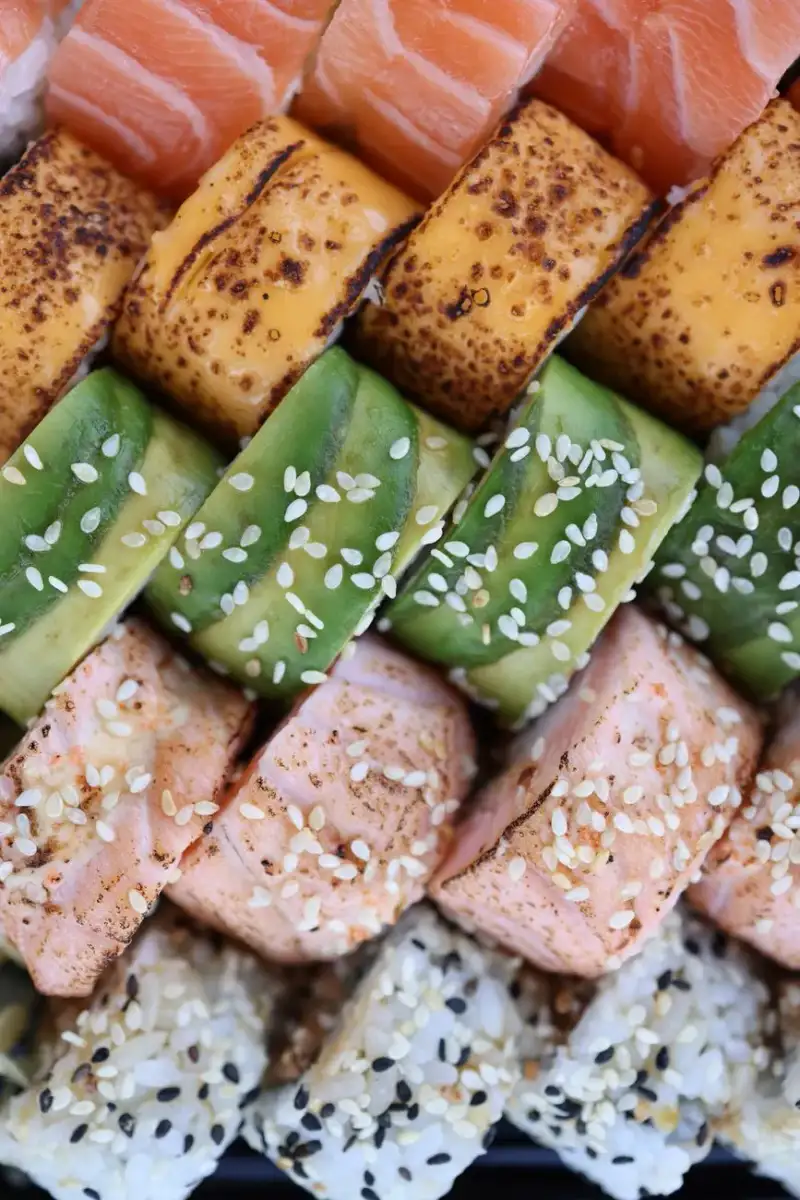

The marriage of acidity and ocean brine is not merely a culinary choice; it is a historical dialogue spanning centuries and continents. To the uninitiated, sushi is a modern luxury—a precise arrangement of raw fish atop a mound of pearlescent rice. But beneath the surface of this aesthetic perfection lies a complex metamorphosis. It is a story of survival, a scientific dance of lactic acid fermentation, and a societal shift from the slow preservation of proteins to the high-velocity appetite of a bustling metropolis. The essence of sushi is not the fish, but the shari—the vinegared rice—a component that serves as the heartbeat of the entire tradition. The Primal Roots: Narezushi and the Science of Survival Long before the neon lights of Tokyo or the refined omakase counters of Kyoto, the ancestor of sushi was born from a desperate need to preserve sustenance. The journey begins not in Japan, but in the river basins of Southeast Asia—specifically the Mekong and Irrawaddy basins, encompassing what we now know as Laos, Cambodia, Thailand, Vietnam, and Myanmar. In these humid landscapes, freshwater fish were abundant but volatile. To prevent spoilage, ancient peoples developed a method of packing fish in salted, cooked rice. This was not sushi as we know it today, but narezushi—"matured fish." The process was a triumph of primitive biochemistry. Through lactic acid fermentation, the rice created an acidic environment that acted as a natural preservative, halting the decay of the protein. Interestingly, in this primordial version of the dish, the rice was merely a tool for preservation; once the fermentation process was complete, the rice was discarded, and only the pungent, sour fish was consumed. The first scholarly trace of this practice appears in a fourth-century Chinese dictionary, describing salted fish placed in steamed rice. This method echoed across the Asian continent, manifesting as burong isda in the Philippines, pekasam in Indonesia, padaek in Laos, and sikhae in Korea. When this technique migrated to Japan during the Yayoi period, it found a perfect synergy with wet-field rice cultivation. During the rainy seasons, lakes and rivers would flood the rice paddies, leaving behind a bounty of fish. Narezushi became the vital protein bridge that allowed Japanese communities to survive the lean months.The very word "sushi" is a linguistic fossil of this era. Derived from the antiquated terminal-form conjugation shi of the adjectival verb sui (meaning "to be sour"), sushi literally translates to "sour-tasting." It refers to that precise moment where fermentation transforms the flavor profile into a savory, umami-rich experience. Even today, this ancient heritage survives in regional specialties, such as the funa-zushi of Shiga Prefecture, serving as a living museum of Japan's culinary origins. The Transition: Namanare and the Birth of the Rice-Fish Duo As centuries passed, the Japanese palate began to evolve, and the slow, months-long fermentation of narezushi started to feel cumbersome. During the Muromachi period (1336–1573), a pivotal shift occurred with the invention of namanare, or "partially fermented" sushi. This era marked a fundamental change in the relationship between the fish and the grain. In namanare, the fermentation period was significantly shortened. Because the fish did not reach a state of full maturation, the rice retained a palatable texture and flavor. For the first time in history, the rice was no longer discarded. It was eaten alongside the fish. This transition was supported by broader shifts in Japanese lifestyle. The population began adopting a rhythm of three meals a day, and the method of preparing rice shifted from steaming to boiling. Furthermore, the discovery and development of rice vinegar began to accelerate. To further speed up the process, chefs started incorporating sake and sake lees. The "slow food" of the ancients was beginning to accelerate, moving away from a method of preservation and toward a method of gastronomy. The Edo Revolution: Haya-zushi and the Fast Food Phenomenon The true explosion of sushi as a cultural icon occurred during the Edo period (1603–1867). This era brought about haya-zushi (fast sushi), a revolutionary approach that completely eliminated the need for lactic acid fermentation. Instead of waiting for nature to sour the rice over days or weeks, chefs simply mixed rice vinegar directly into the grains. This provided the desired sour taste instantaneously, allowing the fish and rice to be consumed immediately. This innovation turned sushi into the ultimate "fast food" for the chōnin (merchant and artisan) class of Edo (modern-day Tokyo). The streets of the city became hubs for quick, satisfying meals. It was during this vibrant period that the diverse styles we recognize today were born: chirashizushi (scattered sushi), inarizushi (tofu skin sushi), and makizushi (rolled sushi). The most significant breakthrough of this era, however, arrived around 1824. A visionary chef named Hanaya Yohei is credited with perfecting nigiri-zushi—the hand-pressed mound of vinegared rice topped with a slice of seafood. Yohei’s creation was a masterpiece of efficiency and flavor, designed for the fast-paced life of Edo's citizens.However, the nigiri of the 1820s differed substantially from the delicate morsels found in modern Michelin-starred restaurants. The rice portions were roughly three times larger than today's standards. The flavor profile was bolder and more acidic, utilizing aka-su (red vinegar) made from fermented sake lees, a product developed by Nakano Matazaemon, the founder of the Mizkan company. Sugar was virtually non-existent in the recipe; instead, a higher concentration of salt was used to season the shari. Because this sushi utilized fresh catches from Tokyo Bay, it was termed Edomae zushi (sushi from "in front of Edo"). This term survives today as a mark of prestige, denoting a specific style of preparation that honors the traditions of the bay. The Anatomy of Modern Sushi: Ingredients and Distinctions To understand sushi in the contemporary era, one must look beyond the fish. The defining component is always the vinegared rice, known as shari or sumeshi. While medium-grain white rice is the gold standard for its ability to hold the vinegar and maintain structure, variations using brown rice or short-grain rice exist. The ingredients draped over the rice, known as neta, are diverse. While raw seafood is the most prominent—ranging from the buttery richness of salmon and tuna to the firm texture of squid and yellowtail—it is a misconception that all neta must be raw. Eel (unagi) is typically cooked, and many vegetarian options utilize cucumbers or avocado. Even "imitation crab" (surimi) has found its way into the global lexicon of sushi. A critical distinction must be made between sushi and sashimi. While often served on the same platter, they are fundamentally different. Sashimi consists solely of thinly sliced raw fish or meat, devoid of the vinegared rice. If there is no shari, it is not sushi. The experience is completed by a carefully curated set of accompaniments:Gari: Pickled ginger, used as a palate cleanser between different types of fish. Wasabi: The pungent Japanese horseradish that provides a sharp counterpoint to the fatty fish. Soy Sauce: The salty, umami-rich dip that enhances the natural flavors of the neta. Daikon: Either raw or pickled (takuan), providing a crisp, refreshing garnish.The Global Legacy of a Simple Grain From the river basins of the Mekong to the sophisticated counters of the world's greatest cities, sushi has traveled a path of constant refinement. It has evolved from a desperate means of preserving protein into a global symbol of culinary precision and health. The genius of sushi lies in its simplicity: the balance of the sour rice, the sweetness of the fresh fish, and the punch of the wasabi. It is a dish that respects the ingredient above all else, a philosophy that traces back to the very first practitioners of narezushi. Whether it is a quick makizushi roll from a local shop or a curated Edomae experience, every bite carries the echoes of the Edo period, the Muromachi transition, and the ancient whispers of Southeast Asian fermentation. Sushi is more than a meal; it is a historical record of human ingenuity—a testament to how we have learned to harness acidity, time, and the bounty of the ocean to create something timeless. #Sushi #JapaneseGastronomy #CulinaryHistory #FoodScience #Edomae Related InsightsPeruvian Ceviche Revealed: The Ancient Citrus Alchemy That Transforms Seafood into a Nutritional Powerhouse (Part 2) nicoise salad with seared tuna and green beans: a delicious omega-3 rich dish Salmon Kulebyaka: A Harmonious Union of Omega-3 Rich Fish, Buckwheat, and Herbs{ "@context": "https://schema.org", "@type": "FAQPage", "mainEntity": [ { "@type": "Question", "name": "What is the main focus of The Alchemy of Vinegar and Ocean: The Deep Evolution of Sushi?", "acceptedAnswer": { "@type": "Answer", "text": "Explore the scientific and historical journey of sushi, from ancient Southeast Asian fermentation to the fast-food revolution of Edo Tokyo." } }, { "@type": "Question", "name": "Who authored the comprehensive guide on The Alchemy of Vinegar and Ocean: The Deep Evolution of Sushi?", "acceptedAnswer": { "@type": "Answer", "text": "This detailed article and its insights were carefully researched and authored by Michael Chef." } }, { "@type": "Question", "name": "Where can I find more related content about Food?", "acceptedAnswer": { "@type": "Answer", "text": "You can explore more articles, detailed reviews, and similar insights by browsing the Related Insights section at the bottom of this article or visiting our dedicated Food category page." } } ] }