Showing Posts From
Travel food guide
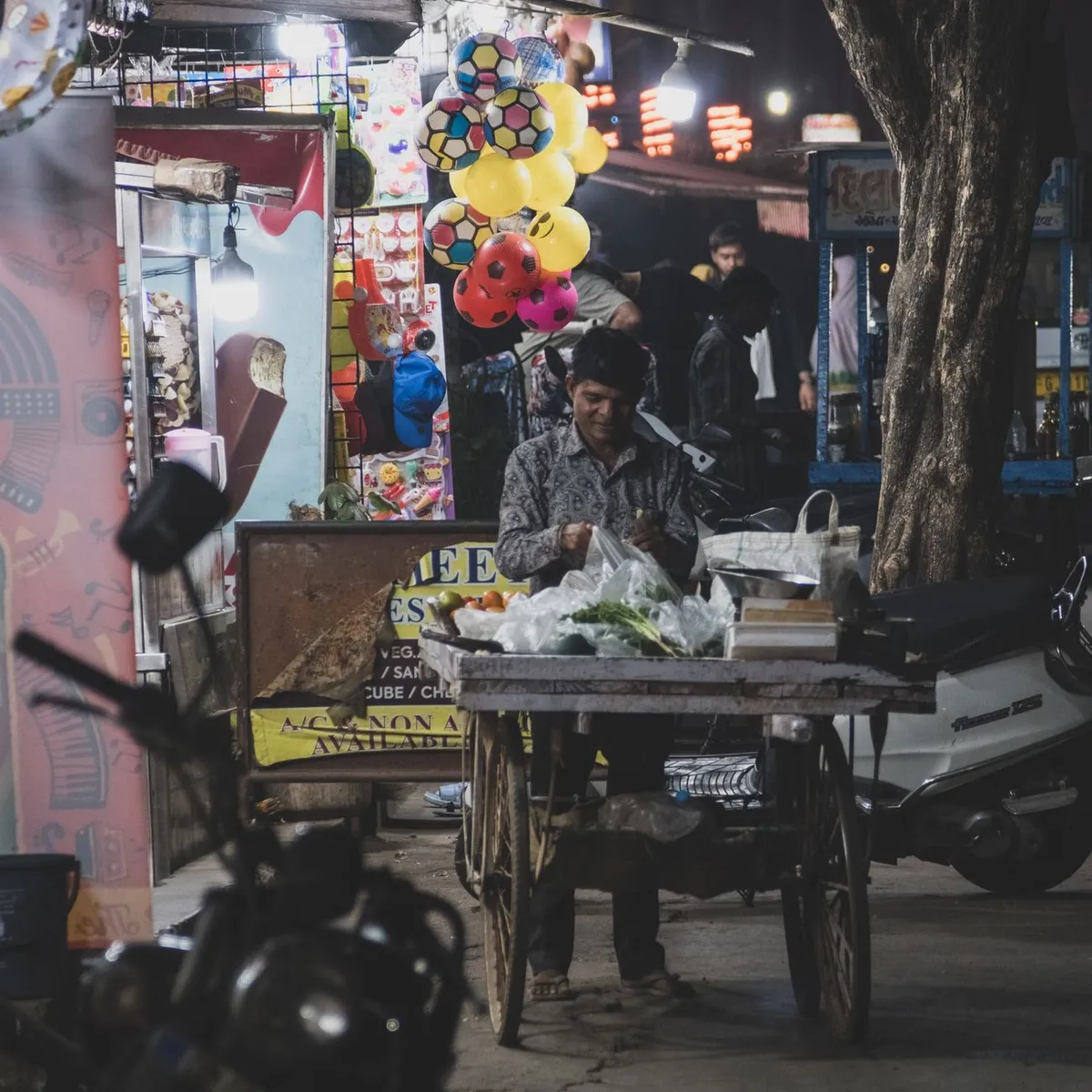
The air in Mumbai does not just carry the scent of the Arabian Sea; it carries the intoxicating, spicy perfume of frying batter, simmering tamarind, and the sharp tang of fresh coriander. Here, the city does not eat in silence. It eats on its feet, amidst the roar of local trains and the relentless honking of taxis. The sidewalk is not merely a path for transit; it is a dining room for the masses, a democratic theater where a billionaire in a luxury sedan and a college student with a threadbare backpack stand shoulder to shoulder, united by the singular pursuit of a perfect, spicy bite. The Pulsing Heart of the Maximum City Mumbai's reputation as the street food capital of India is not an accident; it is a characteristic woven into the very fabric of the city. While street food is a staple across the subcontinent, Mumbai has elevated it to an art form. The city's culinary landscape is defined by its accessibility. From the bustling railway stations to the quiet corners of college campuses, food hawkers are strategically clustered where the crowds are densest, offering an inexpensive alternative to formal dining. For many Mumbaikars, the roadside is where the real flavor resides. There is a prevailing sentiment that the authenticity and punch of street-side snacks far surpass the curated menus of high-end restaurants. This culture is a reflection of the city's relentless energy—fast, bold, and unapologetic. These vendors are not just sellers; they are the architects of the city's food culture, evolving their recipes to suit the cosmopolitan palate of a city that never sleeps.The Vegetarian Crown Jewels of Maharashtra Being the capital of Maharashtra, Mumbai's street food is heavily dominated by the bold flavors of the region. At the pinnacle of this hierarchy sits the Vada Pav. Often described as the "Indian burger," it is more than just a snack; it is a cultural icon. The combination of a spicy potato fritter (vada) nestled within a soft bread roll (pav) represents the efficiency and spirit of the city. But the vegetarian variety extends far beyond the Vada Pav. The streets offer a dizzying array of textures and tastes:The Tangy Trio: Panipuri, Bhel puri, and Sev puri. These are the gold standards of "chaat," combining crispy wafers with spiced water, chutneys, and savory toppings. The Comfort Classics: Dahipuri, Ragda pattice, and Pav bhaji—the latter being a hearty vegetable mash served with buttered buns that serves as a staple evening meal for thousands. The Regional Influences: From the softness of Idli and Dosa to the porous, savory textures of Khaman and Dhokla, the influence of southern and western India is palpable. The Mumbai Twist: Dabeli, a spicy potato mixture pressed in a pav, and the "Chinese Bhel," a fascinating fusion of Indian flavors and Indo-Chinese stir-fry techniques.For those seeking a quick breakfast or a mid-morning energy boost, Eggs Kejriwal—a sandwich-style preparation—remains a common sight, providing a protein-rich start to the chaotic day. A Melting Pot of Flavors and Fusion The sheer variety of Mumbai's street food is a direct result of its cosmopolitan nature. The city is a magnet for migrants from every corner of India and beyond, and this diversity manifests on the plate. In the 1980s, the city saw the rise of "Indianised Chinese food," a trend that transformed traditional Chinese stir-fries into spicy, tangy delights that appealed to the local palate. Beyond the vegetarian staples, the city's streets cater to non-vegetarian cravings with a variety of Kebabs, Omelettes, and fresh fish preparations. Then there is the Vegetable Frankie—a clever, affordable version of the wrap or roll that has become a favorite for office goers who need a meal they can eat while walking. Not to be forgotten is the Misal pav, a fiery curry made from sprouted moth beans, served with pav. It is a dish that challenges the taste buds and warms the soul, embodying the spicy intensity that Mumbai is known for.Liquid Gold and Frozen Delights The gastronomic journey doesn't end with savory snacks. Mumbai’s roads are lined with a network of refreshment centers. Fresh sugarcane juice vendors are an iconic sight, providing a cheap, sweet, and cooling reprieve from the humid tropical heat. Alongside them are juice and milkshake bars that serve a colorful array of blended fruits and creamy shakes. Then there are the tea vendors. These entrepreneurs cycle through the city, their kettles steaming, selling hot tea to anyone who needs a momentary pause in their day. To cleanse the palate after a spicy meal, many turn to Paan—a traditional betel leaf preparation used as a mouth freshener. When it comes to desserts, the city offers the frozen luxury of Kulfi, a dense dairy dessert similar to ice cream, and Golah, the Indian version of a snow cone, often served on a stick and drenched in vibrant, flavored syrups. Mapping the Taste: From Khau Gallis to the Coastline In Mumbai, certain streets are dedicated entirely to the art of eating. These are known as "Khau Galli," which translates from Marathi to "Food Alley." These lanes are sensory overloads, where the aroma of roasting spices and frying oil hangs thick in the air. One of the most famous spots for a culinary excursion is Girgaon Chowpatty beach. Here, the sound of the waves mixes with the chatter of crowds queuing for Bhel puri and Kulfi. In contrast, Nariman Point, a hub of the city's financial power, transforms during the lunch hour. The high-flying corporate world pauses as thousands of employees descend upon the local vendors for a quick, flavorful meal. The influence of these street stalls has become so profound that it has permeated the upper echelons of the culinary world. It is now common to find Mumbai’s street favorites on the menus of five-star hotels. Globally, restaurants have begun incorporating these specific Mumbai flavors into their offerings. Even the corporate world has noticed, with homegrown fast-food companies launching brands that standardize the street food experience. The Shadow Side: Legality and Controversy While the flavors are divine, the world of Mumbai's street food is not without its complexities. For many, the primary concern is hygiene. Despite these worries, the general public continues to patronize the stalls regardless of their socio-economic status. There is also a persistent tension between the vendors and the municipality. A significant portion of the city's hawkers operate illegally without the mandatory permits, often relying on bribes to keep their stalls open. This leads to regular eviction drives. However, these efforts are often temporary; once the municipality returns seized equipment after a fine is paid, the vendors return to their spots. The legal battle reached the Supreme Court in 2007, which ordered the municipality to demarcate legal hawking zones. Initially set at 230 areas, this number was increased to 1,700. Yet, implementation remains a challenge. Reports from 2009 suggested a staggering gap in licensing, claiming that out of an estimated 250,000 hawkers, only about 17,000 held valid licenses, with some claiming no new licenses had been issued for two decades. The industry also faced a moment of crisis in 2011. A controversy erupted when a Panipuri vendor from Thane was filmed urinating into a container used for serving customers. This sparked a massive public outcry and political unrest, leading to attacks on North Indian vendors by political groups like the Shiv Sena and Maharashtra Navnirman Sena. The specific vendor, who had been in the trade for 15 years, was eventually fined and forced to abandon his business entirely, trading his food stall for a job in a private security agency.The Enduring Spirit of the Sidewalk Despite the legal battles, the hygiene scandals, and the constant threat of eviction, the street food of Mumbai remains indestructible. These vendors are the unsung heroes of the city's daily rhythm. They are the only ones who remain unaffected by general strike calls, continuing to serve the city all year round. Mumbai's street food is more than just sustenance; it is a social equalizer. It is a place where the rigid hierarchies of Indian society blur. In the heat of a Khau Galli, the only thing that matters is the spice level of your Panipuri or the crunch of your Vada Pav. It is a testament to the city's resilience and its eternal love for flavor. #MumbaiStreetFood #IndianCuisine #TravelIndia #FoodTourism #MaximumCity Related InsightsSheermal: The Saffron-Infused Royal Bread Andean Superfoods Unveiled: The Alchemical Power of Quinoa, Kiwicha, and Canihua Kibbeh: The Spiced Meat and Bulgur Masterpiece{ "@context": "https://schema.org", "@type": "FAQPage", "mainEntity": [ { "@type": "Question", "name": "What is the main focus of The Concrete Palette: Unveiling the Sizzling Soul of Mumbai's Sidewalks?", "acceptedAnswer": { "@type": "Answer", "text": "Dive deep into the chaotic, flavorful world of Mumbai's street food, from the legendary Vada Pav to the hidden Khau Gallis." } }, { "@type": "Question", "name": "Who authored the comprehensive guide on The Concrete Palette: Unveiling the Sizzling Soul of Mumbai's Sidewalks?", "acceptedAnswer": { "@type": "Answer", "text": "This detailed article and its insights were carefully researched and authored by Demir Şef." } }, { "@type": "Question", "name": "Where can I find more related content about Food?", "acceptedAnswer": { "@type": "Answer", "text": "You can explore more articles, detailed reviews, and similar insights by browsing the Related Insights section at the bottom of this article or visiting our dedicated Food category page." } } ] }