Showing Posts From
Vegetarian
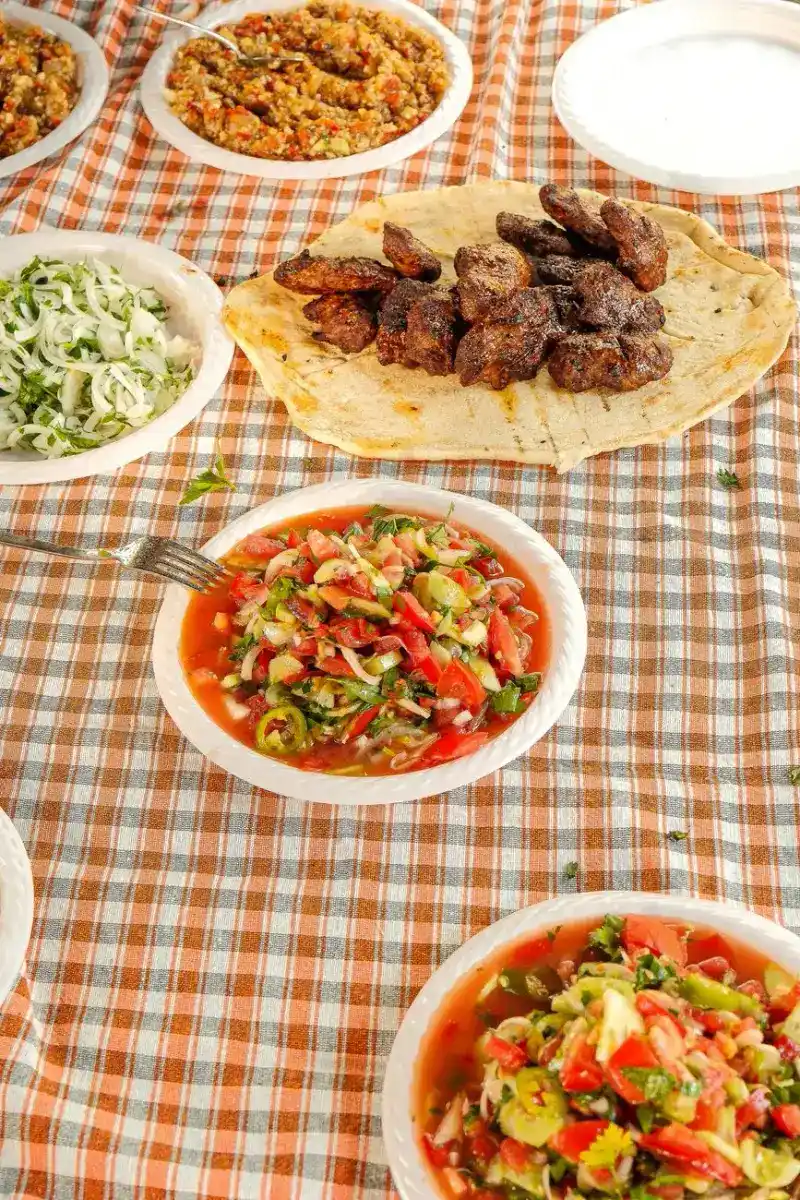

Greetings, food lovers and health enthusiasts! Demir Şef here, inviting you to embark on a culinary journey that transcends mere sustenance, delving deep into the heart of flavor, culture, and profound wellness. Today, we're celebrating a dish that is as ubiquitous as it is beloved across Turkey: the inimitable Çoban Salata, or Shepherd's Salad. But we're not just making any Çoban Salata; we're elevating it, enriching it, and exploring its powerful "antioxidant-rich" properties with the addition of one of nature's most impressive superfoods: walnuts. Prepare to be enchanted by a symphony of fresh tastes and robust health benefits that have sustained generations. The Heartbeat of Turkish Cuisine: A Cultural Overture Turkish cuisine, much like the vibrant tapestry of its history, is a profound expression of identity, heritage, and communal life. From the bustling bazaars to the tranquil village homes, food is more than just a meal; it is a narrative, a shared experience, a connection to the past, and a celebration of the present. Çoban Salata embodies this spirit perfectly. A simple yet incredibly flavorful amalgamation of finely diced tomatoes, cucumbers, green peppers, and onions, dressed lightly with olive oil and lemon juice, it is a staple at virtually every Turkish table, served alongside everything from grilled meats to hearty stews. It’s the refreshing counterpoint, the palate cleanser, the vibrant splash of color and crispness that completes a meal. The cultural significance of food is deeply ingrained, extending even to the linguistic fabric of society. Recent studies, such as the one focusing on Gaziantep's gastronomic values and cultural identity, highlight how culinary elements are woven into the very fabric of social memory and local culture. The research emphasizes that gastronomic nicknames and food-related terminology are not merely descriptive; they are critical in transmitting cultural heritage and sustaining local identity. This suggests that even a dish as seemingly simple as Çoban Salata carries an unspoken cultural weight, becoming a marker of regional identity and a bearer of culinary traditions that span centuries.Similarly, the documentation of diverse culinary traditions is crucial for cultural preservation. Research into Azerbaijani cuisine, for instance, underscores the richness and diversity of regional food cultures and the importance of documenting these "forgotten flavors" to preserve cultural memory. While distinct from Turkish cuisine, the underlying principle holds true: traditional, often simple, recipes like Çoban Salata are vital components of a nation's cultural heritage. They represent a legacy of health and flavor honed over generations, ensuring that valuable gastronomic knowledge is passed down. My version today is a testament to this enduring tradition, enhanced with the nutritional powerhouse of walnuts. Çoban Salata: More Than Just a Salad – An Antioxidant Powerhouse Now, let's turn our attention to the remarkable health benefits packed within this seemingly humble salad. In an age where processed foods dominate, returning to fresh, whole ingredients is paramount for our well-being. Çoban Salata is a shining example of this philosophy. What makes this dish truly extraordinary, particularly with the addition of walnuts, is its incredible concentration of antioxidants. You've likely heard the term "antioxidants" tossed around in health discussions, but what exactly are they, and why are they so crucial? Antioxidants are compounds that combat oxidative stress in our bodies. Oxidative stress is a state where there's an imbalance between free radicals (unstable molecules that can damage cells) and antioxidants. Prolonged oxidative stress can contribute to chronic diseases, inflammation, and premature aging. By neutralizing free radicals, antioxidants play a vital role in protecting our cells, supporting immune function, and promoting overall health. The scientific community has extensively studied the profound benefits of antioxidant-rich foods. For instance, a fascinating study on Aronia (Aronia melanocarpa), often hailed as a "superfruit," showcases its incredibly high content of polyphenolic compounds, including phenolic acids, anthocyanins, and flavonoids. This research identifies Aronia as a powerhouse of antioxidants, suggesting it could even be a functional alternative to blueberries in processed food products due to its high bioactive component profile. While Çoban Salata doesn't feature Aronia, the principle it champions – the immense health benefits derived from a high concentration of polyphenolic compounds – is directly applicable to our dish. The fresh vegetables in Çoban Salata, such as tomatoes, cucumbers, and green peppers, are naturally rich in various vitamins and phytonutrients that act as antioxidants. Tomatoes, for example, are an excellent source of lycopene, a potent antioxidant, especially when slightly processed or in ripe form. Green peppers provide a generous dose of Vitamin C, another powerful antioxidant. Cucumbers offer hydration and a range of beneficial plant compounds. Even the red onion contributes its own unique set of antioxidants like quercetin. Walnuts: The Brain's Best Friend and an Antioxidant Champion However, it's the inclusion of walnuts that truly elevates our Çoban Salata into an unparalleled antioxidant haven. Walnuts are not just a crunchy addition; they are a nutritional goldmine, consistently ranked among the top nuts for their antioxidant capacity. Walnuts are exceptional for their robust profile of polyphenols, particularly ellagic acid, which is known for its potent antioxidant and anti-inflammatory effects. They also contain melatonin, a hormone that not only regulates sleep but also acts as a powerful antioxidant. Furthermore, walnuts are a significant source of alpha-linolenic acid (ALA), a plant-based omega-3 fatty acid. Omega-3s are crucial for heart health, brain function, and reducing inflammation throughout the body. According to various nutritional studies, including those that echo the emphasis on polyphenolic compounds found in "superfruits" like Aronia, walnuts deliver a broad spectrum of protective compounds. By incorporating walnuts into our Çoban Salata, we are not just adding texture and a nutty depth of flavor; we are significantly boosting the salad’s ability to combat oxidative stress and support long-term health. Think of it as a delicious, natural shield against the wear and tear of daily life.The Art of Simplicity: Crafting Your Çoban Salata One of the beauties of Çoban Salata is its simplicity. The magic lies in the freshness of the ingredients and the precise, uniform dicing. Every component should be cut small enough to allow you to get a little bit of everything in each bite, creating a harmonious burst of flavor and texture. This salad is a testament to the idea that the most profound culinary experiences often come from the purest, most unadulterated ingredients. For the best Çoban Salata, source the freshest, ripest seasonal produce you can find. Local farmers' markets are often the best places to discover tomatoes bursting with summer sweetness, crisp cucumbers, and vibrant green peppers. The choice of green pepper is also key: while standard green bell peppers work well, traditional Turkish sivri biber (a long, slender, slightly spicier green pepper) adds an authentic zing that is truly special. The dressing is equally straightforward: a generous glug of high-quality extra virgin olive oil and the bright, tangy squeeze of fresh lemon juice. This simple pairing not only enhances the natural flavors of the vegetables but also provides its own health benefits. Extra virgin olive oil is a cornerstone of the Mediterranean diet, renowned for its monounsaturated fats and its own impressive array of antioxidants, including polyphenols. Lemon juice adds Vitamin C and further brightens the entire dish. Some prefer a touch of sumac, a dried, ground berry with a tart, slightly fruity flavor, which adds another layer of complexity and an additional antioxidant punch.Beyond the Plate: The Lifestyle Connection Incorporating dishes like Çoban Salata with walnuts into your diet is more than just eating a healthy meal; it's embracing a lifestyle. It’s a commitment to fresh, whole foods, a connection to ancient culinary traditions, and a proactive step towards a healthier, more vibrant you. When you prepare and share a dish like this, you're not just nourishing your body; you're participating in a rich cultural narrative that celebrates the earth's bounty and the joy of shared meals. This salad is incredibly versatile. It makes a perfect light lunch on its own, a vibrant side dish for grilled meats or fish, or an excellent component of a larger meze spread. Its refreshing qualities are particularly welcome on hot days, making it a perfect addition to any summer spread. And with the added walnuts, it provides sustained energy and satiety, thanks to its healthy fats, fiber, and protein. The Recipe: Turkish Shepherd's Salad (Çoban Salata) with Walnuts Now, let’s get into the kitchen and create this masterpiece. This recipe is designed to be straightforward yet precise, ensuring you capture the authentic essence and health benefits of this incredible dish. Yields: 4-6 servings Prep time: 20 minutes Cook time: 0 minutes Ingredients:3-4 ripe medium tomatoes, finely diced 2-3 medium cucumbers (English or regular), peeled if desired, finely diced 2-3 green bell peppers or Turkish sivri biber, seeds removed, finely diced 1 small red onion, very finely minced 1/2 cup fresh flat-leaf parsley, finely chopped 1/4 cup fresh mint leaves, finely chopped (optional but highly recommended for an extra layer of freshness) 1/2 cup walnuts, roughly chopped 1/4 cup high-quality extra virgin olive oil Juice of 1-2 fresh lemons (start with 1, adjust to taste) 1 teaspoon sumac (optional, but adds a lovely tang and color) Salt to taste (approximately 1 teaspoon, adjust as needed) Freshly ground black pepper to tasteInstructions:Prepare All Vegetables: Begin by meticulously washing all your produce. The key to a truly authentic and enjoyable Çoban Salata is uniform, fine dicing. Take your time to finely dice the tomatoes, cucumbers, and green peppers into small, even pieces, roughly 1/4 inch cubes. Mince the red onion as finely as possible; a sharp knife is your best friend here. Finely chop the fresh parsley and mint leaves. This precise preparation ensures a harmonious blend of flavors and textures in every bite. Combine Vegetables: In a large, spacious salad bowl, gently combine the diced tomatoes, cucumbers, green peppers, and the finely minced red onion. Handle the ingredients with care to maintain their integrity. Add Herbs and Walnuts: Now, fold in the freshly chopped parsley and mint (if using). Add the roughly chopped walnuts, ensuring they are evenly distributed. You might want to reserve a small sprinkle of walnuts for a beautiful garnish just before serving. Prepare the Dressing: In a separate small bowl or a jar with a lid, whisk together the extra virgin olive oil, fresh lemon juice, sumac (if using), salt, and freshly ground black pepper. Whisk vigorously until the dressing is well emulsified. Taste the dressing and adjust the seasoning – perhaps a little more lemon for zing, or a pinch more salt to your preference. Remember, the dressing is crucial for tying all the flavors together. Dress and Serve: Pour the prepared dressing over the salad ingredients in the large bowl. Using two large spoons or tongs, toss the salad gently but thoroughly, ensuring every piece of vegetable and every walnut is lovingly coated with the vibrant dressing. Allow Flavors to Marry: For the absolute best flavor experience, cover the bowl and let the Çoban Salata rest in the refrigerator for about 10-15 minutes before serving. This brief resting period allows the flavors to meld beautifully and intensify, transforming the individual components into a cohesive, delectable whole. Garnish and Enjoy: Just before serving, give the salad a final gentle toss. Garnish with the reserved walnuts or a fresh sprig of mint for an appealing presentation. Serve immediately and relish the invigorating, antioxidant-rich goodness.This Çoban Salata with walnuts is more than just a recipe; it's an invitation to savor the vibrant heritage and incredible health benefits of Turkish cuisine. It's a reminder that truly nourishing food doesn't have to be complicated, but simply fresh, thoughtful, and prepared with love. Afiyet olsun! (Enjoy your meal!)#TurkishCuisine #ÇobanSalata #AntioxidantRich #HealthyEating #WalnutRecipes Related InsightsThe Fire and the Flesh: Unveiling the Eternal Alchemy of the Turkish Kebab Kimchi's Untold Saga: Unearthing the Fermented Superfoods Beyond the Cabbage You Thought You Knew Hannah Weber's Guide to Delicious and Healthy Sprouted Grain Bread with Avocado and Radish (Vegan){ "@context": "https://schema.org", "@type": "FAQPage", "mainEntity": [ { "@type": "Question", "name": "What is the main focus of The Emerald Jewel of Turkish Cuisine: Çoban Salata with Walnuts – A Masterclass in Antioxidant-Rich Gastronomy?", "acceptedAnswer": { "@type": "Answer", "text": "Discover Çoban Salata, the vibrant Turkish Shepherd's Salad elevated with walnuts, a dish celebrated for its fresh flavors and powerful antioxidant benefits, deeply rooted in culinary heritage." } }, { "@type": "Question", "name": "Who authored the comprehensive guide on The Emerald Jewel of Turkish Cuisine: Çoban Salata with Walnuts – A Masterclass in Antioxidant-Rich Gastronomy?", "acceptedAnswer": { "@type": "Answer", "text": "This detailed article and its insights were carefully researched and authored by Demir Şef." } }, { "@type": "Question", "name": "Where can I find more related content about Food?", "acceptedAnswer": { "@type": "Answer", "text": "You can explore more articles, detailed reviews, and similar insights by browsing the Related Insights section at the bottom of this article or visiting our dedicated Food category page." } } ] }
The Heartbeat of Anatolia: Demir Şef's High-Protein Red Lentil Soup with Invigorating Mint and Chili
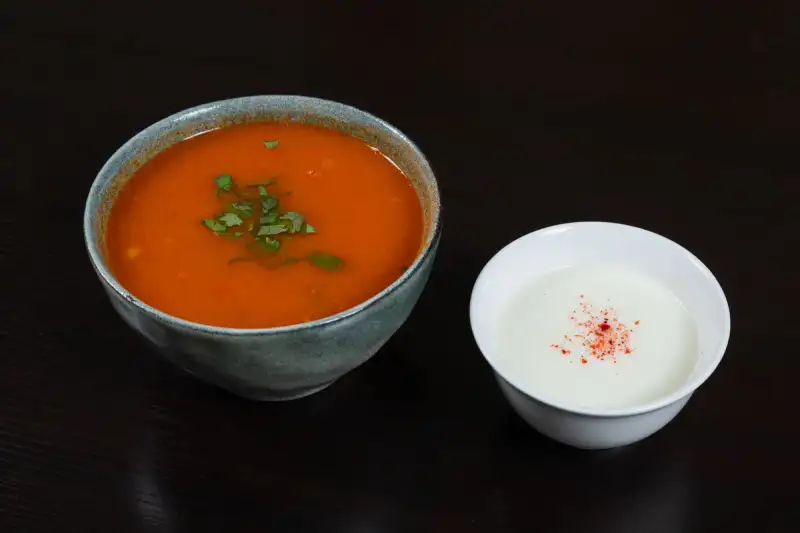
The Ancestral Embrace: A Journey into Red Lentil Soup's Soul Greetings, my culinary comrades and wellness warriors! Demir Şef here, bringing you a dish that is more than just food; it is a warm embrace, a whisper of history, and a testament to the enduring power of simple, wholesome ingredients. Today, we journey to the heart of Anatolia and the Southern Mediterranean to explore a timeless classic: Red Lentil Soup, elevated with the vibrant notes of fresh mint and the tantalizing kick of chili flakes. This isn't just a recipe; it's a deep dive into the gastronomic heritage and profound health benefits that have sustained civilizations for millennia. Imagine a bustling bazaar, the air thick with the scent of spices, laughter, and the gentle hum of daily life. At the heart of many homes and street stalls, you’d find a simmering pot of lentil soup, an offering of comfort, energy, and nourishment. This humble soup, known in Turkey as Mercimek Çorbası, holds a special place in the culinary tapestry, often served as a comforting starter or a complete meal. Its ubiquity isn't just about taste; it's deeply rooted in its remarkable nutritional profile and economic accessibility. At Demir Şef's table, we believe in the harmonious marriage of flavor and function. Our mission is to transform everyday ingredients into extraordinary experiences that not only delight the palate but also fortify the body. And few ingredients exemplify this philosophy better than the humble lentil. These tiny legumes are titans of nutrition, especially when it comes to protein, a macronutrient critical for virtually every bodily function.The Protein Powerhouse: Unpacking Lentils' Nutritional Might Why all the fuss about lentils, you ask? Beyond their earthy flavor and creamy texture, lentils are nutritional champions, particularly revered for their high protein content. For vegetarians, vegans, and anyone looking to reduce their meat intake, lentils offer a complete and efficient protein source, crucial for muscle repair, enzyme production, and overall cellular health. But the benefits extend far beyond just protein. According to a comprehensive review exploring the "Gastronomic heritage of legume foods in Southern Mediterranean cuisine," legumes like lentils, chickpeas, and fava beans hold a "prominent position" and are "renowned for their richness in proteins, fibers, and essential micronutrients." This research highlights that traditional legume-based dishes are not merely historical relics but continue to be cornerstones of a healthy diet, celebrated for their "nutritional value" and "cultural significance." This very notion underscores why our Red Lentil Soup remains a vital and relevant dish in modern kitchens. It’s a taste of history that actively contributes to your well-being. The fiber content in lentils is equally impressive. Dietary fiber is fundamental for digestive health, promoting regularity and contributing to a healthy gut microbiome. A well-functioning digestive system is the bedrock of overall health, impacting everything from immunity to mood. Research, such as studies focusing on dietary patterns for patients with inflammatory bowel disease (IBD), emphasizes that diet is an "essential, controllable, and economical component" in managing chronic digestive conditions. While our soup isn't a direct treatment for IBD, incorporating nutrient-dense, fiber-rich foods like red lentils into a balanced diet aligns with the general principles of supporting a healthy gut and overall well-being. The abstract notes that understanding the "benefits and drawbacks of typical foods and their chemical compositions" is crucial, and lentils consistently emerge as a food with significant benefits. The "economical component" mentioned in the IBD research is also a crucial aspect of lentils' appeal. They are an incredibly affordable source of high-quality protein and nutrients, making healthy eating accessible to a broader population. This accessibility has made lentil soup a staple in cultures around the world, especially in times when resources were scarce, proving that nourishing food doesn't have to break the bank. Beyond protein and fiber, lentils are packed with essential micronutrients. They are a good source of iron, crucial for oxygen transport in the blood, and folate, vital for cell growth and function. They also provide a spectrum of B vitamins, magnesium, and potassium, all working synergistically to support energy production, nerve function, and heart health. This makes a bowl of our Red Lentil Soup not just satisfying, but truly restorative.A Symphony of Flavors and Wellness: Mint, Chili, and Beyond While the lentils form the nutritious foundation, it's the interplay of fresh mint and vibrant chili flakes that elevates this soup from simple sustenance to an unforgettable culinary experience. These aren't mere garnishes; they are deliberate additions with their own unique contributions to both flavor and health. Mint, often seen as a palate cleanser, offers a burst of freshness that cuts through the richness of the lentils. Beyond its invigorating aroma, mint has been traditionally used to aid digestion. It's believed to soothe an upset stomach and alleviate indigestion, making it a perfect partner for a hearty, fiber-rich soup. The essential oils in mint are responsible for these calming effects, adding a therapeutic dimension to each spoonful. Chili flakes, particularly Pul Biber (Aleppo pepper flakes) or Maras pepper, commonly used in Turkish cuisine, provide a gentle warmth and subtle smokiness without overwhelming heat. The capsaicin in chili peppers is known for its anti-inflammatory properties and its ability to boost metabolism. It adds an exciting layer of flavor that awakens the senses, transforming the soup into a dynamic and engaging dish. This combination of mint's cooling freshness and chili's warming spice creates a beautiful yin and yang effect, making the soup incredibly balanced and addictive. The other vegetables in our recipe—carrots, celery, and onions—contribute a wealth of vitamins, minerals, and antioxidants, further enhancing the soup's nutritional profile. Onions and garlic provide immune-boosting compounds, while carrots add beta-carotene, a precursor to Vitamin A, essential for vision and skin health. This harmonious blend of ingredients ensures that every spoonful is a step towards holistic well-being. Navigating Modern Diets: Lessons from Ancient Legumes In an increasingly complex world of dietary advice and endless food trends, finding reliable, nourishing meals can sometimes feel like a challenge. We see a rise in personalized nutrition and advanced tools exploring dietary patterns, as evidenced by recent research into "The role of ChatGPT in vegetarian menus." This study aimed to analyze how AI models like ChatGPT-4 can create menus for various vegetarian diets, highlighting the "potential of artificial intelligence in gastronomy." However, the research also "emphasize[s] the need for users to verify the information," as errors were observed in some AI-generated menus. This intriguing finding underscores the enduring value of time-tested, traditional recipes like our Red Lentil Soup. While technology continues to evolve and offer new avenues for dietary planning, the foundational wisdom embedded in dishes that have sustained generations remains an invaluable, verified resource. Our soup embodies a culinary heritage built on generations of trial, error, and refinement, where the ingredients and combinations have proven their worth for both taste and health. It’s a reminder that sometimes, the best dietary advice comes from the dishes that have stood the test of time, deeply rooted in cultural traditions and nutrient-rich ingredients. Legumes, as celebrated in the review of Southern Mediterranean cuisine, are versatile and adaptable, making them suitable for a wide array of dietary preferences, including vegetarian, vegan, and flexitarian approaches. This inherent flexibility means that our Red Lentil Soup can fit seamlessly into diverse eating patterns, providing robust nutrition without needing complex, AI-generated meal plans. It’s a simple, reliable, and deeply satisfying answer to the question of what to eat for health and pleasure. Crafting Comfort: The Demir Şef's Red Lentil Soup Recipe Now, let's get into the kitchen and bring this masterpiece to life. This recipe is designed to be straightforward, allowing the natural flavors to shine while delivering maximum nutritional impact.Yields: 6-8 servings Prep Time: PT20M Cook Time: PT40M Ingredients:1 tablespoon good quality olive oil 1 large yellow onion, finely chopped 2 cloves garlic, minced 1 tablespoon tomato paste (Domates Salçası, if you can find it, for authentic flavor) 1 teaspoon sweet paprika 1/2 teaspoon ground cumin 1/4 teaspoon turmeric (optional, for beautiful color and additional anti-inflammatory benefits) 1 cup (200g) red lentils, rinsed thoroughly under cold water until water runs clear 6 cups (1.4 liters) vegetable broth (or chicken broth for a non-vegetarian option) 1 large carrot, peeled and finely diced 1 celery stalk, finely diced 1 teaspoon salt, or to taste 1/4 teaspoon freshly ground black pepper, or to taste Juice of 1/2 lemon, for brightness and acidityFor the Mint-Chili Oil (Optional Garnish):2 tablespoons olive oil 1 tablespoon dried mint (Nane, ideally Turkish dried mint) 1/2 - 1 teaspoon chili flakes (Pul Biber or Maras pepper recommended for milder heat and flavor) Fresh mint leaves, chopped, for garnishInstructions:Prepare the Aromatics: Heat 1 tablespoon of olive oil in a large heavy-bottomed pot or Dutch oven over medium heat. Add the finely chopped yellow onion and cook, stirring occasionally, until softened and translucent, about 5-7 minutes. Add Garlic and Spices: Add the minced garlic to the pot and cook for another minute until fragrant, being careful not to burn it. Stir in the tomato paste, sweet paprika, ground cumin, and turmeric (if using). Cook for 1-2 minutes, stirring constantly, to toast the spices and deepen their flavor. This step is crucial for building the base of the soup's rich taste. Introduce Lentils and Vegetables: Add the thoroughly rinsed red lentils, diced carrot, and diced celery to the pot. Stir well to coat all the ingredients with the aromatic spice mixture. Simmer to Perfection: Pour in the 6 cups of vegetable broth. Bring the mixture to a boil, then reduce the heat to low, cover the pot, and let it simmer gently for 25-30 minutes, or until the lentils and vegetables are very tender. Stir occasionally to prevent sticking. Red lentils cook quickly and will break down, thickening the soup naturally. Achieve Creamy Texture: Once the lentils are cooked, remove the pot from the heat. For a truly creamy consistency, use an immersion blender to blend the soup directly in the pot until smooth. Alternatively, carefully transfer the soup in batches to a standard blender and blend until silky smooth. If using a standard blender, remember to leave the lid slightly ajar to allow steam to escape and protect your hands with a kitchen towel. Season and Finish: Return the blended soup to the pot (if using a standard blender). Stir in the salt and freshly ground black pepper. Taste and adjust seasonings as needed. Add the juice of 1/2 lemon. The lemon juice brightens the flavors and adds a necessary touch of acidity, making the soup sing. Prepare Mint-Chili Oil (Optional Garnish): While the soup is simmering or blending, prepare your flavorful garnish. In a small saucepan or skillet, heat 2 tablespoons of olive oil over low heat. Add the dried mint and chili flakes. Cook gently for about 30 seconds to 1 minute, just until fragrant, being careful not to burn the mint or chili. Remove from heat immediately. This infused oil adds a beautiful color, aroma, and a delightful spicy kick. Serve: Ladle the hot Red Lentil Soup into bowls. Drizzle each serving with a spoonful of the warm mint-chili oil and sprinkle with fresh chopped mint leaves for a final flourish. Serve immediately with warm crusty bread or lemon wedges on the side.Beyond the Bowl: A Holistic Approach to Nourishment This Red Lentil Soup with Mint and Chili is more than just a meal; it's a celebration of health, heritage, and the sheer joy of cooking. It embodies the principles Demir Şef stands for: delicious food that is genuinely good for you, prepared with love and mindful intention. By incorporating traditional ingredients and time-honored techniques, we not only create culinary magic but also tap into a wellspring of scientifically validated health benefits. From its robust protein and fiber content to its array of essential micronutrients, this soup is a testament to the power of legumes. It’s a dish that nourishes your body, comforts your soul, and connects you to a rich cultural narrative. So go ahead, embrace the warmth, the spice, and the profound goodness of this magnificent soup. Your body and taste buds will thank you. Enjoy, and afiyet olsun!#HighProtein #RedLentilSoup #DemirŞef #GutHealth #MediterraneanDiet Related InsightsAppam and Stew: Kerala's Comforting Coconut Duo Miso Alchemy: Scaling Home Fermentation to Artisanal Mastery Siu Mai: The Classic Open-Faced Pork Dumpling{ "@context": "https://schema.org", "@type": "FAQPage", "mainEntity": [ { "@type": "Question", "name": "What is the main focus of The Heartbeat of Anatolia: Demir Şef's High-Protein Red Lentil Soup with Invigorating Mint and Chili?", "acceptedAnswer": { "@type": "Answer", "text": "Savor a high-protein, nourishing red lentil soup with fresh mint and spicy chili. Demir Şef combines ancient culinary wisdom with modern nutritional science for a comforting, gut-friendly meal." } }, { "@type": "Question", "name": "Who authored the comprehensive guide on The Heartbeat of Anatolia: Demir Şef's High-Protein Red Lentil Soup with Invigorating Mint and Chili?", "acceptedAnswer": { "@type": "Answer", "text": "This detailed article and its insights were carefully researched and authored by Demir Şef." } }, { "@type": "Question", "name": "Where can I find more related content about Food?", "acceptedAnswer": { "@type": "Answer", "text": "You can explore more articles, detailed reviews, and similar insights by browsing the Related Insights section at the bottom of this article or visiting our dedicated Food category page." } } ] }