From Ancient Ruins to Modern Cafés: The Nomad’s Guide to Living History and Gourmet Delights
-
 Lorenzo Russo
 - 23 Aug, 2026 18:59
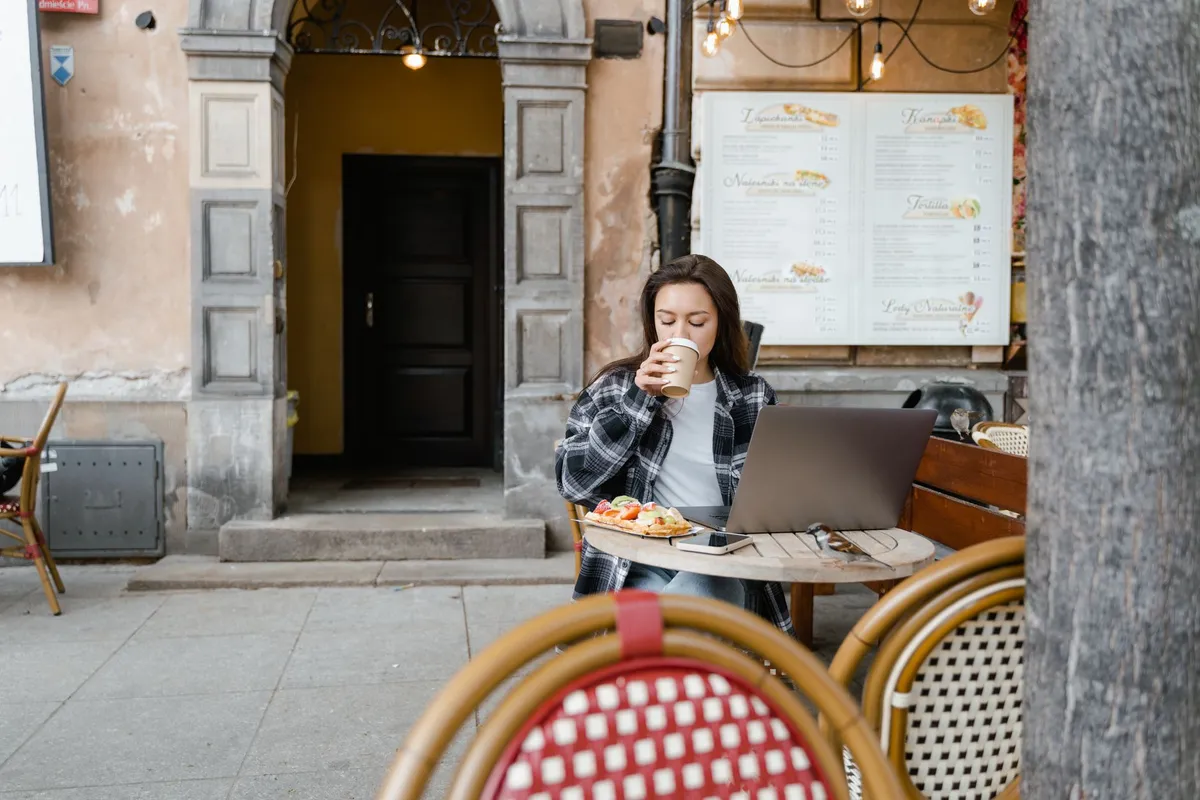

Where the Past Meets the Plate: A Nomad’s Journey Through Time and Taste
The world is a living museum, and every meal is a chapter in its story. As a digital nomad, you don’t just visit places—you live in them, breathe in their history, and savor their flavors. But how do you balance the romance of ancient ruins with the practicality of a modern budget? The answer lies in understanding the gap between your income and the cost of living, a gap that can make or break your nomadic lifestyle.
Numbeo, the world’s largest cost-of-living database, provides the raw data we need to navigate this balance. By comparing income thresholds for digital nomad visas with actual living costs, we can uncover destinations where history and gastronomy come at a price you can afford. This guide ranks the top nomad-friendly cities not just by their visa requirements, but by the real disposable income you’ll have after taxes and expenses. Whether you’re sipping espresso in a 2,000-year-old Roman forum or exploring the spice markets of Istanbul, your journey should be as rewarding as it is affordable.
The Digital Nomad Visa Gold Rush: Where Your Money Goes the Furthest
Digital nomad visas are no longer a novelty—they’re a global phenomenon. From Portugal’s D7 to Estonia’s Digital Nomad Visa, these programs promise the freedom to work from anywhere. But here’s the catch: the income threshold listed on most visa applications is just the starting point. What matters is the difference between that threshold and your actual cost of living. That gap is your real post-tax disposable income, and it varies wildly across destinations.
Take Lisbon, Portugal, for example. The D7 visa requires a minimum income of €3,040 per month. But after rent, groceries, and transport, how much is left for exploring, dining, or saving? Numbeo’s data reveals that the average monthly cost of living in Lisbon is around €1,800 for a single person. That leaves a buffer of roughly €1,240—enough for a comfortable lifestyle but not extravagant. Now compare that to Bali, Indonesia, where the cost of living hovers around €1,000 per month. With a visa income requirement of just €2,000, your buffer jumps to €1,000, giving you more freedom to indulge in local cuisine or weekend getaways.
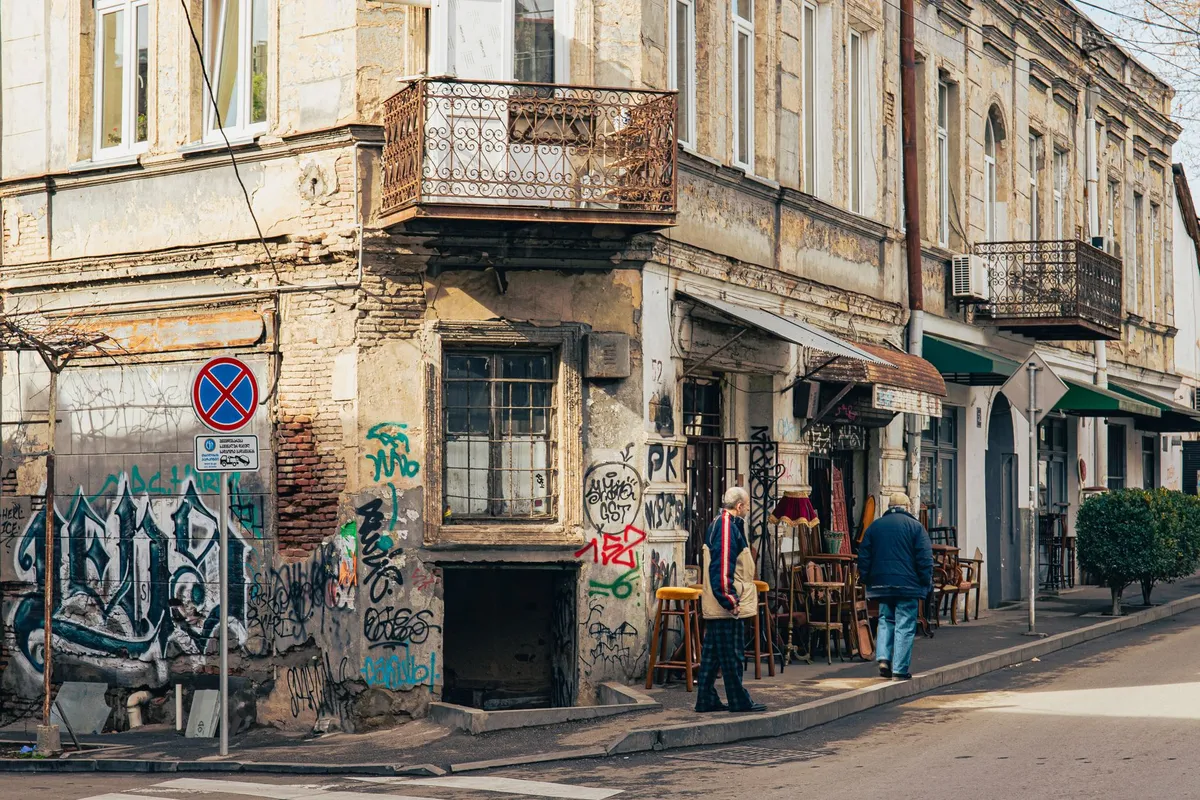
But the real winners are the underrated gems. Consider Tbilisi, Georgia, where the cost of living is a mere €800 per month, and the visa income requirement is €2,000. Your buffer? A whopping €1,200. Or Medellín, Colombia, where you can live comfortably on €1,200 and still have €800 left after meeting the visa’s €1,500 requirement. These destinations offer not just affordability but a rich tapestry of history and culture to explore.
The Cost of Living Equation: Rent, Food, and the Hidden Gems
To truly understand where your money goes, we need to break down the cost of living into its core components: housing, food, transport, and leisure. Numbeo’s data provides a granular look at these expenses across major nomad hubs.
Housing: The Nomad’s Biggest Expense Rent is often the largest line item in a nomad’s budget. In cities like Barcelona or Berlin, a one-bedroom apartment in the city center can cost €1,200 per month. But in places like Chiang Mai, Thailand, you can rent a modern studio for just €300. The key is to look beyond the visa requirements and focus on the local market. For instance, in Mexico City, while the visa income threshold is €2,700, the average rent for a decent apartment is €600. That leaves plenty of room for dining out or cultural experiences.
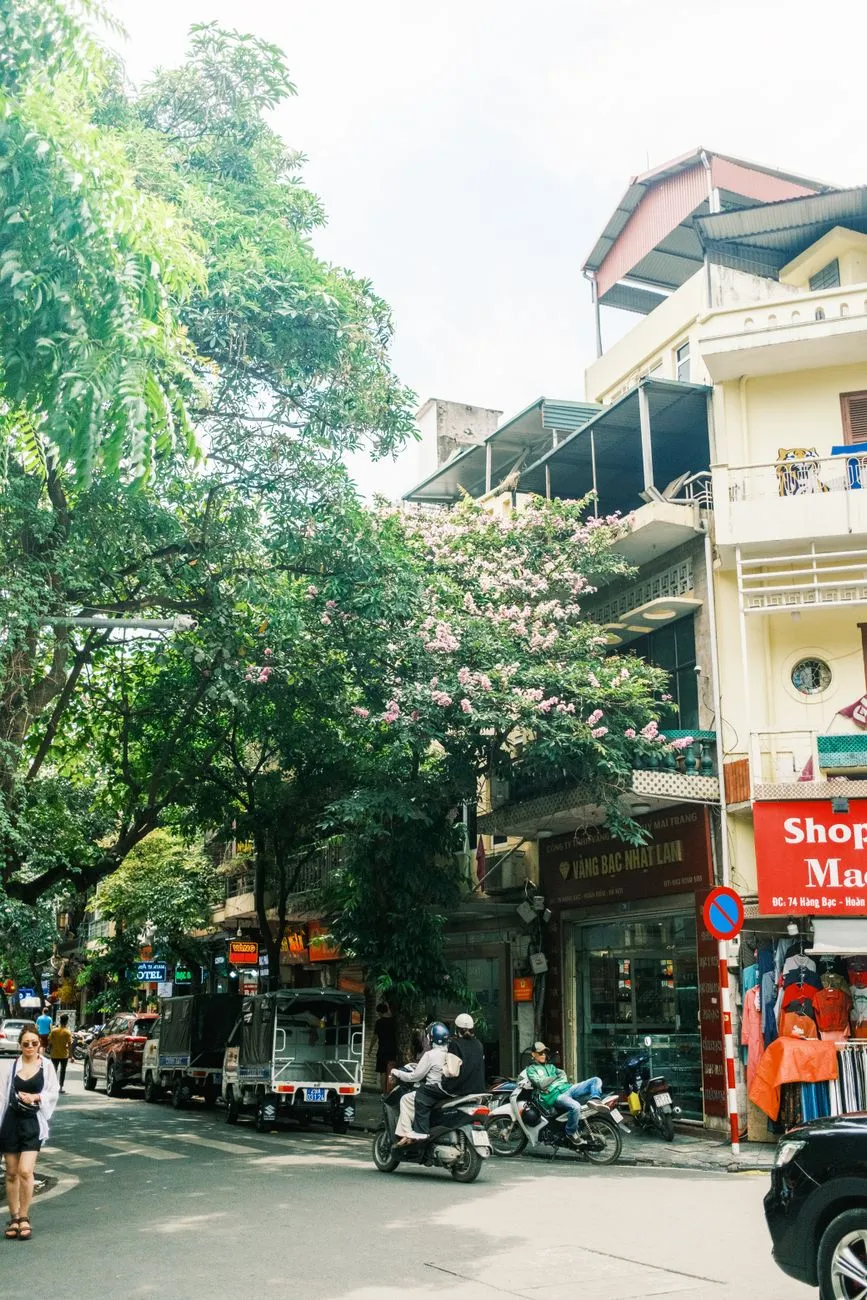
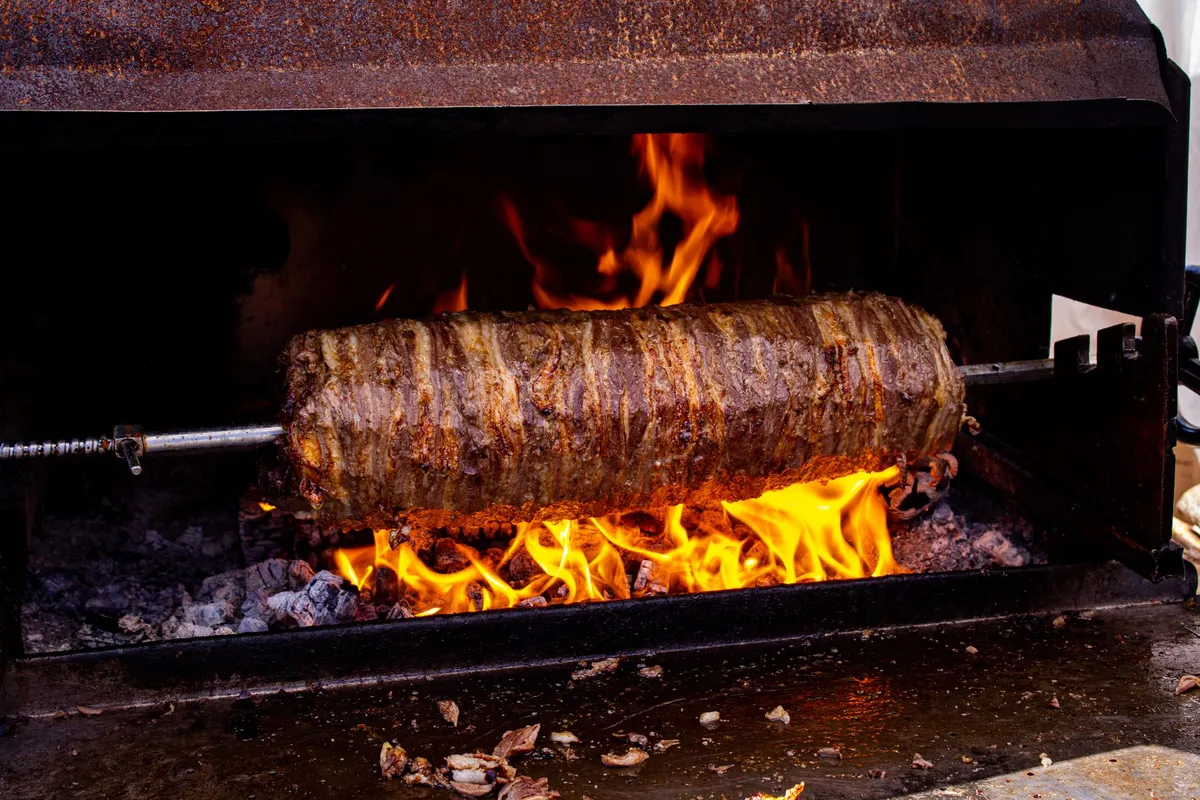
Food: From Street Stalls to Michelin Stars Food is where history and culture collide. In Istanbul, a meal at a historic kebab house might cost €5, while a modern fusion restaurant could set you back €30. Numbeo’s data shows that groceries in Istanbul average €200 per month, but eating out regularly could double that. In contrast, in Hanoi, Vietnam, street food is a way of life. A bowl of pho costs €1, and a month’s worth of meals can be had for €150. The lesson? Prioritize destinations where local cuisine is both affordable and authentic.
Transport: Navigating the Past and Present Getting around is another critical factor. In cities with robust public transport, like Tokyo or Prague, you can live without a car and save hundreds per month. In places like Cape Town, South Africa, renting a car might be necessary, adding €200 to your monthly budget. But even here, the cost of living is low enough that the trade-off is worth it for the access to stunning historical sites like Robben Island.
Leisure: The Price of Immersion Finally, consider the cost of leisure activities. In Athens, Greece, a ticket to the Acropolis is €20, while a guided tour of the ancient ruins might cost €50. In Kyoto, Japan, a traditional tea ceremony experience is €30. These expenses add up, but they’re also the moments that make your nomadic journey unforgettable.
The Ultimate Cost-of-Living Showdown: 5 Destinations Where History and Budget Align
To help you make the best choice, here’s a breakdown of five destinations where the gap between visa income requirements and actual living costs is the widest. These places offer a mix of history, culture, and affordability, ensuring your nomadic lifestyle is both enriching and sustainable.
| Destination | Visa Income Requirement | Avg. Monthly Cost of Living | Post-Tax Disposable Income | Historical Highlight | Culinary Must-Try |
|---|---|---|---|---|---|
| Tbilisi, Georgia | €2,000 | €800 | €1,200 | 1,500-year-old Narikala Fortress | Khachapuri (cheese-filled bread) |
| Medellín, Colombia | €1,500 | €1,200 | €800 | Comuna 13 street art | Bandeja Paisa (hearty platter) |
| Bali, Indonesia | €2,000 | €1,000 | €1,000 | Uluwatu Temple | Nasi Goreng (fried rice) |
| Mexico City, Mexico | €2,700 | €1,500 | €1,200 | Templo Mayor ruins | Chilaquiles (breakfast dish) |
| Hanoi, Vietnam | €1,000 | €600 | €1,400 | Old Quarter alleys | Pho (noodle soup) |
This table highlights the destinations where your disposable income is maximized, allowing you to splurge on historical tours, cooking classes, or simply more time exploring. Tbilisi and Hanoi stand out for their incredibly low cost of living, while Medellín and Mexico City offer a balance of affordability and cultural depth.
Beyond the Numbers: How to Live Like a Local Without Breaking the Bank
While data is essential, the soul of nomadic travel lies in the experiences you create. Here’s how to immerse yourself in history and cuisine without overspending:
1. Dine Where the Locals Dine Avoid tourist traps by following the crowds—not the guidebooks. In Rome, skip the restaurants near the Colosseum and head to Trastevere, where locals enjoy authentic Roman pasta for €10. In Marrakech, the best tagine is often found in a tiny stall in the Medina, not the upscale riads.
2. Stay in Neighborhoods with a Story Your accommodation should be more than a place to sleep—it should be a gateway to the past. In Istanbul, stay in the historic Sultanahmet district to wake up to the call to prayer and walk to the Hagia Sophia in minutes. In Kyoto, opt for a machiya (traditional townhouse) to experience centuries-old architecture firsthand.
3. Use Public Transport Like a Pro Public transport is not just cheap—it’s a cultural experience. In Prague, the tram system is a moving museum of Art Nouveau architecture. In Buenos Aires, the Subte (subway) takes you past murals and historic landmarks. Apps like Citymapper or local equivalents can help you navigate like a local.
4. Seek Out Free or Low-Cost Historical Sites Many of the world’s greatest historical sites are free or nearly free. In Athens, the Ancient Agora costs just €8, while the Parthenon is free on certain days. In Mexico City, the ruins of Teotihuacán are just €5 to enter. Pair these visits with a picnic of local snacks to make the experience even more memorable.
5. Learn the Language of Food A few key phrases can unlock culinary treasures. In Japan, knowing how to say “osusume wa nan desu ka?” (What do you recommend?) can lead to a personalized dining experience. In Italy, “Dov’è il mercato più vicino?” (Where’s the nearest market?) will guide you to the freshest ingredients.
6. Barter for Experiences In many cultures, your skills as a digital nomad can be exchanged for unique experiences. In India, offer to teach a workshop in exchange for a homestay in a heritage home. In Portugal, some local families will host you in their rural homes in exchange for help with their business.
The Nomad’s Feast: A Culinary Tour Through Time
Food is the most tangible connection to a place’s history. Every dish tells a story—of trade routes, conquests, and cultural fusion. Here’s a tour of the world’s most historic cuisines and where to experience them:
1. Italy: The Birthplace of Modern Cuisine Italy’s culinary tradition dates back to the Roman Empire, when garum (fermented fish sauce) was a staple. Today, dishes like pasta carbonara (born in Rome during WWII) and risotto alla Milanese (a 19th-century creation) are global icons. Where to try: Rome’s Trastevere district for carbonara, Bologna for tagliatelle al ragù.
2. Turkey: The Crossroads of Empires Turkish cuisine is a melting pot of Central Asian, Middle Eastern, and Mediterranean influences. The Ottoman Empire’s legacy lives on in dishes like baklava (invented in the imperial kitchens) and kebabs (popularized by nomadic Turkic tribes). Where to try: Istanbul’s Spice Bazaar for sweets, Gaziantep for kebabs.
3. Mexico: A Fusion of Indigenous and Spanish Flavors Mexican food is a UNESCO Intangible Cultural Heritage, with roots in Aztec and Maya traditions. Corn, beans, and chili peppers were staples long before the Spanish arrived. Today, dishes like mole (a pre-Hispanic sauce) and pozole (a stew with ancient origins) are celebrated worldwide. Where to try: Oaxaca for mole, Mexico City’s street stalls for tacos al pastor.
4. Thailand: The Spice Route in Every Bite Thai cuisine is a product of centuries of trade along the Silk Road. Ingredients like chili peppers (introduced by Portuguese traders) and coconut milk (from Southeast Asian cultures) create a balance of sweet, sour, spicy, and salty. Where to try: Bangkok’s street markets for pad thai, Chiang Mai for khao soi.
5. Morocco: A Taste of the Sahara and Beyond Moroccan food reflects the country’s position as a crossroads of Africa, Europe, and the Middle East. Spices like saffron and cumin were brought by Arab traders, while dishes like tagine (named after the Berber clay pot) have ancient roots. Where to try: Marrakech’s Jemaa el-Fnaa for street food, Fes for pastilla.
The Final Stop: Where Will Your Journey Take You?
The world is your classroom, your kitchen, and your office. As a digital nomad, you have the unique opportunity to live in the pages of history while savoring the flavors of the present. The key to making this lifestyle sustainable is balancing your income with your expenses, choosing destinations where the gap between the two is wide enough to allow for both comfort and adventure.
Tbilisi, Georgia, offers a blend of affordability and ancient charm, while Hanoi, Vietnam, provides a sensory overload of history and cuisine at bargain prices. Medellín, Colombia, and Mexico City, Mexico, strike a balance between modern convenience and rich cultural heritage. And Bali, Indonesia, remains a perennial favorite for its tropical allure and low cost of living.
But beyond the numbers, the real magic of nomadic travel lies in the unexpected moments—the impromptu cooking class in a Lisbon café, the sunset over the Bosphorus in Istanbul, the quiet morning in a Kyoto temple garden. These are the experiences that transform a trip into a journey.
So pack your laptop, your sense of adventure, and an appetite for history. The world is waiting, and your next chapter is just a flight away.
#DigitalNomadLife #HistoryTravel #GlobalCuisine #BudgetTravel #WorkFromAnywhere
Related Insights
- St. John’s, Antigua and Barbuda: Where Colonial Charm Meets Digital Nomad Paradise
- From Ancient Markets to Modern Tables: A Journey Through the World’s Most Treasured Culinary Landscapes
- Antigua and Barbuda Unveiled: A Digital Nomad’s Paradise of Turquoise Waters, Spice-Infused Cuisine, and Colonial Charm