Showing Posts From
Cost of living
-
 Sofía Torres
 - 28 Aug, 2026 02:18
Antigua and Barbuda Unveiled: A Digital Nomad’s Paradise of Turquoise Waters, Spice-Infused Cuisine, and Colonial Charm
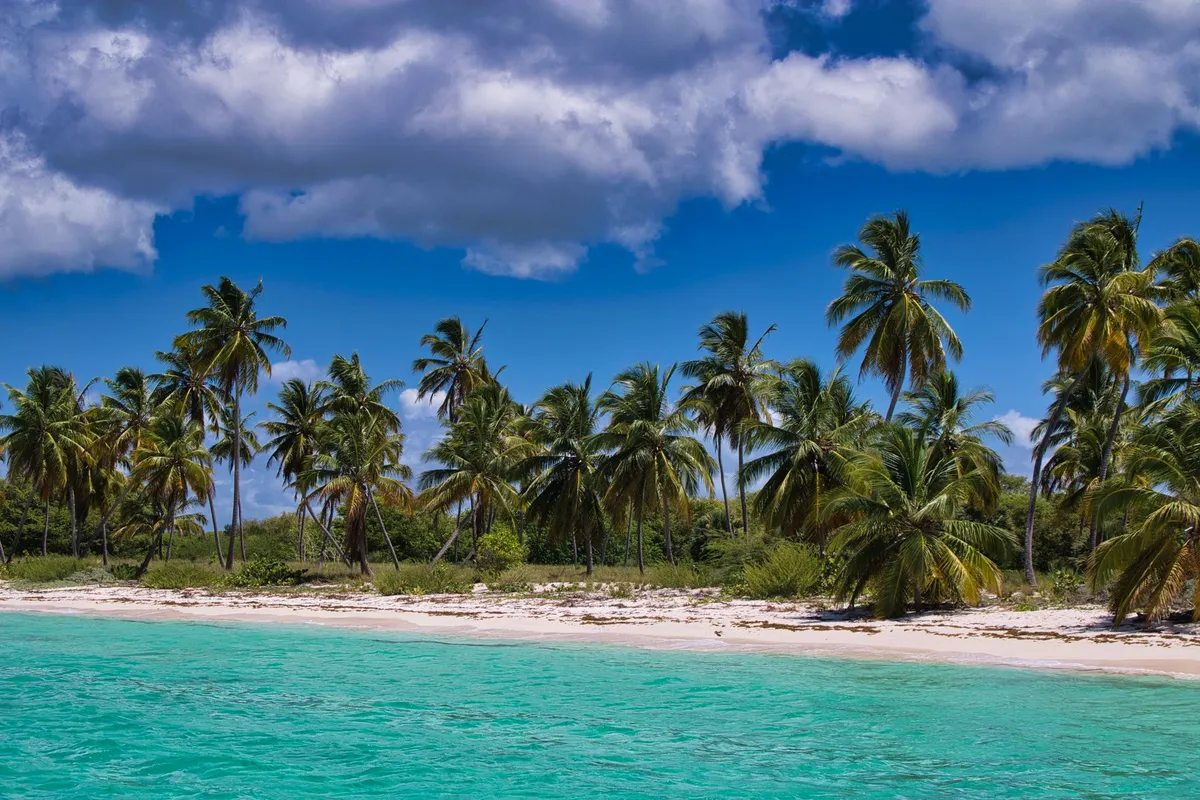
Where the Caribbean whispers history through its spice-scented breezes and hums with the rhythm of steel drums under endless sunshineNestled in the heart of the Caribbean, Antigua and Barbuda are twin jewels that have long captivated travelers with their powder-white beaches, coral reefs teeming with marine life, and a cultural tapestry woven from African, British, and indigenous influences. For digital nomads seeking a paradise where work and wanderlust intertwine seamlessly, these islands offer more than just postcard-perfect scenery—they provide a vibrant, affordable, and culturally rich lifestyle. Whether you're sipping a rum punch on a secluded cove or typing away in a breezy café overlooking the harbor, Antigua and Barbuda promise an experience that transcends the ordinary. But beyond the allure of turquoise waters and swaying palm trees lies a practical question: How much will it cost to live here? Thanks to Numbeo’s crowdsourced data and real-time market insights, we can now answer that with precision. This guide dives deep into the cost of living, cultural gems, and culinary delights of Antigua and Barbuda, tailored specifically for the modern remote worker.Why Antigua and Barbuda Are the Ultimate Digital Nomad Retreat The Caribbean has emerged as a top destination for digital nomads, and Antigua and Barbuda stand out for several reasons. First, the islands boast a stable internet infrastructure, with high-speed broadband available in most urban areas and coworking spaces dotting the landscape. Second, the cost of living, while not as low as some Southeast Asian destinations, is competitive for the Caribbean, especially when compared to nearby islands like the British Virgin Islands or St. Lucia. Third, the islands’ compact size makes it easy to explore everything from historic Nelson’s Dockyard to the lush rainforests of Barbuda—all within a short drive or ferry ride. According to Numbeo’s 2026 cost-of-living guide, a solo digital nomad in St. John’s, Antigua’s capital, can expect to spend approximately $1,800 to $2,500 USD per month, including rent, food, transportation, and leisure activities. This figure is slightly higher than in some Central American destinations but significantly lower than in the U.S. or Europe. For those willing to venture to Barbuda, the cost drops further, with rents and dining options often 20-30% cheaper due to the island’s quieter, more rural nature. But cost is only part of the equation. Antigua and Barbuda offer a unique blend of history, adventure, and relaxation. The islands were once the heart of the British sugar trade, and their colonial architecture, rum distilleries, and maritime museums tell a story of resilience and cultural fusion. Meanwhile, the local cuisine—heavy on seafood, tropical fruits, and fiery pepper sauces—reflects the islands’ African and indigenous roots. For food-loving nomads, Antigua and Barbuda are a playground of flavors waiting to be explored.Navigating the Cost of Living: A Breakdown for Remote Workers For digital nomads, understanding the cost of living is crucial to planning a sustainable stay. Below is a detailed breakdown of monthly expenses in Antigua and Barbuda, based on Numbeo’s 2026 data and real-time market trends. Keep in mind that prices can vary depending on the season (peak tourist months from December to April are more expensive) and your lifestyle choices.Expense Category Monthly Cost (USD) NotesRent (1-bedroom apartment) $800 - $1,500 St. John’s is pricier; Barbuda offers lower rates (~$600-$1,000).Utilities (electricity, water, internet) $150 - $250 Internet speeds average 50-100 Mbps; power outages are rare but possible.Groceries $300 - $500 Local markets (e.g., St. John’s Public Market) offer fresh produce at lower prices.Dining Out $400 - $800 Mid-range restaurants cost $15-$30 per meal; street food is $5-$10.Transportation $100 - $300 Taxis are expensive; renting a car costs ~$50/day. Ferries to Barbuda: $50 round-trip.Coworking Space $100 - $200 Spaces like The Office Antigua offer day passes for $20.Leisure (beach days, tours) $200 - $400 Snorkeling tours: $50-$80; boat charters: $100-$200.Total (Approx.) $1,800 - $2,500 Can be reduced by sharing rent or cooking at home.One of the biggest expenses for nomads is accommodation. In St. John’s, a modern one-bedroom apartment in a safe neighborhood like Fitches Creek or English Harbour will set you back $1,200-$1,500 per month. For those willing to live slightly outside the city center or in smaller towns like All Saints, prices drop to $800-$1,000. Barbuda, with its laid-back vibe, offers even better deals, with beachfront cottages available for $600-$900 per month. Utilities are another consideration. Electricity in Antigua and Barbuda is relatively expensive due to the islands’ reliance on imported fuel, with monthly bills averaging $150-$250. Internet is reliable but can be spotty in rural areas; a 100 Mbps connection costs around $80-$120 per month. For nomads who need a consistent signal, coworking spaces like The Office Antigua or Antigua Business Centre provide high-speed Wi-Fi and a professional environment for $100-$200 per month. Food costs vary widely depending on whether you cook at home or dine out. Groceries in Antigua are affordable if you shop at local markets. A weekly haul of fresh produce (mangoes, plantains, breadfruit), eggs, and local fish will cost $50-$80, while imported goods (cheese, pasta, wine) are pricier. Dining out is a highlight of life in Antigua and Barbuda, with options ranging from $5 street food (e.g., doubles—a Trinidadian-inspired flatbread with curried chickpeas) to $30-$50 meals at upscale restaurants like Café des Artistes or Sheer Rocks. For budget-conscious nomads, cooking at home and limiting restaurant visits to once or twice a week can cut food costs by 40-50%. Transportation is another area where nomads can save. Taxis are convenient but expensive, with rides between St. John’s and English Harbour costing $30-$50. Renting a car is a better option for those planning to explore the islands, with daily rates starting at $50. Ferries to Barbuda depart from St. John’s and cost $50 round-trip, with the journey taking about 90 minutes. For short trips, local buses (called "jitneys") are a bargain at $1-$3 per ride, though they can be crowded and unreliable. Finally, leisure activities—while not essential—are a big part of the Antigua and Barbuda experience. Snorkeling at Cades Reef, hiking Shirley Heights for sunset views, or taking a day trip to Barbuda’s Frigate Bird Sanctuary will set you back $50-$200, depending on the tour. For nomads on a tight budget, the islands’ public beaches (like Dickenson Bay or Half Moon Bay) are free and perfect for a day of relaxation.From Rum Punch to Pepper Sauce: A Culinary Journey Through Antigua and Barbuda The food of Antigua and Barbuda is a vibrant reflection of the islands’ history and geography. African slaves brought okra, plantains, and callaloo (a leafy green similar to spinach), while British colonizers introduced salted meats, pies, and rum. Indigenous Arawak influences are seen in dishes like fungie (a cornmeal-based side dish) and ducana (a sweet potato dumpling). The result is a cuisine that is hearty, spicy, and deeply flavorful—perfect for food-loving nomads.Must-Try Dishes:Jerk Chicken/Pork – The islands’ take on Jamaica’s famous jerk seasoning is a must-try. Look for roadside stands or restaurants like The Lighthouse in St. John’s, where the meat is slow-cooked over pimento wood for a smoky, spicy flavor. Fungee and Pepper Pot – A staple of Antiguan cuisine, fungie is a thick, polenta-like dish made from cornmeal, often served with pepper pot, a rich stew of salted meat, okra, and spices. Try it at Shepherd’s Restaurant in St. John’s. Ducana – A sweet, spiced dumpling made from grated sweet potato and coconut, typically served with saltfish or as a side dish. Betty’s Hope Estate often features it in their Sunday buffet. Conch – A delicacy in the Caribbean, conch is often served raw in ceviche, fried in fritters, or stewed in curry. The Copper Lime in English Harbour offers an excellent conch chowder. Rum Punch – Antigua is home to some of the Caribbean’s best rum, including English Harbour Rum and Wadadli Rum. A classic rum punch consists of rum, lime juice, sugar, nutmeg, and Angostura bitters—best enjoyed at Café des Artistes while watching the sunset.Where to Eat Like a Local:St. John’s Public Market – A bustling hub for fresh produce, spices, and street food. Try the doubles (curried chickpeas in fried flatbread) from a vendor like Doubles King. Shirley Heights Lookout – Famous for its Sunday sunset parties, this spot offers stunning views and grilled seafood. Barbuda’s Beach Bars – On Barbuda, beachside shacks serve the freshest lobster and grilled fish, often caught that morning.For nomads looking to cook at home, local markets are the best place to stock up on ingredients. The St. John’s Public Market is open daily and offers everything from fresh fish to homemade pepper sauces. For imported goods, supermarkets like Eddie’s Supermarket or Riteway have a good selection, though prices are higher.Beyond the Beach: Cultural Gems and Hidden Adventures While Antigua and Barbuda are synonymous with beaches, the islands offer a wealth of cultural and historical experiences that go far beyond sunbathing. For nomads seeking a deeper connection to the islands, these are the must-visit spots:1. Nelson’s Dockyard National Park A UNESCO World Heritage Site, Nelson’s Dockyard is a living museum of Antigua’s colonial past. Built in the 18th century as a British naval base, the dockyard is home to restored wooden ships, historic buildings, and a museum detailing the islands’ maritime history. The on-site Admiral’s Inn offers a glimpse into the past with its colonial-era dining room and rum bar. 2. Shirley Heights Perched on a hill overlooking English Harbour, Shirley Heights is famous for its Sunday sunset parties, where locals and visitors gather for live music, grilled food, and panoramic views of the harbor. The site also offers hiking trails with stunning vistas, including the Galleon Beach Trail, which leads to a secluded beach. 3. Betty’s Hope Estate Once a sugar plantation, Betty’s Hope is now a museum and agricultural site where visitors can learn about Antigua’s sugar industry and sample local rum. The estate’s rum tasting room offers a chance to try Antigua’s finest rums, including English Harbour Rum and Wadadli Rum. 4. Devil’s Bridge A natural limestone arch on Antigua’s northeast coast, Devil’s Bridge is a geological wonder where the Atlantic’s waves crash dramatically against the rocks. Locals say the bridge is haunted by the spirits of enslaved Africans who jumped to their deaths rather than face slavery. The site also offers hiking trails and a small beach. 5. Barbuda’s Frigate Bird Sanctuary Accessible only by boat, Barbuda’s Frigate Bird Sanctuary is home to the world’s largest colony of frigate birds. Visitors can take a guided boat tour to see these magnificent birds up close, as well as Barbuda’s pristine beaches and coral reefs. 6. Local Festivals and Events Antigua and Barbuda’s calendar is packed with vibrant festivals that offer a taste of the islands’ culture:Antigua Carnival (late July to early August) – A two-week celebration of music, dance, and masquerade, culminating in the Grand Parade. Sailing Week (late April) – A world-famous regatta featuring yacht races, beach parties, and live music. Barbuda’s Lobster Fest (June) – A celebration of Barbuda’s most famous export, featuring grilled lobster, music, and dancing.For nomads looking to immerse themselves in the local culture, volunteering is a great option. Organizations like The Antigua and Barbuda Humane Society or Barbuda’s Environmental Awareness Group welcome short-term volunteers to help with animal care or conservation projects.Living Like a Local: Practical Tips for Digital Nomads Moving to a new country—even temporarily—requires adaptability and preparation. Here are some practical tips to help digital nomads settle into life in Antigua and Barbuda: 1. Visa and Legal Requirements Antigua and Barbuda offer a 30-day visa-free stay for citizens of the U.S., Canada, the U.K., and most EU countries. For longer stays, nomads can apply for a temporary residency permit (valid for up to 12 months) or a digital nomad visa, which is currently in development. Check the latest requirements on the Antigua and Barbuda government website before traveling. 2. Banking and Payments The local currency is the Eastern Caribbean Dollar (XCD), which is pegged to the U.S. dollar at a 1:2.7 rate. While U.S. dollars are widely accepted, it’s best to carry small bills for local markets and taxis. ATMs are available in St. John’s and English Harbour, but rural areas may have limited access. Credit cards are accepted in most hotels and restaurants, but cash is king in local markets and small shops. 3. Healthcare Antigua and Barbuda have a public healthcare system, but for serious medical needs, expats and nomads typically use private hospitals like Mount St. John’s Medical Centre in St. John’s. Travel insurance is highly recommended, as medical care can be expensive. Pharmacies are widely available, but bring any prescription medications with you, as local options may be limited. 4. Safety Antigua and Barbuda are generally safe for tourists and nomads, with petty crime (e.g., pickpocketing) being the most common issue. Avoid walking alone at night in isolated areas, and keep valuables secure. Barbuda is particularly safe, with a low crime rate and a tight-knit community. 5. Language English is the official language, so communication is easy. However, locals often speak a creole-influenced patois, especially in rural areas. Learning a few phrases like "Wah gwaan?" (What’s up?) or "Mi deh yah" (I’m here) will endear you to the locals. 6. Transportation HacksRent a car for flexibility, but be prepared for aggressive driving and narrow roads. Use ferries to explore Barbuda—book in advance during peak season. Try the jitneys for short trips, but confirm the route with the driver first. Bike rentals are available in some areas, but the hilly terrain can be challenging.7. Social Life and Networking Antigua and Barbuda have a growing digital nomad community, with meetups often organized at coworking spaces or beach bars. Facebook groups like "Antigua and Barbuda Expats & Digital Nomads" are great for connecting with others. For a more local experience, attend church services or community events—Antiguans are warm and welcoming to visitors. 8. Sustainability The islands are working to reduce plastic waste, so bring a reusable water bottle and shopping bag. Support local businesses and eco-friendly tours to minimize your environmental impact.The Antigua and Barbuda Lifestyle: Work, Wander, and Unwind What does a typical day look like for a digital nomad in Antigua and Barbuda? It might start with a sunrise swim at Dickenson Bay, followed by a morning of work at a coworking space like The Office Antigua. After lunch—perhaps a fresh seafood salad at The Copper Lime—you might explore the historic streets of St. John’s or take a ferry to Barbuda for a day of snorkeling and beachcombing. As the sun sets, you could enjoy a rum punch at Shirley Heights or a quiet dinner at Café des Artistes, watching the stars reflect off the turquoise water. The key to making the most of life in Antigua and Barbuda is balance. The islands encourage a slow, mindful pace—where work is important, but so is savoring a fresh coconut, dancing to a steel drum, or losing yourself in the rhythm of the waves. For nomads tired of the hustle of big cities, this is a chance to reconnect with nature, culture, and themselves.Why Antigua and Barbuda Could Be Your Next Home Away from Home In a world where remote work is becoming the norm, Antigua and Barbuda offer a compelling alternative to the usual digital nomad hotspots. They combine affordability, reliable infrastructure, and a rich cultural experience with the kind of natural beauty that inspires creativity and relaxation. Whether you’re here for a month or a year, the islands have a way of getting under your skin—leaving you with memories of turquoise waters, spicy flavors, and the warmth of its people. For those ready to trade the ordinary for the extraordinary, Antigua and Barbuda await. Pack your laptop, your swimsuit, and an appetite for adventure—this is a journey you won’t want to miss.#CaribbeanLiving #DigitalNomadLife #AntiguaAndBarbuda #WorkFromParadise #CaribbeanCuisine Related InsightsSt. John’s, Antigua and Barbuda: Where Colonial Charm Meets Digital Nomad Paradise The Ultimate Digital Nomad’s Playbook: Where to Live, Eat, and Thrive in 2026 From Ancient Markets to Modern Tables: A Journey Through the World’s Most Treasured Culinary Landscapes{ "@context": "https://schema.org", "@type": "FAQPage", "mainEntity": [ { "@type": "Question", "name": "What is the main focus of Antigua and Barbuda Unveiled: A Digital Nomad’s Paradise of Turquoise Waters, Spice-Infused Cuisine, and Colonial Charm?", "acceptedAnswer": { "@type": "Answer", "text": "Discover how Antigua and Barbuda blends pristine beaches, vibrant culture, and affordable living for remote workers in 2026, backed by Numbeo’s cost-of-living data." } }, { "@type": "Question", "name": "Who authored the comprehensive guide on Antigua and Barbuda Unveiled: A Digital Nomad’s Paradise of Turquoise Waters, Spice-Infused Cuisine, and Colonial Charm?", "acceptedAnswer": { "@type": "Answer", "text": "This detailed article and its insights were carefully researched and authored by Sofía Torres." } }, { "@type": "Question", "name": "Where can I find more related content about Travel/Food?", "acceptedAnswer": { "@type": "Answer", "text": "You can explore more articles, detailed reviews, and similar insights by browsing the Related Insights section at the bottom of this article or visiting our dedicated Travel/Food category page." } } ] }

-
 Ivan Sokolov
 - 24 Aug, 2026 19:12
The Ultimate Digital Nomad’s Playbook: Where to Live, Eat, and Thrive in 2026
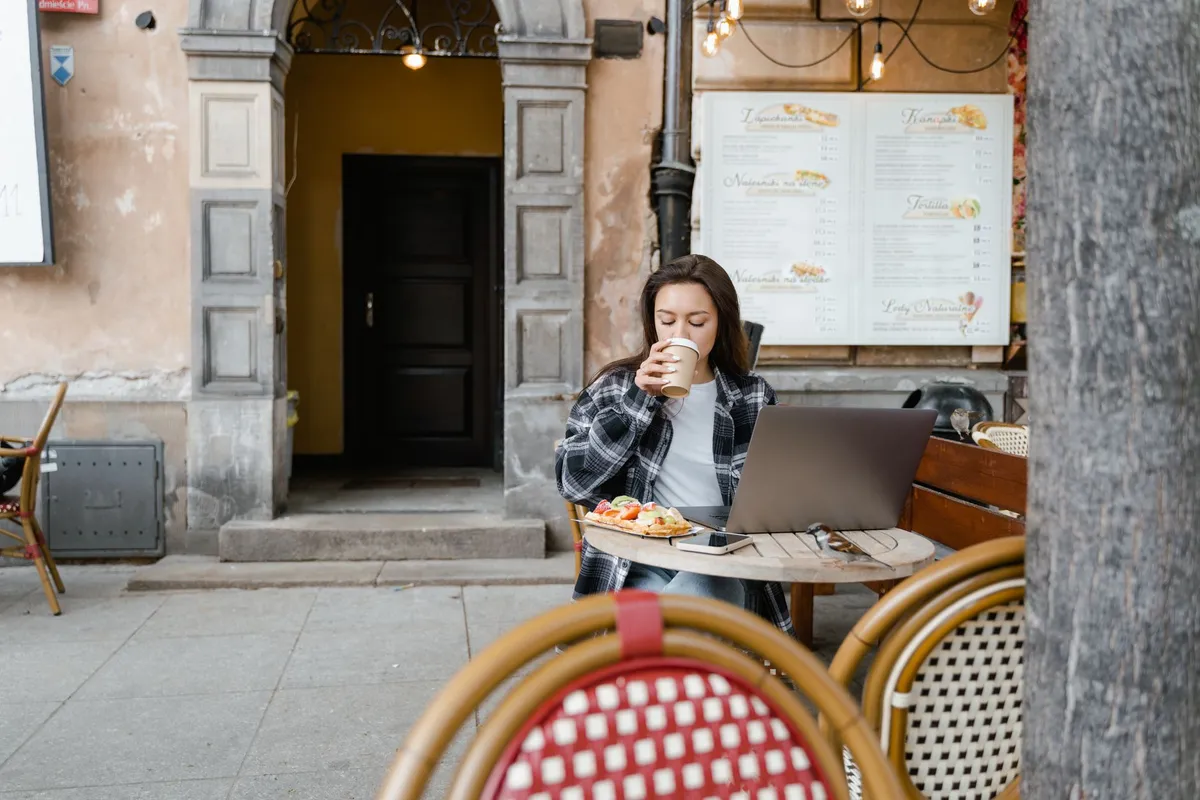
The World is Your Office: How to Choose the Perfect Nomad Hub Without Breaking the Bank Imagine waking up to the scent of fresh baklava in Athens, coding by the Seine in Paris, or sipping espresso in a Lisbon café—all while your bank account thrives. This isn’t a fantasy; it’s the reality for digital nomads who’ve cracked the code of location-independent living. But here’s the catch: not all nomad visas are created equal. Some leave you with €2,000/month to splurge, while others barely cover rent. The difference? Net disposable income—the gap between your visa’s income threshold and your actual living costs. Numbeo, the world’s largest crowdsourced cost-of-living database, crunches real-time data from 10,000+ cities. Their 2026 rankings reveal a startling truth: the cheapest nomad hubs aren’t always where you’d expect. Thailand’s digital nomad visa requires $80,000/year, yet its cities rank among the most affordable. Meanwhile, Portugal’s D7 visa demands just €820/month—but Lisbon’s rents have surged 40% since 2020. This guide decodes the numbers, ranks the top 10 nomad visas by real post-tax buffer, and maps the hidden gems where your paycheck stretches furthest. Whether you’re a freelancer, remote employee, or entrepreneur, these insights will save you thousands—and maybe even help you retire early.The Visa Gold Rush: Which Passport Lets You Keep the Most? Not all digital nomad visas are designed to maximize your savings. Some are revenue generators for governments (e.g., Spain’s €2,300/month requirement), while others prioritize affordability (e.g., Mexico’s $2,100/month). The key metric? Net disposable income—what’s left after taxes, rent, and living costs. Here’s how the top 10 visas stack up in 2026, ranked by monthly buffer (income after visa requirements and living costs):Country Visa Name Income Requirement Avg. Monthly Cost Net Buffer Best ForThailand LTR Visa $80,000/year $1,200 $5,300 Luxury nomadsPortugal D7 Visa €820/month €1,500 €1,200 Budget-consciousMexico Temporary Resident $2,100/month $1,400 $700 Balanced lifestyleSpain Digital Nomad Visa €2,300/month €2,000 €300 EU accessCosta Rica Rentista Visa $2,500/month $1,800 $700 Nature loversGeorgia Remote Work Visa $100/month $800 $1,200 Ultra-low-costMalaysia DE Rantau Visa $24,000/year $1,100 $1,000 Asian hubsColombia Digital Nomad Visa $1,000/month $900 $100 Emerging marketsEstonia Digital Nomad Visa €3,500/month €2,200 €1,300 Tech-savvy nomadsCroatia Digital Nomad Visa €2,500/month €1,600 €900 Coastal charmSource: Numbeo 2026, VisaGuide.World Pro Tip: Georgia’s visa is a steal—$100/month requirement and $800 living costs leave you with $1,200/month buffer. But Thailand’s LTR visa, while expensive, offers $5,300/month post-costs, ideal for high earners. The Catch: Some visas (e.g., Spain, Estonia) have high income thresholds but low living costs, making them viable for top-tier remote workers. Others (e.g., Colombia, Mexico) are budget-friendly but offer smaller buffers. Action Step: Use Numbeo’s Digital Nomad Visa Calculator to input your income and see your real-world buffer. For example:Freelancer earning $4,000/month: Portugal (D7): €820 visa requirement → €1,500 living → €1,680 buffer Thailand (LTR): $80k/year requirement → $1,200 living → $2,800 bufferFrom Athens to Hanoi: The 5 Cheapest (and Tastiest) Nomad Cities in 2026 Forget Bali—2026’s nomad hotspots are where culture, affordability, and cuisine collide. These five cities offer sub-$1,500/month living costs, visa flexibility, and food so good it’ll ruin every other meal for you. 1. Hanoi, Vietnam: Where Pho Flows Like Water Monthly Cost: $900–$1,200 Visa: 3-month e-visa (extendable) Why Go? Hanoi’s street food scene is unmatched—$1 bowls of pho, $3 banh mi, and $5 bowls of bun cha. Coworking spaces like Dreamplex cost $100/month, and a luxury studio in the Old Quarter runs $500. Hidden Gem: Bia Hơi (fresh beer) costs $0.25 at local stalls. Pro tip: Learn the phrase "Bao nhiêu tiền?" ("How much?")—bargaining is expected. Food Budget Breakdown:Item Cost (USD)Street pho $1.50Banh mi $1.00Bia Hơi (beer) $0.25Western meal $5–$10Coworking space $100Source: Numbeo 2026, local expat groups2. Medellín, Colombia: The City of Eternal Spring (and Arepas) Monthly Cost: $1,000–$1,400 Visa: Digital Nomad Visa ($1,000/month income) Why Go? Medellín’s "eternal spring" climate (70°F year-round) and vibrant culture make it a nomad magnet. A 1-bedroom apartment in El Poblado costs $600, while arepas (corn cakes) are $1 at street stalls. Hidden Gem: Comuna 13—once a no-go zone, now a street art paradise with free tours. Coworking spaces like Selina offer $150/month passes. Food Budget Breakdown:Item Cost (USD)Arepa $1.00Bandeja Paisa $5.00Ajiaco (soup) $3.50Coworking space $150Source: Numbeo 2026, Medellín Expats Facebook Group3. Tbilisi, Georgia: The Undiscovered Caucasus Gem Monthly Cost: $700–$1,000 Visa: Remote Work Visa ($100/month) Why Go? Tbilisi is Europe’s best-kept secret—$500/month for a modern apartment, $2 for khachapuri (cheese bread), and zero bureaucracy. The Old Town’s sulfur baths cost $15 for a 30-minute soak. Hidden Gem: Fabrika—a Soviet-era factory turned hipster hub with cafés, bars, and coworking spaces. $100/month gets you a desk + coffee. Food Budget Breakdown:Item Cost (USD)Khachapuri $2.00Khinkali (dumplings) $0.50Wine (liter) $3.00Coworking space $100Source: Numbeo 2026, Tbilisi Digital Nomads Telegram Group4. Lisbon, Portugal: Where Pastries and Paychecks Collide Monthly Cost: $1,800–$2,500 Visa: D7 Visa (€820/month) Why Go? Lisbon’s pastel de nata (custard tarts) are worth the rent hike. A 1-bedroom in Alfama costs $1,200, but €1,500/month covers a comfortable lifestyle—including €500 for dining out (hello, €10 seafood rice). Hidden Gem: Time Out Market—$15 for Michelin-starred bites from top chefs. Coworking spaces like Second Home cost €180/month. Food Budget Breakdown:Item Cost (USD)Pastel de nata $1.50Bacalhau à Brás $10.00Ginjinha (liqueur) $2.00Coworking space $180Source: Numbeo 2026, Lisbon Nomad Meetup Group5. Kuala Lumpur, Malaysia: Asia’s Most Underrated Hub Monthly Cost: $1,000–$1,500 Visa: DE Rantau Visa ($24k/year income) Why Go? KL’s mix of skyscrapers and rainforests offers $1 hawker meals and $400/month apartments. The Petronas Towers are free to admire, and co-working spaces like Common Ground cost $120/month. Hidden Gem: Jalan Alor Night Market—$3 for char kway teow (stir-fried noodles) and $1 for durian (if you dare). Food Budget Breakdown:Item Cost (USD)Nasi Lemak $1.50Char Kway Teow $3.00Durian (per kg) $1.00Coworking space $120Source: Numbeo 2026, Kuala Lumpur Digital Nomads Facebook GroupThe Dark Side of Nomad Life: Costs You Didn’t See Coming Beware the "hidden costs" that derail even the most budget-savvy nomads:Health Insurance: Nomad visas require proof of coverage. SafetyWing ($45/month) or Cigna Global ($150/month) are top picks. Visa Extensions: Some countries (e.g., Thailand) charge $500+ for extensions. Flights: A round-trip to Bali from Europe costs $600—budget $1,200/year. Coworking Visas: Some countries (e.g., Portugal) tax coworking spaces as business expenses. Taxes: Digital nomad taxes vary wildly—Estonia has a 20% flat tax, while Georgia offers 10-year tax holidays for remote workers.Real-World Example:Nomad in Lisbon (€1,500/month budget): Rent: €1,000 Food: €300 Coworking: €180 Left for flights/insurance: €20Source: Nomad List 2026, Tax FoundationFoodie’s Paradise: How to Eat Like a Local Without Starving Your Wallet Nomad life isn’t just about where you work—it’s about what you eat. Here’s how to eat like a king on a peasant’s budget: 1. Master the Art of Street FoodVietnam: $1 pho > $15 restaurant pho. Mexico: $2 tacos al pastor > $12 sit-down meal. Turkey: $0.50 simit (sesame bread) > $5 bakery loaf.Pro Tip: In Bangkok, Jay Fai’s Michelin-starred street food costs $20—but the $3 pad thai down the street is just as delicious. 2. Cook in Bulk (Even Without a Kitchen)Portugal: Buy €5/kg chicken at Pingo Doce and meal prep. Georgia: Khachapuri dough freezes well—make a batch for the week. Colombia: Bandeja Paisa ingredients (beans, rice, plantains) are $5 total.3. Happy Hours & Local DealsSpain: €1 tapas with every drink (order a caña—small beer). Thailand: 50% off cocktails after 7 PM in Bangkok’s Thonglor. Brazil: Feijoada (black bean stew) is $5 on Sundays.Food Hack: In Lisbon, Time Out Market has €3–€5 dishes from top chefs. Order the "Bifana" sandwich—it’s life-changing.The Nomad’s Survival Kit: Tech, Tools, and Tactics for 2026 Surviving as a digital nomad isn’t just about where you go—it’s about how you work. Here’s your 2026 toolkit: 1. Tech EssentialsLaptop: MacBook Air M3 ($1,100) or Framework Laptop (modular, $1,000). Hotspot: GlocalMe U3 ($150) for global SIM-free data. Noise-Canceling Headphones: Bose QC45 ($330) for cafés.2. Productivity HacksTime Zone Management: Use Clockify (free) to track work hours across time zones. Coworking Apps: Croissant (book desks globally) or Deskpass (day passes). Language Tools: Google Translate’s camera feature for menus/signs.3. Community & NetworkingFacebook Groups: "Digital Nomads [City]" (e.g., Digital Nomads Lisbon). Meetups: Meetup.com or Nomad List’s events. Coworking Events: WeWork’s free networking nights.4. Banking & TaxesMulti-Currency Account: Wise (low fees) or Revolut (crypto-friendly). Tax Software: Nomad Tax (specializes in digital nomad filings). Retirement: SafetyNet (for nomads) or Fidelity’s international accounts.Pro Tip: In Georgia, open a local bank account (TBC Bank) to avoid foreign transaction fees.The Final Frontier: Where Will You Plant Your Flag in 2026? The digital nomad lifestyle isn’t a one-size-fits-all deal. It’s a choose-your-own-adventure where your income, priorities, and taste buds dictate the destination. High Earners ($5k+/month): Thailand (LTR Visa) offers $5,300/month buffer—perfect for luxury villas and private chefs. Budget Nomads ($2k–$3k/month): Georgia (Remote Work Visa) gives you $1,200/month to live like a king. Culture Vultures ($3k–$4k/month): Portugal (D7 Visa) balances affordability and charm—just watch the rent hikes. Adventure Seekers ($1.5k–$2k/month): Vietnam (e-visa) or Colombia (Digital Nomad Visa) let you live large on a shoestring. The Golden Rule: Always calculate your net buffer before committing. A $2,500/month visa requirement in Spain might sound doable, but €2,000 living costs leave you with €500—barely enough for a McDonald’s meal in Madrid. Your 2026 Nomad Checklist:Pick your visa (use the table above). Calculate your buffer (Numbeo’s calculator). Book a short-term rental (Airbnb or local Facebook groups). Get health insurance (SafetyWing or Cigna). Join local nomad groups (Facebook, Meetup, Nomad List). Pack light (a 40L backpack and a portable laptop stand).The world is your office—but only if you play it smart.#DigitalNomadLife #RemoteWorkRevolution #BudgetTravelHacks #FoodieNomad #LiveAbroad2026 Related InsightsFrom Ancient Ruins to Modern Cafés: The Nomad’s Guide to Living History and Gourmet Delights From Street Corn to Michelin Stars: A Global Food Expedition for the Curious Traveler Savoring the Soul of West Africa: A Journey Through Senegalese Street Food & Culinary Traditions{ "@context": "https://schema.org", "@type": "FAQPage", "mainEntity": [ { "@type": "Question", "name": "What is the main focus of The Ultimate Digital Nomad’s Playbook: Where to Live, Eat, and Thrive in 2026?", "acceptedAnswer": { "@type": "Answer", "text": "Discover the most affordable, visa-friendly cities for remote workers in 2026, backed by Numbeo’s crowdsourced cost-of-living data. Calculate your real post-tax income buffer and plan your global move with precision." } }, { "@type": "Question", "name": "Who authored the comprehensive guide on The Ultimate Digital Nomad’s Playbook: Where to Live, Eat, and Thrive in 2026?", "acceptedAnswer": { "@type": "Answer", "text": "This detailed article and its insights were carefully researched and authored by Ivan Sokolov." } }, { "@type": "Question", "name": "Where can I find more related content about Travel/Food?", "acceptedAnswer": { "@type": "Answer", "text": "You can explore more articles, detailed reviews, and similar insights by browsing the Related Insights section at the bottom of this article or visiting our dedicated Travel/Food category page." } } ] }
-
 Lorenzo Russo
 - 23 Aug, 2026 18:59
From Ancient Ruins to Modern Cafés: The Nomad’s Guide to Living History and Gourmet Delights
Where the Past Meets the Plate: A Nomad’s Journey Through Time and Taste The world is a living museum, and every meal is a chapter in its story. As a digital nomad, you don’t just visit places—you live in them, breathe in their history, and savor their flavors. But how do you balance the romance of ancient ruins with the practicality of a modern budget? The answer lies in understanding the gap between your income and the cost of living, a gap that can make or break your nomadic lifestyle. Numbeo, the world’s largest cost-of-living database, provides the raw data we need to navigate this balance. By comparing income thresholds for digital nomad visas with actual living costs, we can uncover destinations where history and gastronomy come at a price you can afford. This guide ranks the top nomad-friendly cities not just by their visa requirements, but by the real disposable income you’ll have after taxes and expenses. Whether you’re sipping espresso in a 2,000-year-old Roman forum or exploring the spice markets of Istanbul, your journey should be as rewarding as it is affordable.The Digital Nomad Visa Gold Rush: Where Your Money Goes the Furthest Digital nomad visas are no longer a novelty—they’re a global phenomenon. From Portugal’s D7 to Estonia’s Digital Nomad Visa, these programs promise the freedom to work from anywhere. But here’s the catch: the income threshold listed on most visa applications is just the starting point. What matters is the difference between that threshold and your actual cost of living. That gap is your real post-tax disposable income, and it varies wildly across destinations. Take Lisbon, Portugal, for example. The D7 visa requires a minimum income of €3,040 per month. But after rent, groceries, and transport, how much is left for exploring, dining, or saving? Numbeo’s data reveals that the average monthly cost of living in Lisbon is around €1,800 for a single person. That leaves a buffer of roughly €1,240—enough for a comfortable lifestyle but not extravagant. Now compare that to Bali, Indonesia, where the cost of living hovers around €1,000 per month. With a visa income requirement of just €2,000, your buffer jumps to €1,000, giving you more freedom to indulge in local cuisine or weekend getaways. But the real winners are the underrated gems. Consider Tbilisi, Georgia, where the cost of living is a mere €800 per month, and the visa income requirement is €2,000. Your buffer? A whopping €1,200. Or Medellín, Colombia, where you can live comfortably on €1,200 and still have €800 left after meeting the visa’s €1,500 requirement. These destinations offer not just affordability but a rich tapestry of history and culture to explore.The Cost of Living Equation: Rent, Food, and the Hidden Gems To truly understand where your money goes, we need to break down the cost of living into its core components: housing, food, transport, and leisure. Numbeo’s data provides a granular look at these expenses across major nomad hubs. Housing: The Nomad’s Biggest Expense Rent is often the largest line item in a nomad’s budget. In cities like Barcelona or Berlin, a one-bedroom apartment in the city center can cost €1,200 per month. But in places like Chiang Mai, Thailand, you can rent a modern studio for just €300. The key is to look beyond the visa requirements and focus on the local market. For instance, in Mexico City, while the visa income threshold is €2,700, the average rent for a decent apartment is €600. That leaves plenty of room for dining out or cultural experiences. Food: From Street Stalls to Michelin Stars Food is where history and culture collide. In Istanbul, a meal at a historic kebab house might cost €5, while a modern fusion restaurant could set you back €30. Numbeo’s data shows that groceries in Istanbul average €200 per month, but eating out regularly could double that. In contrast, in Hanoi, Vietnam, street food is a way of life. A bowl of pho costs €1, and a month’s worth of meals can be had for €150. The lesson? Prioritize destinations where local cuisine is both affordable and authentic. Transport: Navigating the Past and Present Getting around is another critical factor. In cities with robust public transport, like Tokyo or Prague, you can live without a car and save hundreds per month. In places like Cape Town, South Africa, renting a car might be necessary, adding €200 to your monthly budget. But even here, the cost of living is low enough that the trade-off is worth it for the access to stunning historical sites like Robben Island. Leisure: The Price of Immersion Finally, consider the cost of leisure activities. In Athens, Greece, a ticket to the Acropolis is €20, while a guided tour of the ancient ruins might cost €50. In Kyoto, Japan, a traditional tea ceremony experience is €30. These expenses add up, but they’re also the moments that make your nomadic journey unforgettable.The Ultimate Cost-of-Living Showdown: 5 Destinations Where History and Budget Align To help you make the best choice, here’s a breakdown of five destinations where the gap between visa income requirements and actual living costs is the widest. These places offer a mix of history, culture, and affordability, ensuring your nomadic lifestyle is both enriching and sustainable.Destination Visa Income Requirement Avg. Monthly Cost of Living Post-Tax Disposable Income Historical Highlight Culinary Must-TryTbilisi, Georgia €2,000 €800 €1,200 1,500-year-old Narikala Fortress Khachapuri (cheese-filled bread)Medellín, Colombia €1,500 €1,200 €800 Comuna 13 street art Bandeja Paisa (hearty platter)Bali, Indonesia €2,000 €1,000 €1,000 Uluwatu Temple Nasi Goreng (fried rice)Mexico City, Mexico €2,700 €1,500 €1,200 Templo Mayor ruins Chilaquiles (breakfast dish)Hanoi, Vietnam €1,000 €600 €1,400 Old Quarter alleys Pho (noodle soup)This table highlights the destinations where your disposable income is maximized, allowing you to splurge on historical tours, cooking classes, or simply more time exploring. Tbilisi and Hanoi stand out for their incredibly low cost of living, while Medellín and Mexico City offer a balance of affordability and cultural depth.Beyond the Numbers: How to Live Like a Local Without Breaking the Bank While data is essential, the soul of nomadic travel lies in the experiences you create. Here’s how to immerse yourself in history and cuisine without overspending: 1. Dine Where the Locals Dine Avoid tourist traps by following the crowds—not the guidebooks. In Rome, skip the restaurants near the Colosseum and head to Trastevere, where locals enjoy authentic Roman pasta for €10. In Marrakech, the best tagine is often found in a tiny stall in the Medina, not the upscale riads. 2. Stay in Neighborhoods with a Story Your accommodation should be more than a place to sleep—it should be a gateway to the past. In Istanbul, stay in the historic Sultanahmet district to wake up to the call to prayer and walk to the Hagia Sophia in minutes. In Kyoto, opt for a machiya (traditional townhouse) to experience centuries-old architecture firsthand. 3. Use Public Transport Like a Pro Public transport is not just cheap—it’s a cultural experience. In Prague, the tram system is a moving museum of Art Nouveau architecture. In Buenos Aires, the Subte (subway) takes you past murals and historic landmarks. Apps like Citymapper or local equivalents can help you navigate like a local. 4. Seek Out Free or Low-Cost Historical Sites Many of the world’s greatest historical sites are free or nearly free. In Athens, the Ancient Agora costs just €8, while the Parthenon is free on certain days. In Mexico City, the ruins of Teotihuacán are just €5 to enter. Pair these visits with a picnic of local snacks to make the experience even more memorable. 5. Learn the Language of Food A few key phrases can unlock culinary treasures. In Japan, knowing how to say “osusume wa nan desu ka?” (What do you recommend?) can lead to a personalized dining experience. In Italy, “Dov’è il mercato più vicino?” (Where’s the nearest market?) will guide you to the freshest ingredients. 6. Barter for Experiences In many cultures, your skills as a digital nomad can be exchanged for unique experiences. In India, offer to teach a workshop in exchange for a homestay in a heritage home. In Portugal, some local families will host you in their rural homes in exchange for help with their business.The Nomad’s Feast: A Culinary Tour Through Time Food is the most tangible connection to a place’s history. Every dish tells a story—of trade routes, conquests, and cultural fusion. Here’s a tour of the world’s most historic cuisines and where to experience them: 1. Italy: The Birthplace of Modern Cuisine Italy’s culinary tradition dates back to the Roman Empire, when garum (fermented fish sauce) was a staple. Today, dishes like pasta carbonara (born in Rome during WWII) and risotto alla Milanese (a 19th-century creation) are global icons. Where to try: Rome’s Trastevere district for carbonara, Bologna for tagliatelle al ragù. 2. Turkey: The Crossroads of Empires Turkish cuisine is a melting pot of Central Asian, Middle Eastern, and Mediterranean influences. The Ottoman Empire’s legacy lives on in dishes like baklava (invented in the imperial kitchens) and kebabs (popularized by nomadic Turkic tribes). Where to try: Istanbul’s Spice Bazaar for sweets, Gaziantep for kebabs. 3. Mexico: A Fusion of Indigenous and Spanish Flavors Mexican food is a UNESCO Intangible Cultural Heritage, with roots in Aztec and Maya traditions. Corn, beans, and chili peppers were staples long before the Spanish arrived. Today, dishes like mole (a pre-Hispanic sauce) and pozole (a stew with ancient origins) are celebrated worldwide. Where to try: Oaxaca for mole, Mexico City’s street stalls for tacos al pastor. 4. Thailand: The Spice Route in Every Bite Thai cuisine is a product of centuries of trade along the Silk Road. Ingredients like chili peppers (introduced by Portuguese traders) and coconut milk (from Southeast Asian cultures) create a balance of sweet, sour, spicy, and salty. Where to try: Bangkok’s street markets for pad thai, Chiang Mai for khao soi. 5. Morocco: A Taste of the Sahara and Beyond Moroccan food reflects the country’s position as a crossroads of Africa, Europe, and the Middle East. Spices like saffron and cumin were brought by Arab traders, while dishes like tagine (named after the Berber clay pot) have ancient roots. Where to try: Marrakech’s Jemaa el-Fnaa for street food, Fes for pastilla.The Final Stop: Where Will Your Journey Take You? The world is your classroom, your kitchen, and your office. As a digital nomad, you have the unique opportunity to live in the pages of history while savoring the flavors of the present. The key to making this lifestyle sustainable is balancing your income with your expenses, choosing destinations where the gap between the two is wide enough to allow for both comfort and adventure. Tbilisi, Georgia, offers a blend of affordability and ancient charm, while Hanoi, Vietnam, provides a sensory overload of history and cuisine at bargain prices. Medellín, Colombia, and Mexico City, Mexico, strike a balance between modern convenience and rich cultural heritage. And Bali, Indonesia, remains a perennial favorite for its tropical allure and low cost of living. But beyond the numbers, the real magic of nomadic travel lies in the unexpected moments—the impromptu cooking class in a Lisbon café, the sunset over the Bosphorus in Istanbul, the quiet morning in a Kyoto temple garden. These are the experiences that transform a trip into a journey. So pack your laptop, your sense of adventure, and an appetite for history. The world is waiting, and your next chapter is just a flight away.#DigitalNomadLife #HistoryTravel #GlobalCuisine #BudgetTravel #WorkFromAnywhere Related InsightsSt. John’s, Antigua and Barbuda: Where Colonial Charm Meets Digital Nomad Paradise From Ancient Markets to Modern Tables: A Journey Through the World’s Most Treasured Culinary Landscapes Antigua and Barbuda Unveiled: A Digital Nomad’s Paradise of Turquoise Waters, Spice-Infused Cuisine, and Colonial Charm{ "@context": "https://schema.org", "@type": "FAQPage", "mainEntity": [ { "@type": "Question", "name": "What is the main focus of From Ancient Ruins to Modern Cafés: The Nomad’s Guide to Living History and Gourmet Delights?", "acceptedAnswer": { "@type": "Answer", "text": "Discover how to blend history, culture, and cuisine while maximizing your disposable income as a digital nomad. A data-driven guide to the world’s best destinations." } }, { "@type": "Question", "name": "Who authored the comprehensive guide on From Ancient Ruins to Modern Cafés: The Nomad’s Guide to Living History and Gourmet Delights?", "acceptedAnswer": { "@type": "Answer", "text": "This detailed article and its insights were carefully researched and authored by Lorenzo Russo." } }, { "@type": "Question", "name": "Where can I find more related content about Travel/Food?", "acceptedAnswer": { "@type": "Answer", "text": "You can explore more articles, detailed reviews, and similar insights by browsing the Related Insights section at the bottom of this article or visiting our dedicated Travel/Food category page." } } ] }
-
 Emre Yılmaz
 - 22 Aug, 2026 07:11
St. John’s, Antigua and Barbuda: Where Colonial Charm Meets Digital Nomad Paradise
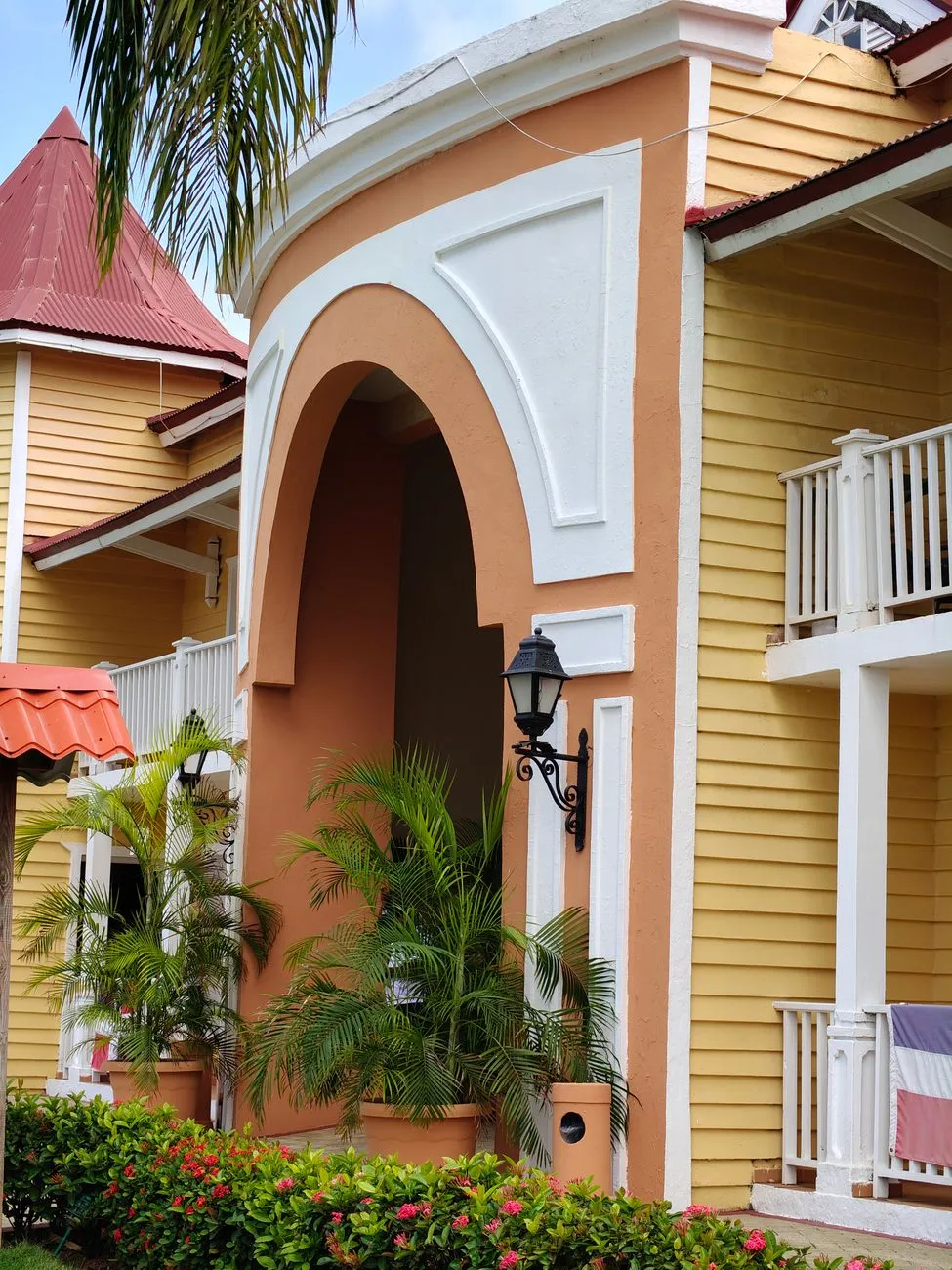
Antigua’s capital, St. John’s, is a living museum wrapped in turquoise waters and spice-scented breezes. Here, 365 beaches aren’t just a marketing slogan—they’re your backyard. But beyond the postcard-perfect shores lies a city where 17th-century forts whisper to modern-day nomads tapping away on laptops in open-air cafés. This guide isn’t just about where to work or eat; it’s about how to live well in a place where history, flavor, and affordability collide.The Real Cost of Living: What Your Nomad Visa Actually Buys You Digital nomad visas often lure travelers with headline income thresholds—$3,000/month in Antigua, for instance. But what matters isn’t the requirement; it’s the gap between that number and your actual expenses. Using Numbeo’s 2026 crowd-sourced data triangulated with Antigua-specific cost guides, we’ve mapped the real post-tax disposable income for a solo nomad in St. John’s.Expense Category Monthly Cost (USD) NotesRent (1-bed city center) $850–$1,200 Beachfront condos skew higher; inland apartments offer better valueUtilities (electricity, water, internet) $120–$180 Internet averages 50 Mbps; power cuts rare but surge protectors advisedGroceries $250–$350 Local markets (e.g., Public Market) cut costs by 40% vs. supermarketsDining Out $400–$600 Mid-range restaurants: $15–$25/meal; street food: $5–$10Coworking Space $150–$250 The Hive Antigua and Antiguan Creative Hub offer day passesTransport (local bus/taxi) $80–$120 Buses cost $1; taxis negotiate rates (e.g., airport to city: $25)Leisure (beach bars, tours) $150–$300 Catamaran trips: $80–$120; rum punch: $6–$8/glassTotal Estimated Monthly Cost $2,000–$2,900 Net Buffer: $1,100–$2,000The math is simple: With a $3,000/month income, a nomad in St. John’s retains 37–67% of earnings after essentials—far above the Caribbean average. But here’s the catch: seasonality. From December to April (peak tourism), rents spike 20–30%, and coworking spaces fill up. Budget-conscious nomads should arrive in May or October, when prices dip and the island’s rhythm slows to a relaxed pace.From Nelson’s Dockyard to Your Laptop: A History Buff’s Workspace St. John’s isn’t just a backdrop for Instagram; it’s a stage for 300 years of colonial drama. Your office could overlook Nelson’s Dockyard, a UNESCO site where British ships once repaired under the watch of Admiral Horatio Nelson. Today, the dockyard’s 18th-century naval buildings house boutique hotels and cafés with Wi-Fi strong enough for Zoom calls. Nearby, Shirley Heights offers sunset views where slave plantations once dominated—now a sunset party spot where history and hedonism collide. For deeper dives, the Museum of Antigua and Barbuda (entry: $5) traces the island’s Arawak roots to independence in 1981. Ask the curator about the 1674 Codrington slave code—a chilling document that shaped Antigua’s sugar economy. Or visit Betty’s Hope, a restored sugar plantation where you can work from a gazebo overlooking cane fields. Pro tip: Combine history with productivity by booking the Antigua History Tour (weekly, $30), which includes a guided walk through St. John’s with stops at the Catholic Cathedral (1853) and Government House (1674).Eat Like a Local: 5 Dishes That Define Antigua’s Culinary Soul Antigua’s food isn’t just jerk chicken and rum punch—it’s a fusion of African, British, and indigenous influences, shaped by the island’s brutal history. Here’s where to eat, what to order, and how to avoid tourist traps.Fungee and Pepperpot What it is: A cassava-based porridge (fungee) served with pepperpot—a slow-cooked meat stew in a spiced, molasses-like sauce. Where to try: Cecil’s High Point Restaurant ($12–$18). Order the "Saturday Special" for the most authentic version. History note: Pepperpot originated with the Arawak people, who preserved meat in cassareep (a bitter manioc syrup). British colonizers later added spices.Ducana What it is: Sweet potato dumplings steamed in banana leaves, often served with saltfish. Where to try: Local rum shops (e.g., Sheer Rock Bar). Ask for "ducana and saltfish"—a breakfast staple. Pro tip: The best ducana is slightly sticky, with a hint of coconut milk.Antiguan Black Pineapple What it is: A small, intensely sweet pineapple variety unique to the island. Where to try: Farmers’ markets (e.g., St. John’s Public Market). Buy whole ($2–$3) or try it in pineapple chow (diced pineapple with lime, salt, and pepper).Conch Fritters What it is: Deep-fried balls of conch meat, bell peppers, and spices. Where to try: The Dolphin Restaurant ($8–$12). Pair with a Wadadli beer (local lager). Sustainability note: Ask if the conch is locally sourced—overfishing is a growing concern.Rum Punch What it is: The national drink—rum, lime juice, sugar, nutmeg, and Angostura bitters. Where to try: Shepherd’s Restaurant ($6–$10). Their "Rum Punch 1-2-3" recipe is legendary: 1 part rum, 2 parts sweet, 3 parts sour, 4 parts strong.Beyond the Laptop: Adventures That Won’t Break the Bank St. John’s isn’t just for work—it’s a gateway to experiences that cost less than a coworking membership. Here’s how to explore without draining your buffer:Shirley Heights Sunset Party ($10 entry): Every Sunday, locals and nomads gather for rum-fueled dancing at a 18th-century military lookout. Bring cash—no ATMs nearby. Devil’s Bridge: A natural limestone arch where Atlantic waves crash 30 feet below. Free to visit; hire a local guide ($20) for geological insights. Cades Reef Snorkeling: Antigua’s best reef is 15 minutes from St. John’s. Rent gear ($15) or join a group tour ($40). Betty’s Hope Bike Tour ($25): Pedal through sugar cane fields to a 17th-century plantation. Stop for rum tastings at the on-site distillery. Local Rum Distilleries: Antigua Distillery (makers of Wadadli Rum) offers free tours. Buy a bottle ($25–$50) as a souvenir.For the budget-conscious, hitchhiking is safe on main roads, and local buses (bright blue vans) cost $1–$3 to any beach. The only caveat: Buses stop running by 6 PM, so plan accordingly.The Nomad’s Toolkit: Apps, Communities, and Unwritten Rules Surviving—and thriving—in St. John’s requires more than a passport. Here’s your digital nomad survival guide: Essential Apps:Numbeo: Real-time cost comparisons (e.g., $1.50 for a local beer vs. $8 in a tourist bar). Antigua Bus: Crowdsourced bus schedules (no official app exists). Meetup: Groups like "Antigua Digital Nomads" organize hikes and beach cleanups. WhatsApp: Locals use it for everything—taxi bookings, event invites, even grocery lists.Where to Work:The Hive Antigua: Fast Wi-Fi, $10/day passes, and a community of remote workers. Antiguan Creative Hub: Artistic vibe with standing desks ($8/hour). Beachfront Cafés: Café Mosa (English Harbour) or The Coffee Bean (St. John’s) offer ocean views for the price of a latte ($3.50).Unwritten Rules:Tipping: 10% in restaurants; optional in rum shops. Dress Code: Beachwear stays on the beach—cover up when entering towns. Bargaining: Accepted in markets but not in supermarkets. Safety: Petty theft is rare, but don’t leave laptops unattended in rental cars.Hidden Gems:The Fig Tree Drive: A scenic route lined with 100-year-old fig trees. Stop at Fig Tree Cottage for homemade sorrel (a hibiscus drink). Pigeon Point Beach: Less crowded than Dickenson Bay; locals swim here at sunset. Antigua Rainforest Canopy Tours: Zip-line through the jungle ($50)—book ahead.The Last Rum Punch: Why St. John’s Isn’t Just a Stopover Antigua’s capital is often dismissed as a transit hub for yachts and cruise ships. But for those who linger, St. John’s reveals itself as a place where history isn’t just studied—it’s lived. The same forts that once guarded against pirates now shelter freelancers from deadlines. The same markets that fed enslaved people now nourish digital nomads craving ducana. And the same beaches that lured British sailors now offer Wi-Fi strong enough for a Zoom call. The real magic? Affordability. While Barbados and the Bahamas price out most nomads, Antigua’s $3,000/month visa threshold leaves a $1,100–$2,000 buffer—enough for a villa rental, weekly catamaran trips, or a side hustle funding your next adventure. It’s not the cheapest Caribbean destination (that title goes to Dominica), but it’s the most balanced: history without the crowds, food without the pretension, and beaches without the resort fees. So, should you stay for a month or a year? If your goal is to work hard, play harder, and eat like a king without selling a kidney, St. John’s delivers. Just bring a surge protector, a reusable water bottle, and an appetite for pepperpot.#DigitalNomadLife #CaribbeanTravel #HistoricEats #RemoteWorkParadise #AntiguaAdventures Related InsightsFrom Ancient Ruins to Modern Feasts: A Deep Dive into Italy’s Timeless Travel and Culinary Secrets From Ancient Markets to Modern Tables: A Journey Through the World’s Most Treasured Culinary Landscapes Antigua and Barbuda Unveiled: A Digital Nomad’s Paradise of Turquoise Waters, Spice-Infused Cuisine, and Colonial Charm{ "@context": "https://schema.org", "@type": "FAQPage", "mainEntity": [ { "@type": "Question", "name": "What is the main focus of St. John’s, Antigua and Barbuda: Where Colonial Charm Meets Digital Nomad Paradise?", "acceptedAnswer": { "@type": "Answer", "text": "Discover how St. John’s in Antigua and Barbuda blends rich history, vibrant food culture, and affordability for digital nomads in 2026." } }, { "@type": "Question", "name": "Who authored the comprehensive guide on St. John’s, Antigua and Barbuda: Where Colonial Charm Meets Digital Nomad Paradise?", "acceptedAnswer": { "@type": "Answer", "text": "This detailed article and its insights were carefully researched and authored by Emre Yılmaz." } }, { "@type": "Question", "name": "Where can I find more related content about Travel/Food?", "acceptedAnswer": { "@type": "Answer", "text": "You can explore more articles, detailed reviews, and similar insights by browsing the Related Insights section at the bottom of this article or visiting our dedicated Travel/Food category page." } } ] }