Australia Unveiled: Where Sun-Kissed Shores Meet Ancient Souls and Modern Marvels
-
 John Explorer
 - 22 Aug, 2026 06:22
The land Down Under whispers secrets to those who dare to listen. Beneath its golden sun, where the Pacific Ocean crashes against ancient cliffs and the outback stretches into infinity, lies a continent that has lured explorers, dreamers, and wanderers for centuries. Australia isn’t just a destination—it’s a living museum of natural wonders, a playground for adventure, and a sanctuary for wildlife found nowhere else on Earth. From the neon-lit streets of Sydney to the silent majesty of Uluru, this is a country where every journey feels like stepping into a myth.
Yet, beyond the postcard-perfect images and viral travel reels, Australia’s tourism story is one of resilience, reinvention, and raw, unfiltered beauty. It’s a tale of how a nation built on rugged individualism transformed into a global tourism powerhouse, where the echoes of colonial pasts mingle with the footsteps of modern-day explorers. Here, the Great Barrier Reef pulses with life, the Tasmanian wilderness hums with untamed energy, and the outback’s red sands tell stories older than humanity itself.
This is not just another travel guide. This is a deep dive into the heart of Australia’s tourism—where history, economy, and adventure collide to create an experience unlike any other.
The Economic Pulse: How Tourism Powers Australia’s Future
Few countries understand the alchemy of turning natural splendor into economic gold quite like Australia. In the financial year 2018/19, tourism wasn’t just a sector—it was a lifeline. Contributing A$60.8 billion to the national economy, it ranked as Australia’s fourth-largest export, outpacing even some of its most lucrative industries. But what makes this figure staggering isn’t just the numbers; it’s the speed at which tourism grew. Over the past decade, the industry expanded faster than the national GDP, proving that Australia’s allure isn’t a fleeting trend but a permanent fixture in the global travel landscape.
By December 2019, the country welcomed 8.7 million international visitors, each one a testament to Australia’s magnetic pull. These travelers didn’t just fill hotel rooms—they fueled 666,000 jobs, with 1 in 21 Australian workers relying on tourism for their livelihood. Women made up 54% of the tourism workforce, and nearly half held full-time positions, painting a picture of an industry that’s as diverse as the landscapes it celebrates. Even more striking, tourism accounted for 8.2% of Australia’s total export earnings in 2018–19, a figure that underscores its role as a silent economic giant.
Yet, the story of Australia’s tourism economy isn’t just about dollars and cents. It’s about sustainability, innovation, and adaptability. The Tourism 2020 strategy, launched in 2003 and refined over the years, was a bold blueprint to future-proof the industry. It aimed to diversify Australia’s appeal, reduce seasonality, and ensure that tourism growth didn’t come at the cost of its natural and cultural heritage. The pandemic, of course, threw a wrench into these plans. Borders slammed shut, international travel plummeted, and domestic tourism became the unsung hero. But even in the darkest hours, Australians rediscovered their own backyard—exploring intrastate and interstate destinations with renewed vigor.
Today, as the world reopens, Australia stands at a crossroads. Will it revert to its pre-pandemic reliance on international visitors, or will it double down on domestic tourism, ensuring that every corner of the country—from the Kimberley’s rugged gorges to the Whitsunday Islands’ turquoise waters—benefits from the tourism dollar?
A Journey Through Time: How Australia’s Tourism Story Began
To understand Australia’s tourism today, you must first step into its past—a past where travel was less about leisure and more about survival. In the colonial era, Australians were a restless people. Unlike their European counterparts, who were often rooted in ancestral lands, Australians were nomads by necessity. The vast distances between settlements, the harshness of the outback, and the lure of new opportunities made mobility a way of life. Travel wasn’t a luxury; it was a means to trade, to find work, or to reunite with family across the sea.
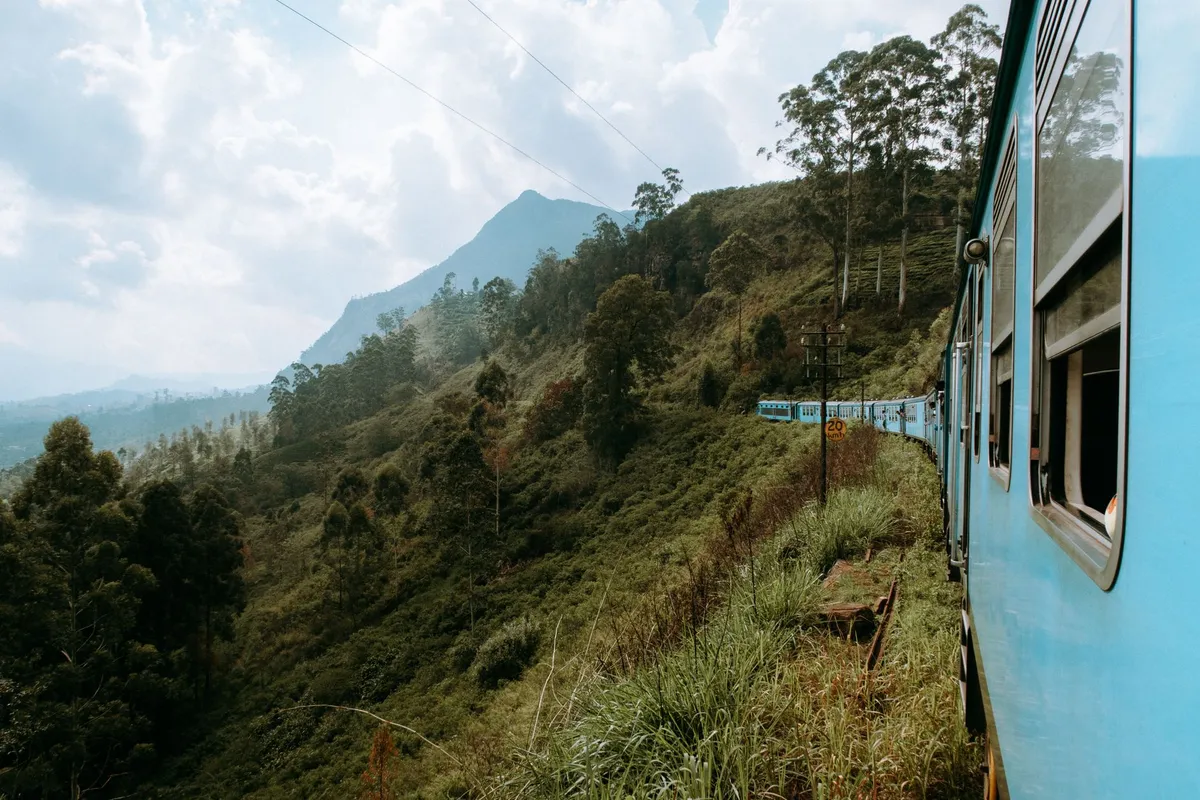
The earliest tourists weren’t leisure-seekers but adventurers and fortune-hunters. They braved long sea voyages, treacherous coach rides, and the unforgiving outback to chase wealth or escape hardship. The opening of new lands, the discovery of gold, and the establishment of rail networks gradually transformed travel from a necessity into an aspiration. By the late 19th century, the idea of a “holiday” began to take root. Australians flocked to resorts near major cities, like the Blue Mountains in New South Wales or the coastal retreats near Melbourne, where the railway made escape from the urban grind possible.
The real turning point, however, came with the advent of rail travel. State Government railway tourist bureaux became the unsung architects of Australia’s tourism boom, selling intrastate and even interstate travel to a public hungry for new experiences. These early promoters didn’t just sell train tickets—they sold dreams of adventure. Posters plastered across Britain and America depicted Australia as a land of golden beaches, towering gum trees, and endless horizons, while Walkabout magazine (launched in 1934) became the country’s first global travelogue, blending adventure with a touch of mystique.
The post-World War II era marked another seismic shift. Rising incomes, the rise of the automobile, and the Jet Age shrank the world, making international travel accessible to the masses. Australians, who had once traveled to Britain by ocean liner for as little as $78 in tourist class, now found themselves jet-setting to New Zealand or cruising the South Pacific. The Australian National Travel Association (ANTA) and later the Australian Tourist Commission spearheaded these efforts, using bold marketing campaigns to position Australia as the ultimate escape.
Yet, the most profound change was the democratization of domestic travel. The introduction of three weeks of paid annual holidays in New South Wales in 1958, followed by long-service leave, gave Australians the freedom to explore their own country. Suddenly, the outback wasn’t just a place for miners and explorers—it was a destination. National parks opened their gates, highways stretched into the wilderness, and resorts sprouted in once-isolated corners of the continent.
The Icons That Define Australia: From Sydney’s Skyline to the Reef’s Depths
Ask someone halfway across the world what they associate with Australia, and you’ll likely hear the same words: Sydney, the Great Barrier Reef, and kangaroos. These aren’t just landmarks; they’re cultural shorthand for a country that’s as diverse as it is vast. But beyond the clichés lies a deeper truth—Australia’s most famous attractions are more than just Instagram backdrops. They’re living ecosystems, historical tapestries, and economic engines that shape the nation’s identity.
Sydney: Where Urban Sophistication Meets Natural Drama
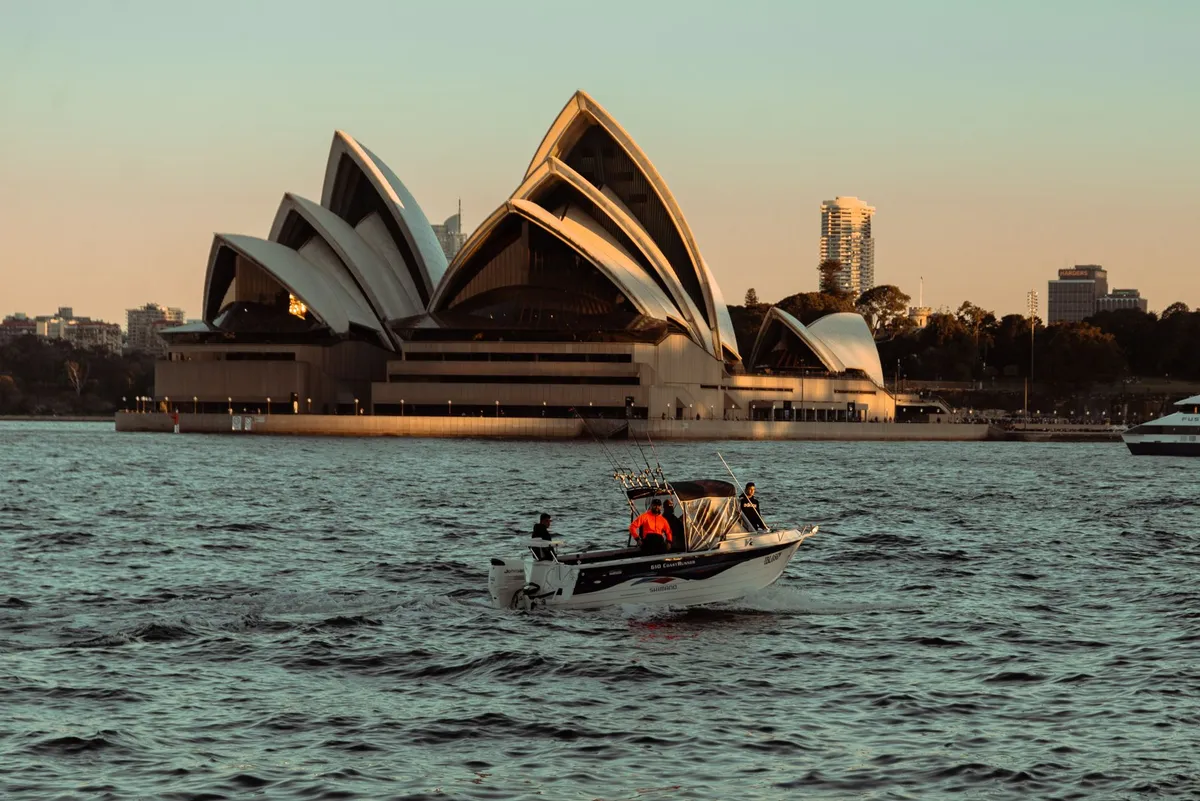
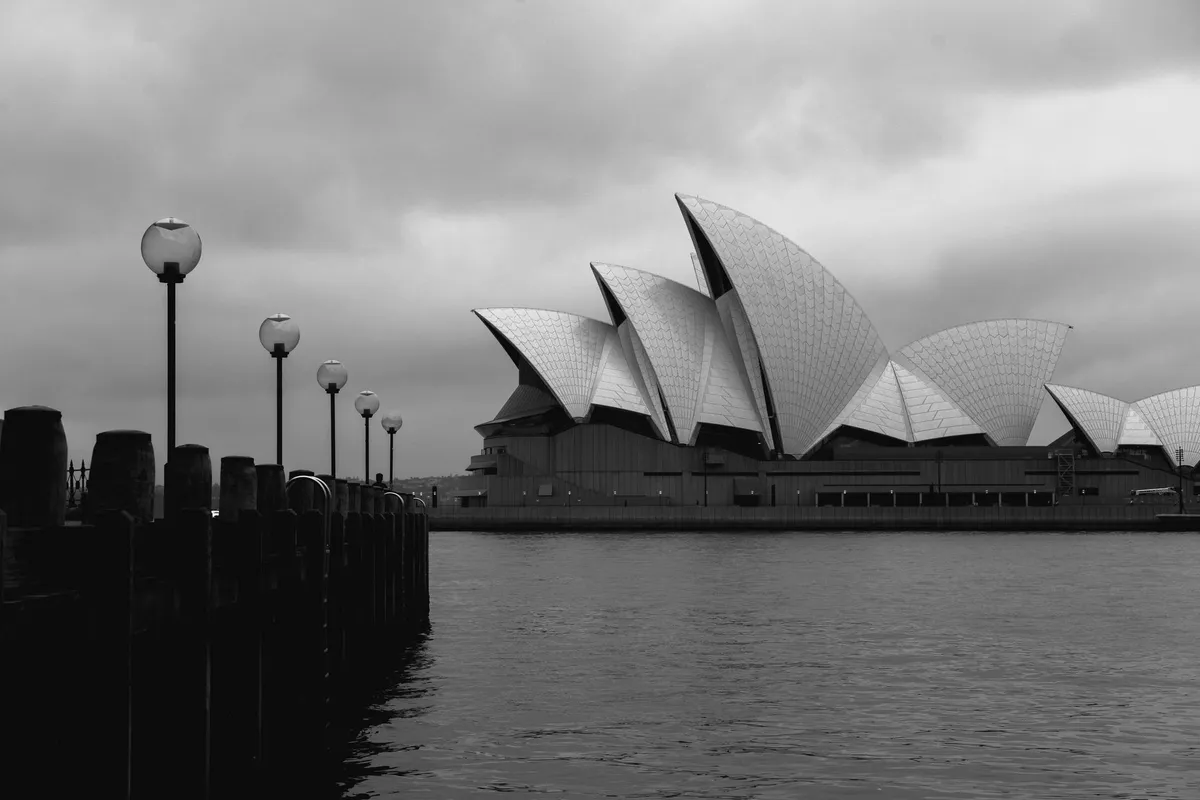
Few cities command a skyline quite like Sydney. The Sydney Opera House, with its sail-like curves, isn’t just an architectural marvel—it’s a symbol of Australia’s ambition. Designed by Jørn Utzon and completed in 1973 after a decade of controversy, it’s now a UNESCO World Heritage Site and the most photographed building in the country. But Sydney’s allure extends far beyond its opera house. The Harbour Bridge, affectionately dubbed the “Coathanger,” offers panoramic views of the city and the ocean beyond, while Bondi Beach pulses with a surf culture that’s as much about community as it is about sport.
Yet, Sydney’s real magic lies in its contrasts. A 30-minute drive from the CBD, the Royal National Park beckons with rugged cliffs and secluded beaches, while the Blue Mountains—just an hour’s train ride away—unfold in a labyrinth of eucalyptus forests and waterfalls. Here, the past and present collide: colonial-era railway stations stand alongside modern eco-lodges, and the echoes of Indigenous stories blend with the hum of a cosmopolitan city.
The Great Barrier Reef: A Living Wonder Under Siege
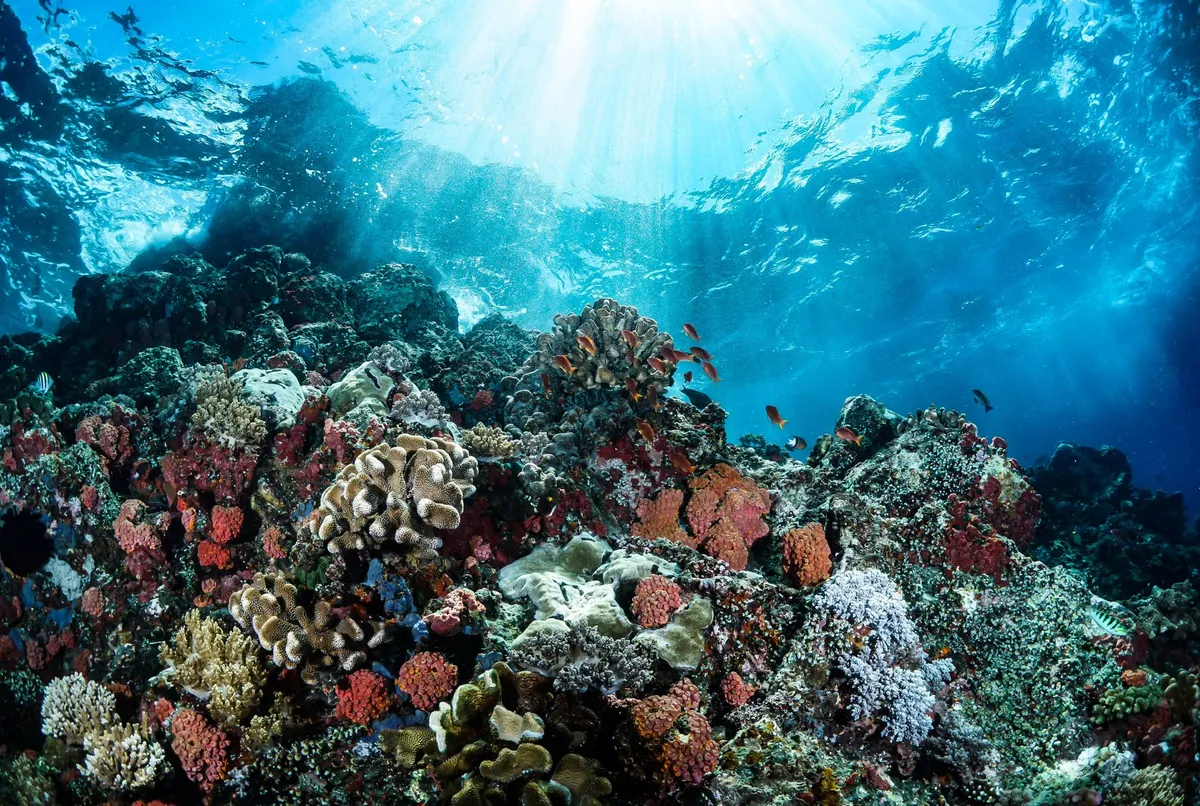
Stretching 2,300 kilometers along Queensland’s coast, the Great Barrier Reef is the world’s largest coral reef system—and one of its most fragile. Comprising over 2,900 individual reefs and 900 islands, it’s a biodiversity hotspot, home to 1,500 species of fish, 400 types of coral, and endangered creatures like the dugong and green sea turtle. For tourists, it’s a playground of snorkeling, diving, and glass-bottom boat tours, where the underwater world feels like another planet.
But the reef is also a battleground. Climate change, pollution, and coral bleaching have taken a devastating toll, with scientists warning that up to 50% of the reef’s coral has died in recent decades. Yet, amid the gloom, there’s hope. Conservation efforts, sustainable tourism initiatives, and scientific research are fighting to preserve this natural wonder. Visitors today can choose eco-certified tour operators, support reef restoration projects, or even participate in citizen science programs—turning their holiday into a force for good.
Uluru: The Heartbeat of the Outback
Few places on Earth command silence quite like Uluru. This sacred sandstone monolith, rising 348 meters from the desert floor, is more than a geological marvel—it’s a spiritual epicenter for the Anangu people, the traditional owners of the land. For visitors, the experience is as much about cultural immersion as it is about adventure. The sunset viewing area offers a spectacle of shifting colors, while guided walks reveal the rock’s ancient stories, etched into its surface over 60,000 years.
Uluru isn’t just a destination; it’s a pilgrimage. In 2019, the Australian government banned climbing the rock, a decision that honored Indigenous beliefs and marked a shift toward ethical tourism. Today, visitors are encouraged to explore the Kata Tjuta (The Olgas) nearby, a series of domed rock formations that feel like the ruins of a lost civilization.
#AustraliaTravel #GreatBarrierReef #UluruAdventure #TasmanianWilderness #HiddenGemsAustralia