The White Silence Beckons: A Century of Chasing the Antarctic Dream
-
 John Explorer
 - 17 Sep, 2026 20:45
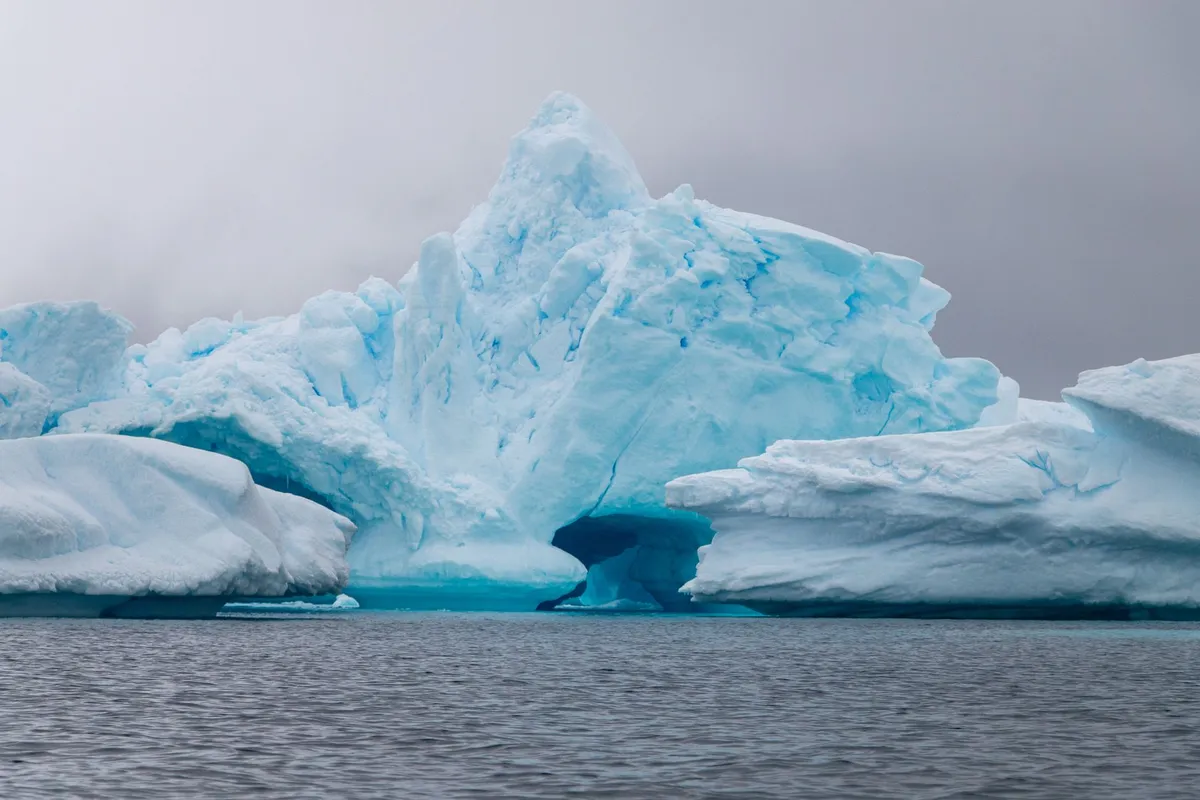
The wind off the Drake Passage doesn’t howl; it screams. It strips the heat from your face and reminds you, with every gust, that you are a guest in a domain that does not negotiate. There is no indigenous population here to welcome you, no ancient cities to explore, no souvenir stalls hawking trinkets. There is only ice—compressed, ancient, blindingly white—and the profound, terrifying silence of a continent that has kept its secrets for millennia. Yet, humanity has been chasing this silence for over a century, evolving from whalers and mail-runners into the modern pilgrims who now number over a hundred thousand a year. This is the story of how we turned the last frontier into a destination, and the fragile price of that access.
The Mail Ship and the Pioneer: Birth of an Industry
Long before the sleek, ice-strengthened hulls of today’s expedition fleet carved paths through the Bransfield Strait, there was the SS Fleurus. In the 1920s, this Falkland Islands mail ship plied a lonely route to the South Shetland and South Orkney Islands, servicing the grim, oil-stained whaling and sealing stations that dotted the rocky shores. It wasn’t built for leisure. But somewhere in the ledgers, a few entries read “tourist tickets”—round-trip passages sold to the curious and the wealthy. These were the very first commercial tourists to Antarctica, accidental pioneers watching the rendering plants boil blubber on Deception Island, unaware they were writing the opening lines of a massive industry.
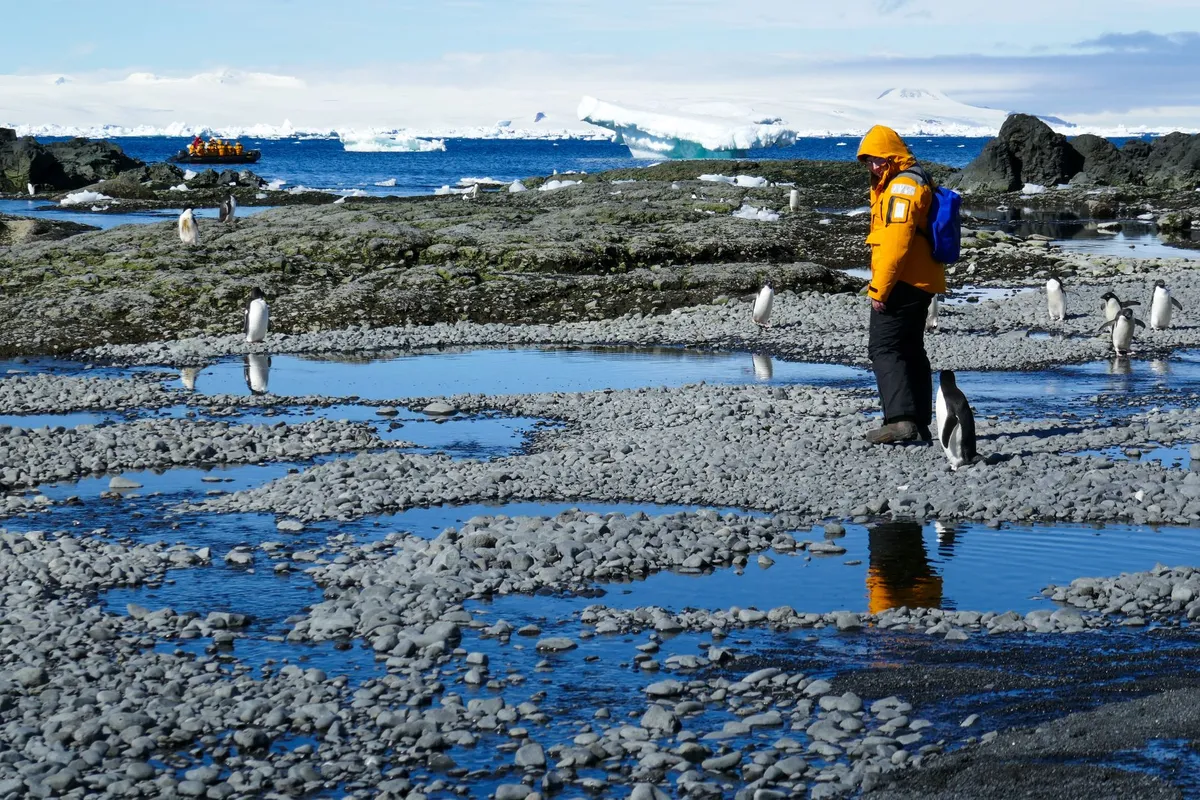
The real shift came decades later, fueled by diplomacy. The 1959 Antarctic Treaty froze territorial claims and dedicated the continent to peace and science. It inadvertently opened the door. By the 1960s, sea tourism began tentatively. Then, in 1969, a visionary named Lars-Eric Lindblad changed everything. He launched the MS Lindblad Explorer, the world’s first purpose-built expedition liner. It wasn’t a cruise ship; it was a tool for discovery. Lindblad didn’t just sell a ticket; he sold the landing. He introduced the Zodiac (RIB) to polar travel, allowing passengers to step from a rolling sea onto a pebble beach surrounded by penguins. That moment—boots on the ground—defined the modern Antarctic experience.
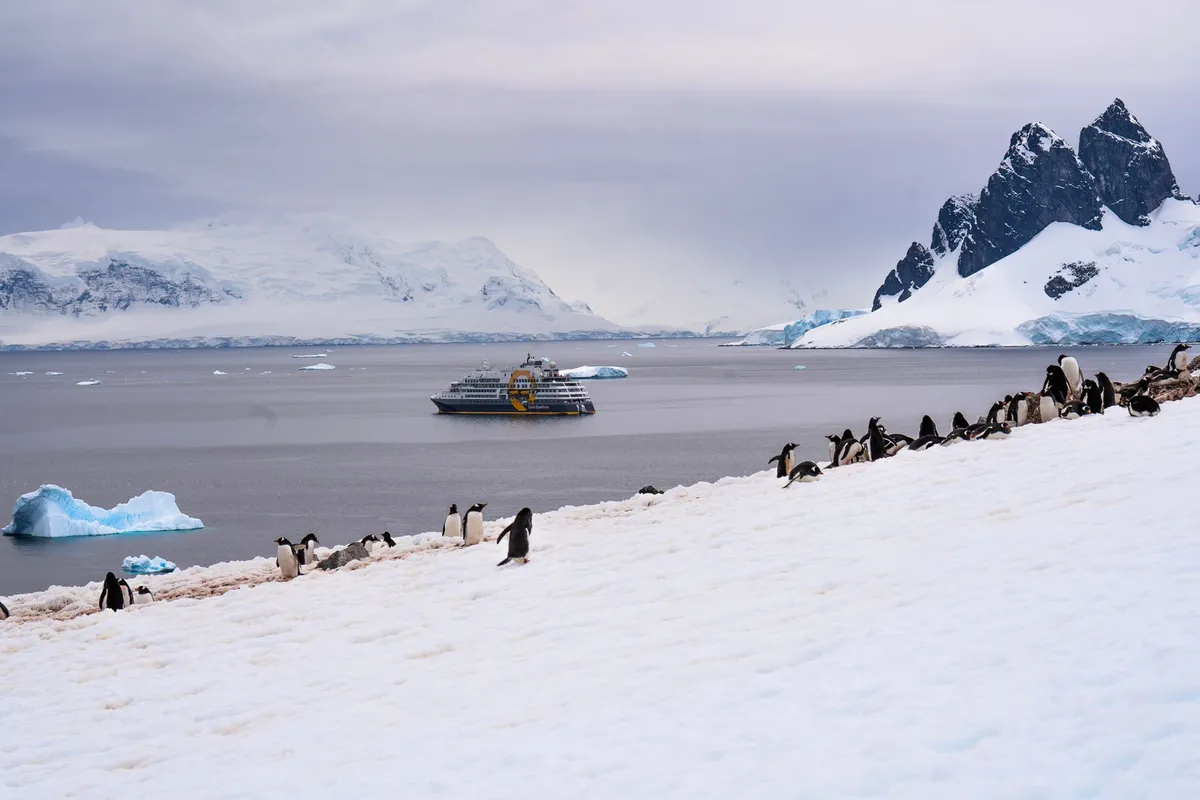
The Modern Armada: Ushuaia, the Polar Code, and the 124,000
Today, the gateway is Ushuaia, Argentina—the “End of the World.” From this windswept port, the modern armada departs. The journey across the Drake Passage remains the rite of passage; the “Drake Shake” or “Drake Lake” separates the committed from the curious. Voyages span 10 days to three weeks, with price tags starting around US$6,000 for shared cabins, climbing steeply for suites on luxury ice-breakers.
The fleet has ballooned. By 2025, annual cruise visitors hit 124,000, a staggering leap from the 14,762 recorded in the 1999–2000 season and the 37,000 of 2009–2010. Most cluster along the Antarctic Peninsula—the “Banana Belt” where summer temperatures occasionally kiss freezing. But the rules of the road have hardened alongside the growth.
- The Permit Maze: No country owns Antarctica, so no visas exist. Instead, signatories to the Antarctic Treaty issue permits. An Australian traveler, for example, needs an Environmental Impact Assessment (EIA) approved by the Australian Antarctic Division under the Antarctic Treaty (Environment Protection) Act 1980.
- The Landing Limits: Ships carrying over 500 passengers cannot land anyone. Those that do land are restricted to 100 people ashore at a time.
- The Heavy Fuel Ban: In 2009, regulations halted large cruise vessels (some carrying 950+ souls) from operating in Antarctic waters due to their heavy fuel oils—a watershed moment for environmental protection.
- The Polar Code: The IMO’s International Code for Ships Operating in Polar Waters now mandates a Polar Ship Certificate, ensuring hull strength and survival gear match the latitude.
Overseeing this self-regulation is IAATO (International Association of Antarctic Tour Operators). Their members carry the vast majority of visitors, releasing yearly statistics and championing the “leave no trace” ethos. Yet, as of May 2026, their primary concern has shifted from fuel to biology: the spread of avian influenza (H5N1), a microscopic threat hitching a ride on boots and gear, threatening the dense penguin colonies that define the peninsula.
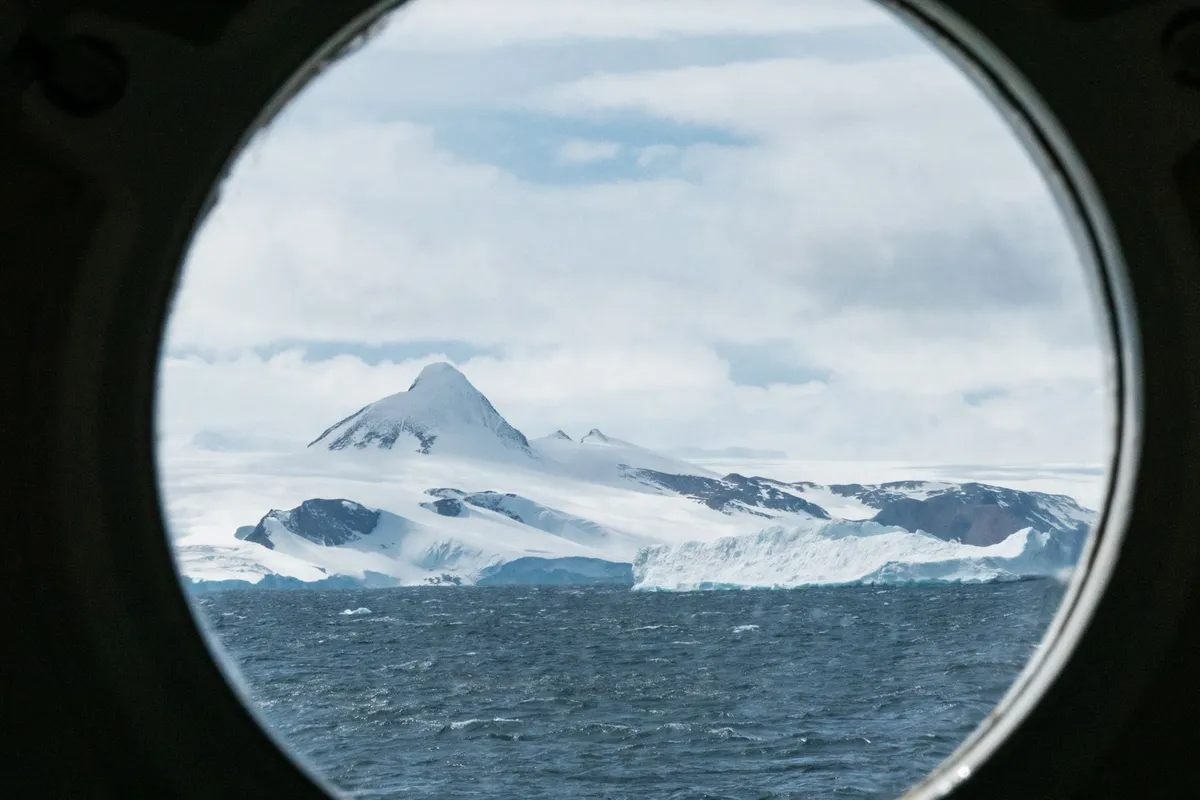
Wings Over the White: Triumph, Tragedy, and the Dreamliner
While ships crawl, wings once flew. The history of scenic flights is a saga of soaring ambition clipped by catastrophe.
It began in February 1977. Air New Zealand launched DC-10s from Auckland, flying 12-hour round trips over Ross Island and McMurdo Sound, often with legends like Sir Edmund Hillary narrating the geography. Qantas followed days later from Sydney, Melbourne, and Perth, flying 747-200Bs over George V Land, Adélie Land, the South Magnetic Pole, and Oates Land. By 1979, Qantas had flown 27 flights, carrying over 7,000 passengers. They didn’t land; they just witnessed the scale—a continent larger than the US and Mexico combined, unfolding wingtip to wingtip.
Then came November 28, 1979. Air New Zealand Flight TE901. A route planning error, a whiteout, and Mount Erebus. 257 lives lost. The world’s most beautiful flight path became a graveyard. Air New Zealand never returned. Qantas paused for 15 years.
But the pull of the ice is persistent. Qantas resumed in 1994 and flies today. The metal has changed—747-400s and now Boeing 787 Dreamliners from Brisbane (a 14.5-hour odyssey). The prices range from $1,000 to $8,000 for a window seat to nowhere and everywhere. There were even earlier Chilean overflights in 1958, ghost flights largely forgotten. Today, Qantas and Antarctica Flights offer the only way to see the Transantarctic Mountains and the Polar Plateau without seasickness, a high-altitude perspective that ships can never provide.
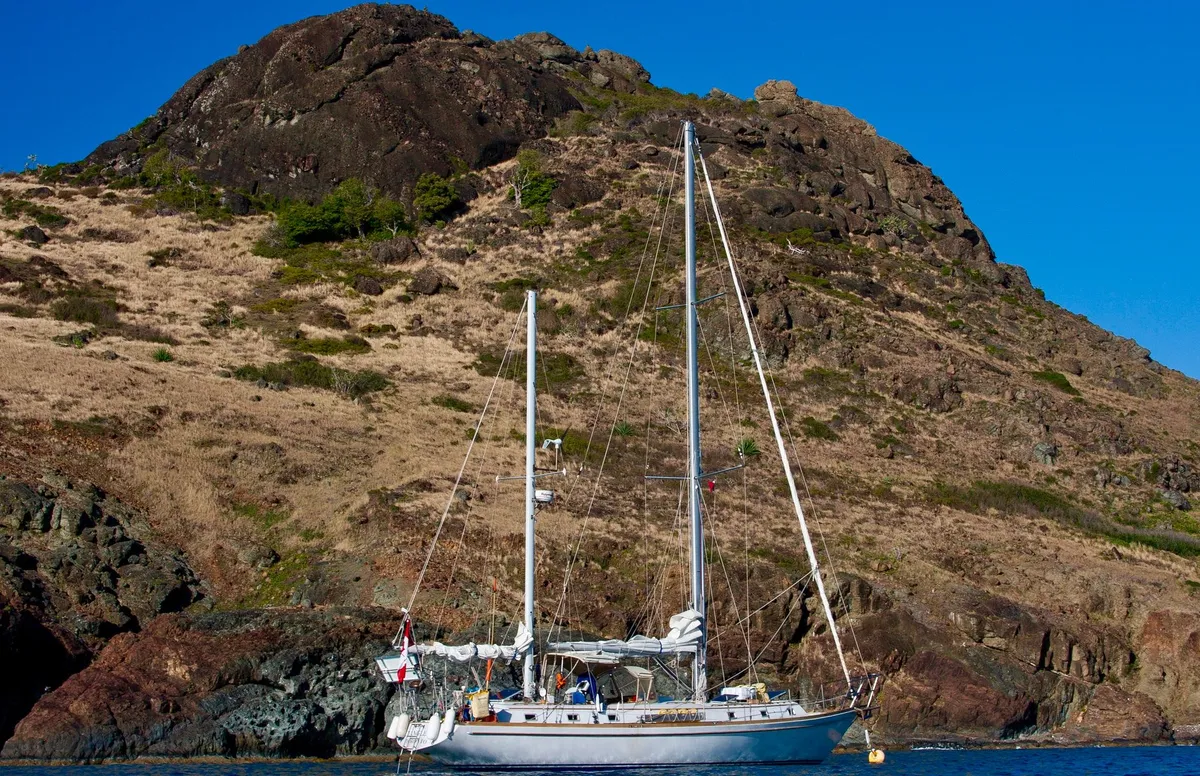
The Banana Belt Yachts: Intimacy on the Edge
For those who find even 200-passenger ships too crowded, there is the yachting fringe. Since the late 1960s, private vessels have slipped south. David Henry Lewis famously circumnavigated the continent in 1972, a feat of seamanship that reads like fiction. Today, roughly 30 yachts a year nose into the Peninsula’s hidden coves.
They leave from Tierra del Fuego, Ushuaia, or Stanley (Falklands) for four-to-six-week voyages. These are not floating hotels; they are walnut shells in a storm. But the reward is solitude. Only smaller vessels are permitted to land their crew. Imagine anchoring in a silent bay, the only sounds the creak of rigging and the blows of humpbacks, skiing a pristine slope where no ship’s wake has ever reached. It is the rawest, most authentic thread of Antarctic tourism, unchanged in spirit since Lewis.
Boots on the Ground: Camping, Skiing, and the Pole
The ship or the yacht is merely the vehicle. The destination is the landing. Modern itineraries read like adventure menus: camping on the ice under the midnight sun (or the aurora), cross-country skiing across glaciers, mountaineering unclimbed peaks, or the ultimate bucket-list item—a flight to the Geographic South Pole.
These land activities have exploded in popularity, driving the recent surge in numbers. But every footfall requires paperwork. The Antarctic Treaty demands permits. Operators must prove they can manage waste, prevent non-native species introduction (boot washing is ritualistic), and conduct emergency evacuations in a place where the nearest hospital is days away. You don’t just visit Antarctica; you negotiate entry with the environment itself.
The Ross Sea and the Far Side: The Other Antarctica
Most tourists never see the other half of the continent. The Ross Sea and East Antarctica (Commonwealth Bay)—the realm of Scott, Shackleton, and Mawson—are a different world. Accessible only from New Zealand (specifically Heritage Expeditions on the ice-strengthened Heritage Adventurer), these voyages are longer, colder, and vastly more expensive. Here lie the historic huts, frozen in time, where penguins nest under the bunks of the Terra Nova expedition. It is tourism as pilgrimage, a journey to the shrines of the Heroic Age, far from the Peninsula’s relative bustle.
The Carbon Shadow and the Viral Risk
The data tells a clear story: growth is exponential. From the SS Fleurus’ handful of passengers to 124,000 souls a year. Recent academic research flags decarbonisation as the urgent governance priority. Every ship burns fuel; every Dreamliner burns Jet A-1. The carbon footprint of a single Antarctic trip dwarfs the annual emissions of many global citizens.
Simultaneously, researchers warn of a new, strange danger: social media emulation. Tourists filming risky stunts—approaching wildlife too closely, sliding down unstable cornices, ignoring guide boundaries—for likes and views. In a place where a sprained ankle becomes a life-threatening evacuation, viral trends are a lethal export.
The Fragile Contract
Standing on a beach at Neko Harbour, watching a Gentoo penguin steal a pebble from its neighbor, the silence returns. It is broken only by the crack-thunder of a calving glacier—a sound that vibrates in your chest. We are here because the Treaty allowed it, because Lindblad invented the way, because Qantas and Air New Zealand dared the skies, and because 30 yachts a year still brave the Roaring Forties.
But the contract is fraying. Avian flu creeps south on the wind and our boots. The ice shelves thin. The carbon we burn to witness the melting accelerates the melt. The “Banana Belt” is warming faster than almost anywhere on Earth.
Antarctic tourism is no longer an experiment; it is a massive, regulated, high-stakes industry. It brings witnesses—ambassadors for the ice, arguably. But every ambassador leaves a footprint. The challenge for the next decade isn’t just managing numbers or cleaning fuel. It is deciding if we can love this place enough to change how we reach it, before the silence is broken for good.
#Ant