Ful Medames: The Ancient Fava Bean Breakfast
-
 Tariq Al-Fayed
 - 12 Jun, 2026 00:54
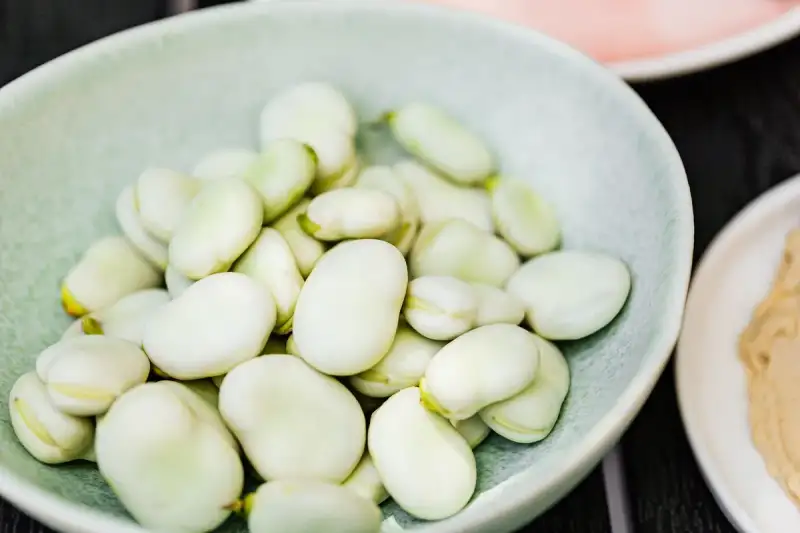
Ful Medames, the centuries-old fava bean dish, stands as a testament to the rich culinary heritage of the Mediterranean. This traditional breakfast staple, born from the humble fava bean, has traversed time and borders, weaving itself into the fabric of cultures across the region. Its origins lost in the mists of history, Ful Medames has evolved, adapting to the tastes and traditions of the people who have embraced it, from the sun-kissed fields of Egypt to the bustling streets of Lebanon.
Introduction to Ful Medames
Ful Medames is more than just a meal; it is an experience. The name itself, “Ful Medames,” reflects its Egyptian roots, where “ful” refers to the fava beans and “medames” means “buried,” alluding to the traditional method of cooking the beans in a pot buried in hot coals or sand. This ancient method allows for a slow, overnight cooking process, resulting in tender, flavorful beans that are then served with a variety of toppings.

The dish is a symphony of textures and flavors, combining the creamy richness of fava beans with the tang of lemon juice, the depth of garlic, and the freshness of parsley. It’s a meal that invites community, often served in large bowls from which everyone eats, fostering a sense of togetherness and sharing.
The Cultural Significance of Ful Medames
Ful Medames holds a special place in the hearts and stomachs of people across the Mediterranean. It’s a dish that transcends borders, with variations found in Egyptian, Palestinian, Syrian, and Lebanese cuisines, among others. In Egypt, it’s a national dish, often served at almost every meal, from casual breakfasts to more formal gatherings. The simplicity and nourishment it provides make it a staple for both the rich and the poor, bridging social divides.
The cultural significance of Ful Medames is also reflected in its role during Ramadan, the Islamic holy month of fasting. After a long day of fasting, Ful Medames is often one of the first foods eaten at iftar, the meal that breaks the fast, providing necessary sustenance and energy.
The History of Ful Medames
The history of Ful Medames is as ancient as the fava bean itself, which has been cultivated for over 10,000 years. The use of fava beans in dishes dates back to the time of the pharaohs in Egypt, where they were considered a staple food due to their nutritional value and ease of cultivation.
Over time, as civilizations rose and fell, and as trade and migration brought different cultures into contact with one another, the recipe for Ful Medames evolved. The addition of garlic, lemon juice, and olive oil, for example, reflects the influence of Mediterranean cuisine on the dish.
Preparing Ful Medames
Preparing Ful Medames is an art that requires patience and a bit of tradition. The process begins with soaking dried fava beans overnight, then boiling them until they are tender. The beans are then mashed and mixed with garlic, lemon juice, and olive oil, creating a creamy, flavorful paste.
Traditional Recipe
- 1 cup dried fava beans, soaked overnight and drained
- 4 cloves garlic, minced
- 2 tablespoons lemon juice
- 1/4 cup olive oil
- Salt and pepper, to taste
- Chopped parsley or cilantro, for garnish
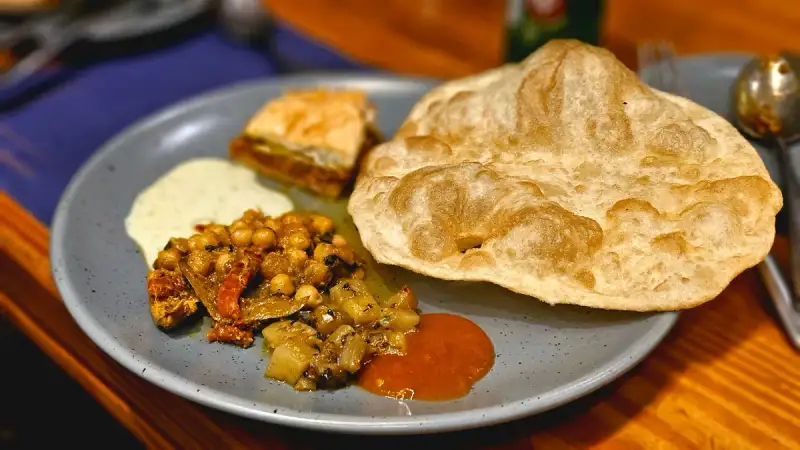
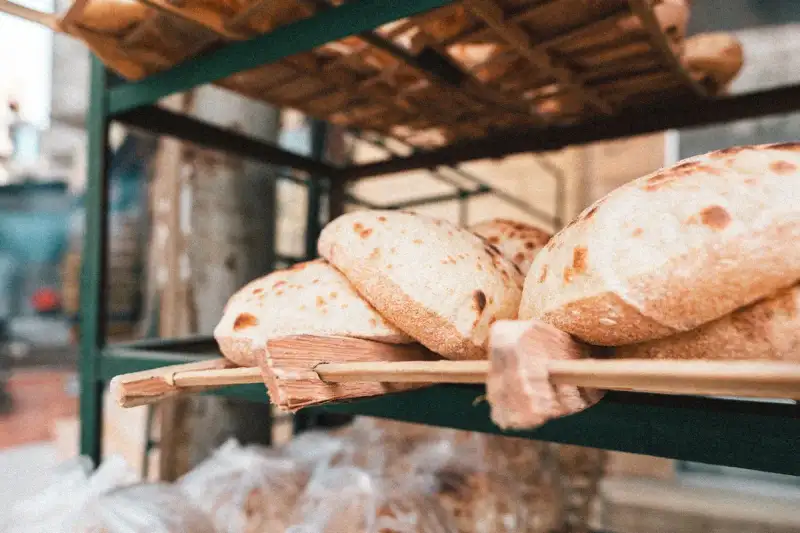
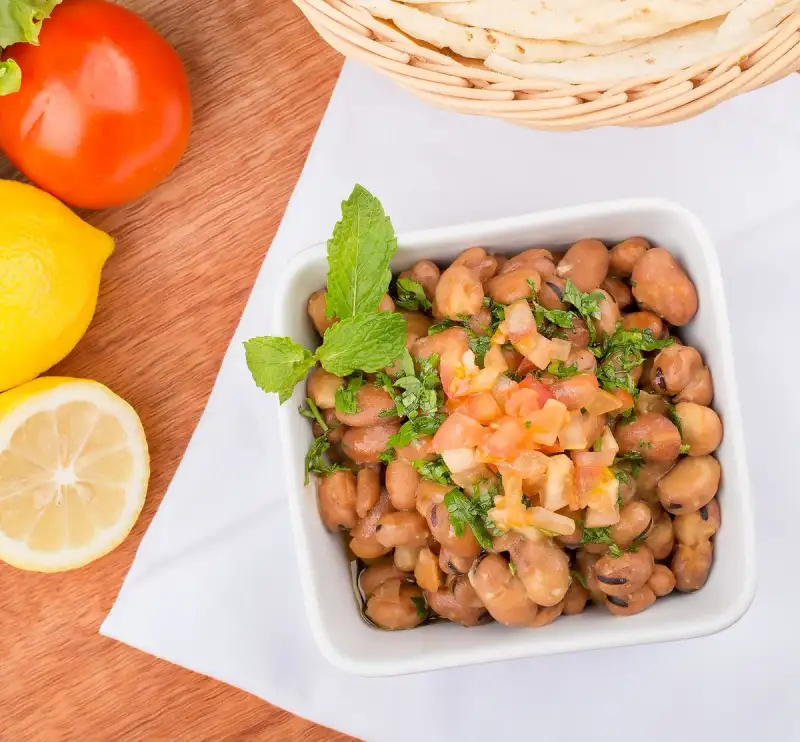
Combine the cooked fava beans, garlic, lemon juice, and olive oil in a bowl. Season with salt and pepper to taste. Serve warm, garnished with parsley or cilantro, and accompanied by pita bread or vegetables.
Conclusion
Ful Medames is more than a dish; it’s a bridge between past and present, a symbol of community and sharing, and a testament to the enduring power of food to bring people together. Whether enjoyed in a bustling street food market in Cairo or prepared in the comfort of one’s own home, Ful Medames offers a taste of tradition, history, and warmth.
As we delve into the world of Ful Medames, we not only explore a culinary delight but also uncover the stories, traditions, and people behind this ancient fava bean breakfast. It’s an invitation to experience the richness of Mediterranean culture, one bowl at a time.
#FulMedames #MediterraneanCuisine #FavaBeanRecipe #TraditionalBreakfast #FoodHistory #CulturalHeritage #MediterraneanDiet #StreetFoodDelights