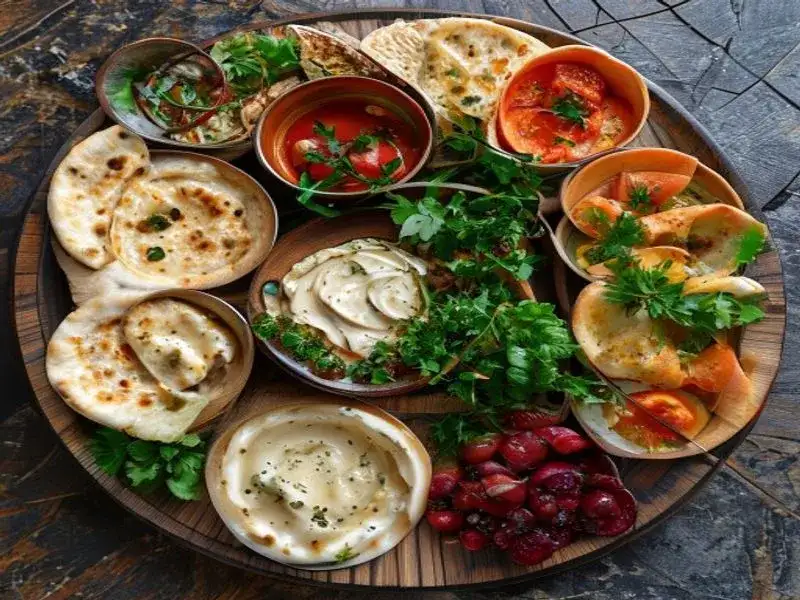
Meze: The Heart of Turkish Tables
In Turkish culinary tradition, dining is rarely just about sustenance; it is an elaborate social event built around conversation, connection, and sharing. At the very center of this communal dining #culture is the meze—a sprawling, colorful array of small dishes designed not to satiate, but to tantalize the palate and stimulate dialogue. The word meze itself derives from the Persian word maza, meaning “to taste” or “to relish.”
A Symphony of Small Plates
A true meze spread is a balancing act of temperatures, textures, and flavor profiles—tart, savory, spicy, and herbaceous. A typical table at a meyhane (a traditional Turkish tavern) will be instantly populated with a dozen or more cold meze dishes.
Essential staples include haydari, a thick, strained yogurt aggressively seasoned with garlic, dill, and dried mint; acılı ezme, a fiery, finely chopped salsa of tomatoes, onions, hot peppers, and pomegranate molasses; and fava, a dense, savory puree of broad beans topped with dill and olive oil. Seafood also plays a heavy role, particularly along the Aegean and Mediterranean coasts, with dishes like marinated sea bass, grilled octopus, and the ubiquitous midye dolma (stuffed mussels).
The Warm Meze Transition
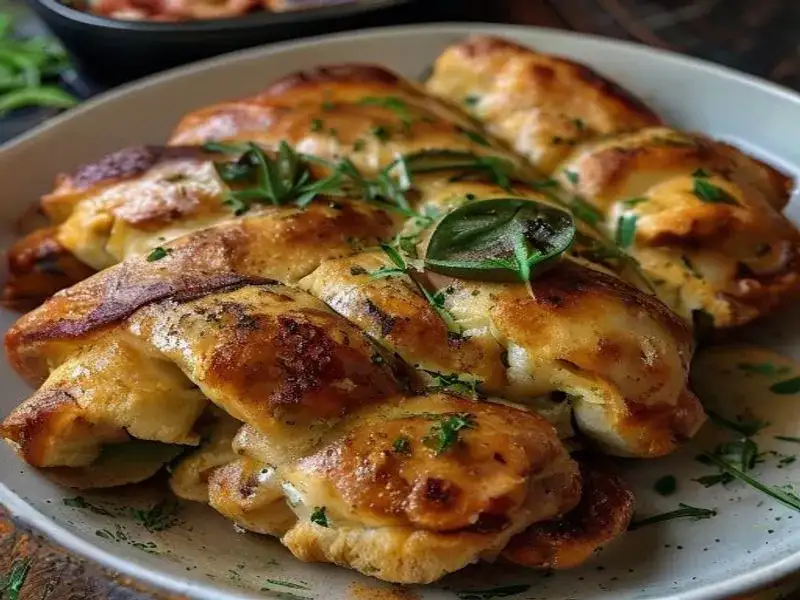
As the evening progresses and the cold dishes are slowly diminished with torn pieces of warm pita or crusty bread, the warm mezes (ara sıcaklar) make their appearance. These often include sizzling copper pans of karides güveç (shrimp baked in butter, garlic, and tomato), crispy kalamar (fried calamari), and the beloved sigara böreği—flaky pastry rolls stuffed with melting feta cheese and parsley.
The Rakı Connection
It is impossible to discuss the meze culture without mentioning its steadfast companion: rakı. Known colloquially as “Lion’s Milk,” this potent, anise-flavored spirit is the traditional beverage of the meyhane. When mixed with water and ice, rakı turns a cloudy white. Its intense licorice flavor cuts perfectly through the rich olive oils, sharp garlic, and spicy peppers of the meze spread.
Meze is not a starter course intended to precede a main meal; often, the meze is the meal. It is a culinary philosophy that champions taking one’s time, savoring diverse flavors, and valuing the company around the table as much as the food upon it.
#Meze #TurkishTapas #Meyhane #Raki #Haydari #AegeanFood #CulinaryCulture #SharedMeals #TurkishCuisine #Gastronomy
#turkishfood #recipe #mezetheheartofturkishtables #anatoliancuisine #demirsef #delicious #food