Hearty Shepherd’s Pie
-
 Michael Chef
 - 15 Jun, 2026 07:33
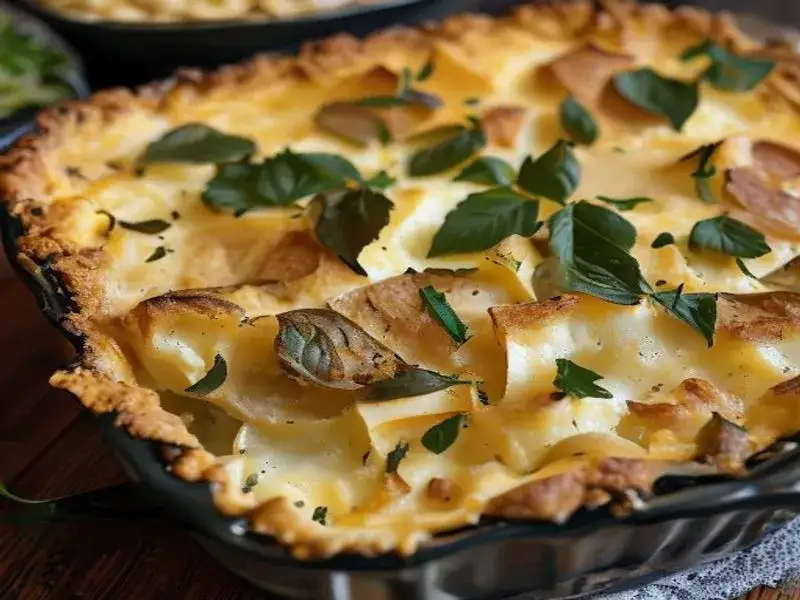
The Working Class Wonder: Hearty Shepherd’s Pie
When the winter winds howl across the British Isles, there is no dish more comforting than a bubbling, golden-crusted Shepherd’s Pie. Rooted deeply in the peasant traditions of the United Kingdom and Ireland, this savory meat pie is a masterclass in thrift and flavor. It is a dish that transformed leftovers into a culinary triumph, earning its place as a cornerstone of British comfort food.
Cottage vs. Shepherd’s: The Great Divide
The terminology surrounding this dish is frequently misused, even by seasoned chefs. The concept of the “meat pie” baked under a crust of mashed potatoes originated in the late 18th and early 19th centuries, following the widespread cultivation of the potato in Europe. Originally, this catch-all dish was referred to exclusively as “Cottage Pie.” The term was coined in 1791 when the potato was introduced as an edible, affordable crop for the poor, who predominantly lived in rural cottages.
It wasn’t until the mid-19th century, around the 1850s, that the term “Shepherd’s Pie” was introduced. The distinction is entirely based on the meat used. A true Shepherd’s Pie must be made with minced or diced lamb or mutton—a logical naming convention given that shepherds tend to sheep. If the dish is made with beef, it remains a Cottage Pie. Despite this clear culinary law, the terms are often incorrectly used interchangeably in modern gastropubs.
Anatomy of a Classic
The traditional Shepherd’s Pie is an exercise in layered perfection. The base consists of ground or leftover roasted lamb, slowly simmered in a rich gravy made from lamb stock, onions, carrots, and celery. A dash of Worcestershire sauce is practically mandatory, providing a tangy, umami depth that cuts through the richness of the meat. Historically, the dish was an ingenious way to stretch the Sunday roast meat throughout the week, ensuring no food went to waste.
The crowning glory of the pie is its potato crust. Fluffy mashed potatoes, enriched with butter and sometimes a splash of milk or cream, are piped or spread thickly over the meat filling. Before baking, the potatoes are heavily scored with a fork; these ridges catch the heat of the oven, creating a brilliantly crispy, caramelized top layer that contrasts with the tender meat below.
Regional Variations and Legacy
While the classic recipe remains relatively untouched, regional variations exist. In Ireland, a layer of creamed sweetcorn might be added, or the potatoes mashed with cabbage (Colcannon). A modern “Cumberland Pie” takes the concept further by topping the potato crust with a generous handful of sharp cheddar cheese and toasted breadcrumbs. Regardless of the iteration, Shepherd’s Pie remains an unpretentious, soul-warming testament to British resourcefulness.
#ShepherdsPie #BritishFood #ComfortFood #CulinaryHistory #LambRecipe #BritishCuisine #TraditionalFood
#britishfood #michaelchef #recipe #ukcuisine