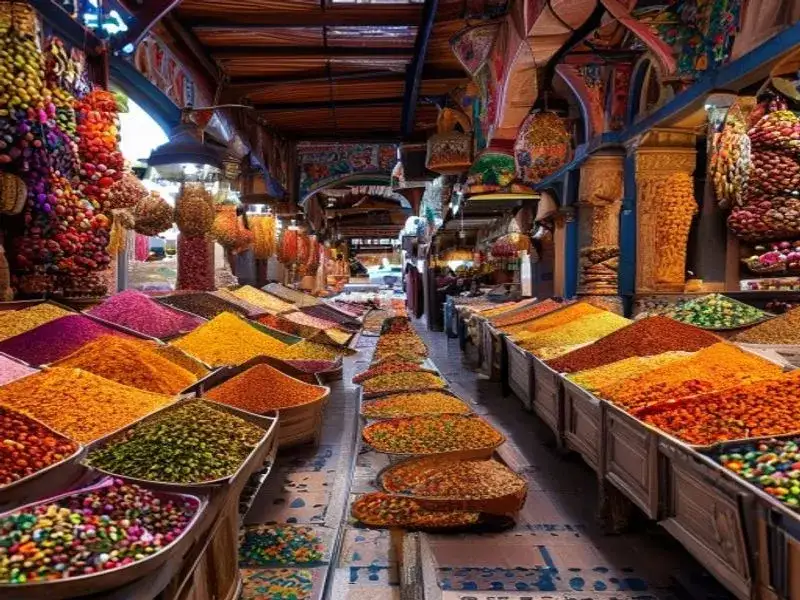
Southeastern Spices and Flavors
When exploring the vast landscape of Turkish gastronomy, one region stands unparalleled in its complexity, heat, and depth of flavor: Southeastern Anatolia. Cities like Gaziantep, Şanlıurfa, Hatay, and Diyarbakır form the fiery heart of the country’s culinary identity. Situated near the borders of Syria and Iraq, this region sits directly on #ancient trade routes, including the Silk Road. Consequently, its cuisine is a rich mosaic woven from Turkish, Kurdish, Arab, and Armenian influences, characterized by an unapologetic and masterful use of spices.
The Holy Trinity of Southeastern Spice
At the core of Southeastern cooking lies a trinity of fundamental flavoring agents that distinguish it from the milder, olive oil-driven food of the Aegean coast.
First is Isot pepper (Urfa Biber). This dark, purplish-black chili flake from Şanlıurfa undergoes a unique process of sun-drying and nocturnal “sweating” wrapped in fabric. The result is a profoundly complex spice with a smoky, raisin-like sweetness and a slow-building, earthy heat. It is essential in dishes like çiğ köfte (spiced raw meat or bulgur kneaded for hours).
Second is Pul Biber (Aleppo Pepper). Bright red, slightly oily, and moderately spicy, this pepper flake brings a fruity, tangy heat. It is a staple on restaurant tables, generously sprinkled over everything from thick lentil soups to sizzling kebabs.
Third is Nar Ekşisi (Pomegranate Molasses). While not a dry spice, this thick, dark, syrupy reduction of tart pomegranate juice is crucial. It provides a sharp, acidic counterpoint to the rich, fatty lamb dishes of the region, replacing the lemon or vinegar used in western Turkish cooking. It is the secret ingredient in the famous gavurdağı salad, a finely chopped tomato and walnut mixture that bursts with tangy, nutty flavors.
The Mastery of Meat and Bulgur
The Southeast is unequivocally a meat-lover’s paradise, specifically celebrating lamb and mutton. The spices are used not to mask the meat, but to elevate it. The famous Alinazik kebab pairs smoky, spiced minced lamb with an eggplant and garlic yogurt puree, while lahmacun from Gaziantep boasts a garlicky, heavily spiced meat paste atop a paper-thin dough.
Equally important to the meat is bulgur (cracked wheat), which absorbs the region’s intense spices beautifully. Whether formed into stuffed içli köfte (kibbeh) or served as a deeply savory, tomato-infused pilaf, bulgur is the canvas upon which the spices of the Southeast paint their masterpieces. To taste the food of this region is to taste centuries of #history, trade, and agricultural brilliance.
#SoutheasternAnatolia #TurkishSpices #UrfaBiber #Isot #PomegranateMolasses #GaziantepCuisine #HatayFood #SilkRoadFlavors #CulinaryJourney #SpiceRoute
#turkishfood #recipe #southeasternspicesandflavors #anatoliancuisine #demirsef #delicious #food