Perfect Scones for Afternoon Tea
-
 Michael Chef
 - 19 Jun, 2026 01:15
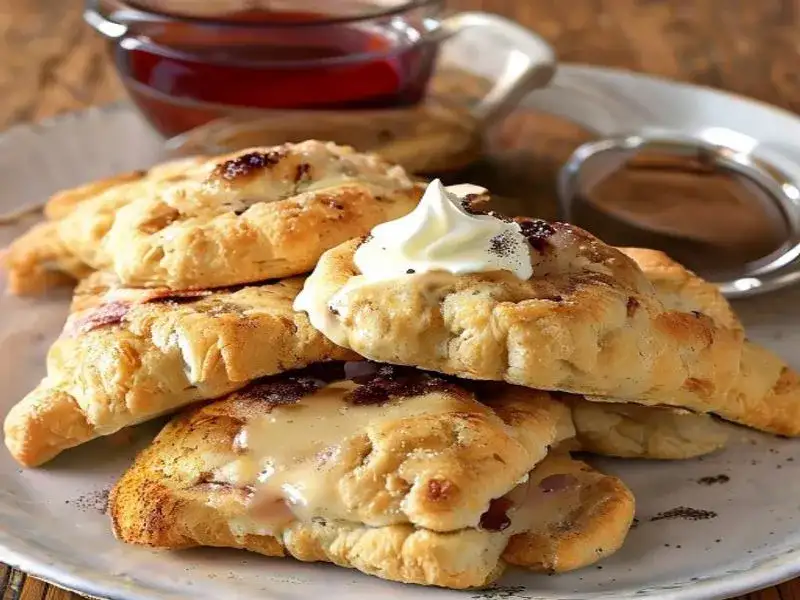
The Quintessential Bake: Perfect Scones for Afternoon Tea
If the Victoria Sponge is the queen of the British afternoon tea, the scone is undoubtedly the crown jewel. This simple, lightly sweetened quick bread is the foundation upon which one of Britain’s most fiercely debated culinary traditions is built. Whether plain, studded with sultanas, or laced with cheese, the scone is a masterclass in baking chemistry and cultural heritage.
Scottish Origins and Royal Approval
The word “scone” (traditionally pronounced to rhyme with “gone,” though rhyming with “bone” is also common) is believed to derive from the Scottish Gaelic sgonn, meaning a shapeless mass or large mouthful. The earliest scones were completely unlike the delicate, risen pastries we know today. Originating in Scotland in the early 1500s, they were large, flat, unleavened cakes made from oats, baked on a griddle (a “girdle” in Scots), and cut into triangular wedges called “bannocks.”
The scone evolved into its modern, oven-baked form following the invention of commercial baking powder in the mid-19th century. This innovation allowed bakers to swap heavy oats for refined wheat flour, creating a light, airy crumb. The scone’s association with afternoon tea was cemented by Anna, the Duchess of Bedford, who famously requested sweet breads to accompany her late-afternoon tea, effectively establishing a national ritual.
The Chemistry of the Crumb
Baking the perfect scone requires a delicate touch. The dough relies on the “rubbing in” method, where cold butter is lightly rubbed into the flour using only the fingertips. This coats the flour proteins in fat, inhibiting gluten formation and ensuring a tender, crumbly texture.
The liquid—often buttermilk or milk mixed with a little lemon juice—reacts with the baking powder (and sometimes bicarbonate of soda) to create rapid aeration. The golden rule of scone-making is to handle the dough as little as possible. Overworking the dough develops gluten, leading to tough, heavy scones that fail to achieve their signature “tall rise” in the oven.
The Great Cream Tea Debate
No discussion of scones is complete without addressing the great Cream Tea divide. A traditional Cream Tea consists of fresh scones, strawberry jam, and clotted cream—a remarkably thick, rich cream made by indirectly heating full-cream cow’s milk.
The controversy lies entirely in the assembly. In Cornwall, tradition dictates that the jam is spread first, acting as a fruity base for a generous dollop of clotted cream. Conversely, in neighboring Devon, the cream is treated like butter and applied directly to the scone, with the jam dolloped on top. Both counties fiercely defend their method, turning a simple teatime treat into a passionate display of regional pride.
#Scones #AfternoonTea #BritishBaking #CreamTea #CulinaryHistory #DevonOrCornwall #BritishFood
#britishfood #michaelchef #recipe #ukcuisine