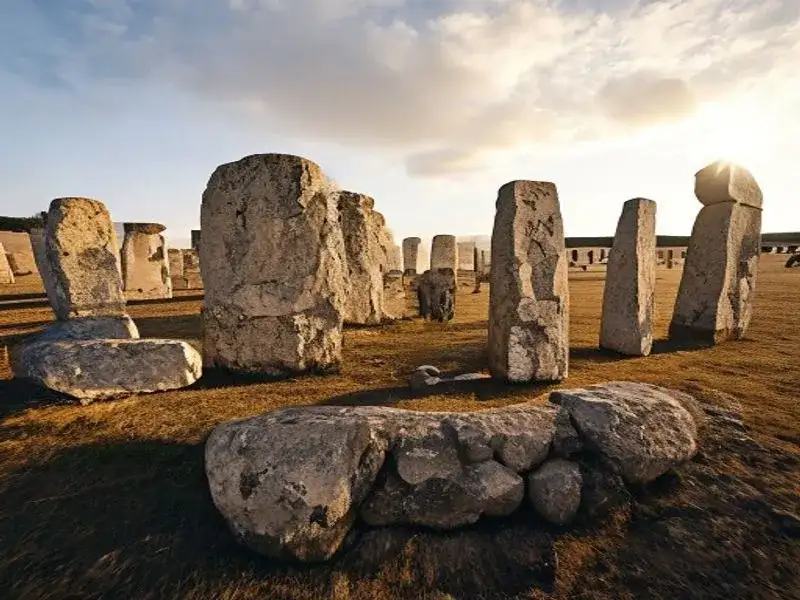
Exploring Ani, City of 1001 Churches
-
 Emre Yılmaz
 - 23 Apr, 2026 02:12
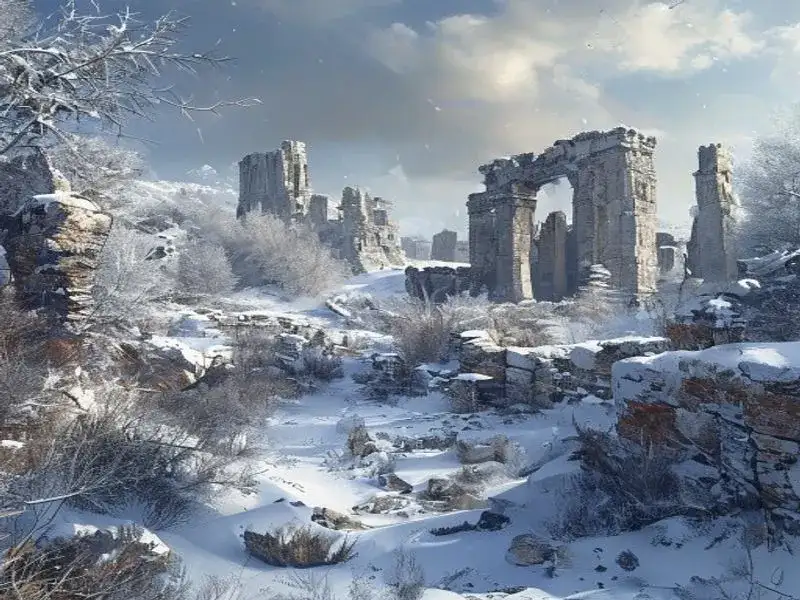
The Ghost City on the Silk Road
Nestled on the rugged border between modern-day Turkey and Armenia, the #ancient ruins of Ani whisper tales of a once-glorious past. Often referred to as the “City of 1001 Churches,” Ani was a bustling medieval metropolis, serving as the capital of the Bagratid Armenian kingdom in the 10th and 11th centuries. Its strategic location along the Silk Road made it a vital nexus for trade, attracting merchants, artisans, and travelers from across the known world. At its peak, Ani’s population surpassed 100,000, rivaling Constantinople, Baghdad, and Cairo in sheer magnificence and economic power.
Architectural Marvels of Antiquity
The skyline of Ani was once dominated by countless spires and domes, a testament to the unparalleled architectural prowess of its inhabitants. The city’s master builders employed cutting-edge techniques, innovating with pointed arches and ribbed vaults long before they became staples of European #gothic #architecture.
One of the most striking structures still partially standing is the #cathedral of Ani. Completed in 1001 AD by the legendary architect Trdat, the very same mastermind who repaired the dome of the Hagia Sophia in Constantinople, the cathedral showcases exquisite stonework and a massive, cruciform plan. Even without its towering dome, which collapsed during an earthquake in 1319, the building’s sheer scale leaves visitors in awe.
Another highlight is the Church of St. Gregory of Tigran Honents. Constructed in 1215, this church features incredibly well-preserved frescoes depicting scenes from the life of Christ and Saint Gregory the Illuminator. The vibrant colors and intricate details offer a rare glimpse into the spiritual and artistic life of the medieval period.
A Culinary Crossroad
The influx of diverse cultures along the Silk Road deeply influenced the culinary landscape of the region surrounding Ani. Anatolian and Caucasian flavors melded seamlessly, creating unique dishes that have stood the test of time. Travelers passing through would have traded spices like saffron and sumac, while local farmers provided hardy grains like barley and wheat, essential for the harsh Eastern Anatolian winters.
Traditional dishes from the Kars province, where Ani is located, still reflect this historical fusion. One such delicacy is piti, a hearty mutton and chickpea stew slowly cooked in individual clay pots. The area is also famous for its exceptional gruyere-style cheese, Kars Kaşarı, introduced by Swiss and German cheesemakers during the 19th-century Russian occupation, proving that the region remained a crossroads of culinary exchange long after Ani’s decline.
The Fall and Preservation of Ani
Ani’s golden age was tragically cut short by a series of devastating invasions and natural disasters. Sacked by the Seljuks in 1064, conquered by the Georgians, and later decimated by the Mongols in 1236, the city slowly lost its prominence. A massive earthquake in 1319 dealt the final blow, leading to its gradual abandonment. By the 18th century, the once-great City of 1001 Churches was entirely deserted.
Today, Ani stands as a hauntingly #beautiful #UNESCO World Heritage site. Walking amidst the sprawling ruins over the vast, windswept plateau, one can’t help but feel a profound connection to the ephemeral #nature of human empires.
#AniRuins #CityOf1001Churches #TurkeyTravel #AncientHistory #SilkRoad #KarsTurkey #MedievalArchitecture #TravelTurkey #CulturalHeritage #UNESCOWorldHeritage
#travel #exclusive