Gobeklitepe: The First Temple
-
 Emre Yılmaz
 - 06 May, 2026 08:56
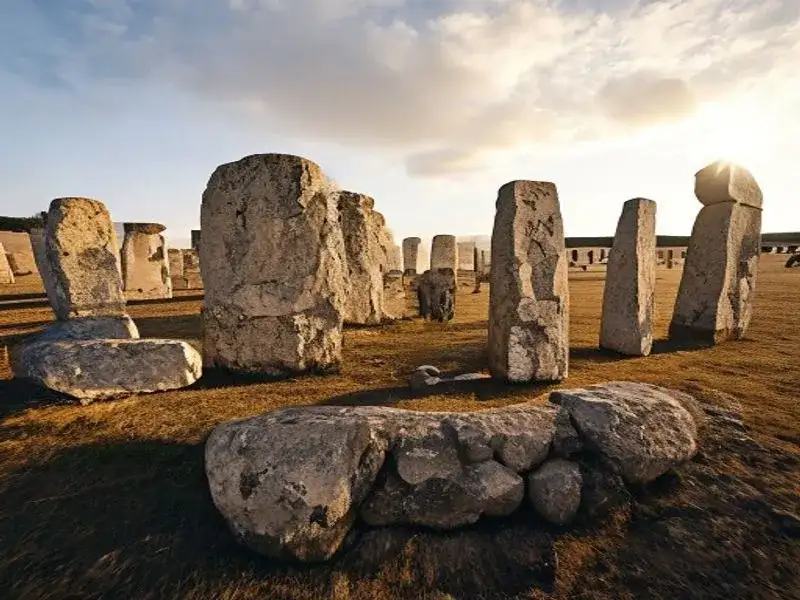
Dawn of Civilization: Unearthing Göbekli Tepe
Tucked away in the Southeastern Anatolia Region of Turkey, near the #ancient city of Şanlıurfa, lies an archaeological site that has completely rewritten the timeline of human #history. Göbekli Tepe, often dubbed the world’s oldest #temple, dates back a staggering 11,000 to 12,000 years. Predating Stonehenge by some 6,000 years and the Great Pyramid of Giza by 7,000, this prehistoric sanctuary challenges everything we thought we knew about the origins of complex societies.
Monumental #architecture of Hunter-Gatherers
Before the discovery of Göbekli Tepe, the prevailing historical consensus held that agriculture and settled farming communities were the necessary prerequisites for constructing monumental architecture. However, the builders of this site were strictly hunter-gatherers. They carved massive T-shaped limestone pillars, some weighing up to 10 tons and standing 18 feet tall, using only rudimentary stone tools.
These monolithic pillars are arranged in enormous circular enclosures and are intricately decorated with low-relief carvings of wild animals. Foxes, lions, scorpions, vultures, and boars prance across the stone surfaces, serving perhaps as totemic symbols or mythical guardians. The sheer level of social organization and collective labor required to carve, transport, and erect these stones implies a highly structured society long before the advent of agriculture.
The Birthplace of Wheat?
The cultural and historical significance of Göbekli Tepe is deeply intertwined with the Neolithic Revolution—the transition from foraging to farming. Interestingly, geneticists have traced the origins of domesticated einkorn wheat, one of humanity’s earliest cultivated crops, to the Karaca Dağ mountains, located just 20 miles away from Göbekli Tepe.
This proximity has led some archaeologists, including the site’s late discoverer, Klaus Schmidt, to theorize that the need to feed large gatherings of people who came to construct or worship at the temple may have directly spurred the invention of agriculture. In this view, religion did not emerge from civilization; rather, civilization emerged to support early religious practices.
A Culinary Heritage Rooted in Antiquity
The region surrounding Göbekli Tepe is known today for its incredibly rich culinary traditions, deeply rooted in the area’s ancient past. Şanlıurfa, historically known as Edessa, is celebrated for its spicy and flavorful dishes. One of the most famous is Çiğ Köfte, a traditionally raw meat dish kneaded for hours with bulgur wheat, isot pepper (a distinctive dark, smoky chili native to Urfa), and various spices. According to local legend, this dish was invented during the time of the Prophet Abraham, who is said to have been born in a cave in Şanlıurfa.
The use of bulgur and fiery spices connects modern Turkish cuisine directly to the ancient peoples who first cultivated wheat in this very cradle of civilization.
An Unsolved Prehistoric Puzzle
Perhaps the most baffling aspect of Göbekli Tepe is its deliberate burial. Around 8000 BCE, for reasons still unknown to modern science, the creators meticulously filled the monumental enclosures with debris, earth, and animal bones, intentionally hiding the temple under a massive artificial mound (or “tepe” in Turkish).
This deliberate interment preserved the site perfectly for millennia until its rediscovery in 1994. Today, as excavations slowly reveal more of these circular structures, Göbekli Tepe continues to offer profound insights into the spiritual and communal lives of our earliest ancestors.
#GobekliTepe #AncientHistory #TurkeyTravel #NeolithicRevolution #FirstTemple #Sanliurfa #Archaeology #HumanOrigins #Anatolia #TravelTurkey
#travel #exclusive