Hiking the Lycian Way
-
 Emre Yılmaz
 - 07 May, 2026 00:36
Trekking Through Time: The Lycian Way
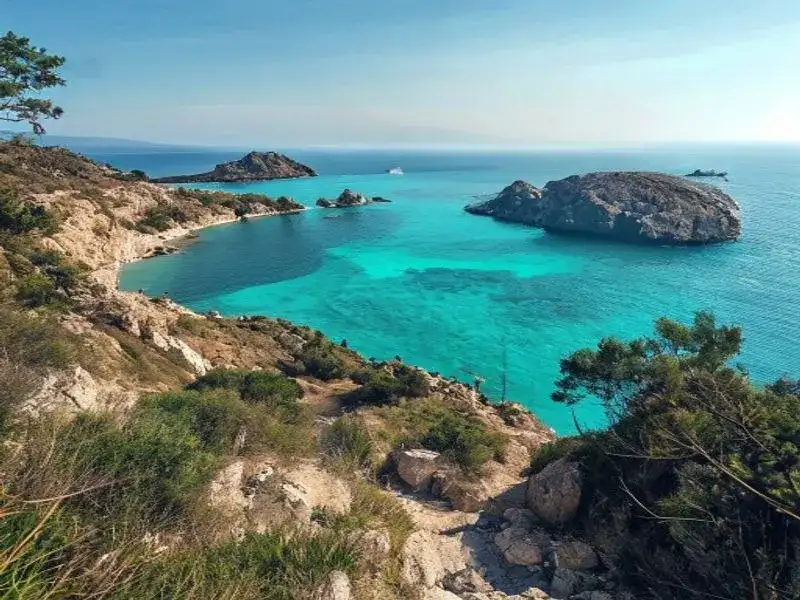
Stretching for approximately 540 kilometers (335 miles) along the stunning Turquoise Coast of southern Turkey, the Lycian Way is frequently cited as one of the world’s most #beautiful long-distance hiking trails. Conceived in 1999 by British expat Kate Clow, this waymarked path meanders from Fethiye to Antalya, guiding trekkers through a breathtaking landscape of pine-clad mountains, plunging cliffs, and pristine, secluded beaches. But beyond its natural splendor, the Lycian Way is a continuous #journey through the #ancient #history of a highly democratic and enigmatic civilization: the Lycians.
The Independent Republic of Lycia
The Lycians were a fiercely independent people who thrived in this rugged, mountainous region during antiquity. Known for their formidable maritime skills and resistance to foreign domination, they formed the Lycian League in the 2nd century BCE. This federation of independent city-states, including Xanthos, Patara, and Myra, functioned on a system of proportional representation—a democratic model that famously inspired the Founding Fathers of the United States when drafting the American Constitution.
As you hike the trail, the remnants of this once-great civilization are omnipresent. You will encounter magnificent rock-cut tombs carved directly into the sheer cliff faces, resembling elaborate #temple facades. These tombs reflect the Lycian belief that a winged creature would carry the souls of the dead to the afterlife, hence their elevated positions.
Sunken Cities and Ancient Ruins
The route is peppered with awe-inspiring archaeological sites. Hikers can explore the ruins of Olympos, an ancient city nestled in a river valley and shrouded by dense forest, which was once a haven for Cilician pirates. Further along the coast lies the hauntingly beautiful Sunken City of Kekova. Here, due to a series of earthquakes in the 2nd century AD, an entire Lycian settlement slipped beneath the crystal-clear waters of the Mediterranean. Although swimming over the ruins is strictly prohibited to protect the site, kayaking or taking a boat tour offers a surreal glimpse of ancient staircases and walls descending into the blue abyss.
Culinary Delights on the Trail
Trekking the Lycian Way is as much a culinary adventure as it is a historical one. The trail passes through numerous small Turkish villages where traditional hospitality (misafirperverlik) remains strong. Hikers are often welcomed into local tea houses (çayıhavesi) for a glass of strong black tea and a plate of gözleme—a savory, hand-rolled flatbread stuffed with spinach, feta cheese, or minced meat, cooked over a convex iron griddle.
The coastal location also guarantees access to incredibly fresh seafood. In coastal towns like Kaş and Kalkan, you can reward a long day of hiking with a feast of grilled sea bream (çipura) or calamari, accompanied by mezes like samphire (sea beans) dressed in olive oil and garlic, a true taste of the Mediterranean.
A Journey of Endurance
Hiking the complete Lycian Way takes about 29 days and requires a good level of physical fitness, given the region’s steep ascents and descents. The best times to embark on this trek are during the spring (April to May) or autumn (September to October), avoiding the scorching heat of the Turkish summer. Whether you choose to tackle a short segment or the entire route, the Lycian Way offers an unforgettable synthesis of #nature, history, and #culture.
#LycianWay #TurkeyTravel #HikingAdventures #TurquoiseCoast #AncientHistory #TrekkingTurkey #LycianLeague #MediterraneanVibes #TravelTurkey #AncientRuins
#travel #exclusive