Exploring the Delightful World of Cheese Pairings (Part 2)
-
 Kenji Sato
 - 17 Jul, 2026 11:59
This is Part 2 of the series. Read Part 1 here.
Fruit and Cheese: A Match Made in Nature
Fruit’s acidity, sweetness, and texture can either complement or contrast with cheese, depending on the pairing:
- Fresh fruit: Sliced apples, pears, or grapes pair well with mild, creamy cheeses like Brie or Camembert. The fruit’s crisp acidity balances the cheese’s richness, while its sweetness enhances the cheese’s flavor.
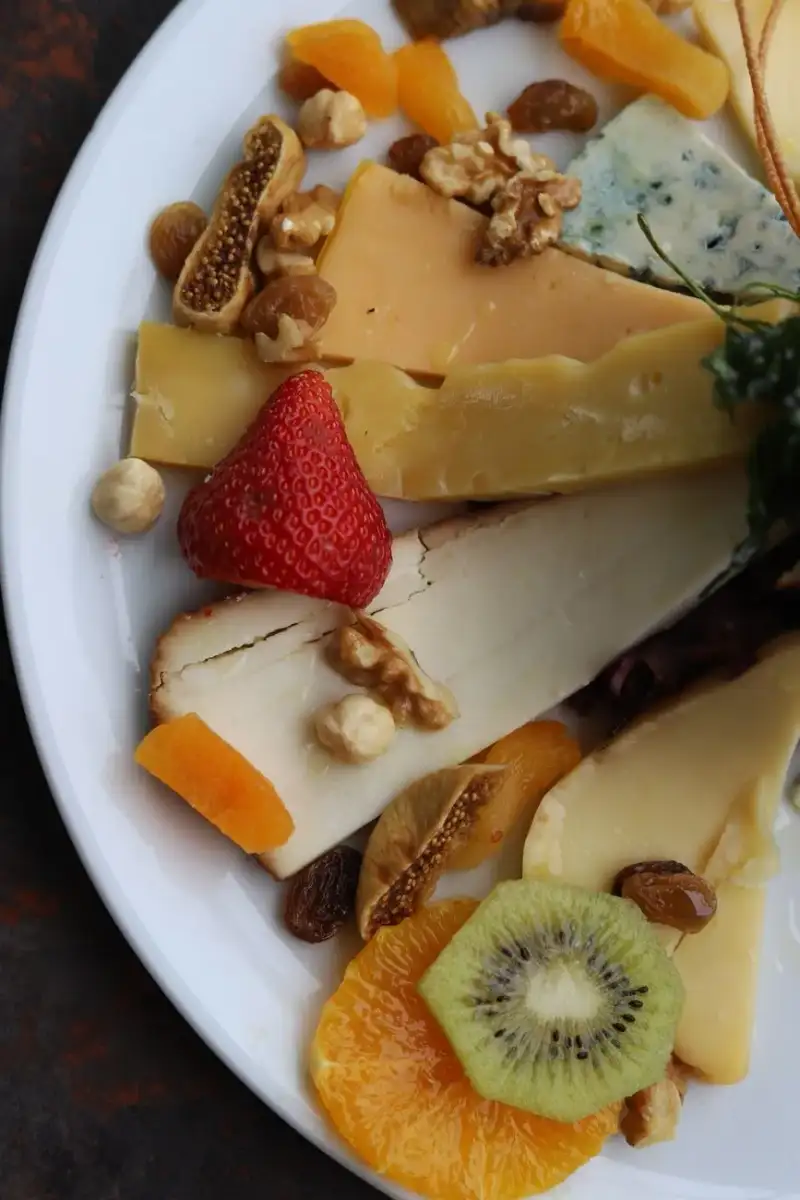
- Dried fruit: Apricots, figs, or dates can add a chewy, concentrated sweetness that pairs beautifully with aged cheeses like Manchego or aged Gouda. The fruit’s caramelized notes complement the cheese’s nutty, crystalline texture.
- Tropical fruit: Mango, pineapple, or passionfruit can add a bright, exotic twist to cheese pairings. For example, a creamy chèvre with a drizzle of mango chutney creates a sweet-spicy contrast that’s both refreshing and indulgent.
- Berries: Strawberries, raspberries, or blackberries can enhance the creaminess of a triple crème cheese like Saint-André or Brillat-Savarin. The berries’ tartness balances the cheese’s richness, while their sweetness adds depth.
Chocolate and Cheese: A Decadent Duo
Chocolate’s bitterness, sweetness, and texture can create a luxurious pairing experience. The key is to match the intensity of the chocolate with the cheese:
- Dark chocolate (70% or higher): Pairs beautifully with aged, nutty cheeses like aged Gouda, Parmigiano-Reggiano, or Pecorino. The chocolate’s bitterness and complexity complement the cheese’s crystalline texture and umami notes.
- Milk chocolate: Works well with semi-soft cheeses like Havarti or young Gouda. The chocolate’s sweetness and creaminess enhance the cheese’s mild, buttery flavor.
- White chocolate: Can be paired with creamy, mild cheeses like Brie or Camembert. The chocolate’s sweetness and vanilla notes complement the cheese’s buttery, mushroomy undertones.
- Flavored chocolates: Experiment with pairings like dark chocolate with orange zest and a wedge of aged cheddar, or milk chocolate with sea salt and a slice of Manchego. The added flavors can create a harmonious or contrasting experience, depending on your preference.
Creating a Sweet Cheese Board
To craft a sweet cheese board, consider the following elements:
- Variety of textures: Include soft, hard, and crumbly cheeses to keep the pairing dynamic.
- Contrasting flavors: Pair sweet cheeses like a honey-drizzled chèvre with a sharp aged cheddar to create a balance of flavors.
- Temperature: Serve cheeses at room temperature to allow their flavors to fully develop. Honey and chocolate should also be at room temperature for the best texture and flavor.
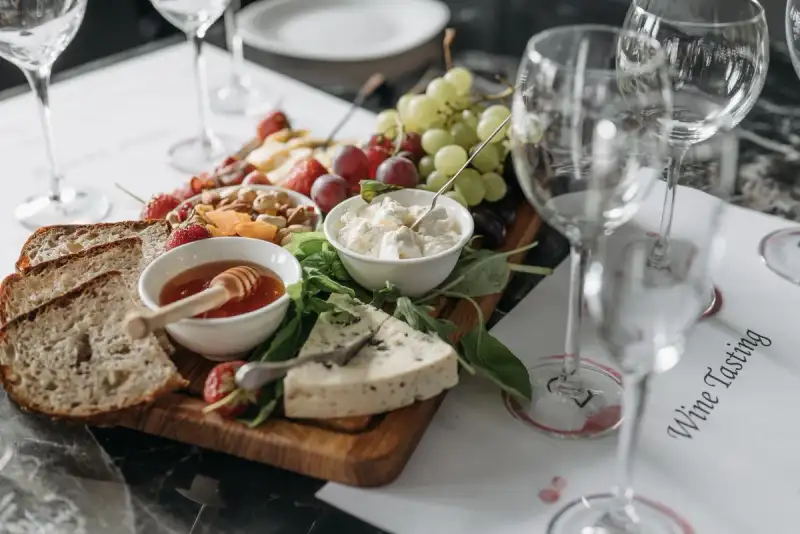
- Presentation: Arrange the cheeses and accompaniments on a wooden board, with small bowls for honey or fruit. Use fresh herbs like thyme or rosemary to add a pop of color and aroma.
Unconventional Cheese Pairings: Nuts, Spices, and Beyond
While wine, beer, honey, and fruit are classic cheese pairings, the world of cheese is vast—and so are the possibilities for unconventional pairings. Nuts, spices, herbs, and even savory ingredients like cured meats or pickles can elevate cheese to new heights. The key is to understand how these ingredients interact with cheese’s fat, salt, and acidity to create a harmonious or contrasting experience.
Nuts and Cheese: A Textural Delight
Nuts add crunch, richness, and nutty flavors that can enhance (or contrast with) cheese’s texture and taste:
- Almonds: Pair beautifully with aged cheeses like Parmigiano-Reggiano or Pecorino. The nut’s buttery flavor and crunch complement the cheese’s crystalline texture.
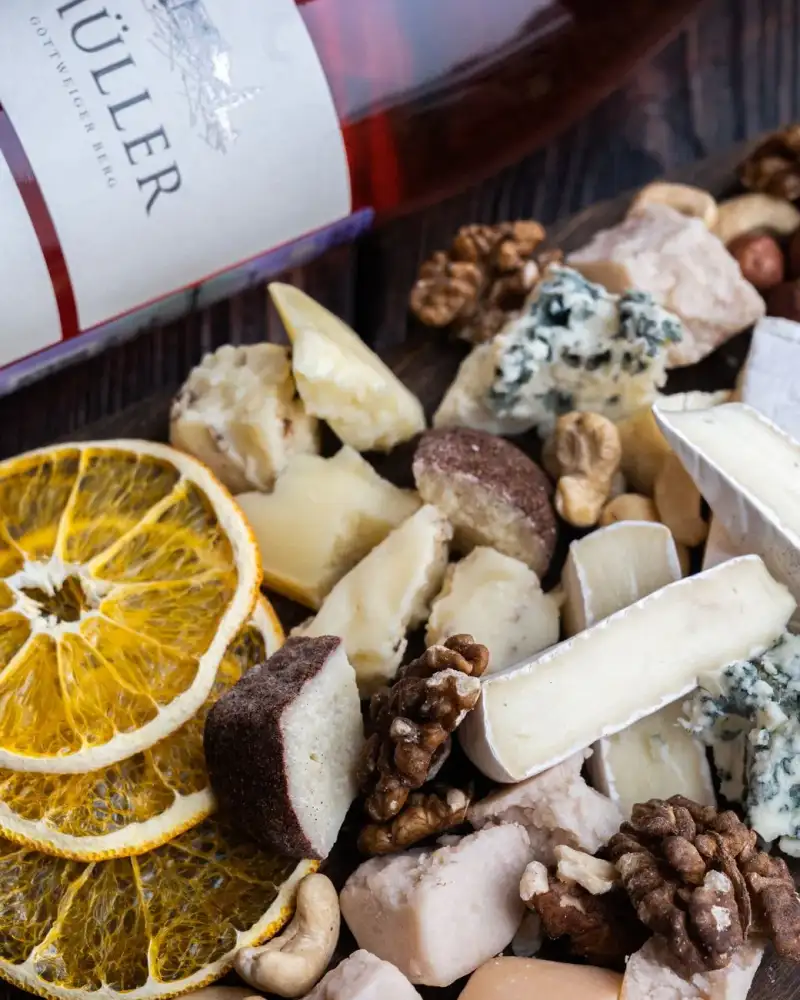
- Walnuts: Their earthy, slightly bitter notes work well with blue cheeses like Roquefort or Gorgonzola. The walnut’s texture also contrasts with the cheese’s creaminess.
- Pecans: Their sweet, buttery flavor pairs well with creamy cheeses like Brie or Camembert. The pecan’s richness enhances the cheese’s buttery notes.
- Hazelnuts: Their toasty, slightly sweet flavor complements nutty cheeses like aged Gouda or Comté. The nut’s crunch also adds a delightful texture contrast.
Spices and Herbs: Adding Depth and Complexity
Spices and herbs can transform a simple cheese into a gourmet experience:
- Black pepper: A classic pairing with creamy cheeses like Brie or Camembert. The pepper’s heat cuts through the cheese’s richness, while its earthy notes enhance the cheese’s flavor.
- Smoked paprika: Adds a smoky, slightly sweet note that pairs well with aged cheddar or Gouda. The spice’s warmth complements the cheese’s caramelized flavors.
- Rosemary: Its piney, citrusy notes enhance the flavor of hard cheeses like Pecorino or aged Manchego. The herb’s aroma also adds a fresh contrast to the cheese’s richness.
- Thyme: Pairs beautifully with soft, creamy cheeses like chèvre or Saint-André. The herb’s earthy, slightly minty notes complement the cheese’s tangy creaminess.
Savory Pairings: Cured Meats, Pickles, and More
Savory ingredients can add saltiness, acidity, or umami to cheese pairings, creating a balanced or contrasting experience:
- Cured meats: Prosciutto, salami, or coppa can enhance the flavor of aged cheeses like Pecorino or Parmigiano-Reggiano. The meat’s saltiness and fat complement the cheese’s umami notes.
- Pickles and cornichons: Their acidity and crunch cut through the richness of creamy cheeses like Brie or Camembert. The pickles also add a refreshing contrast to the cheese’s fat.
- Olives: Their briny, umami notes pair well with nutty cheeses like aged Gouda or Comté. The olives’ texture also adds a delightful contrast to the cheese’s creaminess.
- Balsamic glaze: Its sweet-tart flavor enhances the flavor of aged cheeses like Parmigiano-Reggiano or Pecorino. The glaze’s acidity also cuts through the cheese’s richness.
Global Unconventional Pairings
- Middle Eastern: Pair labneh (a tangy Middle Eastern yogurt cheese) with za’atar (a spice blend of sumac, sesame, and thyme) and a drizzle of olive oil. The tangy cheese and earthy spices create a harmonious balance.
- Japanese: Serve a creamy, slightly funky Japanese cheese like Camembert with a side of pickled ginger and a glass of sake. The ginger’s acidity and the sake’s umami notes complement the cheese’s richness.
- Mexican: Pair queso fresco with a sprinkle of chili powder and a side of mango salsa. The cheese’s mild creaminess balances the salsa’s sweet-spicy flavors.
- Indian: Serve paneer (a mild, firm Indian cheese) with a side of mint chutney and a glass of chai. The chutney’s fresh, herbal notes enhance the paneer’s mild flavor.
Crafting an Unconventional Cheese Board
To create an unconventional cheese board, consider the following tips:
- Balance flavors: Pair rich, creamy cheeses with acidic or spicy accompaniments to create a harmonious balance.
- Contrast textures: Include ingredients with varying textures, such as crunchy nuts, creamy cheese, and chewy dried fruit.
- Experiment with global flavors: Incorporate ingredients from different cuisines to create a unique and exciting cheese board.
- Don’t be afraid to get creative: Try pairing cheese with unexpected ingredients like hot sauce, mustard, or even popcorn for a fun, interactive experience.
Mastering the Art of Cheese Pairing at Home
Creating a memorable cheese board at home is both an art and a science. Whether you’re hosting a dinner party or simply indulging in a solo tasting, the right pairings can elevate your experience from ordinary to extraordinary. The key is to balance flavors, textures, and intensities while keeping your personal preferences in mind. Here’s a step-by-step guide to crafting the perfect cheese board at home.
Step 1: Choose Your Cheeses
Select a variety of cheeses that represent different textures, milk types (cow, goat, sheep), and aging profiles. Aim for at least three to five cheeses to provide a range of flavors:
- Soft cheeses: Brie, Camembert, or Saint-André (cow’s milk, creamy, mild)
- Semi-soft cheeses: Havarti, young Gouda, or Fontina (cow’s milk, buttery, mild to medium)
- Hard cheeses: Aged cheddar, Parmigiano-Reggiano, or Pecorino (cow’s milk, aged, nutty, crystalline)
- Blue cheeses: Roquefort, Gorgonzola, or Stilton (cow’s milk, pungent, salty, creamy)
- Goat cheese: Chèvre (goat’s milk, tangy, creamy)
- Sheep’s milk cheese: Manchego or Pecorino Toscano (sheep’s milk, nutty, firm)
Step 2: Pair with Complementary Ingredients
Once you’ve selected your cheeses, choose accompaniments that enhance their flavors. Consider the following categories:
- Sweet: Honey, fruit (fresh or dried), jam, or chocolate
- Savory: Cured meats, olives, pickles, or nuts
- Acidic: Mustard, cornichons, or balsamic glaze
- Herbal: Fresh herbs like rosemary, thyme, or basil
- Spicy: Chili flakes, hot sauce, or pepper jelly
Step 3: Select the Right Drinks
Pair your cheeses with beverages that complement their flavors:
- Wine: Red, white, or sparkling, depending on the cheese’s intensity and texture.
- Beer: Lagers, IPAs, stouts, or sours, depending on the cheese’s profile.
- Non-alcoholic: Sparkling water, apple cider, or fruit-infused tea.
Step 4: Arrange Your Cheese Board
Presentation is key to a visually appealing and inviting cheese board. Follow these tips:
- Use a large board or platter: Choose a surface that’s big enough to accommodate all your cheeses and accompaniments without overcrowding.
- Arrange cheeses by texture: Place soft cheeses in the center, surrounded by semi-soft and hard cheeses. This creates a natural flow for guests to explore.
- Add height and variety: Use small bowls, ramekins, or cheese knives to create visual interest. Stack cheeses or fold wedges for added height.
- Label your cheeses: Use small chalkboard signs or printed labels to identify each cheese and its origin. This adds a professional touch and helps guests navigate the board.
- Keep it balanced: Distribute accompaniments evenly around the board to ensure every cheese has a complementary pairing.
Step 5: Serve at the Right Temperature
Cheese should always be served at room temperature to allow its flavors to fully develop. Remove cheeses from the refrigerator at least 30 minutes before serving. If you’re serving a large board, cut cheeses into wedges or slices in advance to make serving easier.
Step 6: Encourage Exploration
Invite guests to explore the board by providing small plates, cheese knives, and toothpicks. Encourage them to try different pairings and share their thoughts. You can also provide tasting notes or a pairing guide to help guests understand the logic behind each combination.
Common Mistakes to Avoid
- Overcrowding the board: Leave enough space between cheeses and accompaniments to avoid a cluttered look.
- Ignoring texture: Balance creamy cheeses with crunchy accompaniments and vice versa.
- Skipping variety: Include cheeses with different milk types and aging profiles to provide a range of flavors.
- Forgetting the basics: Always have water and plain crackers on hand to cleanse the palate between bites.
Cheese Board Inspiration
Here’s a sample cheese board menu to inspire your own creations:
- Cheeses: Brie (soft), aged Gouda (hard), chèvre (goat), Roquefort (blue), Manchego (sheep)
- Accompaniments: Acacia honey, sliced pears, candied pecans, cornichons, rosemary sprigs, crackers
- Drinks: Champagne, IPA, sparkling water

Markdown Data Table: Cheese Pairing Quick Reference
| Cheese Type | Best Wine Pairings | Best Beer Pairings | Best Sweet Pairings | Best Savory Pairings |
|---|---|---|---|---|
| Brie | Champagne, Pinot Noir | Saison, Wheat Beer | Honey, figs | Prosciutto, cornichons |
| Camembert | Chardonnay, Beaujolais | Saison, Lambic | Lavender honey, apple slices | Salami, pickles |
| Aged Cheddar | Cabernet Sauvignon, Port | IPA, Stout | Dark chocolate, walnuts | Cured meats, mustard |
| Parmigiano-Reggiano | Barolo, Sangiovese | Doppelbock, Amber Ale | Chestnut honey, pears | Prosciutto, balsamic glaze |
| Roquefort | Sauternes, Port | Stout, Porter | Wildflower honey, grapes | Walnuts, chutney |
| Goat Cheese | Sauvignon Blanc, Pinot Grigio | Wheat Beer, Saison | Acacia honey, berries | Herbs, olive oil |
| Manchego | Tempranillo, Sherry | Lager, Amber Ale | Orange blossom honey, almonds | Chorizo, olives |
| Gouda (Aged) | Syrah, Merlot | Stout, Brown Ale | Buckwheat honey, dried apricots | Smoked paprika, nuts |
| Blue Cheese | Riesling, Moscato | Porter, Sour Ale | Honey, pear slices | Walnuts, chutney |
| Triple Crème | Champagne, Viognier | Saison, Lambic | Honey, berries | Fresh herbs, cornichons |
Conclusion
The world of cheese pairings is a vast and endlessly fascinating landscape, where tradition meets innovation, and science meets artistry. From the bold tannins of a Cabernet Sauvignon cutting through the crystalline crunch of aged Parmigiano-Reggiano to the delicate dance of a chèvre and acacia honey, each pairing tells a story of flavor, terroir, and culinary creativity. Whether you’re a seasoned connoisseur or a curious newcomer, the key to mastering cheese pairings lies in experimentation, balance, and a willingness to step outside your comfort zone.
As you explore the world of cheese pairings, remember that there are no hard and fast rules—only guidelines. The best pairings are often the ones that surprise and delight you, whether that’s a stout with a sharp blue cheese or a drizzle of honey on a pungent Époisses. Trust your palate, embrace the unexpected, and most importantly, savor every bite.
So, gather your favorite cheeses, uncork a bottle of wine, crack open a craft beer, or drizzle some honey—however you choose to indulge, let the flavors guide you. The world of cheese is waiting, and it’s more delicious than you ever imagined.
Happy pairing!
Kenji Sato
#CheesePairing #FoodieAdventures #GourmetGuide #WineAndDine #CheeseLover