Exploring the Delightful World of Cheese Pairings
-
 Kenji Sato
 - 17 Jul, 2026 11:59
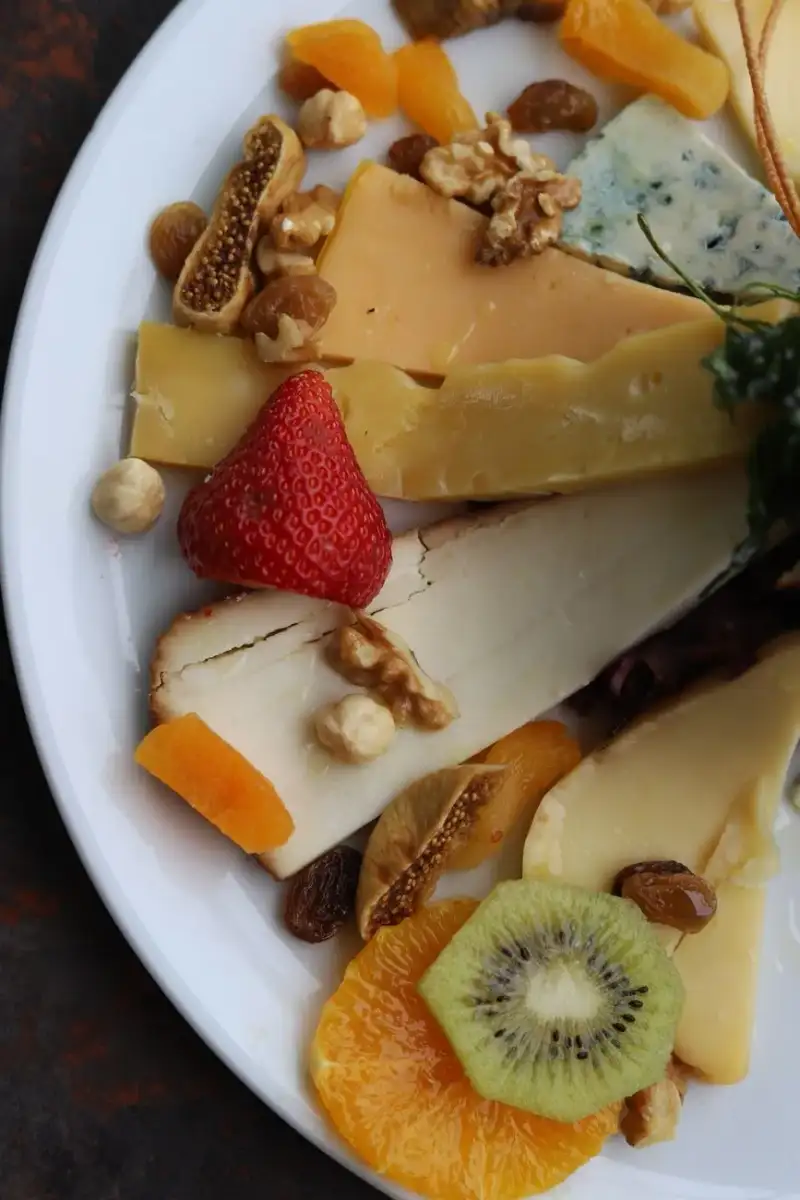
The World of Cheese Pairings: From Wine to Honey and Beyond
Introduction
Few culinary experiences rival the art of cheese pairing—a symphony of flavors where textures, aromas, and origins converge in perfect harmony. Whether you’re a sommelier crafting a tasting menu or a home cook elevating a simple charcuterie board, the right pairing can transform a meal from ordinary to extraordinary. But what makes a pairing truly exceptional? Is it the acidity of a crisp white wine cutting through the richness of aged cheddar, or the floral notes of acacia honey enhancing the earthy depth of a triple crème? The answer lies in understanding the science of flavor, the terroir of dairy, and the alchemy of complementary (and sometimes contrasting) ingredients.
Cheese pairings are not merely about taste—they’re about storytelling. A wedge of Parmigiano-Reggiano from Italy’s Emilia-Romagna region, aged 24 months, demands a bold Barolo to stand up to its crystalline crunch and umami punch. Meanwhile, a delicate chèvre from the Loire Valley in France begs for a drizzle of lavender honey and a sprinkle of cracked black pepper to highlight its tangy creaminess. The world of cheese pairings is vast, spanning continents, cultures, and centuries of tradition. From the nutty complexities of aged Gouda to the funky allure of a well-aged Époisses, each cheese has a personality—and the right pairing can unlock its full potential.
In this guide, we’ll explore the intricate dance of cheese pairings, from classic wine and beer matches to unexpected yet brilliant combinations with fruits, nuts, and even unconventional ingredients like honey and dark chocolate. We’ll delve into the science behind why certain pairings work, uncover regional traditions, and provide practical tips for crafting your own cheese boards at home. Whether you’re a novice or a connoisseur, prepare to embark on a flavor journey that will change the way you think about cheese forever.
The Science of Cheese and Wine Pairings: A Match Made in Flavor Heaven
The art of pairing cheese with wine is rooted in chemistry, terroir, and sensory perception. At its core, successful pairings balance fat, acid, salt, and tannins to create a harmonious experience where neither the cheese nor the wine overpowers the other. The key lies in understanding how these elements interact—and how they can either clash or complement each other.
The Role of Fat and Tannins
Cheese is inherently fatty, with varying degrees of moisture and protein structure. When paired with wine, the fat in cheese coats the palate, softening the perception of tannins in red wines. This is why bold, tannic wines like Cabernet Sauvignon or Nebbiolo pair so well with aged cheeses like Pecorino Romano or aged Gouda. The tannins in the wine bind to the proteins in the cheese, reducing their astringency and making the wine taste smoother. Conversely, high-fat cheeses like Brie or Camembert can make tannic wines taste overly harsh if not balanced properly—hence the preference for lighter-bodied reds or even white wines with these softer cheeses.
Acid and Salt Balance
Acidity in wine serves as a palate cleanser, cutting through the richness of cheese and refreshing the mouth. A crisp Sauvignon Blanc, with its bright citrus notes, is the perfect foil for tangy goat cheese or feta. Similarly, the saltiness in cheeses like Manchego or Halloumi can enhance the fruitiness of a dry Riesling, creating a dynamic interplay of flavors. The terroir of the wine—its soil, climate, and winemaking techniques—also plays a crucial role. For example, a mineral-driven Chablis from Burgundy will elevate the briny notes of a young, creamy goat cheese, while a buttery Chardonnay from California will complement the caramelized flavors of a Comté aged 18 months.
The Influence of Yeast and Fermentation
The fermentation process, particularly in wine and certain cheeses, introduces complex aroma compounds that can either harmonize or compete. Research from OpenAlex highlights how Saccharomyces cerevisiae wine yeasts produce fermentation aroma compounds that significantly impact wine flavor profiles. These same yeasts are often used in cheese-making, particularly in bloomy-rind cheeses like Brie or Camembert. The buttery, yeasty notes in a well-made Champagne or Champagne-style sparkling wine can mirror the earthy, mushroomy undertones of a triple crème cheese, creating a seamless pairing.
Regional Pairings: Terroir in Harmony
Terroir—the unique environmental factors that influence the flavor of food and drink—is a guiding principle in cheese and wine pairings. In Burgundy, France, the local Époisses cheese, washed in Marc de Bourgogne (a local brandy), is traditionally paired with the region’s bold, earthy Pinot Noir. The wine’s red fruit notes and silky tannins complement the cheese’s pungent aroma and creamy texture. Similarly, in the Piedmont region of Italy, the nutty, aged Toma Piemontese cheese is often served with a glass of Barolo, a wine made from Nebbiolo grapes. The wine’s high acidity and firm tannins stand up to the cheese’s dense, crystalline structure.
Practical Pairing Guide
For those new to cheese and wine pairings, here’s a simple framework to follow:
- Start with the cheese’s intensity: Mild cheeses like mozzarella or ricotta pair well with light wines (Prosecco, Pinot Grigio), while aged, hard cheeses (Parmigiano-Reggiano, aged Gouda) demand bold reds (Cabernet Sauvignon, Syrah).
- Match fat with acid: Rich, fatty cheeses like Camembert or Stilton benefit from high-acid wines like Champagne or Sauternes.
- Balance salt with sweetness: Salty cheeses like Feta or Pecorino pair beautifully with sweet wines like Moscato d’Asti or Pedro Ximénez Sherry.
- Experiment with texture: Creamy cheeses like Brie or Burrata can be elevated with a drizzle of honey and a glass of off-dry Riesling, while crumbly cheeses like Cheshire or Lancashire shine with a dry cider or a light-bodied red like Beaujolais.
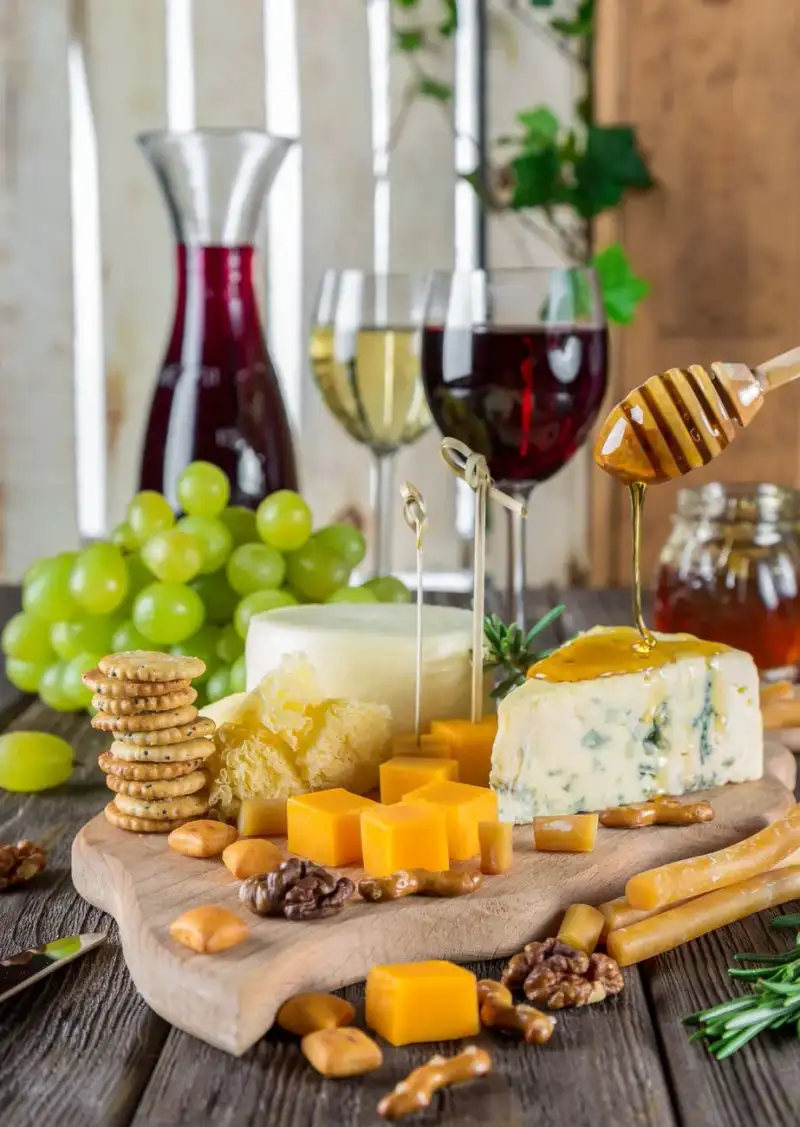
Beyond Wine: Exploring Cheese and Beer Pairings
While wine may dominate the cheese pairing conversation, beer offers a world of possibilities—one that’s often overlooked but equally rewarding. Beer’s diverse styles, from crisp lagers to roasty stouts, provide a range of flavors and textures that can complement (or contrast with) cheese in surprising ways. The carbonation in beer acts as a palate cleanser, while its bitterness can cut through rich, fatty cheeses. Meanwhile, the malt sweetness in beers like porters or bocks can enhance caramelized notes in aged cheddar or Gouda.
The Science of Beer and Cheese
Beer’s ingredients—malt, hops, yeast, and water—each contribute to its flavor profile, which can interact with cheese in unique ways. Hops, for example, introduce bitterness and floral, citrus, or piney notes that can either complement or challenge a cheese’s flavor. A hoppy IPA might overwhelm a delicate chèvre, but it can stand up to the funk of a washed-rind cheese like Limburger or Taleggio. Conversely, the malty sweetness of a brown ale or a doppelbock can enhance the toffee notes in aged Gouda or the nuttiness of a Comté.
Style-by-Style Pairings
- Lagers and Pilsners: Crisp, clean, and refreshing, lagers are ideal for pairing with mild, young cheeses like mozzarella, young Gouda, or fresh goat cheese. The effervescence of a Pilsner cuts through the creaminess of the cheese, while its subtle grainy notes complement the cheese’s subtle flavors.
- IPAs and Pale Ales: The bitterness and citrusy hop notes in an IPA can stand up to bold, aged cheeses like aged cheddar, Parmigiano-Reggiano, or even blue cheese. The hop’s resinous qualities can also enhance the earthy notes in a Stilton or a Gorgonzola.
- Stouts and Porters: The roasty, chocolatey, and sometimes coffee-like flavors in a stout or porter pair beautifully with aged, nutty cheeses like aged Gouda, aged cheddar, or even a sharp Pecorino. The malt sweetness can also balance the saltiness of a blue cheese like Roquefort.
- Wheat Beers and Saisons: The spicy, fruity notes in a wheat beer or Saison can complement the tangy creaminess of a chèvre or a Camembert. The beer’s effervescence also helps cleanse the palate between bites.
- Sours and Lambics: The tart, funky flavors in a sour beer or a Belgian Lambic can enhance the complexity of washed-rind cheeses like Époisses or Limburger. The beer’s acidity can also cut through the richness of a triple crème cheese.
Regional Beer and Cheese Traditions
In Belgium, the pairing of Trappist ales with aged Gouda or Herve cheese is a time-honored tradition. The beer’s malty sweetness and complex yeast notes complement the cheese’s caramelized flavors and crystalline texture. Similarly, in Germany, a malty, slightly sweet Dunkelweizen pairs beautifully with a tangy, aged Bergkäse (a mountain cheese similar to Gruyère). The beer’s spicy clove notes from the wheat and the yeast harmonize with the cheese’s nutty, slightly fruity profile.
Crafting the Perfect Beer and Cheese Board
To create a balanced beer and cheese board, consider the following tips:
- Start light and move to bold: Begin with a crisp lager and a mild cheese like young Gouda, then progress to a hoppy IPA with aged cheddar, and finish with a stout and a sharp blue cheese.
- Incorporate local pairings: Support local breweries and dairies by pairing regional beers with regional cheeses. For example, a New England IPA with a sharp Vermont cheddar or a German Hefeweizen with a Bavarian Emmentaler.
- Add contrasting textures: Include a mix of soft, hard, and crumbly cheeses to keep the pairing dynamic. For example, pair a creamy Brie with a fruity Saison, then contrast it with a crumbly aged Manchego and a hoppy IPA.
- Don’t forget the accompaniments: Nuts, dried fruits, and mustards can enhance both the beer and the cheese. A spicy mustard can cut through the richness of a stout, while candied pecans can complement the malt sweetness of a porter.

The Sweet Side of Cheese: Pairing with Honey, Fruit, and Chocolate
While savory pairings dominate the cheese conversation, sweet accompaniments can elevate cheese to new heights. Honey, fruit, and chocolate each bring unique flavors and textures that can enhance (or contrast with) the cheese’s natural characteristics. The key is to match intensity, sweetness, and acidity to create a harmonious balance.
Honey and Cheese: A Timeless Combination
Honey’s natural sweetness and floral, herbal, or fruity notes can complement a wide range of cheeses. The pairing works best when the honey’s flavor profile aligns with the cheese’s characteristics:
- Mild, fresh cheeses: A delicate chèvre or ricotta pairs beautifully with a light, floral honey like acacia or clover. The honey’s subtle sweetness enhances the cheese’s creaminess without overpowering it.
- Aged, nutty cheeses: A robust aged Gouda or Parmigiano-Reggiano benefits from a darker, more complex honey like chestnut or buckwheat. The honey’s molasses-like notes complement the cheese’s caramelized, nutty flavors.
- Blue cheeses: The bold, salty-sweet profile of a Roquefort or Gorgonzola pairs exceptionally well with a drizzle of wildflower honey. The honey’s floral notes balance the cheese’s funk, while its sweetness contrasts with the saltiness.
- Washed-rind cheeses: A pungent Époisses or Limburger can be tamed (or enhanced) by a drizzle of lavender honey. The honey’s herbal notes cut through the cheese’s funk, creating a sophisticated flavor profile.
👉 Continue Reading: Exploring the Delightful World of Cheese Pairings (Part 2)
Conclusion
The world of cheese pairings is a vast and endlessly fascinating landscape, where tradition meets innovation, and science meets artistry. From the bold tannins of a Cabernet Sauvignon cutting through the crystalline crunch of aged Parmigiano-Reggiano to the delicate dance of a chèvre and acacia honey, each pairing tells a story of flavor, terroir, and culinary creativity. Whether you’re a seasoned connoisseur or a curious newcomer, the key to mastering cheese pairings lies in experimentation, balance, and a willingness to step outside your comfort zone.
As you explore the world of cheese pairings, remember that there are no hard and fast rules—only guidelines. The best pairings are often the ones that surprise and delight you, whether that’s a stout with a sharp blue cheese or a drizzle of honey on a pungent Époisses. Trust your palate, embrace the unexpected, and most importantly, savor every bite.
So, gather your favorite cheeses, uncork a bottle of wine, crack open a craft beer, or drizzle some honey—however you choose to indulge, let the flavors guide you. The world of cheese is waiting, and it’s more delicious than you ever imagined.
Happy pairing!
Kenji Sato
#CheesePairing #FoodieAdventures #GourmetGuide #WineAndDine #CheeseLover