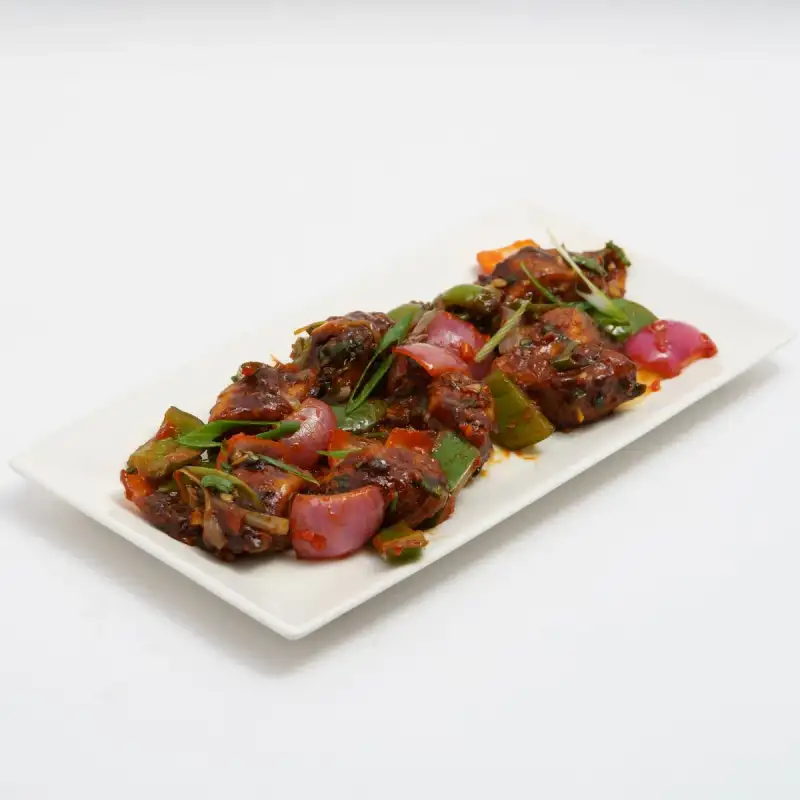
In the realm of Chinese cuisine, few dishes have garnered as much global acclaim as Kung Pao, a spicy stir-fry that masterfully balances the yin and yang of sweet and heat. This iconic Szechuan dish has become a staple of Chinese restaurants worldwide, and its popularity shows no signs of waning. But what lies behind the allure of Kung Pao, and how did this humble stir-fry rise to fame? In this article, we’ll delve into the rich history, cultural significance, and, of course, the authentic recipe behind this beloved dish.
Introduction to Kung Pao
Kung Pao, also known as Gong Bao, is a stir-fry that originated in the Szechuan province of China. The name “Kung Pao” roughly translates to “Palace Guardian” or “Ding Bao,” which refers to a high-ranking official in the Qing dynasty. This dish was allegedly created in the late 19th century by a Chinese chef named Ding Baozhen, who served as a governor of Szechuan province. The original recipe was designed to cater to the governor’s taste preferences, which leaned towards the bold and spicy flavors characteristic of Szechuan cuisine.
The Cultural Significance of Kung Pao
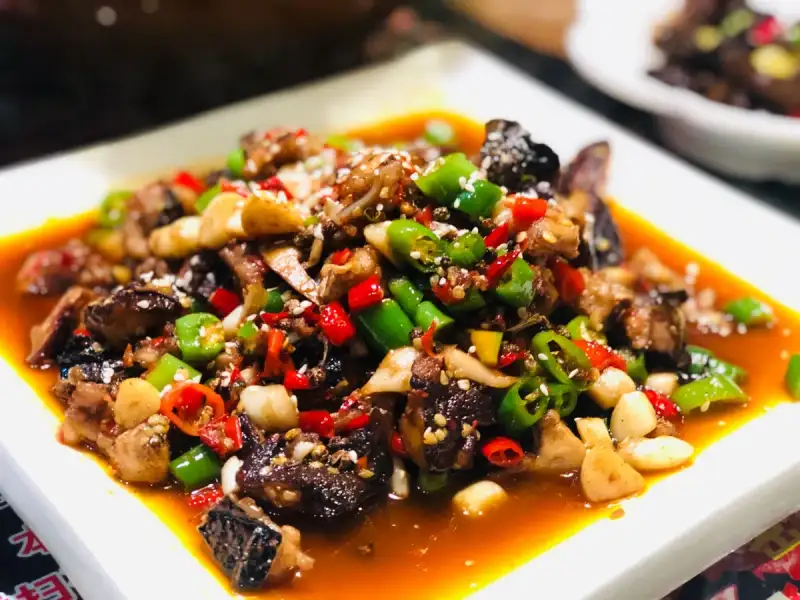 Kung Pao is more than just a dish; it’s a reflection of Szechuan’s cultural heritage. This region is renowned for its bold flavors, vivid colors, and poetic landscapes. The liberal use of Szechuan pepper, chili peppers, and fermented soybeans in Kung Pao is a testament to the province’s affinity for pungent and aromatic ingredients. The dish has become an integral part of Szechuan’s culinary identity, with various regional adaptations and interpretations.
Authentic Recipe: A Symphony of Flavors
The traditional Kung Pao recipe consists of marinated chicken, roasted peanuts, scallions, ginger, garlic, Szechuan pepper, and chili peppers, all stir-fried in a wok. The sauce is typically made with a combination of soy sauce, Shaoxing wine, cornstarch, and vinegar. To create an authentic Kung Pao experience, it’s essential to use high-quality ingredients, including fresh Szechuan peppercorns and whole chili peppers.
Key Ingredients:
- 1 lb boneless, skinless chicken breast or thighs
- 2 tablespoons soy sauce
- 1 tablespoon Shaoxing wine
- 1 tablespoon cornstarch
- 2 tablespoons vegetable oil
- 3 cloves garlic, minced
- 1 tablespoon ginger, minced
- 1 tablespoon Szechuan pepper, toasted and ground
- 2-3 whole chili peppers, toasted and chopped
- 1 cup roasted peanuts
- 1/4 cup scallions, chopped
- Salt and pepper to taste
Step-by-Step Preparation
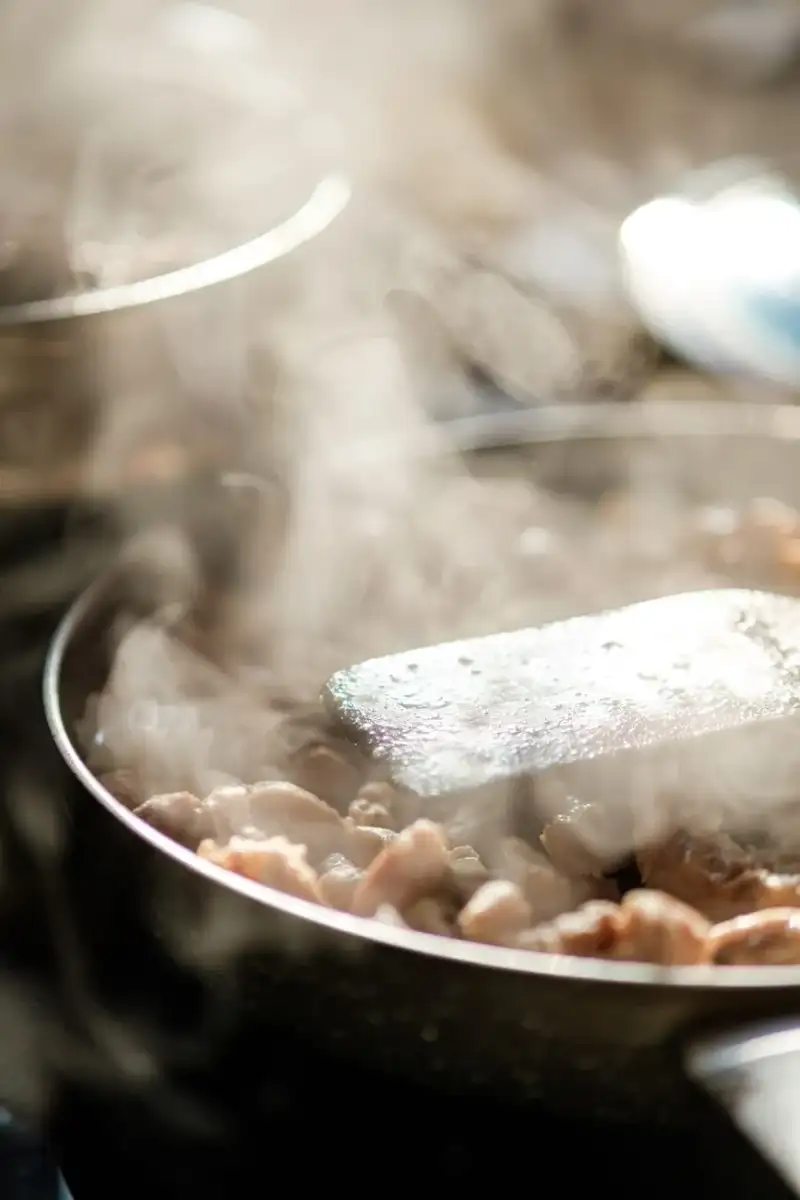 To prepare an authentic Kung Pao dish, follow these steps:
- Marinate the chicken in a mixture of soy sauce, Shaoxing wine, and cornstarch for at least 30 minutes.
- Heat 1 tablespoon of vegetable oil in a wok over high heat. Add the chicken and stir-fry until cooked through.
- Remove the chicken from the wok and set aside.
- In the same wok, add the remaining 1 tablespoon of vegetable oil. Stir-fry the minced garlic, ginger, Szechuan pepper, and chili peppers until fragrant.
- Add the roasted peanuts and stir-fry for 1-2 minutes, until lightly toasted.
- Add the cooked chicken back into the wok, along with the chopped scallions.
- Stir-fry everything together for another minute, seasoning with salt and pepper to taste.
- Serve the Kung Pao hot, garnished with additional scallions and Szechuan pepper if desired.
The Perfect Balance of Sweet and Heat
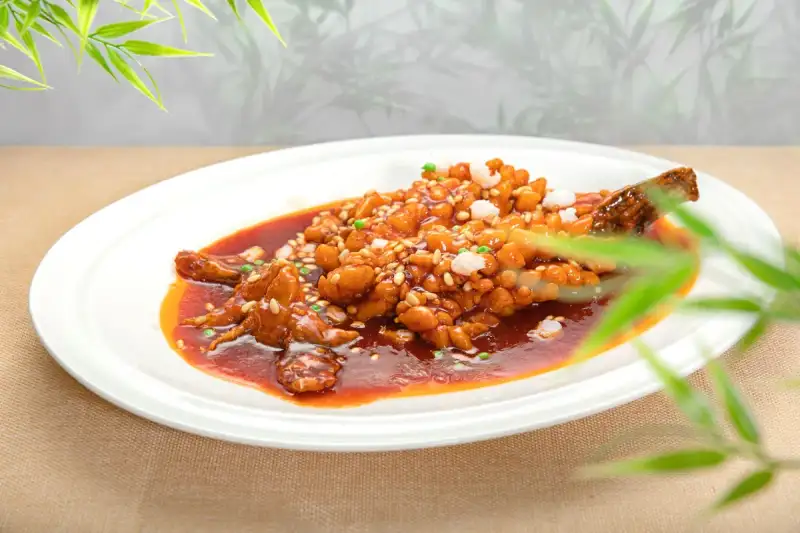 The beauty of Kung Pao lies in its masterful balance of sweet and heat. The Szechuan pepper adds a unique numbing sensation, while the chili peppers provide a slow-building heat. The sweetness from the soy sauce and Shaoxing wine balances out the spiciness, creating a harmonious flavor profile. To achieve this balance, it’s crucial to adjust the amount of chili peppers and Szechuan pepper according to your personal taste preferences.
Conclusion
Kung Pao is more than just a dish; it’s a cultural phenomenon that has captured the hearts and taste buds of people worldwide. Its perfect balance of sweet and heat has made it a staple of Chinese cuisine, with a rich history and cultural significance that continues to inspire and delight. Whether you’re a seasoned food enthusiast or a curious newcomer, Kung Pao is a dish that will leave you wanting more.
#KungPaoChicken #SzechuanCuisine #ChineseFood #Foodie #SpicyFood #StirFry #CulturalHeritage #TraditionalRecipe #AuthenticFlavors #SweetAndHeat #BalanceOfFlavors #FoodLover #ChineseCulture #StreetFood #RestaurantQuality
Related Insights
- Feijoada: Brazil’s Hearty Black Bean Stew and the Soul of a Nation
- From Ancient Grills to Modern Plates: Demir Şef’s High-Protein Chicken Shish Kebab with Zesty Sumac Salad - A Culinary Journey Through Culture and Wellness
- Black Forest Oat Porridge with Berries and Nuts (Vegan): A Nutritious and Delicious Antioxidant-Rich Breakfast