From Dragon Fruit to Durian: A Global Tour of the World’s Most Exotic Fruits and Their Secrets
-
 Kenji Sato
 - 10 Aug, 2026 08:15
The Forbidden Delights of the Amazon: Where Flavor Meets Mystery
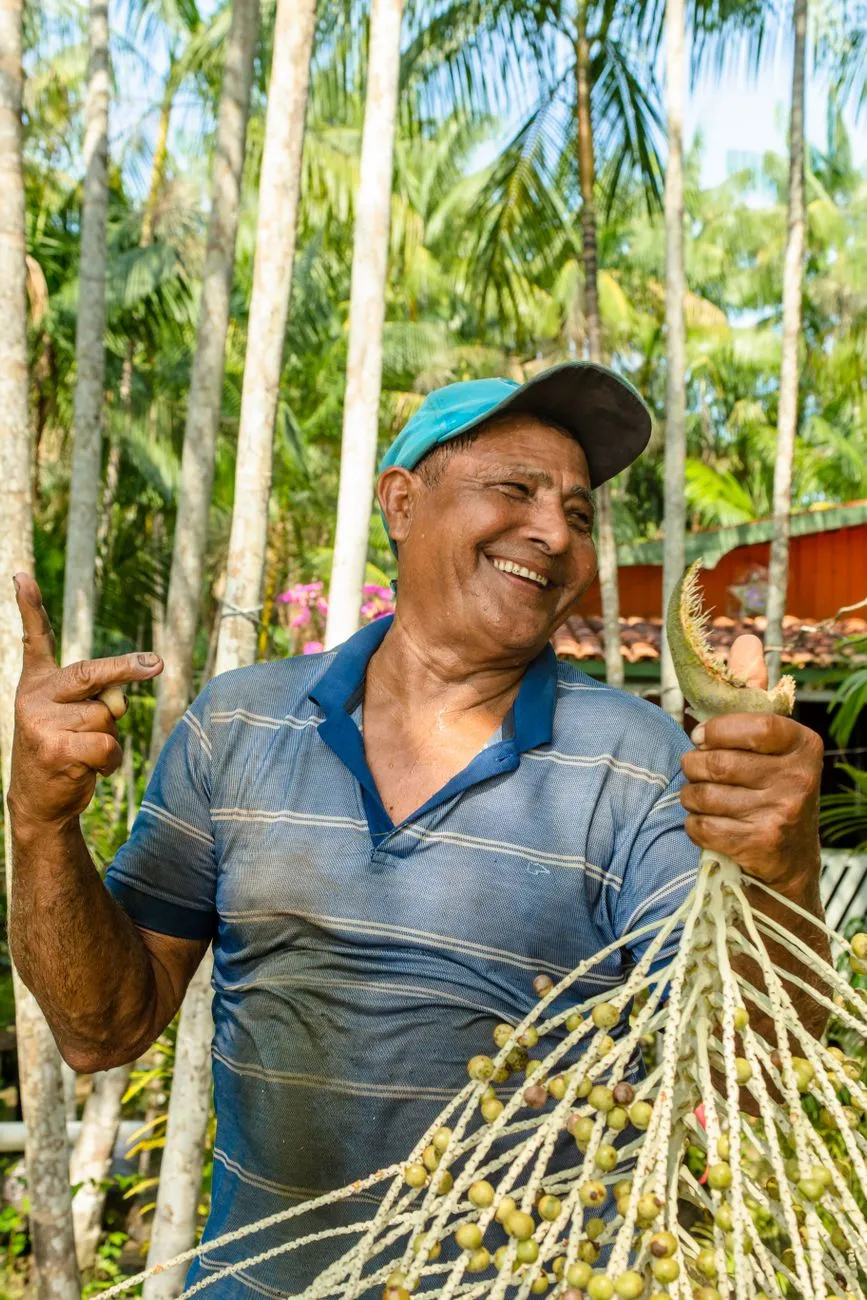
Deep in the heart of the Amazon rainforest, where the canopy whispers secrets older than civilization itself, grows one of the world’s most enigmatic fruits: the cupuaçu. This relative of the cacao tree, native to Brazil, Colombia, and Peru, is a treasure trove of creamy, tangy goodness. The cupuaçu’s outer rind is hard and woody, but inside lies a pale, snow-white pulp that tastes like a cross between chocolate, pineapple, and citrus. Locals in the Amazon often blend it into juices, ice creams, or even ferment it into a type of wine. The fruit’s name itself comes from the indigenous Tupi language, where cupuaçu means “fruit of the gods.”
But how do you eat it? First, you must crack open the tough outer shell—usually with a machete or a sturdy knife. Inside, the pulp clings to large seeds, which are bitter and inedible. The pulp is scooped out, and its fibrous texture means it’s best strained before consumption. In Brazil, cupuaçu is so beloved that it’s often sold in markets as cupulate, a frozen dessert similar to sorbet but with a richer, more complex flavor. The fruit’s popularity has even led to biotechnological research into improving its postharvest shelf life, ensuring that its unique taste can be enjoyed far beyond the Amazon.
Another Amazonian marvel is the peanut butter fruit, or Bunchosia argentea, a small, red berry that lives up to its name. When ripe, its flesh is soft, juicy, and tastes eerily like peanut butter. Indigenous communities in the region have used it for centuries, not just as a snack but as a natural remedy for inflammation. The fruit is delicate, so it’s rarely exported, making it a true hidden gem for adventurous eaters. To eat it, simply pluck the ripe fruit from the tree (it should be slightly soft to the touch), pop it into your mouth, and let the creamy texture melt on your tongue. No preparation needed—just pure, unadulterated flavor.
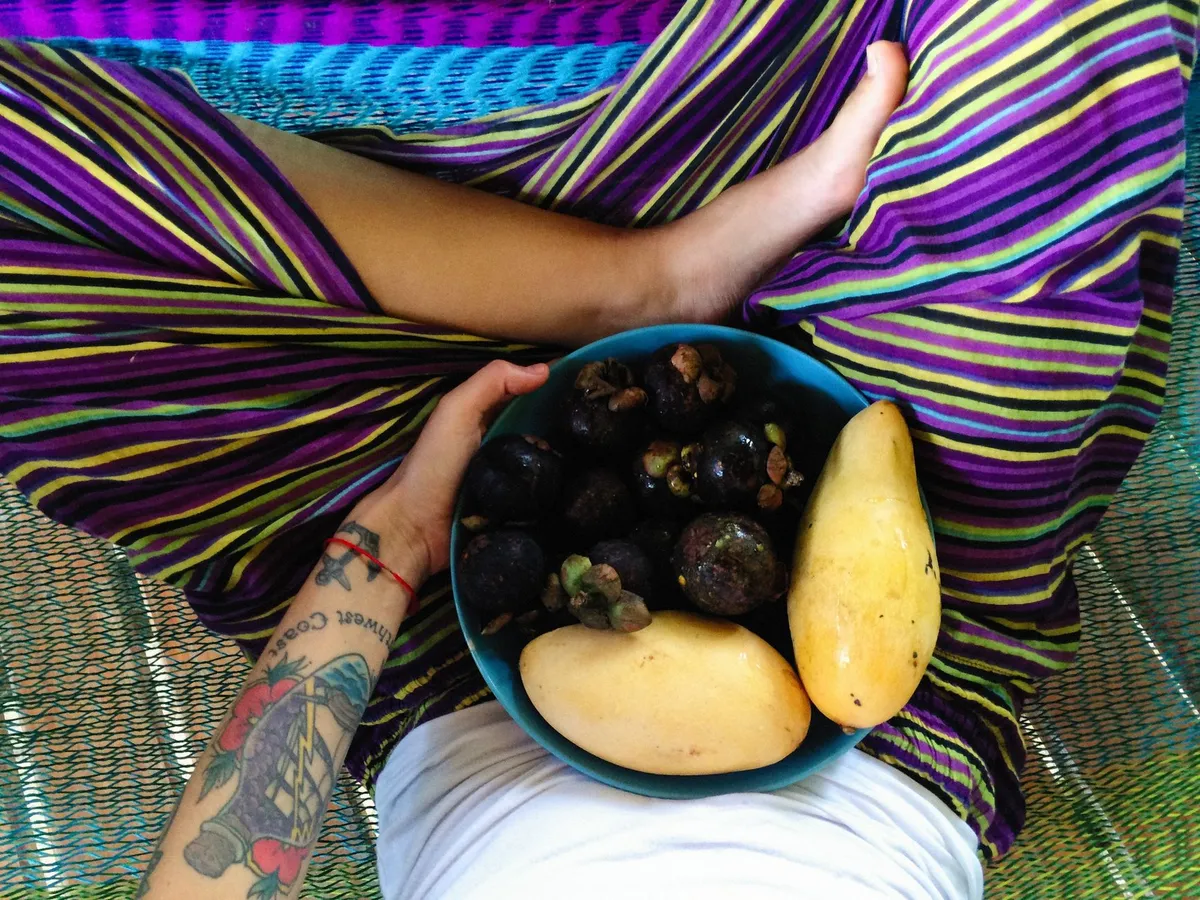
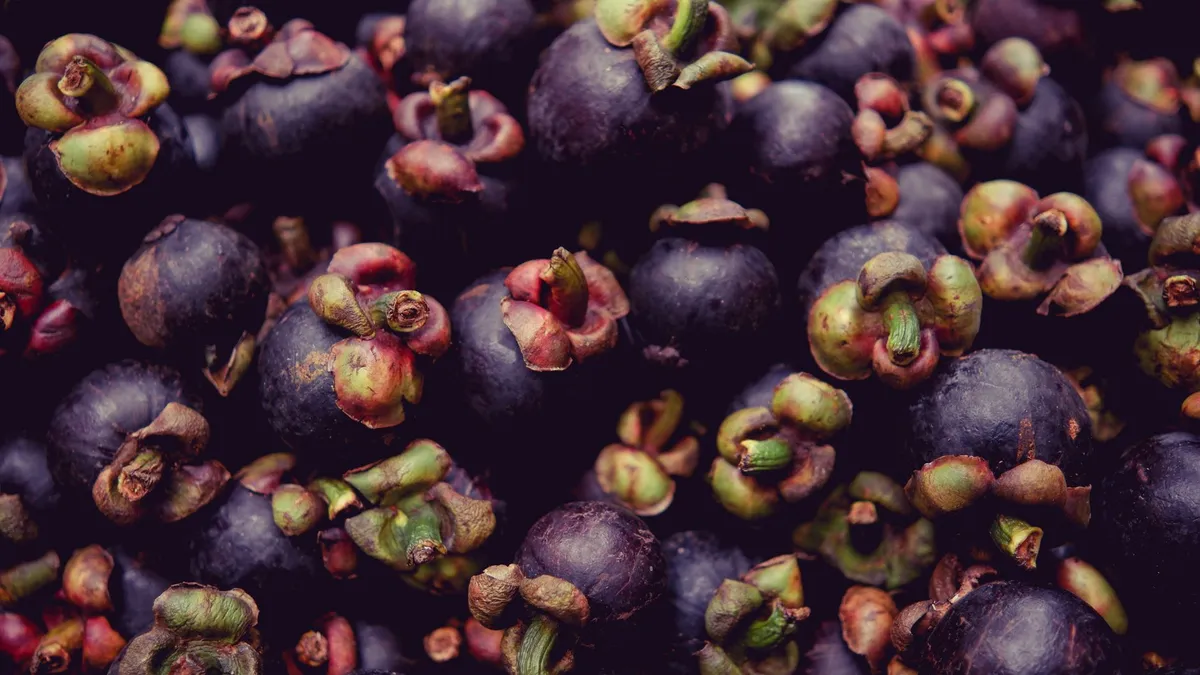
The Amazon isn’t the only place where exotic fruits thrive. In Southeast Asia, the mangosteen reigns supreme as the “queen of fruits.” Its thick, purple rind hides snow-white segments that burst with a sweet-tart flavor, often described as a mix of peach, strawberry, and citrus. Mangosteens are notoriously difficult to open—locals in Thailand and Malaysia use a special knife to slice around the equator, twist, and pop the segments out like edible jewels. The fruit is so prized that in some cultures, it’s a symbol of royalty and hospitality. In fact, the mangosteen’s scientific name, Garcinia mangostana, pays homage to the French naturalist Laurent Garcin, who first documented it in the 18th century.
The Spiky King of the Tropics: Durian and Its Polarizing Power
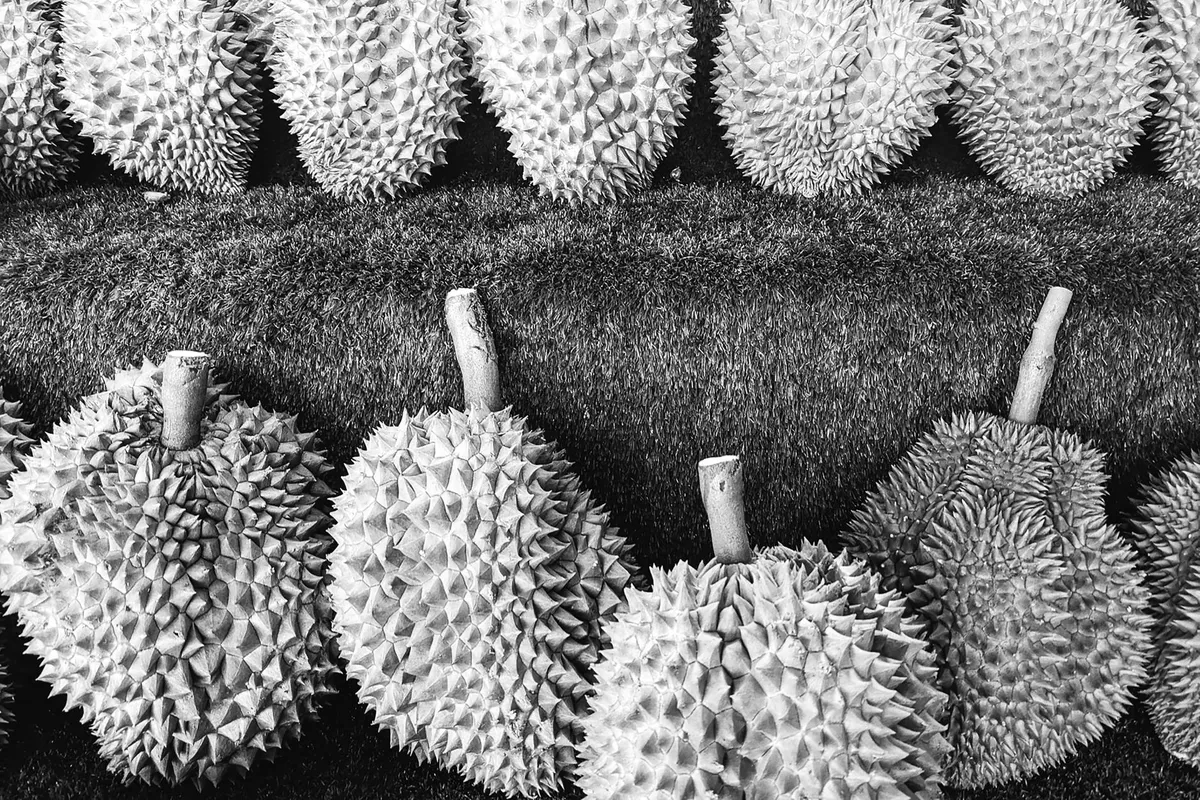
No discussion of exotic fruits would be complete without mentioning the durian, the so-called “king of fruits” in Southeast Asia. Revered for its custard-like texture and pungent aroma, durian is a fruit that divides opinion like no other. To some, it’s a heavenly indulgence; to others, it’s a biological weapon. The smell alone has been described as a mix of gym socks, rotten onions, and gasoline, which is why it’s banned in many hotels and public transport systems across Asia.
But for those who love it, durian is an addiction. The fruit’s creamy flesh is rich, sweet, and slightly bitter, with notes of caramel and almond. In Malaysia and Thailand, durian is eaten fresh, but it’s also used in desserts like tempoyak (a fermented durian paste) or durian sticky rice. The key to enjoying durian is knowing how to pick a good one. A ripe durian should have a strong aroma (if it smells mild, it’s underripe) and give slightly when pressed. Locals often use a special durian knife to cut open the spiky husk, revealing the coveted yellow segments inside.
For the uninitiated, trying durian can be a rite of passage. In Singapore, durian lovers flock to the annual Durian Festival, where vendors offer samples of rare varieties like Musang King (known for its buttery texture) and Red Prawn (with a hint of seafood-like sweetness). The fruit’s polarizing nature has even inspired scientific research into its genetic makeup, with studies exploring how to enhance its flavor while reducing its infamous odor. Some biotechnologists are experimenting with gene editing to create a less pungent version, though purists argue that the smell is part of durian’s allure.
Beyond its culinary uses, durian has cultural significance. In Thailand, it’s a symbol of prosperity, and during the durian season, entire villages come alive with street vendors and night markets. The fruit is also a major export, with Thailand being the world’s largest producer. However, its high sulfur content means it’s not for everyone—some people report headaches or nausea after eating it, a phenomenon known as “durian sickness.” For those willing to brave the aroma, durian is a fruit that rewards patience and curiosity.
The Jewels of the Pacific: Dragon Fruit and Its Hidden Crunch
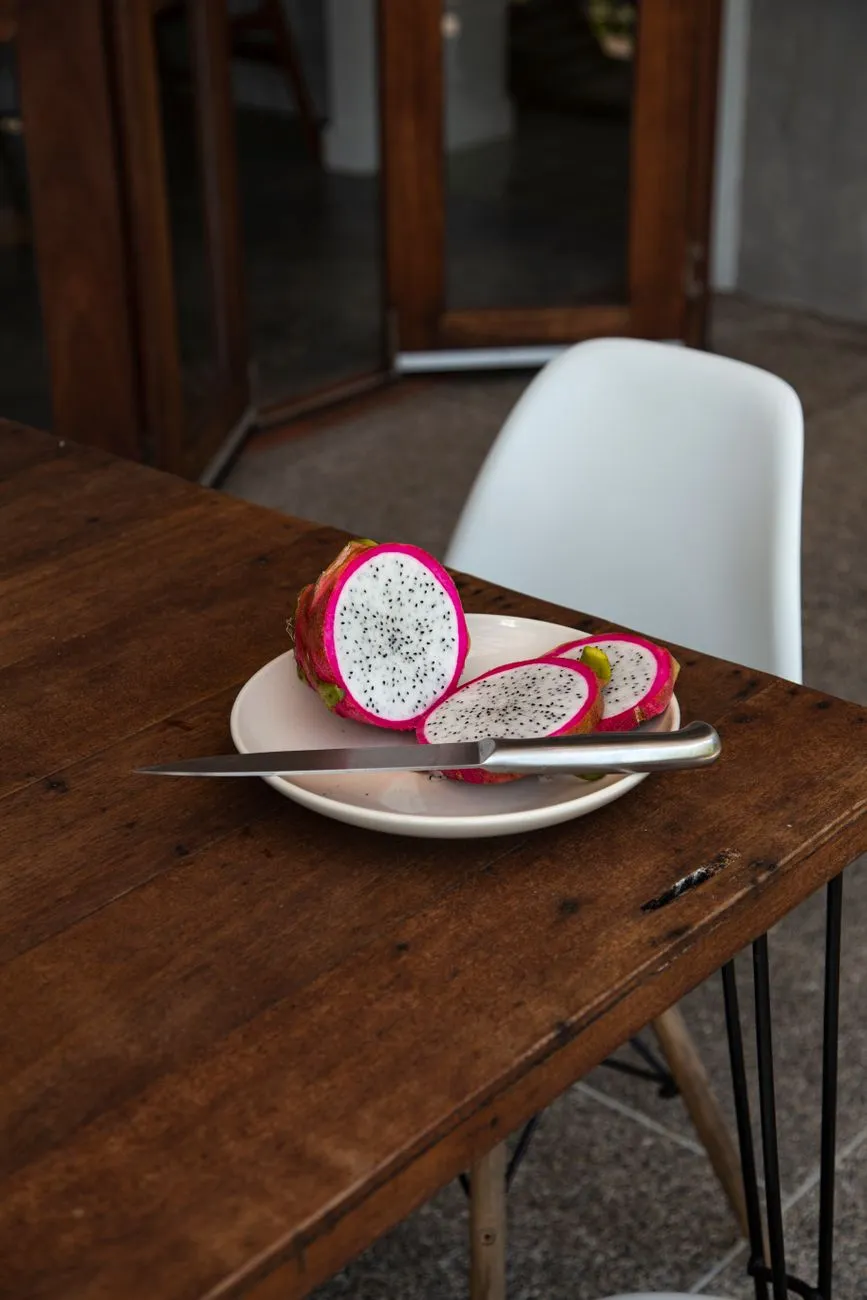
Sailing across the Pacific, we arrive in Vietnam and Thailand, where the dragon fruit (or pitaya) dazzles with its vibrant pink skin and electric blue seeds. This cactus fruit, native to Central America but now widely cultivated in Southeast Asia, is a feast for the eyes as much as the palate. The flesh can be white or deep magenta, depending on the variety, and tastes like a mild kiwi with a hint of pear. The tiny black seeds add a satisfying crunch, making it a popular ingredient in smoothie bowls and salads.
Dragon fruit is incredibly versatile. In Vietnam, it’s often blended into sinh tố (fruit smoothies) or used as a natural food coloring in desserts. The fruit’s high water content and low calorie count have also made it a favorite among health-conscious eaters. To eat it, simply slice it in half and scoop out the flesh with a spoon, or peel the skin and slice it into cubes. The seeds are edible and add a subtle nutty flavor.
One of the most fascinating aspects of dragon fruit is its connection to biotechnology. Researchers have been studying its genome to enhance its disease resistance and shelf life, ensuring that it can be enjoyed fresh even after long-distance travel. The fruit’s popularity has also led to a boom in dragon fruit farming, with countries like Vietnam and Israel exporting it globally. In fact, Vietnam is now the world’s largest exporter of dragon fruit, with over 50,000 hectares dedicated to its cultivation.
For those looking to try dragon fruit, the best varieties are those with bright, unblemished skin and a slight give when pressed. The fruit is low in calories but high in fiber, vitamin C, and antioxidants, making it a nutritional powerhouse. Whether eaten fresh, juiced, or frozen into sorbet, dragon fruit is a tropical delight that’s as beautiful as it is delicious.
The African Enigma: Miracle Fruit and the Berry That Tricks Your Taste Buds
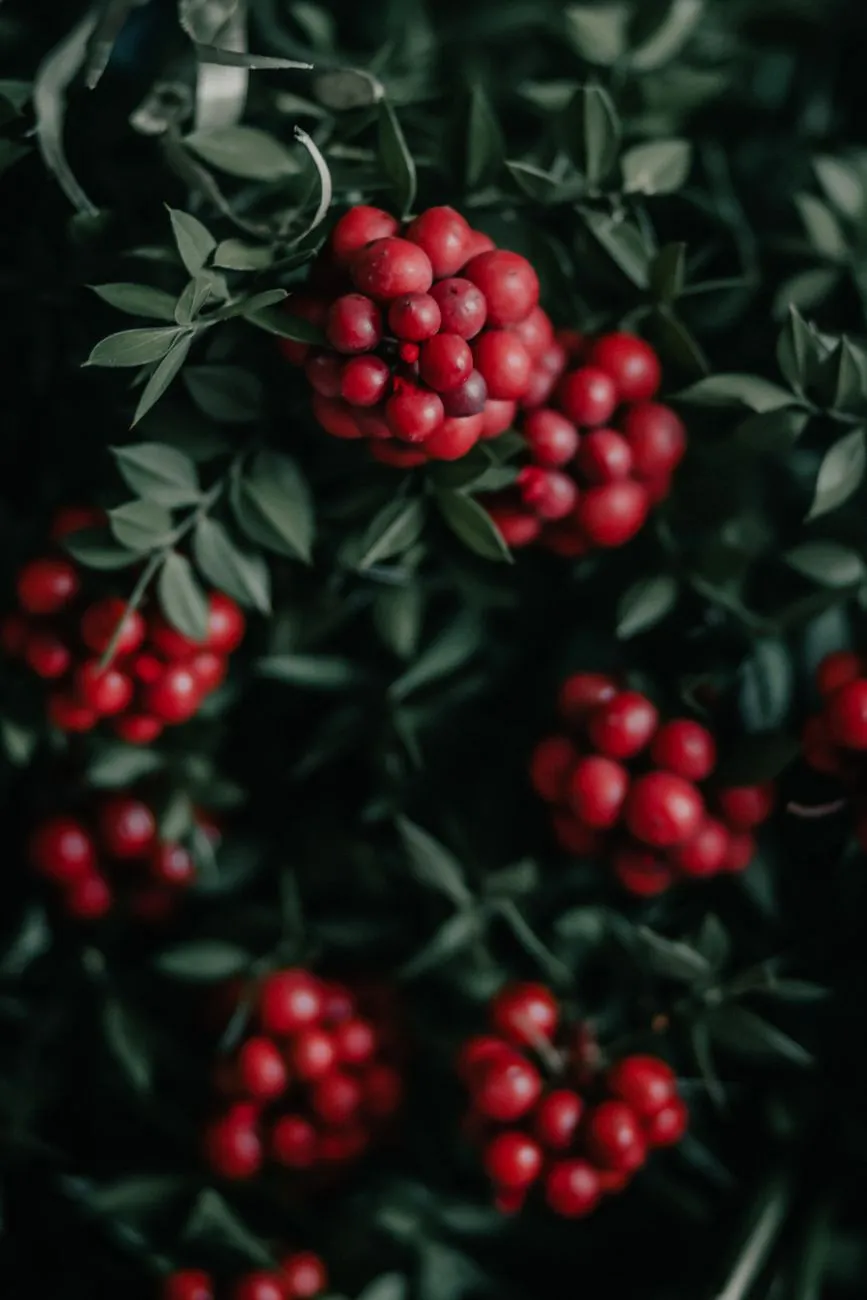
Venturing into West Africa, we encounter the miracle fruit, or Synsepalum dulcificum, a small red berry that has the extraordinary ability to temporarily alter your taste perception. When eaten, the fruit’s active compound, miraculin, binds to your taste buds and makes sour foods taste sweet. For example, a slice of lemon becomes as sweet as candy, and black coffee transforms into a caramel-like delight. This phenomenon has made miracle fruit a sensation in molecular gastronomy and a popular novelty item at science-themed dinner parties.
The miracle fruit is traditionally used in Ghana and Nigeria as a natural sweetener, especially for those with diabetes or sugar restrictions. Locals often chew the berry before a meal to enhance the flavors of sour dishes. The effect lasts about 30 minutes to an hour, making it a fun and interactive way to experience food. To eat it, simply pop the berry into your mouth and let it dissolve on your tongue. The seeds are inedible, so you’ll need to spit them out.
The science behind miracle fruit is fascinating. Researchers have been studying miraculin’s potential as a sugar substitute, particularly for people with metabolic disorders. Some biotech companies are even exploring ways to incorporate it into processed foods to reduce sugar content without sacrificing sweetness. However, the fruit itself is delicate and doesn’t travel well, which is why it remains a niche product outside of West Africa.
For adventurous eaters, miracle fruit offers a unique culinary experience. Imagine biting into a slice of grapefruit and tasting something akin to candy—it’s a surreal sensation that challenges your perception of flavor. The fruit’s ability to “trick” the taste buds has even inspired cocktail bars to create “flavor-tripping” events, where guests sample a series of dishes before and after eating the berry to compare the differences.
The Caribbean’s Hidden Gem: Soursop and Its Healing Powers
In the Caribbean, the soursop (Annona muricata) is a fruit steeped in folklore and medicinal lore. Known locally as guanábana in Spanish-speaking countries or corossol in French, this large, spiky green fruit has a creamy white flesh that tastes like a mix of strawberry, pineapple, and citrus. Soursop is a staple in Caribbean cuisine, used in everything from juices and smoothies to ice creams and even savory dishes like callaloo (a leafy green stew).
The fruit’s health benefits are legendary. In traditional medicine, soursop is believed to treat everything from hypertension to cancer, though modern science is still exploring its potential. The leaves of the soursop tree are often brewed into tea, while the fruit itself is rich in vitamin C, fiber, and antioxidants. To eat it, you’ll need to cut open the tough outer rind (a machete is helpful) and scoop out the flesh, avoiding the large black seeds.
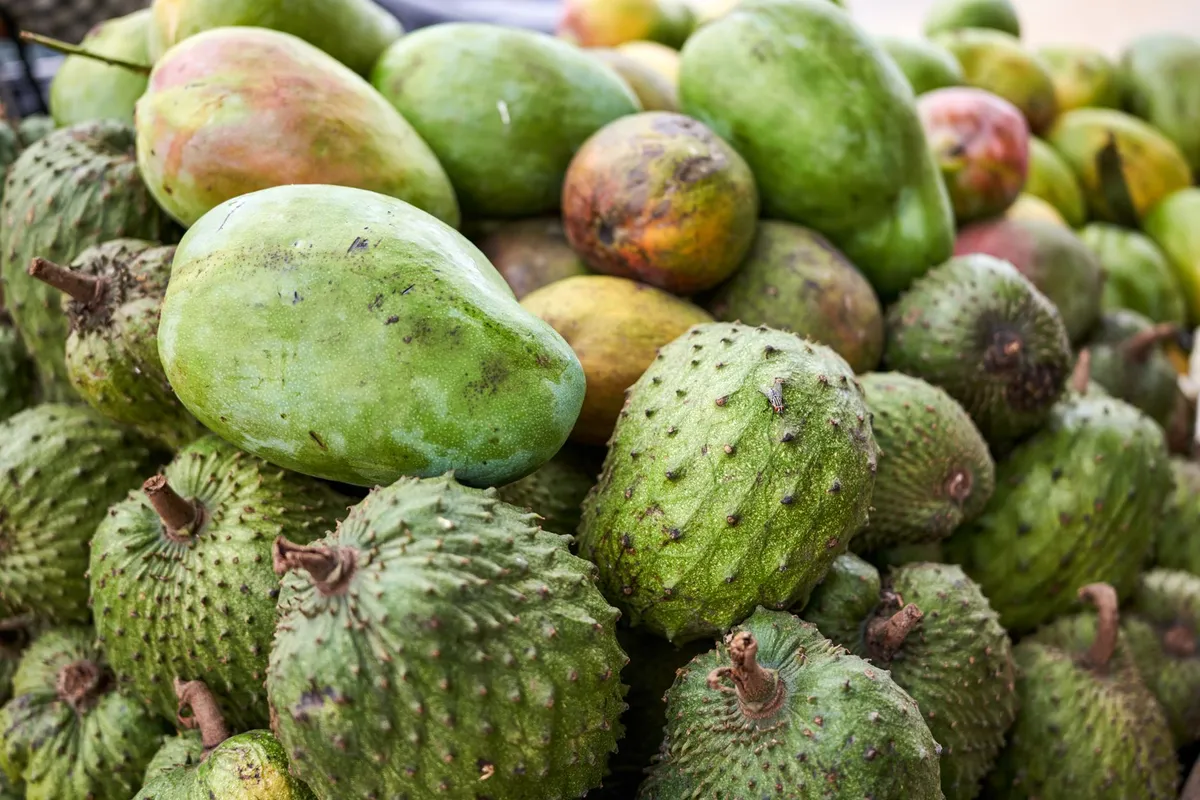
In Jamaica, soursop is so beloved that it’s featured in soursop cheesecake and soursop wine. The fruit’s versatility extends to its leaves, which are used in bush medicine to treat fevers and infections. Some researchers are studying the fruit’s acetogenins, compounds that have shown promise in cancer research. While more studies are needed, soursop’s reputation as a “healing fruit” has made it a sought-after ingredient in both culinary and medicinal circles.
For those trying soursop for the first time, the best varieties are those with a slight softness when pressed and a strong, sweet aroma. The flesh can be eaten raw or blended into a refreshing drink. In Puerto Rico, it’s common to mix soursop pulp with milk and sugar for a creamy, tropical smoothie. The fruit’s unique flavor profile makes it a standout in any exotic fruit lineup.
A Flavorful Farewell: How Exotic Fruits Connect Us to the World
From the misty jungles of the Amazon to the sun-drenched islands of the Caribbean, exotic fruits are more than just food—they’re a bridge to cultures, histories, and scientific innovations. Each fruit tells a story: of indigenous traditions, of biotechnological breakthroughs, and of the sheer joy of discovery. Whether it’s the polarizing allure of durian, the sweet deception of miracle fruit, or the creamy richness of soursop, these fruits challenge our palates and expand our culinary horizons.
As global travel and gastronomy continue to intertwine, exotic fruits are becoming more accessible than ever. Farmers’ markets in cosmopolitan cities now stock durian, dragon fruit, and mangosteen, while online retailers ship rare varieties like cupuaçu and peanut butter fruit straight to your door. The rise of food tourism has also fueled interest in these fruits, with destinations like Thailand and Brazil offering durian-tasting tours and Amazonian fruit expeditions.
Yet, for all their global appeal, exotic fruits remain deeply rooted in their local cultures. The way they’re grown, harvested, and eaten reflects centuries of tradition and innovation. In a world where fast food and processed snacks dominate, these fruits remind us of the beauty of natural, unadulterated flavors. They invite us to slow down, to savor, and to explore.
So the next time you’re at a market or a restaurant, don’t shy away from the unfamiliar. Try that strange-looking fruit. Ask the vendor how to eat it. Let your taste buds embark on a journey around the world. After all, food is one of the most powerful ways to connect with the planet—and with each other.
#ExoticFruitAdventure #TasteTheWorld #GlobalCuisine