Showing Posts From
Food travel
-
 Isabella Ferrari
 - 25 Aug, 2026 07:27
From Street Corn to Michelin Stars: A Global Food Expedition for the Curious Traveler
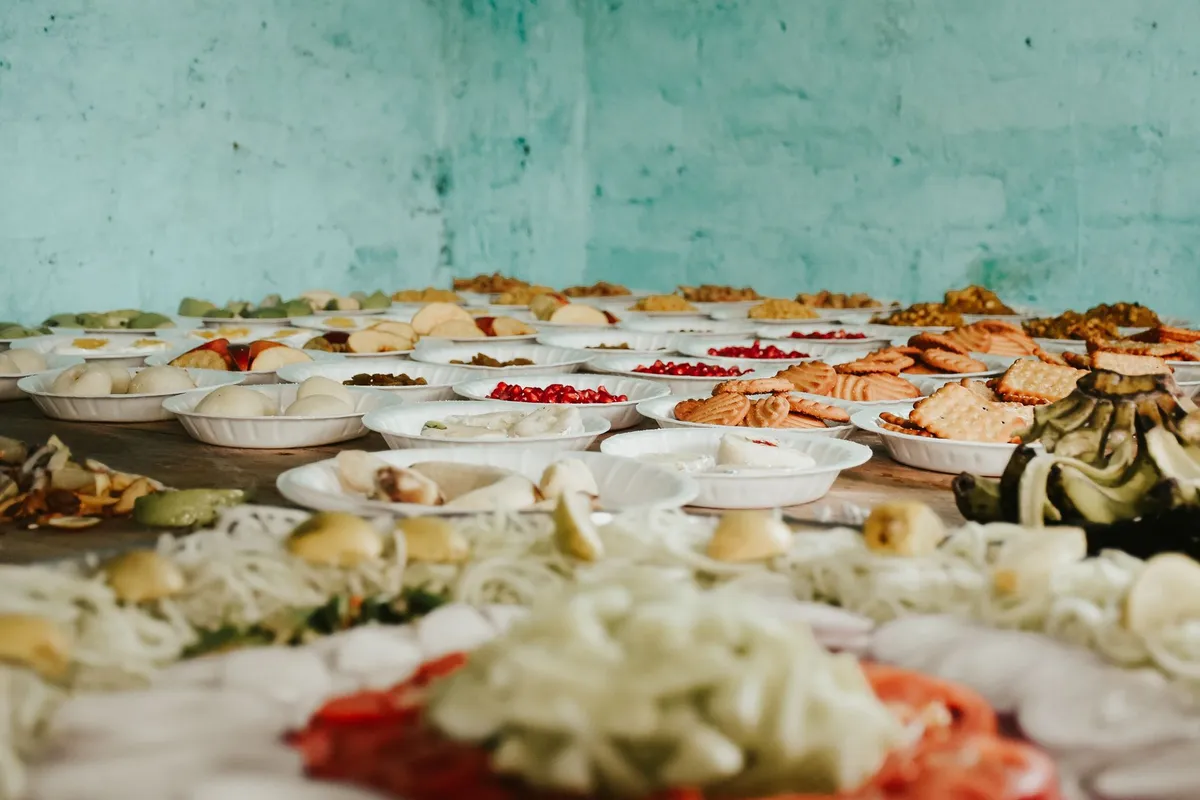
The World on Your Plate: A Journey Through Flavors, Cultures, and Cravings There’s a moment in every traveler’s journey when the real adventure begins—not on a map, but on a plate. It’s the first bite of a steaming bowl of ramen in Tokyo at 3 AM, the crunch of fresh baguette in a Parisian bakery at dawn, or the smoky heat of a taco al pastor spun on a vertical spit in Mexico City. Food is the universal language of human connection, a passport stamped with every culture’s history, climate, and creativity. Yet, for all its ubiquity, food remains one of the most misunderstood and underappreciated aspects of travel. Many globetrotters chase landmarks and selfies, but the true soul of a destination lies in its markets, kitchens, and the hands that shape its flavors. This guide is not just a list of must-try dishes—it’s a deep dive into the why and how behind the world’s most celebrated cuisines. We’ll explore the science of taste, the economics of street food, the rise of digital nomad-friendly culinary hotspots, and the hidden stories in every bite. Whether you’re a seasoned foodie or a curious beginner, prepare to redefine your travel—and your taste buds.The Spice Route Reimagined: How History Shaped the World’s Plate Food is never just food. It’s a living archive of migration, conquest, trade, and innovation. The Silk Road didn’t just move silk—it carried spices, techniques, and traditions that reshaped entire civilizations. Take the lowly potato, now a staple in Ireland, Peru, and beyond. It originated in the Andes and was brought to Europe by Spanish conquistadors in the 16th century. Within a century, it had become a dietary cornerstone in Ireland, only to later cause famine when monoculture failed. Similarly, chili peppers, native to the Americas, traveled via Portuguese traders to India, where they revolutionized curries. Today, dishes like Goan vindaloo and Sichuan mapo tofu exist because of this global exchange. But food’s evolution isn’t just about ingredients—it’s about people. The Jewish diaspora spread bagels from Poland to New York; Italian immigrants brought pizza to Argentina; and the British Empire exported tea to India, where it was hybridized into masala chai. Even the humble croissant has a contested origin: though associated with France, its layered dough likely came from Ottoman Turkey via Austrian bakers. These culinary crossroads tell stories of resilience, adaptation, and identity. Consider the case of Italy. Its cuisine is often romanticized as rustic and regional, but it’s actually a patchwork of foreign influences. Tomatoes, now synonymous with Italian food, arrived from the Americas in the 16th century. Pasta, though ancient in China, was popularized in Italy through Arab trade routes. The result? A cuisine that feels timeless but is, in reality, a living experiment in fusion. For travelers, understanding this history transforms eating from a transaction into a dialogue. In Oaxaca, Mexico, the mole negro is more than a sauce—it’s a ritual, blending indigenous ingredients like chocolate and chili with Spanish-introduced spices. In Istanbul’s Spice Bazaar, the scent of sumac and saffron isn’t just commerce; it’s a reminder of empires that once traded these very spices.The Economics of Every Bite: Where Your Money Buys the Most Flavor Food isn’t just about taste—it’s about value. And in a world where inflation and currency fluctuations can make or break a travel budget, knowing where your money goes furthest is crucial. Enter Numbeo, the world’s largest database of user-contributed cost-of-living data. According to their 2024 rankings, some destinations offer gourmet experiences for a fraction of the price you’d pay in New York or London. Let’s break it down with a price-per-plate comparison across five iconic food cities, based on Numbeo’s data (all prices in USD):City Street Food Meal Mid-Range Restaurant Meal Fine Dining (3-course) Coffee (Cappuccino)Bangkok, Thailand $1.50 $8.00 $35.00 $1.20Istanbul, Turkey $2.50 $12.00 $45.00 $1.50Mexico City $3.00 $15.00 $50.00 $1.80Lisbon, Portugal $4.50 $20.00 $60.00 $2.00Tokyo, Japan $5.00 $25.00 $100.00 $2.50Source: Numbeo 2024 (Cost of Living Index) The data reveals a clear pattern: southeast Asia and parts of the Middle East offer the best value for food lovers. In Bangkok, a full meal of som tam (green papaya salad), grilled pork skewers, and mango sticky rice can cost under $2. In contrast, Tokyo’s $5 street food (like yakitori or onigiri) is still a bargain compared to its fine dining, where a single meal at a Michelin-starred restaurant can exceed $200. But value isn’t just about price—it’s about experience. In Vietnam, street food vendors often serve meals for under $1, but the flavors are complex, with layers of umami from fish sauce, herbs, and chili. In Italy, a $15 pasta dish in a trattoria might seem expensive, but it’s made with high-quality ingredients like bronze-die extruded pasta and slow-simmered ragù. For digital nomads and long-term travelers, food costs can make or break a budget. In cities like Chiang Mai (Thailand) or Medellín (Colombia), a monthly food budget of $300–$500 can include daily meals at local markets, occasional fine dining, and even cooking classes. Meanwhile, in Zurich or Oslo, the same budget might only cover a few meals at mid-range restaurants. Pro tip: Eat where locals eat. In most cities, the best meals are found in neighborhood eateries, not tourist traps. In Hanoi, follow the crowds to Bun Cha Huong Lien, where Obama and Bourdain once dined. In Rome, skip the restaurants near the Colosseum and head to Trastevere for authentic carbonara.The Digital Nomad’s Culinary Playground: Where to Eat, Work, and Wander The rise of remote work has birthed a new breed of traveler: the digital nomad. These modern-day explorers aren’t just chasing Wi-Fi—they’re chasing flavor. And some cities have become veritable playgrounds for those who want to work by day and feast by night. Enter the digital nomad visa, a relatively new but rapidly growing trend. Countries like Portugal, Spain, and Thailand now offer long-term visas for remote workers, often with incentives like tax breaks or cultural integration programs. But beyond the paperwork, what makes a city a nomad’s foodie paradise? 1. Lisbon, Portugal Portugal’s capital has become a hotspot for nomads, thanks to its affordable cost of living, vibrant café culture, and thriving food scene. The city’s pastel de nata (custard tart) is a must-try, best enjoyed at Pastéis de Belém, where the recipe has been guarded since 1837. For digital workers, Ler Devagar in the LX Factory offers a stunning workspace with a bookstore and café, while Time Out Market provides a curated food hall experience with local vendors. 2. Medellín, Colombia Known as the "City of Eternal Spring" for its perfect weather, Medellín is also a haven for food lovers. The local bandeja paisa (a hearty platter of beans, rice, meat, and plantains) is a must-try, often found at Hacienda Junín. For nomads, Selina Coworking spaces offer food trucks and communal kitchens, while Café Zapatoca serves excellent Colombian coffee in a cozy setting. 3. Chiang Mai, Thailand Thailand’s northern capital is a nomad’s dream, with street food stalls serving khao soi (coconut curry noodles) for under $1. The Nimmanhaemin Road area is packed with cafés like Graph Café, which blends artisanal coffee with high-speed internet. For a taste of local culture, visit the Warorot Market, where you can sample everything from grilled river prawns to mango sticky rice. 4. Tbilisi, Georgia Georgia, the birthplace of wine, has become a nomad favorite for its supra (feast) culture and khachapuri (cheese-filled bread). The Fabrika District is a hub for remote workers, with communal workspaces and food markets. For a true Georgian experience, head to Samikitno, where you can enjoy a multi-course supra with homemade wine. 5. Bali, Indonesia Bali’s Canggu and Ubud areas are teeming with digital nomads, drawn by affordable villas, yoga studios, and nasi campur (mixed rice dishes) at Warung Babi Guling Pak Dobiel. For a work-friendly meal, The Shala in Canggu offers organic, plant-based dishes in a serene setting.But being a nomad isn’t just about where you eat—it’s about how you eat. Many nomads adopt a "slow food" approach, prioritizing local, seasonal ingredients over fast options. Others join food tours or cooking classes to deepen their connection to a culture. In Oaxaca, for example, a mole-making workshop can cost $30–$50 but offers an unforgettable insight into Mexican culinary traditions. For those on a budget, house-sitting or volunteering in exchange for meals (via platforms like Workaway) can provide unique food experiences. Imagine cooking a traditional feijoada in a Brazilian homestay or learning to make sourdough bread in a Tuscan farmhouse.From Street Corn to Michelin Stars: The Hierarchy of Food Adventures Not all food experiences are created equal. There’s a spectrum from grab-and-go street snacks to multi-course tasting menus, and knowing where you fall on that spectrum can elevate your travels from ordinary to extraordinary. Level 1: The Street Food Safari Street food is the heartbeat of a city’s culinary culture. It’s raw, unfiltered, and often the best way to taste a place’s true flavors. In Bangkok, the Jay Fai crab omelet (a Michelin-starred street food) is a must-try, while in Mexico City, elote (grilled corn with chili and lime) from a street vendor is a rite of passage. Pro tip: Look for stalls with long lines—it’s a sign of quality. In Istanbul, the balık ekmek (fish sandwich) at Eminönü is legendary, but only if it’s fresh off the boat. Level 2: The Local Eatery These are the places where locals eat, often unadorned by tourist menus. In Rome, a trattoria like Da Enzo al 29 serves carbonara so authentic it’s illegal in some countries. In Hanoi, Bún Chả Hương Liên (Obama’s favorite) is a no-frills spot with incredible grilled pork and noodles. Pro tip: Learn a few phrases in the local language. In Japan, saying "osusume wa nan desu ka?" ("What do you recommend?") can lead to hidden gems. Level 3: The Market Experience Markets are where food culture comes alive. In Marrakech, the Jemaa el-Fnaa square transforms at night into a food bazaar, with stalls serving snail soup and grilled meats. In Lisbon, the Mercado da Ribeira (Time Out Market) offers a curated selection of Portugal’s best bites. Pro tip: Go early to avoid crowds, and don’t be afraid to try something unfamiliar. In Bangkok’s Chatuchak Market, you might find fried insects or durian-flavored treats—adventurous eaters only! Level 4: The Cooking Class Nothing beats making the food yourself. In Chiang Mai, a Thai cooking class (like at Thai Farm Cooking School) teaches you to balance sweet, sour, spicy, and salty—skills that will transform your home cooking. In Oaxaca, a mole-making workshop reveals the secrets behind Mexico’s most complex sauce. Pro tip: Choose classes that use local, seasonal ingredients. In Provence, France, a herb-infused olive oil workshop is a fragrant way to learn about the region’s flavors. Level 5: The Michelin Star Experience At the top of the hierarchy are Michelin-starred restaurants, where creativity meets precision. In Tokyo, Sukiyabashi Jiro (featured in Jiro Dreams of Sushi) offers a $300 omakase (chef’s choice) meal that’s a once-in-a-lifetime experience. In Copenhagen, Noma (ranked #1 in the world in 2021) redefines Nordic cuisine with foraged ingredients. Pro tip: Book months in advance. Michelin-starred restaurants often have waiting lists, and cancellations are rare.But here’s the secret: the best food experiences aren’t always the most expensive. A $2 bowl of pho in Hanoi can rival a $200 tasting menu in Paris. The key is curiosity. Ask locals for recommendations. Wander down alleys. Try the weird stuff. In Istanbul, the best baklava isn’t in a tourist shop—it’s in a tiny bakery in the Kadıköy district. In Lisbon, the best ginjinha (cherry liqueur) is served in a chocolate cup at A Ginjinha.The Future of Food Travel: Trends, Tech, and Tomorrow’s Plate Food travel isn’t static—it’s evolving. The rise of food tourism, sustainability, and technology is reshaping how we eat, explore, and connect. Here’s what’s on the horizon: 1. The Rise of "Foodie Tourism" Gone are the days when travelers were content with a quick photo of a dish. Today, foodie tourism is a multi-billion-dollar industry, with travelers booking trips solely around culinary experiences. In Italy, pasta-making tours in Bologna attract thousands annually. In Peru, Nikkei cuisine workshops (a fusion of Japanese and Peruvian flavors) are sold out months in advance. Trend to watch: Regenerative food travel. Travelers are seeking out destinations that prioritize sustainability, like Costa Rica’s farm-to-table eco-lodges or Bhutan’s organic farming initiatives. 2. The Digital Revolution in Dining Technology is transforming how we discover and book food experiences. Apps like Tabelog (Japan’s Yelp) and TheFork (Europe) use AI to recommend restaurants based on your preferences. Resy and OpenTable make reservations seamless, while Instagram and TikTok drive viral food trends (remember the dalgona coffee craze?). Trend to watch: Virtual dining experiences. With the rise of metaverse dining, some restaurants now offer VR food tours, where you can "visit" a Parisian bistro from your living room. 3. The Globalization of Fusion Cuisine As cultures collide, so do flavors. Korean-Mexican fusion (hello, Kogi BBQ in LA) and Japanese-Peruvian Nikkei are just the beginning. In Singapore, chili crab ramen and bak kut teh pizza are pushing boundaries. Even McDonald’s is getting in on the act, with regional menus like the McSpicy Paneer in India. Trend to watch: AI-generated recipes. Companies like PlantJammer use AI to create personalized recipes based on available ingredients, making fusion cuisine accessible to home cooks. 4. The Demand for Authenticity Paradoxically, as the world becomes more connected, travelers crave authentic, unfiltered experiences. In Venice, the trend of "slow tourism" has led to a decline in mass-market gondola restaurants in favor of family-run bacari (wine bars). In Barcelona, the Mercat de la Boqueria is fighting back against tourist traps by promoting local vendors. Trend to watch: Underground supper clubs. In cities like Berlin and Mexico City, secret dining events (often hosted in private homes) offer intimate, chef-driven meals with no menu—just surprise. 5. The Health and Wellness Movement Post-pandemic, travelers are prioritizing health-conscious dining. In Bali, plant-based retreats like The Yoga Barn offer vegan feasts. In Copenhagen, Nordic wellness cuisine focuses on seasonal, organic ingredients. Even fast food is getting a makeover, with chains like Sweetgreen and By Chloe leading the charge. Trend to watch: Gut-friendly travel. Probiotics, fermented foods, and gut-healing retreats (like those in Japan’s shojin ryori temples) are gaining traction.Where Every Bite Tells a Story: Your Next Food Adventure Awaits Food is more than sustenance—it’s a gateway to understanding the world. It’s the laughter shared over a shared plate of feijoada in Rio, the quiet reverence of a tea ceremony in Kyoto, the bold spices of a mole negro in Oaxaca. It’s the reason why a croissant in Paris tastes different from one in New York, why sushi in Tokyo is a religious experience, and why pizza in Naples is UNESCO-protected. As you plan your next trip, ask yourself: What flavors will define your journey? Will it be the smoky depth of a Moroccan tagine, the crisp freshness of a Vietnamese summer roll, or the umami bomb of a Neapolitan pizza? Will you seek out the hidden gem or the Michelin star? The choice is yours—but one thing is certain: the world’s best meals are waiting for you. So pack your appetite. Bring your curiosity. And most importantly—bring an empty stomach.#FoodTravel #CulinaryAdventures #EatTheWorld #DigitalNomadEats #SlowFoodMovement Related InsightsLevantine Mezze Magic: A Journey Through Mediterranean Flavors Where Every Bite Tells a Story Portugal Unveiled: A Deep Dive into Viagem, Cultura, Vida, Gastronomia, and História The Ultimate Digital Nomad’s Playbook: Where to Live, Eat, and Thrive in 2026{ "@context": "https://schema.org", "@type": "FAQPage", "mainEntity": [ { "@type": "Question", "name": "What is the main focus of From Street Corn to Michelin Stars: A Global Food Expedition for the Curious Traveler?", "acceptedAnswer": { "@type": "Answer", "text": "Discover the world’s most iconic foods, hidden culinary gems, and the secrets behind their flavors—where to eat, what to try, and how to savor every bite like a local." } }, { "@type": "Question", "name": "Who authored the comprehensive guide on From Street Corn to Michelin Stars: A Global Food Expedition for the Curious Traveler?", "acceptedAnswer": { "@type": "Answer", "text": "This detailed article and its insights were carefully researched and authored by Isabella Ferrari." } }, { "@type": "Question", "name": "Where can I find more related content about Travel/Food?", "acceptedAnswer": { "@type": "Answer", "text": "You can explore more articles, detailed reviews, and similar insights by browsing the Related Insights section at the bottom of this article or visiting our dedicated Travel/Food category page." } } ] }
-
 Kenji Sato
 - 10 Aug, 2026 08:15
From Dragon Fruit to Durian: A Global Tour of the World’s Most Exotic Fruits and Their Secrets
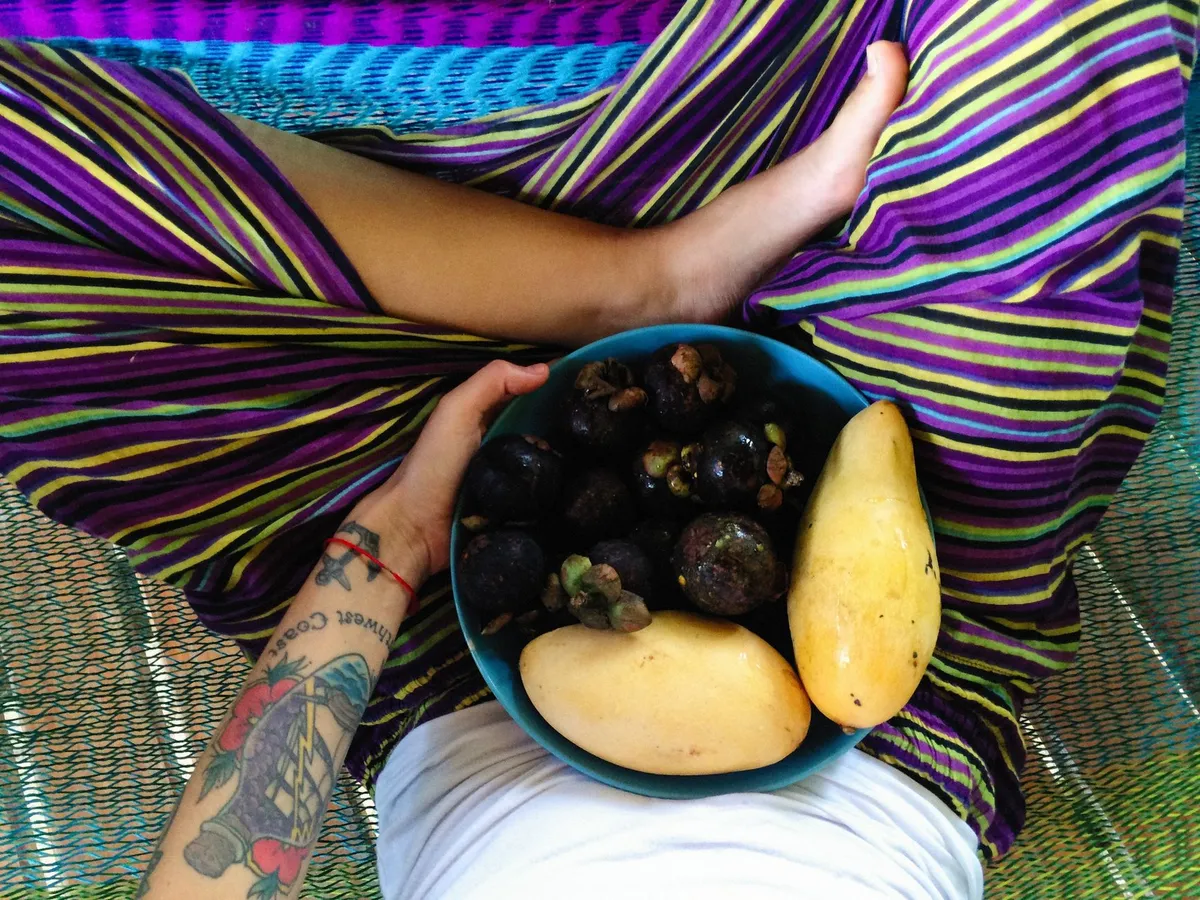
The Forbidden Delights of the Amazon: Where Flavor Meets Mystery Deep in the heart of the Amazon rainforest, where the canopy whispers secrets older than civilization itself, grows one of the world’s most enigmatic fruits: the cupuaçu. This relative of the cacao tree, native to Brazil, Colombia, and Peru, is a treasure trove of creamy, tangy goodness. The cupuaçu’s outer rind is hard and woody, but inside lies a pale, snow-white pulp that tastes like a cross between chocolate, pineapple, and citrus. Locals in the Amazon often blend it into juices, ice creams, or even ferment it into a type of wine. The fruit’s name itself comes from the indigenous Tupi language, where cupuaçu means "fruit of the gods." But how do you eat it? First, you must crack open the tough outer shell—usually with a machete or a sturdy knife. Inside, the pulp clings to large seeds, which are bitter and inedible. The pulp is scooped out, and its fibrous texture means it’s best strained before consumption. In Brazil, cupuaçu is so beloved that it’s often sold in markets as cupulate, a frozen dessert similar to sorbet but with a richer, more complex flavor. The fruit’s popularity has even led to biotechnological research into improving its postharvest shelf life, ensuring that its unique taste can be enjoyed far beyond the Amazon.Another Amazonian marvel is the peanut butter fruit, or Bunchosia argentea, a small, red berry that lives up to its name. When ripe, its flesh is soft, juicy, and tastes eerily like peanut butter. Indigenous communities in the region have used it for centuries, not just as a snack but as a natural remedy for inflammation. The fruit is delicate, so it’s rarely exported, making it a true hidden gem for adventurous eaters. To eat it, simply pluck the ripe fruit from the tree (it should be slightly soft to the touch), pop it into your mouth, and let the creamy texture melt on your tongue. No preparation needed—just pure, unadulterated flavor. The Amazon isn’t the only place where exotic fruits thrive. In Southeast Asia, the mangosteen reigns supreme as the "queen of fruits." Its thick, purple rind hides snow-white segments that burst with a sweet-tart flavor, often described as a mix of peach, strawberry, and citrus. Mangosteens are notoriously difficult to open—locals in Thailand and Malaysia use a special knife to slice around the equator, twist, and pop the segments out like edible jewels. The fruit is so prized that in some cultures, it’s a symbol of royalty and hospitality. In fact, the mangosteen’s scientific name, Garcinia mangostana, pays homage to the French naturalist Laurent Garcin, who first documented it in the 18th century.The Spiky King of the Tropics: Durian and Its Polarizing Power No discussion of exotic fruits would be complete without mentioning the durian, the so-called "king of fruits" in Southeast Asia. Revered for its custard-like texture and pungent aroma, durian is a fruit that divides opinion like no other. To some, it’s a heavenly indulgence; to others, it’s a biological weapon. The smell alone has been described as a mix of gym socks, rotten onions, and gasoline, which is why it’s banned in many hotels and public transport systems across Asia. But for those who love it, durian is an addiction. The fruit’s creamy flesh is rich, sweet, and slightly bitter, with notes of caramel and almond. In Malaysia and Thailand, durian is eaten fresh, but it’s also used in desserts like tempoyak (a fermented durian paste) or durian sticky rice. The key to enjoying durian is knowing how to pick a good one. A ripe durian should have a strong aroma (if it smells mild, it’s underripe) and give slightly when pressed. Locals often use a special durian knife to cut open the spiky husk, revealing the coveted yellow segments inside.For the uninitiated, trying durian can be a rite of passage. In Singapore, durian lovers flock to the annual Durian Festival, where vendors offer samples of rare varieties like Musang King (known for its buttery texture) and Red Prawn (with a hint of seafood-like sweetness). The fruit’s polarizing nature has even inspired scientific research into its genetic makeup, with studies exploring how to enhance its flavor while reducing its infamous odor. Some biotechnologists are experimenting with gene editing to create a less pungent version, though purists argue that the smell is part of durian’s allure. Beyond its culinary uses, durian has cultural significance. In Thailand, it’s a symbol of prosperity, and during the durian season, entire villages come alive with street vendors and night markets. The fruit is also a major export, with Thailand being the world’s largest producer. However, its high sulfur content means it’s not for everyone—some people report headaches or nausea after eating it, a phenomenon known as "durian sickness." For those willing to brave the aroma, durian is a fruit that rewards patience and curiosity.The Jewels of the Pacific: Dragon Fruit and Its Hidden Crunch Sailing across the Pacific, we arrive in Vietnam and Thailand, where the dragon fruit (or pitaya) dazzles with its vibrant pink skin and electric blue seeds. This cactus fruit, native to Central America but now widely cultivated in Southeast Asia, is a feast for the eyes as much as the palate. The flesh can be white or deep magenta, depending on the variety, and tastes like a mild kiwi with a hint of pear. The tiny black seeds add a satisfying crunch, making it a popular ingredient in smoothie bowls and salads. Dragon fruit is incredibly versatile. In Vietnam, it’s often blended into sinh tố (fruit smoothies) or used as a natural food coloring in desserts. The fruit’s high water content and low calorie count have also made it a favorite among health-conscious eaters. To eat it, simply slice it in half and scoop out the flesh with a spoon, or peel the skin and slice it into cubes. The seeds are edible and add a subtle nutty flavor.One of the most fascinating aspects of dragon fruit is its connection to biotechnology. Researchers have been studying its genome to enhance its disease resistance and shelf life, ensuring that it can be enjoyed fresh even after long-distance travel. The fruit’s popularity has also led to a boom in dragon fruit farming, with countries like Vietnam and Israel exporting it globally. In fact, Vietnam is now the world’s largest exporter of dragon fruit, with over 50,000 hectares dedicated to its cultivation. For those looking to try dragon fruit, the best varieties are those with bright, unblemished skin and a slight give when pressed. The fruit is low in calories but high in fiber, vitamin C, and antioxidants, making it a nutritional powerhouse. Whether eaten fresh, juiced, or frozen into sorbet, dragon fruit is a tropical delight that’s as beautiful as it is delicious.The African Enigma: Miracle Fruit and the Berry That Tricks Your Taste Buds Venturing into West Africa, we encounter the miracle fruit, or Synsepalum dulcificum, a small red berry that has the extraordinary ability to temporarily alter your taste perception. When eaten, the fruit’s active compound, miraculin, binds to your taste buds and makes sour foods taste sweet. For example, a slice of lemon becomes as sweet as candy, and black coffee transforms into a caramel-like delight. This phenomenon has made miracle fruit a sensation in molecular gastronomy and a popular novelty item at science-themed dinner parties. The miracle fruit is traditionally used in Ghana and Nigeria as a natural sweetener, especially for those with diabetes or sugar restrictions. Locals often chew the berry before a meal to enhance the flavors of sour dishes. The effect lasts about 30 minutes to an hour, making it a fun and interactive way to experience food. To eat it, simply pop the berry into your mouth and let it dissolve on your tongue. The seeds are inedible, so you’ll need to spit them out.The science behind miracle fruit is fascinating. Researchers have been studying miraculin’s potential as a sugar substitute, particularly for people with metabolic disorders. Some biotech companies are even exploring ways to incorporate it into processed foods to reduce sugar content without sacrificing sweetness. However, the fruit itself is delicate and doesn’t travel well, which is why it remains a niche product outside of West Africa. For adventurous eaters, miracle fruit offers a unique culinary experience. Imagine biting into a slice of grapefruit and tasting something akin to candy—it’s a surreal sensation that challenges your perception of flavor. The fruit’s ability to "trick" the taste buds has even inspired cocktail bars to create "flavor-tripping" events, where guests sample a series of dishes before and after eating the berry to compare the differences.The Caribbean’s Hidden Gem: Soursop and Its Healing Powers In the Caribbean, the soursop (Annona muricata) is a fruit steeped in folklore and medicinal lore. Known locally as guanábana in Spanish-speaking countries or corossol in French, this large, spiky green fruit has a creamy white flesh that tastes like a mix of strawberry, pineapple, and citrus. Soursop is a staple in Caribbean cuisine, used in everything from juices and smoothies to ice creams and even savory dishes like callaloo (a leafy green stew). The fruit’s health benefits are legendary. In traditional medicine, soursop is believed to treat everything from hypertension to cancer, though modern science is still exploring its potential. The leaves of the soursop tree are often brewed into tea, while the fruit itself is rich in vitamin C, fiber, and antioxidants. To eat it, you’ll need to cut open the tough outer rind (a machete is helpful) and scoop out the flesh, avoiding the large black seeds.In Jamaica, soursop is so beloved that it’s featured in soursop cheesecake and soursop wine. The fruit’s versatility extends to its leaves, which are used in bush medicine to treat fevers and infections. Some researchers are studying the fruit’s acetogenins, compounds that have shown promise in cancer research. While more studies are needed, soursop’s reputation as a "healing fruit" has made it a sought-after ingredient in both culinary and medicinal circles. For those trying soursop for the first time, the best varieties are those with a slight softness when pressed and a strong, sweet aroma. The flesh can be eaten raw or blended into a refreshing drink. In Puerto Rico, it’s common to mix soursop pulp with milk and sugar for a creamy, tropical smoothie. The fruit’s unique flavor profile makes it a standout in any exotic fruit lineup.A Flavorful Farewell: How Exotic Fruits Connect Us to the World From the misty jungles of the Amazon to the sun-drenched islands of the Caribbean, exotic fruits are more than just food—they’re a bridge to cultures, histories, and scientific innovations. Each fruit tells a story: of indigenous traditions, of biotechnological breakthroughs, and of the sheer joy of discovery. Whether it’s the polarizing allure of durian, the sweet deception of miracle fruit, or the creamy richness of soursop, these fruits challenge our palates and expand our culinary horizons. As global travel and gastronomy continue to intertwine, exotic fruits are becoming more accessible than ever. Farmers’ markets in cosmopolitan cities now stock durian, dragon fruit, and mangosteen, while online retailers ship rare varieties like cupuaçu and peanut butter fruit straight to your door. The rise of food tourism has also fueled interest in these fruits, with destinations like Thailand and Brazil offering durian-tasting tours and Amazonian fruit expeditions. Yet, for all their global appeal, exotic fruits remain deeply rooted in their local cultures. The way they’re grown, harvested, and eaten reflects centuries of tradition and innovation. In a world where fast food and processed snacks dominate, these fruits remind us of the beauty of natural, unadulterated flavors. They invite us to slow down, to savor, and to explore. So the next time you’re at a market or a restaurant, don’t shy away from the unfamiliar. Try that strange-looking fruit. Ask the vendor how to eat it. Let your taste buds embark on a journey around the world. After all, food is one of the most powerful ways to connect with the planet—and with each other.#ExoticFruitAdventure #TasteTheWorld #GlobalCuisine Related InsightsMisal Pav: Maharashtra's Fiery Breakfast Mumbais flüchtige Gaumenfreuden: Wo Straßenstände die Stadt zum Kochen bringen Kelewele: The Spicy Fried Plantain Snack{ "@context": "https://schema.org", "@type": "FAQPage", "mainEntity": [ { "@type": "Question", "name": "What is the main focus of From Dragon Fruit to Durian: A Global Tour of the World’s Most Exotic Fruits and Their Secrets?", "acceptedAnswer": { "@type": "Answer", "text": "Discover the most exotic fruits on Earth, their origins, flavors, and step-by-step guides on how to eat them like a local." } }, { "@type": "Question", "name": "Who authored the comprehensive guide on From Dragon Fruit to Durian: A Global Tour of the World’s Most Exotic Fruits and Their Secrets?", "acceptedAnswer": { "@type": "Answer", "text": "This detailed article and its insights were carefully researched and authored by Kenji Sato." } }, { "@type": "Question", "name": "Where can I find more related content about Food?", "acceptedAnswer": { "@type": "Answer", "text": "You can explore more articles, detailed reviews, and similar insights by browsing the Related Insights section at the bottom of this article or visiting our dedicated Food category page." } } ] }
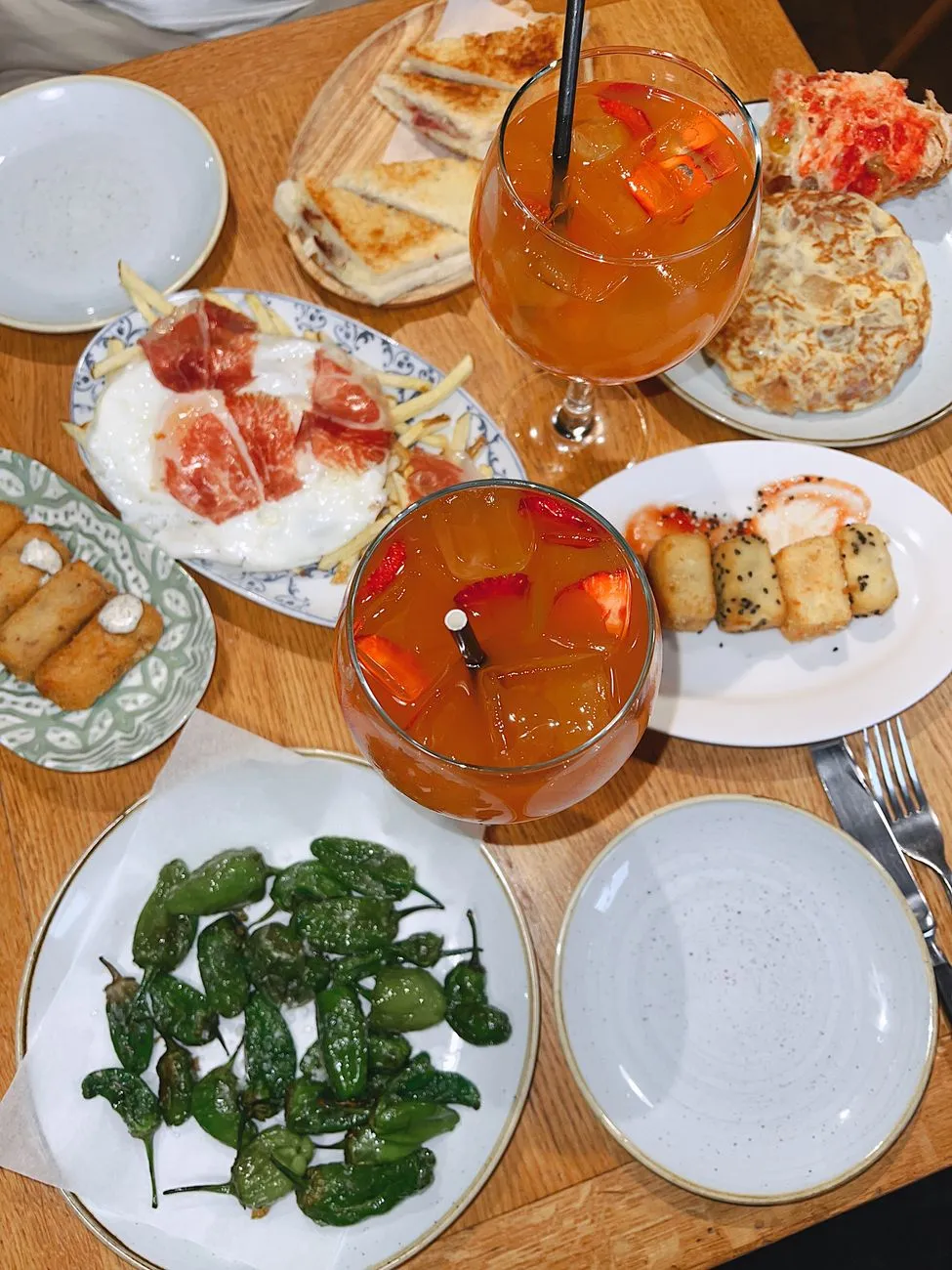
The Ultimate Guide to Spanish Tapas: Recipes and Regional Variations Spanish tapas are more than just small plates—they are a cultural phenomenon, a social ritual, and a culinary art form that has captivated the world. Originating in medieval Spain as a simple way to cover wine glasses with slices of bread or ham to keep flies away, tapas have evolved into a vibrant tradition that reflects the country’s diverse regions, history, and flavors. Today, tapas are enjoyed in bustling bars across Spain, from the sun-drenched streets of Andalusia to the cosmopolitan taverns of Madrid, each region offering its own unique twist on these bite-sized delights. What makes tapas so special is their versatility. Whether you’re savoring a classic patatas bravas drizzled with spicy tomato sauce, indulging in gambas al ajillo (garlic shrimp), or sampling tortilla española (Spanish omelette), each tapa tells a story. The communal nature of tapas—sharing small plates with friends over a glass of wine or beer—embodies the Spanish spirit of sobremesa, the art of lingering at the table long after the meal is finished. In this guide, we’ll explore the history, regional variations, and authentic recipes that make Spanish tapas a must-try for any food lover.The History and Cultural Significance of Spanish Tapas The origins of tapas are as rich and varied as the dishes themselves. The most popular legend traces tapas back to the 13th century, when King Alfonso X of Castile allegedly ordered taverns to serve food with wine to prevent drunkenness. Another theory suggests that tapas emerged as a practical solution for workers in Andalusia, who needed a small snack to sustain them through long hours. Regardless of their exact beginnings, tapas became deeply embedded in Spanish culture, evolving from a simple necessity to a celebrated culinary tradition. Tapas are intrinsically linked to the concept of sobremesa, the Spanish tradition of lingering at the table after a meal to chat, laugh, and enjoy each other’s company. This social ritual is a cornerstone of Spanish life, where food is not just sustenance but a way to connect with others. The word tapa itself means "lid" or "cover," reflecting its humble beginnings as a small plate used to cover a glass of wine. Over time, the term expanded to include any small dish served alongside drinks, and today, tapas menus can range from a few simple items to elaborate spreads featuring dozens of dishes. Regional variations in tapas reflect Spain’s diverse geography and history. In the north, particularly in the Basque Country and Navarre, tapas take the form of pintxos—elaborate skewered bites often served on bread. In Andalusia, seafood tapas like boquerones en vinagre (marinated anchovies) and gambas al ajillo dominate, while in Catalonia, you’ll find pan con tomate (bread with tomato) and allioli (garlic mayonnaise). Central Spain, including Madrid, is known for hearty tapas like callos a la madrileña (tripe stew) and huevos rotos (broken eggs with potatoes and ham). Each region’s tapas are a reflection of its local ingredients, traditions, and cultural influences, making tapas a true culinary mosaic.Classic Spanish Tapas Recipes You Must Try 1. Patatas Bravas: The Iconic Spicy Potato Dish No tapas spread is complete without patatas bravas, a dish that perfectly encapsulates the bold flavors of Spanish cuisine. Originating in Madrid, this dish features crispy fried potatoes served with two essential sauces: salsa brava, a smoky and spicy tomato-based sauce, and allioli, a creamy garlic mayonnaise. The contrast between the crunchy potatoes and the rich, tangy sauces makes this a beloved tapa. Ingredients:4 large potatoes, peeled and cut into 1-inch cubes 1 cup olive oil (for frying) 1 onion, finely chopped 2 garlic cloves, minced 1 can (14 oz) crushed tomatoes 1 tsp smoked paprika 1/2 tsp cayenne pepper (adjust to taste) 1/2 cup mayonnaise 2 garlic cloves (for allioli) Salt and pepper to taste Fresh parsley, chopped (for garnish)Instructions:Fry the potatoes: Heat the olive oil in a deep pan over medium heat. Add the potato cubes and fry until golden and crispy, about 8-10 minutes. Remove with a slotted spoon and drain on paper towels. Season with salt. Make the salsa brava: In a separate pan, sauté the onion and garlic until soft. Add the crushed tomatoes, smoked paprika, cayenne pepper, salt, and pepper. Simmer for 15-20 minutes until thickened. Prepare the allioli: Blend the mayonnaise with the garlic cloves until smooth. Adjust seasoning to taste. Assemble: Place the fried potatoes on a plate, drizzle with salsa brava and allioli, and garnish with fresh parsley. Serve warm.2. Gambas al Ajillo: Garlic Shrimp with a Kick Gambas al ajillo is a staple in Andalusian tapas bars, where fresh shrimp are cooked in a fragrant garlic and olive oil sauce, often infused with chili peppers and a splash of sherry. The dish is typically served sizzling in a clay dish, accompanied by crusty bread to soak up the garlicky oil. Ingredients:1 lb large shrimp, peeled and deveined 1/2 cup olive oil 8 garlic cloves, thinly sliced 1-2 dried guindilla peppers (or 1/2 tsp red pepper flakes) 1/4 cup dry sherry (optional) 1 tbsp lemon juice Salt to taste Fresh parsley, chopped (for garnish) Crusty bread, for servingInstructions:Prepare the shrimp: Pat the shrimp dry and season lightly with salt. Cook the garlic: Heat the olive oil in a skillet over medium heat. Add the garlic and guindilla peppers, cooking until the garlic is golden but not burnt, about 2-3 minutes. Add the shrimp: Increase the heat to medium-high and add the shrimp. Cook for 2-3 minutes per side until pink and opaque. Finish the dish: Deglaze the pan with sherry (if using) and lemon juice. Stir well and garnish with fresh parsley. Serve: Transfer to a clay dish or skillet and serve immediately with crusty bread.3. Tortilla Española: The Ultimate Spanish Omelette A staple in every Spanish home and bar, tortilla española is a thick, hearty omelette made with eggs, potatoes, and onions. Unlike French omelettes, which are thin and folded, the Spanish version is a substantial dish that can be served hot or at room temperature. It’s a perfect example of how simple ingredients can create something extraordinary. Ingredients:6 large eggs 2 large potatoes, peeled and thinly sliced 1 large onion, thinly sliced 1/2 cup olive oil (for frying) Salt to tasteInstructions:Fry the potatoes and onions: Heat the olive oil in a large skillet over medium heat. Add the potatoes and onions, cooking gently until soft but not browned, about 15-20 minutes. Drain and set aside, reserving the oil. Beat the eggs: In a large bowl, beat the eggs and season with salt. Add the cooked potatoes and onions, mixing well. Let the mixture rest for 10 minutes. Cook the omelette: Heat 2 tablespoons of the reserved oil in a non-stick skillet over medium heat. Pour in the egg mixture and cook for 4-5 minutes until the edges are set. Flip the omelette: Place a large plate over the skillet and carefully flip the omelette onto the plate. Slide it back into the skillet to cook the other side for another 4-5 minutes. Serve: Let the tortilla rest for a few minutes before slicing into wedges. Serve warm or at room temperature.Regional Variations: A Tapas Tour Across Spain 1. Basque Country: The Art of Pintxos In the Basque Country, tapas take the form of pintxos, small, elaborate bites often served on a slice of bread or skewered with a toothpick. Pintxos are a point of pride in the region, with each bar vying to create the most innovative and visually stunning dishes. Unlike traditional tapas, pintxos are often more complex, featuring ingredients like foie gras, smoked salmon, and local cheeses. One iconic pintxo is Gilda, a simple yet flavorful combination of anchovies, olives, and guindilla peppers on a toothpick. Another favorite is Txalupa, a small boat-shaped bread filled with seafood salad or brandade (a creamy cod dish). The Basque Country is also known for its pintxos de morcilla, a blood sausage pintxo often served with caramelized onions. 2. Andalusia: Seafood and Moorish Influences Andalusia’s tapas are deeply influenced by its coastal location and Moorish history. Seafood tapas dominate the region, with dishes like boquerones en vinagre (marinated anchovies), tortillitas de camarones (shrimp fritters), and berenjenas con miel (fried eggplant drizzled with honey). The use of spices like cumin, paprika, and saffron reflects the region’s Moorish past. One of the most beloved Andalusian tapas is salmorejo, a cold tomato soup similar to gazpacho but thicker and creamier, topped with diced ham and hard-boiled eggs. Another classic is espinacas con garbanzos, a spinach and chickpea stew with Moroccan-inspired flavors. The Andalusian love for fried foods is evident in tapas like croquetas de jamón (ham croquettes) and pimientos de padrón (blistered Padrón peppers). 3. Catalonia: Rustic and Innovative Catalonia’s tapas are a blend of rustic tradition and modern innovation. The region is known for its pa amb tomàquet (bread rubbed with tomato, garlic, and olive oil), a simple yet essential tapa that accompanies many dishes. Another Catalan staple is allioli, a garlic mayonnaise that can be served with grilled meats, fish, or vegetables. Catalonia is also famous for its fideuà, a paella-like dish made with short noodles instead of rice, often cooked with seafood and served in a shallow pan. Another unique tapa is butifarra amb mongetes, a Catalan sausage served with white beans. The region’s love for cheese is evident in tapas like mató de Pedralbes, a fresh cheese served with honey or nuts. 4. Madrid: Hearty and Traditional Madrid’s tapas scene is characterized by hearty, traditional dishes that reflect the city’s working-class roots. One of the most iconic Madrid tapas is callos a la madrileña, a tripe stew slow-cooked with chorizo, morcilla (blood sausage), and chickpeas. Another favorite is huevos rotos, a dish of fried potatoes and ham topped with fried eggs, which are "broken" to mix the yolks with the other ingredients. Madrid is also known for its bocadillo de calamares, a sandwich filled with fried squid rings, often served with a side of alioli. The city’s love for offal is evident in tapas like oreja a la plancha (grilled pig’s ear) and rabas (fried squid). Madrid’s tapas bars are often standing-room-only, with locals and tourists alike enjoying these robust dishes with a glass of beer or wine. 5. Galicia: Seafood Heaven Galicia, in northwest Spain, is a seafood lover’s paradise, and its tapas reflect this abundance. One of the most famous Galician tapas is pulpo a la gallega, or Galician-style octopus, served with potatoes, paprika, and olive oil. Another iconic dish is empanada gallega, a savory pie filled with tuna, sardines, or other seafood. Galicia is also known for its percebes (gooseneck barnacles), a delicacy often served simply steamed with a drizzle of olive oil and lemon. Another beloved tapa is vieiras a la gallega, scallops cooked with garlic, parsley, and white wine. The region’s tapas are often simple, letting the freshness of the seafood shine through.The Science and Art of Pairing Tapas with Wine and Beer Pairing tapas with the right drink is an art form that enhances the dining experience. In Spain, wine and beer are the most common accompaniments to tapas, with each region offering its own specialties. The key to successful pairing is balancing the flavors of the tapa with the drink—rich, fatty tapas pair well with acidic wines, while lighter tapas benefit from crisp, refreshing beverages. Wine PairingsRioja (Red Wine): A medium-bodied Rioja with its notes of cherry and vanilla is perfect for hearty tapas like callos a la madrileña or tortilla española. Albariño (White Wine): This crisp, aromatic white wine from Galicia pairs beautifully with seafood tapas like gambas al ajillo or pulpo a la gallega. Cava (Sparkling Wine): The effervescence of Cava cuts through the richness of fried tapas like croquetas or patatas bravas. Sherry (Fortified Wine): From Andalusia, sherry—particularly fino or manzanilla—pairs wonderfully with salty tapas like boquerones en vinagre or jamón ibérico.Beer PairingsLager (e.g., Estrella Damm, Mahou): A cold lager is a classic choice for tapas, especially in Madrid and Andalusia. Its crispness complements fried foods and seafood. Craft Beer (e.g., IPA, Stout): In recent years, craft beer has gained popularity in Spain, with IPAs pairing well with spicy tapas like patatas bravas and stouts complementing rich dishes like morcilla. Radler (Beer with Lemon): A refreshing Radler is ideal for hot days and lighter tapas like ensaladilla rusa (Russian salad).Non-Alcoholic PairingsTinto de Verano (Red Wine Spritzer): A mix of red wine and soda water, lighter than sangria, pairs well with grilled tapas. Horchata (Tiger Nut Drink): A sweet, creamy drink from Valencia, horchata is a refreshing contrast to salty tapas like anchovies or cheese. Agua de Valencia (Orange Juice and Cava): A festive non-alcoholic version can be made with orange juice and sparkling water.Nutritional Breakdown and Health Benefits of Spanish Tapas Spanish tapas are not only delicious but also offer a range of nutritional benefits, thanks to their emphasis on fresh ingredients, olive oil, and seafood. Here’s a breakdown of the macronutrient and micronutrient profiles for some classic tapas:Tapa Calories (per serving) Protein (g) Carbs (g) Fat (g) Key NutrientsPatatas Bravas 350 4 35 22 Vitamin C, Potassium, FiberGambas al Ajillo 250 20 5 18 Omega-3, Selenium, Vitamin B12Tortilla Española 300 12 10 24 Vitamin D, Iron, CholineBoquerones en Vinagre 180 15 5 12 Omega-3, Calcium, Vitamin ACroquetas de Jamón 280 8 20 18 Protein, Calcium, Vitamin B6Health BenefitsRich in Healthy Fats: Olive oil, a staple in Spanish cuisine, is high in monounsaturated fats, which are heart-healthy and can help reduce bad cholesterol. High in Protein: Many tapas, such as gambas al ajillo and tortilla española, are excellent sources of protein, essential for muscle repair and growth. Packed with Vitamins and Minerals: Seafood tapas like pulpo a la gallega provide omega-3 fatty acids, which support brain health, while dishes like ensaladilla rusa offer a variety of vitamins from vegetables. Antioxidant-Rich: Ingredients like garlic, tomatoes, and peppers are high in antioxidants, which help combat inflammation and oxidative stress. Moderate Portions: Tapas are typically served in small portions, making them a great option for mindful eating and portion control.Dietary ConsiderationsGluten-Free: Many tapas are naturally gluten-free, such as gambas al ajillo, boquerones en vinagre, and tortilla española. However, be cautious with fried tapas, as they may be dusted with flour. Vegetarian: Vegetarian-friendly tapas include pimientos de padrón, berenjenas con miel, and espinacas con garbanzos. Vegan: Vegan tapas options include pan con tomate, allioli (made without eggs), and pisto (a ratatouille-like dish). Low-Carb: Tapas like tortilla española, boquerones en vinagre, and grilled seafood are low in carbohydrates.Conclusion & Sign-off Spanish tapas are a celebration of flavor, tradition, and community. From the smoky patatas bravas of Madrid to the delicate pintxos of the Basque Country, each tapa offers a glimpse into the rich cultural tapestry of Spain. Whether you’re hosting a tapas night at home or exploring the bustling bars of Seville, these small plates are a gateway to the heart of Spanish cuisine. As you embark on your tapas journey, remember that the true magic of tapas lies in sharing. Gather friends around a table, order a variety of dishes, and let the flavors—and the conversations—flow. Pair your tapas with a glass of Rioja or a cold beer, and you’ll experience the essence of sobremesa, where food becomes a reason to connect and savor life’s simple pleasures. So, whether you’re a seasoned tapas enthusiast or a curious newcomer, dive into the world of Spanish tapas with an open heart and an adventurous palate. ¡Buen provecho!#SpanishFood #TapasNight #MediterraneanEats #FoodTravel #AuthenticCuisine Related InsightsExploring the Delightful World of Cheese Pairings Unlock the Secrets of Craft Beer: Your Step-by-Step Guide to Brewing at Home Like a Pro The Earthy Harvest: A High-Fiber Lentil and Root Vegetable Stew{ "@context": "https://schema.org", "@type": "FAQPage", "mainEntity": [ { "@type": "Question", "name": "What is the main focus of The Ultimate Guide to Spanish Tapas: Recipes and Regional Variations?", "acceptedAnswer": { "@type": "Answer", "text": "Discover the rich history, authentic recipes, and regional variations of Spanish tapas, from classic patatas bravas to Andalusian seafood." } }, { "@type": "Question", "name": "Who authored the comprehensive guide on The Ultimate Guide to Spanish Tapas: Recipes and Regional Variations?", "acceptedAnswer": { "@type": "Answer", "text": "This detailed article and its insights were carefully researched and authored by Kenji Sato." } }, { "@type": "Question", "name": "Where can I find more related content about Food?", "acceptedAnswer": { "@type": "Answer", "text": "You can explore more articles, detailed reviews, and similar insights by browsing the Related Insights section at the bottom of this article or visiting our dedicated Food category page." } } ] }
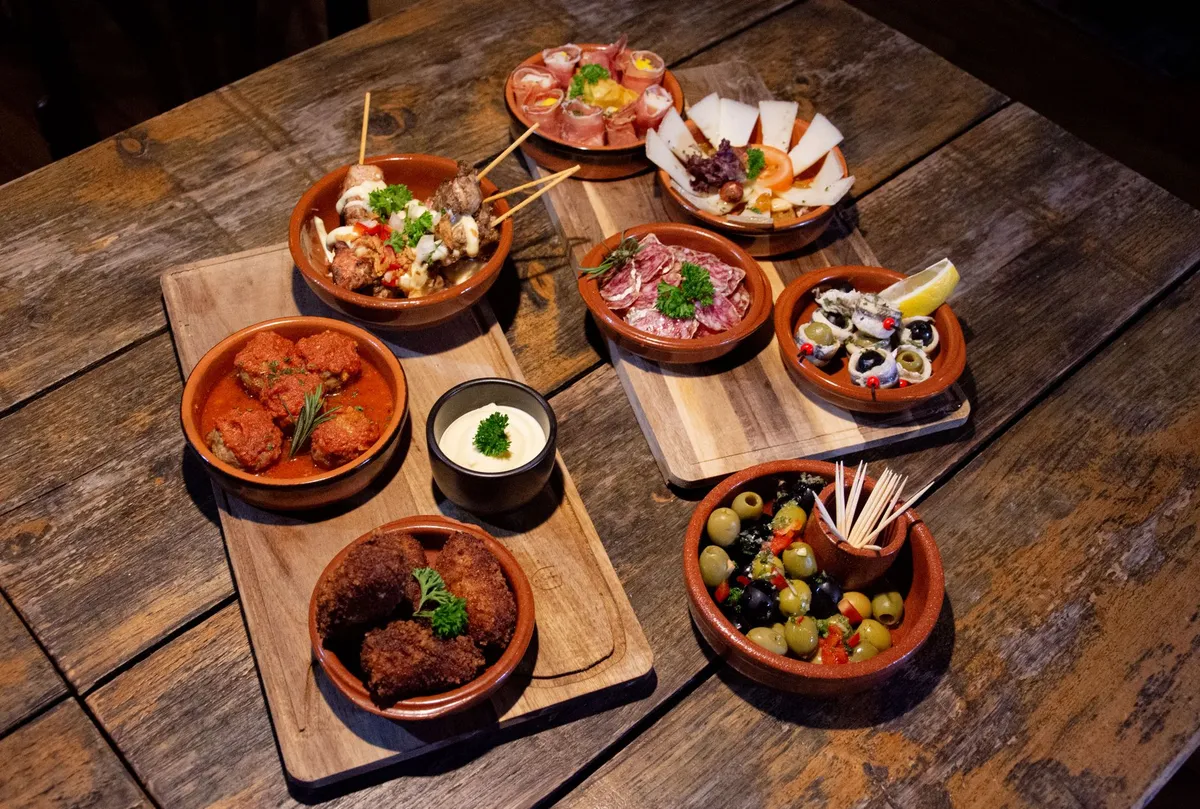
Basque Pintxos: Spain’s Tiny Plates of Culinary Genius You Must Try In the heart of northern Spain, where the Pyrenees meet the Bay of Biscay, lies a culinary tradition that has captivated food lovers for centuries. This is the world of Basque pintxos—small, artfully crafted bites that are as much about visual appeal as they are about flavor. Unlike their more famous cousin, tapas, pintxos are not just about sharing; they are about precision, creativity, and a deep respect for tradition. Each pintxo is a miniature masterpiece, designed to be eaten in one or two bites, often skewered with a toothpick to signal its price and availability. The word "pintxo" itself comes from the Basque word "pintxo," meaning "spike" or "skewer," a nod to the humble toothpick that holds these culinary gems together. What makes pintxos so extraordinary is their ability to encapsulate the essence of Basque culture in a single bite. The Basque Country, or Euskadi, is a region with a distinct language, history, and culinary identity. Here, food is not just sustenance; it is a way of life. Pintxos bars, known as "pintxos barrak," are the social hubs where locals and visitors alike gather to indulge in this edible art form. Whether it’s a classic Gilda—a skewer of anchovy, olive, and guindilla pepper—or a modern creation like foie gras atop caramelized onions on brioche, each pintxo tells a story. The tradition of pintxos is deeply rooted in the region’s history, with recipes passed down through generations and techniques refined over centuries. For food enthusiasts, pintxos offer a journey into the soul of Basque cuisine, where every ingredient is chosen with care and every presentation is a testament to the chef’s skill. But pintxos are more than just a culinary delight; they are a cultural experience. The ritual of hopping from one bar to another, sampling a variety of pintxos while sipping on a glass of txakoli (a crisp Basque white wine) or a local beer, is a rite of passage for anyone visiting the region. The pintxos culture is a celebration of community, where strangers become friends over shared plates and animated conversations. It’s a tradition that has stood the test of time, evolving with modern tastes while staying true to its roots. Whether you’re a seasoned foodie or a curious traveler, exploring the world of Basque pintxos is an adventure that will leave you craving more.The History and Cultural Significance of Pintxos The origins of pintxos can be traced back to the early 19th century in the Basque Country, a region known for its rugged landscapes and resilient people. The word "pintxo" first appeared in written records in the 1920s, but the tradition likely began much earlier as a way for workers to enjoy a quick, affordable meal. The concept of small, skewered bites was practical—easy to eat with one hand while standing at a bar—but it quickly evolved into a form of culinary expression. The Basque people, with their deep connection to the sea and the land, began incorporating local ingredients like fresh fish, cured meats, and seasonal vegetables into their pintxos. Over time, the tradition spread beyond the Basque Country, becoming a symbol of Spanish gastronomy. The cultural significance of pintxos goes beyond their taste. In Basque society, pintxos bars are places of social interaction, where people gather to discuss politics, sports, and life. The act of standing at a bar, ordering a drink, and sampling a variety of pintxos is a communal experience that fosters connection. This is reflected in the Basque phrase "ir de pintxos," which means "to go for pintxos," a ritual that is as much about the people you share it with as the food itself. The pintxos culture is also a testament to the Basque people’s resilience and creativity. During times of hardship, such as the Spanish Civil War and the post-war period, pintxos allowed people to enjoy small luxuries without breaking the bank. Today, pintxos bars range from humble, family-run establishments to high-end gastronomic temples, each offering a unique take on this timeless tradition. One of the most fascinating aspects of pintxos culture is its regional diversity. While the Basque Country is the epicenter of pintxos, other regions of Spain have adopted and adapted the tradition. In San Sebastián, for example, pintxos bars are a major tourist attraction, with some establishments gaining international acclaim. The city’s three-Michelin-starred restaurants, like Arzak and Mugaritz, have roots in the pintxos tradition, with many chefs starting their careers in local bars. Meanwhile, in Bilbao, pintxos bars are more traditional, with recipes that have been passed down for generations. This diversity is a reflection of Spain’s rich culinary tapestry, where regional identity is celebrated through food. For visitors, exploring the different styles of pintxos is like taking a culinary tour of the Basque Country, each bar offering a glimpse into the local culture and history.The Art of Crafting Pintxos: Techniques and Ingredients Creating a perfect pintxo is an art form that requires skill, creativity, and an intimate knowledge of ingredients. Unlike tapas, which can be simple and rustic, pintxos are meticulously crafted, with each element carefully chosen and prepared. The foundation of a great pintxo is the base, which can range from a slice of crusty bread to a delicate puff pastry shell. In traditional Basque cuisine, the base is often a slice of pan de cristal, a thin, airy bread that is crisp on the outside and soft on the inside. The bread is toasted and topped with ingredients that complement its texture, such as smoked salmon, serrano ham, or roasted peppers. The next layer of a pintxo is the main ingredient, which can be anything from fresh seafood to cured meats, cheeses, or vegetables. Seafood is a staple in Basque pintxos, thanks to the region’s coastal location. Anchovies, tuna, and cod are popular choices, often marinated in olive oil, garlic, and vinegar. Cured meats like chorizo, morcilla (blood sausage), and jamón ibérico are also common, adding a rich, savory depth to the pintxo. Cheeses, such as Idiazábal and Roncal, are another favorite, offering a creamy contrast to the crispy bread. Vegetables like roasted peppers, artichokes, and asparagus are used to add freshness and color. The key to a successful pintxo is balance—combining flavors and textures that complement each other without overpowering the palate. Presentation is just as important as taste when it comes to pintxos. A well-crafted pintxo is a feast for the eyes, with vibrant colors and intricate arrangements. Chefs often use garnishes like microgreens, edible flowers, and sauces to elevate the visual appeal. For example, a pintxo of foie gras might be drizzled with a reduction of Pedro Ximénez sherry, while a seafood pintxo could be garnished with a sprinkle of smoked paprika or a dollop of aioli. The use of skewers is also an art form, with chefs choosing the right size and shape to enhance the pintxo’s appearance. In some cases, the skewer itself is part of the presentation, such as a decorative toothpick or a small wooden stick. The goal is to create a pintxo that is as beautiful as it is delicious, a testament to the chef’s skill and creativity.Must-Try Pintxos: A Guide to the Classics and Modern Innovations For anyone visiting the Basque Country, trying the classic pintxos is a rite of passage. These timeless creations are a window into the region’s culinary soul, with recipes that have been perfected over generations. One of the most iconic pintxos is the Gilda, named after the 1946 film Gilda starring Rita Hayworth. This simple yet flavorful pintxo consists of an anchovy, a green olive, and a guindilla pepper, all skewered together. The combination of salty, briny, and slightly spicy flavors makes it a favorite among locals and visitors alike. Another classic is the Tigres, or "Tigers," which features oysters stuffed with a mixture of breadcrumbs, garlic, parsley, and sometimes a touch of chili. The oysters are breaded and fried, creating a crispy, savory bite that is both indulgent and refreshing. Seafood pintxos are a staple in the Basque Country, thanks to the region’s proximity to the Atlantic Ocean. One standout is the Bacalao al Pil-Pil, a pintxo made with salted cod cooked in olive oil and garlic, creating a silky, emulsified sauce that clings to the fish. Another popular choice is the Txangurro a la Donostiarra, a spider crab salad served on a slice of bread, topped with a creamy sauce made from the crab’s roe. For meat lovers, the Txuleta pintxo is a must-try. This pintxo features a small piece of grilled ribeye steak, often served with a side of chistorra (a Basque chorizo) and a drizzle of chimichurri sauce. Cheese lovers will delight in the Idiazábal al Txoko, a pintxo made with grilled Idiazábal cheese, often served with a side of quince paste or membrillo. While traditional pintxos are a cornerstone of Basque cuisine, modern chefs are pushing the boundaries with innovative creations that blend tradition with contemporary techniques. One such example is the Foie Gras y Caramelo pintxo, which features seared foie gras atop a slice of brioche, topped with a caramelized onion compote and a drizzle of balsamic reduction. Another modern favorite is the Tartar de Atún con Aguacate, a diced tuna tartar served on a crispy wonton shell, garnished with avocado, mango, and a lime-cilantro aioli. Vegetarian pintxos are also gaining popularity, with options like Pimientos de Padrón con Queso de Cabra, which features blistered Padrón peppers topped with goat cheese and a drizzle of honey. These modern pintxos showcase the creativity and versatility of Basque cuisine, proving that tradition and innovation can coexist harmoniously.Where to Experience the Best Pintxos: Top Bars and Regions No exploration of Basque pintxos would be complete without a guide to the best bars and regions to try them. The Basque Country is home to some of the most renowned pintxos bars in the world, each offering a unique take on this culinary tradition. In San Sebastián, the heart of pintxos culture, bars like La Cuchara de San Telmo and Bar Txepetxa are must-visits. La Cuchara de San Telmo is famous for its slow-cooked meats, including a legendary morcilla (blood sausage) pintxo, while Bar Txepetxa is known for its anchovy-based pintxos, particularly the Bacalao al Pil-Pil. For a more upscale experience, Ganbara offers a refined take on pintxos, with dishes like foie gras and truffle-infused creations. In Bilbao, the pintxos scene is more traditional, with bars like Café Iruña and Casa Rufo offering classic recipes that have been perfected over generations. Café Iruña, one of the oldest bars in Bilbao, is known for its Gilda pintxos and a wide selection of local wines. Casa Rufo, on the other hand, is famous for its Txangurro a la Donostiarra and other seafood pintxos. For a modern twist, Gure Toki offers innovative pintxos that blend Basque tradition with contemporary techniques. Meanwhile, in Vitoria-Gasteiz, the capital of the Basque Autonomous Community, bars like Borda Berri and Zaldiaran are celebrated for their creative pintxos and lively atmosphere. Beyond the Basque Country, pintxos have gained popularity in other parts of Spain and even internationally. In Madrid, bars like Casa Revuelta and Bodega de la Ardosa offer a taste of Basque pintxos, though they may not be as authentic as those found in the Basque Country. In Barcelona, El Xampanyet is a beloved spot for pintxos, particularly its anchovies with peppers and pan con tomate. Internationally, cities like New York, London, and Tokyo have seen a rise in pintxos bars, often run by Basque chefs or inspired by the tradition. These global outposts offer a chance to experience pintxos outside of Spain, though purists may argue that the true essence of the tradition can only be found in the Basque Country.Pintxos Bar Location Signature Pintxo Price Range (€) AtmosphereLa Cuchara de San Telmo San Sebastián Morcilla con Pimientos 3-5 Cozy, traditionalBar Txepetxa San Sebastián Bacalao al Pil-Pil 4-6 Lively, seafood-focusedCafé Iruña Bilbao Gilda 2-4 Historic, elegantCasa Rufo Bilbao Txangurro a la Donostiarra 5-7 Traditional, family-runBorda Berri Vitoria-Gasteiz Foie Gras y Caramelo 6-8 Modern, innovativeThe Future of Pintxos: Trends and Global Influence As Basque pintxos continue to gain international recognition, the tradition is evolving to meet the demands of modern diners. One of the most significant trends is the rise of vegetarian and vegan pintxos, driven by the growing demand for plant-based options. Chefs are experimenting with ingredients like roasted vegetables, mushrooms, and plant-based cheeses to create pintxos that are both delicious and sustainable. For example, the Pimientos de Padrón con Queso Vegano is a popular vegan pintxo that features blistered Padrón peppers topped with vegan cheese and a drizzle of tahini. Another trend is the fusion of Basque pintxos with other culinary traditions, such as Japanese, Mexican, or Middle Eastern. These innovative creations, like Tartar de Atún con Wasabi or Pulpo a la Gallega con Miso, are pushing the boundaries of what a pintxo can be. Sustainability is also becoming a key focus in the world of pintxos. With increasing awareness of environmental issues, chefs are sourcing ingredients locally and seasonally, reducing food waste, and using eco-friendly packaging. For example, some bars are replacing plastic toothpicks with biodegradable alternatives, while others are incorporating "ugly" produce into their pintxos to reduce waste. The use of foraged ingredients, such as wild mushrooms and herbs, is also on the rise, adding a unique twist to traditional recipes. Additionally, the pintxos culture is embracing technology, with some bars offering digital menus, online reservations, and even virtual tastings. These innovations are making pintxos more accessible to a global audience while preserving the tradition’s authenticity. The global influence of pintxos is undeniable, with the tradition inspiring chefs and food enthusiasts around the world. In cities like New York, London, and Tokyo, pintxos bars are popping up in trendy neighborhoods, offering a taste of Basque culture to international audiences. These global outposts often put a modern spin on traditional pintxos, catering to local tastes while staying true to the spirit of the tradition. For example, in New York, Txikito offers a mix of classic and innovative pintxos, while in London, Pintxos y Tapas serves a fusion of Basque and Spanish tapas. The global popularity of pintxos is also reflected in food festivals and competitions, where chefs from around the world showcase their take on this culinary tradition. As pintxos continue to evolve, they serve as a reminder of the power of food to bring people together, transcending borders and cultures.Conclusion: Why Pintxos Are a Must-Try Culinary Experience Basque pintxos are more than just a culinary delight; they are a cultural phenomenon that embodies the spirit of the Basque Country. From their humble origins as a practical way to enjoy a quick meal to their current status as a global gastronomic treasure, pintxos have stood the test of time. They are a testament to the Basque people’s creativity, resilience, and deep connection to their land and sea. Whether you’re savoring a classic Gilda or indulging in a modern foie gras creation, each pintxo tells a story—a story of tradition, innovation, and community. For food enthusiasts, pintxos offer a unique opportunity to explore the rich culinary heritage of the Basque Country. The act of hopping from one bar to another, sampling a variety of pintxos while sipping on a glass of txakoli, is an experience that engages all the senses. It’s a chance to connect with locals, learn about the region’s history, and discover the artistry behind each bite. Even if you can’t visit the Basque Country, pintxos bars around the world offer a taste of this tradition, allowing you to bring a piece of Basque culture into your own home. As pintxos continue to evolve, they remind us of the power of food to bring people together. Whether you’re a seasoned foodie or a curious traveler, exploring the world of pintxos is an adventure that will leave you craving more. So the next time you’re looking for a culinary experience that is both delicious and meaningful, seek out a pintxos bar near you—or better yet, book a trip to the Basque Country. Because in the world of pintxos, every bite is a masterpiece.#BasqueCuisine #FoodTravel #GourmetBites #CulinaryArt #SpanishTapas Related InsightsHawawshi: The Spiced Meat Bread of Cairo The Emerald Jewel of Turkish Cuisine: Çoban Salata with Walnuts – A Masterclass in Antioxidant-Rich Gastronomy Il Garum Pompeiano: Il Sangue Salato degli Dei e la Sua Rinascita Gastronomica{ "@context": "https://schema.org", "@type": "FAQPage", "mainEntity": [ { "@type": "Question", "name": "What is the main focus of Basque Pintxos: Spain’s Tiny Plates of Culinary Genius You Must Try?", "acceptedAnswer": { "@type": "Answer", "text": "Uncover the artistry behind Basque pintxos—Spain’s bite-sized culinary treasures. From traditional recipes to modern twists, explore why these miniature masterpieces are a must-try." } }, { "@type": "Question", "name": "Who authored the comprehensive guide on Basque Pintxos: Spain’s Tiny Plates of Culinary Genius You Must Try?", "acceptedAnswer": { "@type": "Answer", "text": "This detailed article and its insights were carefully researched and authored by Kenji Sato." } }, { "@type": "Question", "name": "Where can I find more related content about Food?", "acceptedAnswer": { "@type": "Answer", "text": "You can explore more articles, detailed reviews, and similar insights by browsing the Related Insights section at the bottom of this article or visiting our dedicated Food category page." } } ] }