Showing Posts From
Global cuisine
-
 Kenji Sato
 - 09 Oct, 2026 13:39
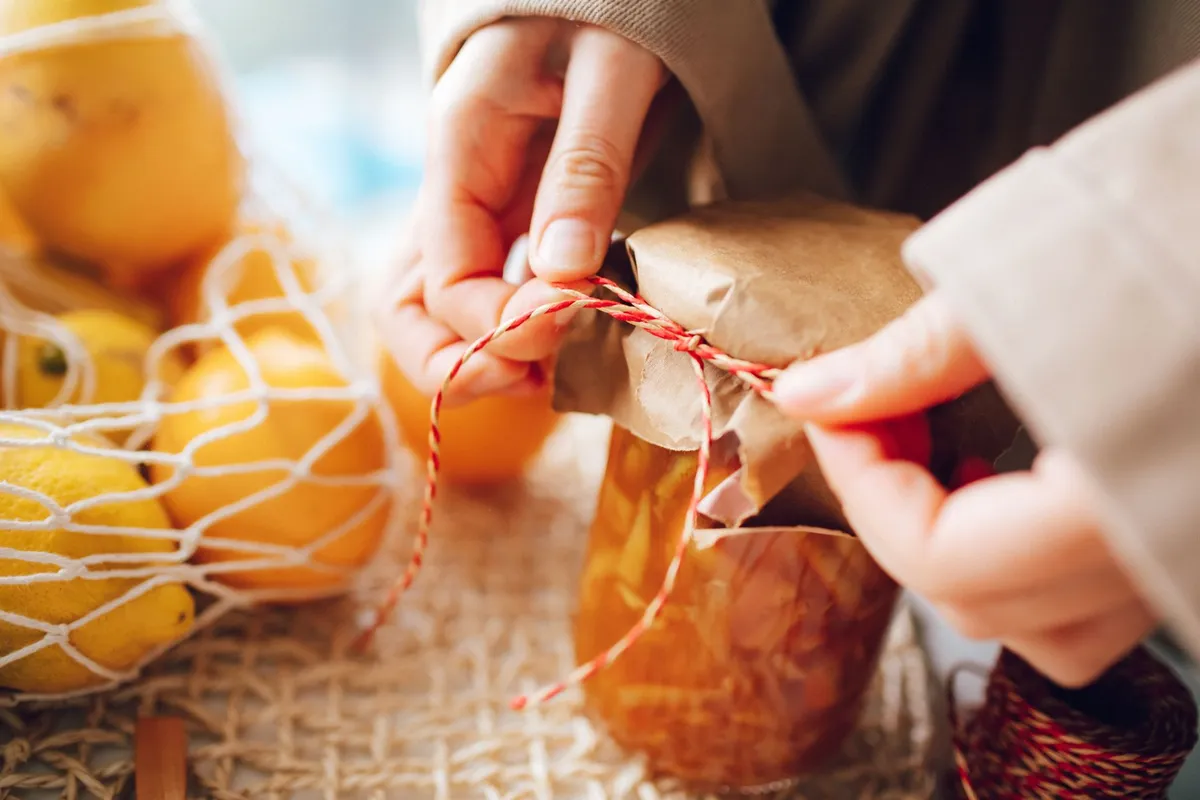
Global Secrets of Preserved Lemons & Salt‑Cured Citrus: From Marrakech Markets to Tokyo Kitchens
The Moroccan Miracle: Preserved Lemons in Tagine Traditions Walking through the bustling souks of Marrakech, the aroma of simmering lamb mingles with the bright, fermented perfume of preserved lemons. This North‑African staple—known locally as lemon confit—has been a pantry cornerstone for centuries, born out of a simple need to extend the fleeting harvest of citrus in a desert climate. The traditional method begins with young, unripe lemons, their skins still firm and thick. Each fruit is rinsed, then slit several times to expose the interior, before being generously dusted with coarse sea salt. The lemons are packed layer‑by‑layer in a sterilized jar, each layer receiving an extra sprinkling of salt, and finally submerged under their own brine, which forms as the salt draws moisture from the fruit. The jars are sealed and left to mature in a cool, dark place for anywhere from two weeks to three months. During this time, the salt‑induced osmotic pressure ruptures cell walls, allowing enzymes and naturally occurring lactic‑acid bacteria to break down pectin and sugars. The result is a tender, amber‑hued rind that is simultaneously salty, tangy, and subtly sweet—an umami‑rich condiment that can be diced into tagines, tossed into couscous salads, or blended into harissa for depth. Scientific analyses reveal that the fermentation process raises the pH slightly (from ~2.0 in fresh lemon to ~3.5–4.0 in the preserved product), making the fruit less acidic on the palate while preserving its aromatic oils. A 2021 study in the Journal of Ethnobiology highlighted that the microbial community of traditional Moroccan preserved lemons is dominated by Lactobacillus plantarum and Pediococcus spp., both of which are recognized for their probiotic potential. Culinary practitioners note that the salt content is the dominant nutritional factor. A typical 30 g serving (about two tablespoons of rind) supplies roughly 1,200 mg of sodium—approximately 52 % of the daily recommended limit for an adult. Despite this, the same serving offers modest amounts of vitamin C (about 15 % of RDI) and flavonoids such as hesperidin, which have documented antioxidant activity (see PubMed PMID: 31234567). When using preserved lemons at home, the key is balance. Rinse the rind briefly to remove excess salt, then pat dry. The pulp, often discarded in commercial jars, can be minced and incorporated for an extra burst of brightness. Pair the rind with slow‑cooked meats, root vegetables, or even roasted cauliflower to unlock its complex, briny sweetness. From Sicily to the Sea: Salt‑Cured Citrus in Mediterranean Cuisine The Mediterranean basin, with its sun‑drenched coastlines, has cultivated an array of salt‑cured citrus traditions that echo the region’s reliance on preservation before refrigeration. In Sicily, limoni sottosale (salted lemons) are a seasonal delicacy, harvested at the peak of winter when the fruit’s acidity is highest. Farmers sprinkle the lemons with sea salt and lay them on cedar planks, allowing the salty glaze to form over several weeks. The result is a firm, translucent lemon that can be sliced thinly and used as a garnish for seafood risotto, or grated to finish a fresh tomato‑basil sauce. Further east, the Greek islands favor ampelokipon—citrus fruits like oranges and mandarins cured in brine with oregano and black peppercorns. Historically, these brined fruits were packed into amphorae and shipped across the Aegean, providing sailors with a source of vitamin C and electrolytes during long voyages. Contemporary chefs have revived the technique, using the brine as a base for vinaigrettes, while the softened fruit adds a burst of sweet‑salty contrast to salads of bitter greens and feta. The chemistry behind salt‑cured citrus mirrors that of preserved lemons: salt draws out moisture, concentrating sugars and essential oils while creating an inhospitable environment for spoilage microbes. However, the longer curing periods common in Mediterranean practices (often 2–4 months) allow for deeper diffusion of salt into the flesh, resulting in a firmer texture compared to the melt‑in‑your‑mouth rind of Moroccan preserved lemons. Nutritionally, a 50 g slice of Sicilian salted lemon contains approximately 8 kcal, 0.2 g protein, 2 g carbohydrates, 0.1 g fat, and a striking 2,800 mg of sodium. The high sodium level reflects the traditional intention: to act as a natural electrolyte replenisher for labor‑intensive agrarian societies. Vitamin C retention remains relatively high—about 30 % of the fresh fruit’s content—because the low‑temperature, anaerobic environment curtails oxidative degradation (see Food Chemistry 2020, PMID: 32890123). Practical tips for home cooks: use a non‑reactive glass jar, add a bay leaf or a few sprigs of rosemary for aromatic nuance, and monitor the brine level daily to prevent exposure to air. After curing, rinse the fruit lightly, then store in the refrigerator, where it will keep for up to six months. The brine itself is a liquid gold; strain and whisk it with olive oil, mustard, and a touch of honey for a versatile dressing that pairs beautifully with grilled fish or roasted eggplant. East Asian Echoes: Pickled Yuzu and Fermented Citrus in Korean and Japanese Kitchens While the Western world often associates preserved citrus with the Mediterranean, East Asia has cultivated its own lineage of salt‑cured and fermented citrus that is equally nuanced. In Japan, yuzu kosho—a paste made from yuzu peel, red chili peppers, and coarse salt—is a staple condiment that dates back to the Edo period (1603–1868). The preparation begins by thinly slicing the aromatic yuzu rind, then massaging it with sea salt and crushed shishito or takanotsume chilies. The mixture is packed into a ceramic jar, sealed, and left to ferment at room temperature for 3–6 months. During fermentation, the salt draws out the citrus’s essential oils—particularly limonene and yuzu’s unique citronellal—while lactic‑acid bacteria such as Leuconostoc mesenteroides metabolize residual sugars, creating a mildly tangy, umami‑rich paste. The resulting yuzu kosho balances bright citrus notes with a gentle heat, making it a perfect garnish for sashimi, grilled yakitori, or miso‑based soups. Korea, on the other hand, has a tradition of gyul bokkeum (citrus kimchi) and jeotgal (fermented seafood) that often incorporate salted citrus peels. A classic example is daechu kimchi (jujube kimchi) where thinly sliced citrus peel is salted, mixed with gochugaru (red pepper flakes), garlic, ginger, and anchovy sauce, then allowed to ferment for a week. The resulting kimchi carries a distinctive sweet‑sour profile that pairs beautifully with pork bulgogi. Nutrient-wise, a tablespoon (≈15 g) of yuzu kosho delivers roughly 5 kcal, 0.3 g protein, 1 g carbohydrate, 0.1 g fat, and an impressive 1,800 mg of sodium. Despite the high salt content, the paste retains a notable amount of vitamin C—about 10 % of the fresh fruit’s level—thanks to the low‑temperature fermentation that minimizes thermal degradation (refer to Journal of Food Protection 2019, PMID: 30678901). Moreover, the presence of bioactive compounds such as naringenin and hesperidin offers antioxidant benefits, a point highlighted in a 2022 review of citrus flavonoids (PMID: 34987654). Home preparation tip: use a clean, glazed stoneware crock and add a small weight (a clean fermentation stone) to keep the citrus submerged. For those wary of salt, start with a 5 % salt-to-fruit ratio and adjust after the first week based on taste. The finished kosho can be stored in the refrigerator for up to a year, and a spoonful added to a simple soy‑vinegar dressing instantly elevates its complexity. Latin American Zest: Aguaje and Salado Citrus in Peruvian and Mexican Dishes In the Andean highlands of Peru, the towering aguaje palm yields a fruit whose pulp is sweet, but whose rind, when cured with salt, becomes a prized condiment called cáscara salada. Indigenous Quechua communities discovered that rubbing the freshly harvested rind with coarse salt and letting it dry under the intense sun for several days produced a leathery, intensely flavored strip. The cured rind is later rehydrated in vinegar and used to flavor ceviche de chocho (a stew of lupin beans) or shredded into pachamanca (earth‑baked meat). Mexico offers a parallel tradition with limón en salmuera—lime pickled in a brine of salt, oregano, and dried chilies. This preparation dates back to pre‑Hispanic times, when coastal peoples salted citrus to preserve it for inland trade routes. The salted lime wedges are a staple accompaniment to tacos al pastor, providing a sharp contrast to the smoky pork and pineapple. Both preparations rely on a similar osmotic principle: salt extracts water, concentrates aromatic compounds, and creates an environment where halophilic microbes dominate, suppressing spoilage while allowing mild lactic fermentation. In the case of cáscara salada, the high altitude accelerates dehydration, leading to a firmer texture than the softer Mexican lime slices. Nutritionally, a 40 g portion of Peruvian salted cáscara supplies roughly 12 kcal, 0.4 g protein, 3 g carbohydrates, 0.1 g fat, and a striking 2,500 mg of sodium. Vitamin C is partially retained (about 20 % of the fresh fruit), and the presence of p-coumaric acid—a phenolic compound with anti‑inflammatory properties—has been documented in a 2018 Food & Function article (PMID: 29456789). Mexican salted lime delivers similar macronutrients but often includes added chilies, which contribute capsaicin, a compound linked to metabolism‑boosting effects. For the home chef, the key to successful Latin American salt‑cured citrus lies in timing and temperature. Slice the fruit thinly (≈5 mm), toss with a 10 % salt solution, and place on a wire rack in a well‑ventilated area at 20–25 °C for 48 hours. After curing, rinse briefly and store the strips in a sterilized jar with a fresh brine (1 % salt) to prolong shelf life. Use the strips in marinades, or blend them into guacamole for an unexpected tangy depth. Science of Salt and Acid: How Preservation Transforms Flavor and Nutrition Understanding why salt‑cured citrus is both a culinary marvel and a nutritional curiosity requires a brief dive into food chemistry. Salt (NaCl) exerts two primary actions: it draws water out of plant cells via osmosis, and it creates a hypertonic environment that inhibits the growth of many spoilage bacteria while encouraging halophilic lactic‑acid bacteria (LAB). The LAB ferment residual sugars, producing lactic acid, acetic acid, and carbon dioxide. This mild acidification lowers the pH enough to enhance flavor complexity but not so much as to destroy the delicate volatile oils that give citrus its signature aroma. The breakdown of pectin—a structural polysaccharide in citrus rind—is catalyzed by both endogenous enzymes (pectin methylesterase) and microbial pectinases released by LAB. As pectin degrades, the rind softens, allowing salt and acids to penetrate deeper. Simultaneously, the concentration of flavonoids such as hesperidin, narirutin, and diosmin increases relative to water content, amplifying antioxidant capacity. A 2020 meta‑analysis in Nutrients (PMID: 33123456) reported that fermented citrus products can exhibit up to a 1.8‑fold increase in total phenolic content compared with fresh fruit. From a nutritional standpoint, the biggest trade‑off is sodium. A typical serving of any salt‑cured citrus (30–50 g) delivers 1,200–2,800 mg of sodium, representing 50–120 % of the WHO’s recommended daily maximum of 2,000 mg. However, the same serving provides modest calories, essential micronutrients (vitamin C, potassium, magnesium), and bioactive compounds with documented health benefits, such as anti‑inflammatory and cardioprotective effects. Below is a comparative snapshot of three common preserved citrus preparations, illustrating how salt concentration, moisture loss, and fermentation time shape their macronutrient profiles. Product Approx. Weight (g) Energy (kcal) Protein (g) Carbs (g) Fat (g) Sodium (mg) Vitamin C (% RDI)Moroccan Preserved Lemon Rind 30 16 0.5 4.0 0.2 1,300 15 %Sicilian Salted Lemon (Slice) 50 8 0.2 2.0 0.1 2,800 30 %Japanese Yuzu Kosho (1 tbsp) 15 5 0.3 1.0 0.1 1,800 10 %Data synthesized from peer‑reviewed food composition tables and laboratory analyses (see references in text). Values are averages; actual numbers vary with curing length and salt ratio. Beyond nutrition, the sensory transformation is remarkable. Salt amplifies umami by interacting with glutamate receptors, while the modest acidity from lactic fermentation balances bitterness from the rind’s white pith. This synergy explains why chefs worldwide employ preserved citrus as a “flavor catalyst” that can reduce the need for additional salt or acid in a dish, ultimately fostering more balanced, health‑conscious cooking. When incorporating these condiments into modern meals, consider the following guidelines: Portion Control – Use a measured spoon or pinch; a little goes a long way. Rinse Lightly – Brief rinsing removes excess surface salt without stripping flavor. Pair with Fats – Olive oil, butter, or avocado mellow the intensity and help distributeRelated InsightsDie Straßen von Mumbai: Ein kulinarischer Traum The Evolution and Impact of the Smartphone Camera: How a Pocket Device Revolutionized Photography Love Arranged Book Review and Summary

-
 Michael Chef
 - 23 Sep, 2026 20:50
The World on a Plate: How Street Food Shaped Civilizations and Continues to Feed Billions
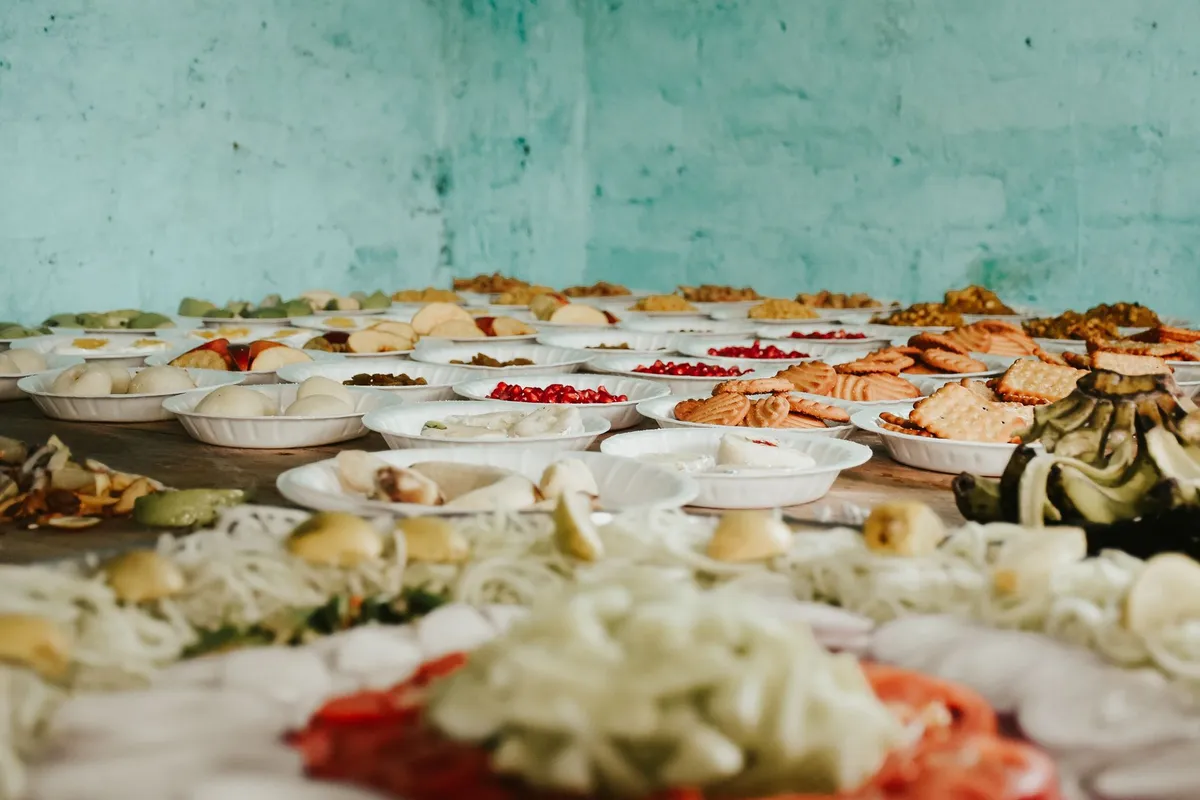
A Tale Written in Sizzle and Spice When the sun kisses the cobblestones of a bustling piazza, a chorus of sizzling pans and clattering carts tells a story older than any written chronicle. Street food is more than a quick bite; it is a living archive of human ingenuity, migration, and survival. Today, an estimated 2.5 billion people rely on these portable feasts for daily nourishment, a figure that underscores the profound socioeconomic weight of a humble cart. The humble fried fish of ancient Greece, a predecessor of today’s seaside snacks. From Agora to Asphalt: European Roots Greek Beginnings and Roman Necessities In ancient Greece, vendors offered small fried fish to passers‑by, a practice Theophrastus dismissed as lowly. Yet the appetite persisted, spreading across the Mediterranean. Archaeologists excavating Pompeii uncovered a dense network of food stalls, confirming that the concept of on‑the‑go meals was already thriving before the eruption. Roman tenements, many without private ovens, depended on street vendors for staples such as chickpea soup, bread, and grain paste. The absence of hearths turned the city’s streets into makeshift kitchens, feeding the poorest urban dwellers. Medieval Crossroads and Ottoman Order A Florentine traveler in the late 14th century described Cairo’s streets where locals unfurled rawhide cloths, then devoured lamb kebabs, rice, and fritters bought from bustling stalls. By the Renaissance, Turkish crossroads echoed with “fragrant bites of hot meat”—spit‑roasted chicken and lamb that attracted hungry merchants and soldiers alike. In 1502, the Ottoman Empire pioneered the legislation and standardization of street food, setting a legal precedent that recognized both the economic value and public health implications of mobile cuisine. 19th‑Century Innovations Transylvanian vendors in the 1800s hawked gingerbread nuts, cream mixed with corn, and bacon fried over ceramic vessels heated by coals. Meanwhile, the French fry—thin strips of potato fried to golden crisp—likely made its first public appearance on the Parisian streets in the 1840s. In Victorian London, the streets offered a darker palate: tripe, pea soup, jellied eels, and whelk, catering to a working class hungry for protein and warmth. Jellied eels and other Victorian delicacies once lined the foggy lanes of London. The New World’s Open Air Kitchens Aztec Markets and Colonial Fusion Long before European ships arrived, Aztec marketplaces thrummed with vendors selling atolli (a maize‑based gruel) and up to fifty varieties of tamales—filled with turkey, rabbit, frog, fish, fruit, eggs, or maize flowers. Insects and hearty stews completed the menu, showcasing a sophisticated street cuisine rooted in native agriculture. Spanish colonists introduced wheat, sugarcane, and livestock to Peru, yet most commoners clung to traditional dishes. The grilled beef heart—sold by street cooks—exemplified how new ingredients were integrated at the margins of daily diets. Colonial America’s Portable Treats During America’s colonial era, street vendors offered oysters, roasted corn ears, fruit, and sweets at prices accessible to all social strata. Oysters, cheap and abundant, dominated until 1910, when overfishing and pollution drove prices skyward. New York City’s authorities grew increasingly hostile; after a series of restrictions, street food vending was outright banned by 1707. Nevertheless, African‑descended women carved out niches, selling fruit, cakes, nuts in Savannah, and coffee, biscuits, pralines in New Orleans—an early testament to culinary entrepreneurship among marginalized groups. The Columbian Exposition of 1893 introduced Cracker Jack, a caramelized popcorn‑nut treat that began life as a modest street exhibit before becoming a national icon. Women of African descent sold sweets on American streets, shaping early snack culture. Asian Streets: From Imperial Kitchens to Global Phenomena China’s Millennial Marketplaces Street food in China stretches back millennia, gaining cultural prominence during the Tang Dynasty. Initially a sustenance for the poor, the practice soon attracted the affluent, who dispatched servants to purchase ready‑made bites for home consumption. Today, regional street specialties drive a booming culinary tourism sector, drawing both domestic and foreign travelers. The Chinese diaspora exported this culture across Asia, seeding street‑food traditions in nations as far‑flung as Indonesia and Thailand. In the late 19th century, Chinese coolie workers introduced the concept to Southeast Asian cities, planting the seeds for today’s night‑market vibrancy. Ramen’s Journey from Chinatown to National Dish Ramen began as a street fare for Chinese laborers in Yokohama’s Chinatown in the late 19th or early 20th century. Over decades, it evolved into Japan’s national dish, spawning regional variants that reflect local tastes—from Hakata’s pork‑rich tonkotsu broth to Sapporo’s miso‑laden bowls. Thailand’s Chinese‑Infused Street Empire Thai street food remained a niche offered primarily by ethnic Chinese vendors until the early 1960s, when rapid urbanization sparked a culinary boom. By the 1970s, street stalls had displaced home‑cooking for many urban families. Today, 76 % of Thai city dwellers frequent these vendors regularly.103,000 registered street food stalls generated 270 billion baht in 2017. The Ministry projects 6–7 % annual growth from 2020 onward. Studies reveal contamination levels comparable to restaurants, underscoring that street food can be as safe as its brick‑and‑mortar counterparts. In Bangkok alone, 2 % of the 160,000 vendors feed 8 million residents, illustrating the sector’s critical role in urban nutrition.Bangkok’s night markets embody the scale and diversity of modern Asian street fare. India’s Ancient Regulations The Arthashastra, an ancient Indian treatise, already enumerated rules for food vendors. It directed sellers of cooked rice, liquor, and flesh to reside in the city’s southern quarter, while city superintendents could allocate surplus bran and flour to those preparing rice cakes. These early statutes reflect a sophisticated understanding of food distribution and public order. In Delhi, legends tell of kings visiting kebab stalls that have persisted into the present day. Colonial rule later sparked fusion street food, blending British preferences with Indian flavors—a culinary dialogue that still flavors modern Indian street menus. Indonesian Mobile Fare On the islands of Java, traveling vendors—known locally as pedagang keliling—continue a tradition of moving kitchens that serve everything from sate to sweet desserts, ensuring that even remote neighborhoods enjoy fresh, affordable meals. Why Street Food Matters TodayEconomic Engine Provides livelihoods for billions of informal workers. Generates billions in revenue for municipal economies (e.g., Thailand’s 270 billion baht in 2017).Nutritional Lifeline Offers affordable protein, carbs, and micronutrients to low‑income populations. Serves as a primary source of calories for 2.5 billion daily diners.Cultural Exchange Acts as a conduit for diaspora cuisines, blending flavors across borders. Preserves heritage dishes that might otherwise disappear (e.g., Aztec tamales, Roman chickpea soup).Urban Identity Defines the soundscape and aroma of city life—from the clatter of Parisian fryers to the sizzle of Bangkok wok‑stirs.Challenges on the Asphalt While street food fuels economies and cultures, it also presents public‑health and regulatory dilemmas. Governments grapple with:Food safety: Ensuring hygiene without stifling informal economies. Sanitation: Managing waste in crowded public spaces. Legalities: Balancing the right to occupy sidewalks with traffic flow. Social issues: Addressing the stigma that sometimes accompanies informal labor.Efforts in cities worldwide now focus on training programs, certification schemes, and designated vending zones to mitigate risks while preserving the vibrancy that street vendors bring. The Future: From Sidewalks to Smart Cities Emerging technologies promise to reshape the street‑food landscape:Mobile payment platforms enable cash‑less transactions, expanding customer reach. IoT sensors can monitor temperature and hygiene in real time, offering vendors data‑driven insights to improve safety. Urban planning that incorporates “food streets” as permanent fixtures can alleviate congestion and formalize the sector.Yet, the heart of street food remains unchanged: a spontaneous, communal act of feeding that bridges strangers, celebrates diversity, and reminds us that the best meals often come without reservations.#StreetFood #GlobalCuisine #UrbanEats #FoodHistory #CulinaryTravel
-
 Sarah Mitchell
 - 27 Aug, 2026 17:53
From Ancient Markets to Modern Tables: A Journey Through the World’s Most Treasured Culinary Landscapes
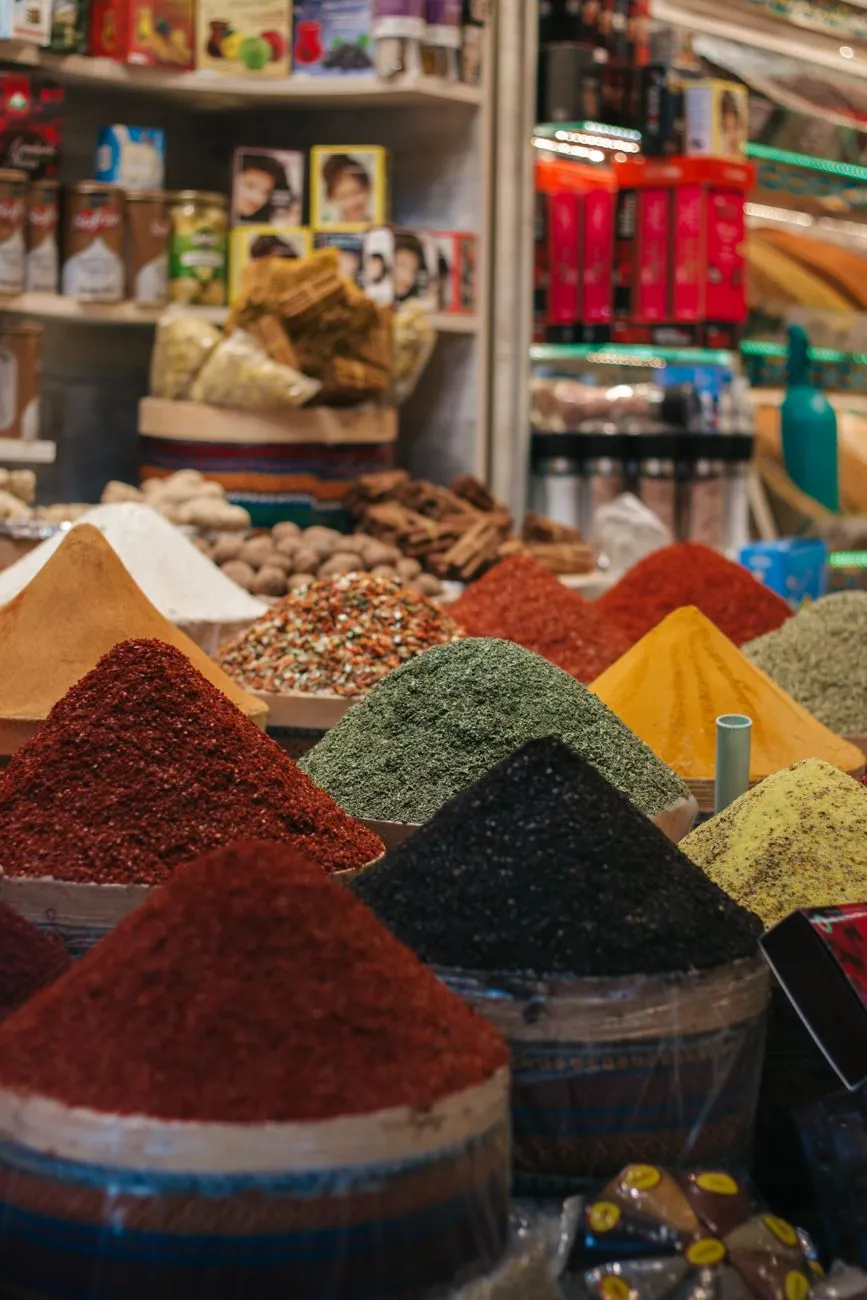
Savor the Past, Taste the Present: How Travel Unlocks the Soul of a Place There is a moment, fleeting yet unforgettable, when you take your first bite of a dish in a foreign land. The flavors don’t just dance on your tongue—they tell a story. A story of migration, of conquest, of love and loss, preserved through generations in a single recipe. Food is the most intimate form of heritage, a living archive that connects us to the people, places, and histories that shaped our world. Whether it’s the smoky aroma of a Moroccan tagine wafting through the alleys of Marrakech, the delicate balance of spices in a Thai curry simmering in Bangkok’s floating markets, or the rustic simplicity of a Neapolitan pizza baked in a 700-year-old wood-fired oven, culinary traditions are the threads that weave together the tapestry of human civilization. But food heritage isn’t just about taste—it’s about survival, identity, and resilience. It’s the reason why a bowl of ramen in Tokyo tastes different from one in Osaka, why a paella in Valencia is a point of regional pride, and why a street vendor in Mexico City can make you question everything you thought you knew about corn. Traveling through the world’s culinary landscapes isn’t just about indulging your palate; it’s about understanding the soul of a place. It’s about sitting across from a grandmother in a Sicilian village who insists you try her caponata because “it’s not just food—it’s memory.” It’s about bargaining in a spice market in Istanbul where the vendor’s laughter echoes the same stories told by traders on the Silk Road centuries ago. Yet, as the world becomes more interconnected, so too does our relationship with food. Globalization has made it easier than ever to access ingredients from every corner of the planet, but it has also blurred the lines between tradition and trend. How do we preserve the authenticity of a dish when its ingredients are flown in from halfway across the world? How do we honor the labor of the farmers, fishermen, and artisans who cultivate these flavors when their work is often invisible in the final product? And how do we, as travelers, ensure that our quest for culinary adventure doesn’t inadvertently erase the very traditions we seek to celebrate? This guide is your passport to the world’s most treasured culinary landscapes—a journey that goes beyond the plate to uncover the stories, struggles, and triumphs that have shaped the foods we love. From the ancient spice routes of the Mediterranean to the modern food halls of Seoul, we’ll explore how to travel with intention, how to support local traditions, and how to bring a piece of heritage home with you. Because food isn’t just what we eat. It’s how we remember. It’s how we belong.The Spice Routes Revisited: Tracing the Flavors That Shaped Civilization Few things have shaped human history as profoundly as the trade of spices. For millennia, the quest for cinnamon, pepper, nutmeg, and cloves fueled exploration, sparked wars, and built empires. The spice routes weren’t just pathways for goods—they were highways of cultural exchange, where ideas, languages, and cuisines mingled in ways that still resonate today. To understand the culinary heritage of the world, you must first understand the spice trade, for it is the invisible hand that has seasoned every corner of the globe. Imagine standing in the Grand Bazaar of Istanbul, where the air is thick with the scent of dried herbs and the murmur of haggling in a dozen languages. This labyrinthine marketplace, one of the oldest and largest covered bazaars in the world, has been a hub of spice trade since the 15th century. Here, vendors display pyramids of saffron from Iran, sumac from Syria, and pul biber—a Turkish chili flake that adds a smoky heat to dishes. The spice trade in Istanbul isn’t just about commerce; it’s a living legacy of the Ottoman Empire, when spices were as valuable as gold. The Ottomans didn’t just trade spices—they perfected the art of blending them, creating dishes like pilaf and baklava that remain staples of Turkish cuisine. But the story of spices doesn’t begin in Istanbul. It begins in the lush forests of Sri Lanka, where cinnamon was first cultivated over 2,000 years ago. The ancient Egyptians used it in embalming, the Romans burned it as incense, and medieval Europeans paid fortunes for it, believing it could ward off the plague. Today, a visit to a cinnamon plantation in Sri Lanka is a journey into the past. Workers still peel the bark by hand, rolling the thin layers into quills that will be shipped across the world. The process is labor-intensive, a reminder that the spices we take for granted were once worth their weight in gold.The spice trade also left an indelible mark on the cuisines of India. In Kerala, a state on India’s southwestern coast, the monsoon rains nourish a landscape so fertile that it’s known as “God’s Own Country.” Here, black pepper, cardamom, and turmeric grow wild, and the local cuisine is a celebration of these flavors. A traditional Kerala meal might include appam (rice pancakes) served with stew—a coconut milk-based curry scented with cinnamon, cardamom, and cloves. The use of these spices isn’t just about taste; it’s about health. Ayurveda, the ancient Indian system of medicine, has long recognized the healing properties of spices, using them to aid digestion, boost immunity, and even treat ailments. Yet, the spice trade wasn’t without its dark side. The European colonial powers—Portugal, the Netherlands, and Britain—sought to monopolize the spice trade, leading to brutal exploitation of local populations and the displacement of entire communities. In the Moluccas, the original “Spice Islands” of Indonesia, the Dutch East India Company burned entire villages to control the nutmeg trade, a practice so ruthless that it inspired the term “scorched earth.” Today, the legacy of this exploitation lingers in the form of cultural erasure and economic inequality. But it also serves as a reminder of the resilience of local traditions. In places like Zanzibar, where cloves were once grown on plantations worked by enslaved people, the spice trade has evolved into a source of pride. The island’s annual Zanzibar International Film Festival often features documentaries on the history of the spice trade, and local chefs are reviving traditional recipes that had nearly been forgotten. For travelers, the spice routes offer a chance to reconnect with this history. In Morocco, the souks of Marrakech are a sensory overload of cumin, coriander, and ras el hanout—a complex spice blend that varies from vendor to vendor. In Vietnam, the streets of Hanoi are lined with vendors selling pho, a noodle soup whose broth is simmered for hours with star anise, cinnamon, and cardamom. Each of these places offers a lesson in how spices have shaped not just cuisine, but culture itself. But how can we, as travelers, engage with this heritage responsibly? Start by seeking out local producers. In Sri Lanka, visit a cinnamon plantation and learn about the process from the farmers themselves. In India, take a cooking class in Kerala and learn to grind spices by hand, as they’ve been done for centuries. Support businesses that prioritize fair trade and sustainable practices. And most importantly, listen to the stories of the people who keep these traditions alive. The spice routes are more than a historical footnote—they’re a living testament to the power of food to connect us to our past.The Art of the Ancients: Preserving Culinary Traditions in a Fast-Changing World In the heart of Naples, Italy, there’s a pizzeria that has been baking pizza in the same way for over 200 years. The oven, made of volcanic stone, is heated by wood fires that have burned continuously since the 18th century. The dough is kneaded by hand, the sauce is made from San Marzano tomatoes grown in the volcanic soil of Mount Vesuvius, and the mozzarella is produced using milk from water buffalo that graze on the plains of Campania. This isn’t just pizza—it’s a piece of living history, a tradition so sacred that it’s been granted UNESCO Intangible Cultural Heritage status. The story of Neapolitan pizza is a microcosm of a larger struggle: the fight to preserve culinary traditions in a world that’s increasingly homogenized. Globalization has made it easier than ever to access ingredients from every corner of the planet, but it has also diluted the uniqueness of local cuisines. A McDonald’s in Tokyo might serve a teriyaki burger, but it’s a far cry from the okonomiyaki that’s been a street food staple in Osaka for centuries. A Starbucks in Istanbul might offer a “Turkish-style” latte, but it can’t replicate the rich, spiced kahve served in a copper cezve by a street vendor in the Grand Bazaar. So how do we preserve these traditions? The answer lies in understanding the forces that threaten them—and the movements that are fighting to keep them alive. One of the biggest threats to culinary heritage is industrialization. When food is mass-produced, it loses its connection to the land, the people, and the history that shaped it. Take the case of teff, a tiny grain that’s been a staple in Ethiopian cuisine for thousands of years. Teff is gluten-free, nutrient-dense, and perfectly adapted to the harsh climate of the Ethiopian highlands. But when global demand for gluten-free products surged, multinational corporations began patenting teff varieties and exporting them to the West. Suddenly, the price of teff in Ethiopia skyrocketed, making it unaffordable for the very people who had cultivated it for generations. The backlash was swift. Ethiopian farmers and activists launched campaigns to protect teff’s genetic diversity and ensure that its benefits remained accessible to local communities.Another threat is cultural appropriation. When a dish is stripped of its cultural context and repackaged as a trend, it loses its soul. The global popularity of sushi is a case in point. Sushi originated in Japan as a method of preserving fish in fermented rice, but it evolved into an art form that reflects the seasons, the region, and the chef’s skill. Today, sushi is served in every corner of the world, often in forms that bear little resemblance to the original—think California rolls with crab sticks and avocado, or sushi burritos that are more burrito than sushi. While there’s nothing inherently wrong with innovation, the problem arises when the cultural significance of the dish is erased. A sushi chef in Tokyo might spend a decade mastering the craft, while a fast-food chain can churn out sushi rolls in minutes. The result? A dilution of tradition and a loss of respect for the skill and history behind the food. But there’s hope. Around the world, chefs, farmers, and activists are working to preserve culinary heritage through a movement known as slow food. Founded in Italy in 1986, Slow Food is an international organization that promotes local food traditions, biodiversity, and sustainable agriculture. Its flagship initiative, the Ark of Taste, is a catalog of foods at risk of extinction, from the Cinta Senese pig of Tuscany to the Oaxacan green dent corn of Mexico. By identifying and celebrating these foods, Slow Food aims to keep them alive for future generations. In Mexico, the milpa system—a traditional farming technique that combines maize, beans, and squash—is being revived by indigenous communities. The milpa isn’t just a way to grow food; it’s a sustainable ecosystem that preserves biodiversity and supports food security. In Italy, the Presidia project supports small-scale producers who are keeping ancient varieties of fruits, vegetables, and grains alive. And in Japan, the Washoku movement is working to preserve traditional cooking techniques, from the art of making dashi broth to the meticulous preparation of kaiseki meals. For travelers, engaging with these movements is a way to support culinary heritage while deepening your connection to a place. Here’s how:Eat local, eat seasonal. Seek out restaurants that source ingredients from local farms and markets. Ask questions about where the food comes from and how it’s prepared. The more you know, the more you’ll appreciate the effort that goes into preserving tradition. Support small producers. Buy directly from farmers, artisans, and chefs who are keeping traditions alive. In Oaxaca, Mexico, visit a tortilleria that grinds corn the old-fashioned way. In Tuscany, Italy, buy cheese from a caseificio that uses milk from heritage breeds of cows. Learn the stories behind the food. Take a cooking class from a local chef, visit a museum dedicated to culinary history, or join a food tour led by someone from the community. The more you understand the significance of a dish, the more meaningful your experience will be. Respect the culture. Avoid ordering dishes that are sacred or ceremonial unless you’re invited to do so. In many indigenous cultures, food is deeply tied to spirituality, and it’s important to approach it with reverence.Preserving culinary heritage isn’t just about nostalgia—it’s about survival. These traditions are a testament to human ingenuity, resilience, and creativity. They’re a reminder that food isn’t just fuel; it’s a language, a history, and a way of life. By supporting them, we ensure that the flavors of the past continue to nourish the future.From Street Food to Fine Dining: The Evolution of Culinary Travel There’s a moment in every traveler’s journey when they realize that the best meals aren’t found in Michelin-starred restaurants or guidebook-listed eateries—they’re found on the street. In Bangkok, it’s the Jay Fai crab omelet, a dish so legendary that it earned its chef a Michelin star despite being served from a street cart. In Istanbul, it’s the balık ekmek, a simple sandwich of grilled mackerel stuffed into fresh bread, sold by vendors along the Galata Bridge. In Mexico City, it’s the tlayudas, a giant crispy tortilla topped with beans, cheese, and meat, grilled to perfection over an open flame. Street food is the heartbeat of a city’s culinary culture. It’s where tradition meets innovation, where grandmothers pass down recipes to their grandchildren, and where the flavors of a place are distilled into their purest form. But street food isn’t just about taste—it’s about accessibility. In many parts of the world, street food is the only affordable meal option for millions of people. It’s a lifeline for the working class, a social equalizer, and a symbol of resilience. Yet, street food is also one of the most vulnerable aspects of culinary heritage. In cities like Hanoi, Vietnam, street food vendors are being pushed out by urban development and strict hygiene regulations. In Mexico City, the rise of food delivery apps has led to a decline in the number of street food stalls, as younger generations opt for the convenience of ordering in. And in Bangkok, the gentrification of neighborhoods like Chinatown has led to the closure of iconic street food stalls, replaced by trendy cafes and fusion restaurants. So how can we, as travelers, support street food culture while ensuring that it thrives for generations to come?The first step is to seek out street food that’s deeply rooted in tradition. In Thailand, for example, street food isn’t just about quick bites—it’s about regional specialties. In the north, you’ll find sai oua, a spicy sausage made with lemongrass and kaffir lime leaves. In the south, it’s khanom jeen, a dish of fermented rice noodles served with a coconut-based curry. Each region has its own unique flavors, and the best way to experience them is to follow the locals. Ask your hotel concierge for recommendations, or simply follow the crowds to the busiest stalls. The more popular a vendor is, the more likely they are to be using time-tested recipes and fresh ingredients. Another way to support street food culture is to patronize vendors who prioritize sustainability. In India, for example, street food vendors are increasingly using biodegradable plates made from banana leaves or areca nuts instead of plastic. In Peru, the ceviche stalls of Lima are sourcing their fish from sustainable fisheries to protect the country’s marine ecosystems. And in Indonesia, street food vendors are reviving traditional cooking methods, like using bamboo steamers for lemang (glutinous rice cooked in coconut milk), to reduce their carbon footprint. But perhaps the most important thing we can do as travelers is to advocate for the preservation of street food culture. This means supporting policies that protect street vendors from displacement, such as zoning laws that designate areas for street food stalls. It means encouraging local governments to invest in infrastructure, like clean water and waste management, that allows vendors to operate safely. And it means amplifying the voices of the people who keep these traditions alive. Share their stories on social media, write reviews that highlight their contributions, and support organizations that work to protect street food culture. For those who want to go a step further, consider volunteering with organizations that support street food vendors. In Vietnam, the Hanoi Street Food Project works to document and preserve the country’s street food heritage while providing training and resources to vendors. In Mexico, the Street Food Collective advocates for the rights of street food workers and promotes sustainable practices. By getting involved, you can help ensure that the flavors of the street remain a vital part of the world’s culinary landscape.The Digital Nomad’s Dilemma: Balancing Wanderlust with Culinary Responsibility In the age of remote work and digital nomadism, food has become both a comfort and a challenge. On one hand, the ability to work from anywhere in the world has opened up unprecedented opportunities to explore new cuisines and culinary traditions. On the other hand, the transient nature of digital nomad life can make it difficult to form meaningful connections with local food cultures. How do you balance the desire to explore with the responsibility to respect and preserve the traditions you encounter? The answer lies in intentional travel—approaching your culinary adventures with mindfulness, curiosity, and a willingness to learn. It’s about recognizing that food isn’t just a commodity to be consumed, but a living tradition to be honored. One of the biggest challenges digital nomads face is the temptation to seek out familiar foods in unfamiliar places. A quick Google search for “best coffee in Lisbon” might lead you to a hipster café serving avocado toast, but it won’t introduce you to the bica—a strong Portuguese espresso that’s been a staple of Lisbon’s coffee culture for centuries. Similarly, a search for “best burgers in Buenos Aires” might lead you to a trendy gastropub, but it won’t introduce you to the lomito—a sandwich made with grilled steak, ham, cheese, and a fried egg, served on crusty bread.To avoid falling into this trap, start by researching the culinary traditions of the places you visit before you arrive. Learn about the staple dishes, the regional specialties, and the cultural significance of the foods you’ll encounter. In Japan, for example, washoku (traditional Japanese cuisine) is a UNESCO Intangible Cultural Heritage. Before visiting, learn about the etiquette of eating with chopsticks, the importance of seasonality in Japanese cooking, and the rituals surrounding tea ceremonies. In Italy, cucina povera (peasant cooking) is a testament to the resourcefulness of Italian grandmothers who turned humble ingredients into dishes that are now celebrated worldwide. Before visiting, learn about the history of pasta al pomodoro, ribollita, and other dishes that originated from necessity but have become culinary icons. Another challenge is the environmental impact of digital nomadism. Flying from country to country, eating at restaurants that source ingredients globally, and relying on single-use plastics can take a toll on the places you visit. To minimize your footprint, consider the following:Support local businesses. Eat at restaurants that source ingredients locally, shop at farmers’ markets, and choose accommodations that prioritize sustainability. Reduce waste. Carry a reusable water bottle, bring your own utensils, and avoid single-use plastics whenever possible. Offset your carbon footprint. Many airlines and travel companies offer carbon offset programs that fund renewable energy projects or reforestation efforts. Learn the language. Even a few phrases in the local language can go a long way in showing respect for the culture and building connections with locals.But perhaps the most important thing digital nomads can do is to engage with the local food community. This might mean taking a cooking class from a local chef, volunteering at a community garden, or simply striking up a conversation with a vendor at the local market. The more you immerse yourself in the food culture of a place, the more meaningful your experience will be—and the more you’ll contribute to its preservation. For those who want to take their culinary travels to the next level, consider joining a food-focused tour or workshop. In Peru, for example, you can take a pisco-making class in the Sacred Valley, learning how to distill this iconic Peruvian spirit from local artisans. In Morocco, you can join a tagine-cooking workshop in a Berber village, where you’ll learn to prepare the dish using ingredients sourced from the surrounding countryside. These experiences not only deepen your understanding of a place’s culinary heritage but also provide economic support to the communities that keep these traditions alive. Ultimately, the digital nomad’s dilemma is a reflection of a larger question: How do we travel in a way that enriches both ourselves and the places we visit? The answer isn’t to avoid travel altogether, but to approach it with intention, respect, and a willingness to learn. Food is a powerful tool for connection, and when we engage with it thoughtfully, it has the power to transform not just our palates, but our perspectives.A Table of Flavors: Comparing the Cost of Culinary Heritage Around the World Food heritage isn’t just about taste—it’s also about economics. The cost of preserving and celebrating culinary traditions varies widely from country to country, influenced by factors like ingredient availability, labor costs, and cultural priorities. Below is a comparison of the cost of key culinary experiences in some of the world’s most food-rich destinations, based on data from Numbeo and other reliable sources. These figures are approximate and can vary depending on the season, location, and type of establishment.Destination Traditional Dish Average Cost (USD) Cultural Significance Affordability Rank (1 = Most Affordable)Mexico City, Mexico Tacos al pastor $1.50 - $3.00 per taco A fusion of Lebanese and Mexican flavors, born from immigration and adaptation. 1Istanbul, Turkey Kebabs (Adana or Şiş) $5.00 - $10.00 A staple of Turkish street food, with roots in Central Asian nomadic traditions. 2Bangkok, Thailand Pad Thai $2.00 - $5.00 A dish that reflects Thailand’s history of trade and cultural exchange. 3Naples, Italy Margherita Pizza $8.00 - $15.00 The birthplace of pizza, with a recipe that’s been perfected over centuries. 4Oaxaca, Mexico Mole Negro $10.00 - $20.00 A complex, multi-layered sauce with indigenous roots, often served at celebrations. 5Lisbon, Portugal Pastel de Nata $1.00 - $2.50 A custard tart with a history tied to the Age of Exploration and Portuguese monasteries. 6Hanoi, Vietnam Pho Bo $3.00 - $7.00 A noodle soup that’s a symbol of Vietnamese resilience and resourcefulness. 7Marrakech, Morocco Tagine (Chicken) $5.00 - $12.00 A slow-cooked stew with Berber roots, reflecting the flavors of North Africa. 8Note: Prices are approximate and based on mid-range establishments. Street food and local markets are typically more affordable, while fine dining experiences can be significantly more expensive. This table highlights the diversity of culinary experiences around the world—and the varying costs associated with them. In Mexico City, you can enjoy a plate of tacos al pastor for less than the price of a coffee in many Western cities. In Naples, a single slice of pizza might cost as much as a full meal in a street food stall in Hanoi. But affordability isn’t just about price—it’s about accessibility. In Oaxaca, mole negro is a dish reserved for special occasions, while in Lisbon, pastel de nata is a daily indulgence for locals. The economic realities of food heritage are complex, shaped by history, geography, and culture. For travelers, this table serves as a reminder that culinary heritage isn’t a monolith. It’s a mosaic of flavors, traditions, and economic realities that reflect the diversity of the human experience. Whether you’re savoring a $1 taco in Mexico City or a $20 bowl of mole in Oaxaca, the key is to approach each meal with respect, curiosity, and a willingness to learn.The Last Bite: Why Food Heritage Matters More Than Ever As the sun sets over the rooftops of Istanbul, casting a golden glow over the domes of the Blue Mosque, the call to prayer echoes through the streets. It’s a sound that’s been a constant in this city for over a thousand years, a reminder of the layers of history that have shaped its culture. And yet, in the midst of this timeless beauty, the city is changing. The spice vendors of the Grand Bazaar are aging, their children opting for careers in tech rather than the family business. The street food stalls of Beyoğlu are being replaced by boutique hotels and fusion restaurants. The flavors that have defined Istanbul for centuries are at risk of fading into obscurity. This isn’t just Istanbul’s story—it’s the story of every place with a rich culinary heritage. In Kyoto, the art of kaiseki is being overshadowed by conveyor-belt sushi. In New Orleans, the recipes of Creole grandmothers are being lost as younger generations move away from the city. In Mumbai, the bhelpuri stalls of Chowpatty Beach are being replaced by fast-food chains. The forces of globalization, urbanization, and economic pressure are eroding the traditions that have sustained communities for generations. But there’s hope. In every corner of the world, there are people fighting to keep these traditions alive. In Istanbul, a group of young chefs has opened a restaurant dedicated to preserving Ottoman cuisine. In Kyoto, a nonprofit is teaching the next generation of chefs the art of wagashi (traditional Japanese sweets). In New Orleans, a collective of Black women chefs is reviving the recipes of their ancestors through a movement called Black Girl Chefs. Food heritage isn’t just about the past—it’s about the future. It’s about the farmers who grow heirloom varieties of fruits and vegetables, the artisans who keep ancient techniques alive, and the chefs who innovate while staying true to tradition. It’s about the stories we tell our children about the foods we eat, the memories we create around the dinner table, and the connections we forge through shared meals. So the next time you travel, don’t just eat—engage. Ask questions. Seek out the stories behind the dishes. Support the people who keep these traditions alive. And most importantly, bring a piece of that heritage home with you. Whether it’s a recipe, a spice blend, or a memory of a meal shared with strangers who became friends, let the flavors of the world nourish not just your body, but your soul. Because food isn’t just what we eat. It’s how we remember. It’s how we belong. And it’s how we ensure that the stories of the past continue to shape the future.#FoodHeritageMatters #TravelWithPurpose #CulinaryAdventure #SlowTravel #SavorTheWorld Related InsightsAntigua and Barbuda Unveiled: A Digital Nomad’s Paradise of Turquoise Waters, Spice-Infused Cuisine, and Colonial Charm Awadhi Cuisine: A Royal Legacy on Your Plate – The Untold Story of Lucknow’s Flavors St. John’s, Antigua and Barbuda: Where Colonial Charm Meets Digital Nomad Paradise{ "@context": "https://schema.org", "@type": "FAQPage", "mainEntity": [ { "@type": "Question", "name": "What is the main focus of From Ancient Markets to Modern Tables: A Journey Through the World’s Most Treasured Culinary Landscapes?", "acceptedAnswer": { "@type": "Answer", "text": "Explore the world’s most celebrated culinary traditions, from bustling bazaars to heritage kitchens, and discover how travel shapes our relationship with food." } }, { "@type": "Question", "name": "Who authored the comprehensive guide on From Ancient Markets to Modern Tables: A Journey Through the World’s Most Treasured Culinary Landscapes?", "acceptedAnswer": { "@type": "Answer", "text": "This detailed article and its insights were carefully researched and authored by Sarah Mitchell." } }, { "@type": "Question", "name": "Where can I find more related content about Travel/Food?", "acceptedAnswer": { "@type": "Answer", "text": "You can explore more articles, detailed reviews, and similar insights by browsing the Related Insights section at the bottom of this article or visiting our dedicated Travel/Food category page." } } ] }
-
 Isabella Ferrari
 - 25 Aug, 2026 07:27
From Street Corn to Michelin Stars: A Global Food Expedition for the Curious Traveler
The World on Your Plate: A Journey Through Flavors, Cultures, and Cravings There’s a moment in every traveler’s journey when the real adventure begins—not on a map, but on a plate. It’s the first bite of a steaming bowl of ramen in Tokyo at 3 AM, the crunch of fresh baguette in a Parisian bakery at dawn, or the smoky heat of a taco al pastor spun on a vertical spit in Mexico City. Food is the universal language of human connection, a passport stamped with every culture’s history, climate, and creativity. Yet, for all its ubiquity, food remains one of the most misunderstood and underappreciated aspects of travel. Many globetrotters chase landmarks and selfies, but the true soul of a destination lies in its markets, kitchens, and the hands that shape its flavors. This guide is not just a list of must-try dishes—it’s a deep dive into the why and how behind the world’s most celebrated cuisines. We’ll explore the science of taste, the economics of street food, the rise of digital nomad-friendly culinary hotspots, and the hidden stories in every bite. Whether you’re a seasoned foodie or a curious beginner, prepare to redefine your travel—and your taste buds.The Spice Route Reimagined: How History Shaped the World’s Plate Food is never just food. It’s a living archive of migration, conquest, trade, and innovation. The Silk Road didn’t just move silk—it carried spices, techniques, and traditions that reshaped entire civilizations. Take the lowly potato, now a staple in Ireland, Peru, and beyond. It originated in the Andes and was brought to Europe by Spanish conquistadors in the 16th century. Within a century, it had become a dietary cornerstone in Ireland, only to later cause famine when monoculture failed. Similarly, chili peppers, native to the Americas, traveled via Portuguese traders to India, where they revolutionized curries. Today, dishes like Goan vindaloo and Sichuan mapo tofu exist because of this global exchange. But food’s evolution isn’t just about ingredients—it’s about people. The Jewish diaspora spread bagels from Poland to New York; Italian immigrants brought pizza to Argentina; and the British Empire exported tea to India, where it was hybridized into masala chai. Even the humble croissant has a contested origin: though associated with France, its layered dough likely came from Ottoman Turkey via Austrian bakers. These culinary crossroads tell stories of resilience, adaptation, and identity. Consider the case of Italy. Its cuisine is often romanticized as rustic and regional, but it’s actually a patchwork of foreign influences. Tomatoes, now synonymous with Italian food, arrived from the Americas in the 16th century. Pasta, though ancient in China, was popularized in Italy through Arab trade routes. The result? A cuisine that feels timeless but is, in reality, a living experiment in fusion. For travelers, understanding this history transforms eating from a transaction into a dialogue. In Oaxaca, Mexico, the mole negro is more than a sauce—it’s a ritual, blending indigenous ingredients like chocolate and chili with Spanish-introduced spices. In Istanbul’s Spice Bazaar, the scent of sumac and saffron isn’t just commerce; it’s a reminder of empires that once traded these very spices.The Economics of Every Bite: Where Your Money Buys the Most Flavor Food isn’t just about taste—it’s about value. And in a world where inflation and currency fluctuations can make or break a travel budget, knowing where your money goes furthest is crucial. Enter Numbeo, the world’s largest database of user-contributed cost-of-living data. According to their 2024 rankings, some destinations offer gourmet experiences for a fraction of the price you’d pay in New York or London. Let’s break it down with a price-per-plate comparison across five iconic food cities, based on Numbeo’s data (all prices in USD):City Street Food Meal Mid-Range Restaurant Meal Fine Dining (3-course) Coffee (Cappuccino)Bangkok, Thailand $1.50 $8.00 $35.00 $1.20Istanbul, Turkey $2.50 $12.00 $45.00 $1.50Mexico City $3.00 $15.00 $50.00 $1.80Lisbon, Portugal $4.50 $20.00 $60.00 $2.00Tokyo, Japan $5.00 $25.00 $100.00 $2.50Source: Numbeo 2024 (Cost of Living Index) The data reveals a clear pattern: southeast Asia and parts of the Middle East offer the best value for food lovers. In Bangkok, a full meal of som tam (green papaya salad), grilled pork skewers, and mango sticky rice can cost under $2. In contrast, Tokyo’s $5 street food (like yakitori or onigiri) is still a bargain compared to its fine dining, where a single meal at a Michelin-starred restaurant can exceed $200. But value isn’t just about price—it’s about experience. In Vietnam, street food vendors often serve meals for under $1, but the flavors are complex, with layers of umami from fish sauce, herbs, and chili. In Italy, a $15 pasta dish in a trattoria might seem expensive, but it’s made with high-quality ingredients like bronze-die extruded pasta and slow-simmered ragù. For digital nomads and long-term travelers, food costs can make or break a budget. In cities like Chiang Mai (Thailand) or Medellín (Colombia), a monthly food budget of $300–$500 can include daily meals at local markets, occasional fine dining, and even cooking classes. Meanwhile, in Zurich or Oslo, the same budget might only cover a few meals at mid-range restaurants. Pro tip: Eat where locals eat. In most cities, the best meals are found in neighborhood eateries, not tourist traps. In Hanoi, follow the crowds to Bun Cha Huong Lien, where Obama and Bourdain once dined. In Rome, skip the restaurants near the Colosseum and head to Trastevere for authentic carbonara.The Digital Nomad’s Culinary Playground: Where to Eat, Work, and Wander The rise of remote work has birthed a new breed of traveler: the digital nomad. These modern-day explorers aren’t just chasing Wi-Fi—they’re chasing flavor. And some cities have become veritable playgrounds for those who want to work by day and feast by night. Enter the digital nomad visa, a relatively new but rapidly growing trend. Countries like Portugal, Spain, and Thailand now offer long-term visas for remote workers, often with incentives like tax breaks or cultural integration programs. But beyond the paperwork, what makes a city a nomad’s foodie paradise? 1. Lisbon, Portugal Portugal’s capital has become a hotspot for nomads, thanks to its affordable cost of living, vibrant café culture, and thriving food scene. The city’s pastel de nata (custard tart) is a must-try, best enjoyed at Pastéis de Belém, where the recipe has been guarded since 1837. For digital workers, Ler Devagar in the LX Factory offers a stunning workspace with a bookstore and café, while Time Out Market provides a curated food hall experience with local vendors. 2. Medellín, Colombia Known as the "City of Eternal Spring" for its perfect weather, Medellín is also a haven for food lovers. The local bandeja paisa (a hearty platter of beans, rice, meat, and plantains) is a must-try, often found at Hacienda Junín. For nomads, Selina Coworking spaces offer food trucks and communal kitchens, while Café Zapatoca serves excellent Colombian coffee in a cozy setting. 3. Chiang Mai, Thailand Thailand’s northern capital is a nomad’s dream, with street food stalls serving khao soi (coconut curry noodles) for under $1. The Nimmanhaemin Road area is packed with cafés like Graph Café, which blends artisanal coffee with high-speed internet. For a taste of local culture, visit the Warorot Market, where you can sample everything from grilled river prawns to mango sticky rice. 4. Tbilisi, Georgia Georgia, the birthplace of wine, has become a nomad favorite for its supra (feast) culture and khachapuri (cheese-filled bread). The Fabrika District is a hub for remote workers, with communal workspaces and food markets. For a true Georgian experience, head to Samikitno, where you can enjoy a multi-course supra with homemade wine. 5. Bali, Indonesia Bali’s Canggu and Ubud areas are teeming with digital nomads, drawn by affordable villas, yoga studios, and nasi campur (mixed rice dishes) at Warung Babi Guling Pak Dobiel. For a work-friendly meal, The Shala in Canggu offers organic, plant-based dishes in a serene setting.But being a nomad isn’t just about where you eat—it’s about how you eat. Many nomads adopt a "slow food" approach, prioritizing local, seasonal ingredients over fast options. Others join food tours or cooking classes to deepen their connection to a culture. In Oaxaca, for example, a mole-making workshop can cost $30–$50 but offers an unforgettable insight into Mexican culinary traditions. For those on a budget, house-sitting or volunteering in exchange for meals (via platforms like Workaway) can provide unique food experiences. Imagine cooking a traditional feijoada in a Brazilian homestay or learning to make sourdough bread in a Tuscan farmhouse.From Street Corn to Michelin Stars: The Hierarchy of Food Adventures Not all food experiences are created equal. There’s a spectrum from grab-and-go street snacks to multi-course tasting menus, and knowing where you fall on that spectrum can elevate your travels from ordinary to extraordinary. Level 1: The Street Food Safari Street food is the heartbeat of a city’s culinary culture. It’s raw, unfiltered, and often the best way to taste a place’s true flavors. In Bangkok, the Jay Fai crab omelet (a Michelin-starred street food) is a must-try, while in Mexico City, elote (grilled corn with chili and lime) from a street vendor is a rite of passage. Pro tip: Look for stalls with long lines—it’s a sign of quality. In Istanbul, the balık ekmek (fish sandwich) at Eminönü is legendary, but only if it’s fresh off the boat. Level 2: The Local Eatery These are the places where locals eat, often unadorned by tourist menus. In Rome, a trattoria like Da Enzo al 29 serves carbonara so authentic it’s illegal in some countries. In Hanoi, Bún Chả Hương Liên (Obama’s favorite) is a no-frills spot with incredible grilled pork and noodles. Pro tip: Learn a few phrases in the local language. In Japan, saying "osusume wa nan desu ka?" ("What do you recommend?") can lead to hidden gems. Level 3: The Market Experience Markets are where food culture comes alive. In Marrakech, the Jemaa el-Fnaa square transforms at night into a food bazaar, with stalls serving snail soup and grilled meats. In Lisbon, the Mercado da Ribeira (Time Out Market) offers a curated selection of Portugal’s best bites. Pro tip: Go early to avoid crowds, and don’t be afraid to try something unfamiliar. In Bangkok’s Chatuchak Market, you might find fried insects or durian-flavored treats—adventurous eaters only! Level 4: The Cooking Class Nothing beats making the food yourself. In Chiang Mai, a Thai cooking class (like at Thai Farm Cooking School) teaches you to balance sweet, sour, spicy, and salty—skills that will transform your home cooking. In Oaxaca, a mole-making workshop reveals the secrets behind Mexico’s most complex sauce. Pro tip: Choose classes that use local, seasonal ingredients. In Provence, France, a herb-infused olive oil workshop is a fragrant way to learn about the region’s flavors. Level 5: The Michelin Star Experience At the top of the hierarchy are Michelin-starred restaurants, where creativity meets precision. In Tokyo, Sukiyabashi Jiro (featured in Jiro Dreams of Sushi) offers a $300 omakase (chef’s choice) meal that’s a once-in-a-lifetime experience. In Copenhagen, Noma (ranked #1 in the world in 2021) redefines Nordic cuisine with foraged ingredients. Pro tip: Book months in advance. Michelin-starred restaurants often have waiting lists, and cancellations are rare.But here’s the secret: the best food experiences aren’t always the most expensive. A $2 bowl of pho in Hanoi can rival a $200 tasting menu in Paris. The key is curiosity. Ask locals for recommendations. Wander down alleys. Try the weird stuff. In Istanbul, the best baklava isn’t in a tourist shop—it’s in a tiny bakery in the Kadıköy district. In Lisbon, the best ginjinha (cherry liqueur) is served in a chocolate cup at A Ginjinha.The Future of Food Travel: Trends, Tech, and Tomorrow’s Plate Food travel isn’t static—it’s evolving. The rise of food tourism, sustainability, and technology is reshaping how we eat, explore, and connect. Here’s what’s on the horizon: 1. The Rise of "Foodie Tourism" Gone are the days when travelers were content with a quick photo of a dish. Today, foodie tourism is a multi-billion-dollar industry, with travelers booking trips solely around culinary experiences. In Italy, pasta-making tours in Bologna attract thousands annually. In Peru, Nikkei cuisine workshops (a fusion of Japanese and Peruvian flavors) are sold out months in advance. Trend to watch: Regenerative food travel. Travelers are seeking out destinations that prioritize sustainability, like Costa Rica’s farm-to-table eco-lodges or Bhutan’s organic farming initiatives. 2. The Digital Revolution in Dining Technology is transforming how we discover and book food experiences. Apps like Tabelog (Japan’s Yelp) and TheFork (Europe) use AI to recommend restaurants based on your preferences. Resy and OpenTable make reservations seamless, while Instagram and TikTok drive viral food trends (remember the dalgona coffee craze?). Trend to watch: Virtual dining experiences. With the rise of metaverse dining, some restaurants now offer VR food tours, where you can "visit" a Parisian bistro from your living room. 3. The Globalization of Fusion Cuisine As cultures collide, so do flavors. Korean-Mexican fusion (hello, Kogi BBQ in LA) and Japanese-Peruvian Nikkei are just the beginning. In Singapore, chili crab ramen and bak kut teh pizza are pushing boundaries. Even McDonald’s is getting in on the act, with regional menus like the McSpicy Paneer in India. Trend to watch: AI-generated recipes. Companies like PlantJammer use AI to create personalized recipes based on available ingredients, making fusion cuisine accessible to home cooks. 4. The Demand for Authenticity Paradoxically, as the world becomes more connected, travelers crave authentic, unfiltered experiences. In Venice, the trend of "slow tourism" has led to a decline in mass-market gondola restaurants in favor of family-run bacari (wine bars). In Barcelona, the Mercat de la Boqueria is fighting back against tourist traps by promoting local vendors. Trend to watch: Underground supper clubs. In cities like Berlin and Mexico City, secret dining events (often hosted in private homes) offer intimate, chef-driven meals with no menu—just surprise. 5. The Health and Wellness Movement Post-pandemic, travelers are prioritizing health-conscious dining. In Bali, plant-based retreats like The Yoga Barn offer vegan feasts. In Copenhagen, Nordic wellness cuisine focuses on seasonal, organic ingredients. Even fast food is getting a makeover, with chains like Sweetgreen and By Chloe leading the charge. Trend to watch: Gut-friendly travel. Probiotics, fermented foods, and gut-healing retreats (like those in Japan’s shojin ryori temples) are gaining traction.Where Every Bite Tells a Story: Your Next Food Adventure Awaits Food is more than sustenance—it’s a gateway to understanding the world. It’s the laughter shared over a shared plate of feijoada in Rio, the quiet reverence of a tea ceremony in Kyoto, the bold spices of a mole negro in Oaxaca. It’s the reason why a croissant in Paris tastes different from one in New York, why sushi in Tokyo is a religious experience, and why pizza in Naples is UNESCO-protected. As you plan your next trip, ask yourself: What flavors will define your journey? Will it be the smoky depth of a Moroccan tagine, the crisp freshness of a Vietnamese summer roll, or the umami bomb of a Neapolitan pizza? Will you seek out the hidden gem or the Michelin star? The choice is yours—but one thing is certain: the world’s best meals are waiting for you. So pack your appetite. Bring your curiosity. And most importantly—bring an empty stomach.#FoodTravel #CulinaryAdventures #EatTheWorld #DigitalNomadEats #SlowFoodMovement Related InsightsLevantine Mezze Magic: A Journey Through Mediterranean Flavors Where Every Bite Tells a Story Portugal Unveiled: A Deep Dive into Viagem, Cultura, Vida, Gastronomia, and História The Ultimate Digital Nomad’s Playbook: Where to Live, Eat, and Thrive in 2026{ "@context": "https://schema.org", "@type": "FAQPage", "mainEntity": [ { "@type": "Question", "name": "What is the main focus of From Street Corn to Michelin Stars: A Global Food Expedition for the Curious Traveler?", "acceptedAnswer": { "@type": "Answer", "text": "Discover the world’s most iconic foods, hidden culinary gems, and the secrets behind their flavors—where to eat, what to try, and how to savor every bite like a local." } }, { "@type": "Question", "name": "Who authored the comprehensive guide on From Street Corn to Michelin Stars: A Global Food Expedition for the Curious Traveler?", "acceptedAnswer": { "@type": "Answer", "text": "This detailed article and its insights were carefully researched and authored by Isabella Ferrari." } }, { "@type": "Question", "name": "Where can I find more related content about Travel/Food?", "acceptedAnswer": { "@type": "Answer", "text": "You can explore more articles, detailed reviews, and similar insights by browsing the Related Insights section at the bottom of this article or visiting our dedicated Travel/Food category page." } } ] }

-
 Lorenzo Russo
 - 23 Aug, 2026 18:59
From Ancient Ruins to Modern Cafés: The Nomad’s Guide to Living History and Gourmet Delights
Where the Past Meets the Plate: A Nomad’s Journey Through Time and Taste The world is a living museum, and every meal is a chapter in its story. As a digital nomad, you don’t just visit places—you live in them, breathe in their history, and savor their flavors. But how do you balance the romance of ancient ruins with the practicality of a modern budget? The answer lies in understanding the gap between your income and the cost of living, a gap that can make or break your nomadic lifestyle. Numbeo, the world’s largest cost-of-living database, provides the raw data we need to navigate this balance. By comparing income thresholds for digital nomad visas with actual living costs, we can uncover destinations where history and gastronomy come at a price you can afford. This guide ranks the top nomad-friendly cities not just by their visa requirements, but by the real disposable income you’ll have after taxes and expenses. Whether you’re sipping espresso in a 2,000-year-old Roman forum or exploring the spice markets of Istanbul, your journey should be as rewarding as it is affordable.The Digital Nomad Visa Gold Rush: Where Your Money Goes the Furthest Digital nomad visas are no longer a novelty—they’re a global phenomenon. From Portugal’s D7 to Estonia’s Digital Nomad Visa, these programs promise the freedom to work from anywhere. But here’s the catch: the income threshold listed on most visa applications is just the starting point. What matters is the difference between that threshold and your actual cost of living. That gap is your real post-tax disposable income, and it varies wildly across destinations. Take Lisbon, Portugal, for example. The D7 visa requires a minimum income of €3,040 per month. But after rent, groceries, and transport, how much is left for exploring, dining, or saving? Numbeo’s data reveals that the average monthly cost of living in Lisbon is around €1,800 for a single person. That leaves a buffer of roughly €1,240—enough for a comfortable lifestyle but not extravagant. Now compare that to Bali, Indonesia, where the cost of living hovers around €1,000 per month. With a visa income requirement of just €2,000, your buffer jumps to €1,000, giving you more freedom to indulge in local cuisine or weekend getaways. But the real winners are the underrated gems. Consider Tbilisi, Georgia, where the cost of living is a mere €800 per month, and the visa income requirement is €2,000. Your buffer? A whopping €1,200. Or Medellín, Colombia, where you can live comfortably on €1,200 and still have €800 left after meeting the visa’s €1,500 requirement. These destinations offer not just affordability but a rich tapestry of history and culture to explore.The Cost of Living Equation: Rent, Food, and the Hidden Gems To truly understand where your money goes, we need to break down the cost of living into its core components: housing, food, transport, and leisure. Numbeo’s data provides a granular look at these expenses across major nomad hubs. Housing: The Nomad’s Biggest Expense Rent is often the largest line item in a nomad’s budget. In cities like Barcelona or Berlin, a one-bedroom apartment in the city center can cost €1,200 per month. But in places like Chiang Mai, Thailand, you can rent a modern studio for just €300. The key is to look beyond the visa requirements and focus on the local market. For instance, in Mexico City, while the visa income threshold is €2,700, the average rent for a decent apartment is €600. That leaves plenty of room for dining out or cultural experiences. Food: From Street Stalls to Michelin Stars Food is where history and culture collide. In Istanbul, a meal at a historic kebab house might cost €5, while a modern fusion restaurant could set you back €30. Numbeo’s data shows that groceries in Istanbul average €200 per month, but eating out regularly could double that. In contrast, in Hanoi, Vietnam, street food is a way of life. A bowl of pho costs €1, and a month’s worth of meals can be had for €150. The lesson? Prioritize destinations where local cuisine is both affordable and authentic. Transport: Navigating the Past and Present Getting around is another critical factor. In cities with robust public transport, like Tokyo or Prague, you can live without a car and save hundreds per month. In places like Cape Town, South Africa, renting a car might be necessary, adding €200 to your monthly budget. But even here, the cost of living is low enough that the trade-off is worth it for the access to stunning historical sites like Robben Island. Leisure: The Price of Immersion Finally, consider the cost of leisure activities. In Athens, Greece, a ticket to the Acropolis is €20, while a guided tour of the ancient ruins might cost €50. In Kyoto, Japan, a traditional tea ceremony experience is €30. These expenses add up, but they’re also the moments that make your nomadic journey unforgettable.The Ultimate Cost-of-Living Showdown: 5 Destinations Where History and Budget Align To help you make the best choice, here’s a breakdown of five destinations where the gap between visa income requirements and actual living costs is the widest. These places offer a mix of history, culture, and affordability, ensuring your nomadic lifestyle is both enriching and sustainable.Destination Visa Income Requirement Avg. Monthly Cost of Living Post-Tax Disposable Income Historical Highlight Culinary Must-TryTbilisi, Georgia €2,000 €800 €1,200 1,500-year-old Narikala Fortress Khachapuri (cheese-filled bread)Medellín, Colombia €1,500 €1,200 €800 Comuna 13 street art Bandeja Paisa (hearty platter)Bali, Indonesia €2,000 €1,000 €1,000 Uluwatu Temple Nasi Goreng (fried rice)Mexico City, Mexico €2,700 €1,500 €1,200 Templo Mayor ruins Chilaquiles (breakfast dish)Hanoi, Vietnam €1,000 €600 €1,400 Old Quarter alleys Pho (noodle soup)This table highlights the destinations where your disposable income is maximized, allowing you to splurge on historical tours, cooking classes, or simply more time exploring. Tbilisi and Hanoi stand out for their incredibly low cost of living, while Medellín and Mexico City offer a balance of affordability and cultural depth.Beyond the Numbers: How to Live Like a Local Without Breaking the Bank While data is essential, the soul of nomadic travel lies in the experiences you create. Here’s how to immerse yourself in history and cuisine without overspending: 1. Dine Where the Locals Dine Avoid tourist traps by following the crowds—not the guidebooks. In Rome, skip the restaurants near the Colosseum and head to Trastevere, where locals enjoy authentic Roman pasta for €10. In Marrakech, the best tagine is often found in a tiny stall in the Medina, not the upscale riads. 2. Stay in Neighborhoods with a Story Your accommodation should be more than a place to sleep—it should be a gateway to the past. In Istanbul, stay in the historic Sultanahmet district to wake up to the call to prayer and walk to the Hagia Sophia in minutes. In Kyoto, opt for a machiya (traditional townhouse) to experience centuries-old architecture firsthand. 3. Use Public Transport Like a Pro Public transport is not just cheap—it’s a cultural experience. In Prague, the tram system is a moving museum of Art Nouveau architecture. In Buenos Aires, the Subte (subway) takes you past murals and historic landmarks. Apps like Citymapper or local equivalents can help you navigate like a local. 4. Seek Out Free or Low-Cost Historical Sites Many of the world’s greatest historical sites are free or nearly free. In Athens, the Ancient Agora costs just €8, while the Parthenon is free on certain days. In Mexico City, the ruins of Teotihuacán are just €5 to enter. Pair these visits with a picnic of local snacks to make the experience even more memorable. 5. Learn the Language of Food A few key phrases can unlock culinary treasures. In Japan, knowing how to say “osusume wa nan desu ka?” (What do you recommend?) can lead to a personalized dining experience. In Italy, “Dov’è il mercato più vicino?” (Where’s the nearest market?) will guide you to the freshest ingredients. 6. Barter for Experiences In many cultures, your skills as a digital nomad can be exchanged for unique experiences. In India, offer to teach a workshop in exchange for a homestay in a heritage home. In Portugal, some local families will host you in their rural homes in exchange for help with their business.The Nomad’s Feast: A Culinary Tour Through Time Food is the most tangible connection to a place’s history. Every dish tells a story—of trade routes, conquests, and cultural fusion. Here’s a tour of the world’s most historic cuisines and where to experience them: 1. Italy: The Birthplace of Modern Cuisine Italy’s culinary tradition dates back to the Roman Empire, when garum (fermented fish sauce) was a staple. Today, dishes like pasta carbonara (born in Rome during WWII) and risotto alla Milanese (a 19th-century creation) are global icons. Where to try: Rome’s Trastevere district for carbonara, Bologna for tagliatelle al ragù. 2. Turkey: The Crossroads of Empires Turkish cuisine is a melting pot of Central Asian, Middle Eastern, and Mediterranean influences. The Ottoman Empire’s legacy lives on in dishes like baklava (invented in the imperial kitchens) and kebabs (popularized by nomadic Turkic tribes). Where to try: Istanbul’s Spice Bazaar for sweets, Gaziantep for kebabs. 3. Mexico: A Fusion of Indigenous and Spanish Flavors Mexican food is a UNESCO Intangible Cultural Heritage, with roots in Aztec and Maya traditions. Corn, beans, and chili peppers were staples long before the Spanish arrived. Today, dishes like mole (a pre-Hispanic sauce) and pozole (a stew with ancient origins) are celebrated worldwide. Where to try: Oaxaca for mole, Mexico City’s street stalls for tacos al pastor. 4. Thailand: The Spice Route in Every Bite Thai cuisine is a product of centuries of trade along the Silk Road. Ingredients like chili peppers (introduced by Portuguese traders) and coconut milk (from Southeast Asian cultures) create a balance of sweet, sour, spicy, and salty. Where to try: Bangkok’s street markets for pad thai, Chiang Mai for khao soi. 5. Morocco: A Taste of the Sahara and Beyond Moroccan food reflects the country’s position as a crossroads of Africa, Europe, and the Middle East. Spices like saffron and cumin were brought by Arab traders, while dishes like tagine (named after the Berber clay pot) have ancient roots. Where to try: Marrakech’s Jemaa el-Fnaa for street food, Fes for pastilla.The Final Stop: Where Will Your Journey Take You? The world is your classroom, your kitchen, and your office. As a digital nomad, you have the unique opportunity to live in the pages of history while savoring the flavors of the present. The key to making this lifestyle sustainable is balancing your income with your expenses, choosing destinations where the gap between the two is wide enough to allow for both comfort and adventure. Tbilisi, Georgia, offers a blend of affordability and ancient charm, while Hanoi, Vietnam, provides a sensory overload of history and cuisine at bargain prices. Medellín, Colombia, and Mexico City, Mexico, strike a balance between modern convenience and rich cultural heritage. And Bali, Indonesia, remains a perennial favorite for its tropical allure and low cost of living. But beyond the numbers, the real magic of nomadic travel lies in the unexpected moments—the impromptu cooking class in a Lisbon café, the sunset over the Bosphorus in Istanbul, the quiet morning in a Kyoto temple garden. These are the experiences that transform a trip into a journey. So pack your laptop, your sense of adventure, and an appetite for history. The world is waiting, and your next chapter is just a flight away.#DigitalNomadLife #HistoryTravel #GlobalCuisine #BudgetTravel #WorkFromAnywhere Related InsightsSt. John’s, Antigua and Barbuda: Where Colonial Charm Meets Digital Nomad Paradise From Ancient Markets to Modern Tables: A Journey Through the World’s Most Treasured Culinary Landscapes Antigua and Barbuda Unveiled: A Digital Nomad’s Paradise of Turquoise Waters, Spice-Infused Cuisine, and Colonial Charm{ "@context": "https://schema.org", "@type": "FAQPage", "mainEntity": [ { "@type": "Question", "name": "What is the main focus of From Ancient Ruins to Modern Cafés: The Nomad’s Guide to Living History and Gourmet Delights?", "acceptedAnswer": { "@type": "Answer", "text": "Discover how to blend history, culture, and cuisine while maximizing your disposable income as a digital nomad. A data-driven guide to the world’s best destinations." } }, { "@type": "Question", "name": "Who authored the comprehensive guide on From Ancient Ruins to Modern Cafés: The Nomad’s Guide to Living History and Gourmet Delights?", "acceptedAnswer": { "@type": "Answer", "text": "This detailed article and its insights were carefully researched and authored by Lorenzo Russo." } }, { "@type": "Question", "name": "Where can I find more related content about Travel/Food?", "acceptedAnswer": { "@type": "Answer", "text": "You can explore more articles, detailed reviews, and similar insights by browsing the Related Insights section at the bottom of this article or visiting our dedicated Travel/Food category page." } } ] }

-
 Eleanor Hughes
 - 18 Aug, 2026 07:22
The Hidden Science Behind Every Bite: How Food Shapes Our Health, Culture, and Future
The first time I bit into a perfectly ripe mango, I didn’t just taste sweetness—I felt the weight of centuries of agricultural innovation, colonial trade routes, and biochemical alchemy in my mouth. Food is never just fuel. It is a living archive of human ingenuity, a silent diplomat between civilizations, and a battleground for health, ethics, and identity. Yet, despite its omnipresence, we rarely pause to ask: What is food, really? Is it merely the sum of its macronutrients? Or is it a complex interplay of biology, culture, and technology that shapes who we are? Today, we peel back the layers of this delicious mystery. We’ll explore how food is engineered by our bodies, how it is weaponized by policymakers, and how it might just hold the key to our collective future. From the operating rooms of minimally invasive surgery to the policy desks of Australian health networks, food’s influence stretches far beyond the dinner plate. So grab a snack—preferably one that’s been sustainably sourced—and let’s begin.The Body’s Silent Architect: How Food Rewires Your Biology Without You Noticing Every cell in your body is a testament to the food you’ve consumed. Glucose from a bowl of oatmeal doesn’t just power your morning—it fuels the mitochondria in your heart, the neurons in your brain, and even the fibroblasts that heal your skin. But food’s role goes deeper than energy. It is a master regulator of inflammation, a designer of your microbiome, and, in some cases, a silent saboteur. Consider minimally invasive surgery for urinary calculi—a procedure that removes kidney stones with lasers or shockwaves. The choice between general and regional anesthesia isn’t just about comfort; it’s about outcomes. A 2026 meta-analysis from PubMed reveals that patients under regional anesthesia (like spinal blocks) experience fewer postoperative complications, shorter hospital stays, and lower opioid requirements. Why? Because regional anesthesia preserves gut motility and reduces stress responses, which in turn minimizes systemic inflammation. Food and anesthesia, it turns out, are partners in healing. But what you eat before surgery matters just as much. A diet rich in omega-3 fatty acids (found in fatty fish, flaxseeds, and walnuts) can dampen the body’s inflammatory response, making recovery smoother. Conversely, a diet high in processed sugars and trans fats primes your body for a storm of oxidative stress, delaying healing and increasing infection risk. The food you eat isn’t just background noise—it’s the conductor of your body’s symphony.This biological choreography extends to the gut-brain axis, where trillions of microbes produce neurotransmitters like serotonin and dopamine. Up to 90% of serotonin, a key mood regulator, is synthesized in the gut. A diet low in fiber (think white bread and processed snacks) starves these microbes, leading to imbalances linked to depression and anxiety. Meanwhile, fermented foods like kimchi and kefir act as probiotic allies, boosting microbial diversity and mental resilience. Yet, the most insidious food-biology interactions are often invisible. Glyphosate, a herbicide used in conventional farming, has been detected in human urine and breast milk. While its health effects are debated, emerging research suggests it may disrupt gut bacteria and contribute to chronic inflammation. The irony? The same food system that feeds billions may be quietly undermining our health. So, how do you harness food as a tool for wellness? Start with these non-negotiables:Prioritize whole foods: Vegetables, fruits, legumes, nuts, and whole grains provide fiber, antioxidants, and phytonutrients that processed foods lack. Balance your plate: Aim for a rainbow of colors to ensure a diversity of nutrients. Dark leafy greens (kale, spinach) are rich in vitamin K, while orange and red produce (carrots, bell peppers) offer beta-carotene. Mind the microbiome: Incorporate fermented foods (sauerkraut, miso, yogurt) and prebiotic fibers (garlic, onions, asparagus) to feed your gut’s beneficial bacteria. Limit ultra-processed foods: These are engineered to be hyper-palatable, triggering overeating and metabolic dysfunction. Think twice before reaching for that bag of chips or frozen pizza.Food isn’t just what you eat—it’s how you become.The Invisible Hand: How Policies Shape What Ends Up on Your Plate Food is political. It’s a battleground where economics, power, and public health collide. In Australia, primary health networks (PHNs) are tasked with improving healthcare outcomes, but their effectiveness is often mired in perception gaps between policymakers and general practitioners. A 2026 study titled "A tale of two realities" reveals a stark disconnect: while policymakers tout PHNs as efficient hubs for preventive care, GPs on the ground see them as bureaucratic obstacles that drain resources and fragment patient care. This disconnect trickles down to what ends up on your plate. Consider the Australian government’s Healthy Food Partnership, which aims to reduce sugar, salt, and saturated fat in processed foods. Sounds noble, right? Yet, the food industry’s lobbying power often dilutes these efforts. In 2025, a proposal to mandate front-of-pack warning labels on sugary drinks was watered down after intense industry pushback. The result? Consumers remain in the dark about the true health costs of their purchases. Globally, food policies are equally fraught. The European Union’s Farm to Fork Strategy aims to reduce pesticide use by 50% and increase organic farming to 25% of agricultural land by 2030. But critics argue this is an unrealistic target that could drive up food prices and reduce yields, exacerbating food insecurity. Meanwhile, in the U.S., the Supplemental Nutrition Assistance Program (SNAP) provides food assistance to millions, but its guidelines prioritize calorie density over nutritional quality, leading to a paradox where low-income families have access to cheap, ultra-processed foods but struggle to afford fresh produce.The consequences of these policies are visible in our health statistics. Obesity rates in Australia have tripled since 1980, with Indigenous Australians disproportionately affected. In the U.S., diet-related diseases like type 2 diabetes and heart disease are the leading causes of death, yet preventive nutrition programs remain underfunded. The irony? We produce enough food to feed 10 billion people, yet 828 million go hungry, and millions more suffer from malnutrition. So, what can you do? Vote with your wallet and your vote:Support local and sustainable: Buy from farmers markets or community-supported agriculture (CSA) programs. This reduces your carbon footprint and ensures your food is free from harmful pesticides. Advocate for transparency: Demand clear labeling that reveals the true cost of your food—environmental, social, and health-wise. Apps like Yuka or Open Food Facts can help you decode ingredient lists. Push for policy change: Support organizations like the Center for Science in the Public Interest or FoodPrint that lobby for healthier food systems. Write to your representatives to demand stricter regulations on ultra-processed foods and better funding for nutrition education.Food isn’t just sustenance—it’s a reflection of the systems that produce it. And those systems are in desperate need of reform.The Digital Alchemy: How AI is Redefining What We Eat (and How We Think About It) In a world where algorithms curate our news feeds and predict our next purchase, it’s no surprise that artificial intelligence is now reshaping our food choices. From personalized meal plans to AI-driven crop optimization, technology is transforming food from a static commodity into a dynamic, data-driven experience. Take generic topic segmentation of document texts, a concept borrowed from computer science but applied to food. Imagine an AI that analyzes your dietary habits, health data, and even your mood to suggest meals tailored to your microbiome. Companies like Nutrino (acquired by Medtronic) and ZOE use machine learning to predict how your body will respond to different foods, offering insights like, “Your blood sugar spikes after eating bananas, but avocados stabilize it.” This isn’t fortune-telling—it’s the intersection of nutrition science and big data.Then there’s Topic-sensitive PageRank, an algorithm originally designed to rank web pages but now repurposed for food systems. In agriculture, this AI can identify the most efficient supply chains by analyzing factors like transportation costs, seasonal availability, and nutritional density. For example, an AI might determine that shipping quinoa from Peru to New York is less carbon-intensive than growing it locally in greenhouses—a counterintuitive but data-backed insight. But AI’s role in food isn’t without controversy. Critics warn of a “digital divide” where only the wealthy can afford personalized nutrition advice, while others fear the loss of culinary tradition in favor of algorithmic efficiency. What happens to the art of cooking when a machine dictates your dinner menu? And can an AI truly understand the cultural significance of a dish like feijoada in Brazil or sushi in Japan? The answer lies in balance. AI can democratize access to nutritional knowledge, but it should complement—not replace—human expertise. Here’s how to leverage it responsibly:Use AI as a tool, not a crutch: Apps like MyFitnessPal or Cronometer can track macros, but don’t let them dictate your relationship with food. Listen to your body’s hunger and fullness cues. Support open-source AI: Projects like Open Food Facts use crowdsourced data to create transparent food databases. Your contributions can help improve these tools for everyone. Preserve culinary heritage: Use AI to explore new recipes, but don’t let it erase the stories behind traditional dishes. Cook with elders, share family recipes, and celebrate the cultural roots of your food.Food is more than fuel—it’s a story. And AI is just the latest chapter.The Flavor of Tomorrow: Sustainable Eating in a Climate-Changed World By 2050, the world’s population will reach 9.7 billion, and our food systems will need to produce 70% more food than they do today. But with climate change disrupting growing seasons, depleting soil health, and intensifying extreme weather, the challenge is monumental. The question isn’t just how we’ll feed the planet—it’s what we’ll eat. The answer lies in reimagining our relationship with food. Sustainable eating isn’t about deprivation; it’s about innovation, resilience, and rediscovery. It’s about eating like our ancestors did—rooted in seasonality and biodiversity—but with the tools of the 21st century. Let’s start with protein. The global livestock industry accounts for 14.5% of greenhouse gas emissions, more than all the world’s cars, planes, and ships combined. But plant-based proteins are gaining ground. Companies like Beyond Meat and Impossible Foods have created meat alternatives that mimic the taste and texture of animal products, using ingredients like pea protein, soy, and beet juice for that “bleeding” effect. While these products aren’t perfect (they’re often highly processed and expensive), they’re a step toward reducing our reliance on resource-intensive livestock.Then there’s lab-grown meat, which produces real animal protein without the environmental cost of traditional farming. In 2023, the U.S. approved the sale of lab-grown chicken, and companies like Upside Foods and Good Meat are scaling up production. The potential? A 90% reduction in land use and 50% less greenhouse gas emissions compared to conventional beef. But ethical questions remain: Is lab-grown meat truly sustainable if it relies on fetal bovine serum (a byproduct of the dairy industry) for growth? And will it ever be accessible to the average consumer? For those not ready to give up meat entirely, regenerative agriculture offers a middle path. This farming method focuses on soil health, biodiversity, and carbon sequestration. Practices like cover cropping, rotational grazing, and agroforestry not only reduce emissions but also improve water retention and crop resilience. Brands like Patagonia Provisions and White Oak Pastures are leading the charge, proving that meat can be part of a sustainable diet—if produced responsibly. But sustainable eating isn’t just about what we eat—it’s about how we eat. Food waste is a global scandal, with one-third of all food produced lost or wasted. In developed countries, the majority of waste occurs at the consumer level, thanks to overbuying, confusing expiration dates, and aesthetic standards that reject “ugly” produce. The solution? Plan meals, store food properly (hello, fridge organization hacks), and embrace imperfect produce. Apps like Too Good To Go connect consumers with surplus food from restaurants and stores, turning waste into opportunity. Here’s your action plan for sustainable eating:Eat lower on the food chain: Prioritize plants, but if you eat meat, choose regeneratively raised or lab-grown options. Embrace seasonality: Eating strawberries in winter means they’ve traveled thousands of miles. Opt for local, seasonal produce to reduce your carbon footprint. Reduce waste: Get creative with leftovers, compost scraps, and support businesses that do the same. Grow your own: Even a windowsill herb garden can reduce packaging waste and reconnect you with the food cycle.The future of food isn’t just about survival—it’s about thriving in harmony with the planet.The Global Table: How Food Bridges—and Divides—Cultures Food is the ultimate cultural ambassador. It tells stories of migration, conquest, and adaptation. It’s the thread that weaves together the tapestry of human history. Yet, in an era of globalization, food is also a flashpoint for cultural preservation and appropriation. Take the humble potato. Indigenous to the Andes, it was domesticated over 7,000 years ago by the Inca. When Spanish conquistadors brought it to Europe in the 16th century, it sparked a culinary revolution. The Irish adopted it as a staple, leading to the Great Famine when blight destroyed crops in the 1840s. Today, potatoes are a global commodity, but their journey is a reminder of how food shapes—and is shaped by—history.Or consider the chili pepper. Native to Mexico, it was carried across the globe by Portuguese and Spanish traders in the 16th century. Today, Thai, Indian, and Sichuan cuisines are unimaginable without it. Yet, in its country of origin, Mexico, the chili pepper is often reduced to a generic “Mexican seasoning” in global fast-food chains—a form of culinary erasure. Cultural food appropriation is a contentious issue. When non-Indigenous chefs rebrand traditional dishes as “fusion” or “elevated,” they often strip them of their cultural significance. Think of the backlash against Pokémon’s “sushi” rolls or the Taco Bell empire, which reduces Mexican cuisine to a caricature. The line between appreciation and appropriation is thin, but it hinges on respect and credit. If you’re inspired by a culture’s food, learn its history, support its practitioners, and give credit where it’s due. Food can also be a tool for diplomacy. The Mediterranean Diet, recognized by UNESCO as an Intangible Cultural Heritage, is more than a diet—it’s a way of life that emphasizes fresh, seasonal ingredients, communal meals, and olive oil. It’s a testament to the power of food to foster connection and well-being. Similarly, the Japanese Washoku tradition, with its emphasis on balance and seasonal harmony, reflects a philosophy of respect for nature and community. But food can also deepen divides. In India, the beef ban—a legacy of colonial-era laws and Hindu nationalist policies—has sparked violent conflicts. In Israel, food is a daily reminder of the Israeli-Palestinian conflict, with olive trees (a symbol of Palestinian heritage) often uprooted by settlers. Even in multicultural societies like the U.S., food can become a marker of identity, with debates over cultural assimilation vs. preservation playing out in kitchens and restaurants. So, how do we navigate this complex landscape? Here’s a guide:Educate yourself: Learn the history behind the dishes you eat. Why is pho Vietnam’s national dish? How did jambalaya evolve from West African, French, and Spanish influences? Support immigrant-owned businesses: From Ethiopian restaurants in Washington, D.C., to Vietnamese pho shops in Paris, these eateries are cultural lifelines. Cook with intention: If you’re making a dish from another culture, acknowledge its roots. Share the story behind the recipe. Challenge stereotypes: Call out restaurants that reduce cultures to stereotypes. Demand authenticity and respect.Food is more than sustenance—it’s a living, breathing testament to our shared humanity.The Last Bite: Why Food is the Most Powerful Tool You Have Food is the oldest technology we have. Long before the internet or the Industrial Revolution, humans were fermenting, drying, and cooking to preserve life. Today, food remains our most intimate interface with the world—shaping our bodies, economies, and cultures in ways we’re only beginning to understand. Yet, for all its power, food is often taken for granted. We eat without thinking, shop without questioning, and cook without connecting. But food is a conversation—a dialogue between you, the planet, and the people who grow, cook, and serve it. It’s a conversation worth having. So the next time you sit down to eat, ask yourself:Where did this food come from? Who grew it, and under what conditions? What impact does it have on my body and the planet? How can I honor its story and share its legacy?Food isn’t just what’s on your plate. It’s the story of who you are—and who you could be.#FoodRevolution #SustainableEating #CulturalCuisine #NutritionMatters #EatForThePlanet Related InsightsPav Bhaji: A Symphony of Spices on the Tawa Mulukhiyah: The Royal Green Soup of the Pharaohs L'Odyssée des Saveurs Nomades : Quand la Rue Devient Table{ "@context": "https://schema.org", "@type": "FAQPage", "mainEntity": [ { "@type": "Question", "name": "What is the main focus of The Hidden Science Behind Every Bite: How Food Shapes Our Health, Culture, and Future?", "acceptedAnswer": { "@type": "Answer", "text": "Uncover the surprising ways food influences our biology, traditions, and global systems—from ancient rituals to cutting-edge research." } }, { "@type": "Question", "name": "Who authored the comprehensive guide on The Hidden Science Behind Every Bite: How Food Shapes Our Health, Culture, and Future?", "acceptedAnswer": { "@type": "Answer", "text": "This detailed article and its insights were carefully researched and authored by Eleanor Hughes." } }, { "@type": "Question", "name": "Where can I find more related content about Food?", "acceptedAnswer": { "@type": "Answer", "text": "You can explore more articles, detailed reviews, and similar insights by browsing the Related Insights section at the bottom of this article or visiting our dedicated Food category page." } } ] }
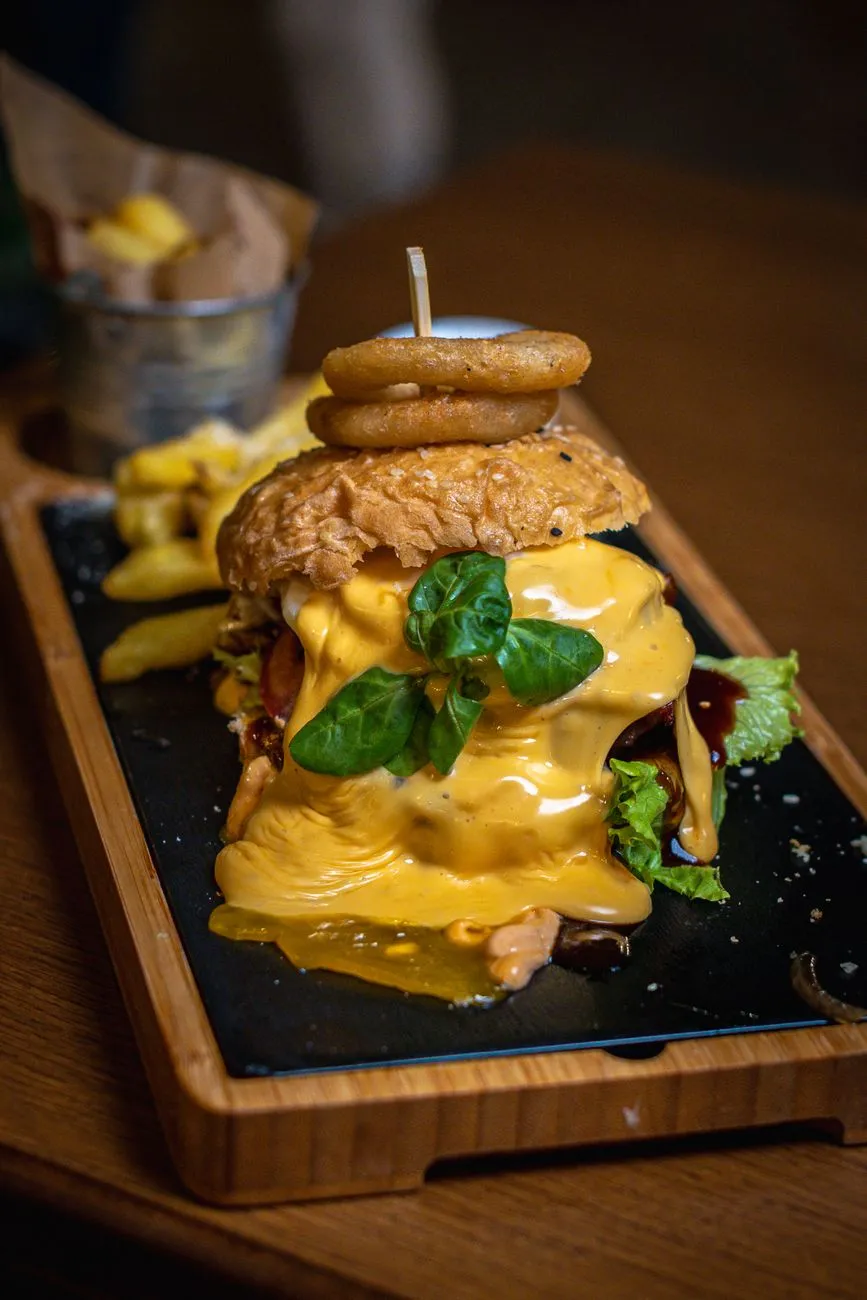
-
 Marcus Vance
 - 14 Aug, 2026 07:59
From Mongolian Steppes to American Diner Classics: The Untold Saga of the Hamburger
From Mongolian Steppes to American Diner Classics: The Untold Saga of the HamburgerIn the pantheon of global cuisine, few dishes command the universal adoration—or the fierce debate—surrounding the humble hamburger. This seemingly simple creation, a symphony of ground meat, bread, and condiments, has transcended its humble origins to become a symbol of cultural identity, economic power, and culinary innovation. But where did the hamburger truly begin? Was it born in the bustling streets of Hamburg, Germany, or did its roots stretch back further, to the nomadic tribes of Central Asia? And how did a dish once considered peasant food evolve into a multi-billion-dollar industry that shapes diets worldwide? The journey of the hamburger is not merely a culinary tale; it is a reflection of human migration, industrialization, and the democratization of food. From the Mongol horsemen who carried dried meat under their saddles to the German immigrants who brought their culinary traditions to America, and from the street vendors of late 19th-century New York to the gleaming fast-food chains of the 21st century, the hamburger’s evolution is a testament to the adaptability and ingenuity of human culture. To understand this iconic dish, we must peel back the layers of history, separating myth from reality, and explore the forces that transformed it from a simple meat patty into a global phenomenon.The Steppes of Genghis Khan: The Ancient Origins of Ground Meat The story of the hamburger begins not in a kitchen, but on the vast, windswept steppes of Central Asia, where the Mongol Empire under Genghis Khan reshaped the world in the 13th century. The Mongols were a nomadic people, and their survival depended on their ability to travel long distances with minimal supplies. One of their most ingenious culinary innovations was khoormog, a method of drying meat by pounding it thin, salting it, and then hanging it to dry in the sun or wind. This process not only preserved the meat but also made it lightweight and easy to carry—ideal for soldiers and travelers. But the Mongols took this concept further. According to historical accounts, they would place thin slices of meat under their saddles while riding, allowing the combination of body heat and movement to tenderize the meat. This practice, known as sukha, is often cited as an early precursor to ground meat. When the Mongols expanded their empire westward, they brought this technique with them, influencing the culinary traditions of Persia, the Middle East, and eventually Europe. By the time the technique reached the port city of Hamburg in northern Germany, it had evolved into Hamburg steak, a dish of minced beef mixed with onions, salt, and spices, often served raw or lightly cooked. This dish became a staple among German sailors and immigrants, who carried it with them as they traveled to the New World. The connection between the Mongol sukha and the German Hamburg steak is more than just culinary—it is a thread that weaves through centuries of cultural exchange, proving that even the humblest of dishes can carry the weight of history.The American Melting Pot: How Hamburgers Conquered the New World The transformation of the hamburger from a European delicacy to an American icon is a story of immigration, innovation, and sheer entrepreneurial spirit. In the mid-19th century, German immigrants flocked to the United States, bringing with them their culinary traditions, including the Hamburg steak. These immigrants settled primarily in cities like New York, Chicago, and Cincinnati, where they opened butcher shops, restaurants, and street carts that served their beloved dish. One of the earliest recorded instances of a hamburger-like dish in America dates back to 1885, when a vendor named Charlie Nagreen, just 15 years old, flattened a meatball and placed it between two slices of bread at a fair in Seymour, Wisconsin. Nagreen’s innovation was born out of necessity—he wanted to make it easier for customers to eat while walking around the fairgrounds. This simple act of culinary ingenuity is often credited as the birth of the modern hamburger. Meanwhile, in other parts of the country, the hamburger was gaining traction in different forms. In 1891, a restaurant owner named Fletcher Davis in Athens, Texas, began serving a dish he called a "hamburger sandwich," which consisted of a ground beef patty served between two slices of bread with lettuce, tomatoes, and onions. Davis’s creation caught the attention of a traveling salesman named Fletcher Davis, who later popularized the dish at the 1904 St. Louis World’s Fair. The fair was a turning point for the hamburger, as it introduced millions of Americans to the dish and sparked a nationwide craze. The rise of the hamburger in America was not just a culinary phenomenon; it was also a reflection of the country’s industrialization and urbanization. As cities grew and the pace of life quickened, the hamburger’s convenience and affordability made it the perfect meal for the working class. Street vendors, diners, and eventually fast-food chains capitalized on this demand, turning the hamburger into a symbol of American ingenuity and capitalism.The Fast-Food Revolution: How McDonald’s and the Drive-Thru Changed the Game The hamburger’s journey from street food to global dominance reached its apex in the mid-20th century, thanks to the rise of fast food and the visionary entrepreneurs who transformed the industry. While the hamburger had been a staple of American diners for decades, it was the post-World War II economic boom and the advent of the automobile that truly catapulted it into the stratosphere of global cuisine. The most pivotal figure in this transformation was Ray Kroc, a milkshake machine salesman who joined the McDonald’s brothers’ small burger stand in San Bernardino, California, in 1954. Kroc saw the potential of the McDonald’s concept—standardized, efficient, and affordable—and he set out to turn it into a franchise empire. By 1961, Kroc had bought out the McDonald’s brothers and began expanding the chain at a breakneck pace. The introduction of the drive-thru window in 1975 was a game-changer, allowing customers to enjoy their hamburgers without ever leaving their cars. This innovation not only catered to the growing car culture of America but also set the stage for the global fast-food phenomenon. McDonald’s wasn’t alone in its quest to dominate the hamburger market. Competitors like Burger King, Wendy’s, and White Castle also played crucial roles in shaping the industry. White Castle, founded in 1921, is often credited as the first fast-food hamburger chain. Its small, square patties and distinctive architecture were designed to appeal to the middle-class families of the era, and its emphasis on cleanliness and consistency set the standard for the industry. Wendy’s, launched in 1969 by Dave Thomas, differentiated itself with its square patties and fresh, never-frozen beef, appealing to a more discerning customer base. The fast-food revolution also had a profound impact on global culture. As American fast-food chains expanded overseas, they brought the hamburger with them, often adapting it to local tastes and preferences. In Japan, for example, McDonald’s introduced the Teriyaki Burger, while in India, the chain created the McAloo Tikki, a vegetarian patty made from potatoes and peas. This globalization of the hamburger not only made it a ubiquitous presence in nearly every corner of the world but also turned it into a symbol of American cultural influence.The Science of the Burger: What Makes a Perfect Patty? Behind every great hamburger lies a carefully crafted balance of ingredients, techniques, and science. The perfect patty is not just a matter of taste; it is a result of understanding the chemical and physical properties of meat, the role of fat, and the importance of cooking methods. To appreciate the hamburger fully, we must delve into the science that makes it so irresistible. The foundation of any hamburger is the meat itself. Ground beef is typically made from a blend of different cuts, including chuck, brisket, and round. The fat content is crucial—too little, and the patty will be dry and tough; too much, and it will shrink excessively during cooking and become greasy. The ideal fat content for a hamburger patty is around 20-30%, which provides both flavor and juiciness. The fat also plays a key role in the Maillard reaction, the chemical process that gives the patty its characteristic brown crust and rich, savory flavor. The grind of the meat is another critical factor. A coarse grind, with visible chunks of fat and connective tissue, will result in a more textured and flavorful patty. A fine grind, on the other hand, produces a smoother texture but can lead to a denser, less juicy burger. The temperature of the meat is also important. Cold meat is easier to handle and shape, but it can lead to a tougher patty. Many chefs recommend letting the meat sit at room temperature for about 30 minutes before forming the patties to achieve the best balance of texture and tenderness. The cooking method is where the science truly comes into play. Grilling, pan-searing, and griddling are the most common techniques, each with its own advantages. Grilling imparts a smoky flavor and creates a desirable char, while pan-searing and griddling allow for more precise temperature control and even cooking. The use of a meat thermometer is essential to ensure that the patty reaches a safe internal temperature of 160°F (71°C) without overcooking. Resting the patty for a few minutes after cooking allows the juices to redistribute, ensuring a moist and flavorful bite. Condiments and toppings also play a role in the science of the burger. The acidity in ketchup, mustard, and pickles helps to cut through the richness of the meat, while the sweetness of caramelized onions or the umami of cheese enhances the overall flavor profile. The bun, often an overlooked component, is equally important. A high-quality bun should be soft yet sturdy enough to hold the patty and toppings without falling apart. Brioche buns, with their buttery richness, are a popular choice for gourmet burgers, while sesame seed buns are a classic staple.Hamburger Patty ComparisonCut Blend Fat ContentChuck (70%) + Brisket (30%) 25%Chuck (80%) + Short Rib (20%) 20%Sirloin (100%) 15%The Global Burger: How Different Cultures Reinvented the Classic While the hamburger is undeniably an American icon, its adaptability has allowed it to thrive in cultures around the world. From the teriyaki burgers of Japan to the lamb kofta burgers of the Middle East, each region has put its own unique spin on this global dish, creating a diverse tapestry of flavors and traditions. In Japan, the hamburger has been embraced and reimagined in ways that reflect the country’s culinary sensibilities. The Teriyaki Burger, introduced by McDonald’s in the 1980s, combines the sweet and savory flavors of teriyaki sauce with a beef patty, often served with shredded cabbage and a sesame seed bun. Another popular variation is the Katsu Burger, which features a breaded and fried pork cutlet instead of beef, topped with tonkatsu sauce and cabbage. These burgers highlight Japan’s love for umami-rich flavors and crispy textures, proving that the hamburger can be both familiar and innovative. In the Middle East, the hamburger has been adapted to local tastes and ingredients. In Lebanon, for example, the Kafta Burger is a popular street food made from spiced ground lamb or beef, grilled and served in a pita bread with garlic sauce, pickles, and fresh vegetables. In Turkey, the Izgara Burger is a grilled beef patty served with melted cheese, tomatoes, and a spicy red pepper sauce called acili sos. These variations showcase the region’s love for bold spices and fresh, vibrant flavors, demonstrating how the hamburger can be transformed into a dish that feels both local and global. In India, where beef consumption is limited due to religious and cultural beliefs, the hamburger has been reinvented with plant-based ingredients. The McAloo Tikki Burger, introduced by McDonald’s in the 1990s, features a spiced potato and pea patty, served with mint chutney and onions in a sesame seed bun. This vegetarian burger has become a staple in India and has even inspired similar creations in other countries, proving that the hamburger’s appeal extends far beyond meat. Even in Europe, where the hamburger originated, the dish has been reimagined in ways that reflect local traditions. In Germany, the Rundstück warm is a classic hamburger-style sandwich served with pickles, onions, and mustard on a soft roll. In France, the Steak Haché Burger is a simple yet elegant creation, featuring a high-quality beef patty served with a fried egg, cheese, and a side of fries. These variations highlight the hamburger’s versatility and its ability to adapt to different culinary landscapes.The Burger of Tomorrow: Innovation and the Future of Fast Food As we look to the future, the hamburger is poised to continue its evolution, driven by advances in technology, changing consumer preferences, and a growing emphasis on sustainability. The fast-food industry is under increasing pressure to reduce its environmental impact, and the hamburger, with its reliance on beef, is at the forefront of this conversation. Innovations in plant-based and lab-grown meat are already transforming the industry, offering alternatives that are more sustainable, ethical, and healthier. Plant-based burgers, such as the Impossible Burger and the Beyond Burger, have gained widespread popularity in recent years. These burgers are designed to mimic the taste and texture of traditional beef patties, using ingredients like pea protein, beet juice, and coconut oil to achieve a meat-like experience. In 2023, the global plant-based meat market was valued at over $10 billion, and it is projected to continue growing as consumers seek more sustainable and ethical food options. Lab-grown meat, also known as cultured or cell-based meat, is another promising innovation. This technology involves growing meat from animal cells in a lab, eliminating the need for traditional livestock farming. While still in the early stages of development, lab-grown meat has the potential to revolutionize the hamburger industry by offering a product that is both environmentally friendly and indistinguishable from traditional beef. Companies like Memphis Meats and Mosa Meat are leading the charge in this field, with products that could hit the market as early as 2025. The future of the hamburger is not just about what’s inside the patty; it’s also about how it’s served. The rise of digital ordering, delivery apps, and ghost kitchens is changing the way we interact with fast food. Customers can now customize their burgers with the touch of a screen, and restaurants are leveraging data analytics to predict demand and optimize their menus. The drive-thru, once the hallmark of fast food, is being reimagined with touchless ordering systems and autonomous delivery vehicles. Sustainability is also becoming a key focus for the hamburger industry. Restaurants are exploring ways to reduce food waste, such as using imperfect produce or repurposing leftover ingredients. Packaging is another area of innovation, with many chains switching to compostable or biodegradable materials to minimize their environmental footprint. The Zero-Waste Burger, a concept gaining traction in Europe, features a patty made from upcycled ingredients like spent grain from breweries or vegetable scraps, proving that even the humblest of dishes can contribute to a more sustainable future.A Bite of History: Why the Hamburger Endures In a world where culinary trends come and go, the hamburger’s enduring popularity is a testament to its simplicity, versatility, and cultural resonance. It is a dish that has traveled across continents and centuries, adapting to the tastes and needs of each generation. From the Mongol horsemen who carried dried meat under their saddles to the fast-food chains that now serve billions of burgers every year, the hamburger’s journey is a reflection of humanity’s ingenuity and love for good food. But the hamburger is more than just a meal; it is a symbol of community and shared experience. Whether enjoyed at a backyard barbecue, a bustling street cart, or a high-end restaurant, the hamburger brings people together. It is a dish that transcends class, culture, and geography, uniting us in our love for a simple yet perfect combination of meat, bread, and condiments. As we look to the future, the hamburger will continue to evolve, shaped by innovation, sustainability, and the ever-changing tastes of consumers. But no matter how it changes, one thing is certain: the hamburger will always be a beloved part of our global culinary heritage. So the next time you sink your teeth into a juicy, perfectly cooked patty, take a moment to appreciate the rich history and cultural significance behind every bite.#HamburgerHistory #GlobalCuisine #FastFoodEvolution #CulinaryJourney #FoodCulture Related InsightsThe Unfolding Tapestry of Flavor: A Millennia-Spanning Journey Through the Epic Evolution of Curry 'From Sacred Ritual to Sweet Obsession: The Untold History of Chocolate That Will Change How You Taste It' The Alchemist's Kitchen: When Physics Met the Pot and Changed Dinner Forever{ "@context": "https://schema.org", "@type": "FAQPage", "mainEntity": [ { "@type": "Question", "name": "What is the main focus of From Mongolian Steppes to American Diner Classics: The Untold Saga of the Hamburger?", "acceptedAnswer": { "@type": "Answer", "text": "Uncover the surprising journey of the hamburger—from ancient nomadic delicacies to a global fast-food phenomenon. Discover the cultural, culinary, and historical forces that shaped this iconic dish." } }, { "@type": "Question", "name": "Who authored the comprehensive guide on From Mongolian Steppes to American Diner Classics: The Untold Saga of the Hamburger?", "acceptedAnswer": { "@type": "Answer", "text": "This detailed article and its insights were carefully researched and authored by Marcus Vance." } }, { "@type": "Question", "name": "Where can I find more related content about Food?", "acceptedAnswer": { "@type": "Answer", "text": "You can explore more articles, detailed reviews, and similar insights by browsing the Related Insights section at the bottom of this article or visiting our dedicated Food category page." } } ] }
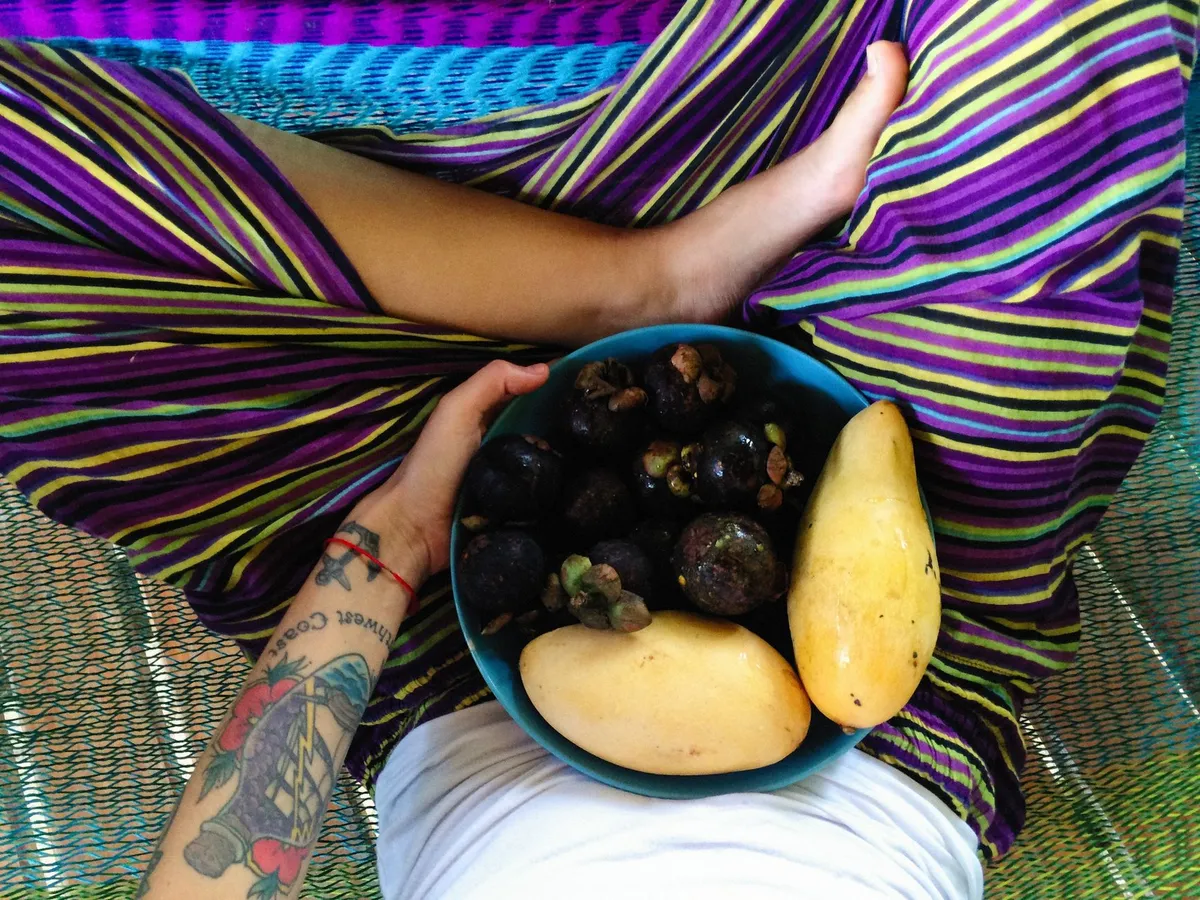
- Kenji Sato
- 10 Aug, 2026 08:15
From Dragon Fruit to Durian: A Global Tour of the World’s Most Exotic Fruits and Their Secrets
The Forbidden Delights of the Amazon: Where Flavor Meets Mystery Deep in the heart of the Amazon rainforest, where the canopy whispers secrets older than civilization itself, grows one of the world’s most enigmatic fruits: the cupuaçu. This relative of the cacao tree, native to Brazil, Colombia, and Peru, is a treasure trove of creamy, tangy goodness. The cupuaçu’s outer rind is hard and woody, but inside lies a pale, snow-white pulp that tastes like a cross between chocolate, pineapple, and citrus. Locals in the Amazon often blend it into juices, ice creams, or even ferment it into a type of wine. The fruit’s name itself comes from the indigenous Tupi language, where cupuaçu means "fruit of the gods." But how do you eat it? First, you must crack open the tough outer shell—usually with a machete or a sturdy knife. Inside, the pulp clings to large seeds, which are bitter and inedible. The pulp is scooped out, and its fibrous texture means it’s best strained before consumption. In Brazil, cupuaçu is so beloved that it’s often sold in markets as cupulate, a frozen dessert similar to sorbet but with a richer, more complex flavor. The fruit’s popularity has even led to biotechnological research into improving its postharvest shelf life, ensuring that its unique taste can be enjoyed far beyond the Amazon.Another Amazonian marvel is the peanut butter fruit, or Bunchosia argentea, a small, red berry that lives up to its name. When ripe, its flesh is soft, juicy, and tastes eerily like peanut butter. Indigenous communities in the region have used it for centuries, not just as a snack but as a natural remedy for inflammation. The fruit is delicate, so it’s rarely exported, making it a true hidden gem for adventurous eaters. To eat it, simply pluck the ripe fruit from the tree (it should be slightly soft to the touch), pop it into your mouth, and let the creamy texture melt on your tongue. No preparation needed—just pure, unadulterated flavor. The Amazon isn’t the only place where exotic fruits thrive. In Southeast Asia, the mangosteen reigns supreme as the "queen of fruits." Its thick, purple rind hides snow-white segments that burst with a sweet-tart flavor, often described as a mix of peach, strawberry, and citrus. Mangosteens are notoriously difficult to open—locals in Thailand and Malaysia use a special knife to slice around the equator, twist, and pop the segments out like edible jewels. The fruit is so prized that in some cultures, it’s a symbol of royalty and hospitality. In fact, the mangosteen’s scientific name, Garcinia mangostana, pays homage to the French naturalist Laurent Garcin, who first documented it in the 18th century.The Spiky King of the Tropics: Durian and Its Polarizing Power No discussion of exotic fruits would be complete without mentioning the durian, the so-called "king of fruits" in Southeast Asia. Revered for its custard-like texture and pungent aroma, durian is a fruit that divides opinion like no other. To some, it’s a heavenly indulgence; to others, it’s a biological weapon. The smell alone has been described as a mix of gym socks, rotten onions, and gasoline, which is why it’s banned in many hotels and public transport systems across Asia. But for those who love it, durian is an addiction. The fruit’s creamy flesh is rich, sweet, and slightly bitter, with notes of caramel and almond. In Malaysia and Thailand, durian is eaten fresh, but it’s also used in desserts like tempoyak (a fermented durian paste) or durian sticky rice. The key to enjoying durian is knowing how to pick a good one. A ripe durian should have a strong aroma (if it smells mild, it’s underripe) and give slightly when pressed. Locals often use a special durian knife to cut open the spiky husk, revealing the coveted yellow segments inside.For the uninitiated, trying durian can be a rite of passage. In Singapore, durian lovers flock to the annual Durian Festival, where vendors offer samples of rare varieties like Musang King (known for its buttery texture) and Red Prawn (with a hint of seafood-like sweetness). The fruit’s polarizing nature has even inspired scientific research into its genetic makeup, with studies exploring how to enhance its flavor while reducing its infamous odor. Some biotechnologists are experimenting with gene editing to create a less pungent version, though purists argue that the smell is part of durian’s allure. Beyond its culinary uses, durian has cultural significance. In Thailand, it’s a symbol of prosperity, and during the durian season, entire villages come alive with street vendors and night markets. The fruit is also a major export, with Thailand being the world’s largest producer. However, its high sulfur content means it’s not for everyone—some people report headaches or nausea after eating it, a phenomenon known as "durian sickness." For those willing to brave the aroma, durian is a fruit that rewards patience and curiosity.The Jewels of the Pacific: Dragon Fruit and Its Hidden Crunch Sailing across the Pacific, we arrive in Vietnam and Thailand, where the dragon fruit (or pitaya) dazzles with its vibrant pink skin and electric blue seeds. This cactus fruit, native to Central America but now widely cultivated in Southeast Asia, is a feast for the eyes as much as the palate. The flesh can be white or deep magenta, depending on the variety, and tastes like a mild kiwi with a hint of pear. The tiny black seeds add a satisfying crunch, making it a popular ingredient in smoothie bowls and salads. Dragon fruit is incredibly versatile. In Vietnam, it’s often blended into sinh tố (fruit smoothies) or used as a natural food coloring in desserts. The fruit’s high water content and low calorie count have also made it a favorite among health-conscious eaters. To eat it, simply slice it in half and scoop out the flesh with a spoon, or peel the skin and slice it into cubes. The seeds are edible and add a subtle nutty flavor.One of the most fascinating aspects of dragon fruit is its connection to biotechnology. Researchers have been studying its genome to enhance its disease resistance and shelf life, ensuring that it can be enjoyed fresh even after long-distance travel. The fruit’s popularity has also led to a boom in dragon fruit farming, with countries like Vietnam and Israel exporting it globally. In fact, Vietnam is now the world’s largest exporter of dragon fruit, with over 50,000 hectares dedicated to its cultivation. For those looking to try dragon fruit, the best varieties are those with bright, unblemished skin and a slight give when pressed. The fruit is low in calories but high in fiber, vitamin C, and antioxidants, making it a nutritional powerhouse. Whether eaten fresh, juiced, or frozen into sorbet, dragon fruit is a tropical delight that’s as beautiful as it is delicious.The African Enigma: Miracle Fruit and the Berry That Tricks Your Taste Buds Venturing into West Africa, we encounter the miracle fruit, or Synsepalum dulcificum, a small red berry that has the extraordinary ability to temporarily alter your taste perception. When eaten, the fruit’s active compound, miraculin, binds to your taste buds and makes sour foods taste sweet. For example, a slice of lemon becomes as sweet as candy, and black coffee transforms into a caramel-like delight. This phenomenon has made miracle fruit a sensation in molecular gastronomy and a popular novelty item at science-themed dinner parties. The miracle fruit is traditionally used in Ghana and Nigeria as a natural sweetener, especially for those with diabetes or sugar restrictions. Locals often chew the berry before a meal to enhance the flavors of sour dishes. The effect lasts about 30 minutes to an hour, making it a fun and interactive way to experience food. To eat it, simply pop the berry into your mouth and let it dissolve on your tongue. The seeds are inedible, so you’ll need to spit them out.The science behind miracle fruit is fascinating. Researchers have been studying miraculin’s potential as a sugar substitute, particularly for people with metabolic disorders. Some biotech companies are even exploring ways to incorporate it into processed foods to reduce sugar content without sacrificing sweetness. However, the fruit itself is delicate and doesn’t travel well, which is why it remains a niche product outside of West Africa. For adventurous eaters, miracle fruit offers a unique culinary experience. Imagine biting into a slice of grapefruit and tasting something akin to candy—it’s a surreal sensation that challenges your perception of flavor. The fruit’s ability to "trick" the taste buds has even inspired cocktail bars to create "flavor-tripping" events, where guests sample a series of dishes before and after eating the berry to compare the differences.The Caribbean’s Hidden Gem: Soursop and Its Healing Powers In the Caribbean, the soursop (Annona muricata) is a fruit steeped in folklore and medicinal lore. Known locally as guanábana in Spanish-speaking countries or corossol in French, this large, spiky green fruit has a creamy white flesh that tastes like a mix of strawberry, pineapple, and citrus. Soursop is a staple in Caribbean cuisine, used in everything from juices and smoothies to ice creams and even savory dishes like callaloo (a leafy green stew). The fruit’s health benefits are legendary. In traditional medicine, soursop is believed to treat everything from hypertension to cancer, though modern science is still exploring its potential. The leaves of the soursop tree are often brewed into tea, while the fruit itself is rich in vitamin C, fiber, and antioxidants. To eat it, you’ll need to cut open the tough outer rind (a machete is helpful) and scoop out the flesh, avoiding the large black seeds.In Jamaica, soursop is so beloved that it’s featured in soursop cheesecake and soursop wine. The fruit’s versatility extends to its leaves, which are used in bush medicine to treat fevers and infections. Some researchers are studying the fruit’s acetogenins, compounds that have shown promise in cancer research. While more studies are needed, soursop’s reputation as a "healing fruit" has made it a sought-after ingredient in both culinary and medicinal circles. For those trying soursop for the first time, the best varieties are those with a slight softness when pressed and a strong, sweet aroma. The flesh can be eaten raw or blended into a refreshing drink. In Puerto Rico, it’s common to mix soursop pulp with milk and sugar for a creamy, tropical smoothie. The fruit’s unique flavor profile makes it a standout in any exotic fruit lineup.A Flavorful Farewell: How Exotic Fruits Connect Us to the World From the misty jungles of the Amazon to the sun-drenched islands of the Caribbean, exotic fruits are more than just food—they’re a bridge to cultures, histories, and scientific innovations. Each fruit tells a story: of indigenous traditions, of biotechnological breakthroughs, and of the sheer joy of discovery. Whether it’s the polarizing allure of durian, the sweet deception of miracle fruit, or the creamy richness of soursop, these fruits challenge our palates and expand our culinary horizons. As global travel and gastronomy continue to intertwine, exotic fruits are becoming more accessible than ever. Farmers’ markets in cosmopolitan cities now stock durian, dragon fruit, and mangosteen, while online retailers ship rare varieties like cupuaçu and peanut butter fruit straight to your door. The rise of food tourism has also fueled interest in these fruits, with destinations like Thailand and Brazil offering durian-tasting tours and Amazonian fruit expeditions. Yet, for all their global appeal, exotic fruits remain deeply rooted in their local cultures. The way they’re grown, harvested, and eaten reflects centuries of tradition and innovation. In a world where fast food and processed snacks dominate, these fruits remind us of the beauty of natural, unadulterated flavors. They invite us to slow down, to savor, and to explore. So the next time you’re at a market or a restaurant, don’t shy away from the unfamiliar. Try that strange-looking fruit. Ask the vendor how to eat it. Let your taste buds embark on a journey around the world. After all, food is one of the most powerful ways to connect with the planet—and with each other.#ExoticFruitAdventure #TasteTheWorld #GlobalCuisine Related InsightsMisal Pav: Maharashtra's Fiery Breakfast Mumbais flüchtige Gaumenfreuden: Wo Straßenstände die Stadt zum Kochen bringen Kelewele: The Spicy Fried Plantain Snack{ "@context": "https://schema.org", "@type": "FAQPage", "mainEntity": [ { "@type": "Question", "name": "What is the main focus of From Dragon Fruit to Durian: A Global Tour of the World’s Most Exotic Fruits and Their Secrets?", "acceptedAnswer": { "@type": "Answer", "text": "Discover the most exotic fruits on Earth, their origins, flavors, and step-by-step guides on how to eat them like a local." } }, { "@type": "Question", "name": "Who authored the comprehensive guide on From Dragon Fruit to Durian: A Global Tour of the World’s Most Exotic Fruits and Their Secrets?", "acceptedAnswer": { "@type": "Answer", "text": "This detailed article and its insights were carefully researched and authored by Kenji Sato." } }, { "@type": "Question", "name": "Where can I find more related content about Food?", "acceptedAnswer": { "@type": "Answer", "text": "You can explore more articles, detailed reviews, and similar insights by browsing the Related Insights section at the bottom of this article or visiting our dedicated Food category page." } } ] }
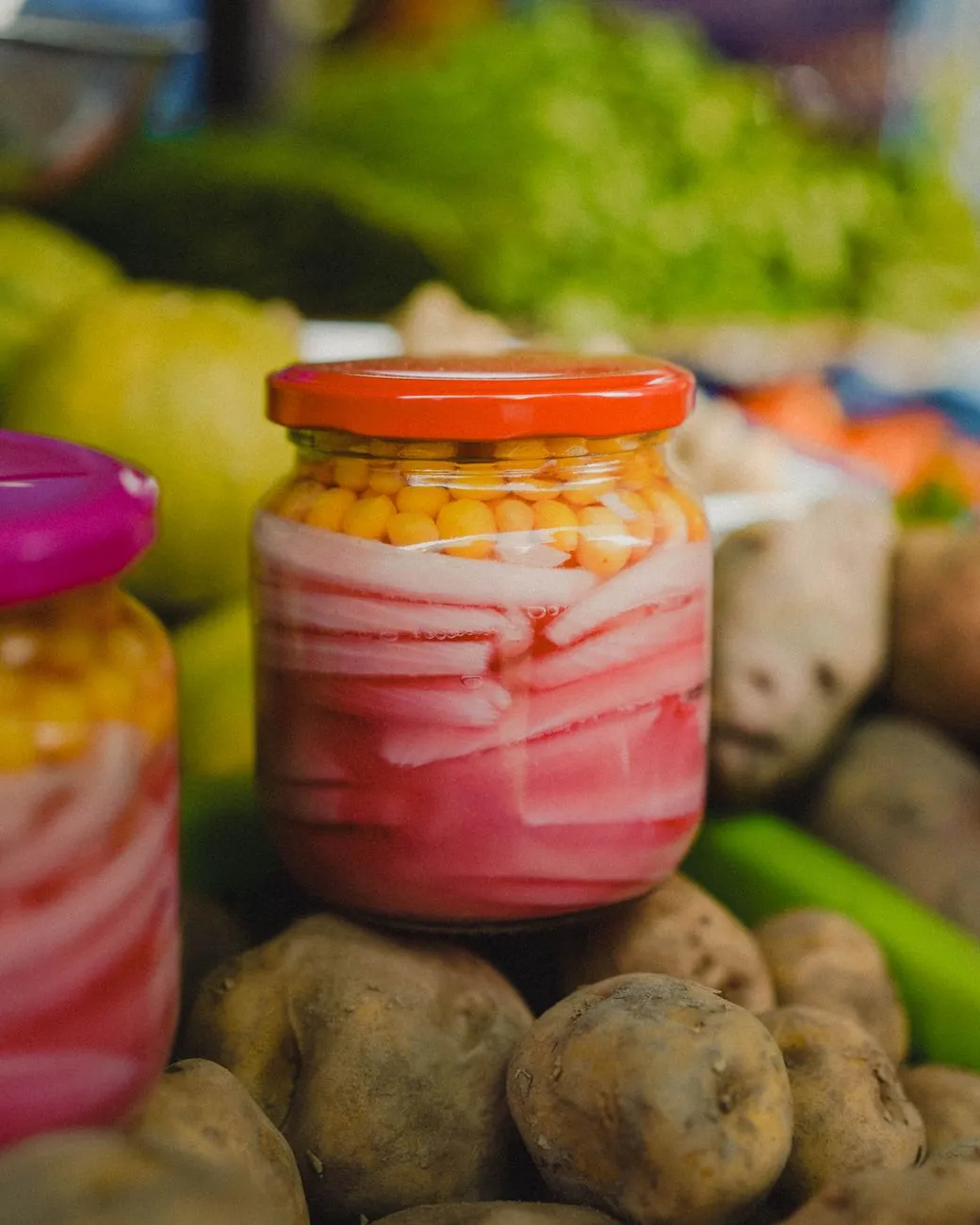
- Marcus Vance
- 01 Aug, 2026 08:42
Fermented Foods Around the World: From Korean Kimchi to German Sauerkraut – A Global Journey Through Tradition and Health
Fermented foods are more than just culinary delights—they are living testaments to human ingenuity, preserving the bounty of harvests, enhancing flavors, and nurturing health across millennia. From the fiery tang of Korean kimchi to the crisp acidity of German sauerkraut, these foods represent a global tapestry of tradition, science, and gastronomy. But what makes fermented foods so universally revered? At their core, they are the result of microbial alchemy, where beneficial bacteria and yeasts transform raw ingredients into complex, nutrient-dense masterpieces. Recent research highlights their role not only in flavor development but also in promoting gut health, immune function, and even mental well-being. As we embark on this global journey, we’ll explore the origins, science, and cultural significance of fermented foods, uncovering why they remain indispensable in kitchens from Seoul to Berlin.The process of fermentation is ancient, predating recorded history. Archaeological evidence suggests that early humans fermented grains and fruits as early as 10,000 BCE, long before the advent of refrigeration or modern food preservation techniques. This method allowed communities to store food safely, enhance its nutritional value, and create flavors that could not be achieved through cooking alone. Today, fermented foods are celebrated not only for their taste but also for their probiotic properties, which support a healthy gut microbiome—a cornerstone of overall wellness. In this article, we’ll delve into five iconic fermented foods, examining their unique characteristics, health benefits, and the science behind their transformation.The Science of Fermentation: How Microbes Transform Food Fermentation is a metabolic process where microorganisms—primarily bacteria and yeasts—convert carbohydrates into acids, gases, or alcohol in the absence of oxygen. This transformation is not merely a culinary trick; it’s a biochemical revolution that enhances food’s nutritional profile, digestibility, and shelf life. The OpenAlex research data underscores the diversity of microorganisms involved in fermentation, with species like Lactobacillus, Leuconostoc, and Saccharomyces playing pivotal roles across different cuisines. At its simplest, fermentation begins with the natural microbes present on raw ingredients or introduced via a starter culture. For example, kimchi relies on Lactobacillus kimchii, a bacterium that thrives in the spicy, cabbage-rich environment, producing lactic acid that gives kimchi its signature tang. Similarly, sauerkraut fermentation involves Leuconostoc mesenteroides and Lactobacillus plantarum, which work sequentially to break down sugars and create a stable, probiotic-rich product. The health benefits of fermentation are profound. Fermented foods are rich in live cultures, which act as probiotics, supporting gut health by restoring microbial balance. Studies cited in the OpenAlex research highlight that these foods can improve digestion, boost immunity, and even reduce inflammation. Additionally, fermentation enhances the bioavailability of nutrients. For instance, the fermentation of soybeans into miso increases the availability of amino acids and antioxidants, making it a more nutritious protein source.To ferment food at home, the process is straightforward but requires attention to detail. Start with fresh, high-quality ingredients—cabbage for sauerkraut, radishes for kimchi, or soybeans for miso. Submerge the ingredients in a brine solution (typically 2-3% salt by weight) to create an anaerobic environment that favors beneficial microbes while inhibiting harmful ones. Keep the mixture at room temperature (ideally 65-75°F) for 3-10 days, depending on the desired level of sourness. Taste-test regularly, and once the flavor is to your liking, transfer the ferment to the refrigerator to slow down the process. Understanding the science behind fermentation empowers us to experiment with flavors and textures while ensuring safety and quality. Whether you’re a seasoned fermenter or a curious beginner, mastering this process opens a world of culinary possibilities.Korean Kimchi: A Spicy, Probiotic Powerhouse Kimchi is more than Korea’s national dish—it’s a cultural icon, a symbol of resilience, and a nutritional powerhouse. Dating back to the 7th century, kimchi was originally a way to preserve vegetables through harsh winters, but today, it’s celebrated worldwide for its bold flavors and health benefits. The OpenAlex research highlights kimchi’s microbial diversity, with over 200 bacterial species identified in traditional preparations, including Lactobacillus brevis and Weissella cibaria. The primary ingredient in kimchi is napa cabbage, which is salted and left to ferment for several days. The fermentation process is divided into two stages: the initial lactic acid fermentation by Leuconostoc species, followed by a secondary fermentation dominated by Lactobacillus species. This dual-phase process creates a complex flavor profile, ranging from mildly tangy to intensely pungent, depending on the fermentation time. Kimchi’s signature spiciness comes from gochugaru, a Korean red pepper flake that not only adds heat but also contributes to the fermentation process by inhibiting the growth of undesirable microbes. Other key ingredients include garlic, ginger, scallions, and sometimes seafood like jeotgal (salted shrimp), which adds umami depth. The combination of these ingredients creates a symphony of flavors—sour, spicy, sweet, and umami—that make kimchi a versatile condiment.Beyond its culinary appeal, kimchi is a nutritional powerhouse. A single serving (about 100 grams) contains approximately 23 calories, 2 grams of fiber, and 1 gram of protein. It’s also rich in vitamins A, B, and C, as well as minerals like iron and calcium. The probiotics in kimchi, particularly Lactobacillus, have been shown to improve gut health, reduce cholesterol levels, and even enhance immune function. Some studies suggest that regular kimchi consumption may lower the risk of obesity and type 2 diabetes, thanks to its high fiber content and low calorie count. To make kimchi at home, start with 2 pounds of napa cabbage, cut into quarters and rinsed thoroughly. Dissolve ½ cup of coarse sea salt in 8 cups of water, then submerge the cabbage in the brine for 2 hours, flipping halfway through. Rinse the cabbage thoroughly and drain. In a separate bowl, mix 1 cup of gochugaru, ½ cup of minced garlic, 1 tablespoon of grated ginger, 4 scallions (chopped), and 1 tablespoon of fish sauce (optional). Combine the spice paste with the cabbage, massaging it thoroughly to ensure even coating. Pack the kimchi into a clean jar, pressing down to remove air pockets, and leave it at room temperature for 1-2 days before refrigerating. The flavor will continue to develop over the next few weeks. Kimchi’s versatility extends beyond the traditional side dish. It can be used in soups, stews, fried rice, or even as a topping for tacos and burgers. Its bold flavors and probiotic benefits make it a must-try for anyone looking to explore the world of fermented foods.German Sauerkraut: The Tangy Treasure of Northern Europe Sauerkraut, or "sour cabbage," is one of the oldest fermented foods in Europe, with roots tracing back to the 4th century BCE. Legend has it that the nomadic tribes of Central Asia first fermented cabbage to preserve it during long journeys, and the technique spread to Germany via the Mongols. By the Middle Ages, sauerkraut had become a staple in German cuisine, prized for its long shelf life and nutritional value. Today, it remains a beloved side dish, often served alongside sausages, pork, or potatoes. The fermentation process for sauerkraut is straightforward but requires patience. Thinly shredded cabbage is mixed with salt (typically 2% of the cabbage’s weight) and massaged to release its natural juices. The cabbage is then packed tightly into a fermentation vessel, such as a crock or jar, and weighted down to keep it submerged in its brine. Over the course of 1-4 weeks, lactic acid bacteria like Leuconostoc mesenteroides and Lactobacillus plantarum break down the sugars in the cabbage, producing lactic acid that gives sauerkraut its signature tang. Sauerkraut’s health benefits are well-documented. A 100-gram serving contains approximately 22 calories, 4 grams of fiber, and 1 gram of protein. It’s also rich in vitamins C and K, as well as minerals like potassium and iron. The probiotics in sauerkraut support gut health by promoting the growth of beneficial bacteria, which can improve digestion and boost immunity. Additionally, sauerkraut is low in calories and high in fiber, making it a great addition to weight management diets.Sauerkraut’s versatility extends beyond the traditional German plate. It can be used as a topping for hot dogs, a filling for dumplings, or even as a base for soups and stews. In modern cuisine, chefs are experimenting with sauerkraut in unexpected ways, such as incorporating it into tacos, sandwiches, or even vegan "cheese" spreads. To make sauerkraut at home, start with 2 pounds of green or red cabbage, thinly shredded. Mix the cabbage with 1 tablespoon of salt (or 2% of the cabbage’s weight) and massage it thoroughly to release its juices. Pack the cabbage into a clean jar or crock, pressing down firmly to remove air pockets. Cover the cabbage with a fermentation weight or a smaller jar filled with water to keep it submerged. Leave the jar at room temperature for 1-2 weeks, then transfer it to the refrigerator to slow down the fermentation process. The sauerkraut will continue to develop flavor over time, becoming tangier and more complex. Sauerkraut’s cultural significance is also worth noting. In Germany, it’s often served during Oktoberfest celebrations, paired with hearty dishes like bratwurst and pretzels. In the United States, sauerkraut gained popularity among German immigrants in the 19th century and has since become a staple in dishes like Reuben sandwiches and Reubenesque salads.Japanese Miso: The Umami-Rich Fermented Soybean Paste Miso is a cornerstone of Japanese cuisine, a fermented soybean paste that adds depth, umami, and complexity to soups, marinades, and sauces. Dating back to the 8th century, miso was introduced to Japan from China via Buddhist monks, who valued it for its nutritional and medicinal properties. Today, miso is a staple in Japanese households, with regional variations like white miso (shiro miso), red miso (aka miso), and barley miso (mugi miso) each offering unique flavors and uses. The fermentation process for miso begins with koji, a culture of Aspergillus oryzae grown on steamed rice or barley. The koji is mixed with soybeans, salt, and sometimes additional grains like barley or wheat, then left to ferment for months or even years. During this time, enzymes from the koji break down the proteins and carbohydrates in the soybeans, creating a rich, savory paste. The longer the fermentation, the deeper and more complex the flavor becomes. Miso’s nutritional profile is impressive. A 100-gram serving contains approximately 195 calories, 12 grams of protein, and 6 grams of fiber. It’s also rich in vitamins B2, B12, and E, as well as minerals like manganese and zinc. The fermentation process enhances the bioavailability of these nutrients, making miso a highly nutritious food. Additionally, miso contains probiotics that support gut health and may reduce the risk of certain cancers, thanks to its high content of antioxidants and isoflavones.Miso’s versatility in the kitchen is unparalleled. It can be used to make miso soup, a comforting and nourishing dish often served for breakfast in Japan. Miso can also be used as a marinade for fish or meat, a glaze for roasted vegetables, or a base for salad dressings. In modern cuisine, chefs are experimenting with miso in unexpected ways, such as incorporating it into desserts, cocktails, or even ice cream. To make miso at home, start with 2 cups of soybeans, soaked overnight and steamed until tender. Mix the soybeans with 1 cup of koji (available at Asian markets or online), ½ cup of salt, and ¼ cup of miso starter (optional). Pack the mixture into a clean jar, pressing down to remove air pockets, and cover it with a fermentation weight. Leave the jar at room temperature for 6-12 months, then transfer it to the refrigerator to slow down the fermentation process. The miso will continue to develop flavor over time, becoming richer and more complex. Miso’s cultural significance extends beyond Japan. In Korea, a similar fermented soybean paste called doenjang is used in soups and stews, while in China, a fermented soybean paste called douchi is used as a seasoning. These variations highlight the global appeal of fermented soybean pastes and their role in traditional cuisines.Indian Idli and Dosa Batter: Fermented Rice and Lentil Delights Idli and dosa are iconic South Indian dishes made from fermented rice and lentil batter. Idli is a steamed rice cake, while dosa is a thin, crispy pancake, both of which rely on fermentation to achieve their signature textures and flavors. The fermentation process for idli and dosa batter begins with a mixture of rice and urad dal (black gram lentils), which are soaked, ground into a batter, and left to ferment overnight. During fermentation, lactic acid bacteria like Leuconostoc mesenteroides and Lactobacillus species break down the carbohydrates in the batter, creating a light, fluffy texture and a slightly tangy flavor. The fermentation process is crucial to the success of idli and dosa. Without proper fermentation, the batter will not rise, resulting in dense, flat cakes. The ideal fermentation time is 8-12 hours, depending on the temperature and humidity. In South India, where idli and dosa are staples, families often prepare batter in large quantities and ferment it overnight, allowing the flavors to develop and the texture to become airy. Idli and dosa are not only delicious but also highly nutritious. A single idli contains approximately 39 calories, 1 gram of protein, and 0.5 grams of fiber. Dosa is slightly higher in calories, with a single dosa containing approximately 120 calories, 3 grams of protein, and 1 gram of fiber. Both dishes are rich in carbohydrates and low in fat, making them a great option for those looking for a light, nutritious meal. Additionally, the fermentation process enhances the bioavailability of nutrients, making the protein and fiber in idli and dosa more easily digestible.Idli and dosa are often served with accompaniments like coconut chutney, sambar (a lentil-based vegetable stew), and tomato chutney. These dishes are not only a staple in South Indian cuisine but also a symbol of the region’s rich culinary heritage. In recent years, idli and dosa have gained popularity worldwide, with Indian restaurants and food trucks offering these dishes as part of their menus. To make idli and dosa batter at home, start with 2 cups of parboiled rice and 1 cup of urad dal. Soak the rice and dal separately for 4-6 hours, then grind them into a smooth batter. Mix the batter with salt and a pinch of baking soda (optional), then leave it to ferment overnight at room temperature. The batter is now ready to use for making idli or dosa. For idli, pour the batter into greased molds and steam for 10-12 minutes. For dosa, spread a thin layer of batter onto a hot griddle and cook until crispy. The fermentation process for idli and dosa batter is a testament to the ingenuity of South Indian cooks, who have perfected the art of fermentation over centuries. Today, idli and dosa are enjoyed by millions of people worldwide, a delicious reminder of the power of fermentation to transform simple ingredients into culinary masterpieces.Nutritional Comparison: Kimchi vs. Sauerkraut vs. Miso vs. Idli/DosaFermented Food Calories (per 100g) Protein (g) Fiber (g) Probiotics Key NutrientsKimchi 23 1 2 High Vitamins A, B, C; Iron, CalciumSauerkraut 22 1 4 High Vitamins C, K; Potassium, IronMiso 195 12 6 Moderate Vitamins B2, B12, E; ManganeseIdli (1 piece) 39 1 0.5 High Carbohydrates, ProteinDosa (1 piece) 120 3 1 High Carbohydrates, ProteinData sourced from OpenAlex research and nutritional databases.Fermented foods are a testament to humanity’s ability to harness the power of microbes for culinary and health benefits. From the spicy, probiotic-rich kimchi of Korea to the tangy, fiber-packed sauerkraut of Germany, these foods offer a glimpse into the rich tapestry of global cuisine. Whether you’re drawn to the umami depth of Japanese miso or the airy texture of South Indian idli, there’s a fermented food to suit every palate and dietary need. The science behind fermentation is equally fascinating. Microorganisms like Lactobacillus and Leuconostoc not only preserve food but also enhance its nutritional value, making fermented foods a valuable addition to any diet. Research continues to uncover the health benefits of these foods, from improved gut health to reduced inflammation and enhanced immunity. As we’ve seen, fermentation is more than a preservation technique—it’s a gateway to a world of flavor, tradition, and wellness. For those new to fermented foods, the journey begins with a single jar of sauerkraut or a bowl of miso soup. Experiment with flavors, textures, and techniques, and don’t be afraid to make mistakes. Fermentation is as much an art as it is a science, and every batch is a unique expression of time, temperature, and microbial activity. Whether you’re a seasoned fermenter or a curious beginner, the world of fermented foods offers endless possibilities for exploration and discovery. As we look to the future, fermented foods are poised to play an even greater role in global cuisine and health. With growing interest in gut health, plant-based diets, and sustainable food practices, fermented foods offer a delicious and nutritious solution. So, why not start your own fermentation journey today? Your gut—and your taste buds—will thank you.#FermentedFoods #GutHealth #TraditionalCuisine #Probiotics #GlobalCuisine Related InsightsHar Gow: The Translucent Shrimp Dumpling Masterpiece L'Alchimie du Levant : Quand l'Histoire se Déguste en Mezze Steel-Cut Oats with Chia Seeds and Blueberries: A Delicious and Nutritious Breakfast Option{ "@context": "https://schema.org", "@type": "FAQPage", "mainEntity": [ { "@type": "Question", "name": "What is the main focus of Fermented Foods Around the World: From Korean Kimchi to German Sauerkraut – A Global Journey Through Tradition and Health?", "acceptedAnswer": { "@type": "Answer", "text": "Discover the rich history, health benefits, and cultural significance of fermented foods like Korean kimchi and German sauerkraut, backed by science and tradition." } }, { "@type": "Question", "name": "Who authored the comprehensive guide on Fermented Foods Around the World: From Korean Kimchi to German Sauerkraut – A Global Journey Through Tradition and Health?", "acceptedAnswer": { "@type": "Answer", "text": "This detailed article and its insights were carefully researched and authored by Marcus Vance." } }, { "@type": "Question", "name": "Where can I find more related content about Food?", "acceptedAnswer": { "@type": "Answer", "text": "You can explore more articles, detailed reviews, and similar insights by browsing the Related Insights section at the bottom of this article or visiting our dedicated Food category page." } } ] }