Harry Potter and the Order of the Phoenix Book Review and Summary
- 01 Jul, 2025 16:03
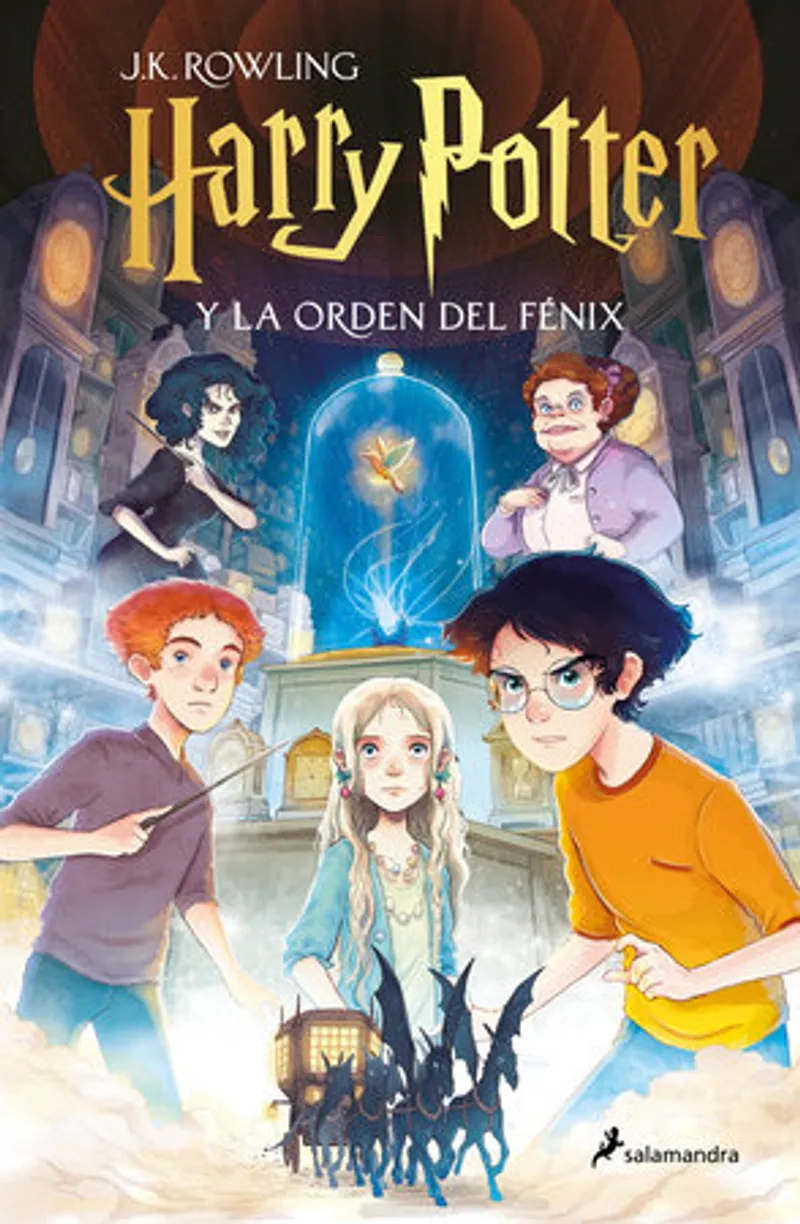
Harry Potter y la Orden del Fénix (Edición con ilustraciones de Xavier Bonet) / Harry Potter and the Order of the Phoenix (Illustrated Edition by Xavier Bonet
Author: J.K. Rowling
Page Count: Unknown
Publication Date: 2026-PRH
Harry Potter and the Order of the Phoenix (Illustrated Edition) – A Darker, Deeper Dive into Magic’s Shadow
J.K. Rowling’s Harry Potter and the Order of the Phoenix has long been the crucible where the series’ themes of resistance, sacrifice, and the cost of growing up are most brutally tested. Now, with Xavier Bonet’s hauntingly vivid illustrations breathing new life into the text, this edition doesn’t just retell the story—it reimagines it, transforming Rowling’s prose into a visual and emotional experience that lingers long after the final page.
At its core, Order of the Phoenix is a story about defiance. The Ministry of Magic’s denial of Voldemort’s return mirrors real-world bureaucracies that prioritize control over truth, while Harry’s struggle against both external oppression and his own inner turmoil makes this the most psychologically complex entry in the series. Rowling’s genius lies in her ability to weave personal angst with epic stakes—Harry’s isolation, his rage, and his growing distrust of authority aren’t just subplots; they’re the beating heart of the narrative. The novel forces its young heroes to confront the uncomfortable reality that the world isn’t fair, that adults can fail them, and that power often corrupts those who wield it. It’s a theme that resonates deeply in an era where misinformation and institutional distrust shape global discourse.
Rowling’s prose in this volume is sharper, more introspective. Where earlier books thrived on whimsy and wonder, Order of the Phoenix darkens the palette, both literally and thematically. The prose crackles with Harry’s frustration, Dumbledore’s cryptic wisdom, and Sirius’s tragic vulnerability. The dialogue—especially between Harry and his peers—feels raw, unfiltered by the protective gloss of childhood. Even the humor, often a Rowling trademark, is tinged with bitterness, as seen in the Weasley twins’ pranks or Luna Lovegood’s endearingly odd optimism. This tonal shift isn’t just a narrative choice; it’s a reflection of the series’ maturation. The magic here isn’t just about spells and creatures—it’s about the magic of resilience, of finding strength in vulnerability.
Bonet’s illustrations amplify this darkness. His art doesn’t shy away from the grotesque or the melancholic. The Dementors, with their skeletal fingers and hollow eyes, feel like living nightmares, their presence in the illustrations almost suffocating. The Ministry’s cold, sterile halls contrast sharply with the cozy, if chaotic, warmth of the Burrow, reinforcing the novel’s central conflict between order and chaos. Even minor characters like Kreacher or the centaur Firenze gain a haunting presence under Bonet’s brush. His style—partly surreal, partly hyper-realistic—captures the duality of Rowling’s world: a place where wonder and terror coexist.
One of the most striking aspects of this edition is how it reframes the emotional weight of the story. The illustrations don’t just accompany the text; they interpret it. When Harry stares into the Mirror of Erised, Bonet’s rendition of the scene isn’t just a reflection—it’s a window into his fractured psyche, the glass cracked like his resolve. The Department of Mysteries, with its labyrinthine corridors and eerie artifacts, becomes a character in itself, its oppressive grandeur a visual metaphor for the inescapable truths Harry must face.
Rowling’s thematic depth is most evident in the novel’s exploration of propaganda and control. The Ministry’s smear campaign against Harry and Dumbledore isn’t just a plot device; it’s a chilling parallel to modern disinformation tactics. The Daily Prophet’s lies, the smear against Harry as a “liar,” and the systematic undermining of Dumbledore’s authority all serve as a cautionary tale about the dangers of unchecked power. It’s a theme that feels prescient, especially in an age where trust in institutions is eroding. Rowling doesn’t just tell us that truth is fragile—she shows us how easily it can be weaponized.
The novel’s climax—the battle in the Department of Mysteries—is a masterclass in tension, and Bonet’s illustrations elevate it to something cinematic. The clash of magic, the desperation of the characters, and the looming threat of Voldemort’s return are all rendered with a visceral intensity. Yet, even in the midst of chaos, Rowling doesn’t lose sight of her characters’ humanity. Sirius’s death isn’t just a plot point; it’s a gut-punch, a moment that forces Harry (and the reader) to confront the cost of defiance. It’s a scene that lingers, and Bonet’s depiction of it—Harry’s outstretched hand, Sirius’s fading smile—ensures it will haunt you long after the book is closed.
This illustrated edition isn’t just a reprint; it’s a reimagining. It takes a story that many readers already know and makes them feel it anew. Rowling’s writing has always been a blend of the whimsical and the profound, but Order of the Phoenix is where that balance tilts decisively toward the profound. It’s the volume where the series stops being just a magical adventure and becomes something darker, something real.
For fans old and new, this edition is a treasure. It doesn’t just remind us why we loved these characters—it makes us see them differently. And in doing so, it reminds us of the power of stories: how they can comfort, challenge, and ultimately, change us.
#HarryPotter #OrderOfThePhoenix #DarkMagic #BookArt #JkRowling #XavierBonet